The second half of the 20th century was shaped by a booming print culture, with magazines and daily papers relying heavily on photojournalists to define the visual record of the era. At that time, Black-owned media outlets like Afro American News and Ebony documented stories largely ignored by mainstream publications while capturing the lived realities of Black communities with depth and nuance.
Beginning Sunday, March 15, at the Amon Carter Museum of American Art in Fort Worth, Black Photojournalism will present more than 250 photographs by over 60 Black photographers whose work documented both the formative and intimate aspects of life within the nation’s Black communities. Organized by the Carnegie Museum of Art, the exhibition grew out of that museum’s stewardship of the Charles “Teenie” Harris Archive — one of the most significant collections of Black photojournalism in the country.
Charles Wylie, Curator of Photographs at the Carter, tells PaperCity Fort Worth the exhibition is a “marvelous exhibition” of the richness and depth of the Black experience.
“One of the exhibition’s unique features is that it focuses on daily life in black communities,” he continues. “The images capture football games, weddings, debutante balls, and other kinds of events that were not being seen in the white-owned media world.”
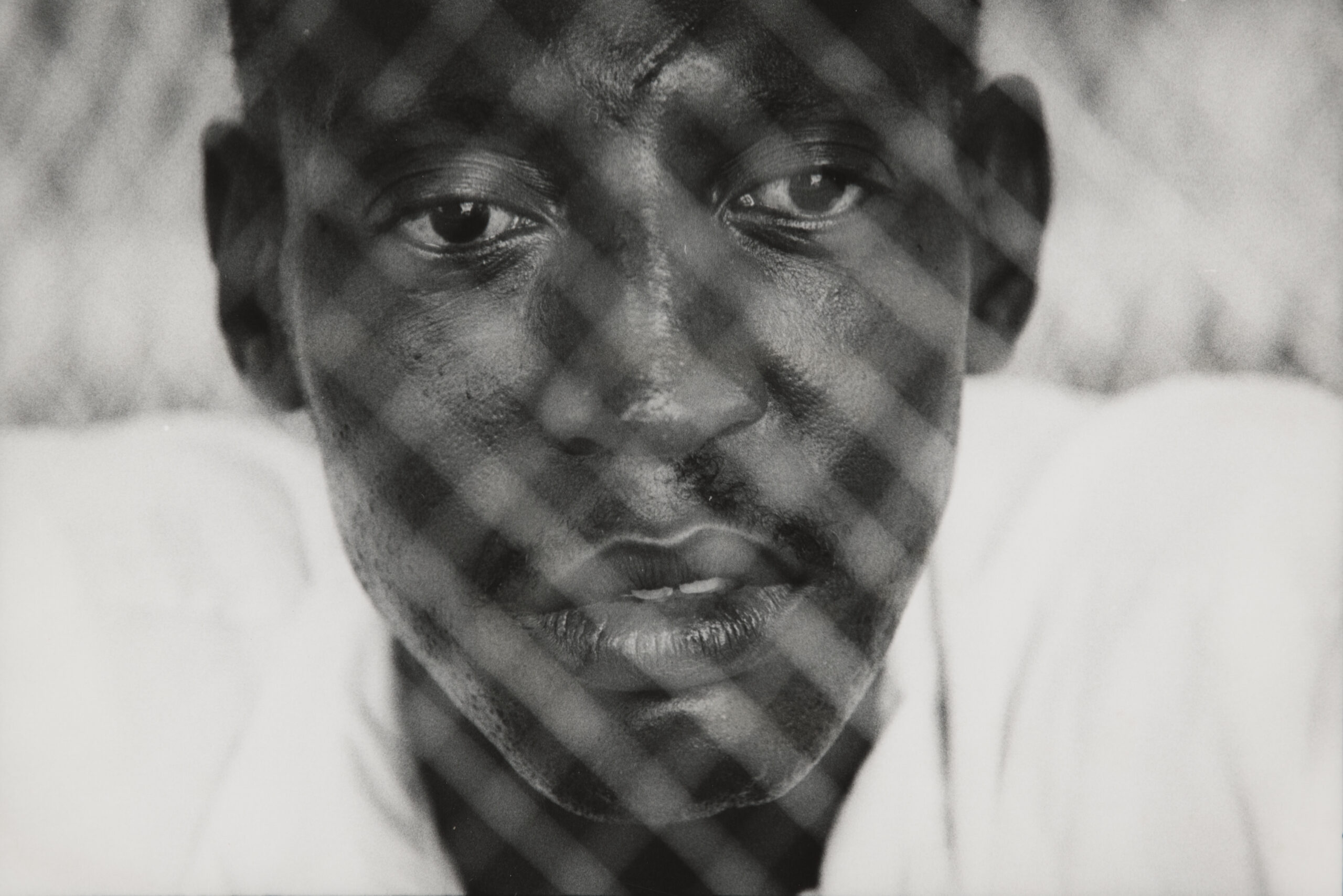
Forty Years of Excellence in Photojournalism
Long before a phone could upload an image or stream a video, photojournalists sought captivating cover images and embedded themselves in communities to capture unguarded moments that told the story.
“We take for granted knowing things instantly,” Wylie says. “Imagery played a large part in how information reached readers in Black communities. It meant something that they saw themselves portrayed by Black photographers.”
The exhibit features Harlem photographer Kwame Brathwaite, whose career spanned the 1950s through the 1980s and whose work helped shape the “Black Is Beautiful” movement. His image “Changing Times” — now featured on billboards promoting the show — captures a woman in quiet reverie, blending fashion, editorial, and fine-art sensibilities into a single, arresting frame.
Brathwaite’s photographs reflect the creative ferment of mid-century Harlem, where artists, activists, and musicians were redefining cultural identity. The exhibition also includes work by photographers such as Ernest Withers, Ming Smith, Lewis Draper, Guy Crowder, and Elaine Tomlin, capturing both the range of artistic voices and the strong presence of women in the field.
The Tarrant County Black Historical and Genealogical Society collaborated with the Carter to add a local component to Black Photojournalism. Drawing from archival materials housed at the Fort Worth History Center, the society identified and loaned photographs, newspapers, and media artifacts that document Black life and journalism in North Texas.
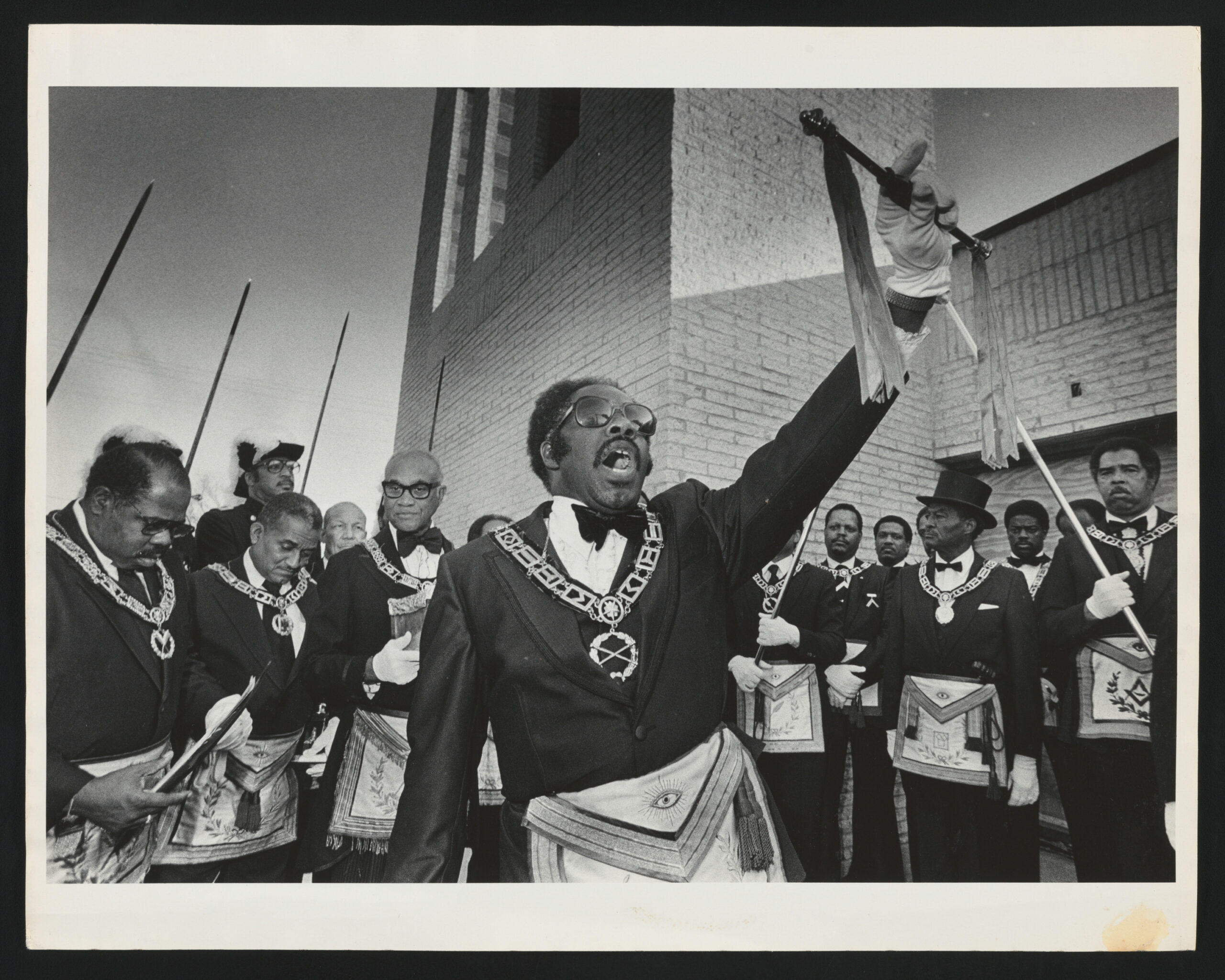
When Newspapers Were the Lifeline
Beyond its portrayal of daily life in Black communities, the exhibition serves as a reminder of the vital role newspapers and magazines once played within those communities. Today, as photography remains both a widely practiced hobby and a profession, Wylie believes Black Photojournalism will resonate with contemporary photographers.
“Photojournalists who come to the show will be inspired,” he says. “The richness, the depth, and the sheer amount of images should appeal to contemporary photojournalists. There are moments of social justice, sorrow, triumphs, and tragedies. The exhibition includes classic gelatin silver black-and-white prints, color photography, and original newspapers. This is how people gleaned information about what was going on in their world.”
The Carter has several events planned for the series, including a Tea and Tours event on Tuesday, April 7. Black Photojournalism runs March 15, 2026, through July 5, 2026, at the Amon Carter Museum of American Art.