


50 Years In, This Houston Arts Pioneer Is Still Making the Scene — Betty Moody Boosted the City With Her Namesake Gallery
A Friend and Mentor to Generations of Artists and a Creative Force Of Her Own
BY Ericka Schiche //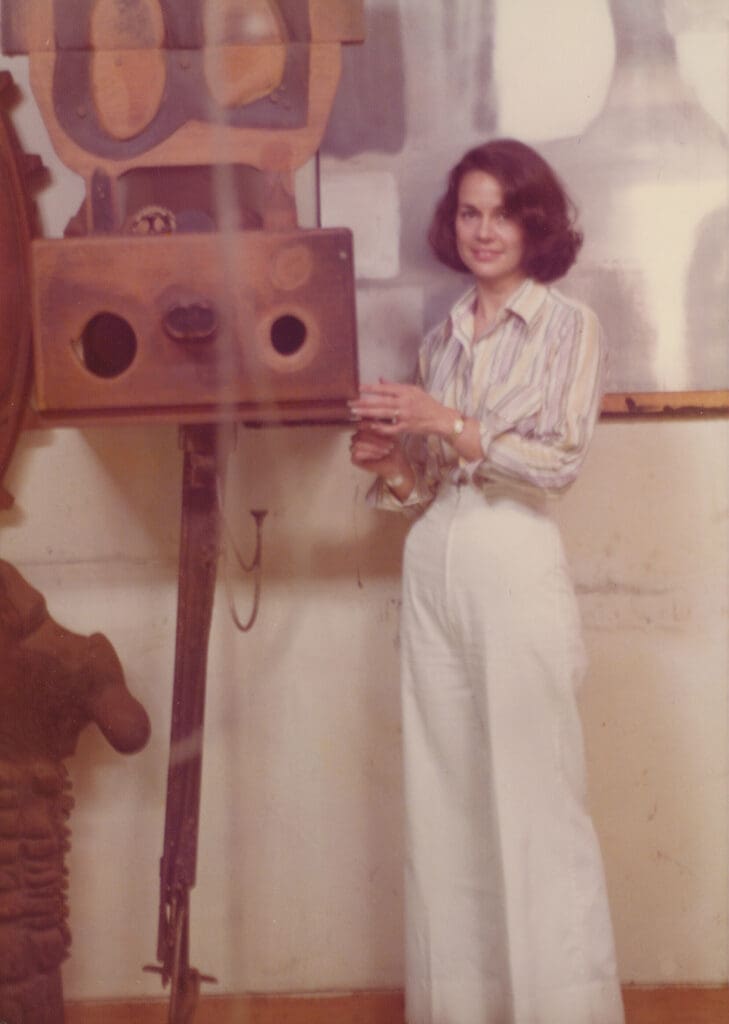
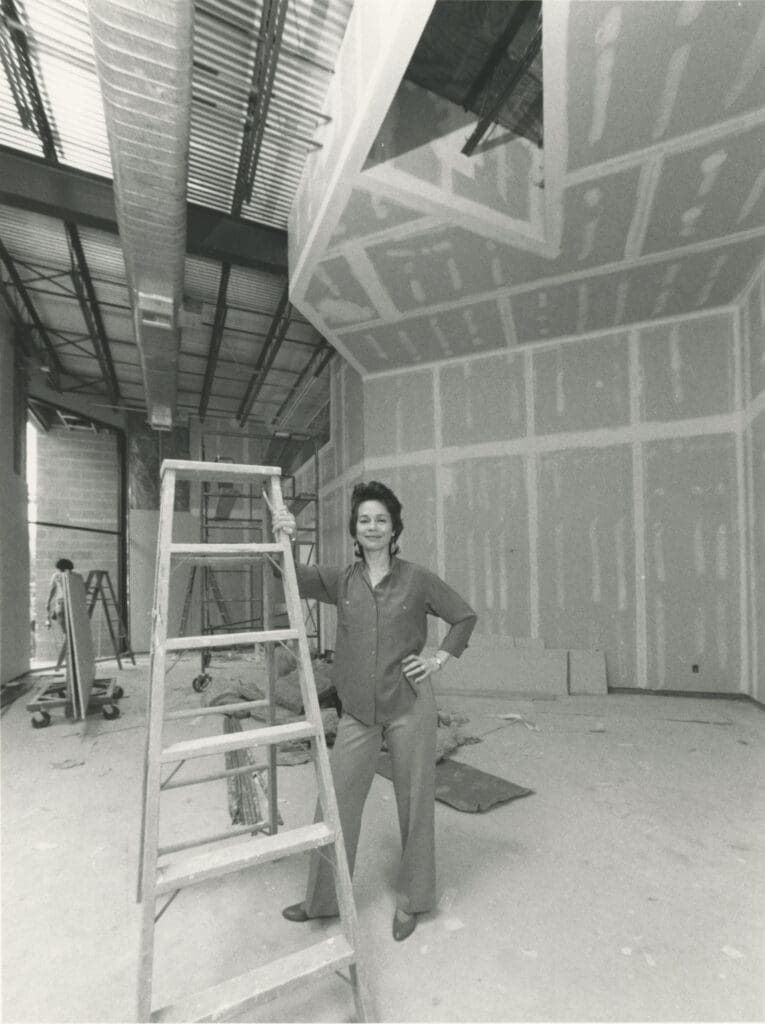
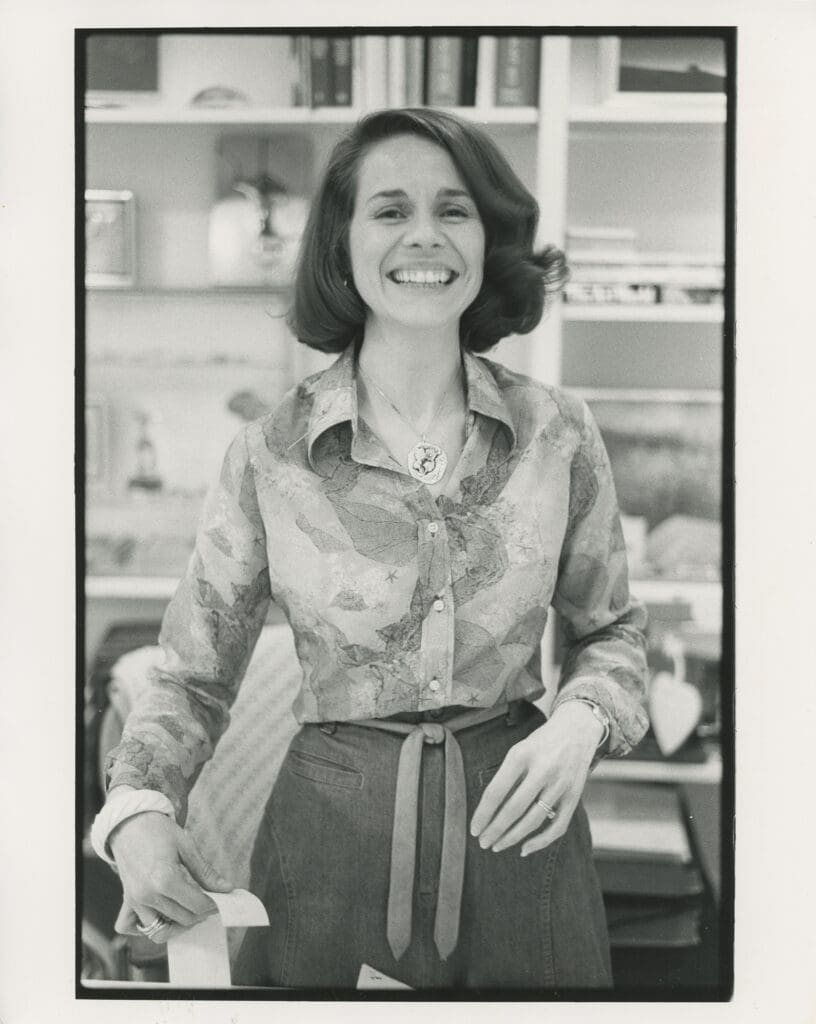
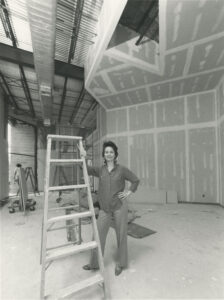
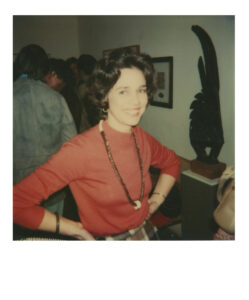
Gallerist Betty Moody stands next to a work of art in 1976. (Photo courtesy Moody Gallery)
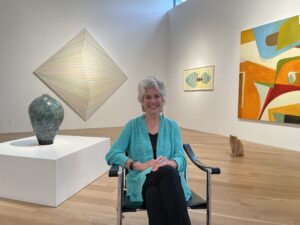
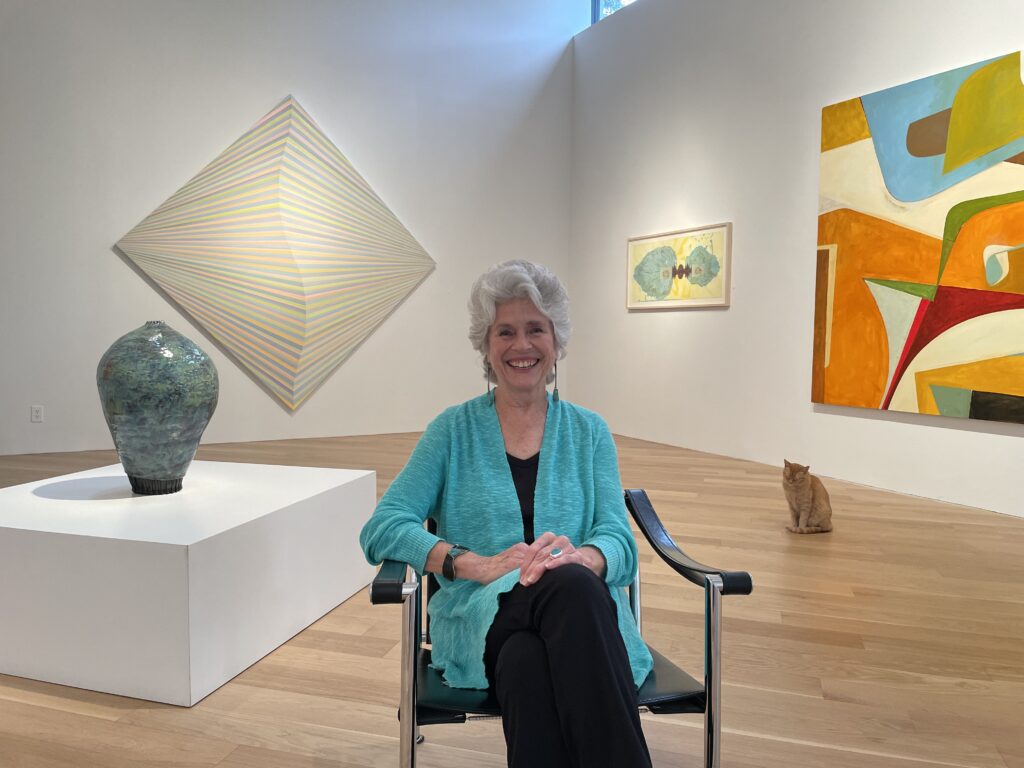
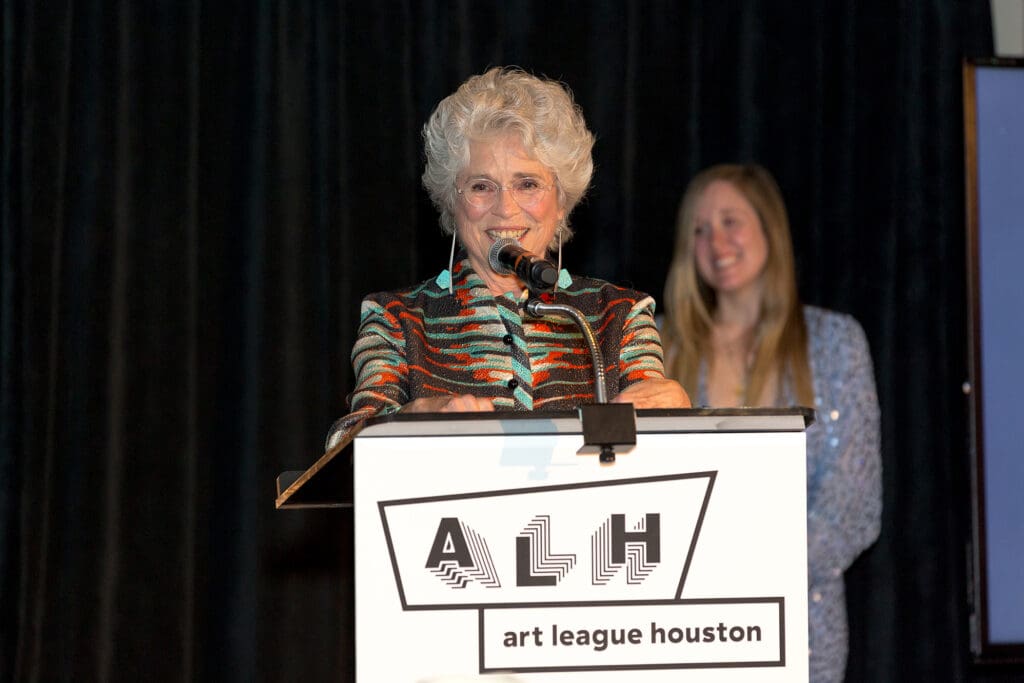
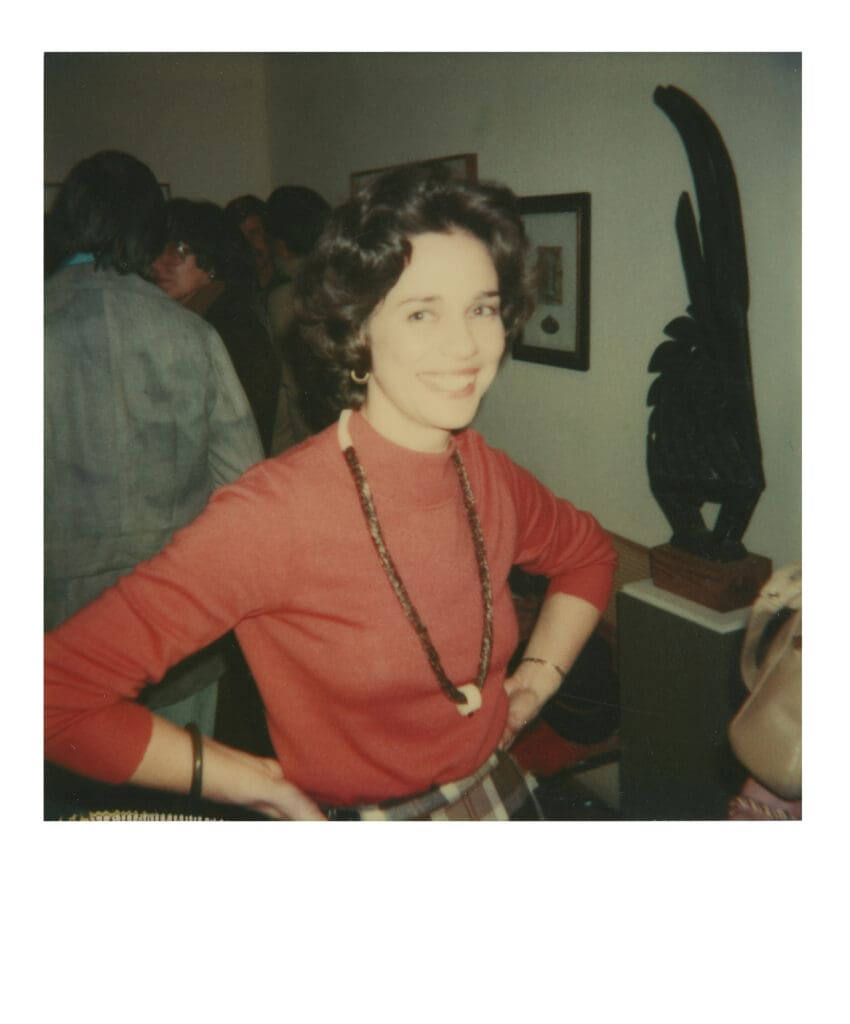
For five decades, gallerist Betty Moody has championed artists while maintaining a steady presence in the Houston art scene. Her Moody Gallery, the unique art haven she founded in 1975, is 50 years old.
An art lover from an early age, Moody was born in Memphis, Tennessee. She spent her formative years in Nashville before attending the University of Kentucky in the class of 1966.
“I was an art major and enjoyed the studio classes, but I especially loved art history,” Moody tells PaperCity. “I worked in the university’s art gallery and helped install exhibitions. Little did I know that 60 years later, I would still be installing shows.”
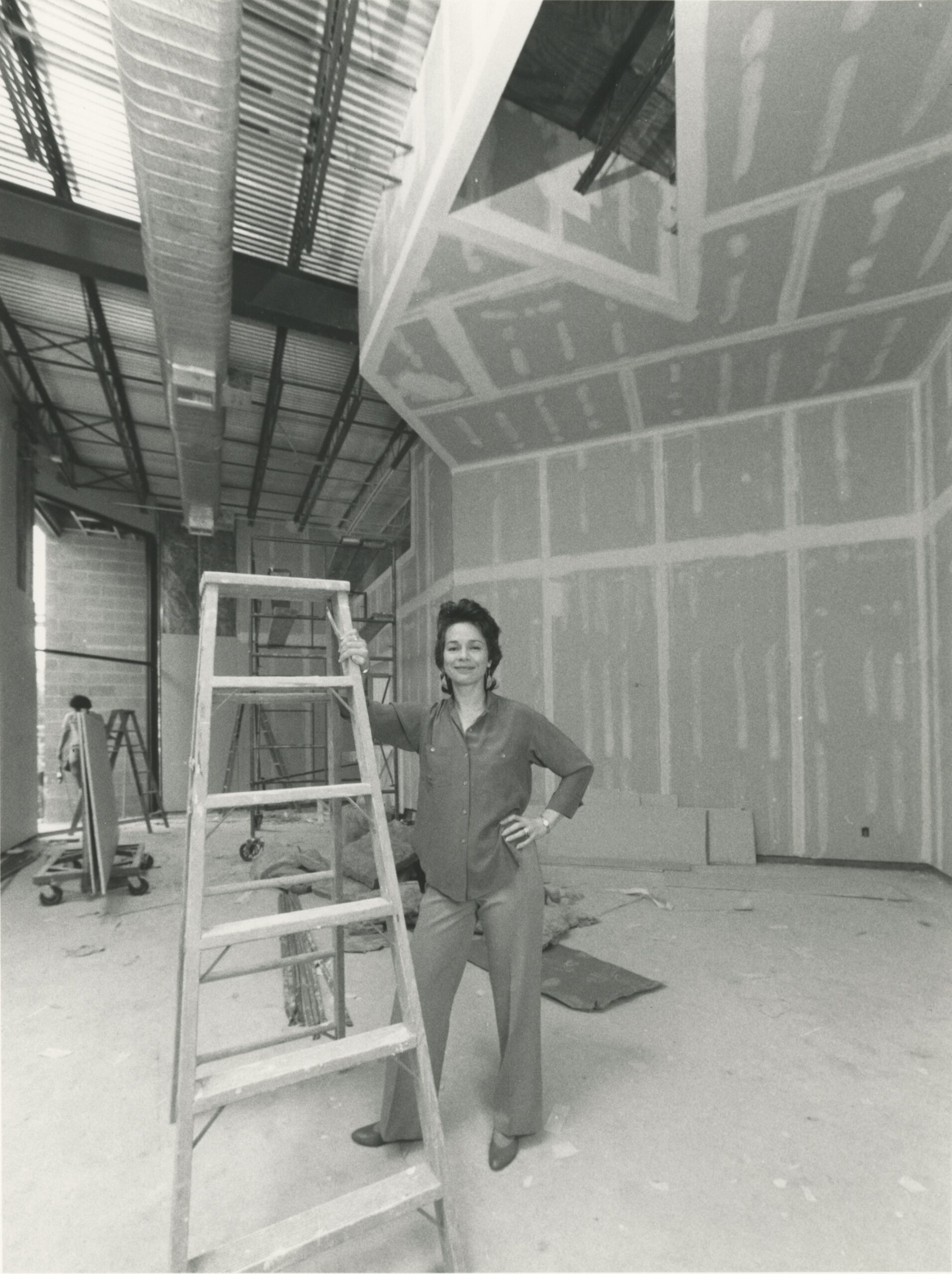
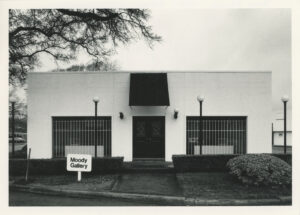
When Moody moved to Houston in 1967, the city was still taking shape. It was an up-and-coming metropolis without the skyline we recognize today. She began working at Ben DuBose’s legendary DuBose Gallery, a fixture in the Houston scene from the 1950s to the 1970s.
“Ben DuBose was a great art dealer,” Moody says. “He was a natural with his artists and clients. I learned a great deal from him.”
After DuBose died, Moody worked for another gallery for about a year. Then she decided to open her own space.
The Allen





“When you are young, obstacles aren’t an issue,” she says. “I found a 3,000-square-foot space in the River Oaks Shopping Center. I was there for 10 years.”
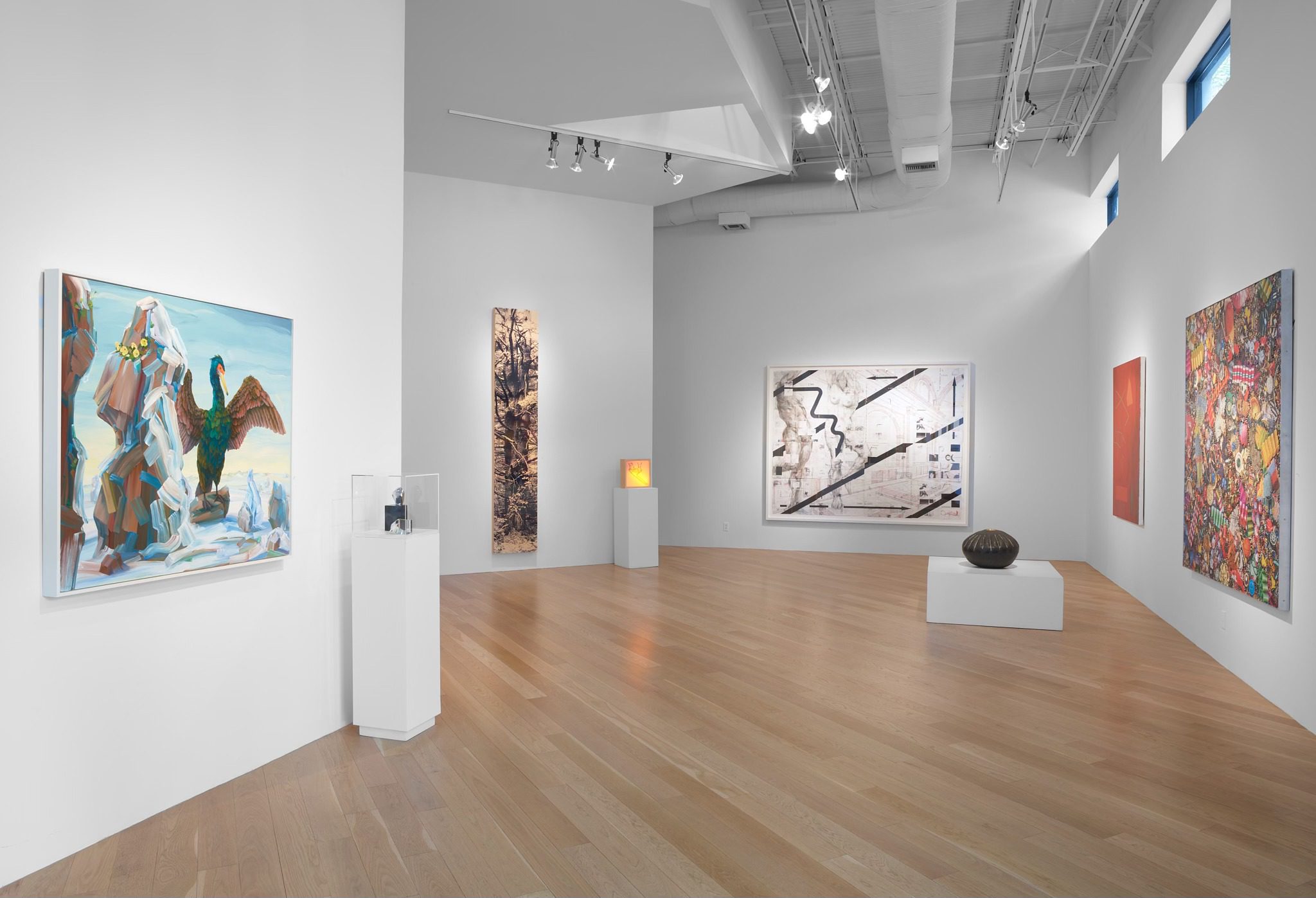
50 Years of Moody Gallery
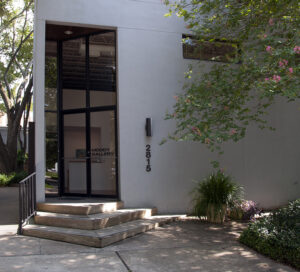
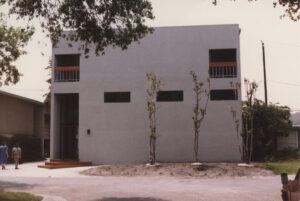
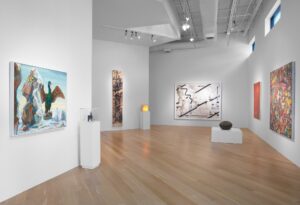
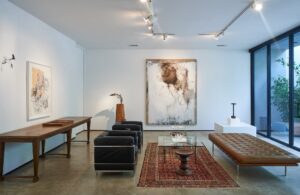
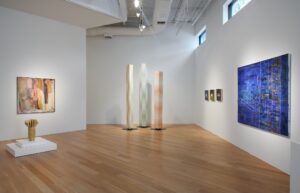
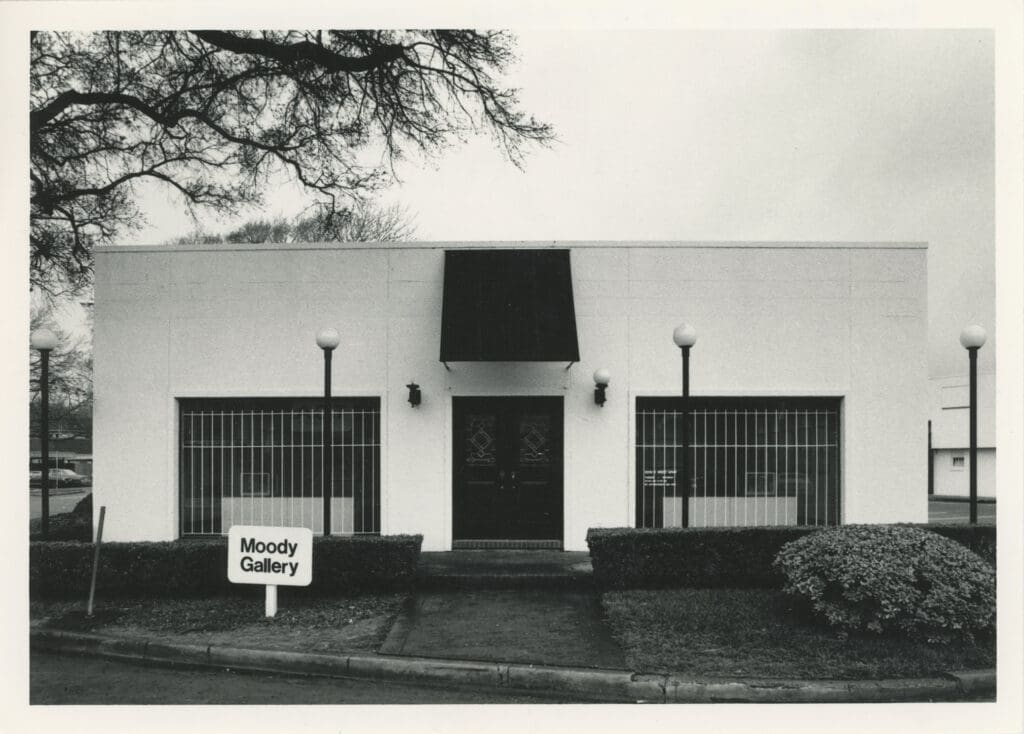
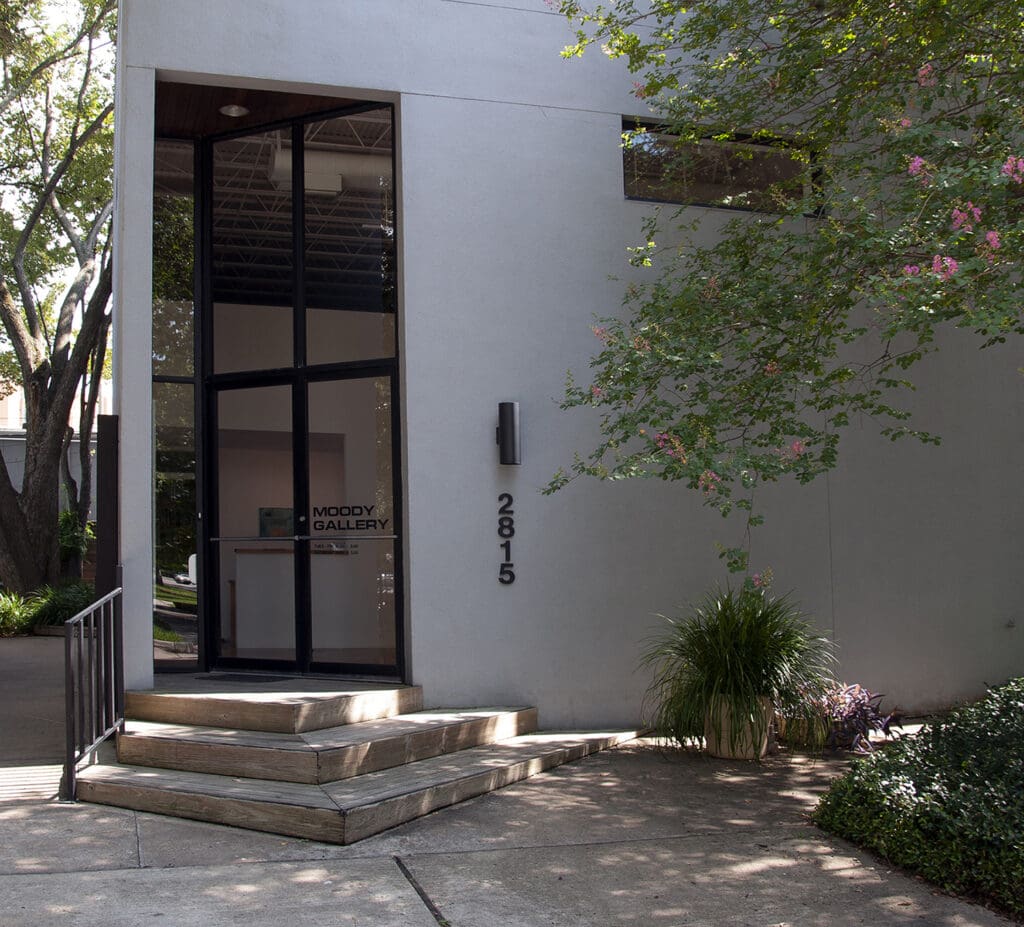
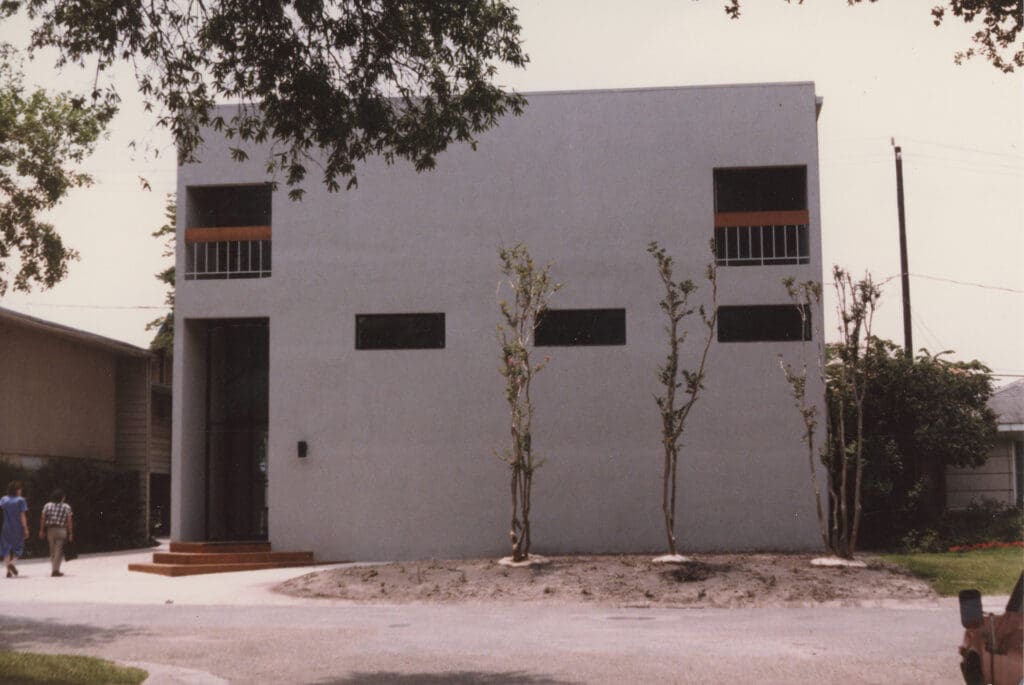
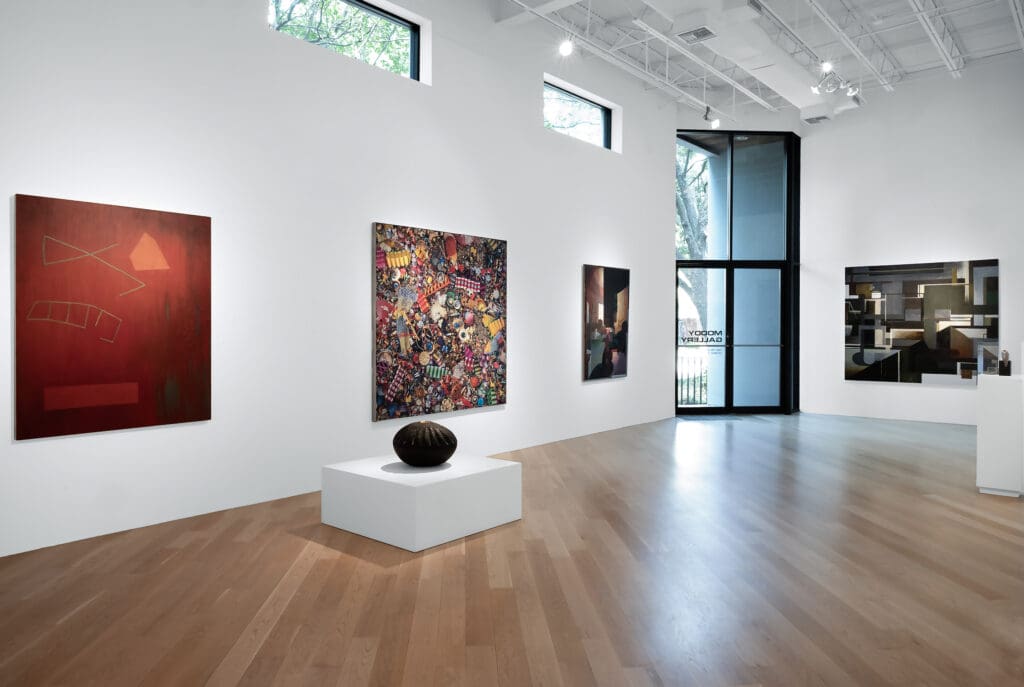
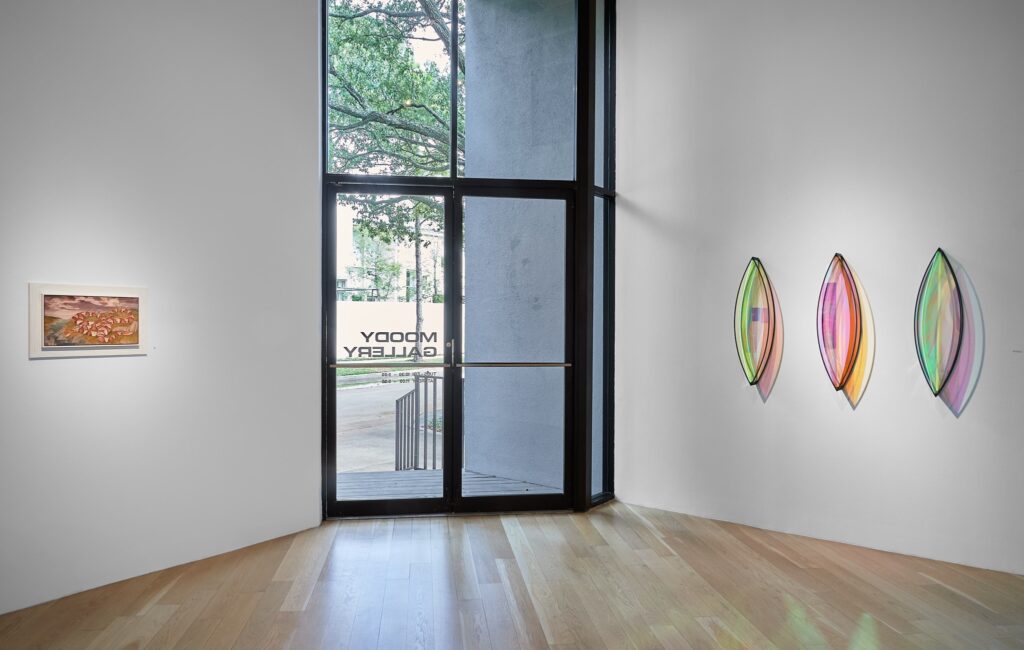
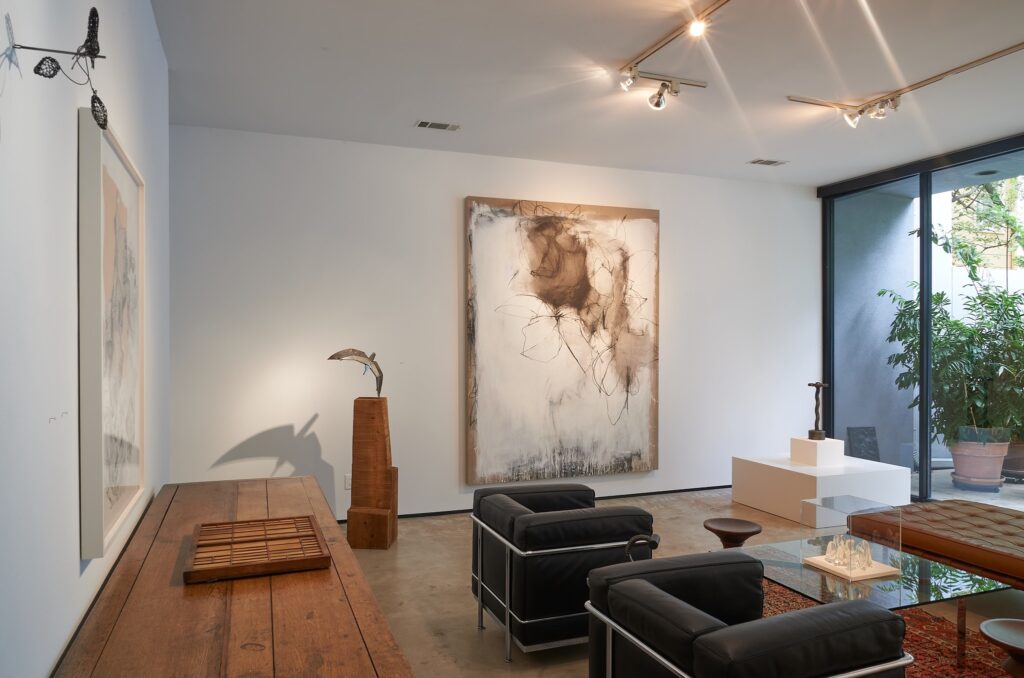
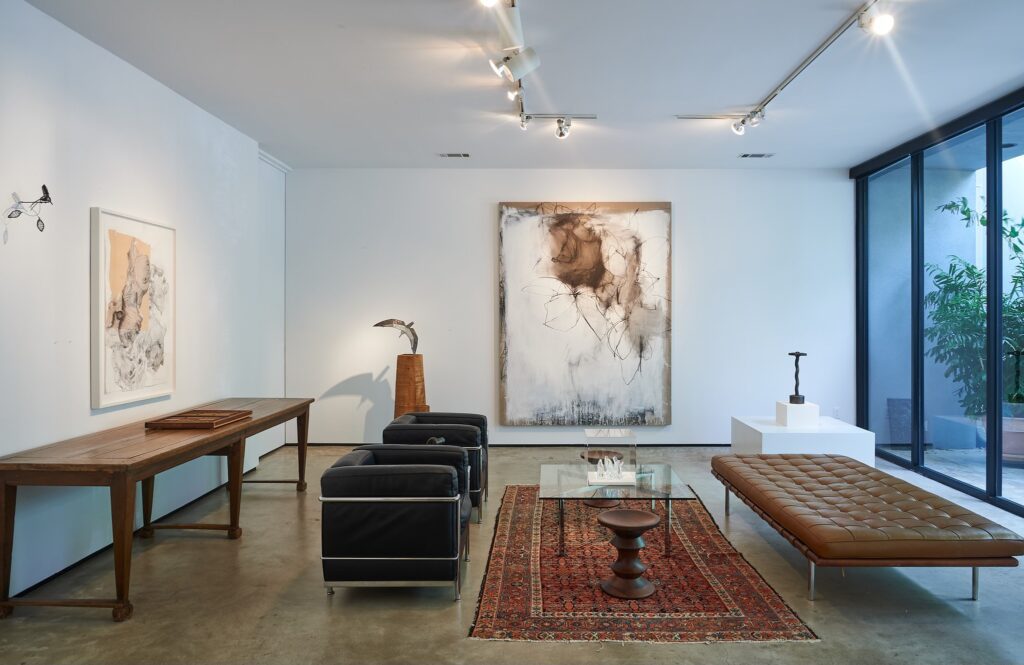
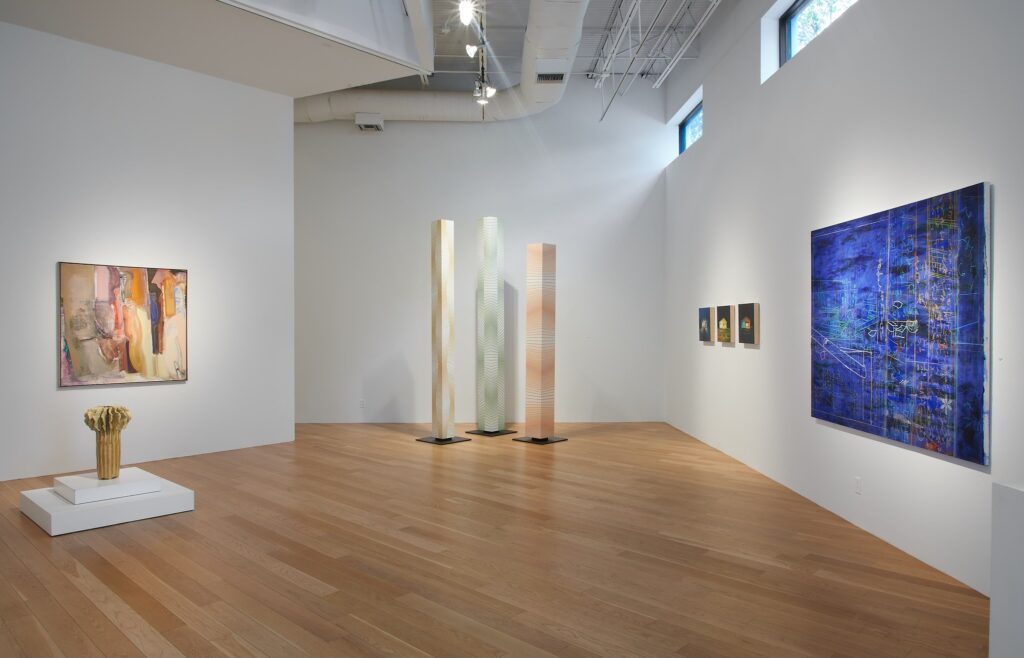
2025 marked the 50th anniversary of Moody Gallery. Its current location at 2815 Colquitt Street has been its home for the past 40 years.
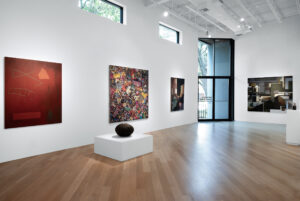
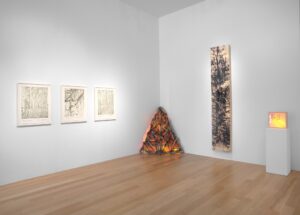
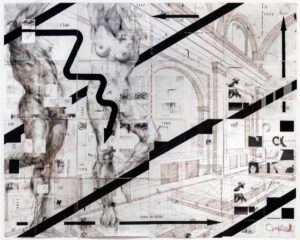
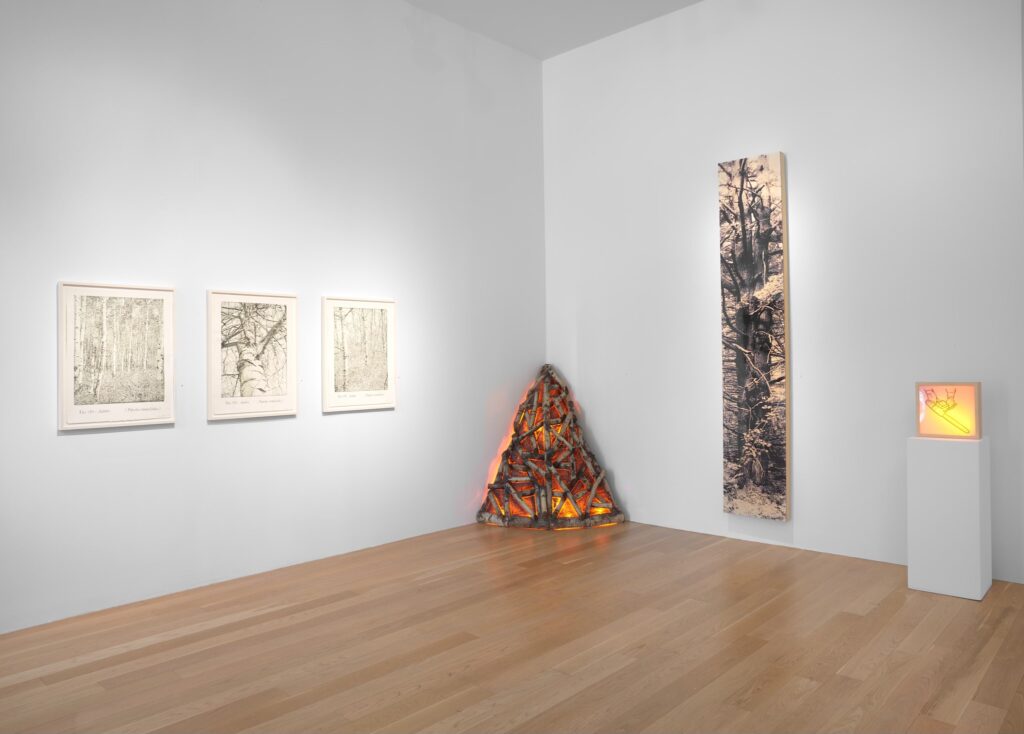
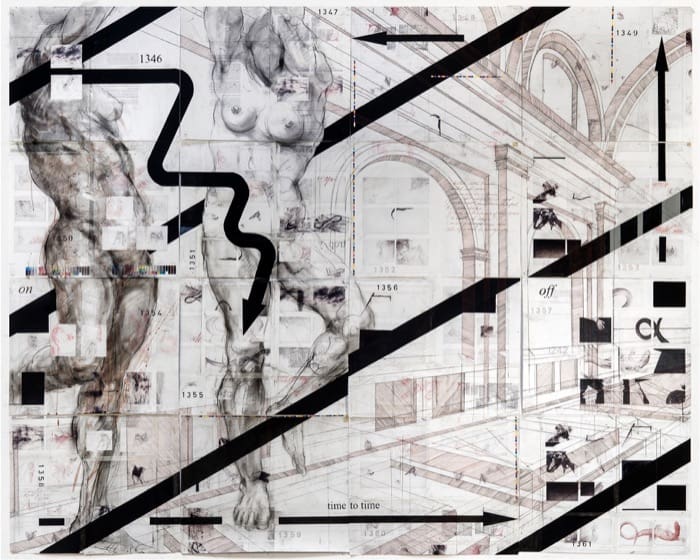
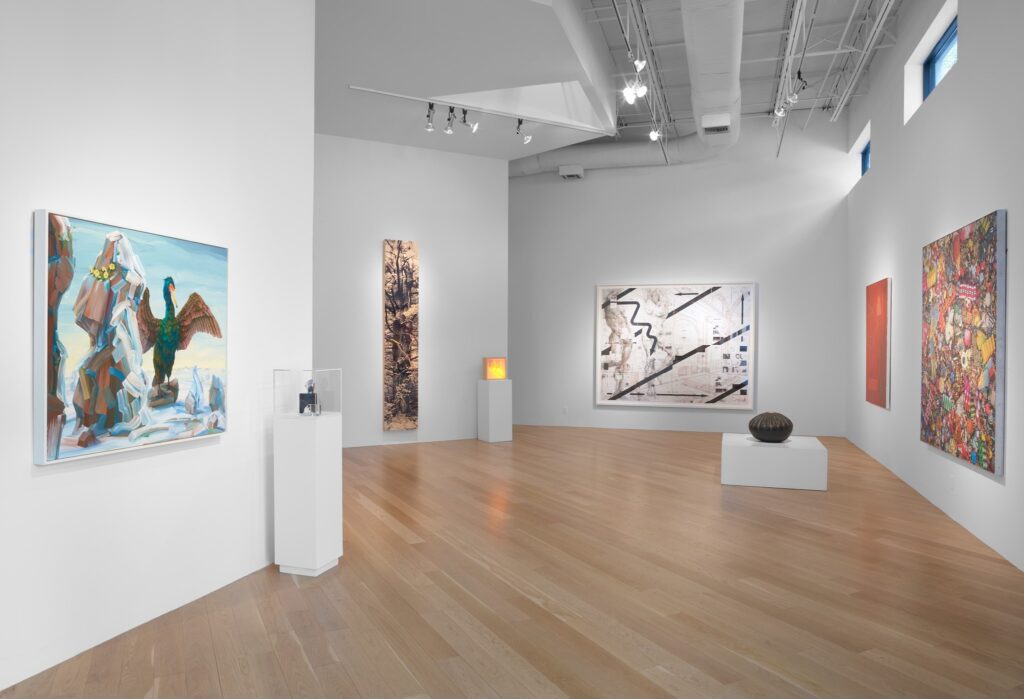
Two exhibitions commemorating the anniversary, 50th Anniversary Exhibition Part I and Part II, were on view throughout the fall and winter. Both featured artists affiliated with the gallery over the years.
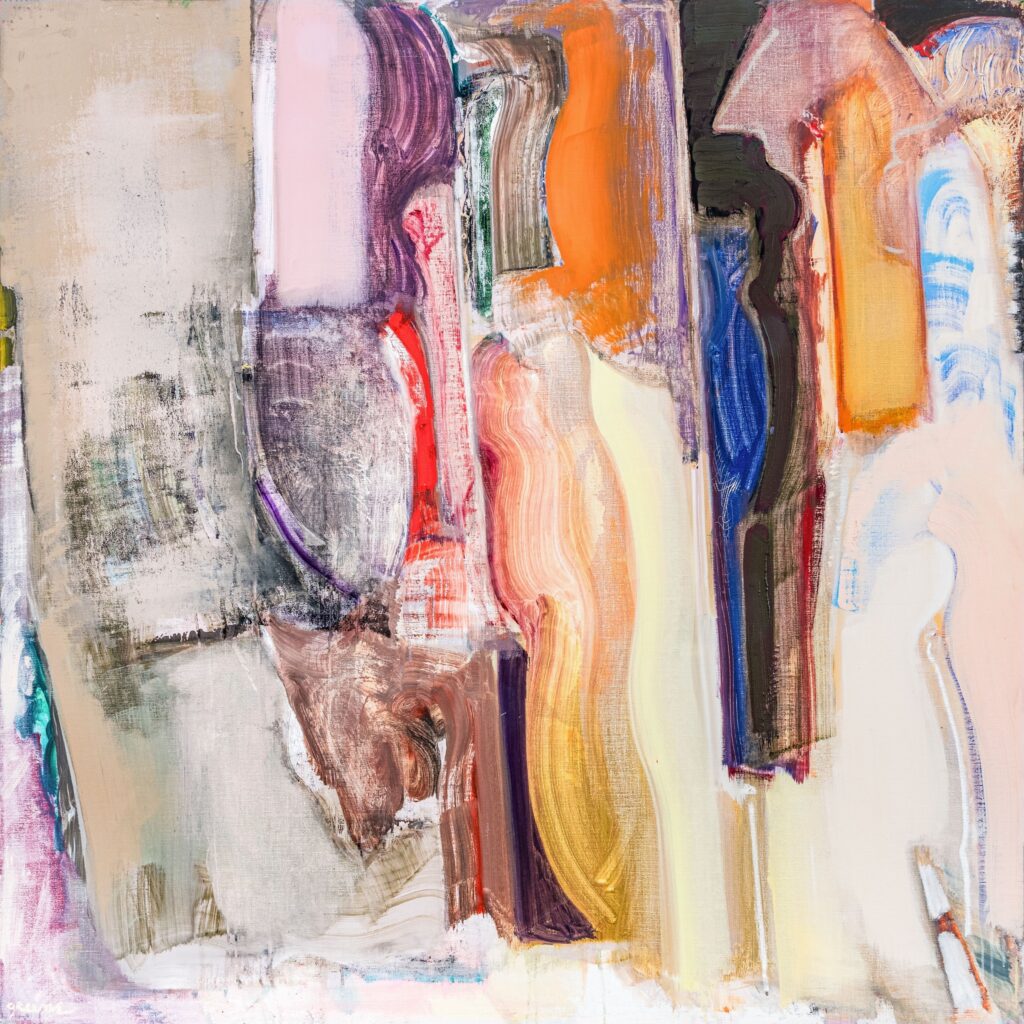
Part I included MANUAL, the renowned artistic duo consisting of the late Suzanne Bloom and Ed Hill. The exhibition also featured Lucas Johnson, Arthur Turner, Al Souza and Bill Steffy. Part II included works by William Christenberry, Stephen Greene, Sarah Williams and Luis Jiménez, among others.

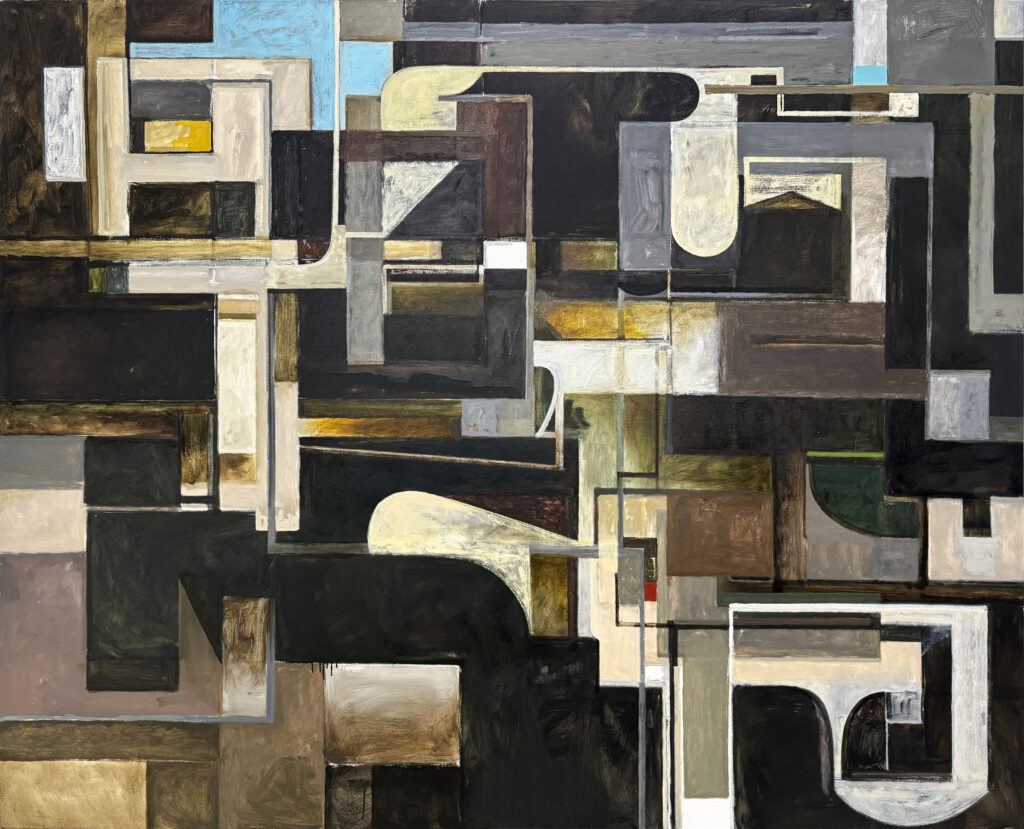
“It was a fun two-part show to put together,” Moody says. “I displayed some brand new pieces.” Animal and nature artist Melissa Miller created a new work for the exhibition. Dan Sutherland, Pat Colville and Helen Altman also contributed new pieces.
Over the years, the gallery itself has changed. Moody says the most lasting shifts began in the mid-1980s after the move to Colquitt Street.
“Times change, trends change,” she says. “I’ve never been a trendy dealer, but new people came around that I wanted to work with.”
The Artist Who Shaped the Space
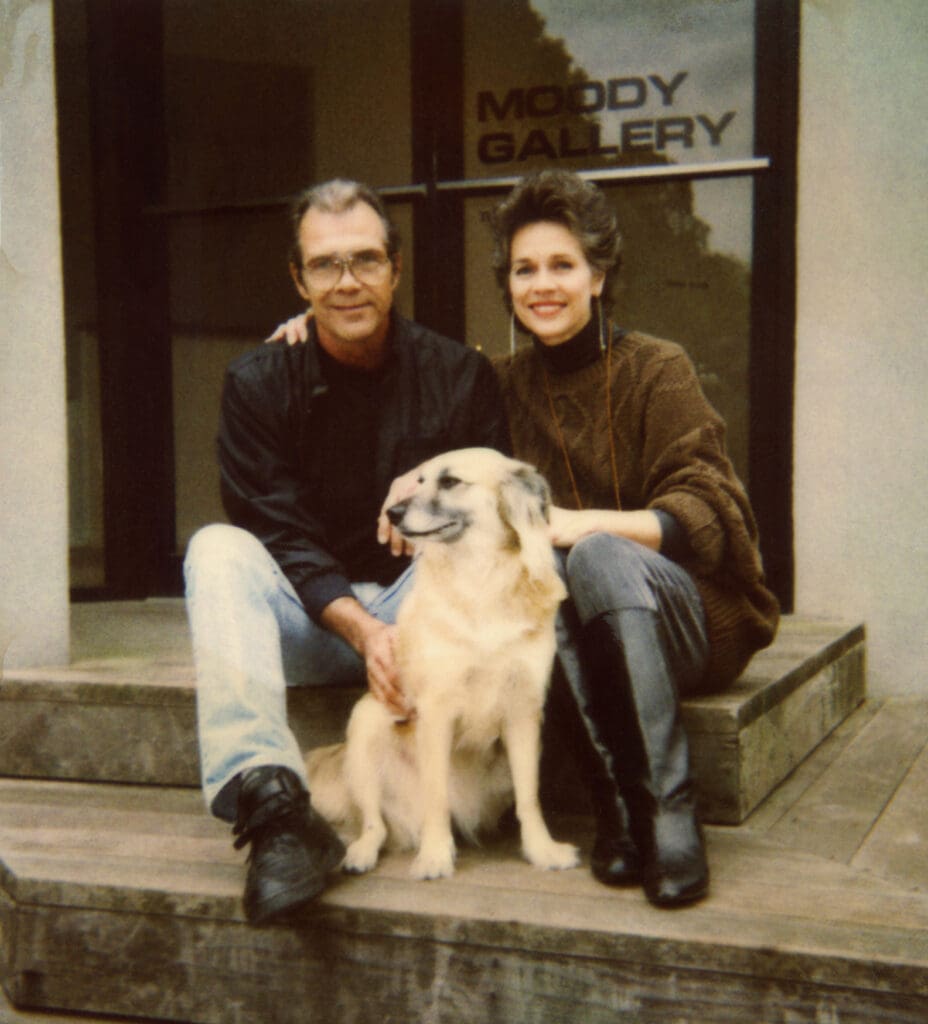
One of the artists who became a major part of the gallery’s history was Moody’s late husband, artist and instructor Bill Steffy.
Originally from Phoenix, Arizona, Steffy majored in architecture at the Chouinard Institute in Los Angeles. In 1959, he returned to Arizona to study at Taliesin West, Frank Lloyd Wright’s studio and winter home.
After Wright’s death, the studio closed. Steffy changed direction and apprenticed under Hopi artist Charles Loloma.
“Loloma was really the first Native American artist to break with tradition as far as design work,” Moody says. “He did contemporary designs.”
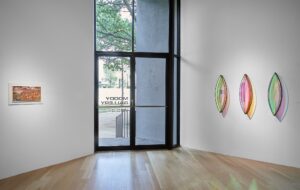
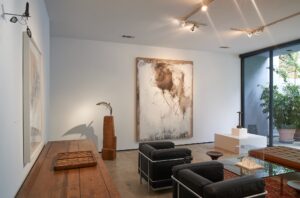
Steffy’s architectonic vision shaped Moody Gallery itself. The space has a retro futuristic quality, with aspects of geometric abstraction and a nod to Southwestern culture and architecture.

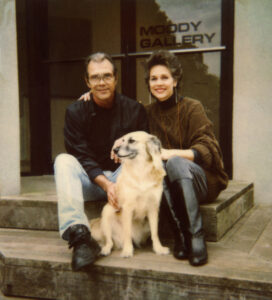
Before his death in 2015, Steffy spent much of his time at the gallery he designed. He was often accompanied by the couple’s gallery dog Babe.
The late artist’s interest in Native American culture appears throughout the space. It’s evident in the gallery’s architectural design and in Steffy’s sculptures and jewelry. Betty Moody still wears a beautiful silver and turquoise ring he created.
“We were definitely a team. There’s not a day that goes by that I don’t miss him,” she says. “But he’s always here. Every angle in this building is Bill Steffy.”
A Mentor to Many
Steffy’s presence still defines the physical space of the gallery. But Betty Moody’s influence reaches far beyond the walls he designed.
Gallerist Lynn Goode, who operated a gallery in Houston for many years, describes Moody as “the beloved leader of the pack” among Houston gallerists.
“It’s astonishing that 50 years have passed since Betty opened her doors. It would be impossible to think of her doing anything else,” Goode says. “I doubt she’s even aware of the depth of her reverberation in the art world.”

Goode credits Betty Moody for being an invaluable mentor during the late 1980s, when she was just starting out.
“I had no experience whatsoever in the art world,” Goode notes. “Betty was my North Star.”
She recalls how Moody responded to gallery visitors.
“I watched her treat everyone as if they were the only one in the world,” Goode says. “It’s not an exaggeration to say that Betty’s example became the foundation for an entire community.”
That same commitment continues to guide Betty Moody’s work today. She plans to continue her work into the future.
“If someone had told me years ago that I’d still be in this business, I wouldn’t have believed them,” she says. “But I enjoy doing this. I hope I can continue for another 10 years.
“It certainly won’t be another 50. But maybe 10.”
“Michael Kennaugh: Broken Bridge” will be on view at Moody Gallery from January 10 through February 21. For more information, go here.