The Insider Tales of Robert Rauschenberg — Personal Memories Of the Late Port Arthur Artist During His Menil Moment
An Over Zealous Sheriff, a Dance Floor Demon, a Depression Era Work Ethic and More
By Catherine D. Anspon //
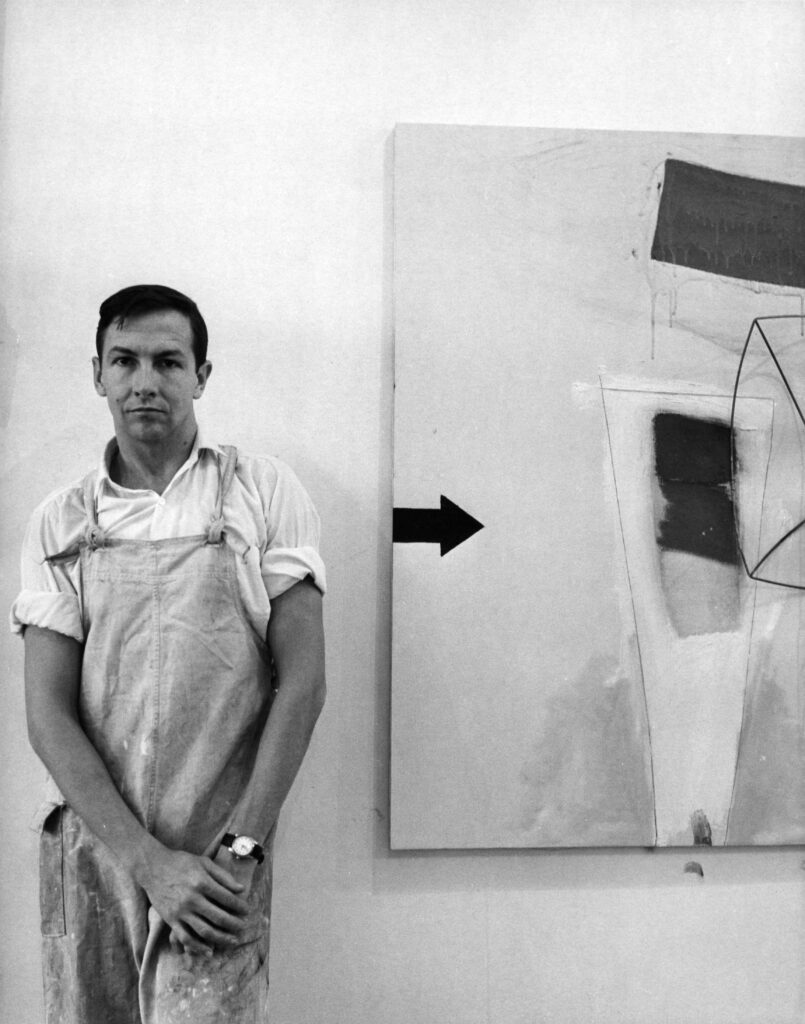
![Portrait of Milton [Robert] Rauschenberg, Thomas Jefferson High School, Port Arthur, Texas, circa 1941. (Robert Rauschenberg Foundation Archives, New York)](/wp-content/uploads/2026/01/039-P16_recto_RRFA09-658x1024.jpg)
![Dora, Ernest and Milton [Robert] Rauschenberg, Port Arthur, Texas, 1928 (Robert Rauschenberg Foundation Archives, New York)](/wp-content/uploads/2026/01/038-P5_RRFA09-768x1024.jpg)
![Milton [Robert] Rauschenberg in front of the bandstand in Gates Memorial Park, with Port Arthur Library in background, Port Arthur, Texas, 1927 (Robert Rauschenberg Foundation Archives, New York)](/wp-content/uploads/2026/01/037-P1_RRFA09_cc-622x1024.jpg)
![Milton [Robert] Rauschenberg, Port Arthur, Texas, late 1920s or early 1930s (Robert Rauschenberg Foundation Archives, New York)](/wp-content/uploads/2026/01/040-P8841_RRFA09-806x1024.jpg)
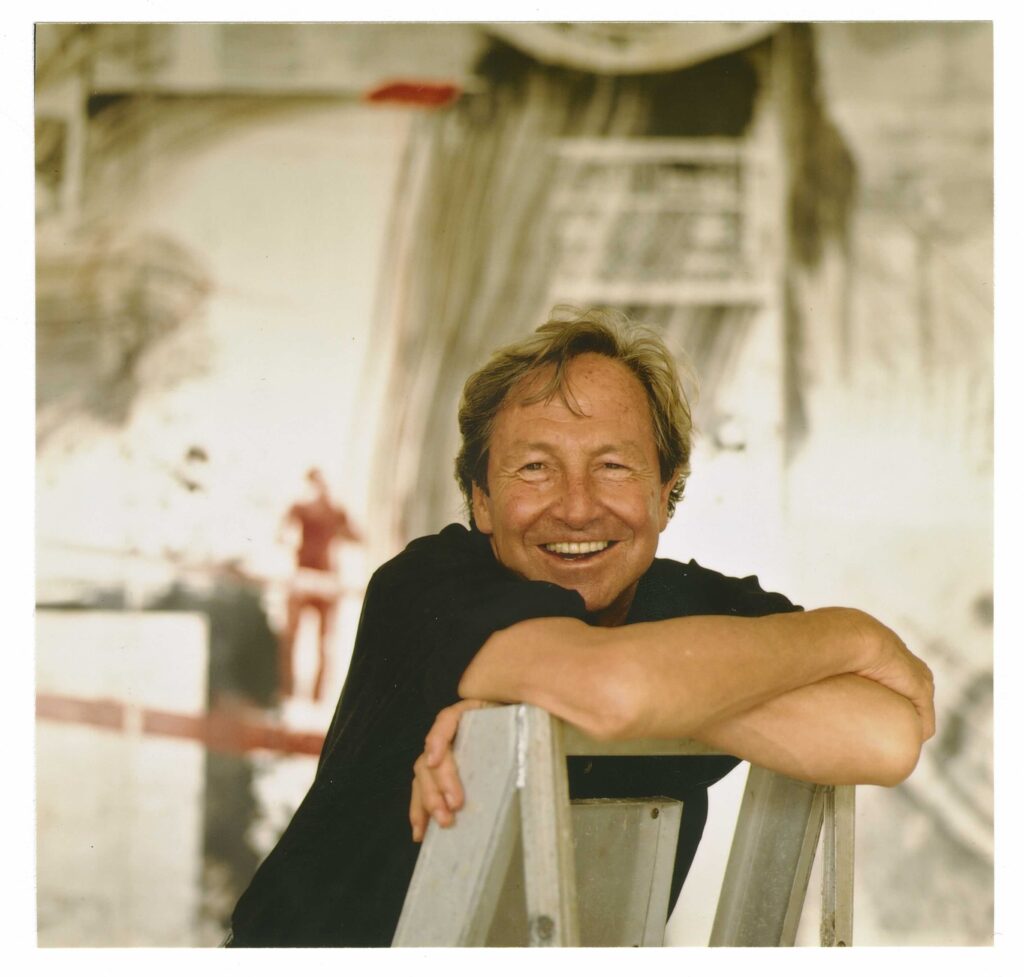
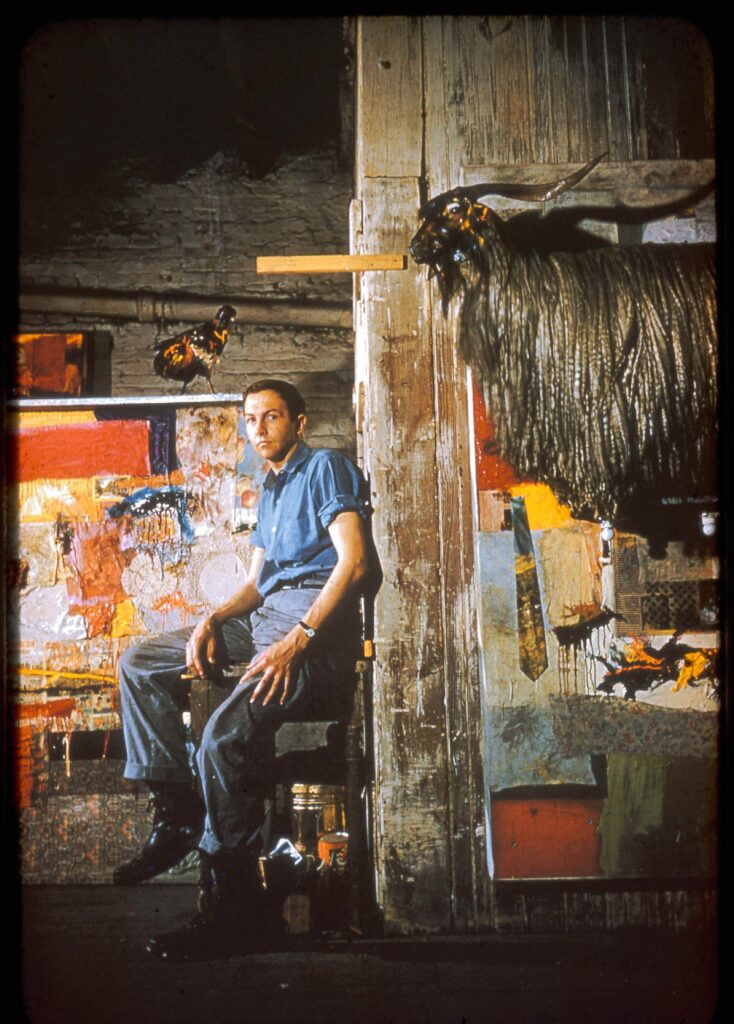
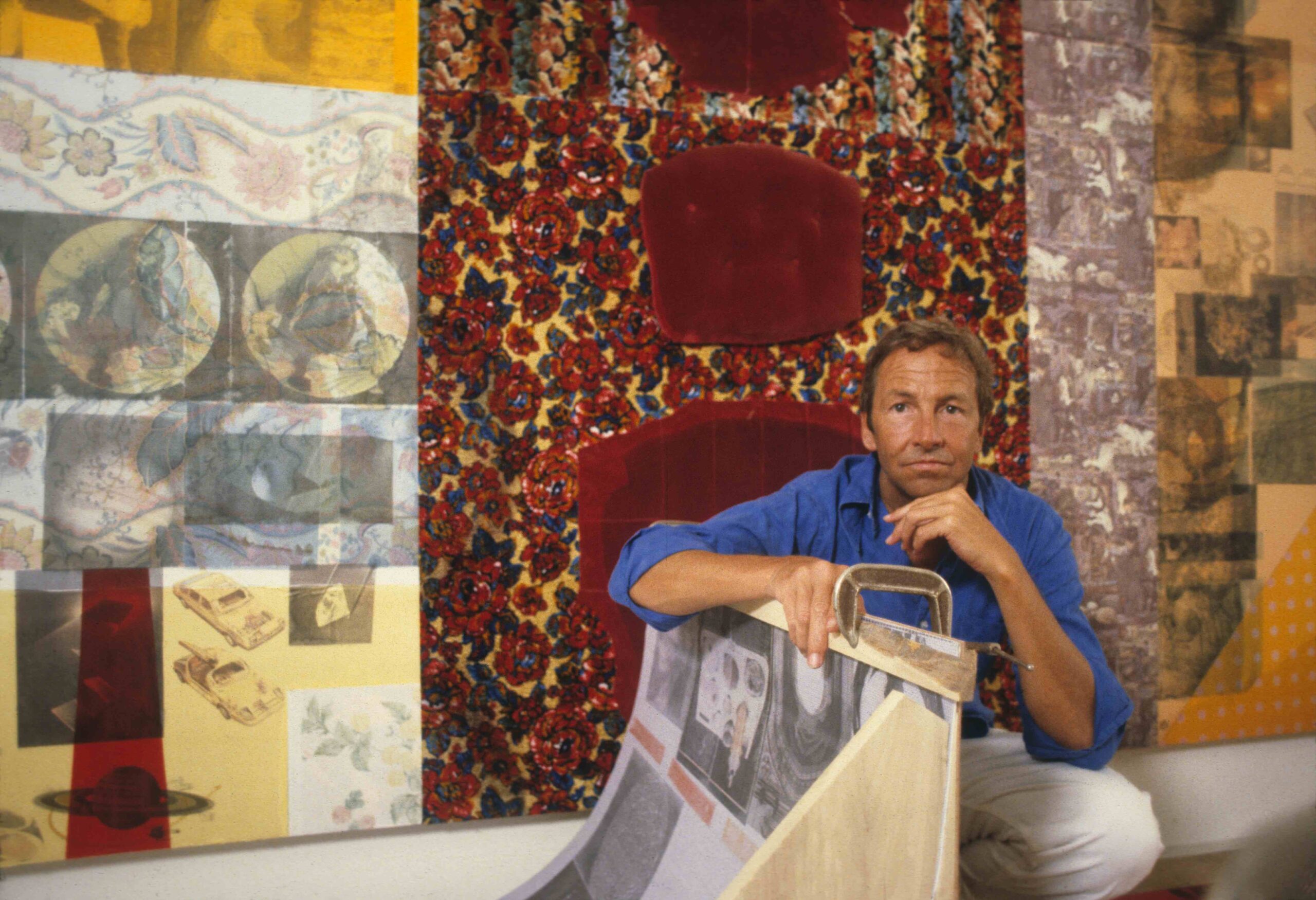
One of the touchstones of The Menil Collection, Robert Rauschenberg is being highlighted at the Houston museum. It is a rare look at his rediscovered textile creations dubbed “Robert Rauschenberg: Fabric Works of the 1970s” (showing through March 1). Aligned with this exhibition and the occasion of what would have been the artist’s 100th birthday, PaperCity tapped seven art experts who reflected upon the late Port Arthur-born artist and his impact. As told to Catherine D. Anspon.
Susan Davidson
Art historian, curator (Menil, Guggenheim); co-curator, 1997-1999 international Rauschenberg retrospective organized by the Guggenheim
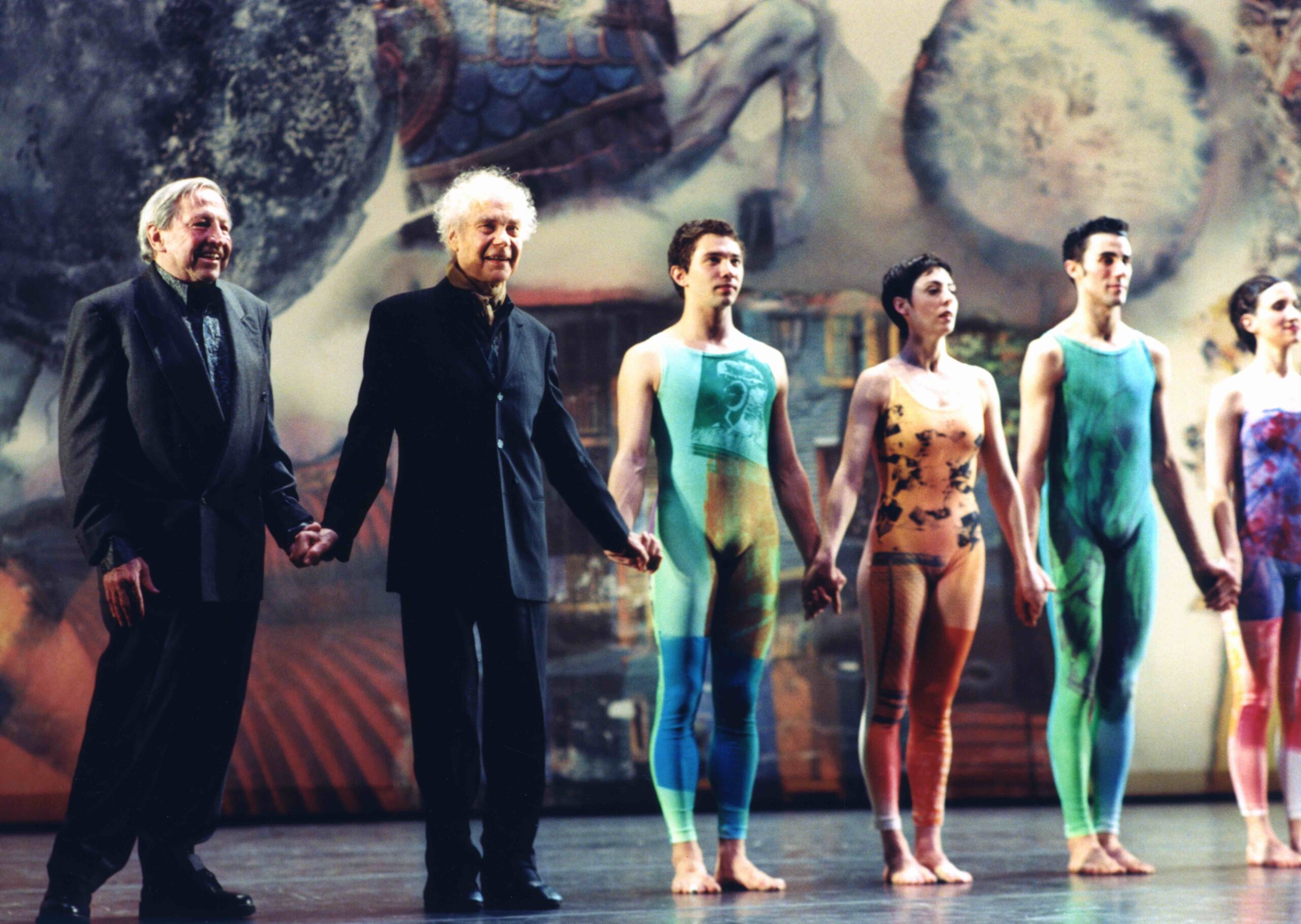
It was a perfect February day in Houston (in 1998) — cold and breezy, but full of sunshine. The city’s annual trail ride had paraded down Memorial Drive the day before, signaling the start of the Houston Livestock Show & Rodeo and coincidentally the debut of a four-venue art exhibition featuring Robert Rauschenberg. Co-curator Walter Hopps, David White (Bob’s curator), and I were putting the finishing touches on the installation, all looking forward to that evening’s opening and afterparty at the Bayou Club.
We separated for lunch. When I returned to The Menil Collection, the show’s main venue, I noticed a large truck with an even larger horse trailer parked along the Branard Street entrance. I found it hard to fathom why cowboys would be interested in an early peek at Bob’s remarkable oeuvre, despite this being a homecoming for Texas’ most celebrated artist.
To my astonishment, the Harris County sheriff was brandishing a court order, ready to seize valuable artwork belonging to the “collection of the artist.” Apparently, someone had a legal dispute with Bob that had led to a summary judgment — Texas being one of the few states then lacking an anti-seizure law protecting art on view in public spaces. With a determined swagger, seemingly ready to begin yanking works off the museum’s walls, the sheriff marched around the galleries, tallying up the value of the confiscated art needed to match his random appraisals.
Meanwhile, the museum staff was frantically trying to thwart such an invasive act or, at the minimum, postpone it so that the private viewing could proceed uninterrupted.
After what seemed like my 30th attempt at trying to reach Bob, he finally picked up the phone, casually inquiring “What’s up, sweet?”— one of his favorite endearments. I struggled to remain calm while explaining the radical situation unfolding and impress upon him the need to return to the museum immediately. He listened, and after a characteristic pregnant pause said: “I’m at Neiman’s, shopping. I need a new outfit for tonight’s party.”
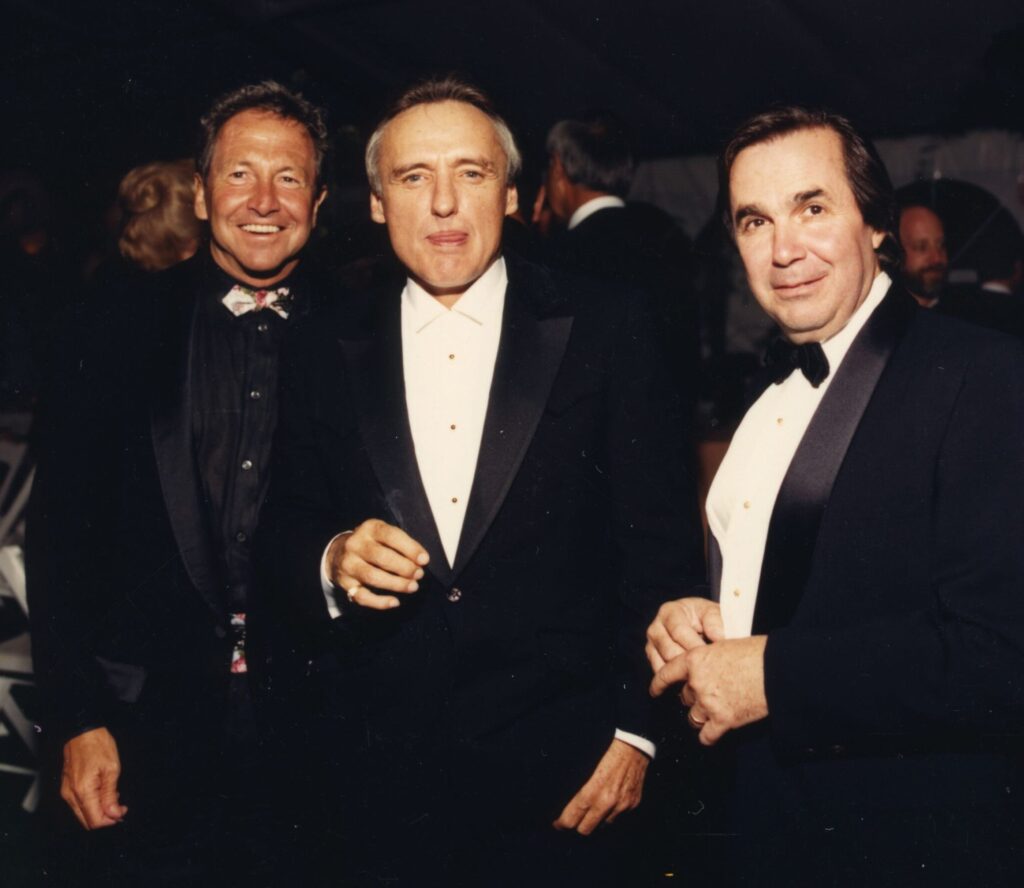
And, when he showed up at the Bayou Club, customarily late, but bearing his infectious smile, he grabbed a Jack Daniels and headed directly to the dance floor. Quintessential Bob. . . unfazed, well-dressed, and ready to party!
Neal Manne
Partner, Susman Godfrey LLP
I represented Mr. Rauschenberg in a lawsuit in 1998. The first thing I did was get a judge to order that numerous of his most important paintings be returned to a retrospective at the Menil, from which they had been hauled away in a horse trailer by some overzealous constable deputies who had seized them because there was a default judgment against Mr. Rauschenberg in the lawsuit.
Months later, a mediation was held in Susman Godfrey’s Houston office on a Saturday morning to try to settle the lawsuit. Some commercial painters were in our office that day, doing touch-up work in preparation for a party our firm was hosting. Mr. Rauschenberg got bored with the mediation and wandered out of the conference room.
A paralegal soon rushed in and told me that Mr. Rauschenberg had told the painters that he too was a painter, and that he wanted to use their paints and brushes to paint something on a very large white wall in our firm’s main reception lobby. The skeptical painters had told him, “No thanks.”
By the time I went out and assured them that, yes, Mr. Rauschenberg should be permitted to paint whatever he wished on our wall, Mr. Rauschenberg just smiled at me and said: “It would have been worth a lot, but the mood has passed.” We did not resolve the case that day, but we did soon thereafter, and a grateful Mr. Rauschenberg gave my law firm two of his paintings as a bonus.
Christopher Rauschenberg
Photographer; the artist’s son; co-founder, Blue Sky, Oregon Center for the Photographic Arts
My father always lived in loft-type spaces, where the whole space was one big room. In his loft on lower Broadway before he bought his orphanage building, I learned to roller skate using his studio as a rink. This is the studio where he painted the 32-foot-long painting called Barge, so you can imagine that was plenty of room to learn to skate.
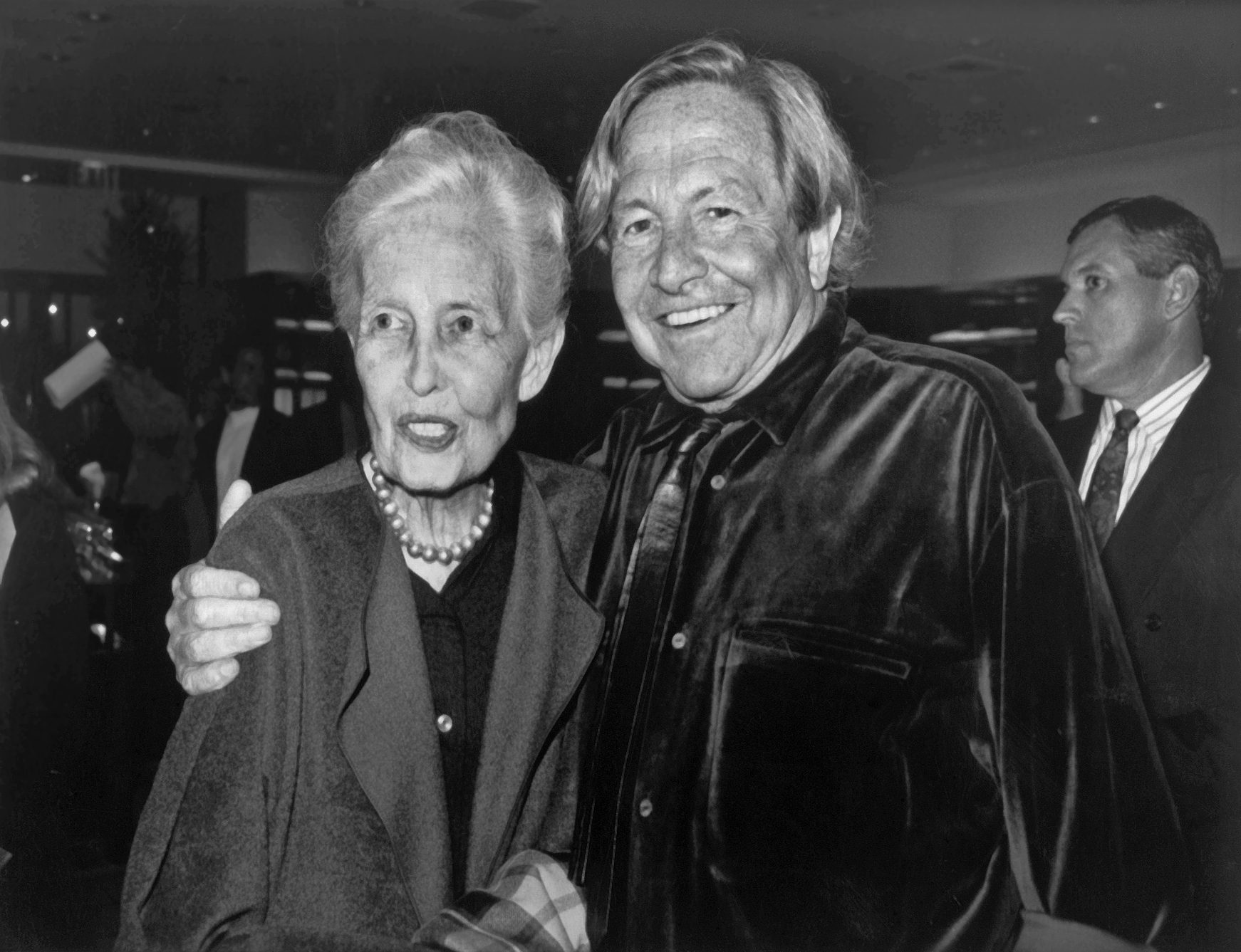
He was very exuberant, joyful. . . terrific. My mom )artist Susan Weil) and dad separated when I was a baby. When I was in high school, I would go to his house after school and hang out a little bit. There was always Häagen-Dazs in the freezer and stuff going on. His friends who would be hanging around the house were mostly dancers. It felt like the dancers understood his work more deeply than the painters did.
The most powerful advice about my own career as an artist was given to me by example from my father, my mother and my stepfather )artist Bernard Kirschenbaum). They showed me that art, like life, is a team sport.
Matt Magee
Artist, Rauschenberg studio assistant
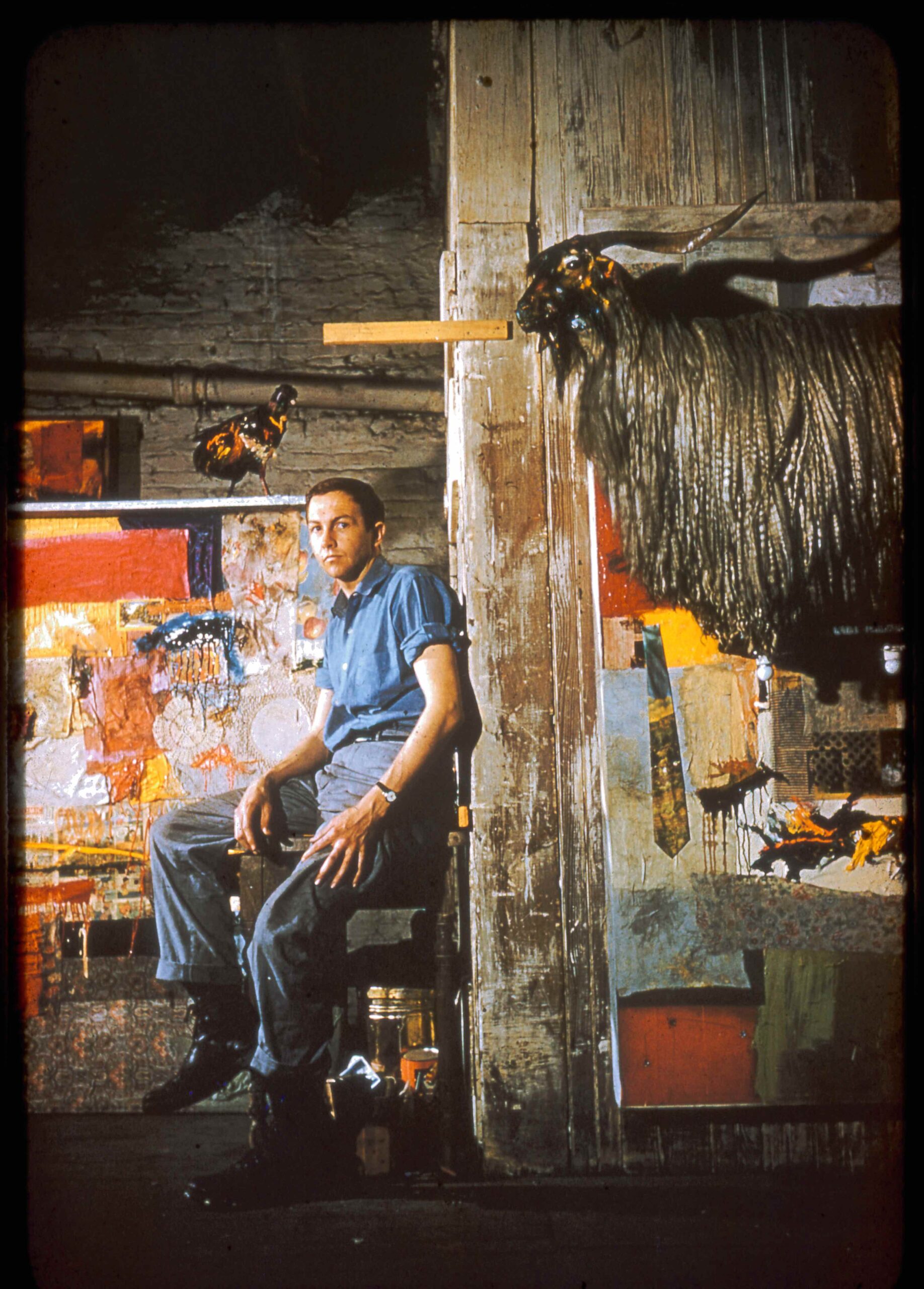
In October 1994, I interviewed at Rauschenberg’s studio at 381 Lafayette in lower Manhattan and began working there as a studio assistant full-time for 18 years. I worked closely with Bob’s chief curator, David White, on catalog research for exhibitions and as an art handler. I wasn’t directly involved in the studio production in Captiva [Florida] but more concerned with the archiving, installation, packing, shipping, storage, and handling of his work at the highest level. I became very familiar with his photography, prints, paintings, and sculptures, and the many processes and materials he used to produce his work.
Rauschenberg was a person who said yes more than no and would kiss you full on the lips whenever he saw you. He was omnivorous in his passions and interests and inspired my work as an artist in every way by his complete commitment to his daily practice, which was fully integrated into his life.
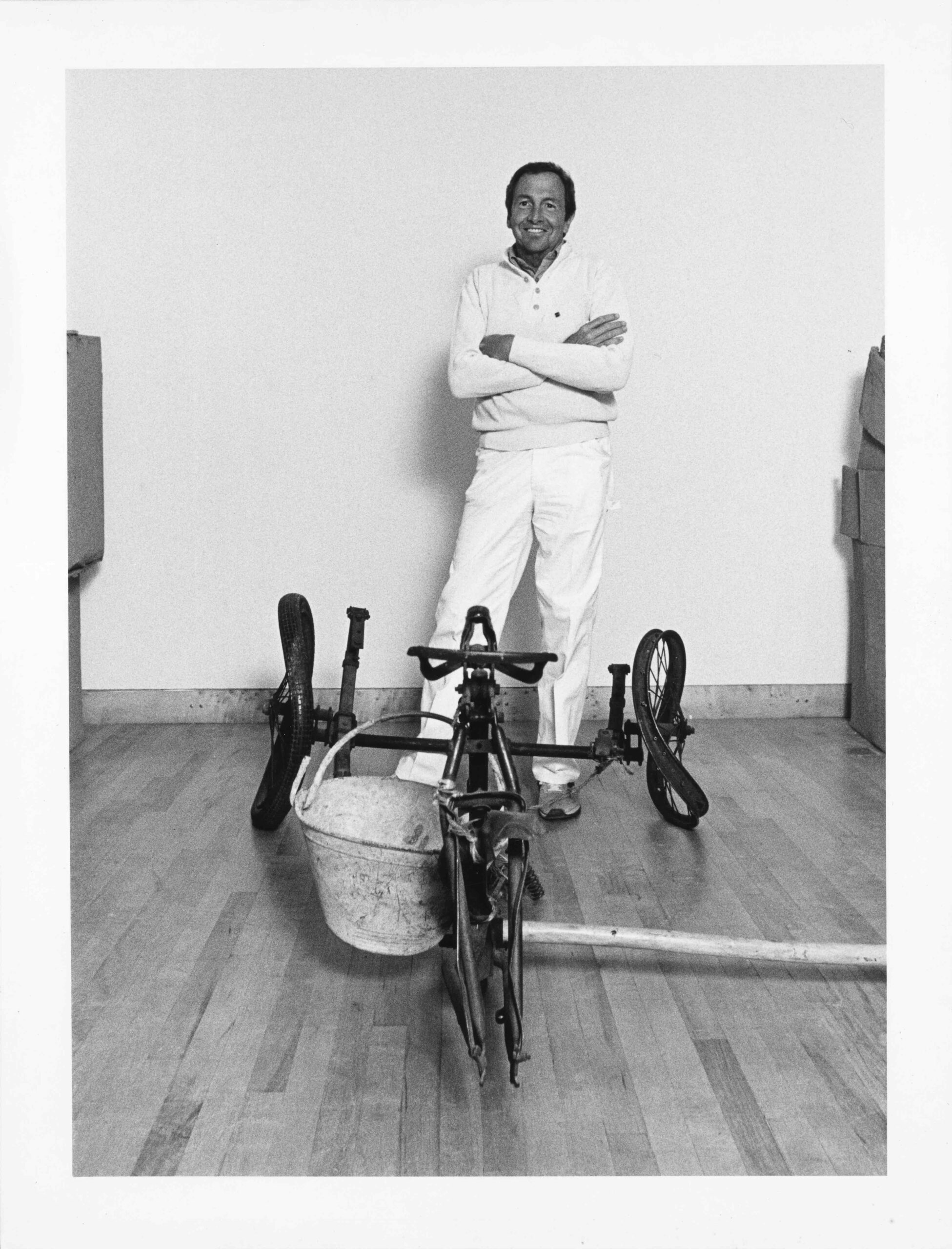
A special memory with Bob would be on my 40th birthday in 2001 at 381 Lafayette. He was in New York City, staying at 381, and asked that I meet him and David White in the kitchen to look at three framed unique works on paper. I was to choose one as my birthday present. This was yet another one of many examples of his generosity.
He wasn’t just our boss. He was a friend.
Margaret Poissant
Former Court of Appeals Justice, gallerist
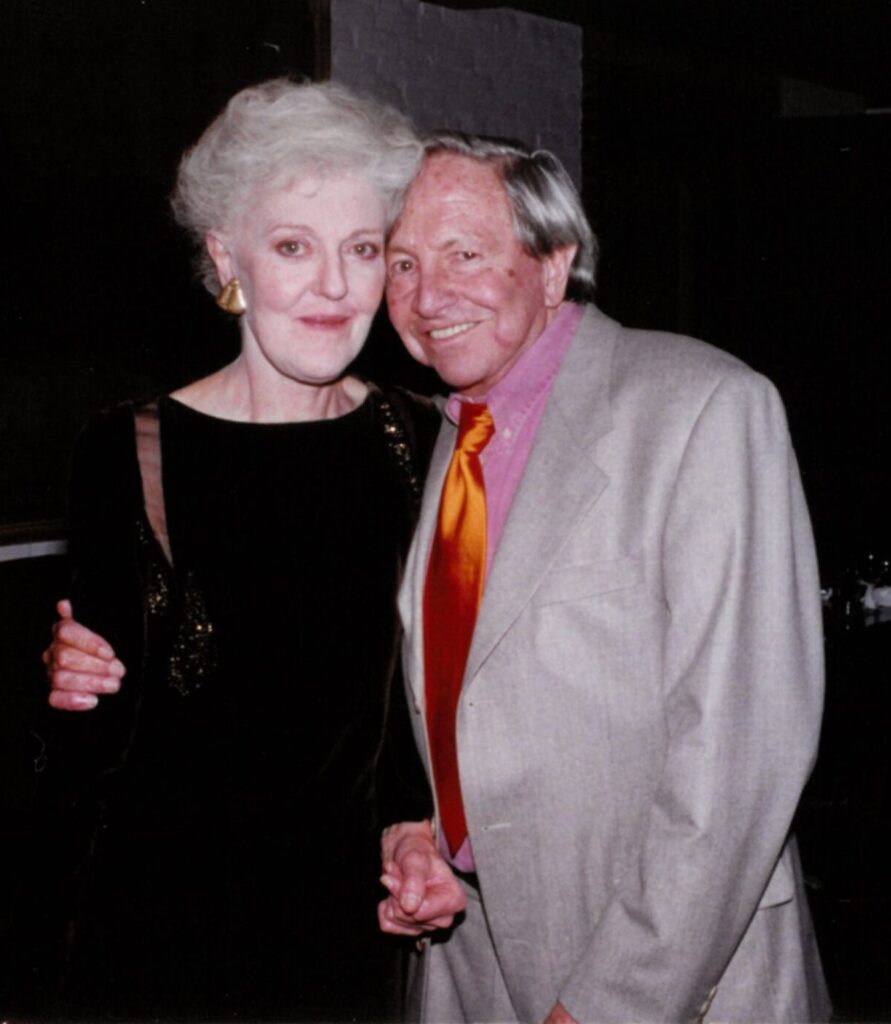
I walked into the Menil [at the opening, February 1998] and, immediately upon seeing Robert Rauschenberg’s installation, was so happy to be surrounded by his art that I started smiling with joy. Then I turned and Rauschenberg walked by, pinched my cheek, and exclaimed “What a smile!” I said, “I feel like I’m in New York again.” He replied, “Wait until you hear the sound coming from my works.”
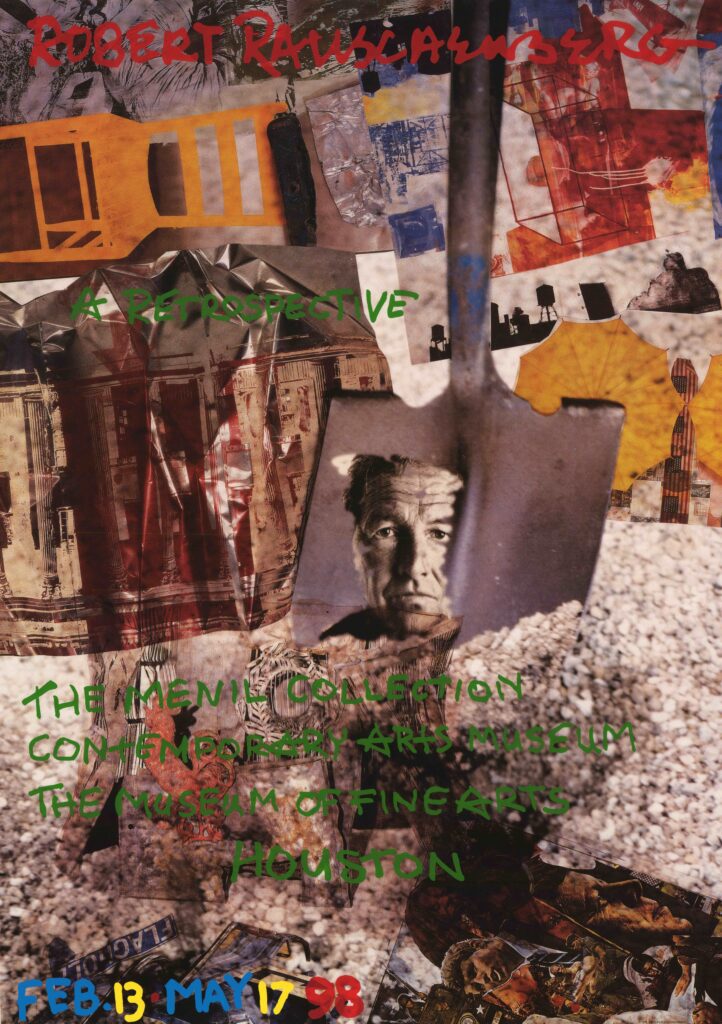
![036 Poster for the 1998 exhibition, Robert Rauschenberg [colon] A Retrospective at the Menil Collection, Contemporary Arts Museum Houston, and Museum of Fine Arts, Houston](https://www.papercitymag.com/wp-content/uploads/2026/01/036-Poster-for-the-1998-exhibition-Robert-Rauschenberg-colon-A-Retrospective-at-the-Menil-Collection-Contemporary-Arts-Museum-Houston-and-Museum-of-Fine-Arts-Houston-scaled.jpeg)
Clare Elliott
Menil associate curator (2003-2025), art historian/writer
I remember well when Robert Rauschenberg came to the Menil in 2007 for the opening of the “Cardboards” show (“Robert Rauschenberg: Cardboards and Related Pieces”). It was one of the early thrills of my many years at the museum. We had installed the show with the help of David White and Thomas Buehler, his trusted staff. He was somewhat frail by that time — he relied on a wheelchair and had limited use of his right hand — but he had a beautiful spirit about him, warm and generous, but also maybe a little mischievous.
He was completely satisfied with the work we had done on his exhibition, and once he had seen it, he wanted to see the 20th-century galleries — in his words, “to check out the competition.” A whole group of us followed behind, like pages in a courtly retinue. I remember that he was particularly delighted to see the work of his friend and one-time studio assistant Brice Marden on display. He stopped and remarked an “I knew him when. . .” kind of thing.
As famous and successful as he was, he took as much joy in the achievements of the people around him.
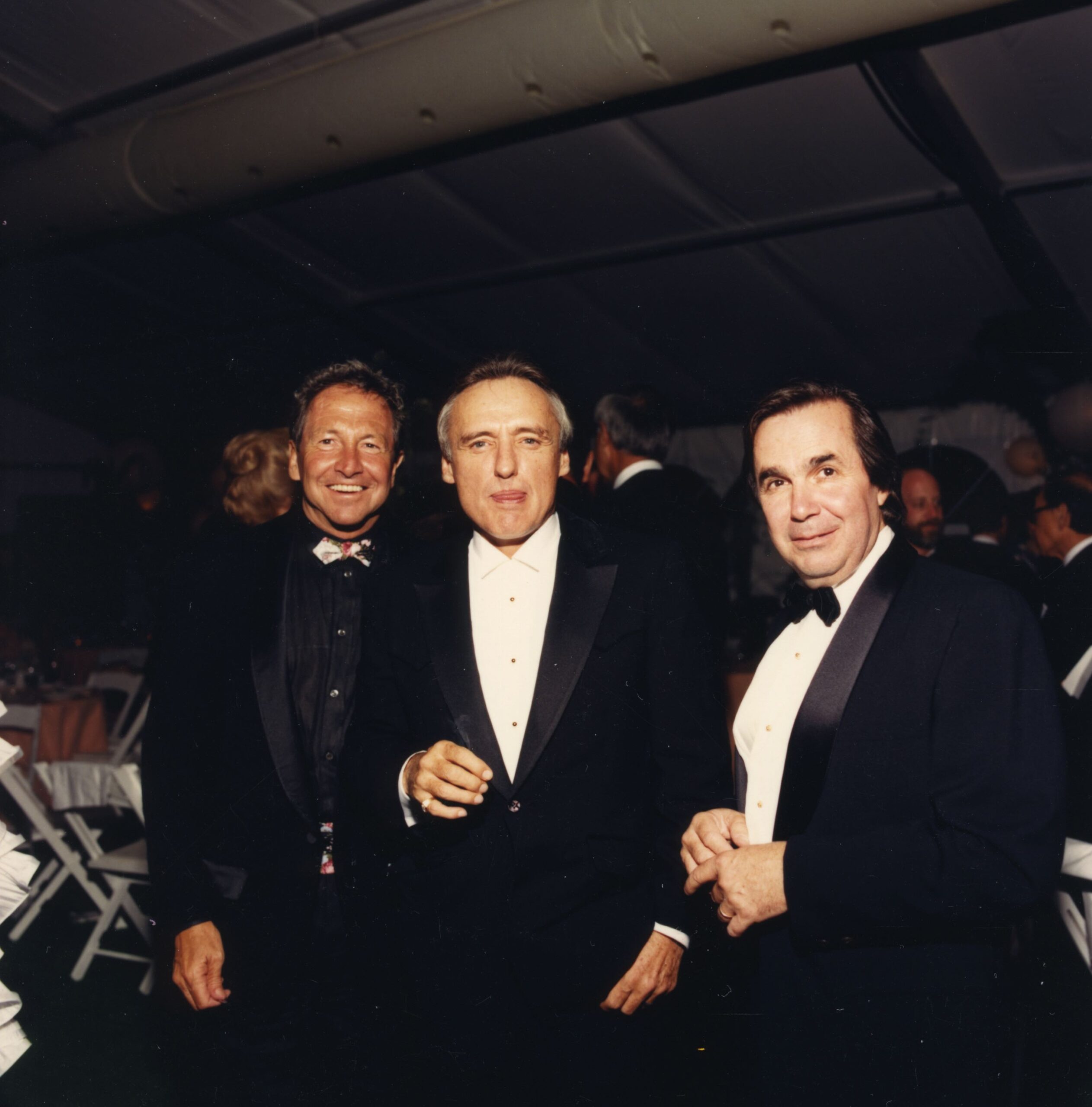
Fredericka Hunter
Rauschenberg’s art dealer, Texas Gallery
Excerpt from an article written by Hunter, published in Ultra Magazine, December 1984.
When discussing the varied aspects of his work, Rauschenberg admits to a residual Depression-era ethic: “I never waste a thing.”
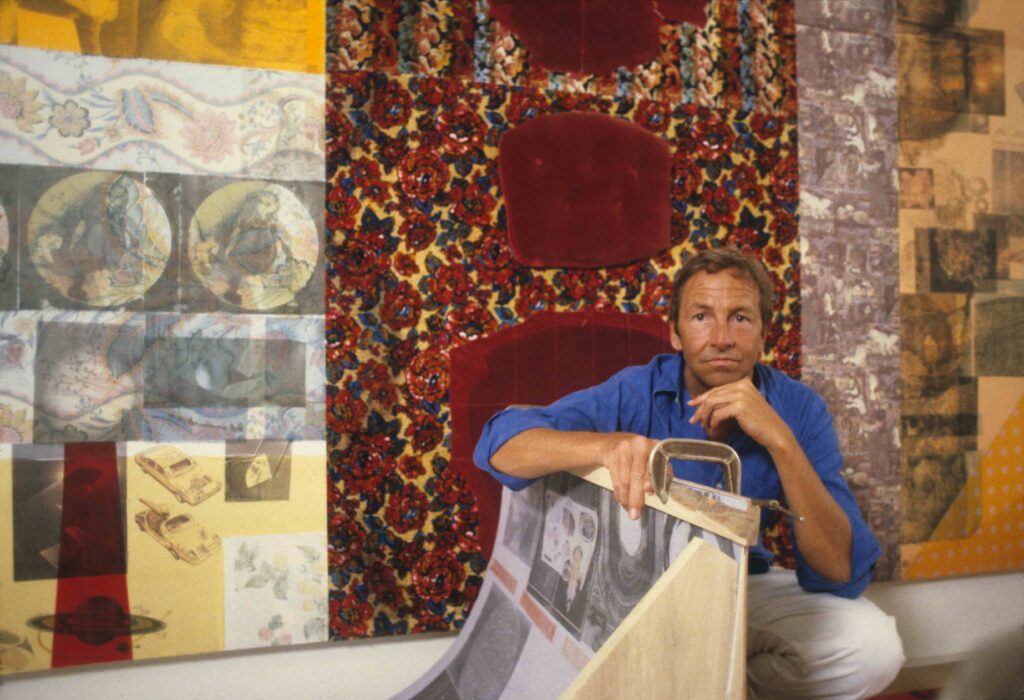
Although his paintings do combine diverse images and unlikely materials, each element is presented as a discrete and recognizable whole — without distortion or manipulation. If funny juxtapositions happen, they are enjoyed, acknowledged, even encouraged. If the effects are more sinister, those implications are allowed to exist as well. Consequently, Rauschenberg’s work has a broad, universal appeal. Surprising, highly original combinations of images and materials have kept Robert Rauschenberg in the vanguard of contemporary art since the 1950s.
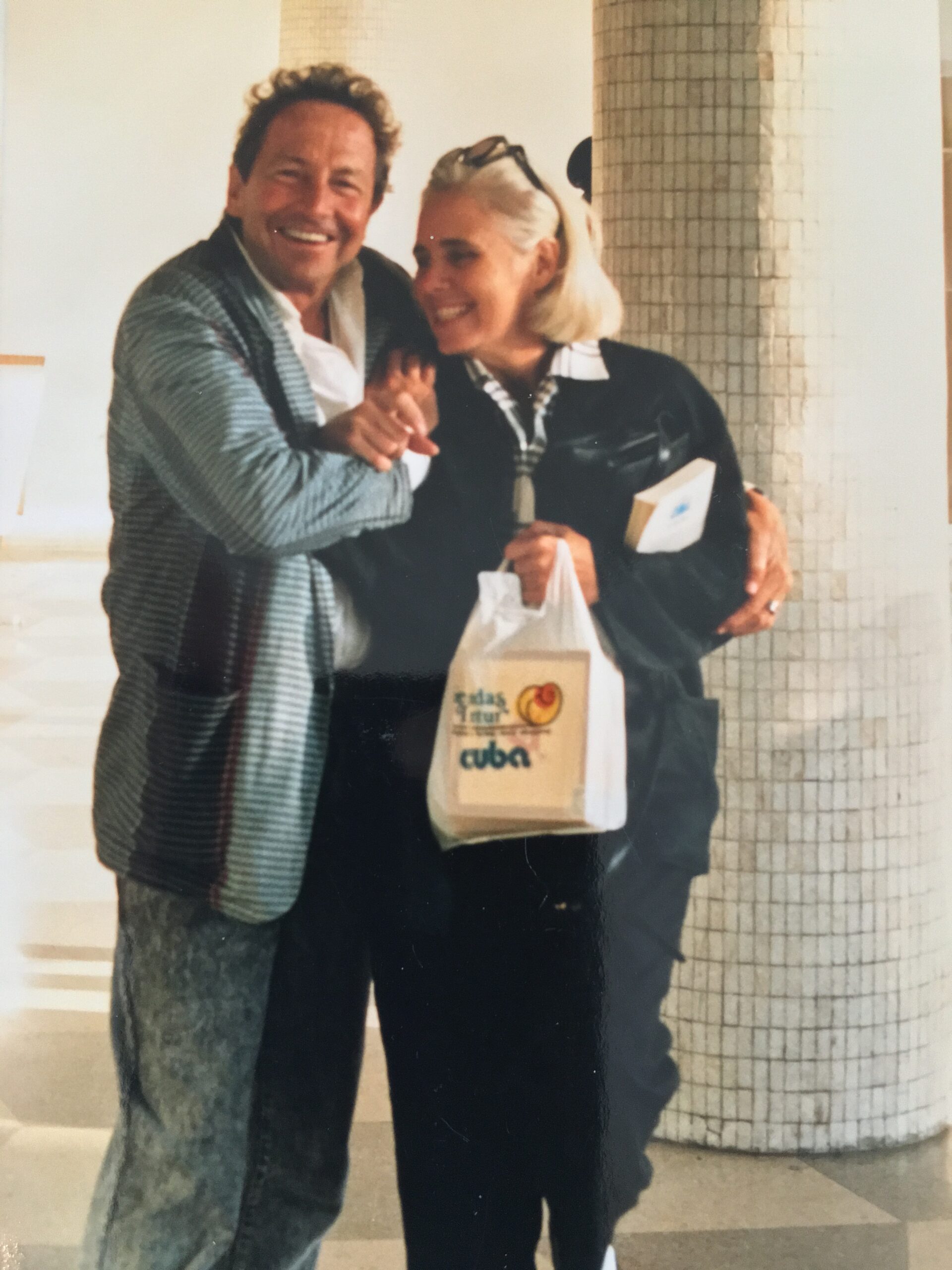
The world’s greatest artists have always evinced this same ability to seize opportunities, and to create their own inarguably logical, irresistible objects. Within his vital continuum of developing possibilities, the artist says that “I think about art 24 hours a day.”
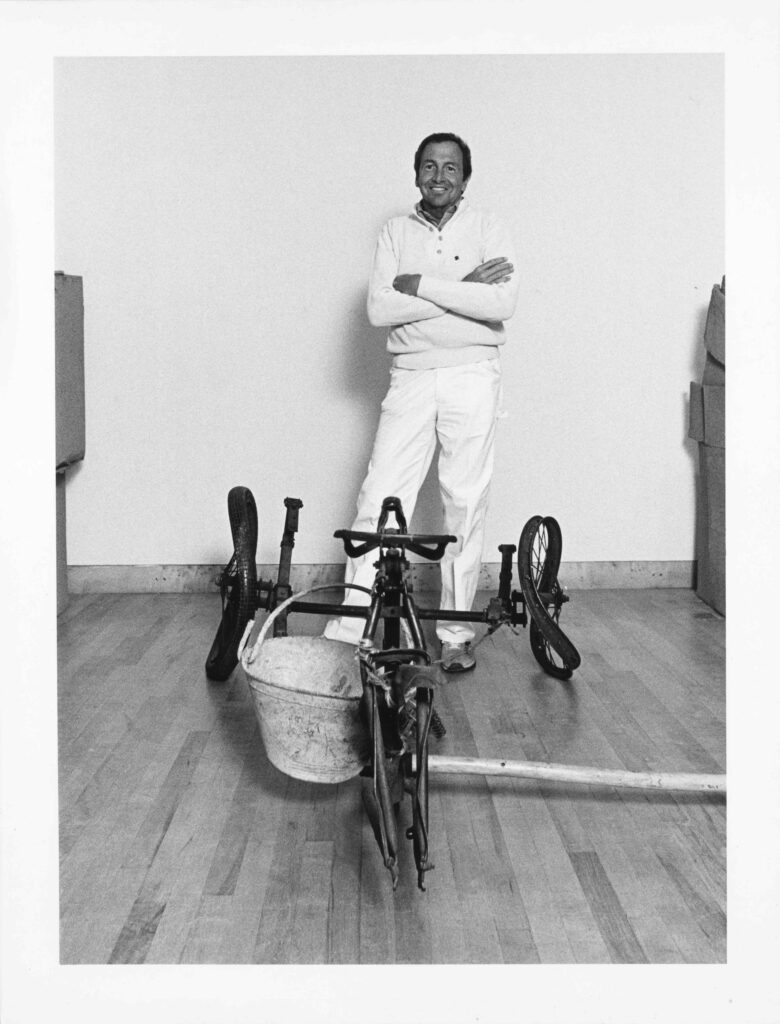
Robert Rauschenberg has learned a “natural collaboration” with materials and methods. Whether it is a bucket scavenged on the beach, an exotic paper found in a foreign country, or the conventional tools of the trade, Rauschenberg takes them as found and then decides how best to use them. In spite of the myriad images in his paintings, this attitude of taking advantage of found objects actually leads to a kind of economy — one achieved through clarity of composition. This is a distinct Rauschenberg skill.
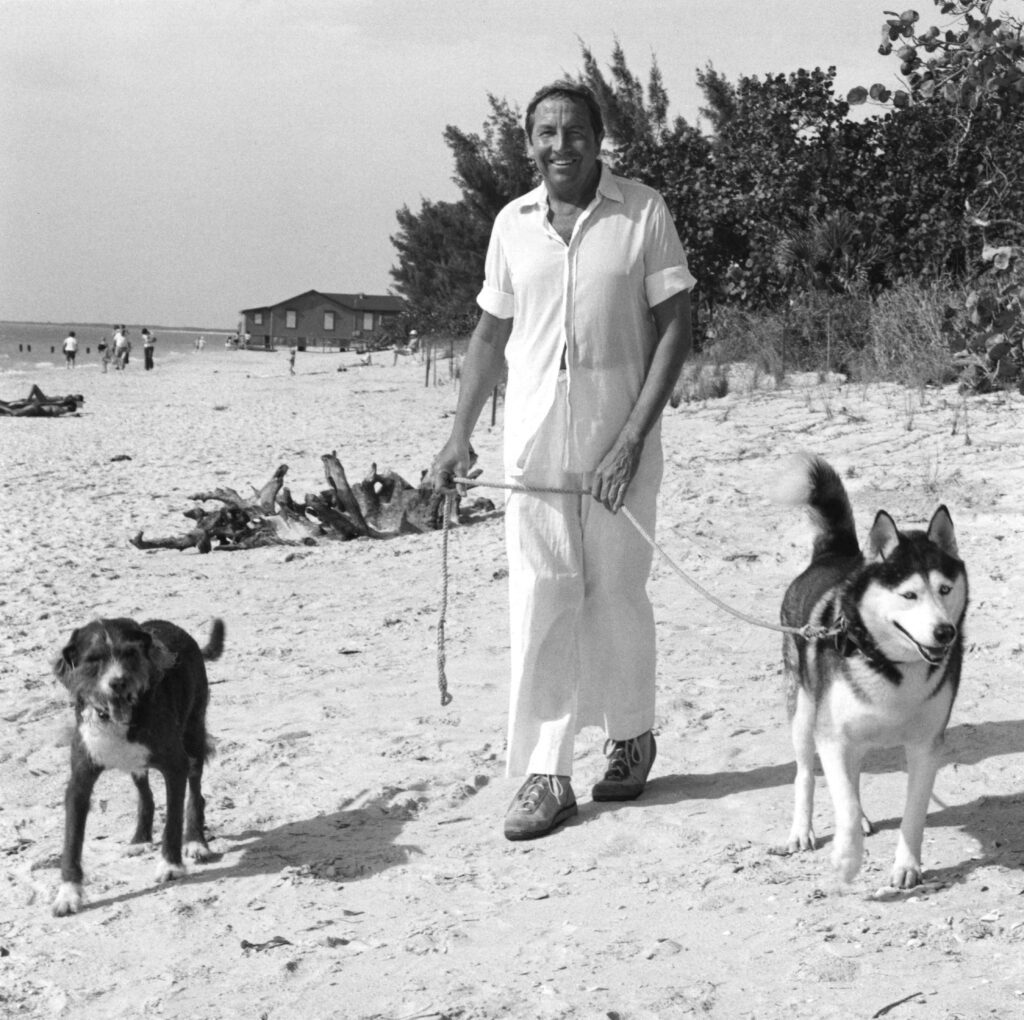
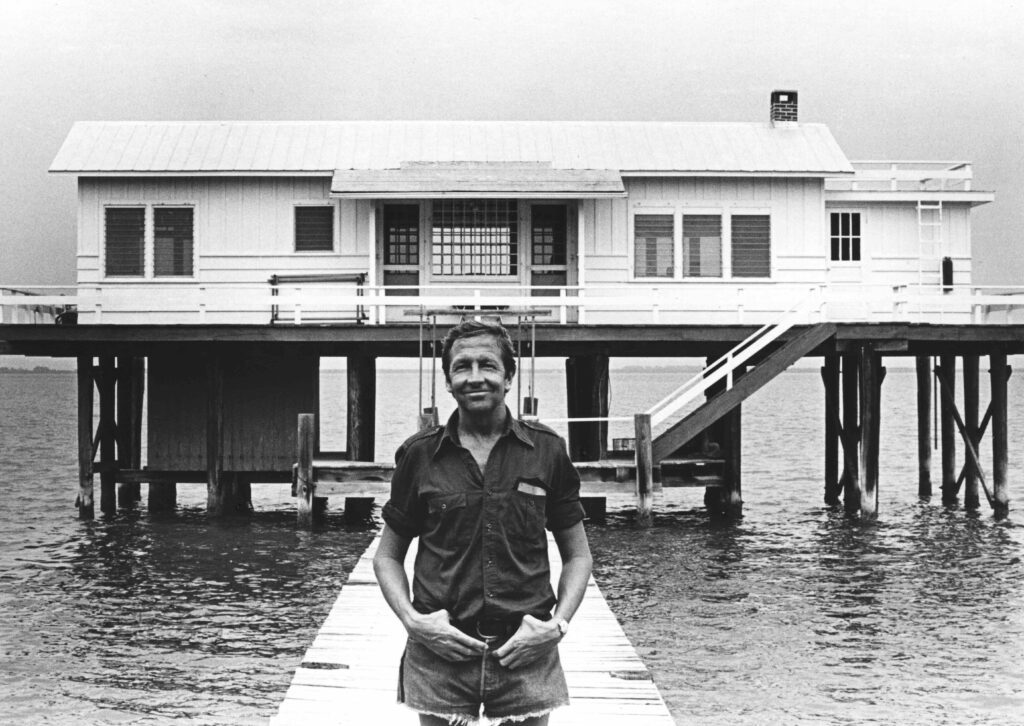
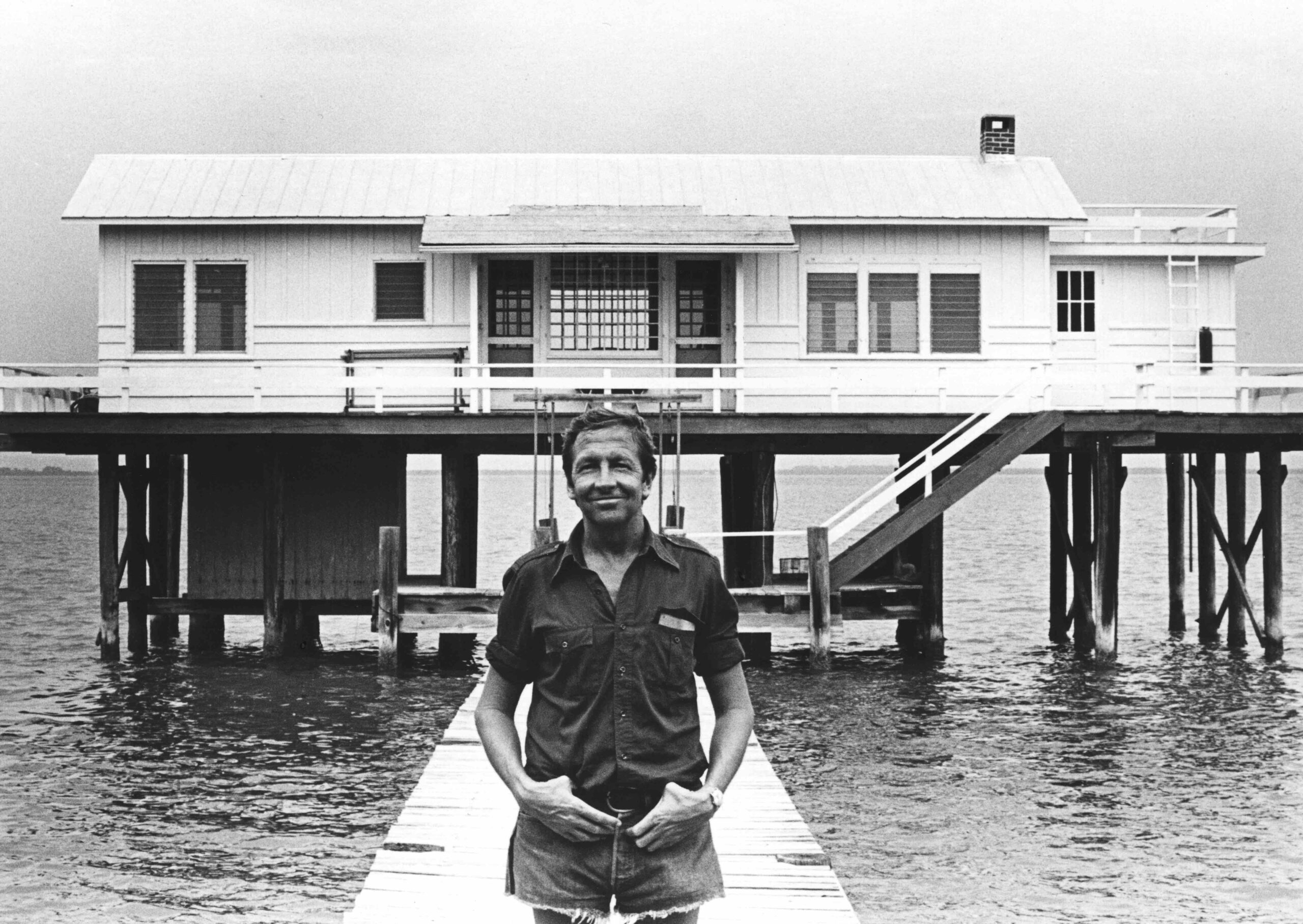
The artist’s simple surroundings in both New York City and Captiva Island, Florida, suggest extremely efficient habits. Unless he’s in China, as a guest of the government, or in India at the invitation of the prestigious Sarabhai Foundation, Rauschenberg does most of his current work in Florida, where he feels most comfortable. A series of buildings on Captiva helps him pursue his different interests and keep track of the stages involved in various production processes.
The buildings’ interiors are functional and neat, allowing him to do his “job” of making art. Inspirational items, ranging from exquisite art objects to cartoons clipped from newspapers, are in evidence. But there is an unmistakable, overall air of purpose.
Not only does Rauschenberg refuse to waste ideas, he allows them to lead him on to other projects. There is never any sense of beginning or ending, succeeding or failing. It is all part of the process, and the artist is anxious to keep going. In the late ’40s and early ’50s, he sporadically attended Black Mountain College in North Carolina, an institution that provided seminal aesthetic experiences for a varied group of creative minds, including composer John Cage and choreographer Merce Cunningham.
The young Rauschenberg, dazzled by the mythic America described in Jack Kerouac’s novel On the Road, initially wanted to photograph the entire United States — but he figured, with his luck, he’d “end up in jail in Asheville.” Instead, he turned to painting — the basis of which eventually came to be photographs.
Rauschenberg remembers receiving only a single bit of praise from his famous teacher Josef Albers. Once the professor instructed the other students to pay attention to the colors Rauschenberg used for costumes in a Japanese Noh play. Fittingly enough, Rauschenberg has come to be known for his uncanny color sense as well as his innovative use of fabrics, both in his artwork and his performances. In 1964 he won first prize at the Venice Biennale, the first American to do so in the Biennale’s history.
At Black Mountain College, interaction with Cage and Cunningham led to associations with artists from other disciplines. Rauschenberg’s sets and costumes for Cunningham’s early dance pieces incorporated ordinary household props, which also ended up in some of his paintings. The stage directions for these performances were “more like grocery lists,” he recalls, amused.
And this creative flow of activity with other talents is still pursued by Robert Rauschenberg today.
See “Robert Rauschenberg: Fabric Works of the 1970s” at The Menil Collection through Sunday, March 1. Find exhibition info here.
Trending
- Our Must-Read Books (And What’s TBR) This Back-to-School Season — A PaperCity Staffers’ Guide
- Inside a $15.5 Million River Oaks Boulevard Mansion With Its Own Indoor Swimming Pool, Beauty Salon and Crystal Chandeliers Galore
- Lifestyle Brand Julia Amory to Open First Texas Store on Knox Street in Dallas — a PaperCity Exclusive
- Cult Gaia To Open First Dallas Store With On-Site Matcha Bar
- This Parent Teacher Organization and School Reform Advocate Channels Milan and Madrid Style as One of Houston’s Best Dressed — Ellecia Knolle’s Heart Is Full




















_md.jpg)


_md.jpg)




_md.jpg)









_md.jpg)