

An Elite Cyclist’s Hardest and Most Rewarding Ride — Inside Memorial Hermann Sugar Land’s High-Risk Pregnancy Care
How a Concerned, Talented Medical Staff Made a Family's Dreams Come True
BY PC Studios //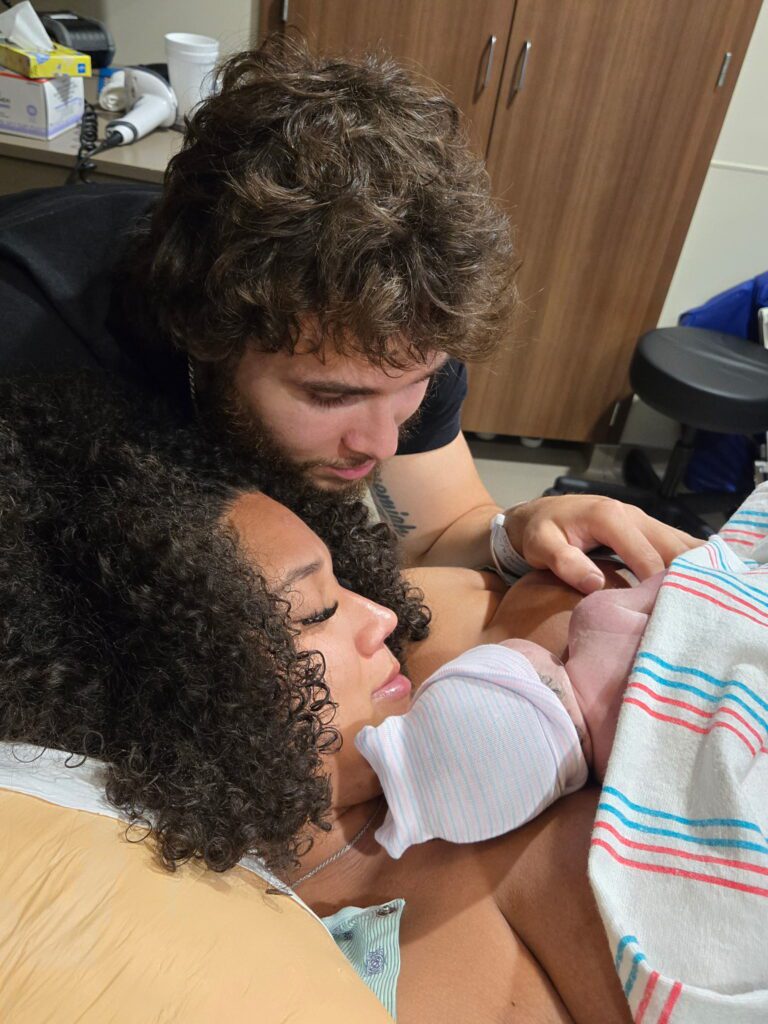
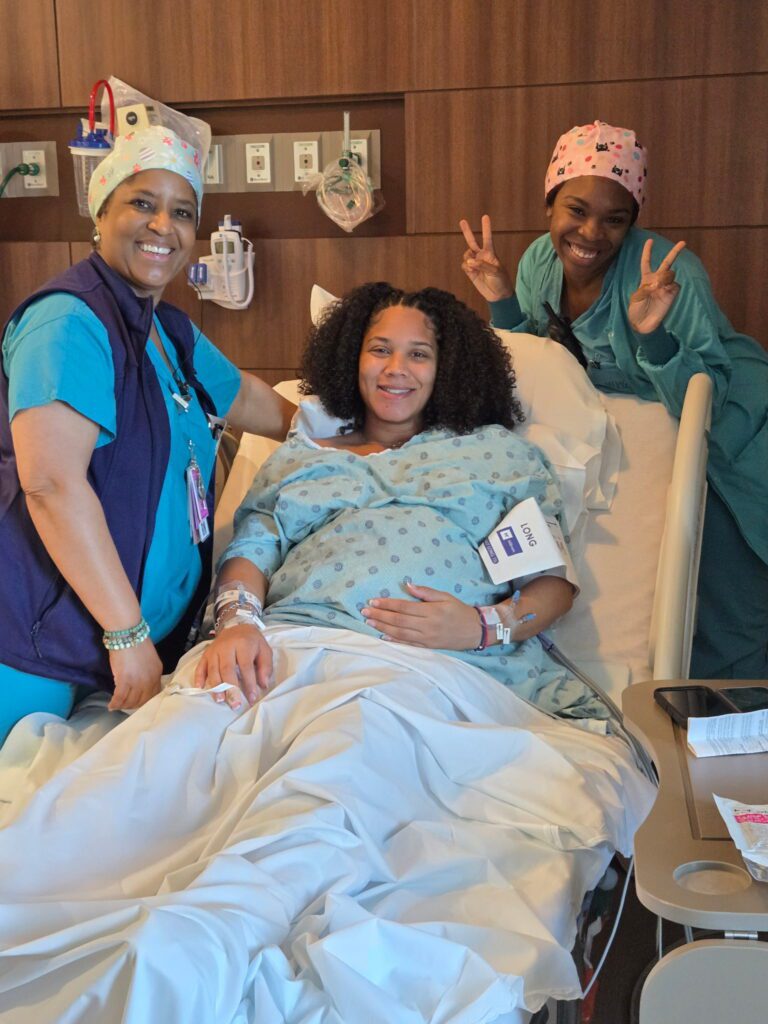
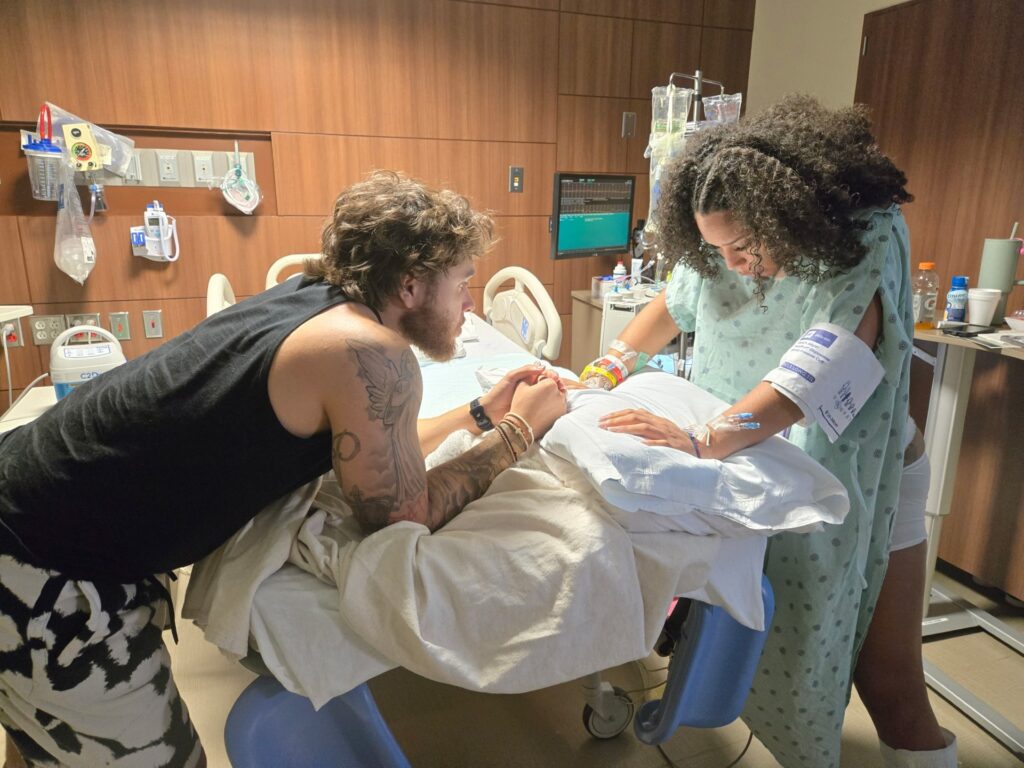
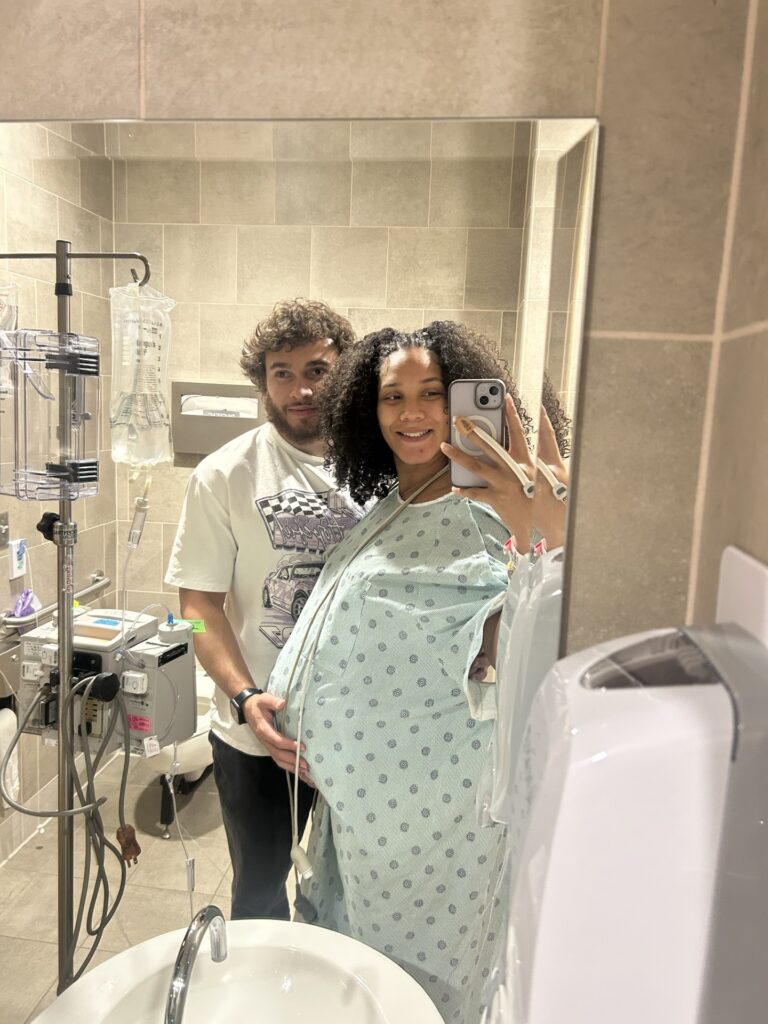
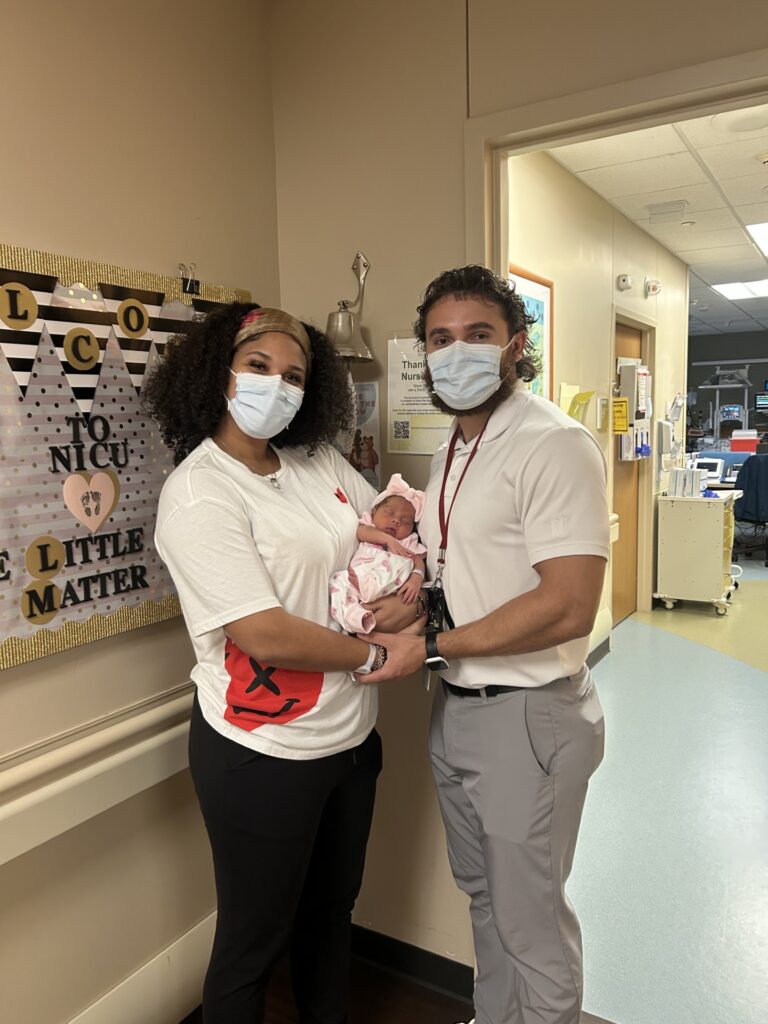
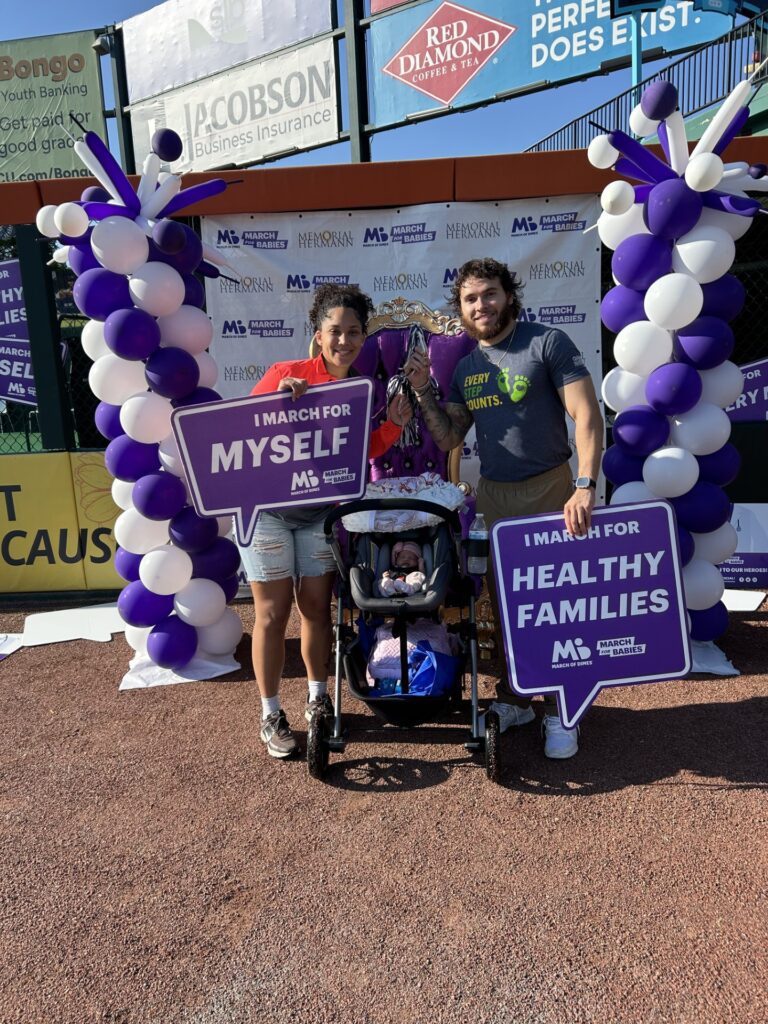
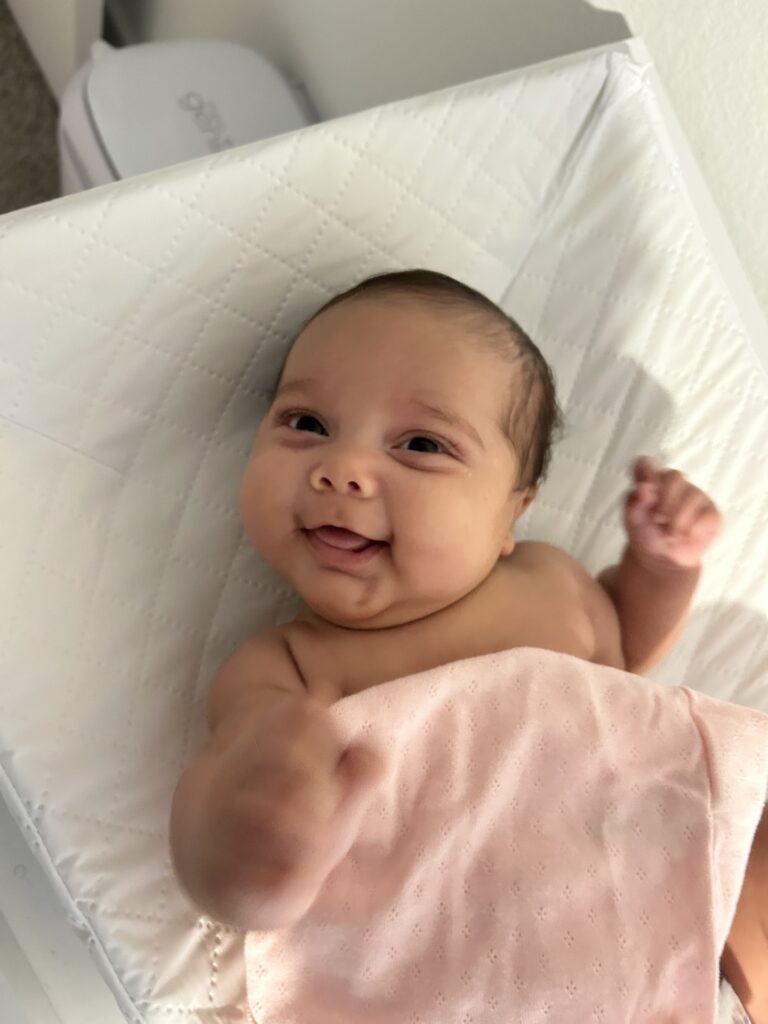
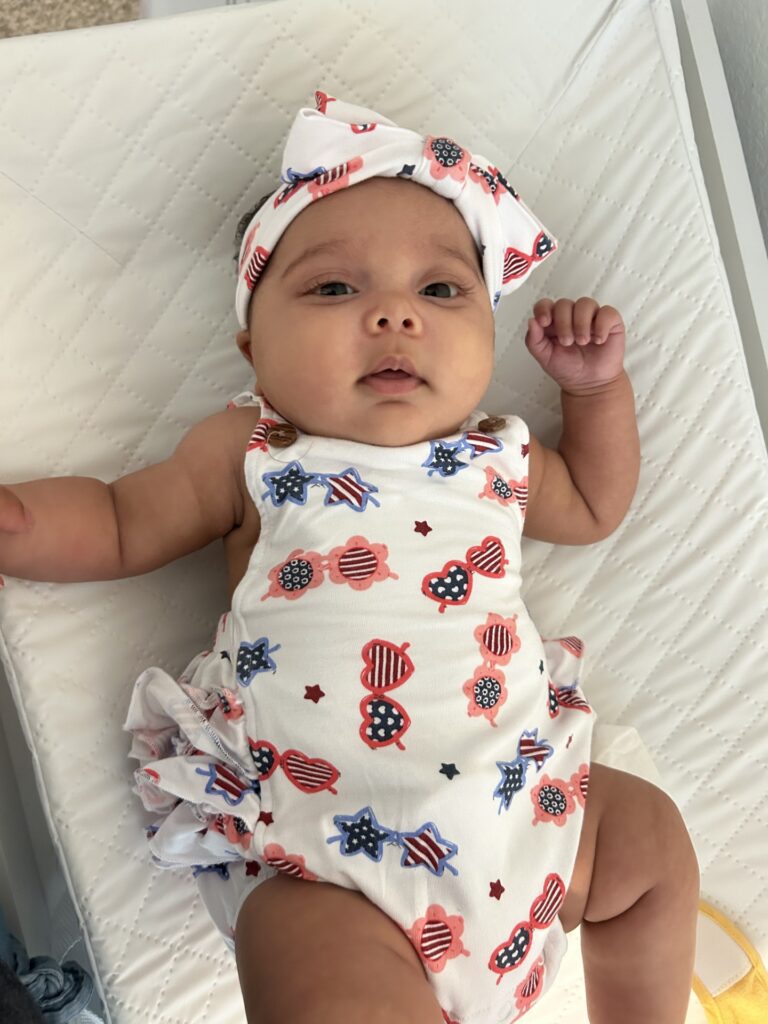
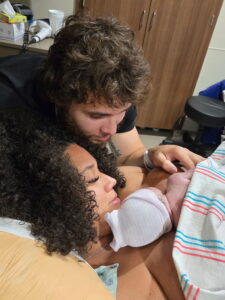
On April 16, 2025, Mya Parham and her husband Justice welcomed their daughter Zoe at Memorial Hermann Sugar Land Hospital. (Photo courtesy Mya Parham)
This article is promoted/partner content and not produced by the editorial staff.
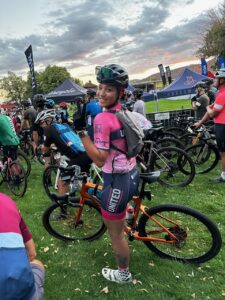
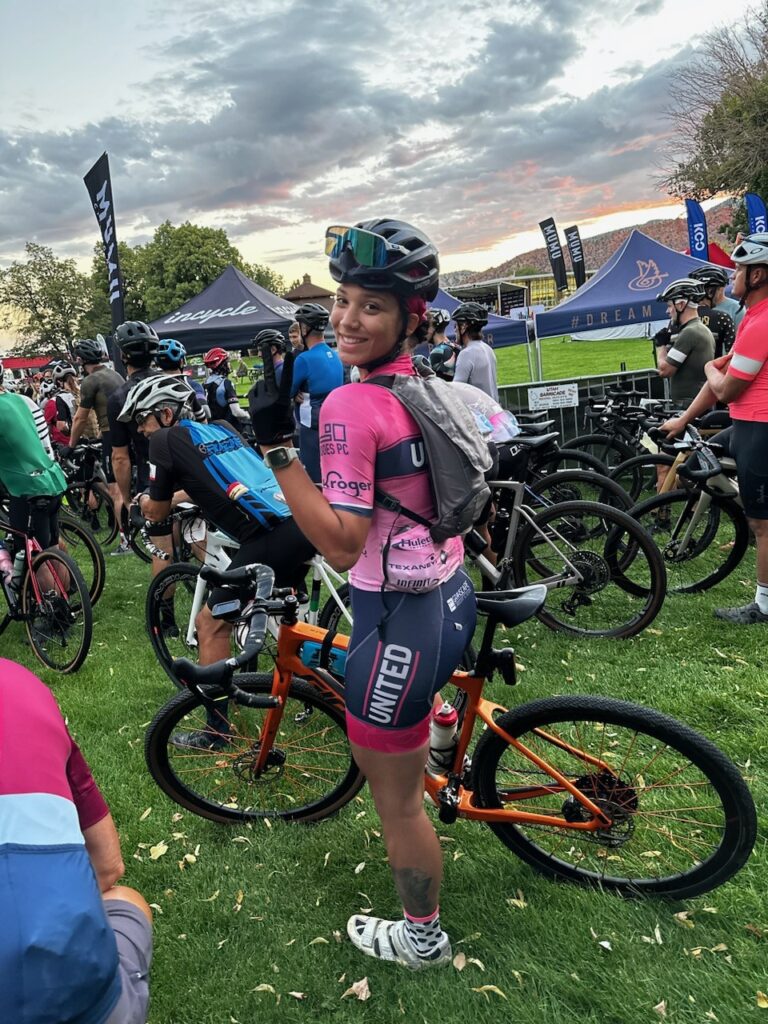
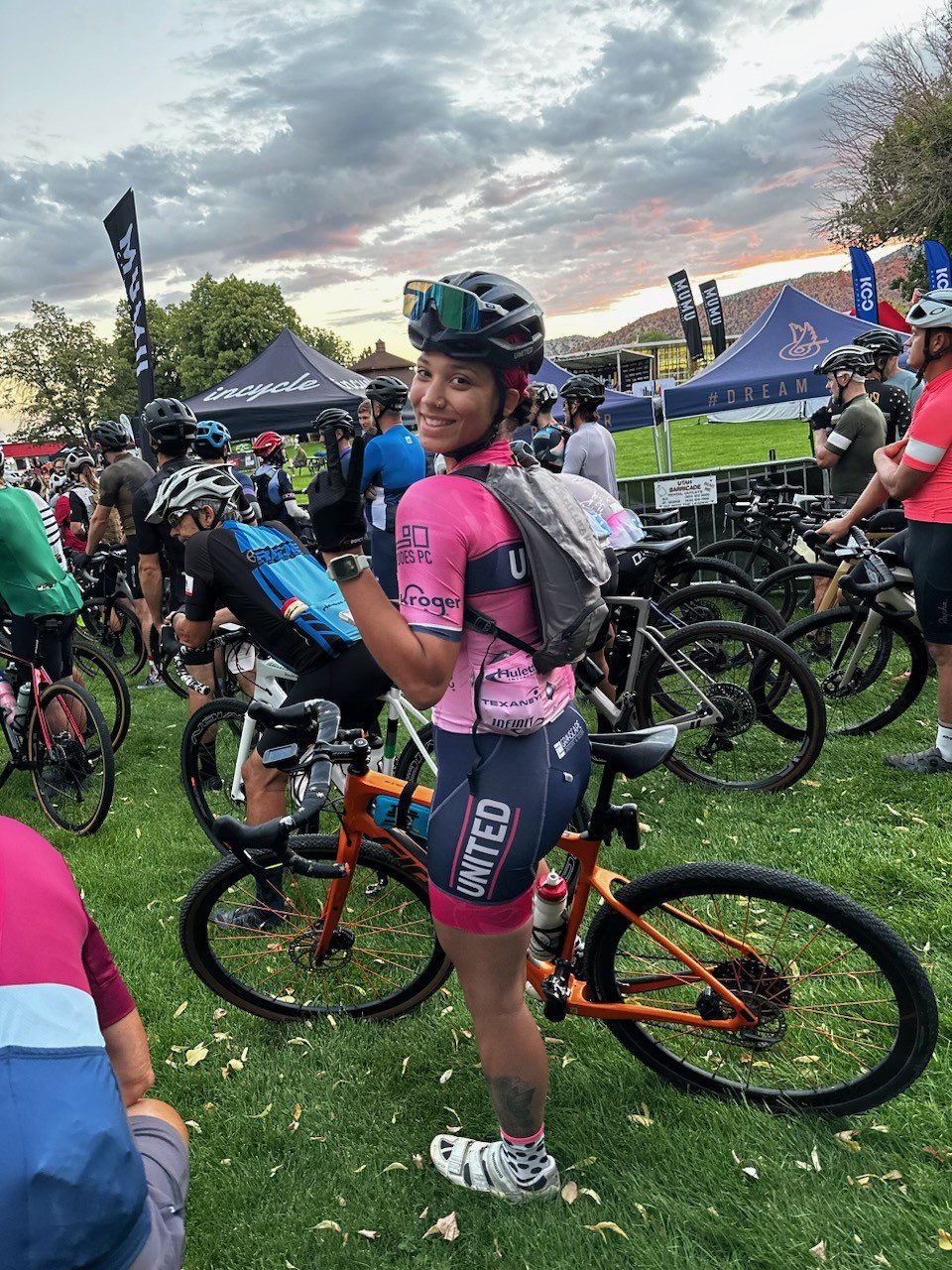
Long before motherhood tested her in new ways, Mya Parham knew how to endure discomfort — elite cycling had already taught her that. Still, nothing prepared her for how pregnancy would push her body and patience. The shift from competition to early motherhood brought challenges she never anticipated.
Parham and her husband Justice welcomed their daughter Zoe at Memorial Hermann Sugar Land on April 16, 2025. Zoe arrived early at 34 weeks and spent nearly two weeks in the NICU.
Despite the unexpected hurdles, Parham says she always felt surrounded by a team that truly cared for her and her baby.
From Hope to an Unexpected Answer
Parham and Justice had hoped to start a family, but the emotional roller coaster of negative tests began weighing heavily on her.
“I started to feel defeated every month,” Parham says.
Her husband Justice encouraged her to take a step back and let things unfold naturally. Not long after, something surprising happened.
During her grandmother’s 90th birthday celebration, family members prayed over her. None of them knew she was already pregnant.
A few weeks later, unusual symptoms during a 60-mile bike ride caught her attention. She took a pregnancy test soon after. A faint second line confirmed what her instincts already suspected.
At her first prenatal visit in October 2024, Dr. Anisha Farishta, her OB/GYN affiliated with Memorial Hermann, confirmed the pregnancy. Farishta guided the couple through each milestone.
They later revealed the baby’s gender by opening a Build-A-Bear box together. The moment took place in their backyard and it felt deeply personal.
While the couple enjoyed sharing the news, Parham’s first trimester brought intense nausea and exhaustion. Medication helped her turn a corner to help her feel like herself again.
By her second trimester, she was back in the gym. She lifted weights and was staying active.
Around 25 weeks, swelling during a family trip raised concerns. A lingering sense of unease followed that made Parham cautious. She moved up her baby shower and maternity photos, just in case.
By 30 weeks, new symptoms appeared: headaches, vision changes, nosebleeds and severe fatigue. She brushed them off at first. She kept telling herself, “I’m healthy and I’ve trained for years. I should be fine.”
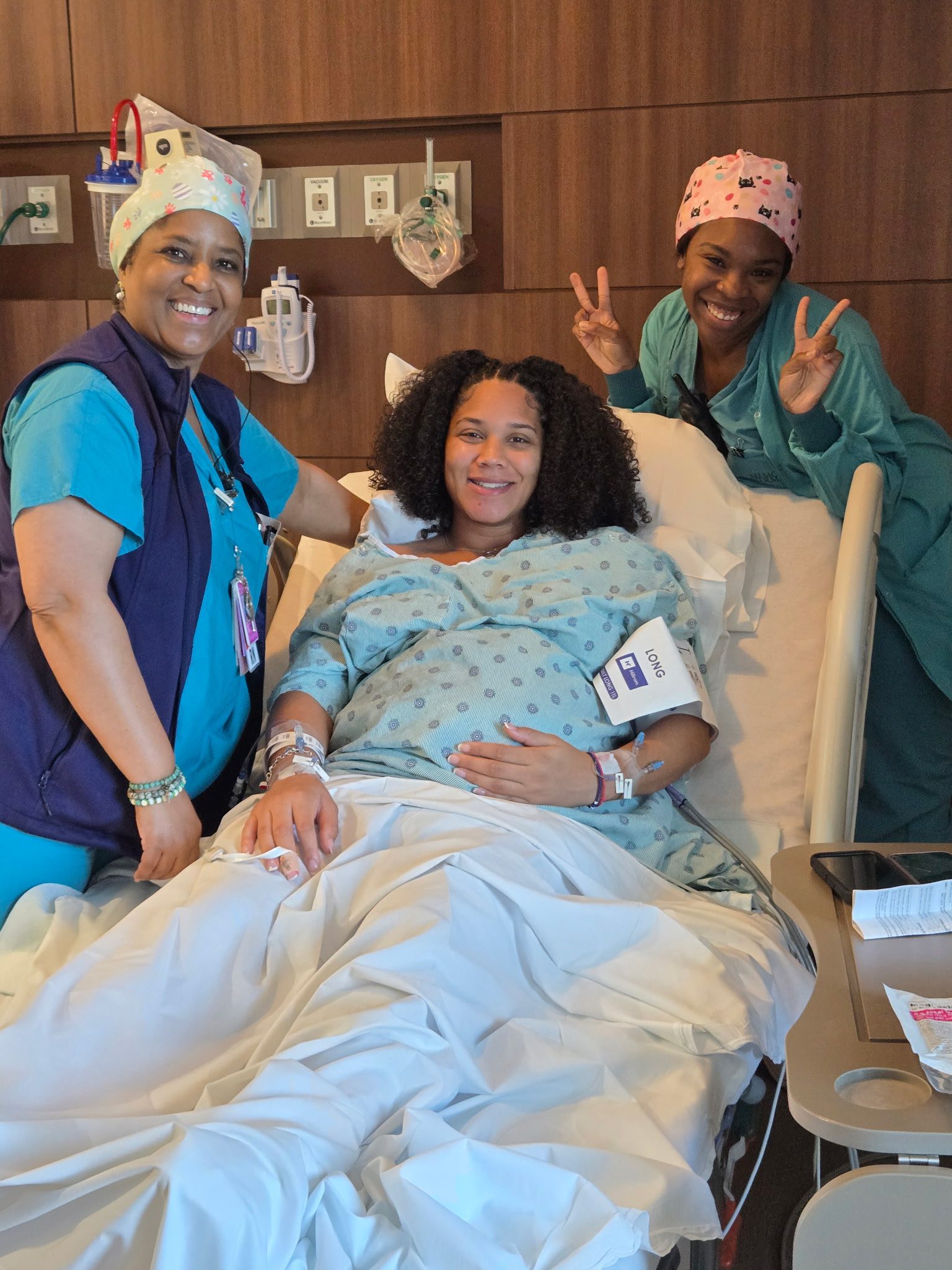
At her 34-week appointment, Parham’s blood pressure measured 160/100. Everything changed at that moment.
“Dr. Farishta looked at me and said, ‘This is preeclampsia with severe features,’” Parham reveals. “They needed to admit me right away.’”
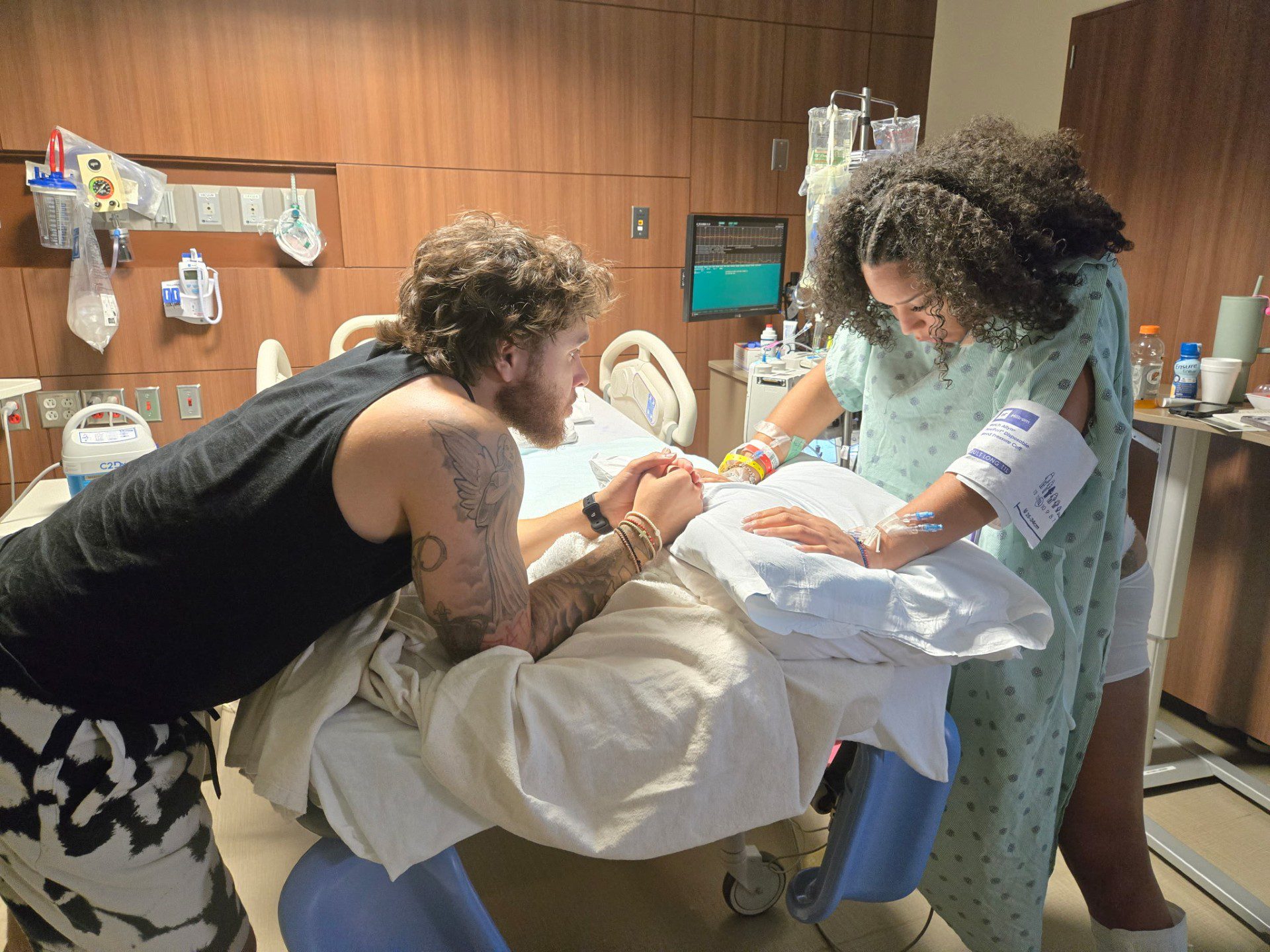
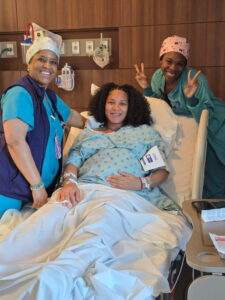
An Emotional Stay at Memorial Hermann Sugar Land
Once admitted, Parham began magnesium therapy to reduce the risk of stroke or seizure. But her blood pressure remained elevated.
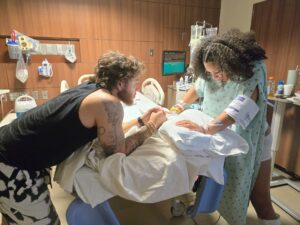
Doctors soon began induction. Parham hoped for a natural birth. She spent hours moving, stretching and bouncing on a yoga ball. Nurses supported her at every step.
But severe pain and slow progression raised concerns. Magnesium and Pitocin worked against each other. Safety concerns mounted. “I wanted to keep going,” she says. “But I realized I had to listen to what my body was telling me.”
After a difficult first epidural, a second attempt caused her blood pressure to suddenly drop. The team stabilized Parham enough for labor to progress quickly.
Minutes later, Zoe entered the world.
Parham held her daughter for five precious minutes of skin-to-skin bonding. Then Zoe was moved to the NICU for breathing support and monitoring.
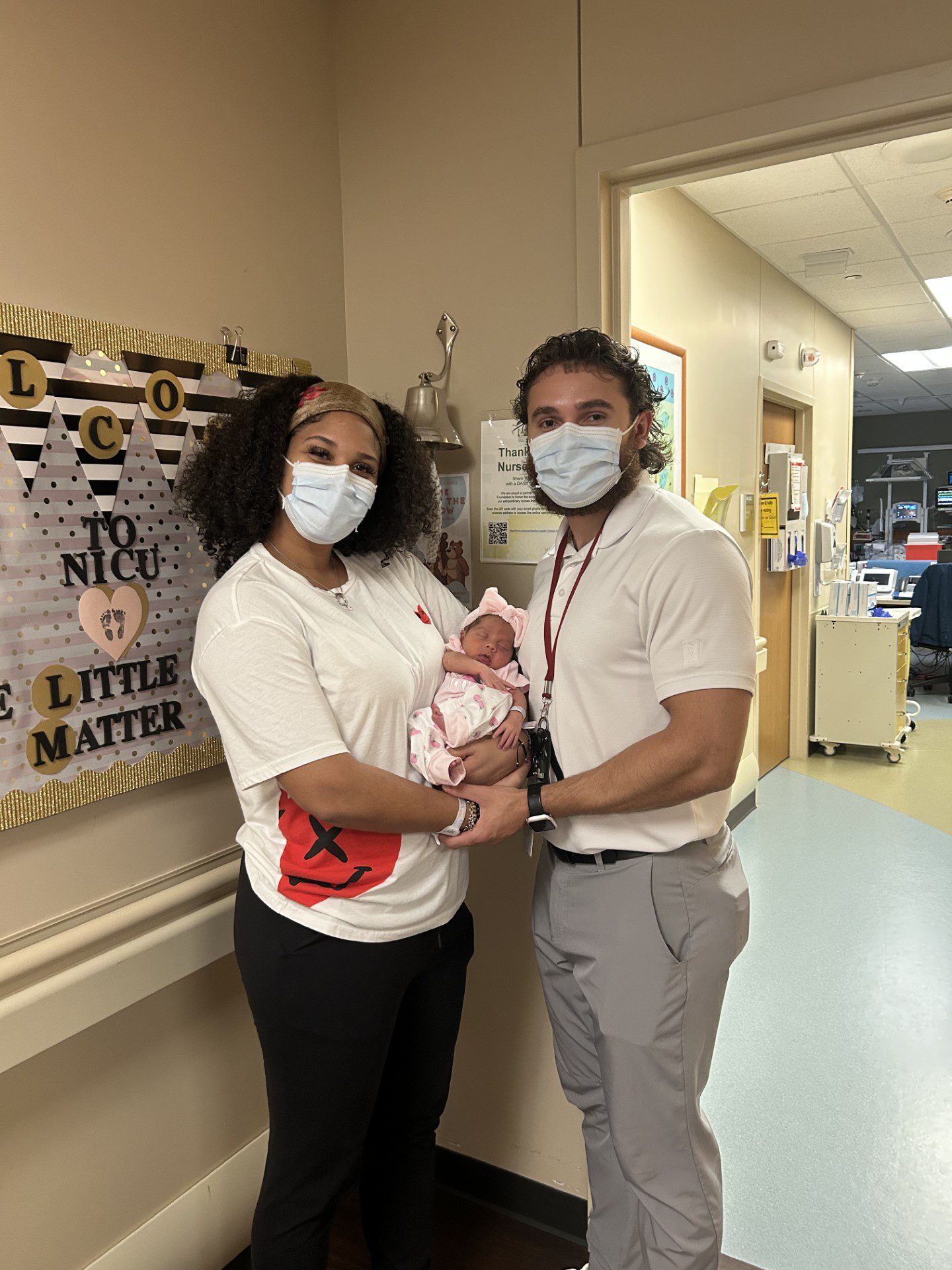
Twelve Days in the NICU
Zoe weighed 5 pounds, 1 ounce. She needed oxygen and a feeding tube at first.
Even while recovering from preeclampsia, Parham stayed involved in every part of Zoe’s care. “I wanted to get up, pump, take milk to her — anything I could do,” Parham says.
With guidance from the NICU nurses and lactation consultants, Zoe gradually began to nurse with a nipple shield. Mild jaundice appeared, but phototherapy quickly helped her recover.
Doctors also reevaluated a prenatal finding of a slightly enlarged kidney. They confirmed it functioned well.
After 12 days in the NICU, Parham heard the words she longed for: “Bring the car seat tomorrow.”
It brought her to tears.
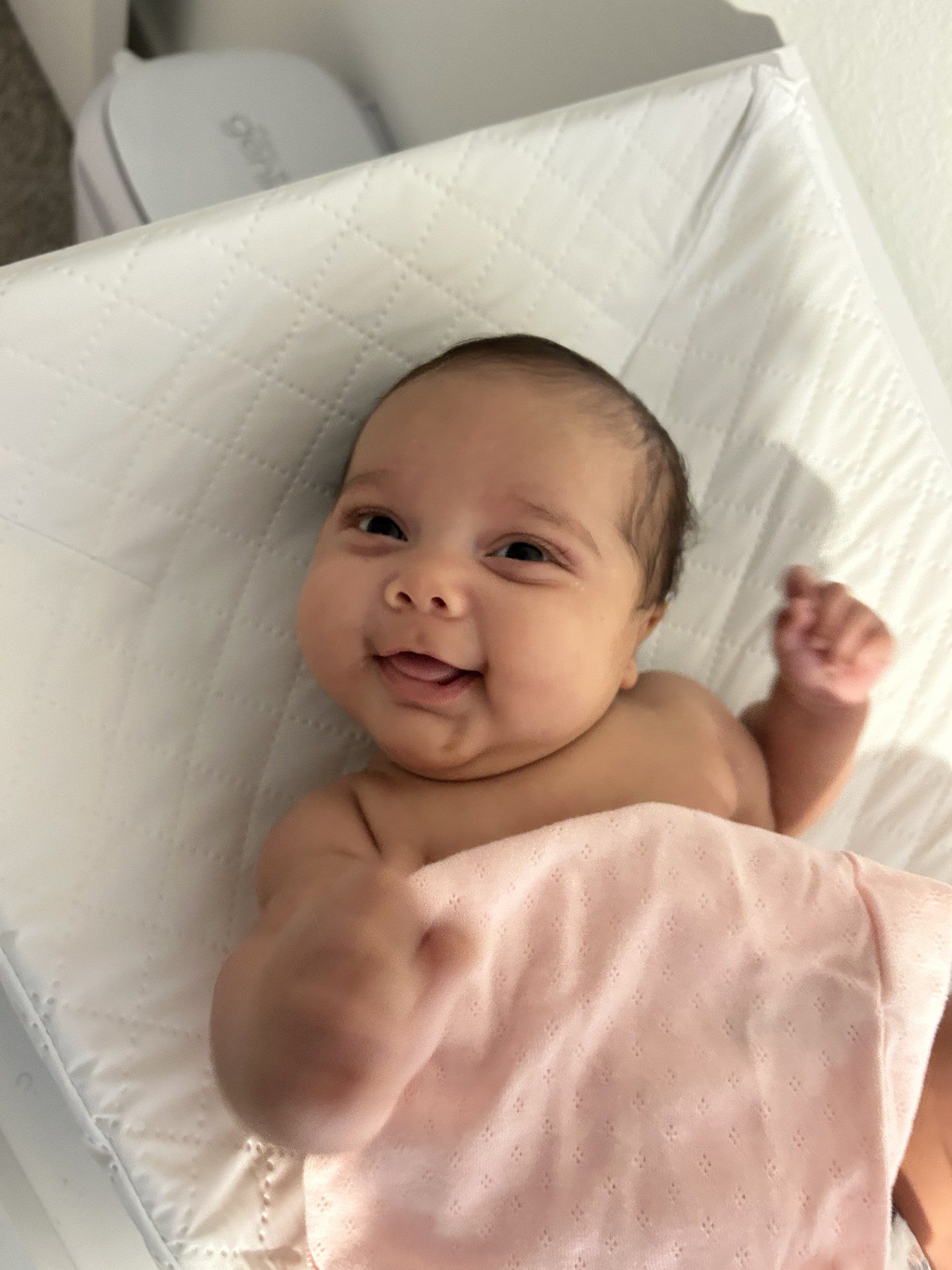
Memorial Hermann Sugar Land’s Continuum of Care Made the Difference
From obstetrics to postpartum support, Parham says that every stage of care at Memorial Hermann Sugar Land felt personal and compassionate.
“No one treated me like just another patient,” Parham says. “My doctor, nurses, even the food service team — they all paid attention to what I needed emotionally and physically. I truly felt supported at every stage.”
Her care team honored her birth preferences when possible. They also guided her through a high-risk diagnosis with clarity and care. They helped Parham navigate NICU life, feeding and recovery.
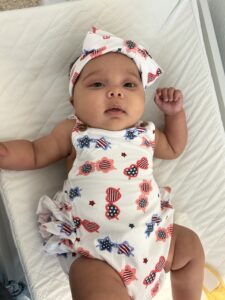
Now home and thriving, 7-month-old Zoe continues to catch up quickly. “She’s full of personality and loves to talk,” Parham says. “She keeps us laughing.”
Parham hopes her experience reassures other women facing unexpected turns in pregnancy or postpartum.
“Motherhood rarely follows a perfect plan,” she says. “If something feels wrong, speak up. Trust your gut. Asking for help is a strength, not a failure.”
To learn more about Women’s Health & Maternity services at Memorial Hermann, visit memorialhermann.org/womens.