Icons Of Art History Are Being Brought Back To Life Through Ordinary People In Miguel Soler-Roig’s Compelling FotoFest Moment
Nostalgic Memory of My Life Before Birth Shakes Up Houston's Barbara Davis Gallery
By Catherine D. Anspon //
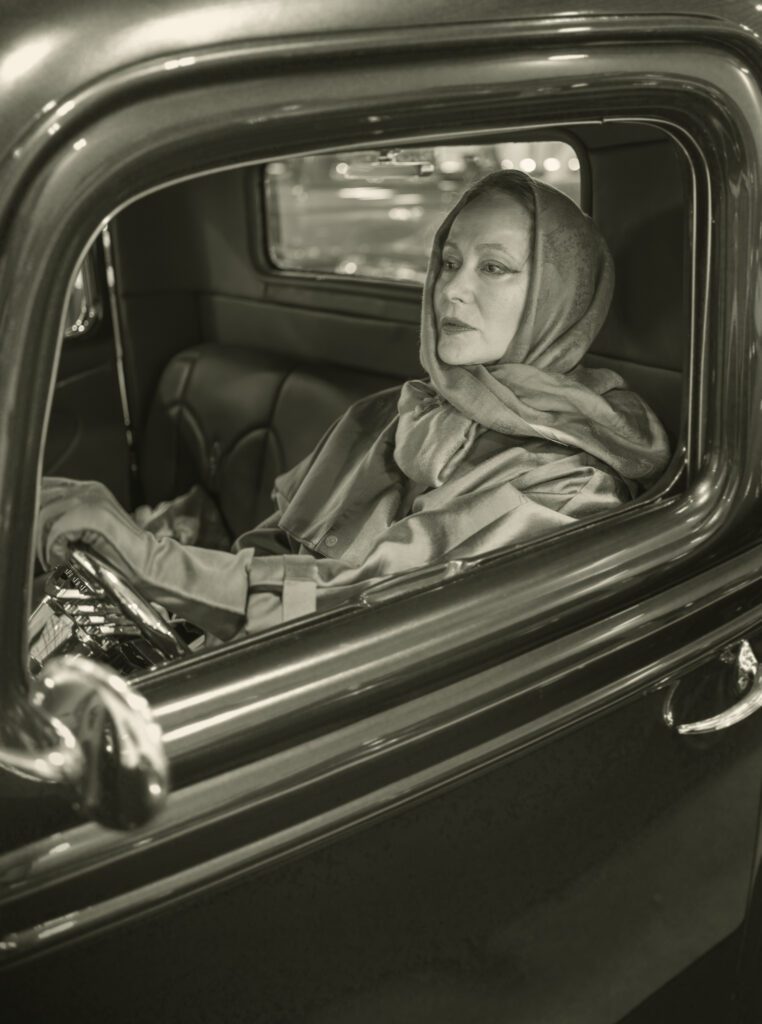
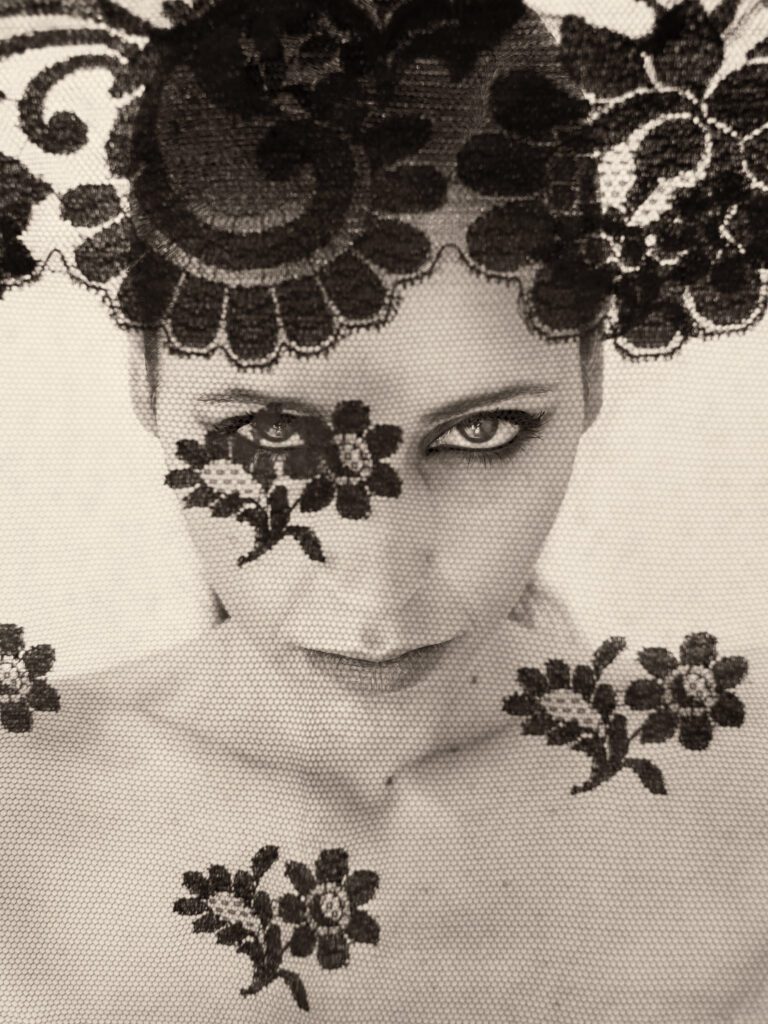
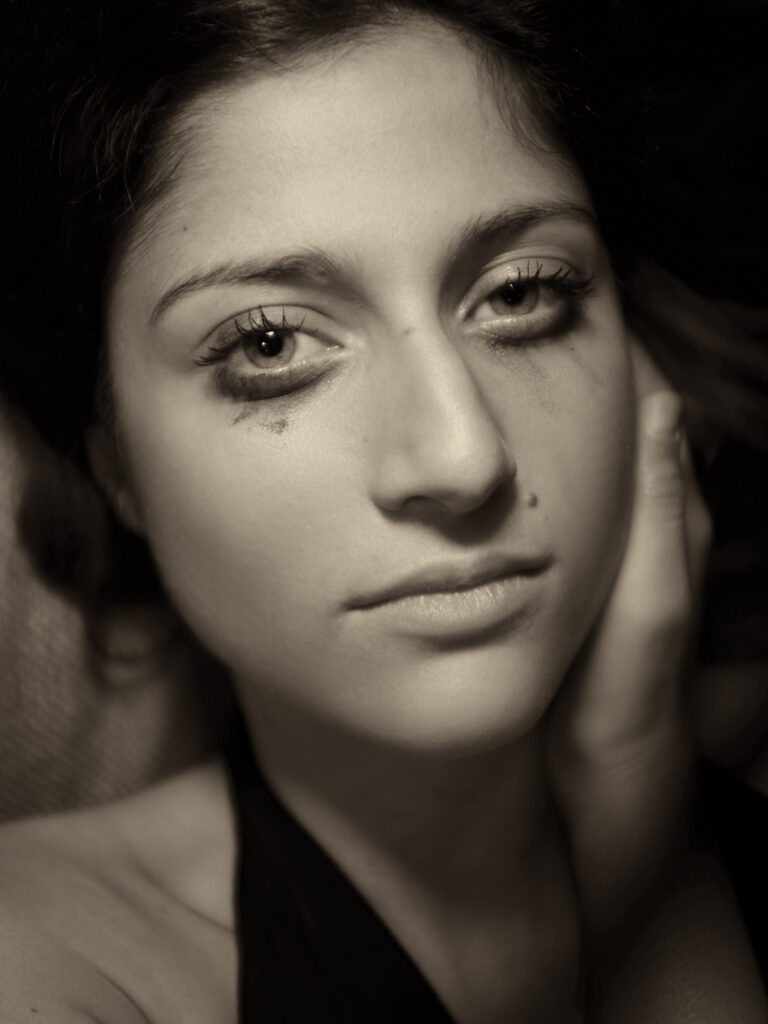
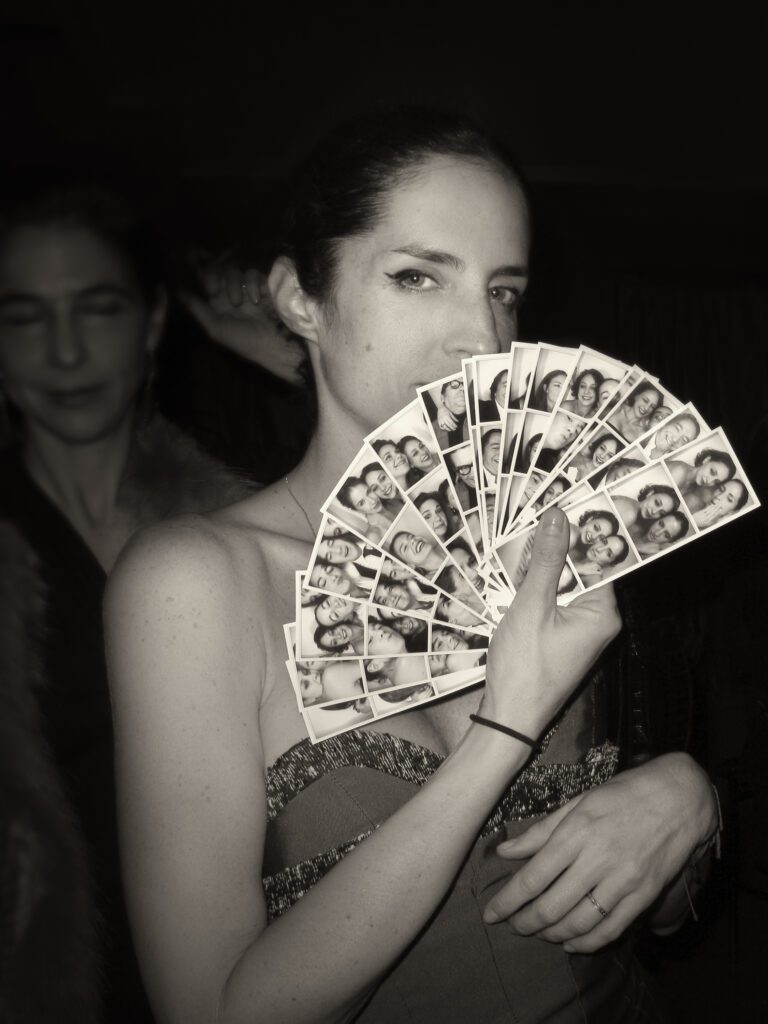
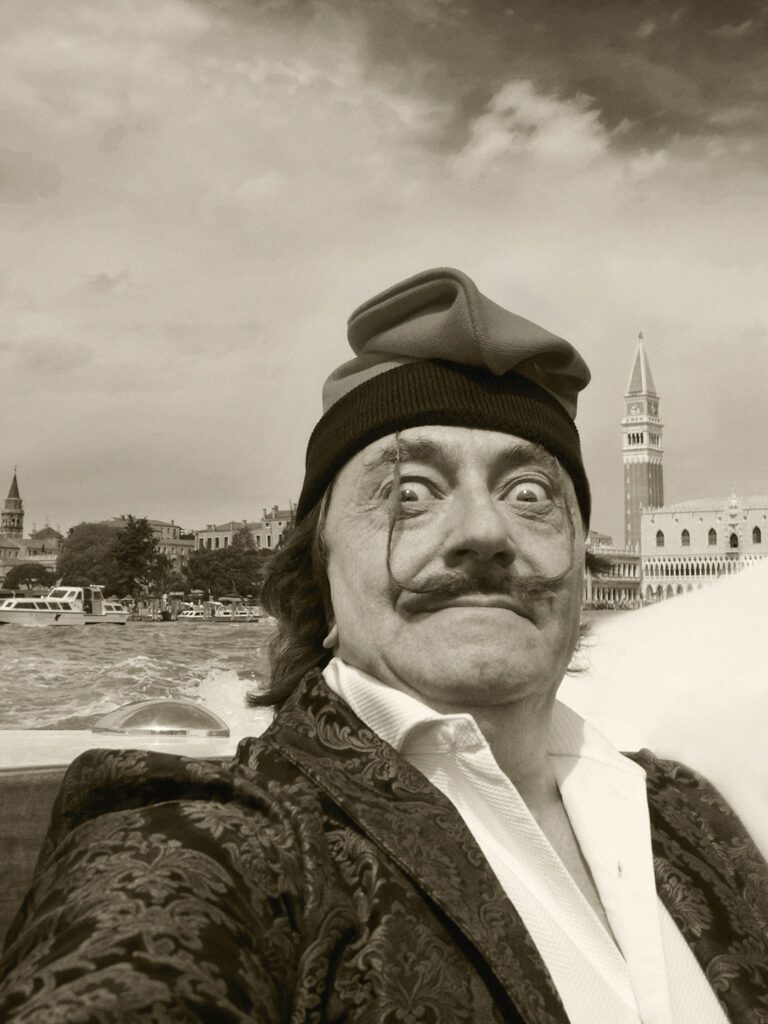
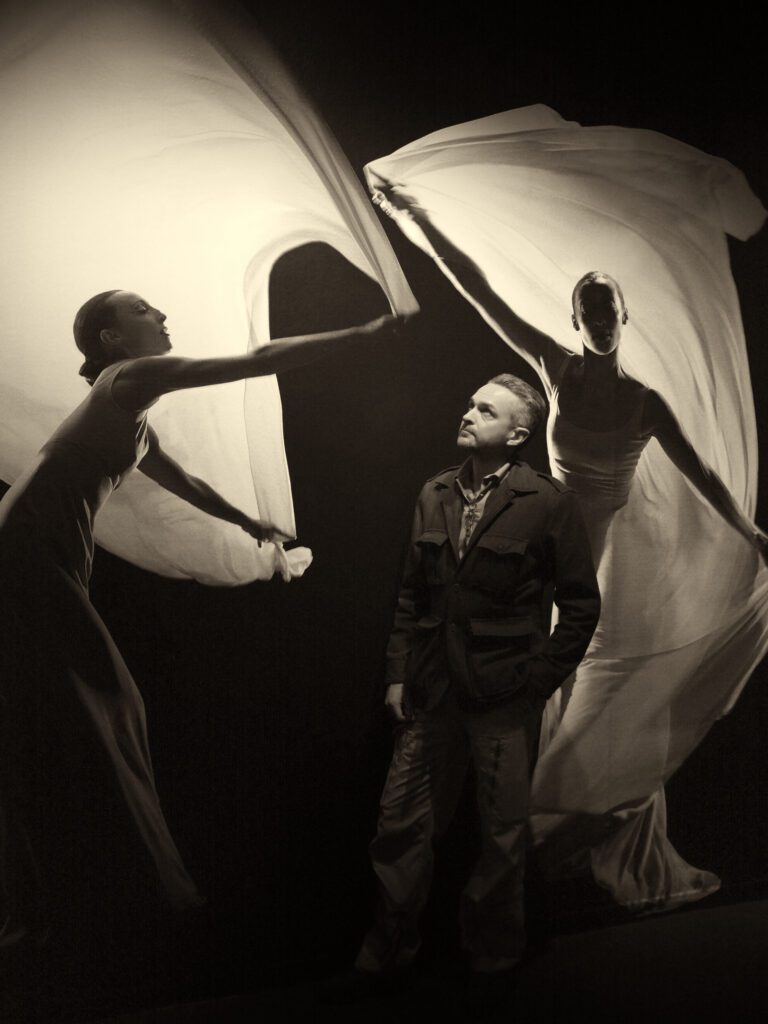
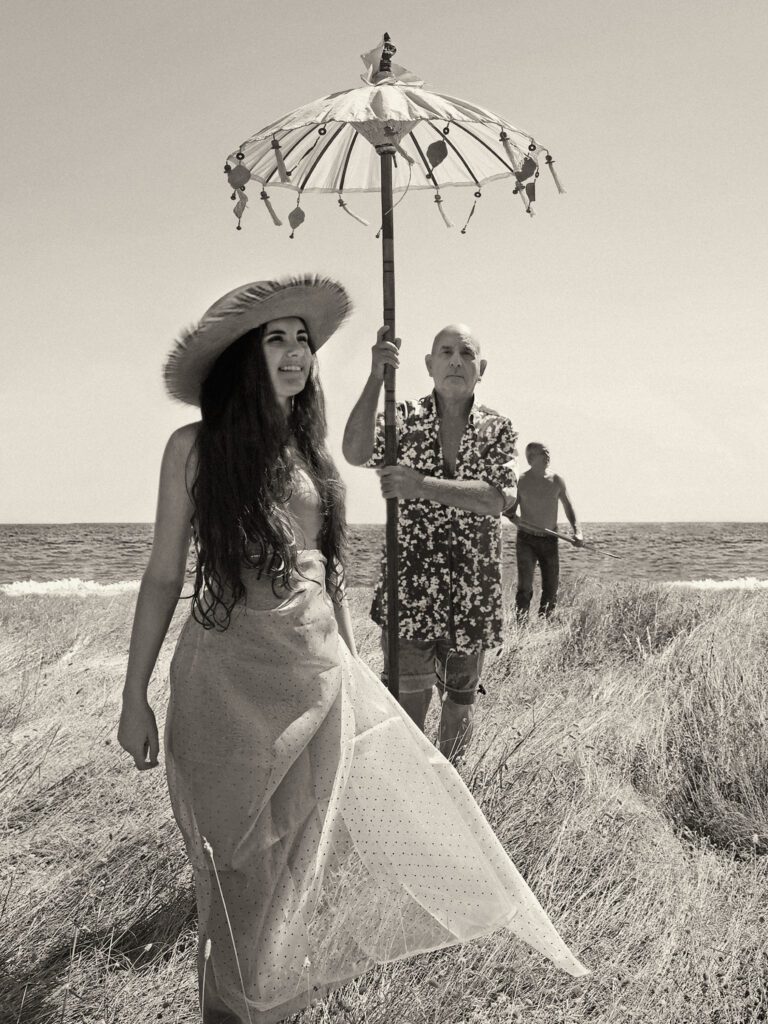
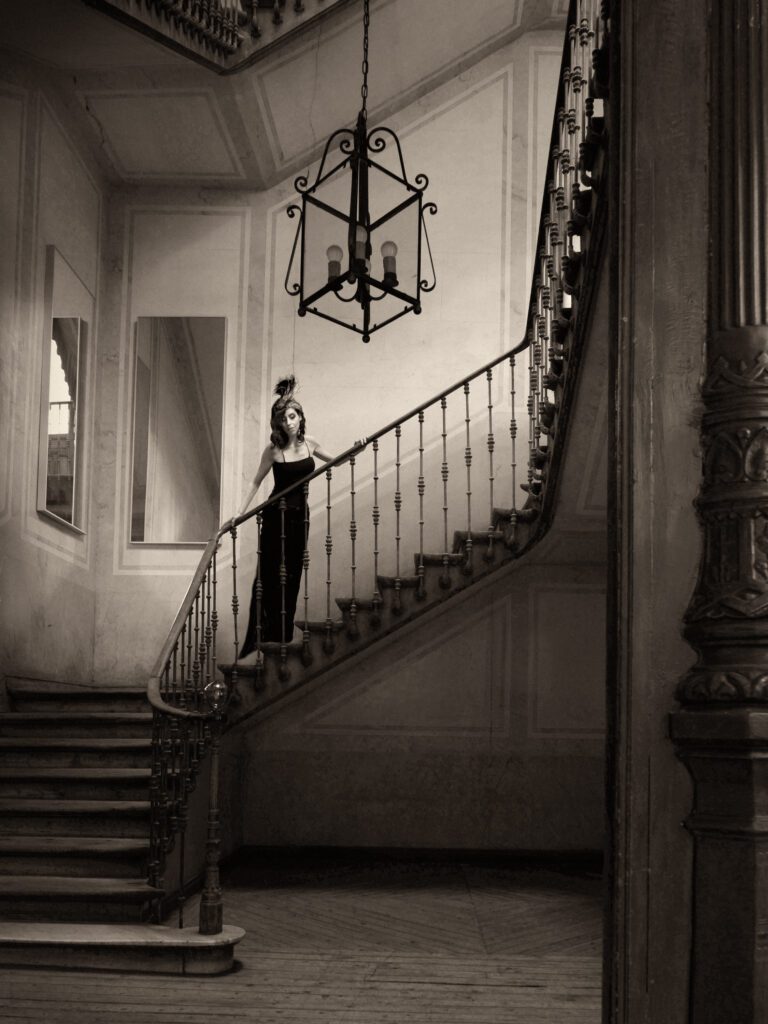
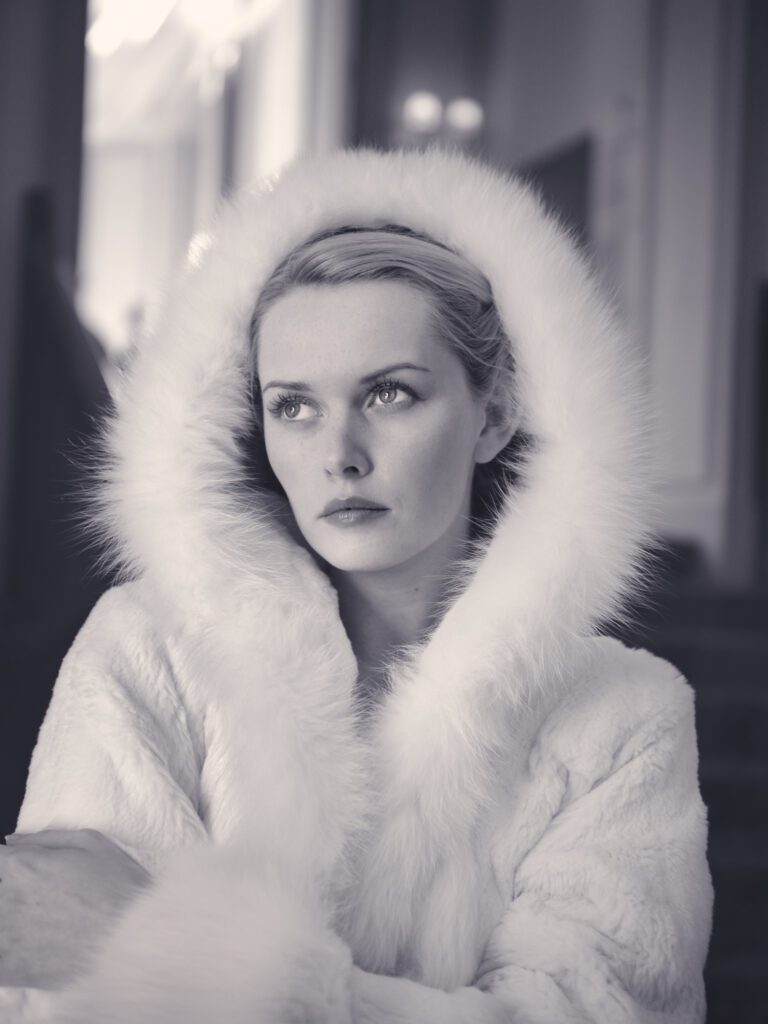
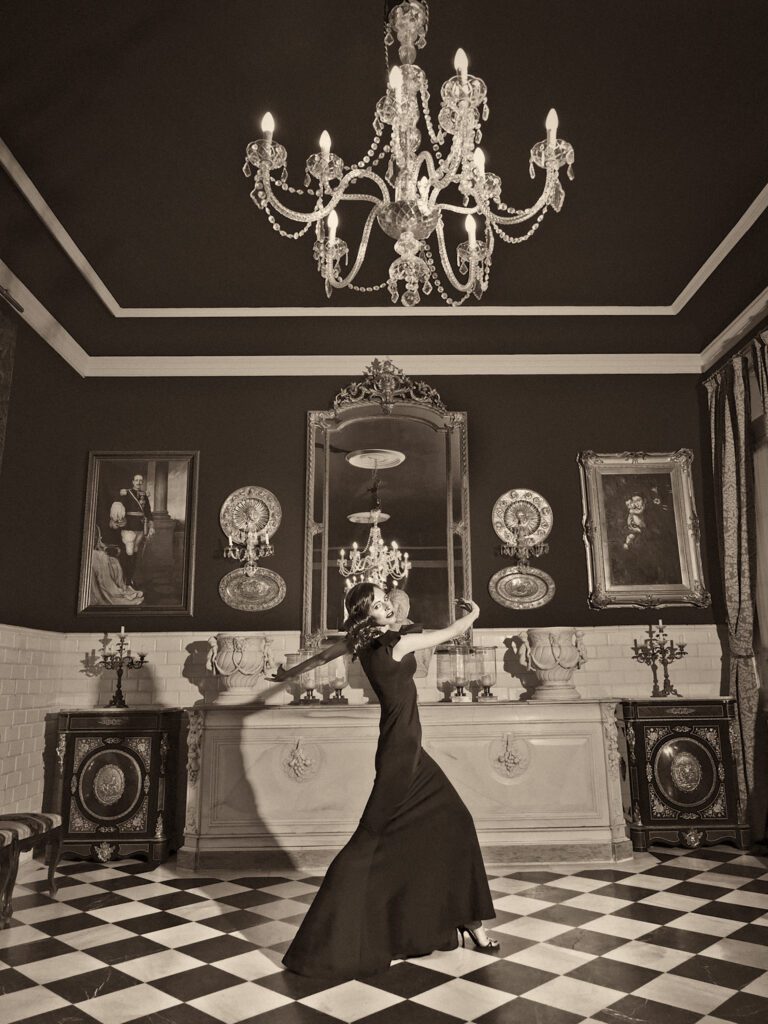
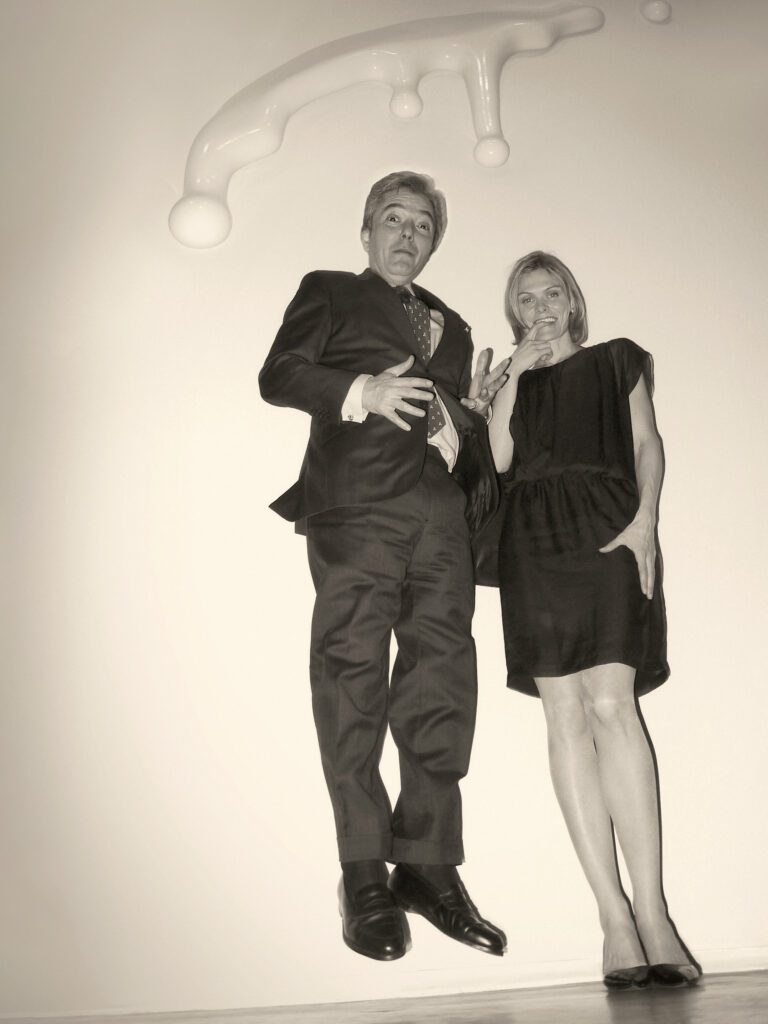
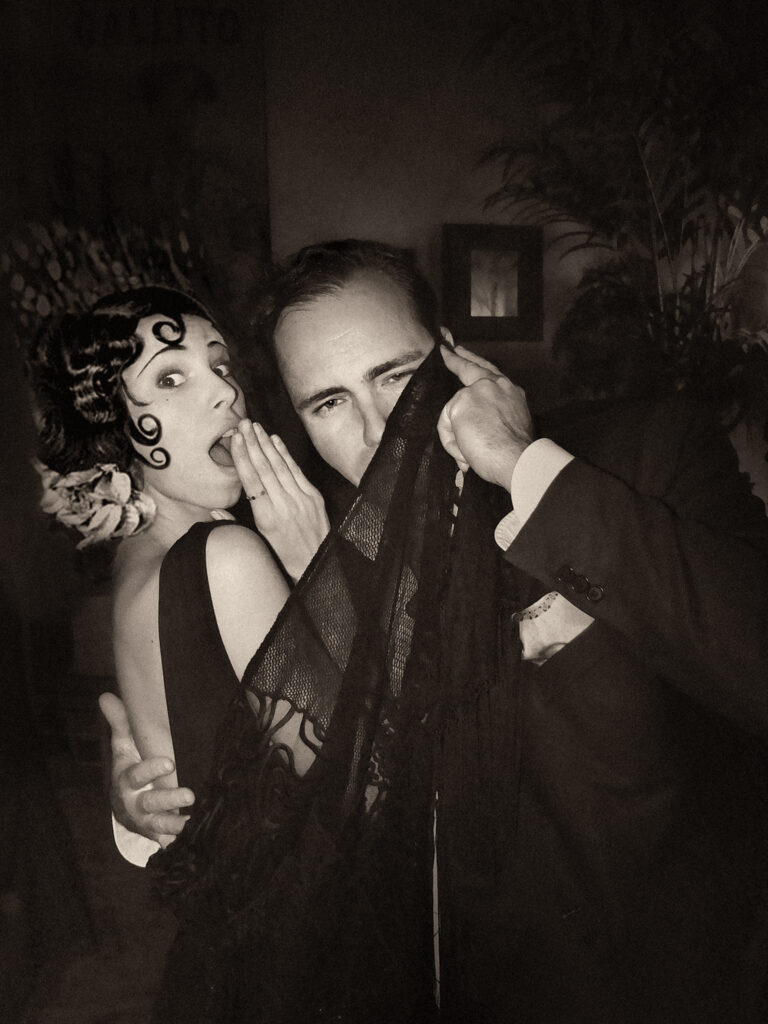
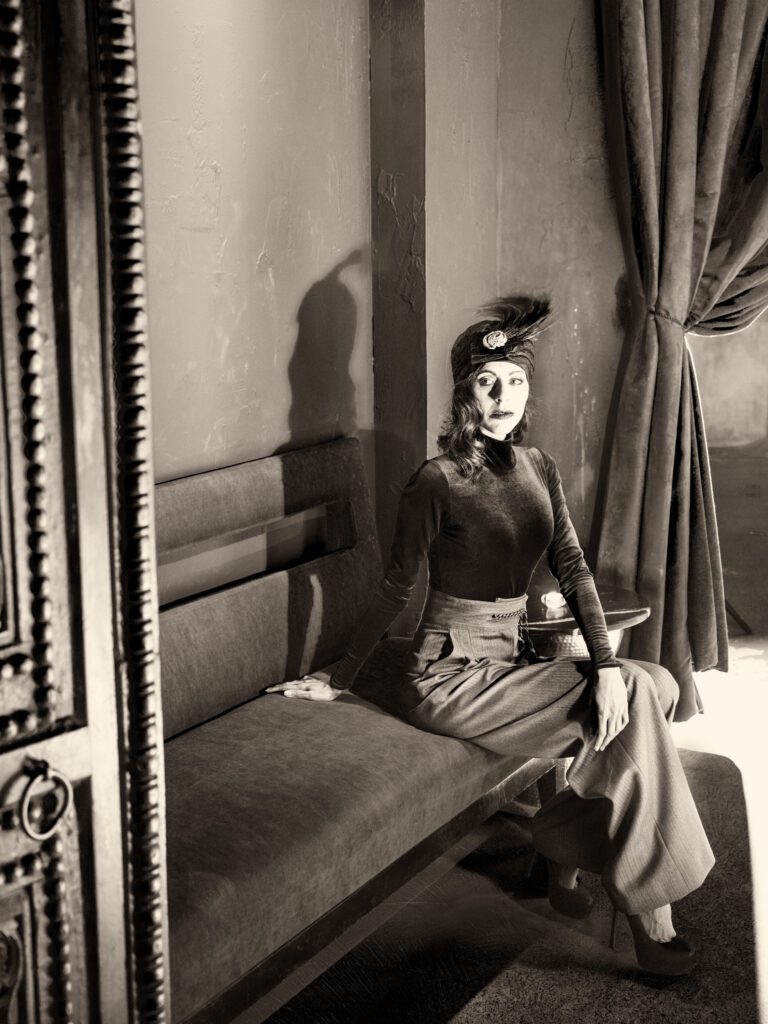
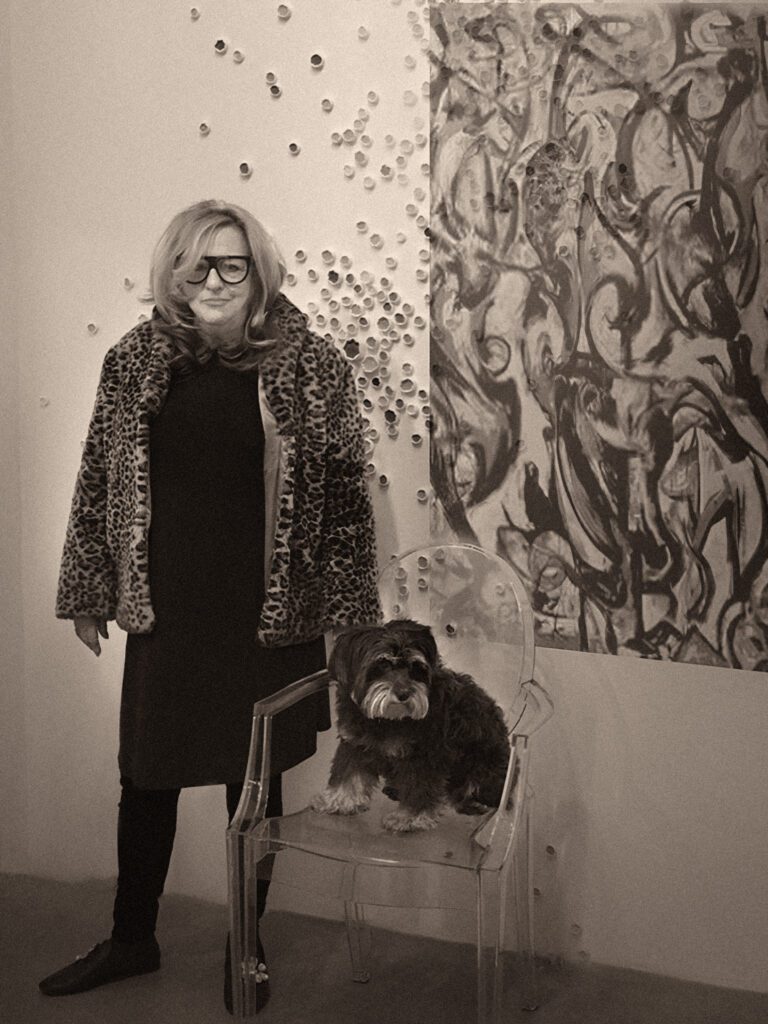
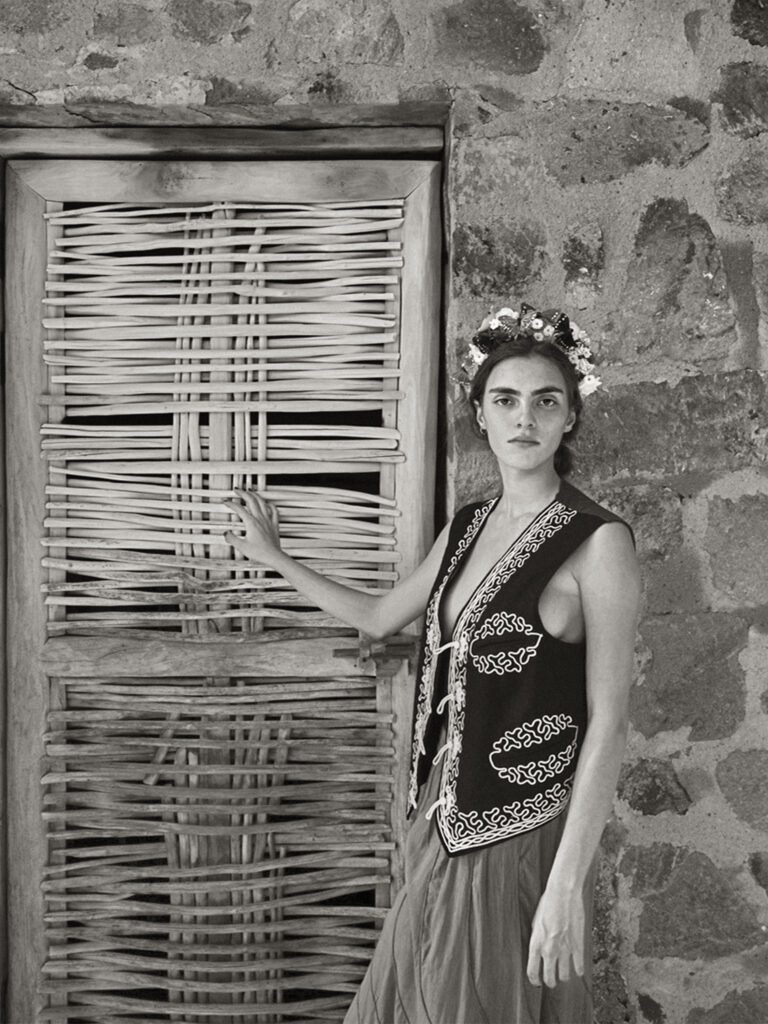
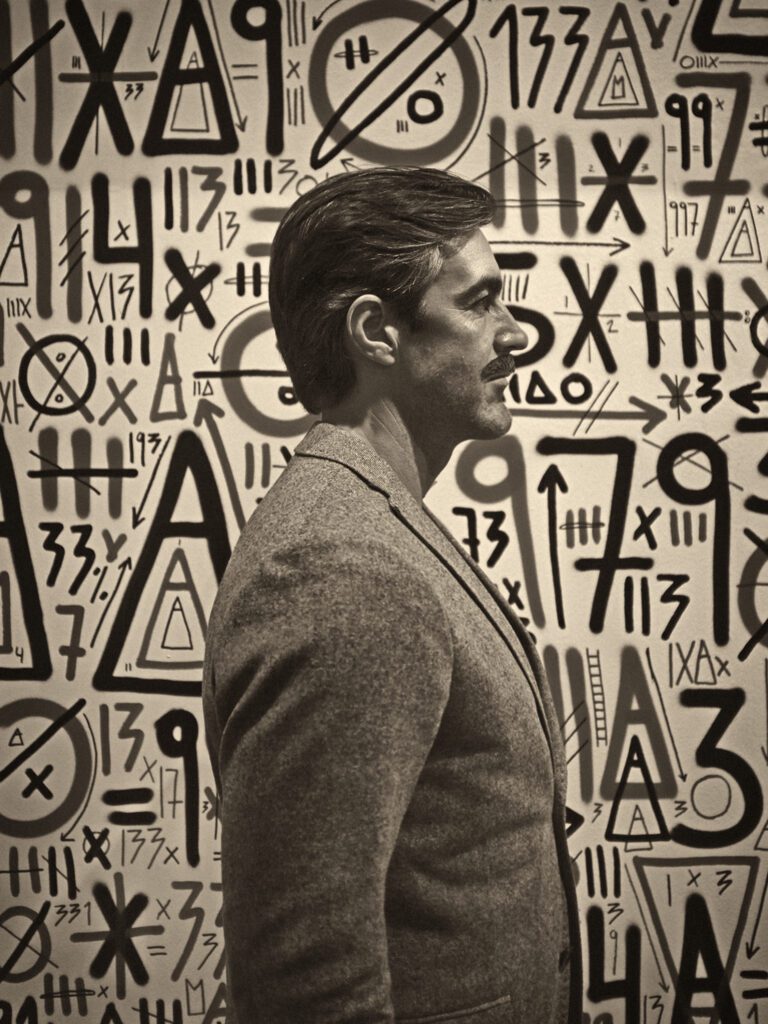
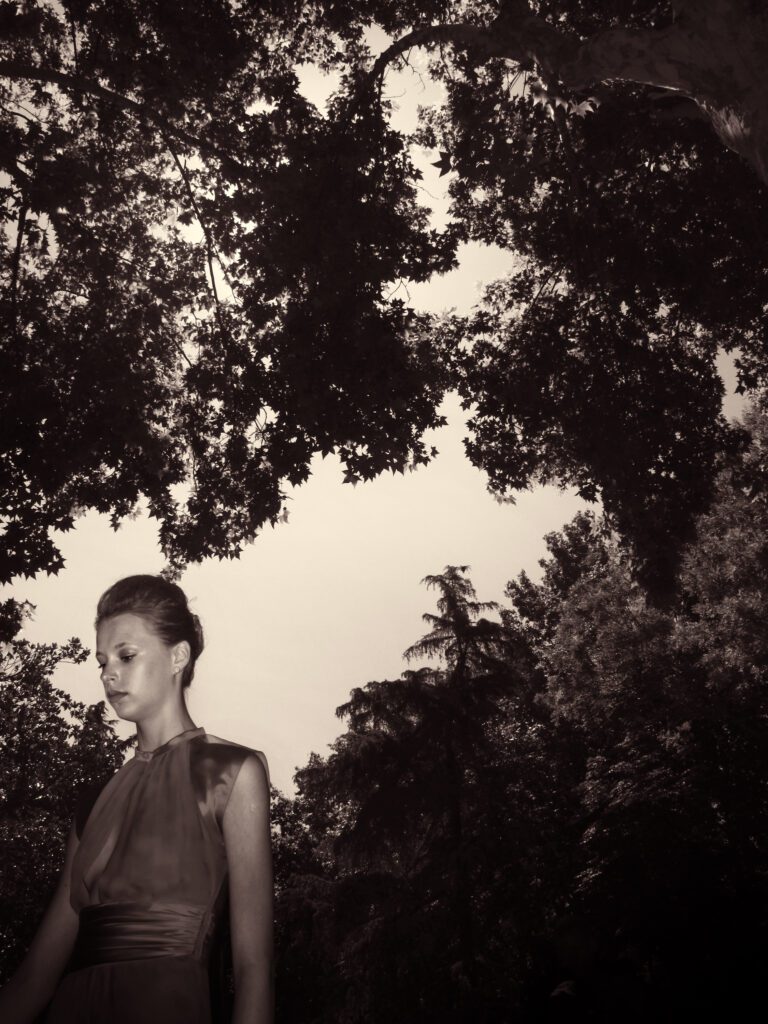
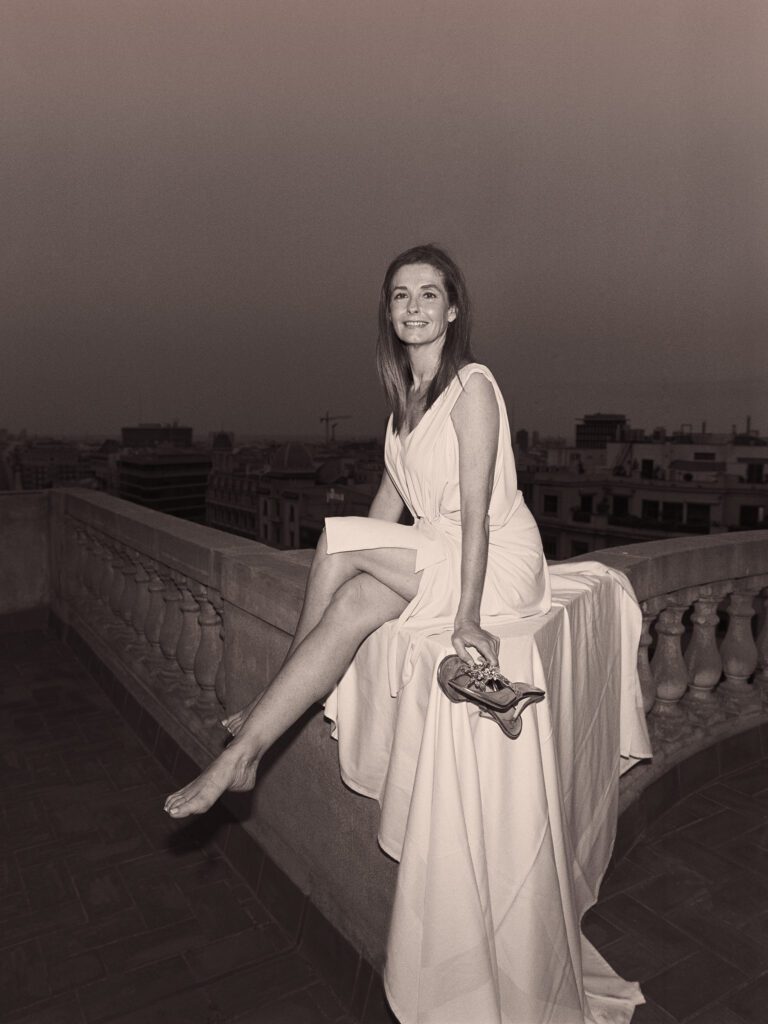
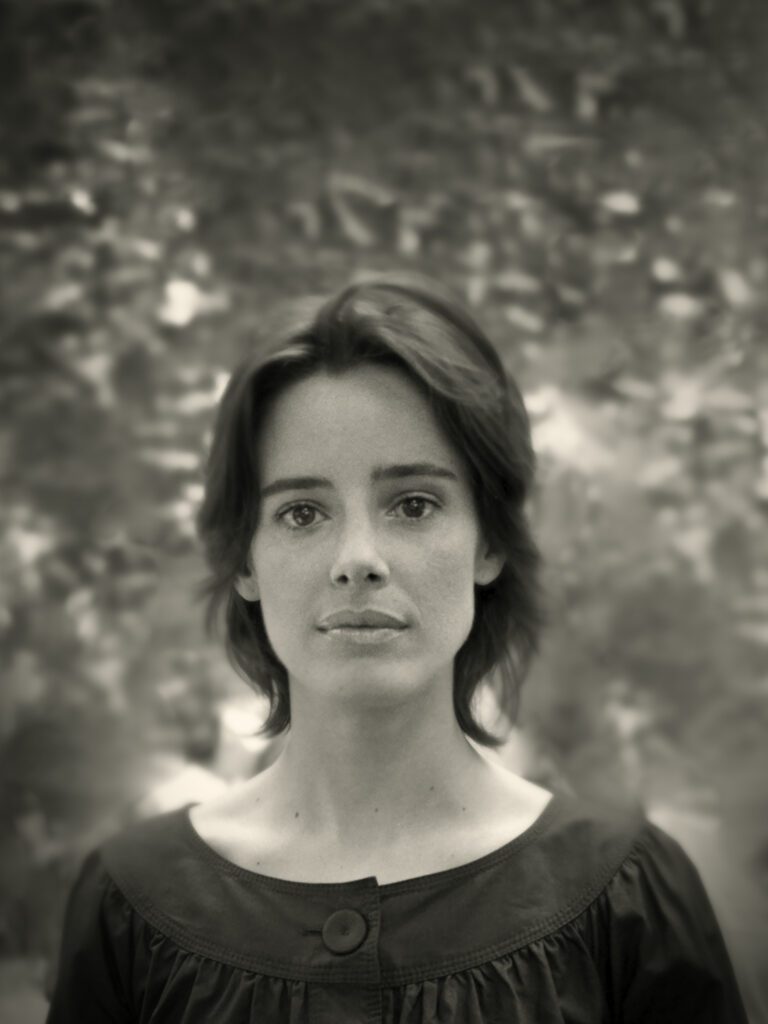
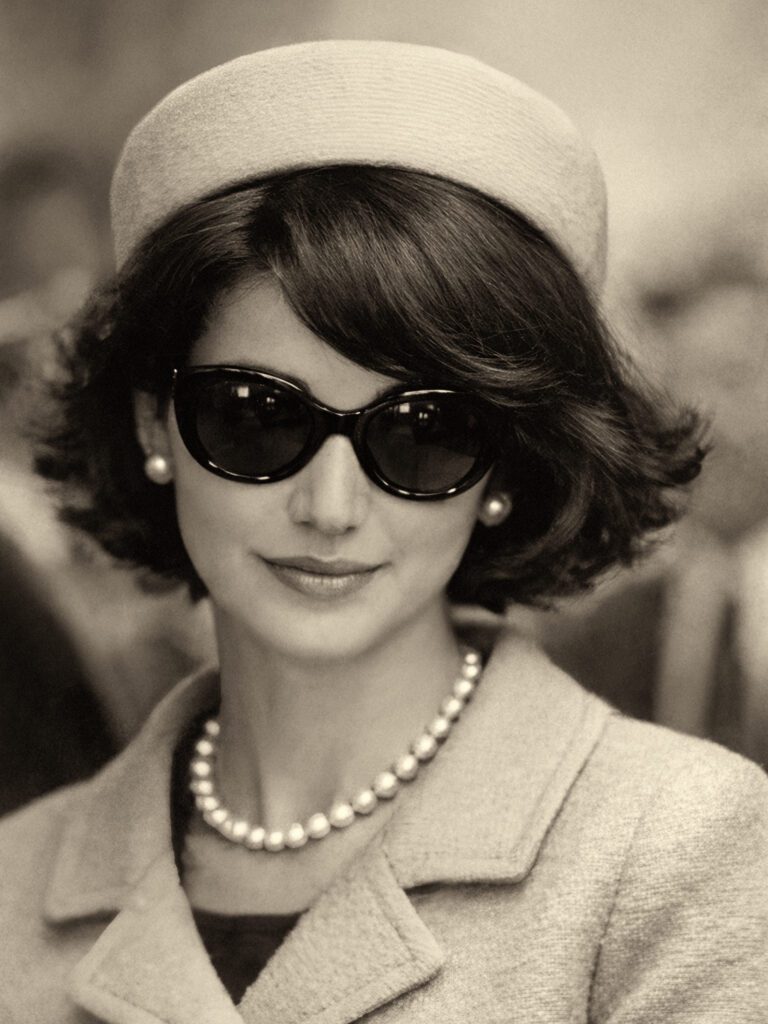
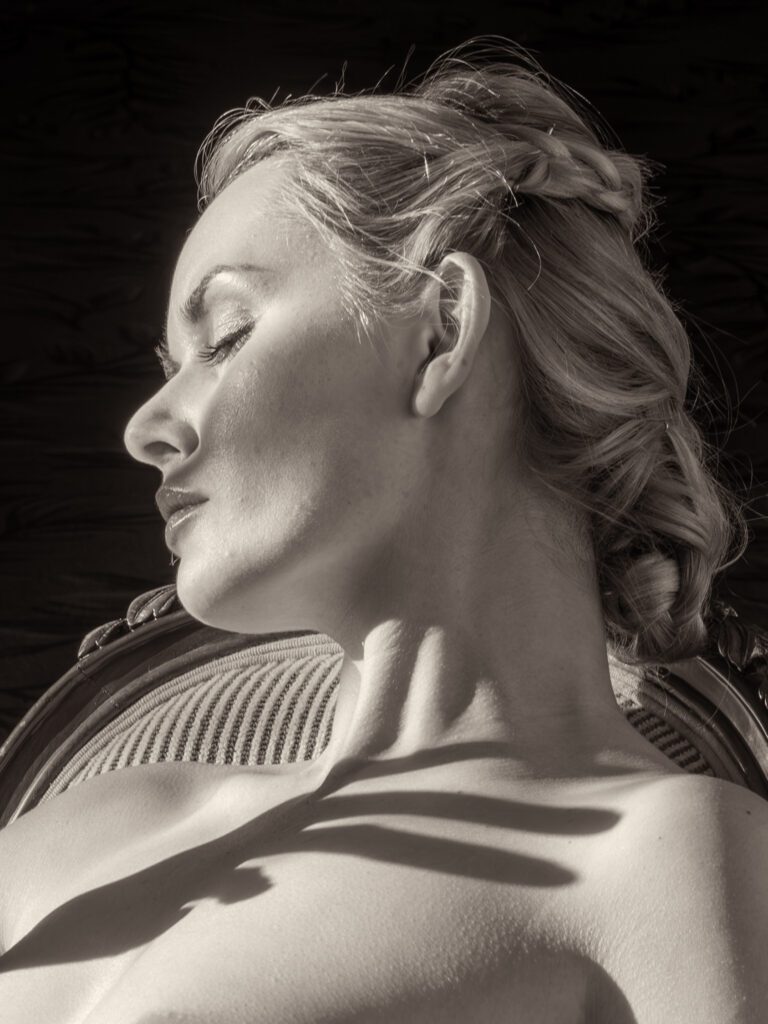
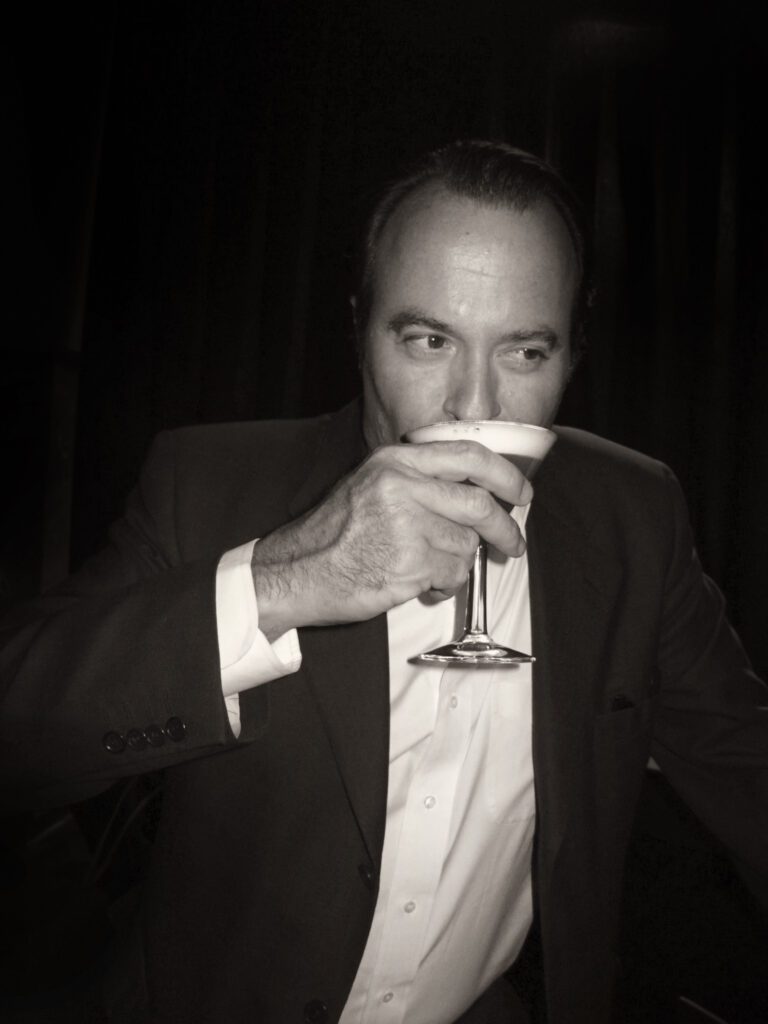
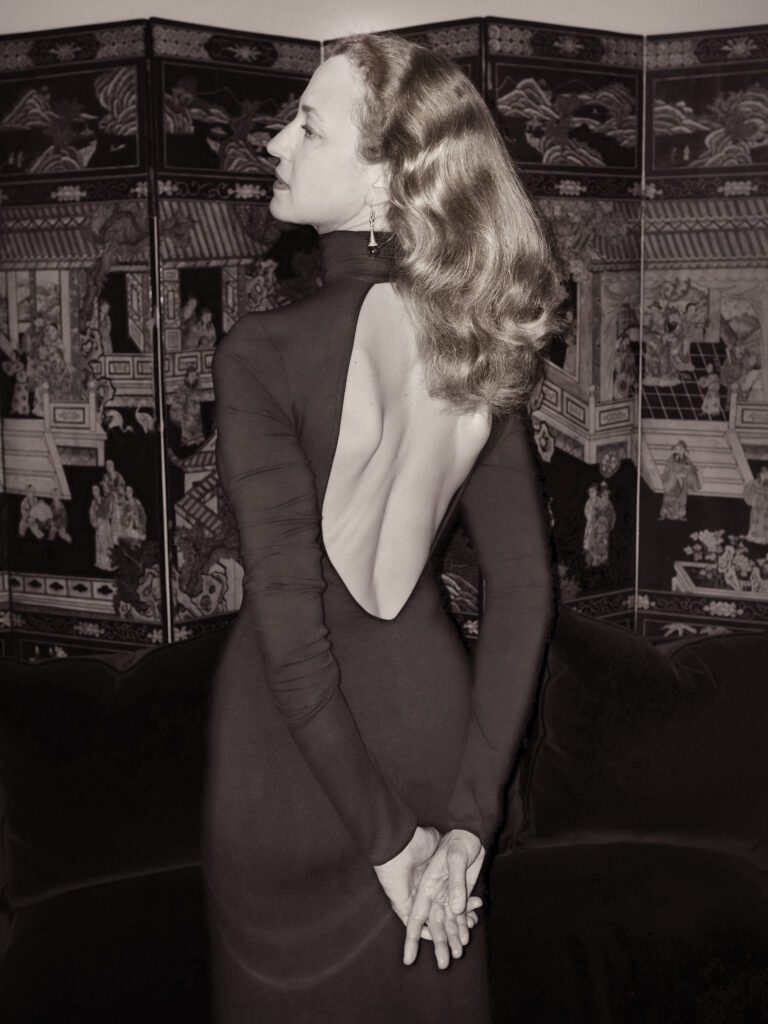
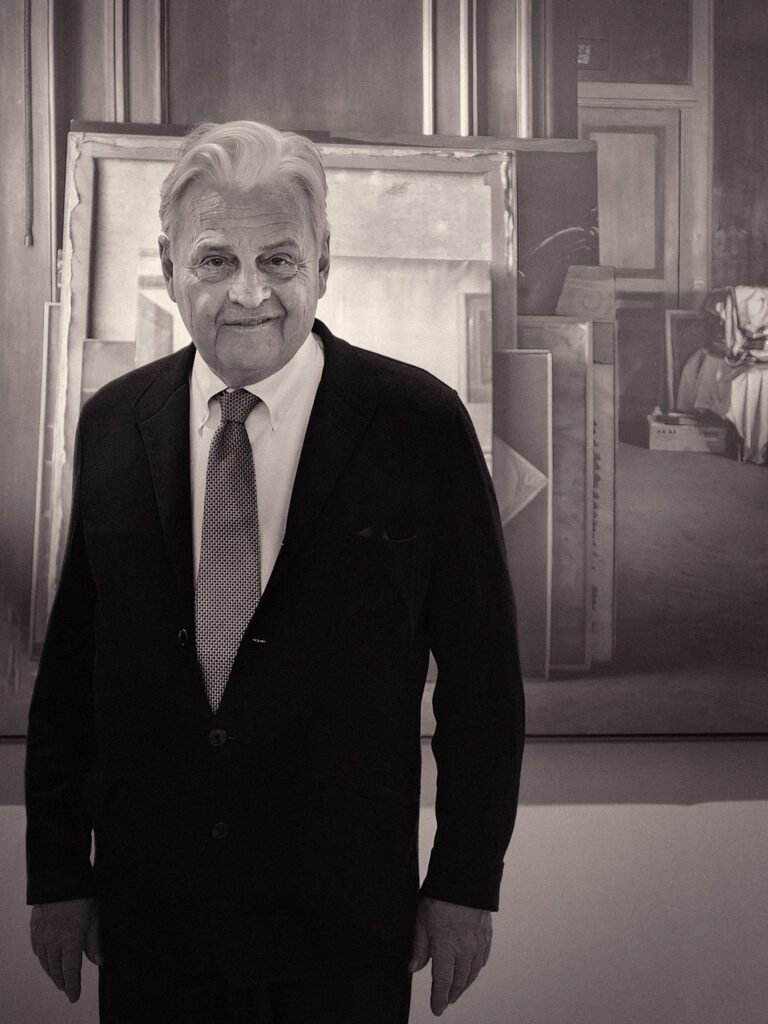
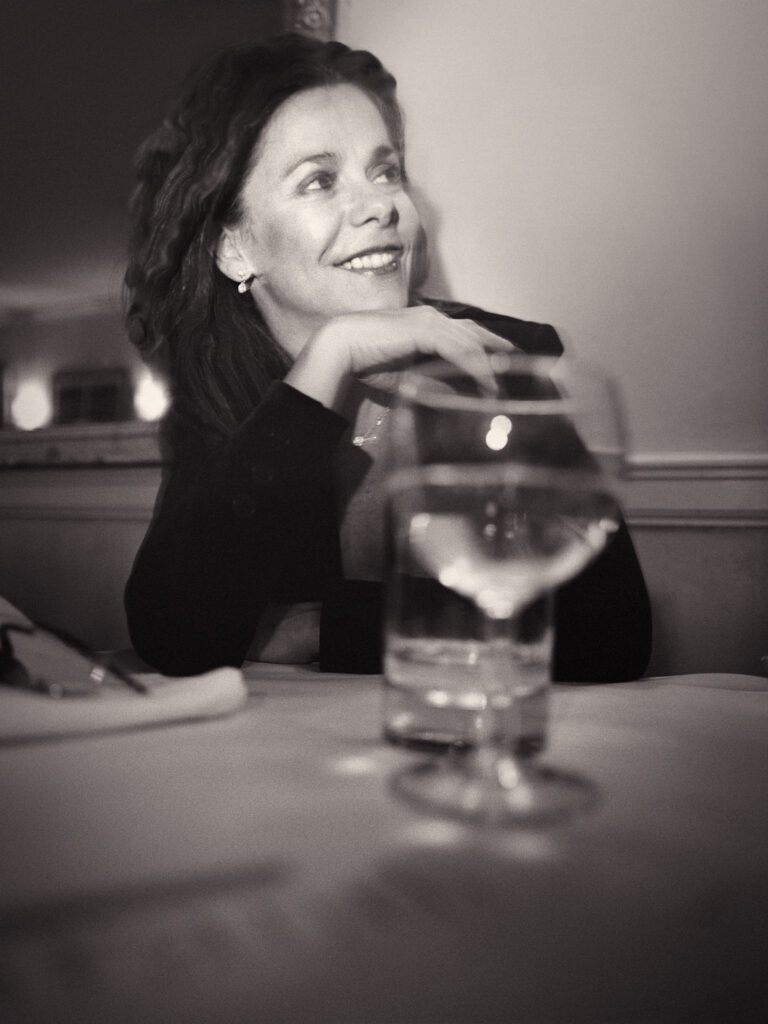
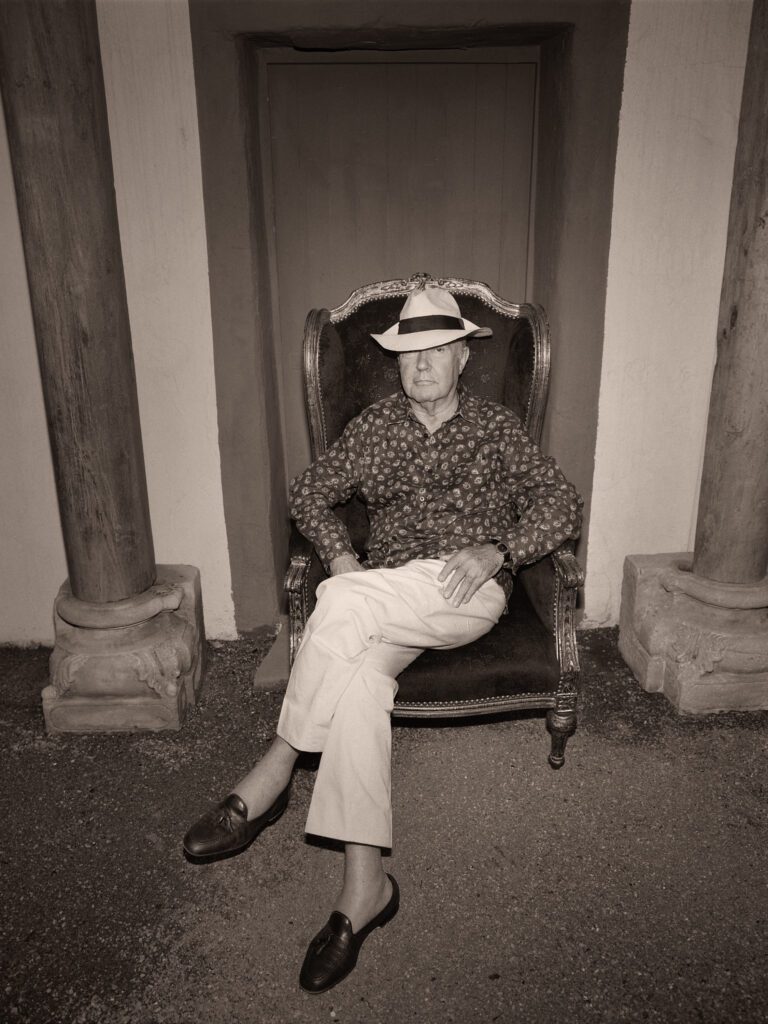
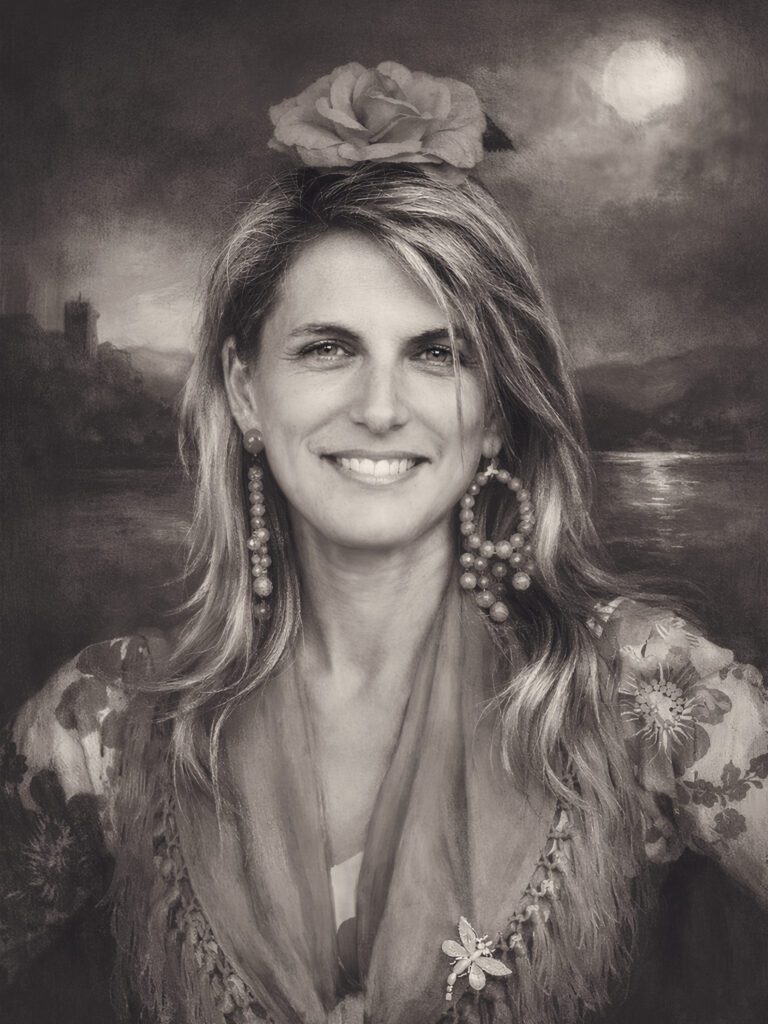
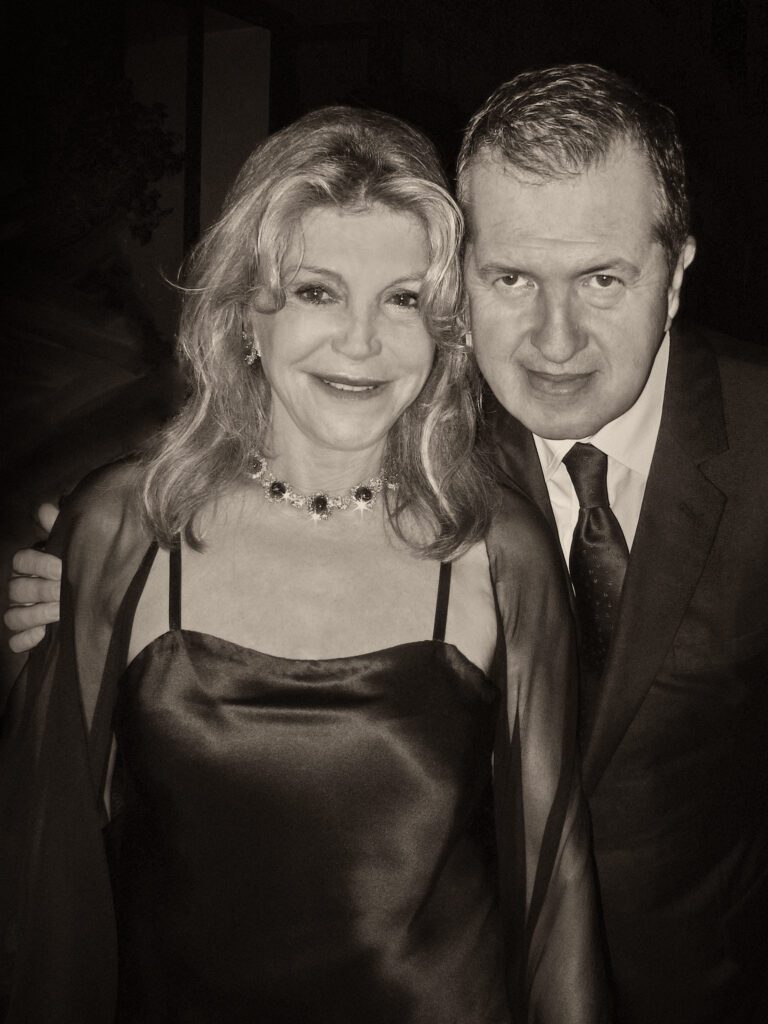
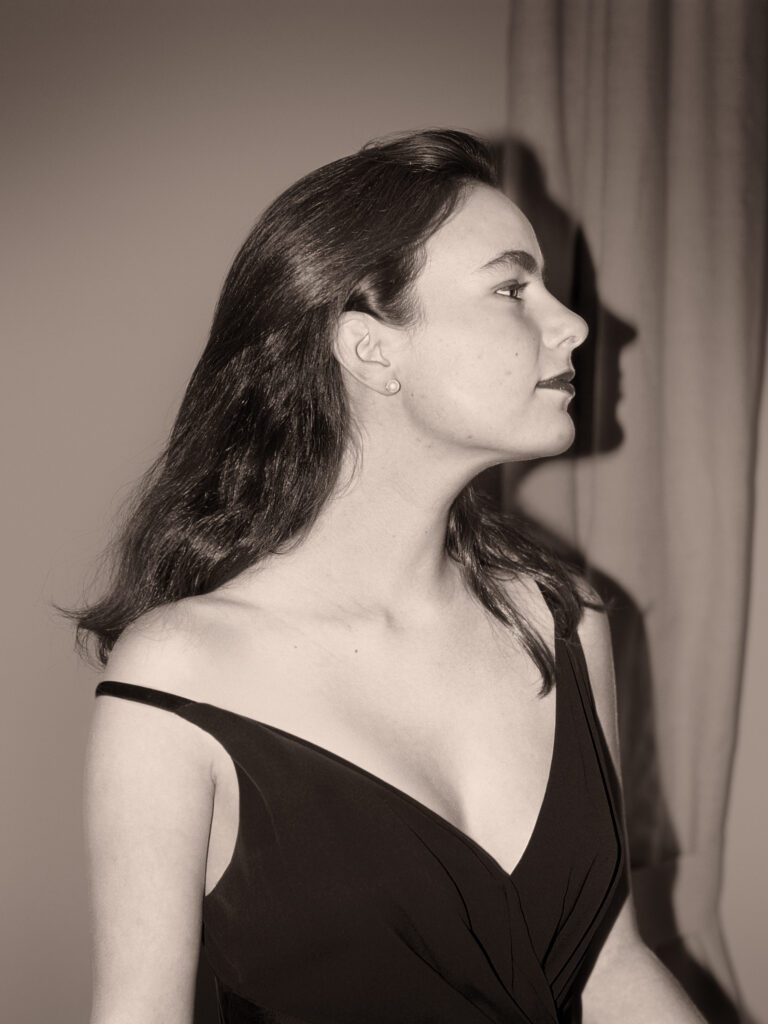
Among the roll call of remarkable exhibitions being held during Houston’s FotoFest Biennial (which runs through May 10), denizens of history should take note of “Nostalgic Memory of My Life Before Birth,” a solo exhibition from Madrid-based, internationally exhibited artist Miguel Soler-Roig at Barbara Davis Gallery.
The conceptual photographer marks his fifth showing at Barbara Davis by debuting a highly unique body of work. Think time travel, and titans of cultural history filtered through Soler-Roig’s own family history. His grandfather Dr. José (Pepe) Soler-Roig was Picasso’s physician, putting him in an orbit with luminaries of the late 19th and a significant part of the 20th century.
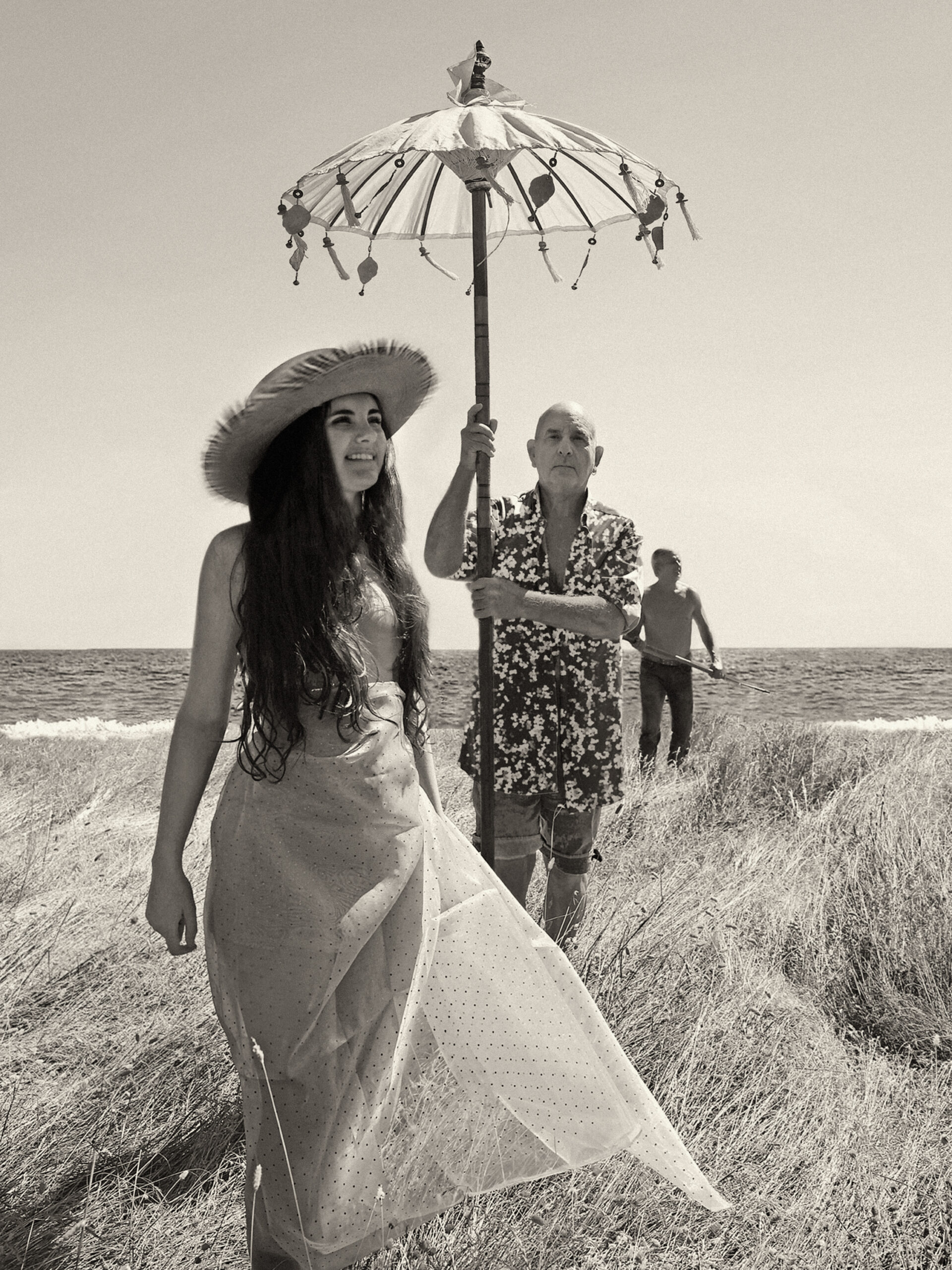
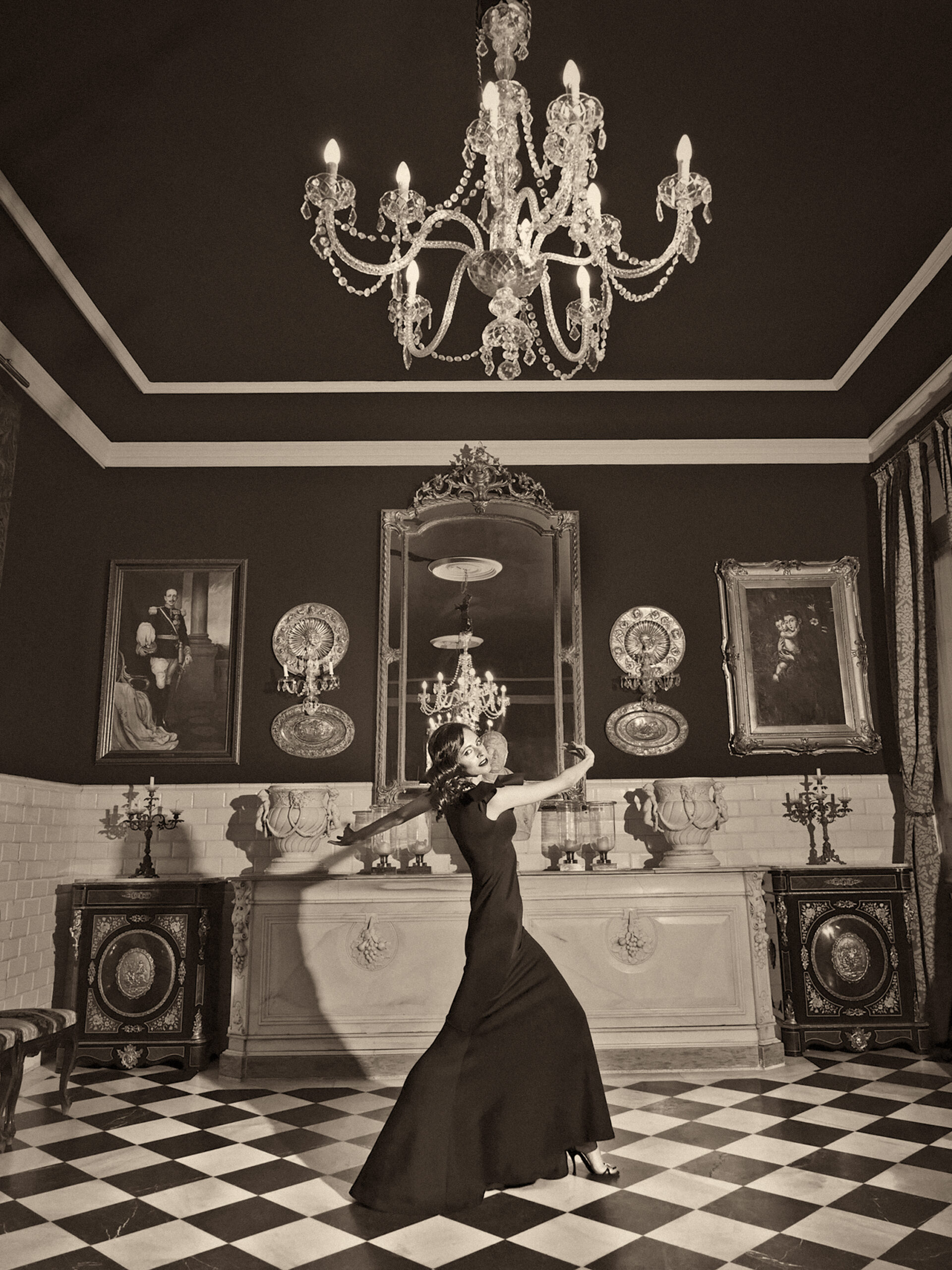
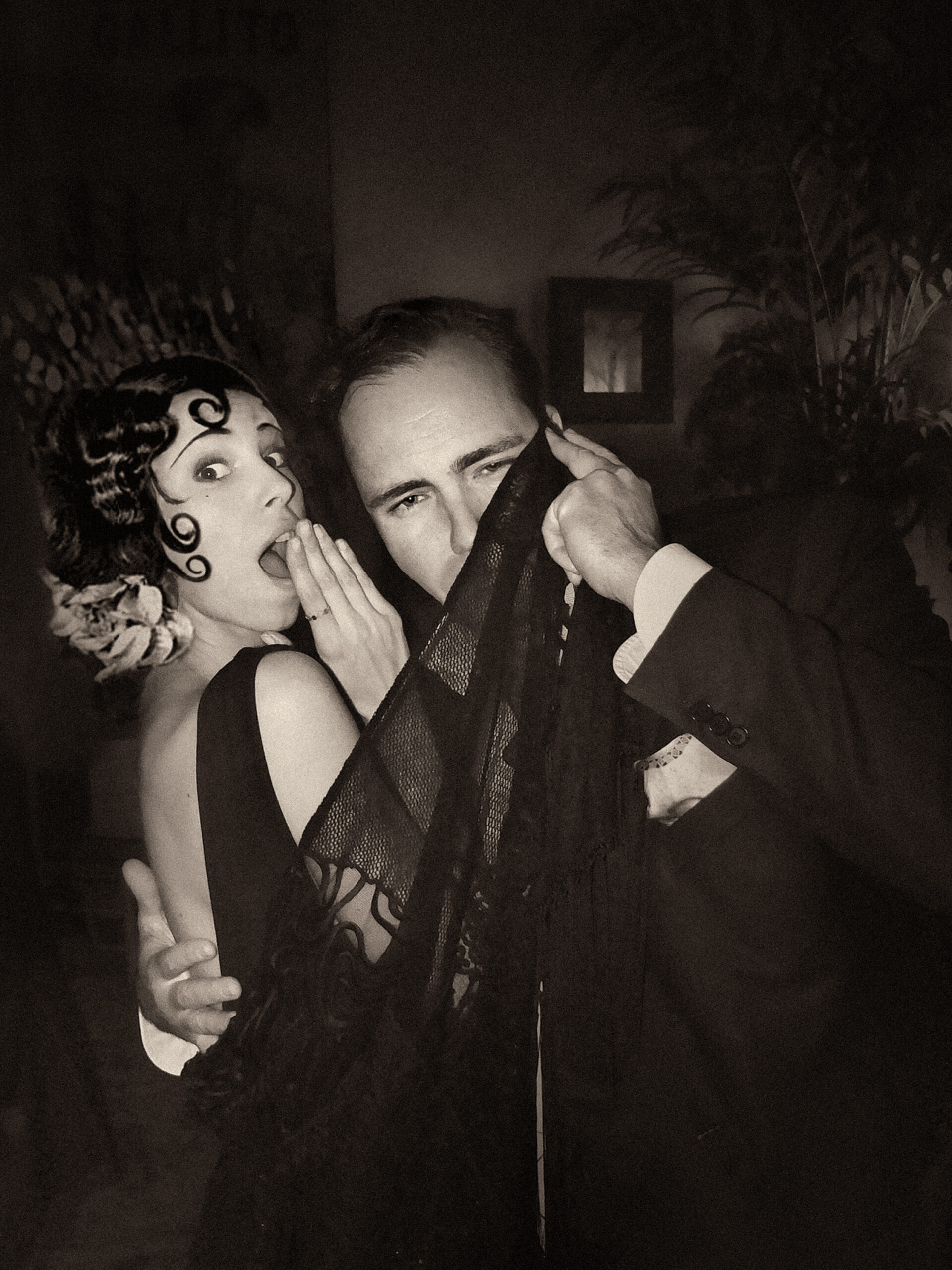
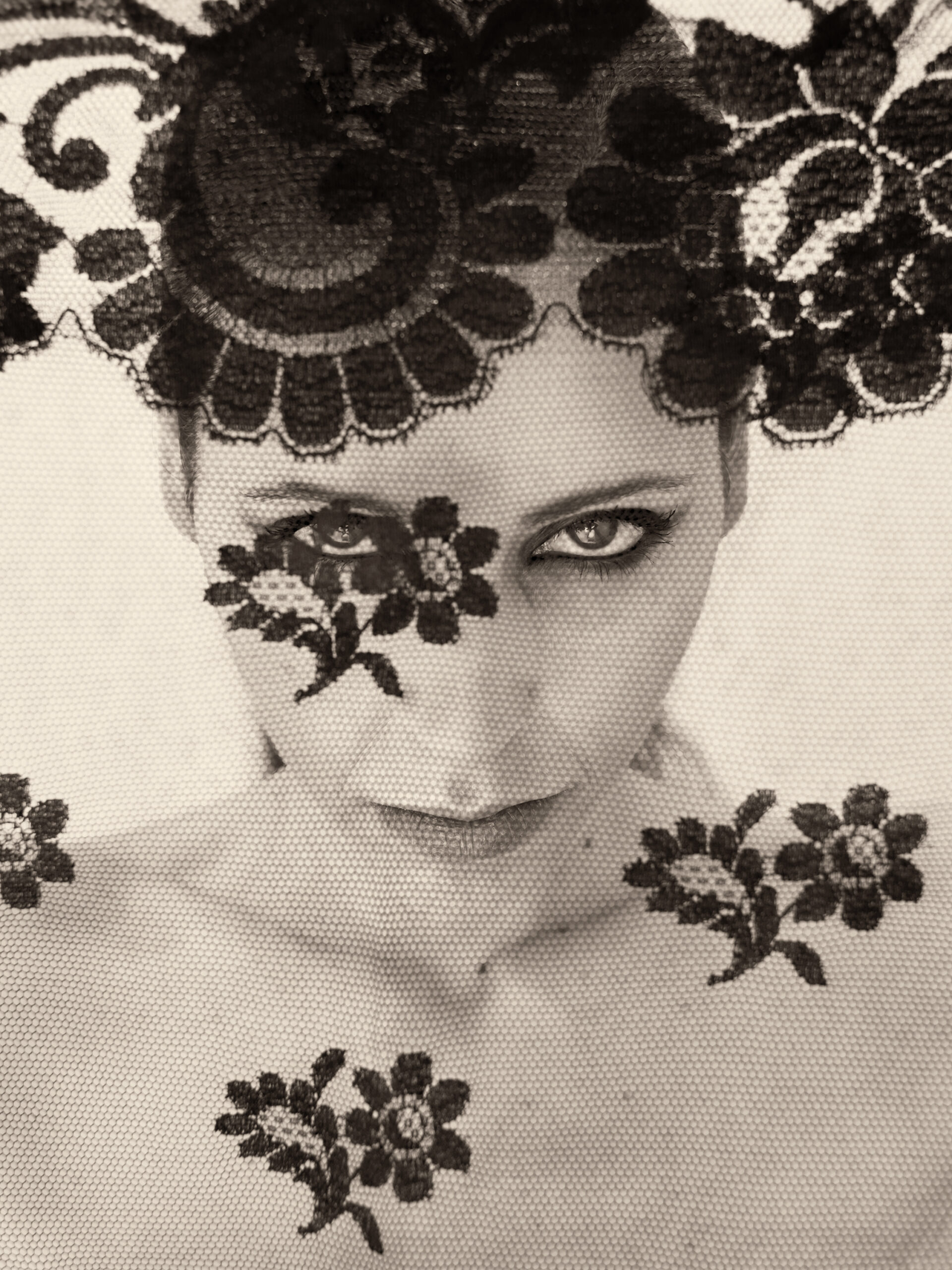
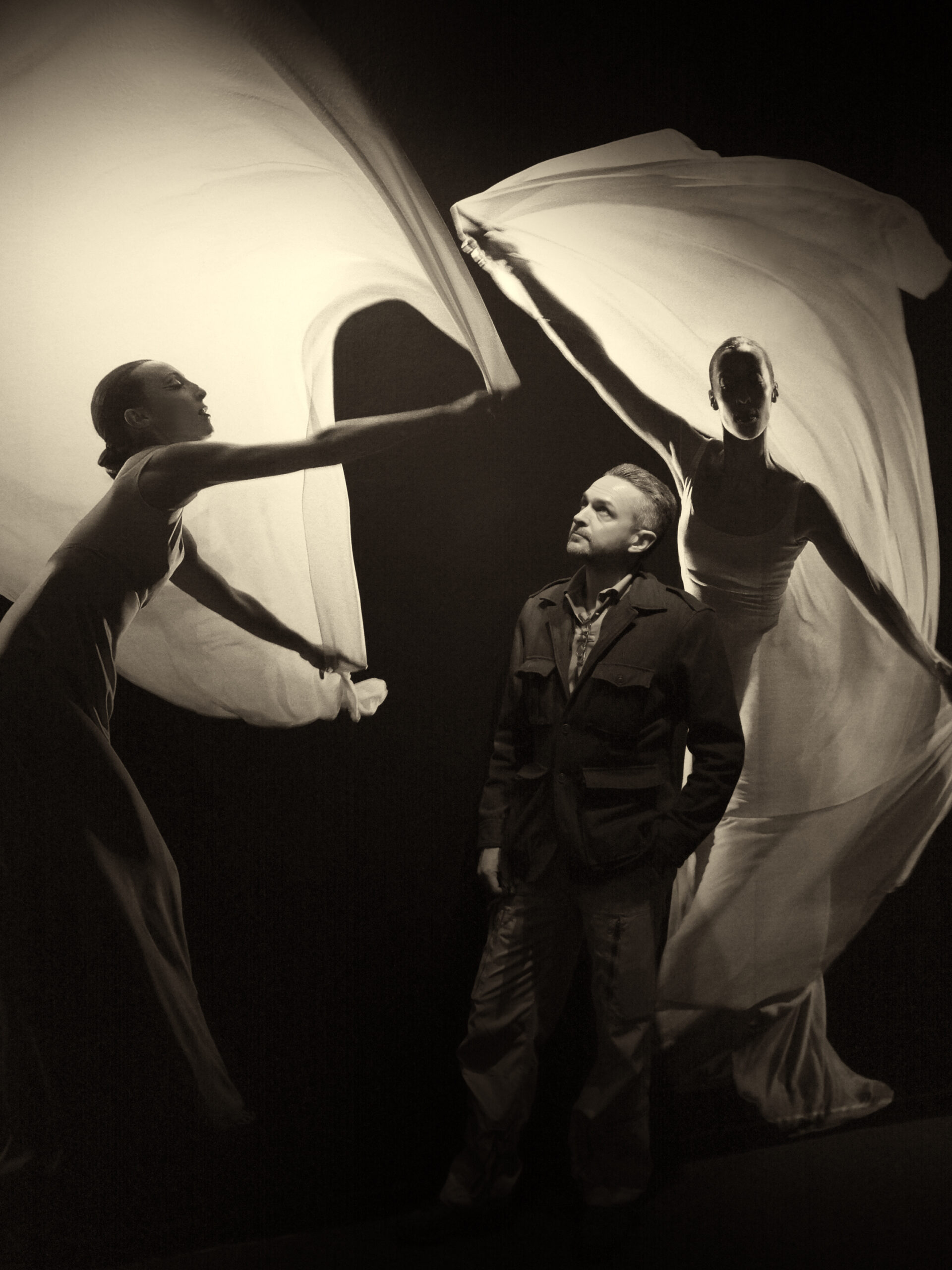
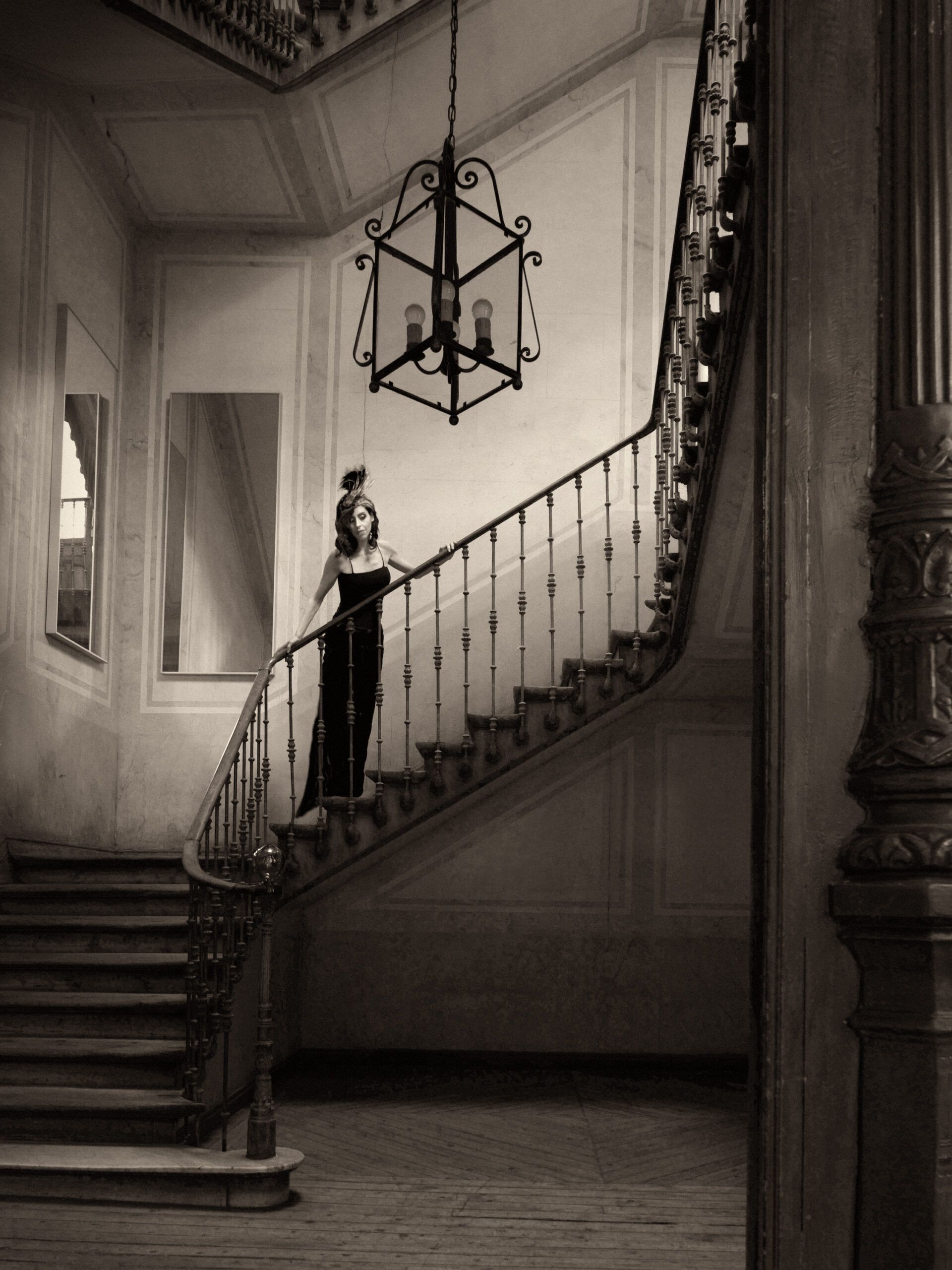
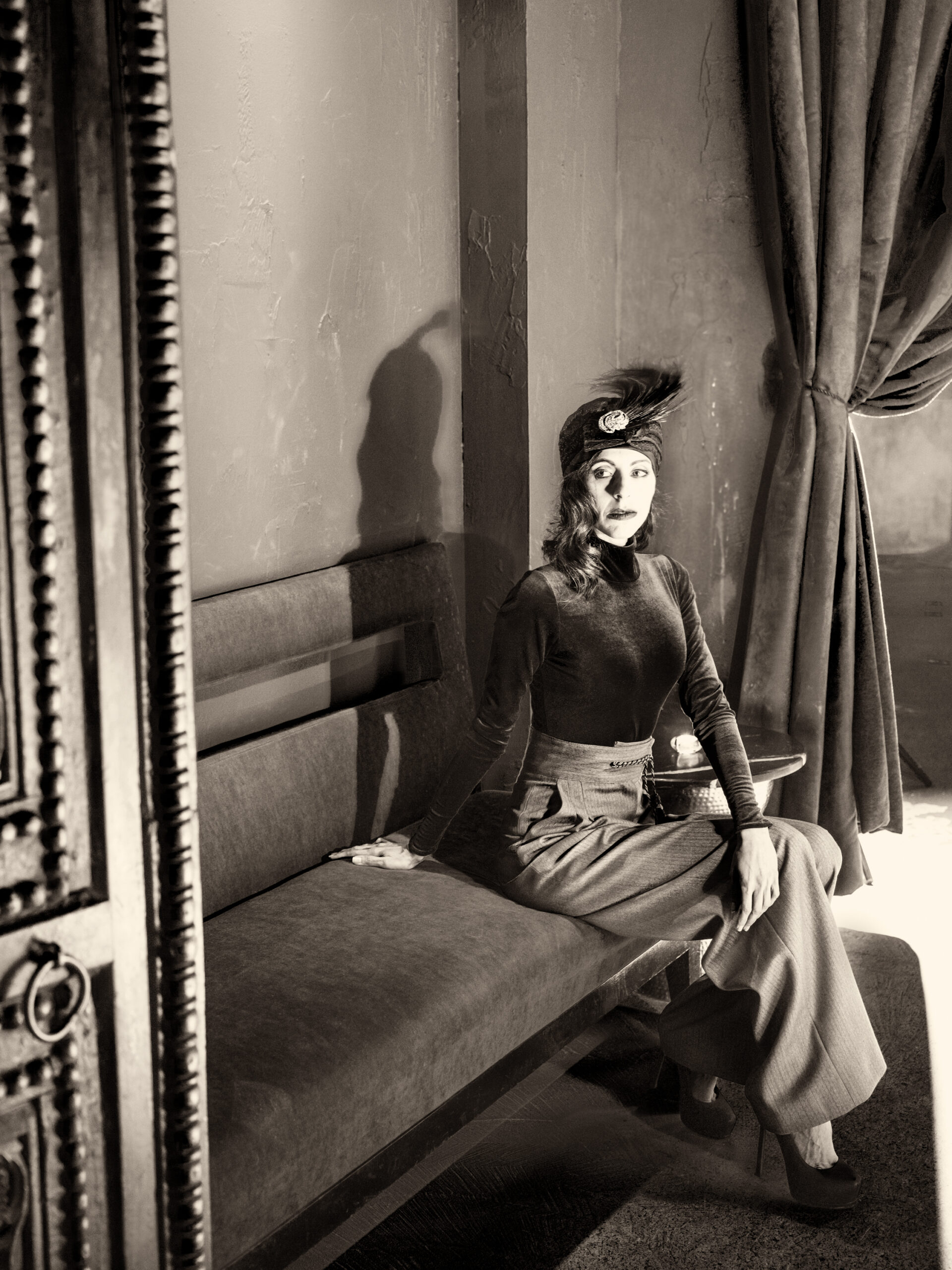
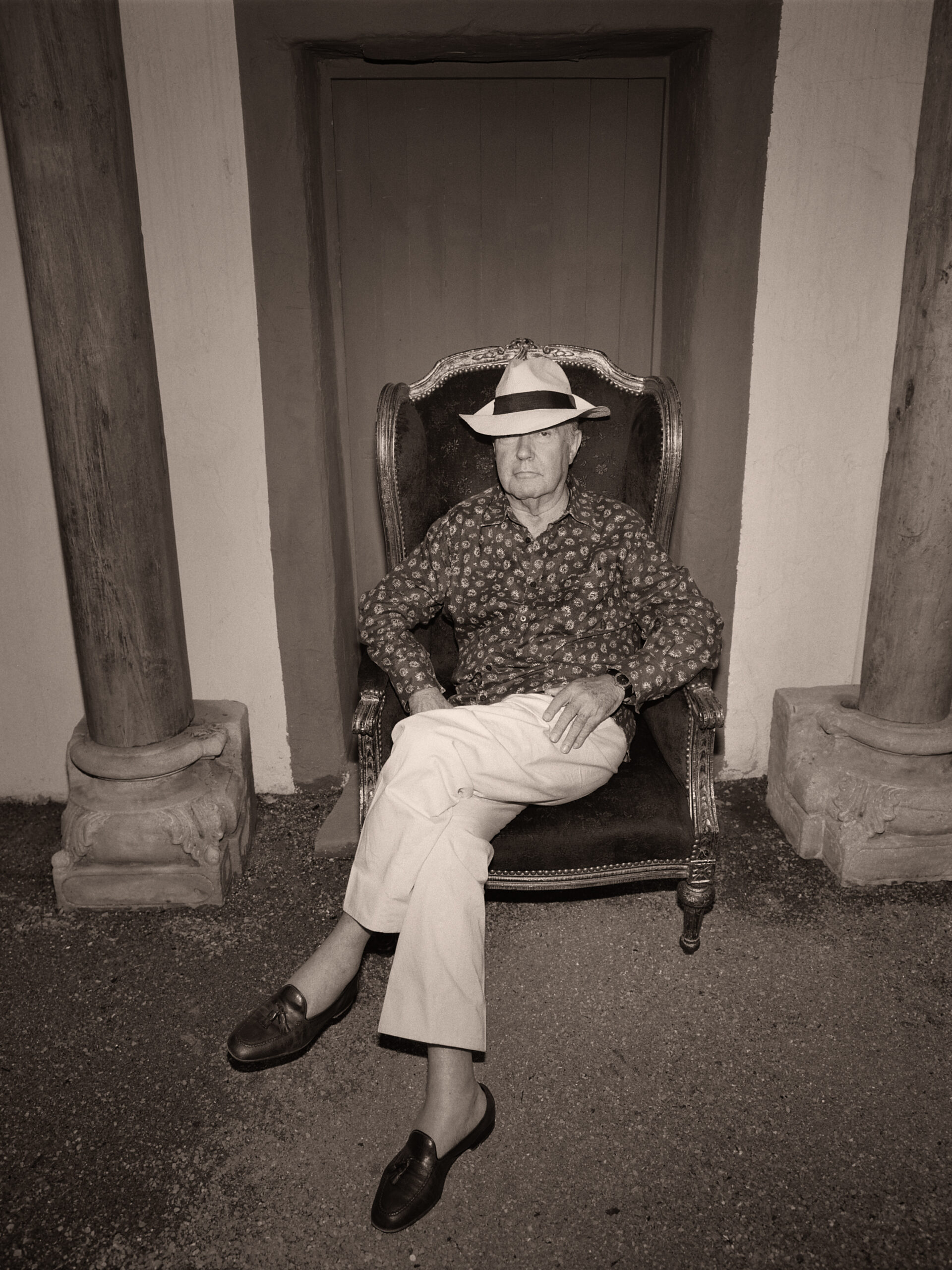
Soler-Roig tells PaperCity, that to date, he has portrayed nearly 100 characters in his image-making, casting current friends and acquaintances as figures of import and transforming them often so convincingly that the subject often has a hard time recognizing themselves.
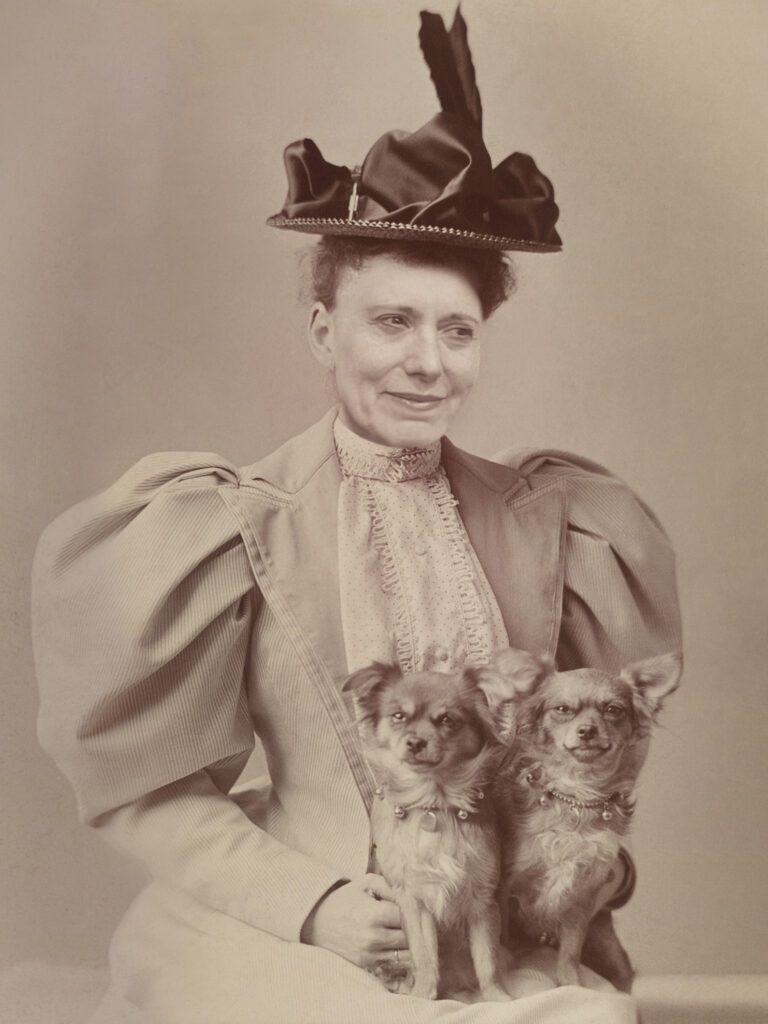
This author can attest to this statement as I could not at first spot my portrait in Soler-Roig’s illustrious lineup at Barbara Davis Gallery. Hint: Yours truly is the only one with leg-of-mutton sleeves. If you’re a fashion maven, you know that dates my likeness to the 1890s.
“To name a few, I have given life beyond their story to Pablo Picasso, Salvador Dalí, Isadora Duncan, Tamara de Lempicka, Truman Capote, Ernest Hemingway, Scott Fitzgerald, Gloria Swanson, Marylin Monroe, Peggy Guggenheim, David Rockefeller and Jacqueline Kennedy,” Soler-Roig says.
In an exclusive PaperCity Q & A, we now query the peripatetic artist amidst his international travels about the making of “Nostalgic Memory,” draw out insider tales of his grandfather and reveal what’s next for this ambitious series that will soon swell to 250 portraits sourced from subjects around the globe.
Baobab Classique Scented Candles


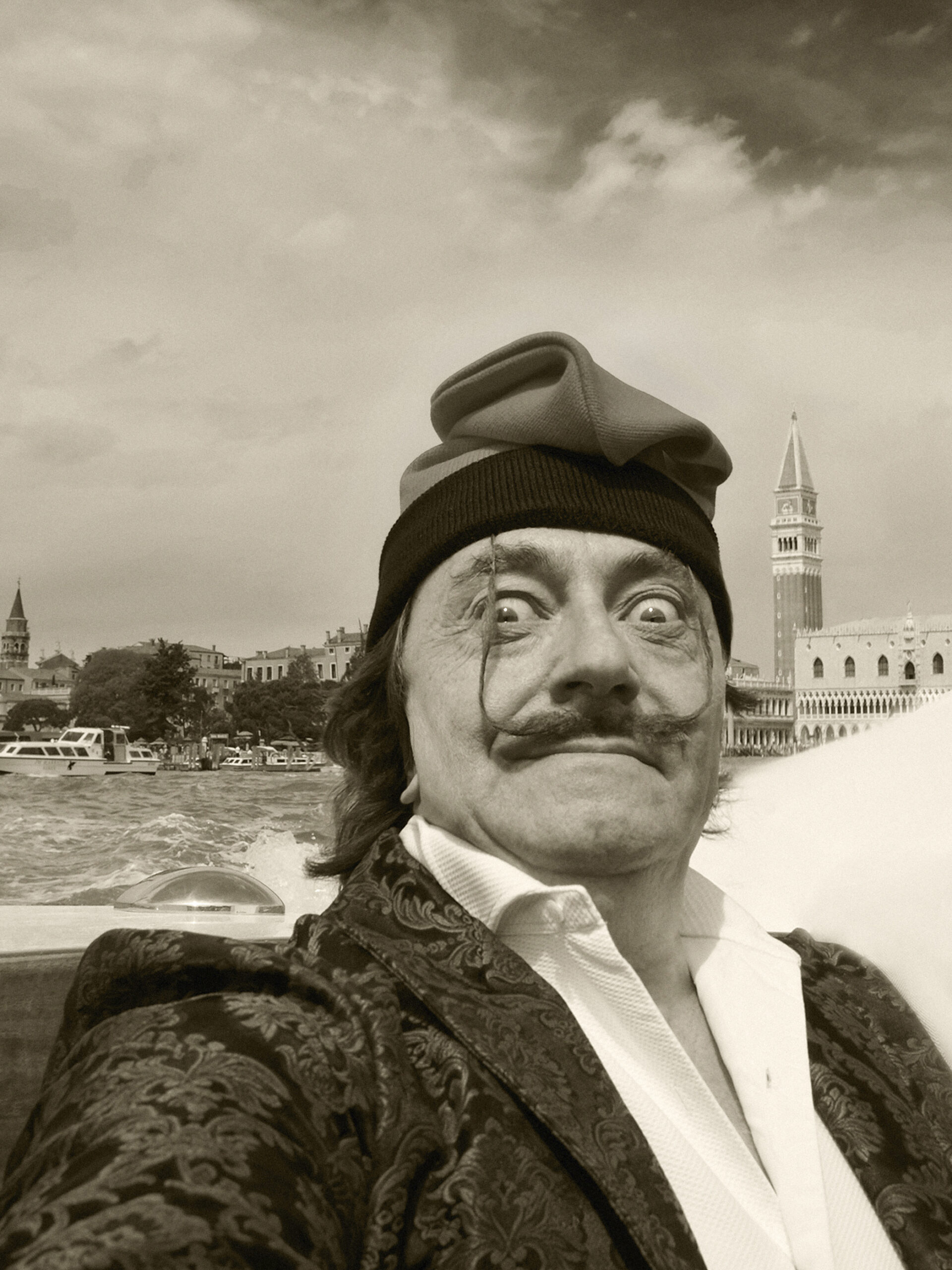
PaperCity: On that first spark.
Miguel Soler-Roig: I started thinking about this series in 2011, in Madrid, after completing a master’s degree in photography with professors such as Martin Parr and Joan Fontcuberta. That moment was key, as it led me to stop looking outward and begin exploring something more personal.
It was then that I started to recover stories I had heard since childhood — stories my grandfather used to tell me, almost like a constant background murmur within the family.
I was inspired by the relationships he established throughout his life with major figures of the 20th century such as José María Sert, Pablo Picasso, Salvador Dalí and Joan Miró. More than the importance of these names, what fascinated me was the nature of those relationships: close, personal, built through conversation and affection, much like the way he related to his patients.
What is a memory of your father Dr. Soler-Roig that stands out for you?
MSR: He was an outstanding surgeon who maintained very close relationships with his patients. But beyond his profession, he was a great lover of art and a passionate collector. He had a very particular way of relating to people, grounded in closeness and curiosity.
He made numerous visits to Picasso at his homes in the South of France. That unique blend of scientific rigor and artistic sensitivity has profoundly shaped my perspective.
On the research process.
MSR: My grandfather was an amateur photographer and took pictures throughout most of his life, creating family albums that I used to look through as a child whenever I visited his home. From the early ‘60s until 1999, and even after I no longer lived in Barcelona, I continued visiting him and immersing myself in his memories. Those photographs fascinated me and remain very vivid in my mind.
In many ways, the project feels like a return to my childhood — to my family life in Barcelona, which I left nearly 50 years ago. Unfortunately, most of those albums disappeared after the family home was sold following his death.
I began researching in 2011. One key element was recovering a conference my grandfather gave at the Royal Academy of Medicine in Barcelona in 1975, where he spoke about his relationships with various artists. That text became a fundamental starting point.
On the archive.
MSR: The physical archive is limited. A few slides and negatives that I managed to recover. The rest is an intangible archive built from memory, family accounts, and the stories my grandfather told me. Rather than a traditional research process, it has been an emotional and relational reconstruction.
It was also very important for me to study archives such as that of Cecil Beaton in London, thanks to a collaboration with Sotheby’s, which allowed me to locate many of the historical figures included in the series.
I then created a diagram to situate each character in their historical context and understand the connections between them. This map, which is part of the exhibition, reveals the project’s tentacular nature.
Biggest challenges?
MSR: Building a constellation of characters that makes sense — finding information, establishing connections, and at the same time allowing myself to work within that ambiguous space between reality and fiction. It has taken years.
For a long time, I reflected on the underlying thread of the series. By truly immersing myself in the lives of these figures and tracing the relationships that connect them, I came to understand its deeper meaning.
It is through the project that I have been able to engage more intensely with each character and their stories. In doing so, through the act of finding these characters in the faces of others and preserving them in photographs, I have watched them live again — and with them, our cultural heritage has stirred into new light.
To give them life after life is to rescue them from the silence of time, to let them breathe again in borrowed bodies, like echoes that refuse to fade. It is a way of granting them a second existence: not as they once were, but as they endure — inhabiting other faces, other gestures, extending beyond the limits of their own story.
It is to offer them another chance to exist, not in their original world, but in ours — where they persist, displaced yet alive, in memory made image.
There is something deeply moving about carrying fragments of 20th-century cultural history through my grandfather’s life, even though I did not live that time myself. Perhaps that longing for my roots is what gives this project its meaning and depth.
Why was it important to show this work in Houston during FotoFest?
MSR: Partially because of the context of FotoFest Biennial 2026, which celebrates its 40th anniversary. But above all, because I have been sharing this project with Barbara (Davis) for more than 10 years. She has been instrumental in bringing it to life. She has participated as a sitter and has helped involve others in the process.
For that reason, I wanted this to be the place where it would be exhibited for the first time.
On the photo shoots: Take us through the process for the sitter.
MSR: Until now, I have always been the one to select the people who embody the historical figures. However, for this exhibition I opened the process to the public through a participatory photo call.
During the photographic sessions I conducted in Houston, I had the opportunity to portray people who volunteered to participate. Since time is limited, when we meet we immediately begin a conversation about the series and about the lives of the characters they will embody. Some people need more context or explanation. Others step into the role almost instantly.
My ritual is not technical, but deeply human: It happens in the moment when the person identifies with the character. When I sense that they are truly present, comfortable, and connected, that is when the magic happens.
From that point on, everything flows naturally. The composition almost builds itself in the act of photographing, as if we were capturing the memory of a moment that is happening again — a kind of journey into the past.
This freedom of interpretation is precisely what makes each portrait unique. Each person brings their own energy and establishes a singular relationship with the project, and it is from that place that the images emerge. For me, it is exciting to witness what unfolds in each encounter.
Some sessions last half an hour, while others can extend over weeks. Each character is just one piece within the whole, but at the same time opens a space of expression that connects with the others.
Some people convey a serene presence. Others transform it, explore it, or take it into a more performative territory. In this way, each image emerges organically from the person embodying it. Nothing is entirely predetermined or directed, and for that reason each encounter becomes a unique experience.
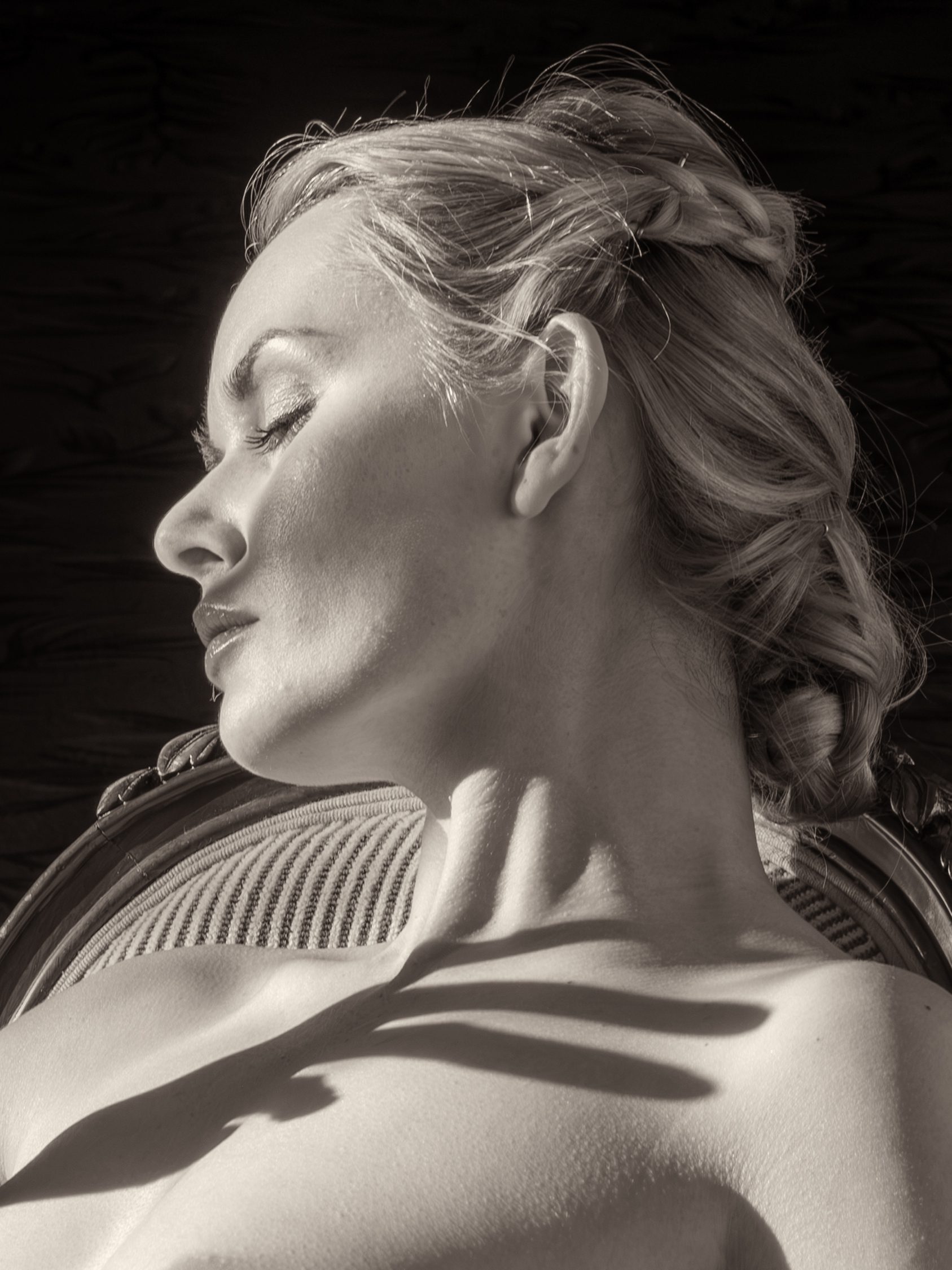
How do you ask your sitters to dress?
MSR: I rely on historical references — photographs, documents and paintings — to maintain coherence with the period, though some images call for more elaborate staging than others.
What do you look for in casting your subjects?
MSR: A combination of physical resemblance and a deeper affinity. The resemblance is important, but what truly matters is that there is a connection with the character. Through lighting and posing, I try to reinforce that transformation.
In some cases, the connections are especially meaningful. For example, the person portraying Tamara de Lempicka is a friend of her granddaughter. In other cases, such as Pablo Picasso, the model is also an artist. Or Barbara (Davis) herself, whose affinity with Peggy Guggenheim connects with her own passion for art and for supporting artists.
MSR: None of the real-life sitters are named. Why is that?
I want to emphasize the historical figure, not the person portraying them. I am interested in preserving that ambiguity and maintaining the illusion of a temporal displacement.
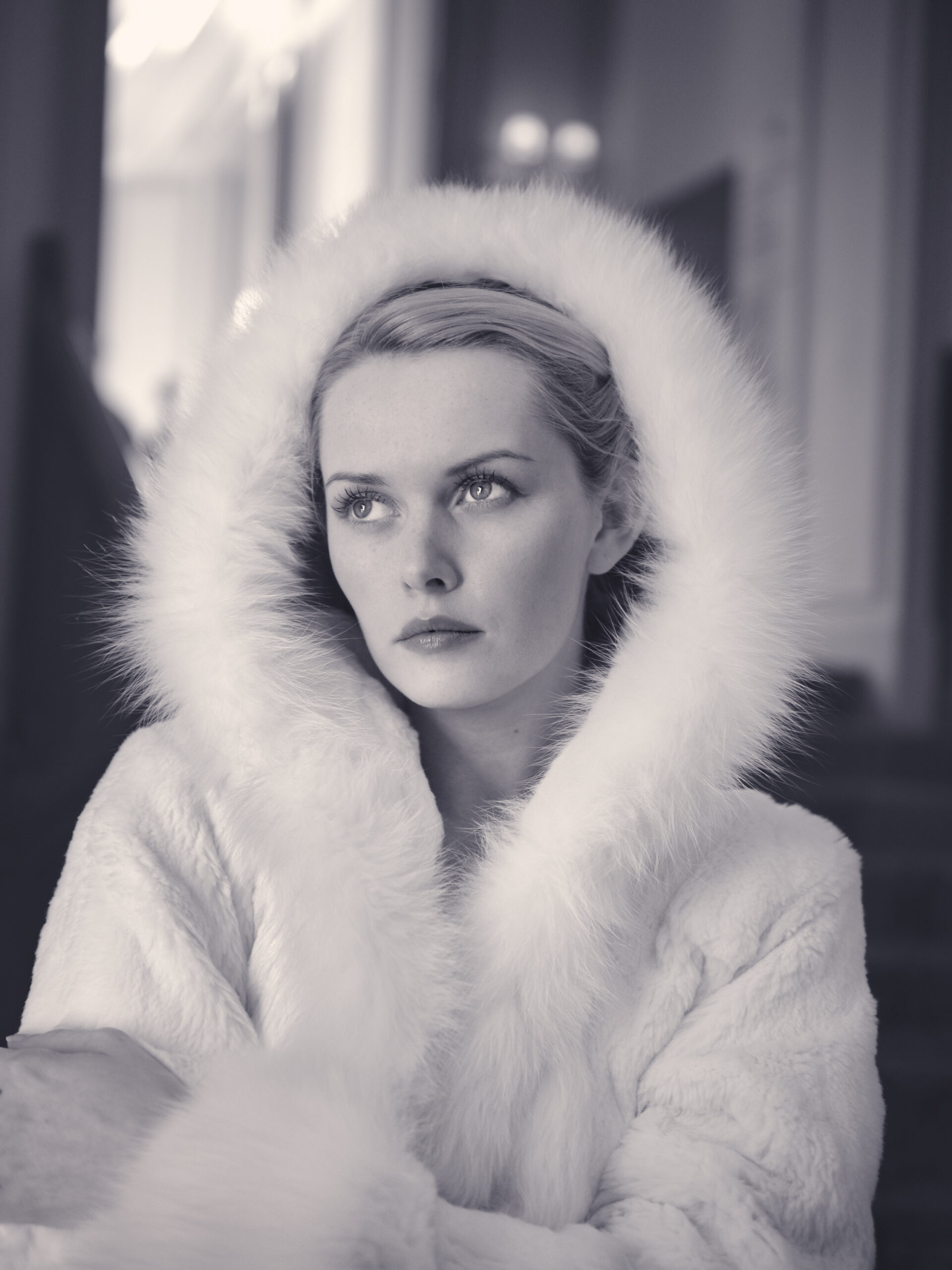
Some of the photos seem to inhabit another time, while others are contemporary images but reference the spirit of the protagonist. How did you decide on an approach?
MSR: I focus on the moment in the subject’s life in which their identity is most strongly expressed. Sometimes that is in youth, other times in maturity. Each portrait is based on that decision.
Is Photoshop involved? How do you convey the sense that these are vintage silver gelatin prints when that is not the case?
MSR: I work by trying to approximate the photographic processes of each period. For early 20th-century figures, I draw on techniques such as daguerreotypes or calotypes, as well as printing processes using silver, gold, or platinum tones. Rather than relying on digital manipulation, I am interested in constructing the image from its origin.
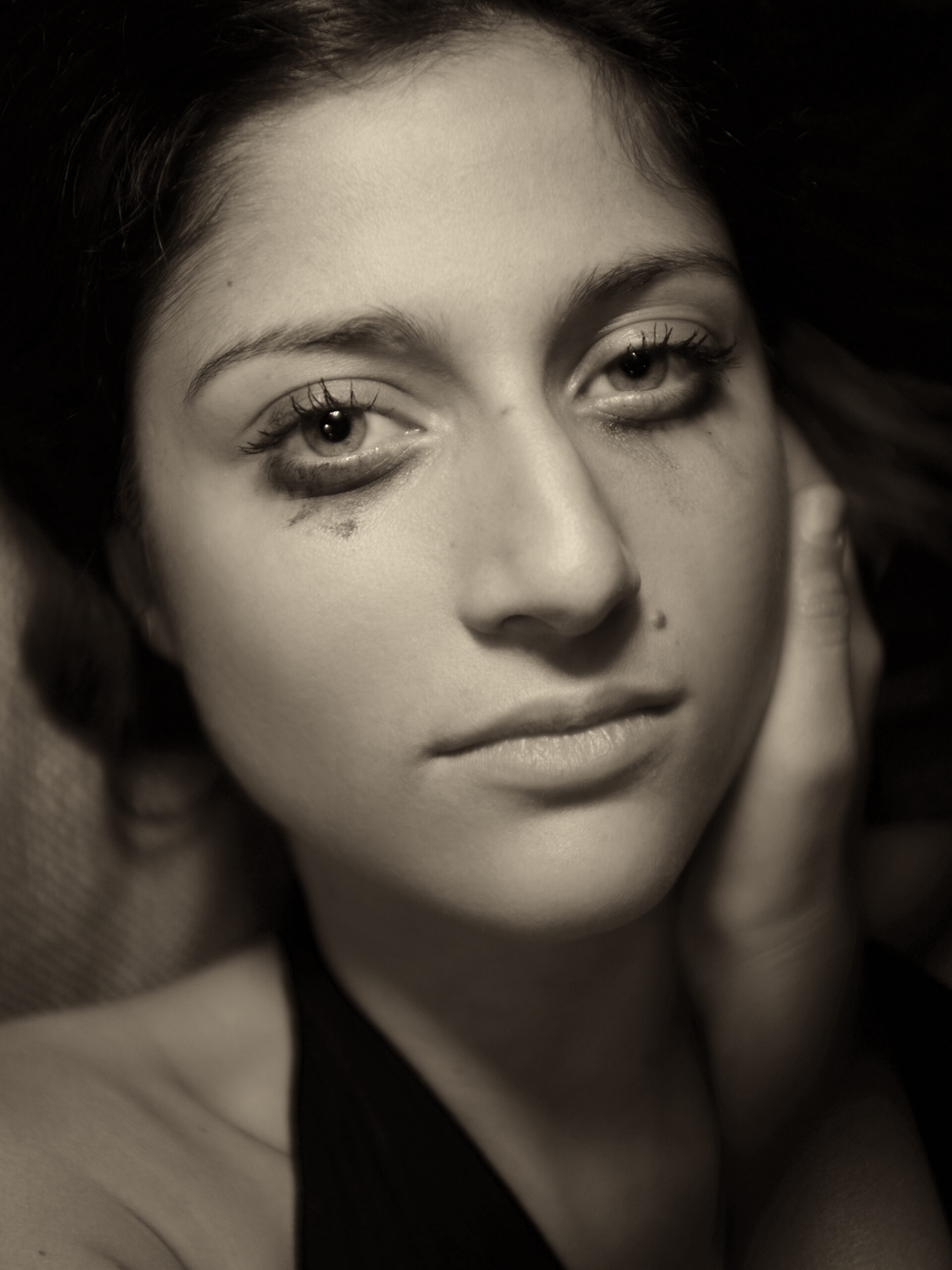
What do you want the gallery goer to take away?
MSR: I would like viewers to connect with these figures from a closer, more human perspective. I am not interested in constructing closed narratives, but rather in opening spaces of interpretation where each person can project their own memory.
Which would be your dream museum to exhibit the entire body of work for “Nostalgic Memory”?
MSR: In an institution capable of hosting the entire body of work, such as the Museum of Fine Arts in Houston or MoMA in New York.
“Miguel Soler-Roig: Nostalgic Memory of My Life Before Birth” is showing at Barbara Davis Gallery (aqqq4411 Montrose, Houston, through Saturday, April 18. Find more details here.
Postscript: I posed as great American writer Edith Wharton, the first women to win a Pulitzer Prize — in 1921 for The Age of innocence. Wharton’s novel — made into an acclaimed 1993 film from legendary director Martin Scorsese — depicted America during the Gilded Age from Wharton’s own perch as a member of one of the first Dutch families of old New York, aka New Amsterdam.
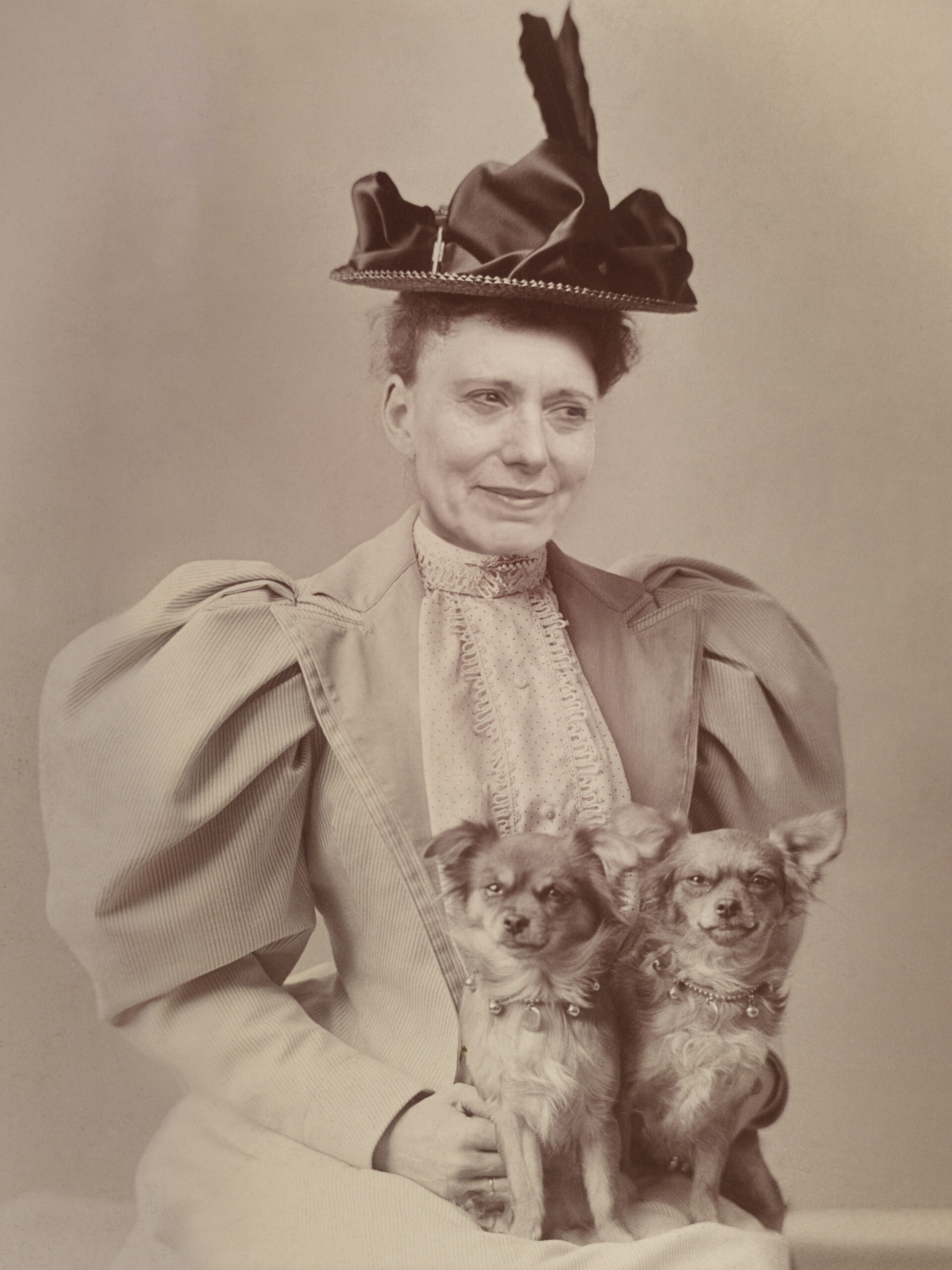
The original photograph, dated 1895, on which Soler-Roig’s portrait of Wharton is based shows the writer with her beloved papillons Miza and Mimi. Find more intel about Wharton’s New York and her portrait with canines here.
Can you spot the other Houstonians in Soler-Roig’s lens? Scroll through the slideshow above this story to discover some of the city’s true art world insiders. Recast through history.
Trending
- Houston Firefighter Hunks Joined By a Strong Firefighter Woman In the Calendar Show, Turning This Red Hot Gala Even More Fiery
- Conner Weigman Wants His Respect, Houston Football Earns It On a National College GameDay Level and Willie Fritz Loves the “90 Percent Houston” Crowd Fever
- Dallas’ Perot Museum Unveils $185 Million Expansion With Immersive Outdoor Exhibits — Installations, Large-Scale Experiments, and Living Landscapes
- Dallas-Based Lifestyle Brand Mi Golondrina Introduces Luxury Knitwear Embroidered by Mexican Artisans
- Giorgetti Jumps Into a New Home In Houston With a Maserati Twist — BeDESIGN Keeps Upping the Chic Ante



