
Reimagining the Classics Through Dance — Houston’s ISHIDA Dance Tackles Beckett and Sophocles
The Agony of Waiting, the Horror of Knowing
By Adrienne Jones //
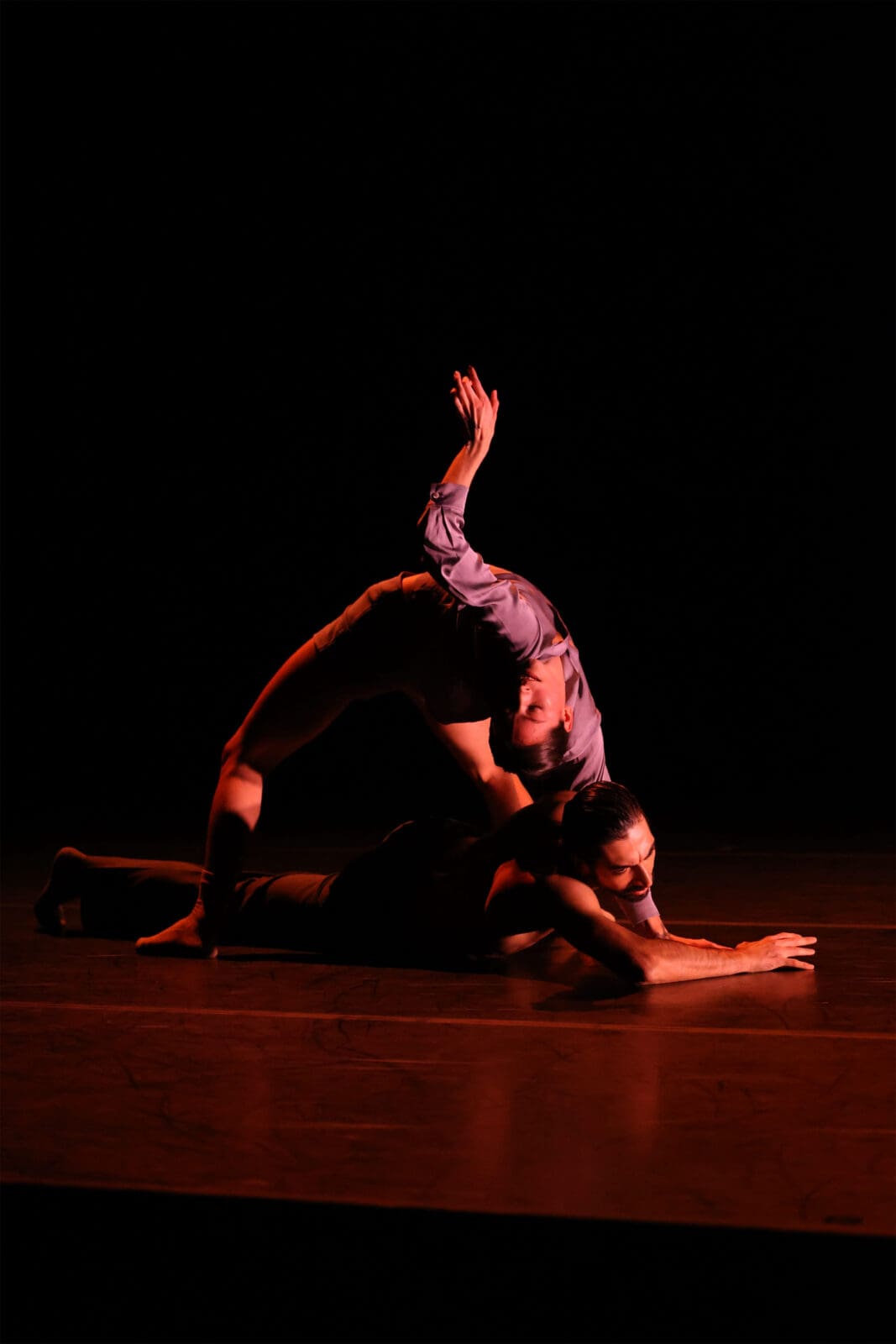

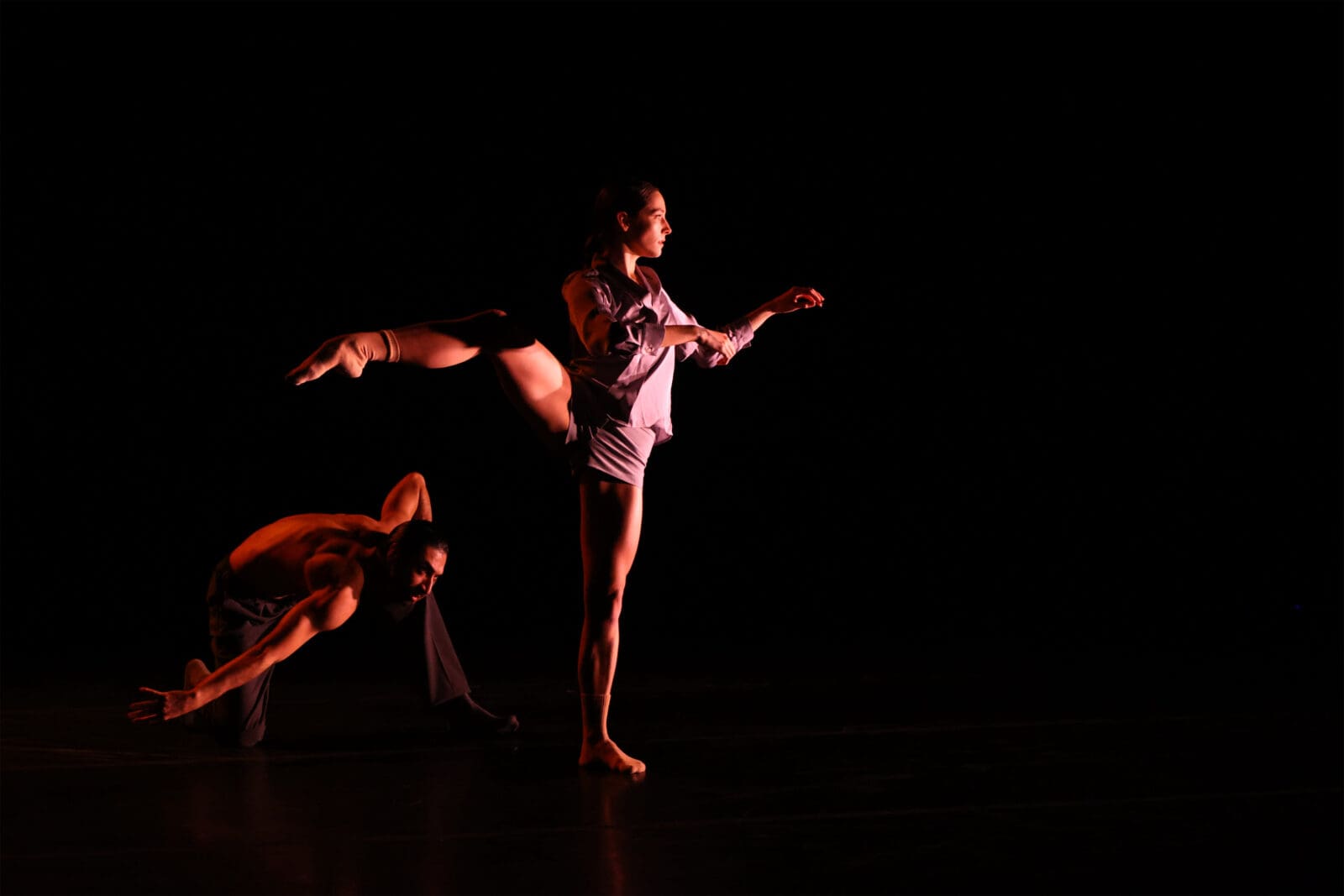
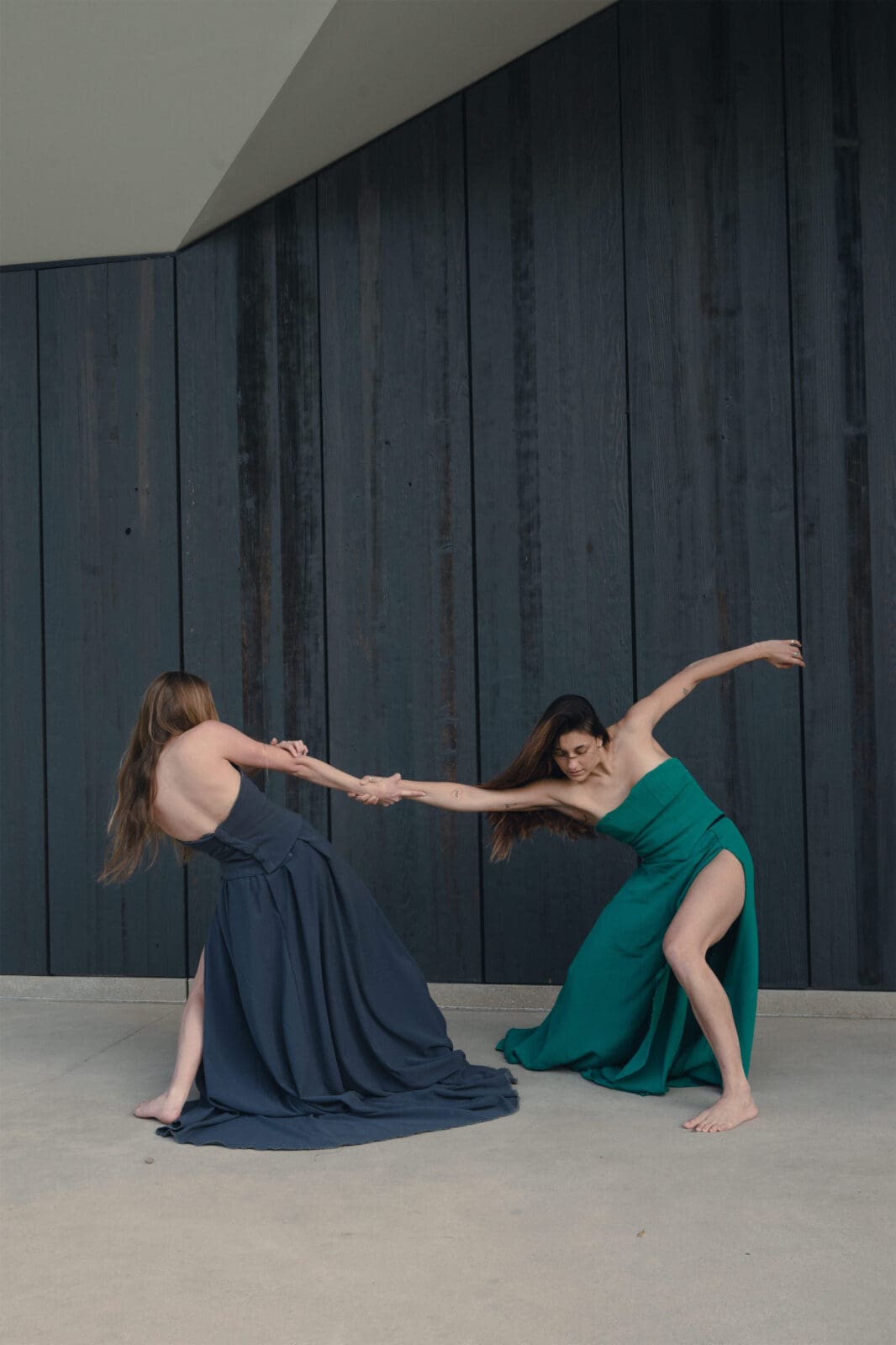
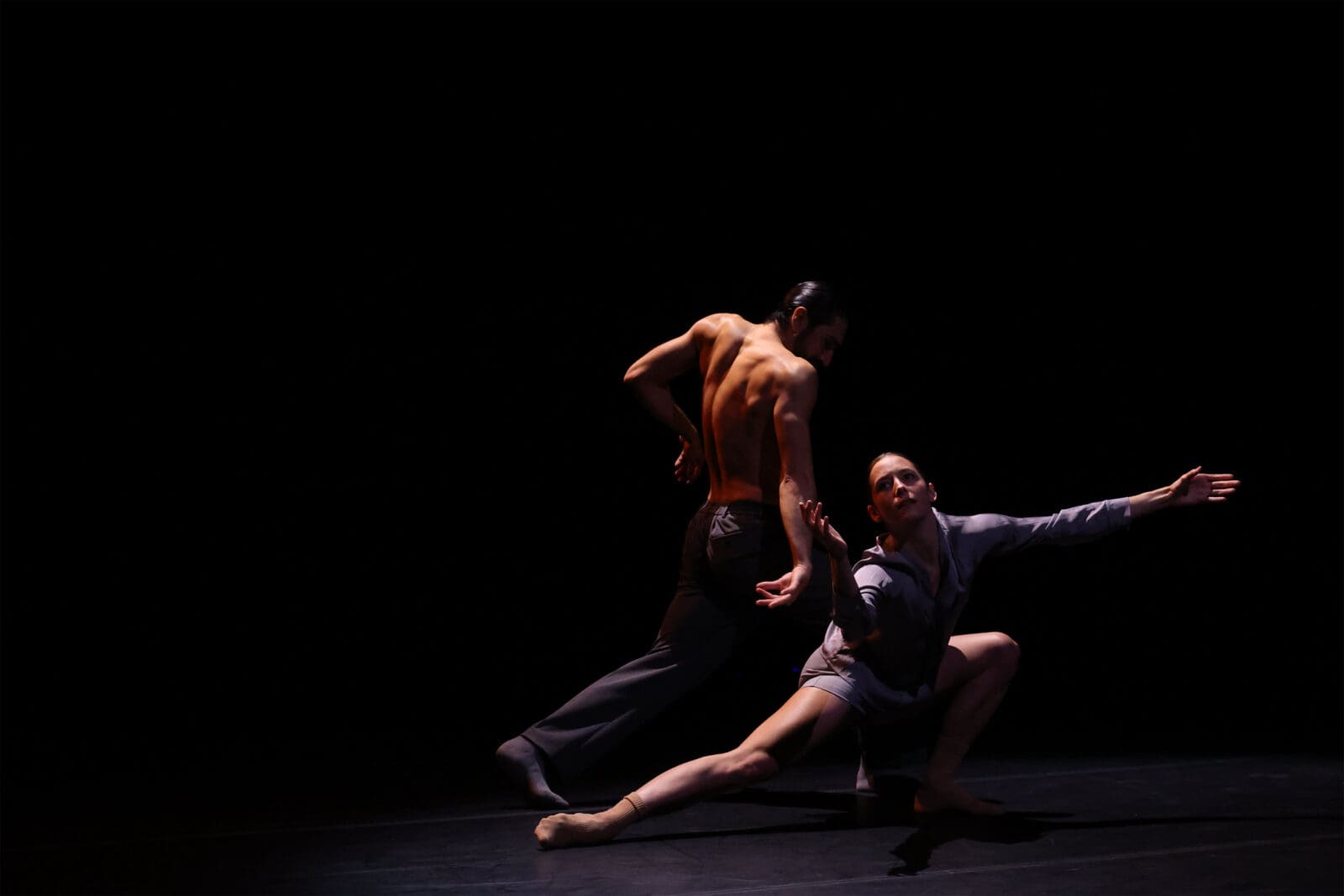

What happens when two of theater’s most enduring works are translated into dance? In only seven seasons, Houston-based and Austin-founded ISHIDA Dance Company has garnered a national reputation for contemporary dance steeped in dark theatricality, psychological complexity and artistic daring. In Texas, the company enjoys an enthusiastic audience, with performances frequently selling out.
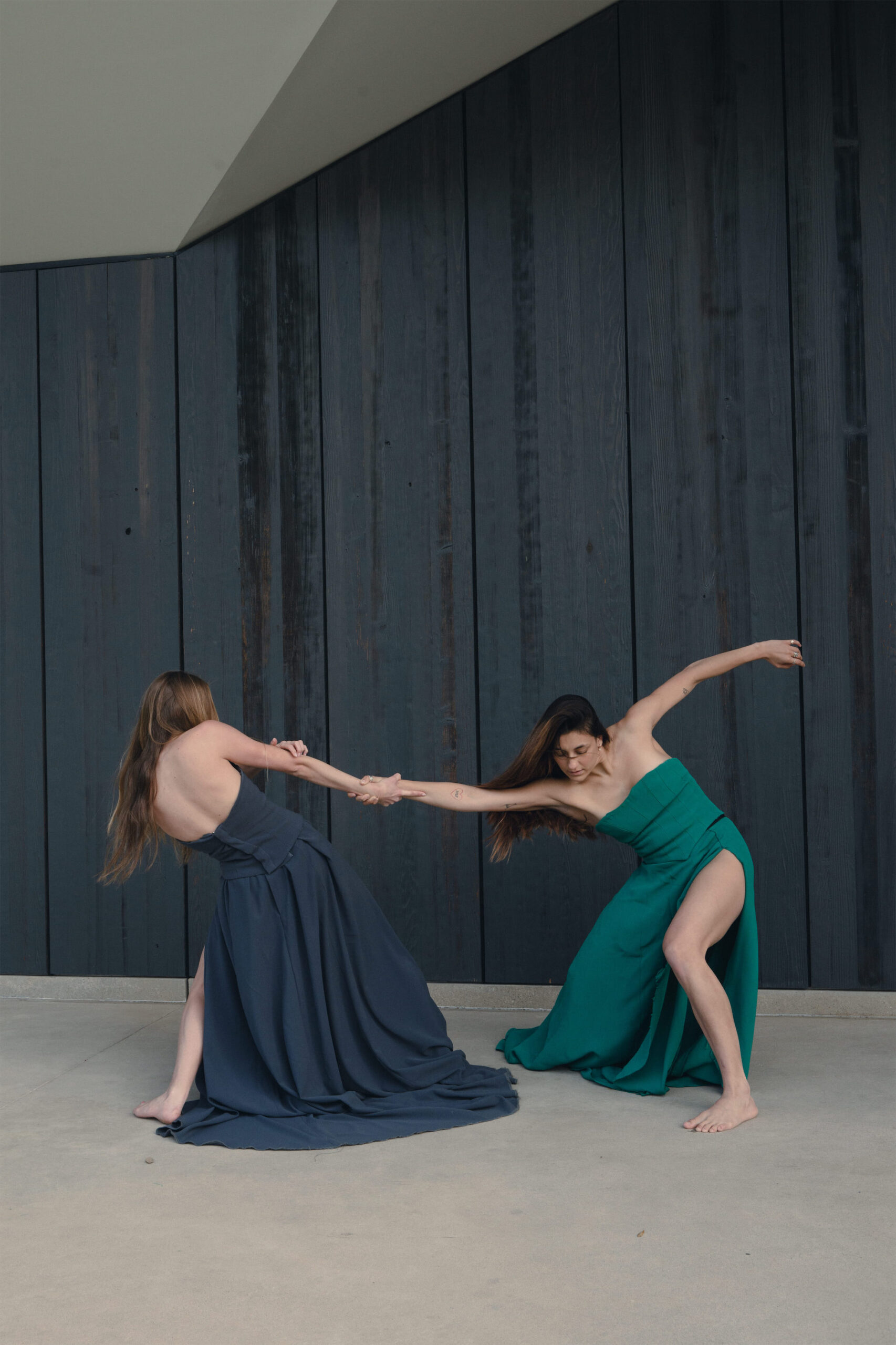
Now from Thursday, June 11 through Sunday, June 14 at Asia Society Texas Center, founder and artistic director Brett Ishida is presenting her spring program, intriguingly titled waiting / REX. The two world premieres, choreographed by Ishida, draw on cornerstone texts of the Western theatrical canon: Samuel Beckett’s 1949 Waiting for Godot and Sophocles’ Oedipus Rex, a crowning achievement of fifth-century BCE Greek tragedy.
Though separated by millennia, the two works are linked for Ishida by their shared inquiries into fate, truth and existential uncertainty.
The Dance of the Absurd
An Irish writer who spent much of his life in France, Beckett profoundly reshaped modern theater. Waiting for Godot became the defining work of the Theater of the Absurd, the dramatic movement that emerged after World War II.
In the play, Vladimir and Estragon wait beside a barren tree for someone named Godot, who never arrives. They talk, quarrel, reminisce, joke, despair and wait. Two other figures pass by: Lucky and Pozzo. Yet nothing is resolved. The waiting simply continues.
Meanwhile, Sophocles’ Oedipus Rex follows Oedipus, King of Thebes, as he searches for the source of a devastating plague afflicting his city. Years earlier, the Oracle of Apollo prophesied that he would kill his father and marry his mother.
Baobab Classique Scented Candles


Abandoned as an infant and adopted in Corinth, Oedipus grows up unaware of his true parentage. As he investigates the murder of the former King Laius, he gradually discovers a horrifying truth. He unknowingly killed Laius, his biological father. He later married Laius’ widow Jocasta, his own mother.
By the play’s end, Jocasta is dead by suicide and Oedipus blinds himself before going into exile.
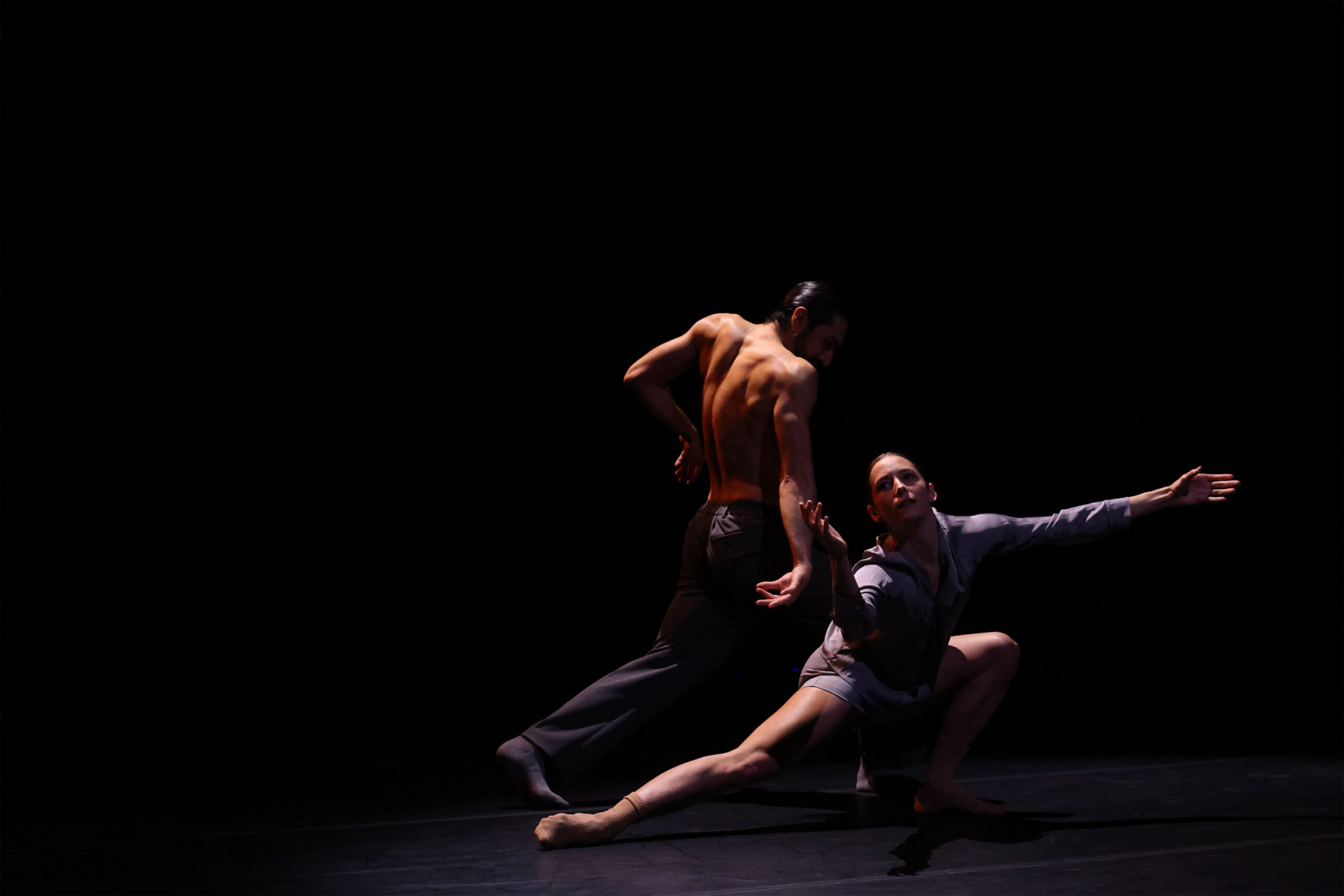
For Brett Ishida, the two plays are linked by timeless themes. That connection led her to translate them into dance and pair them on the same program.
“The works portray human beings confronted with forces beyond their control, trapped by fate or meaninglessness,” she says. “But both plays are driven by a relentless search for truth. Oedipus finds too much truth. In Waiting for Godot, the characters search for purpose but find none.”
The intense drama of Oedipus Rex and the monotony of Waiting for Godot expose the characters psychologically. The works strip away ordinary social protections. What remains are the characters’ fears, compulsions and vulnerabilities laid bare before the audience. Their need for companionship, their fear of abandonment and their struggle against emptiness rise to the surface.
In turn, the pared-down minimalism creates a choreographic tabula rasa for the performers. It becomes an open field for physical expression. Ishida’s dancers blend strong technique and supple athleticism with a sensitivity to mood and psychological tension.

Music for the Darkness
Brett Ishida’s themes call for music and soundscapes of comparable dramatic force. The atmosphere she creates is filled with existential uncertainty, urgency, grief and emotional rawness. It demands music capable of matching the intensity of the movement onstage.
Ishida commissioned Owen Belton to create scores for both waiting and REX. For more than 30 years, Belton has been one of the dance world’s most sought-after composers. His pulse-driven sonic landscapes and mood-driven electronic sonorities have accompanied works by the National Ballet of Canada, Nederlands Dans Theater and the Paris Opera.
“I wanted the feeling that there was continuity between the two works and the experience of the evening as a whole,” Ishida says. “They may appear radically dissimilar, but they complement one another.”
She describes waiting as “ingenious in its depth, and also quite funny.” As the opening performance, it offers moments of lightness. That is, as much lightness as one can find in the presence of emptiness and meaninglessness.
Then REX unfolds and the mood darkens.
An Ending in Silence
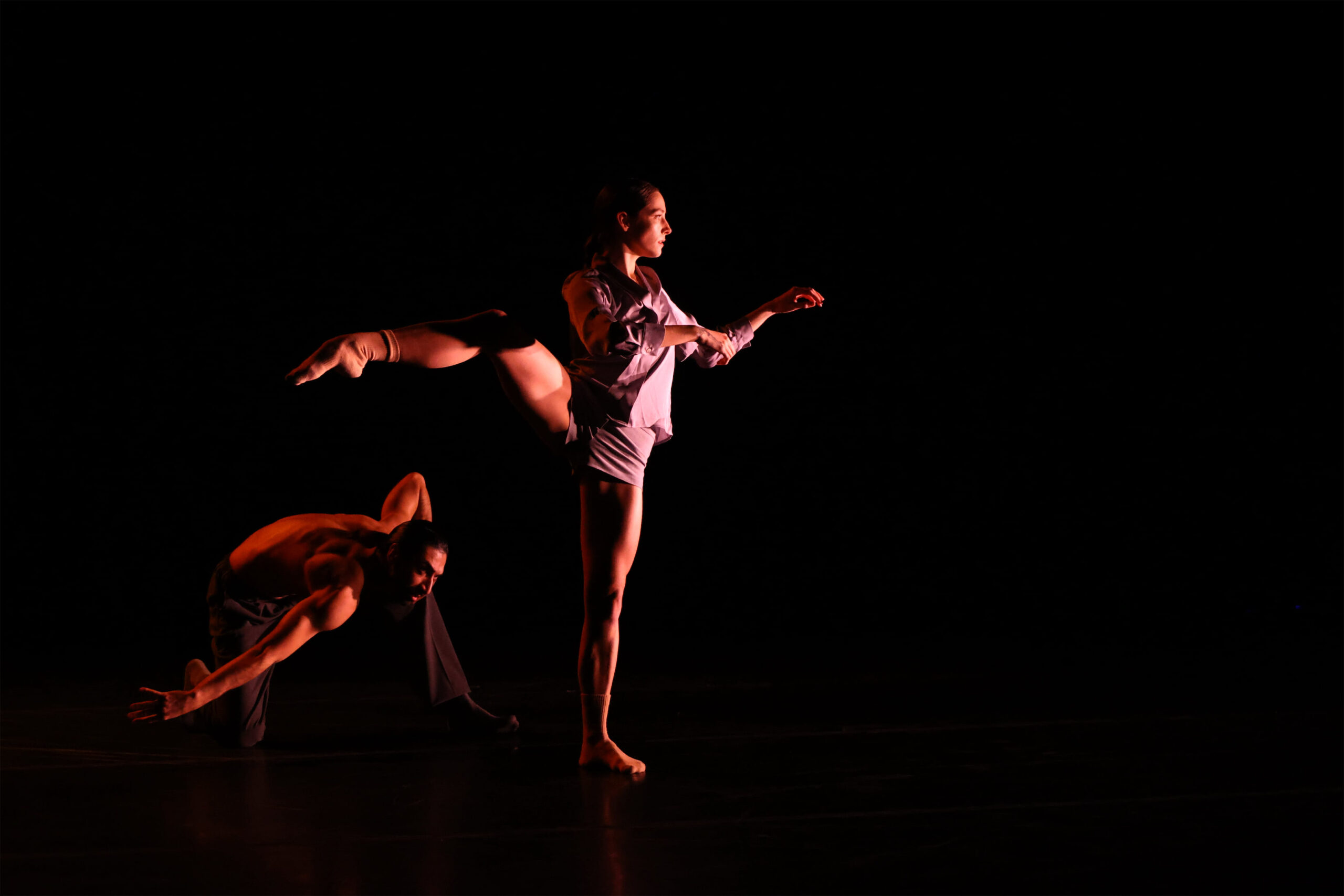
Brett Ishida closes the journey with an homage to beauty and contemplation. A solo unfolds to a musical epilogue, Dag Rosenqvist’s exquisite “Come Silence.” The Swedish composer creates slow-moving layers of electronic sound and suspended tension. His work is stylistically atmospheric, sparse and meditative.
Nine musicians perform onstage, including one playing a Rhodes keyboard, an electromechanical piano. The shimmering music and haunting finale promise an ending as transfixing as everything that came before it.
“We are in dark times, just as Oedipus was, trying to find the truth,” Ishida says. “We want to see clearly. Art reminds us we must go inward in order to see.”
ISHIDA Dance Company presents its Spring 2026 program, waiting / REX, at Asia Society Texas Center on Thursday, June 11 through Saturday, June 13 at 7:30 pm each night, and Sunday, June 14 at 3 pm. For more information and to buy tickets, go here.
Trending
- Storied River Oaks Boulevard Mansion That Used To Be the Party Palace Of An Italian Baron Hits the Market — $21.9 Million For a Historic Treasure With 007 Vibes
- Greg Katz To Debut Tex-Mex Spot on Katy Trail, Another Knife Steakhouse Closes, and More Dallas Restaurant News
- The Knox, Auberge Collection Hotel Opens Reservations in Dallas
- Dolly Parton Has Left Houston a Love Letter, and It Will Unfurl on a Special Symphony Weekend
- Houston’s Sleekest Cafe Can Be Found In the Stunning Ismaili Center — Diving Into Tapestry


_md.png)






_md.jpeg)