Of Dinner Plates and In the Hand Of Dante — Inside Artist Julian Schnabel’s Epic Year and His PaperCity Cover
The Artist's Texas Tales, Including His University of Houston Days
BY Catherine D. Anspon //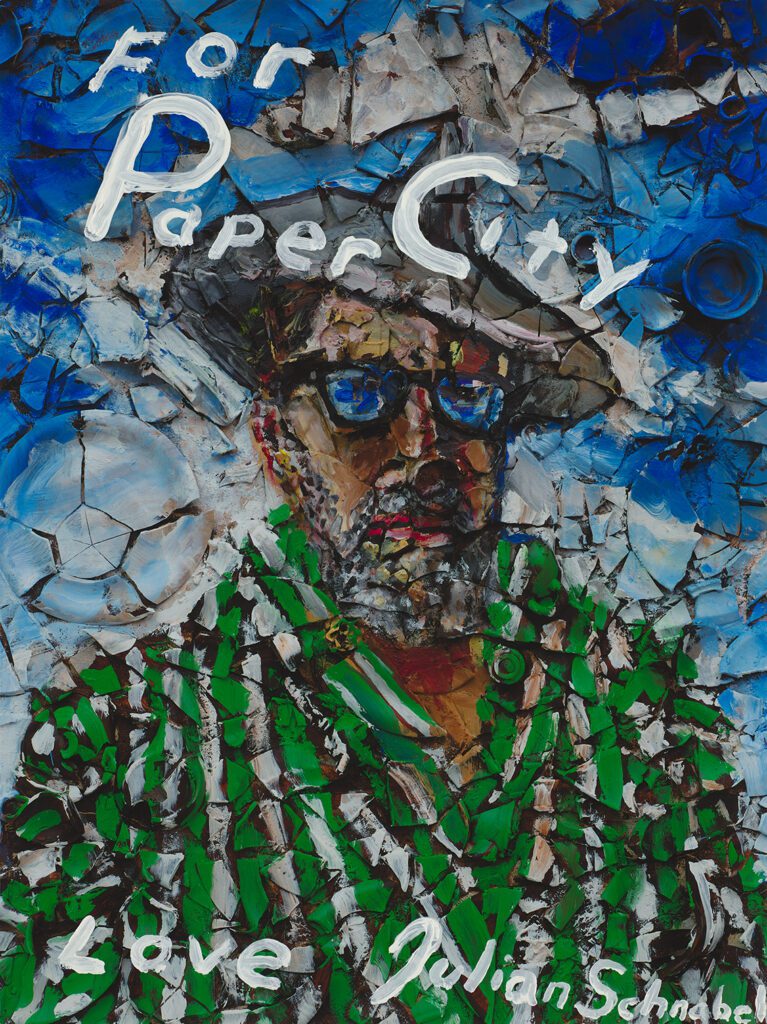
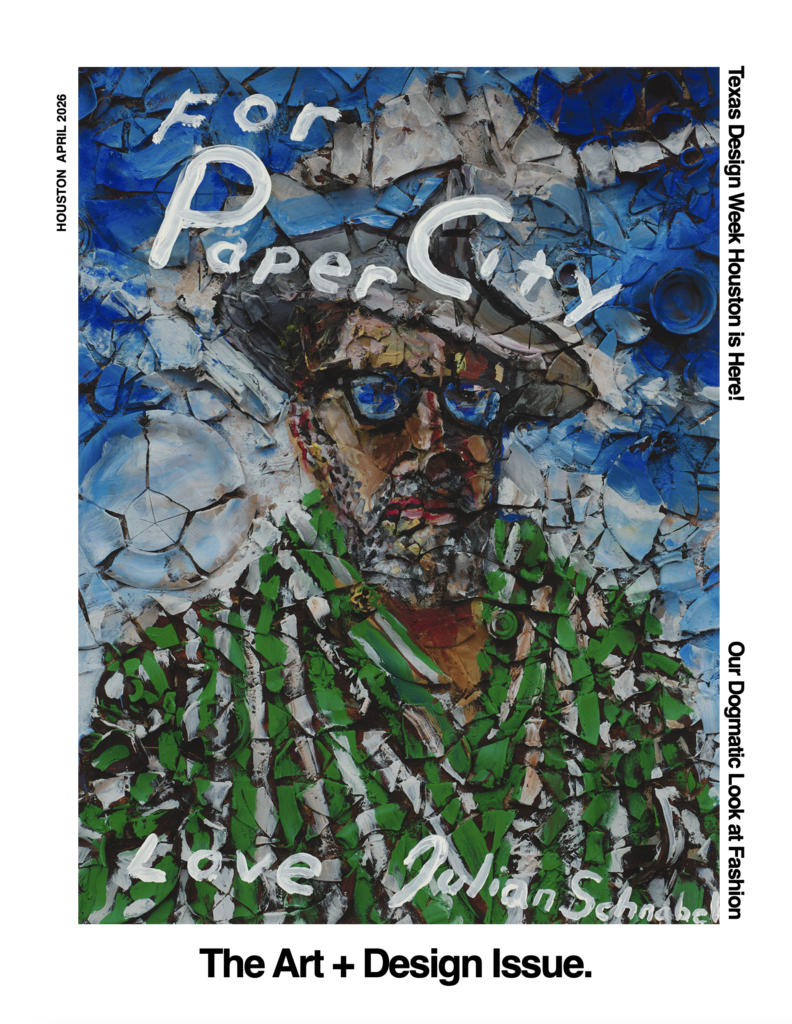
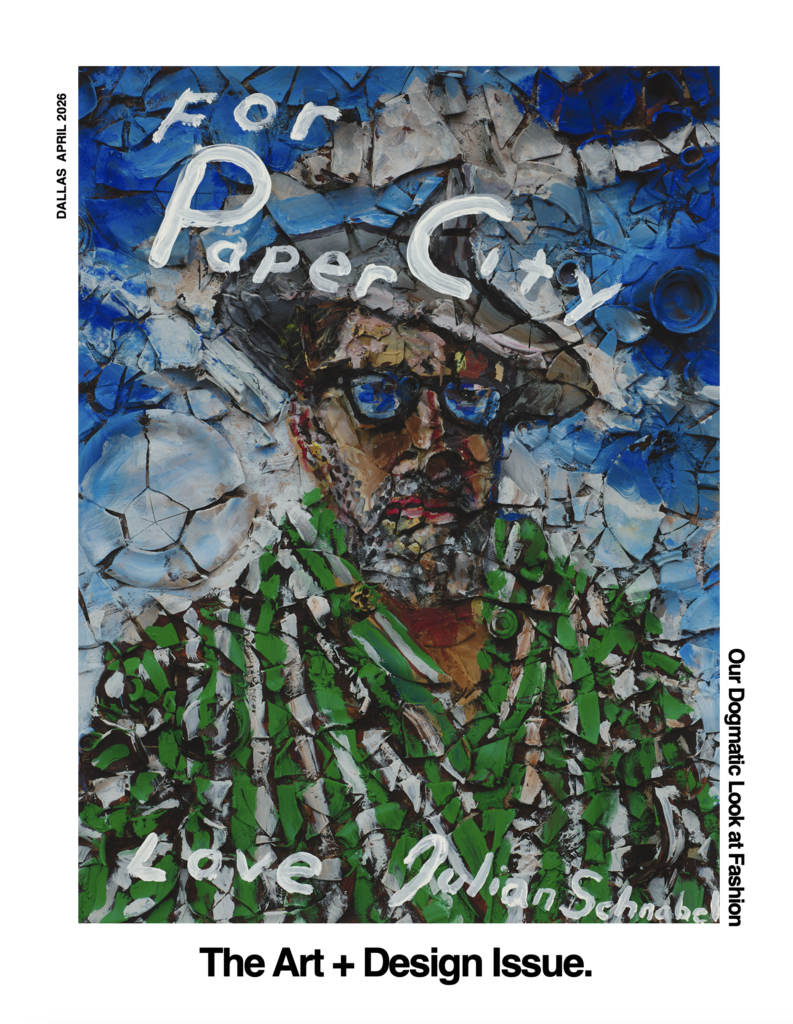
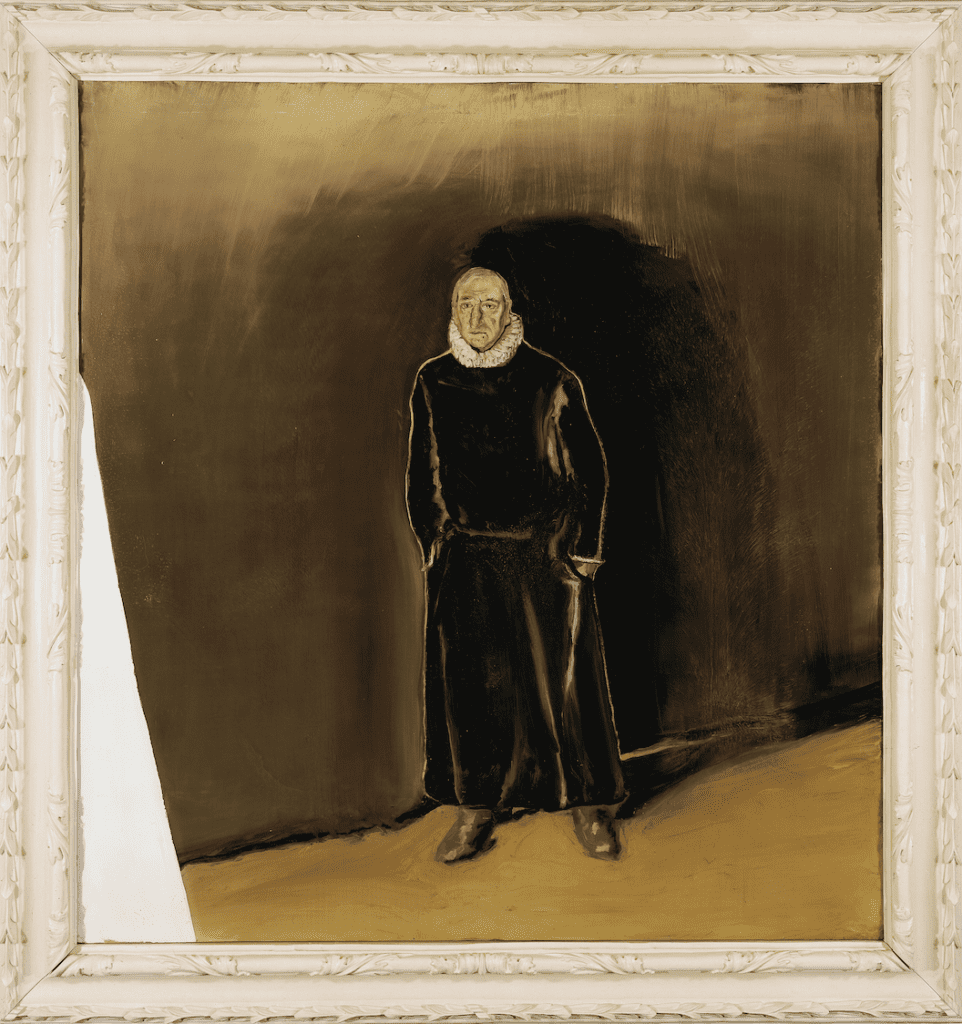
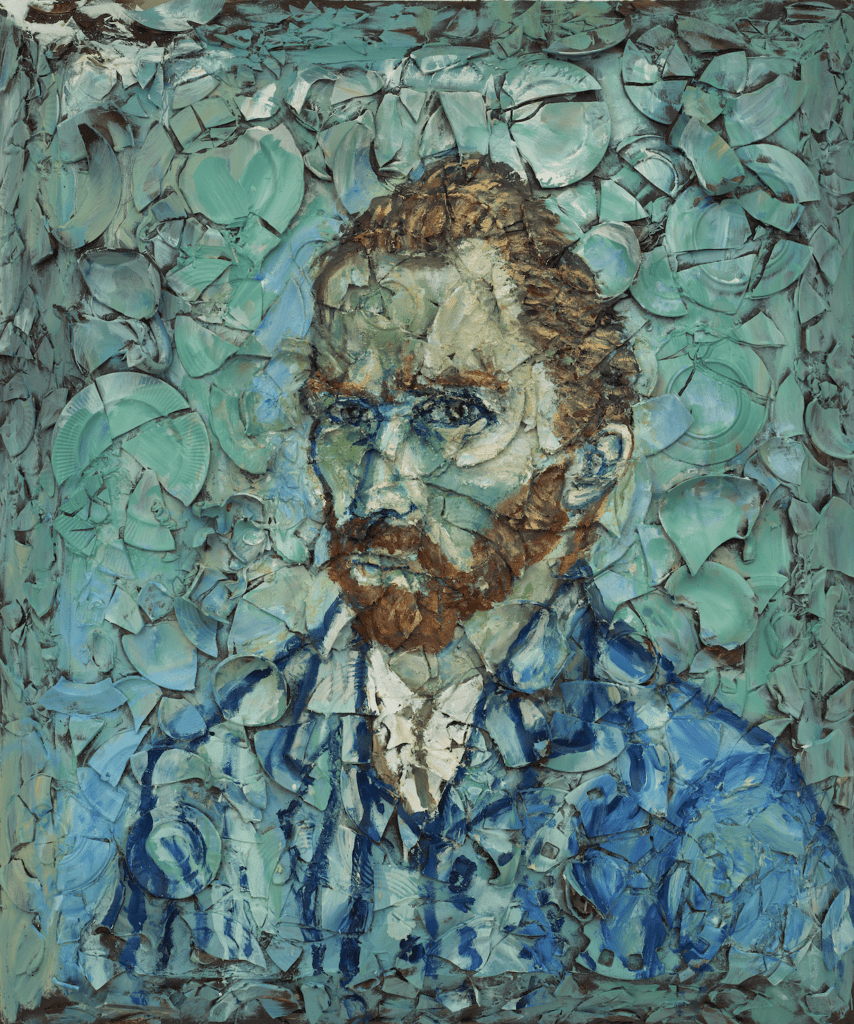
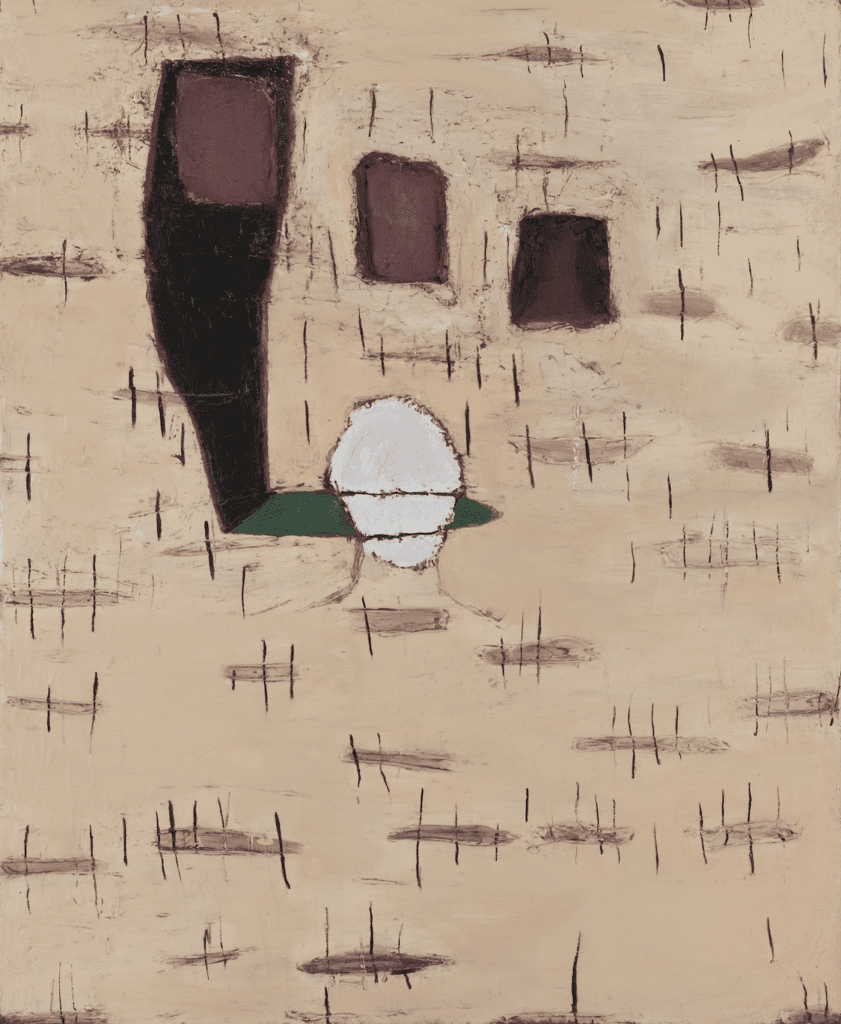
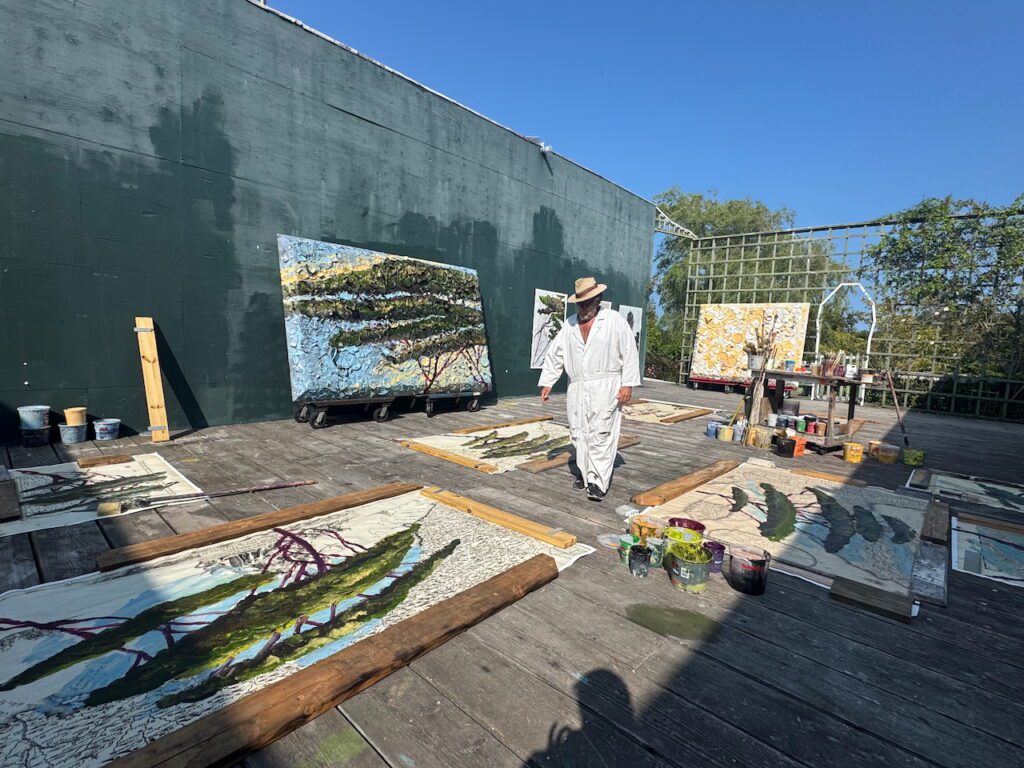
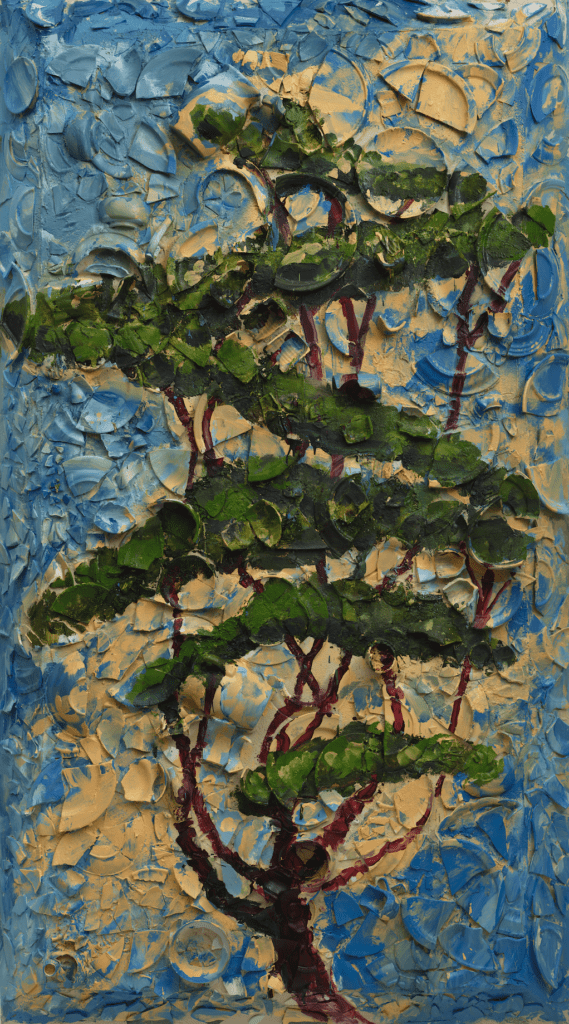
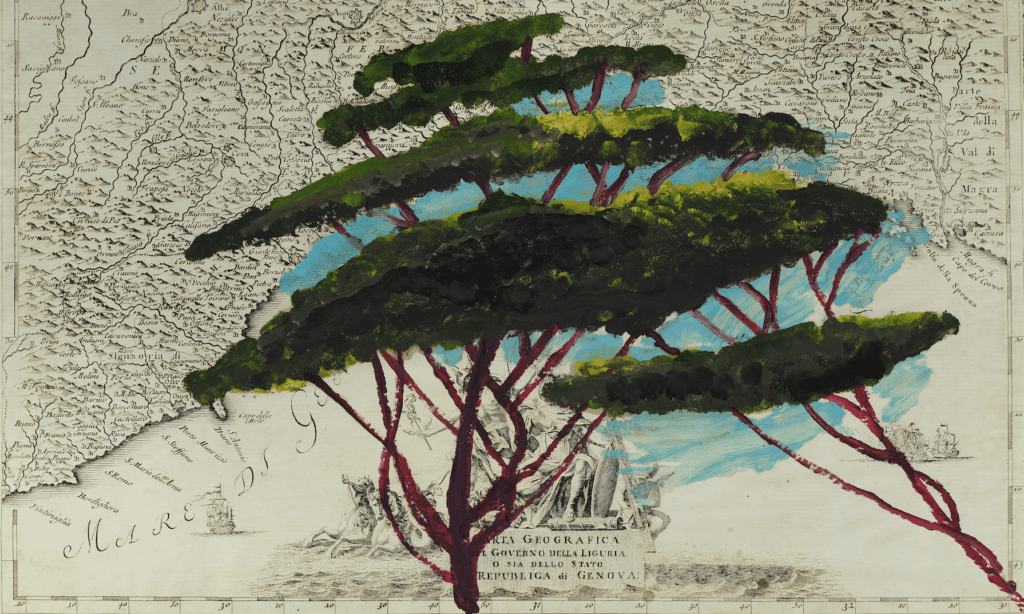
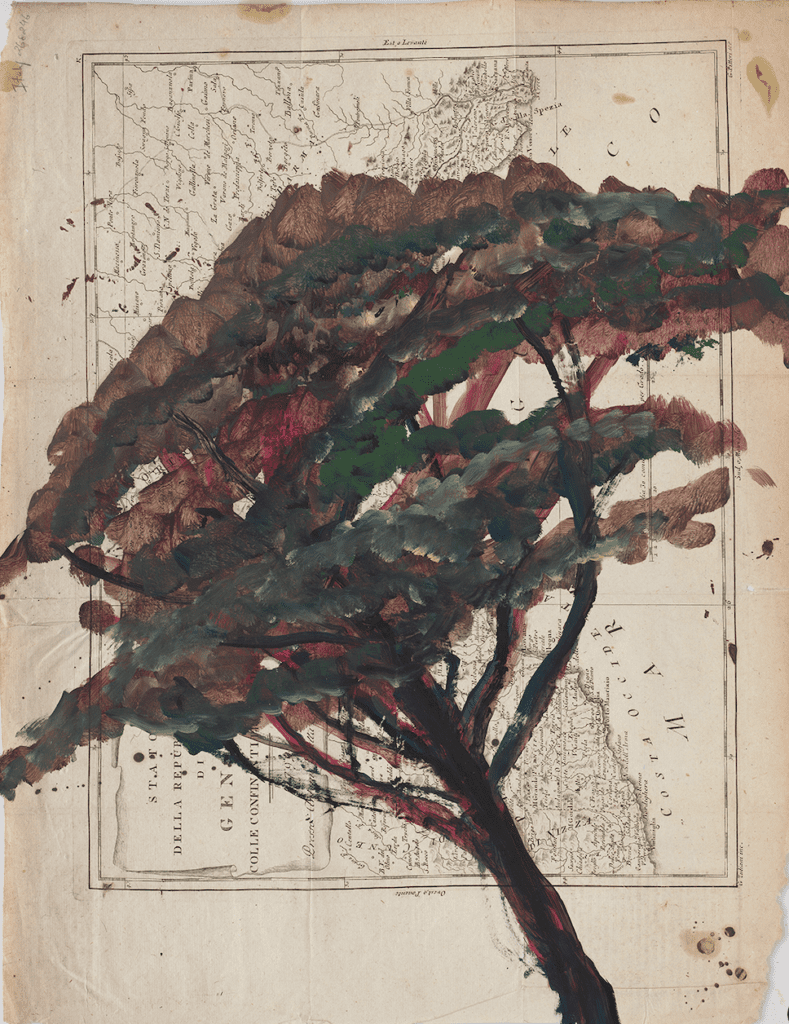
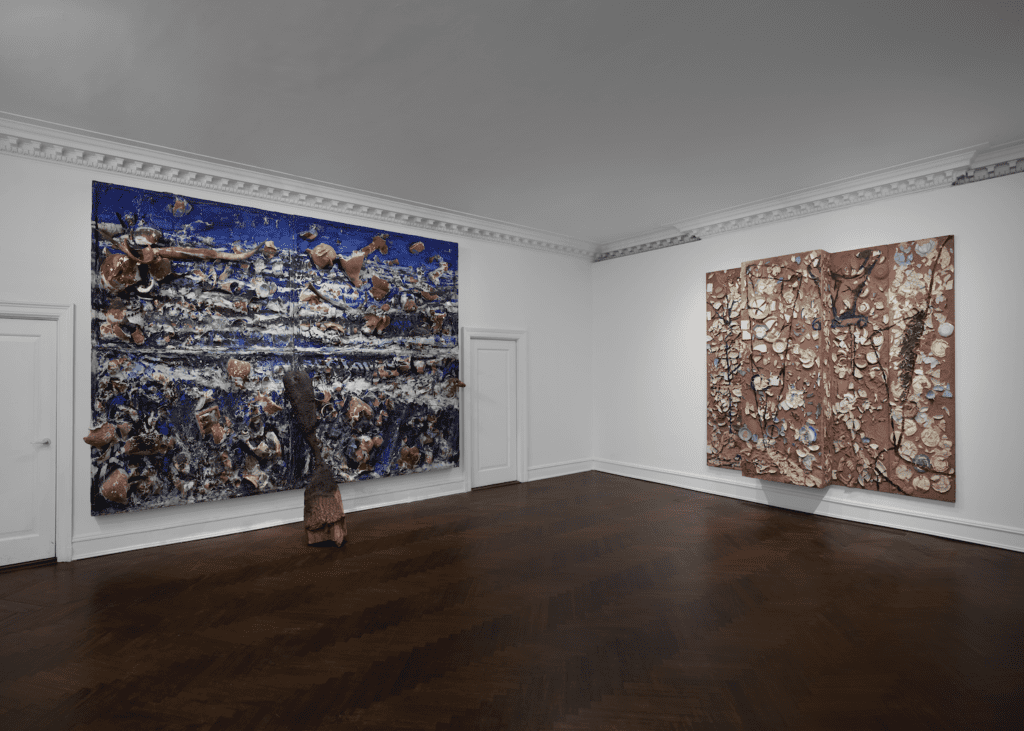
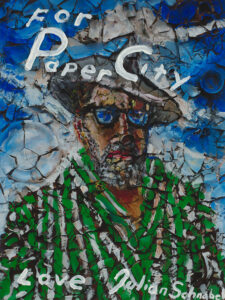
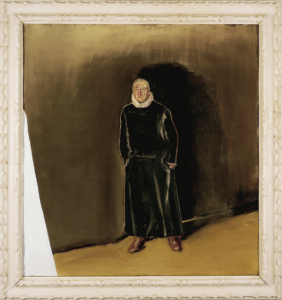
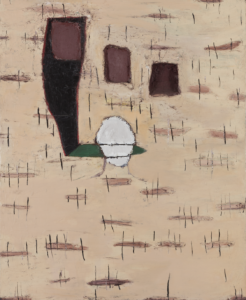
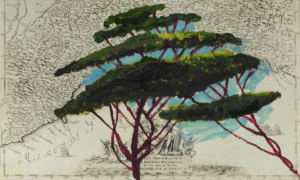
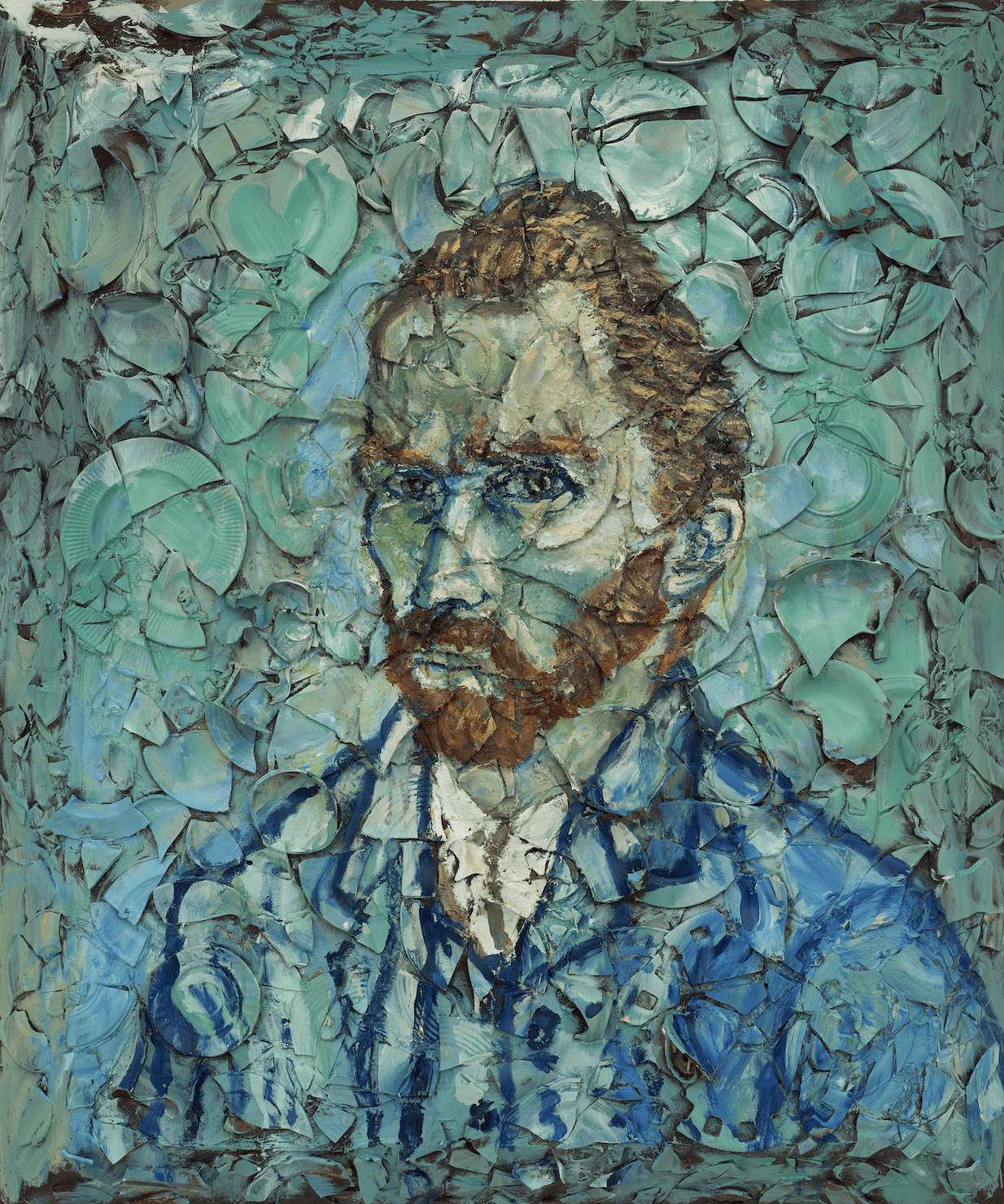
"Untitled (Self-Portrait)," 2023, on view at Château La Coste, Aix-en-Provence, France, April 25 – August 15, 2026. by Julian Schnabel (© Julian Schnabel Studio. Photo by Tom Powel Imaging.)
If you’re an art person — or a film, design, or architecture aficionado or a member of the cultural cognoscenti — the name Julian Schnabel carries bold imprimatur. The New York and Texas-reared talent redefined painting via the unforgettable Plate Paintings, one of the through lines of a 50-year practice. The artist’s The Patients and the Doctors, 1978, changed everything in the last half of the 20th century, solidifying a space for the then-26-year-old within the contemporary art world.
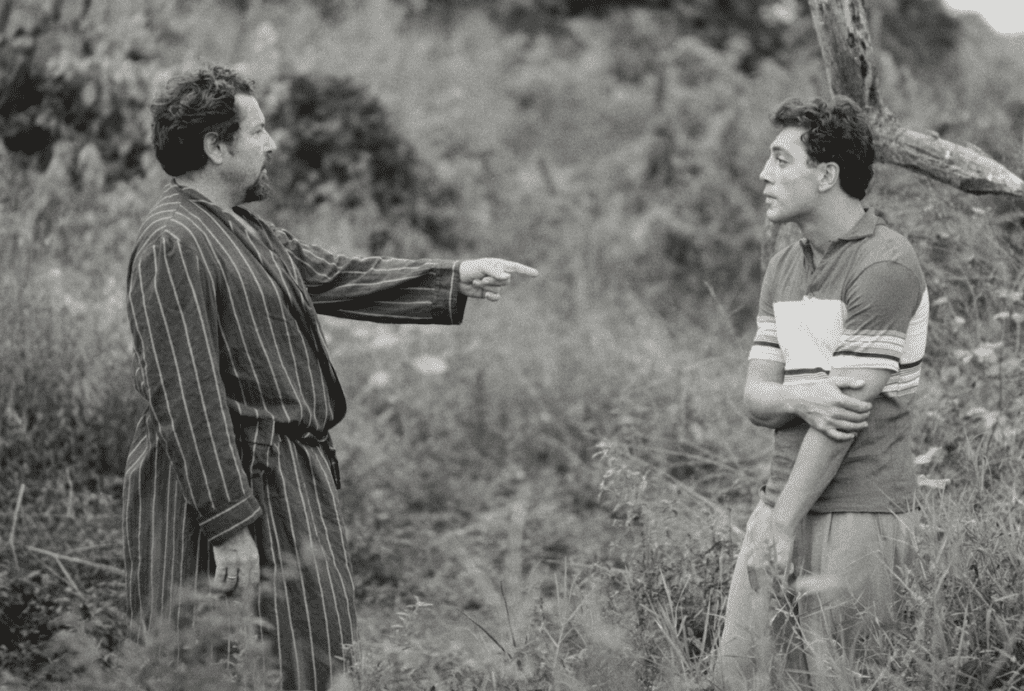
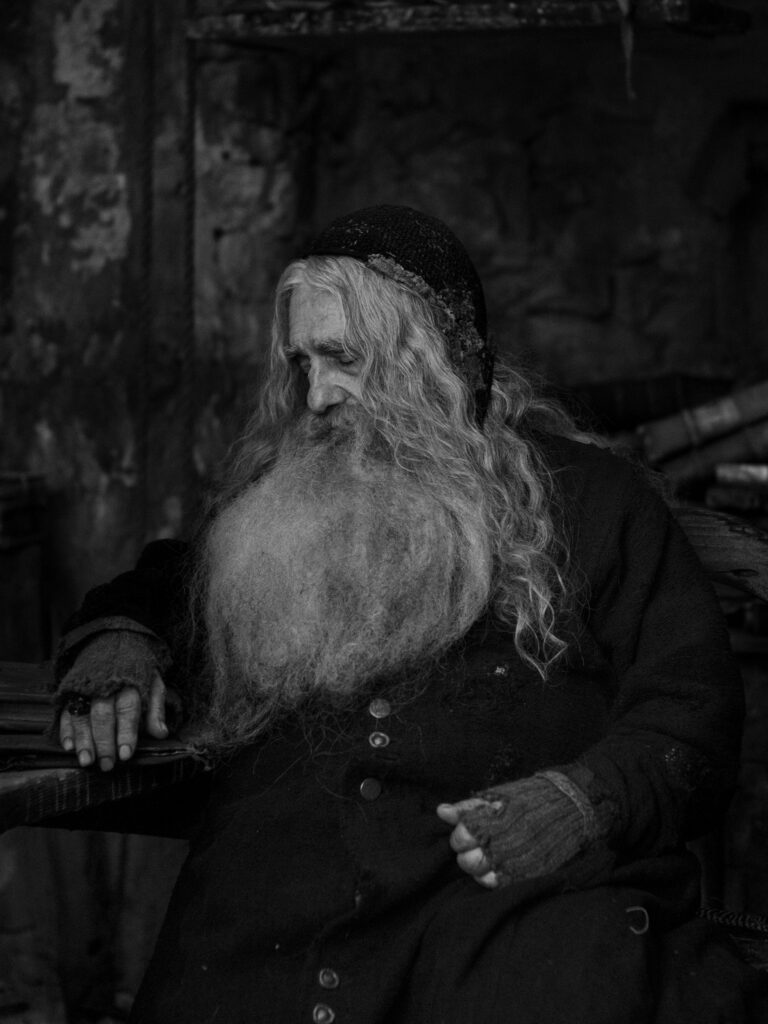
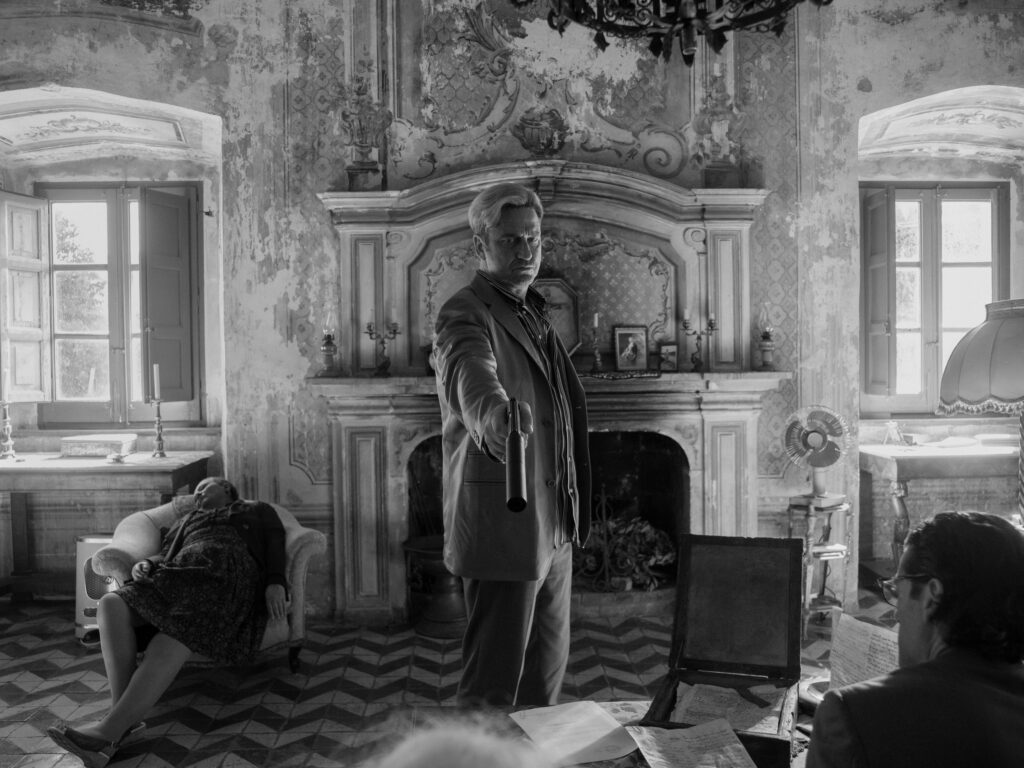
Since then, Schnabel’s vision has perambulated from painting and sculpture to encompass interior design and architecture (famously New York City’s Gramercy Park Hotel and his own Palazzo Chupi compound in the West Village), alongside a much-lauded turn as filmmaker. Beginning with his directorial debut, the 1996 filmic portrait of fellow artist Basquiat — a riveting insider view of the 1980s art world and a talent who flamed out too young — succeeded by six other films, Schnabel has garnered cinematic accolades, nominations, and awards in the Oscars, Golden Globes, Cannes and Venice International Film Festival, to cite a few. Martin Scorsese, mostly recently cast in In the Hand of Dante as the sage Isaiah, has said of Schnabel: “He has invented his own cinematic language.”
Our road to this Schnabel profile involved a trail of art-world luminaries, starting with Houston gallerist Robert McClain, whose 2006 solo for Schnabel led to this writer’s first interview with him. Improbably McClain was in New York when we emailed him, for the memorial for Robert Mnuchin, the iconic gallerist who had just mounted a five-decade survey of Schnabel’s Plate Paintings
As it turned out, Schnabel’s show was powerhouse Mnuchin Gallery’s final exhibition after its larger-than-life founder’s passing. McClain spoke to Mnuchin Gallery partner Michael McGinnis on our behalf. McGinnis graciously emailed Julian Schnabel, recommending he do the interview.
Not hearing back during the great New York blizzard, we reached out to the artist’s son via Vito Schnabel Gallery, which had presented a Plate Paintings show. After Manhattan’s snow melted, the gallery replied and connected us with the artist’s studio staff. There was interest, but the timing needed to wait until spring 2027, they relayed, when Schnabel’s work would be included in a group show at the Blanton Museum. Good, a year to prepare for an epic interview.
Then an email arrived from the artist that overrode that plan.
The Allen








“We can do something. I’m in Austin later today to receive my induction to the Austin Film Society Hall of Fame and I’m showing In the Hand of Dante there,” Schnabel wrote. “We can talk. Text me.”
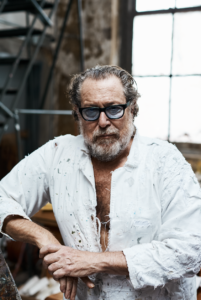
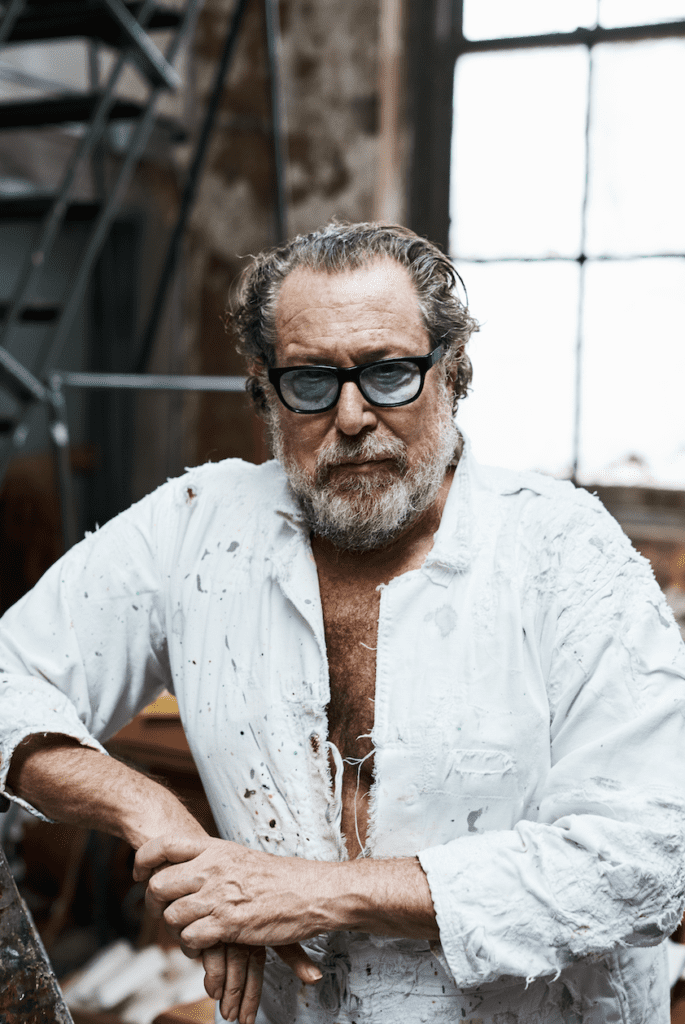
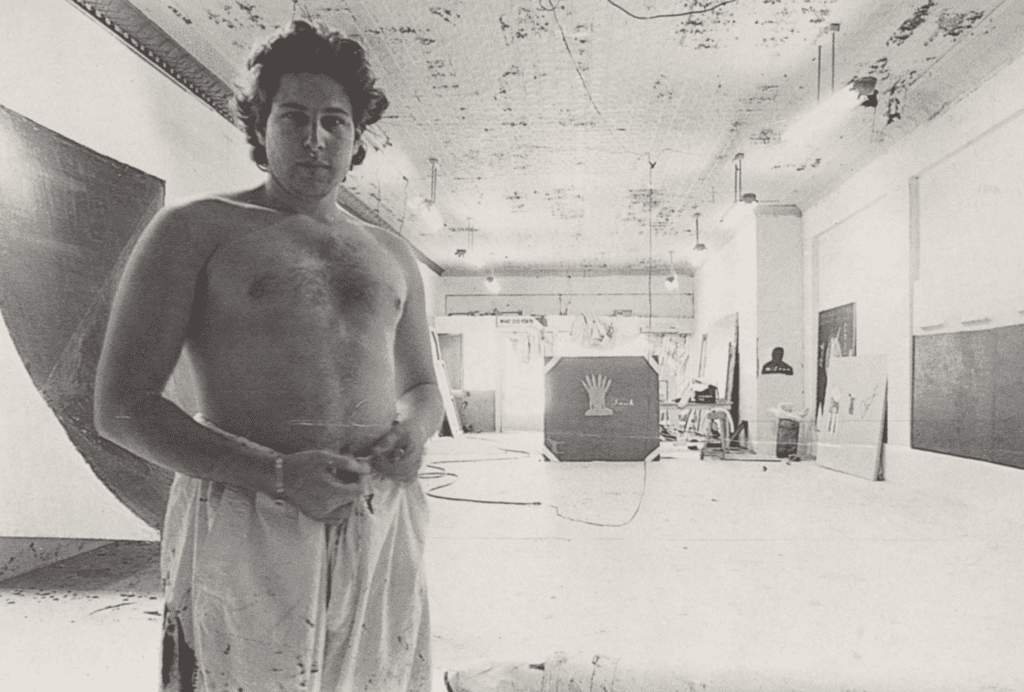
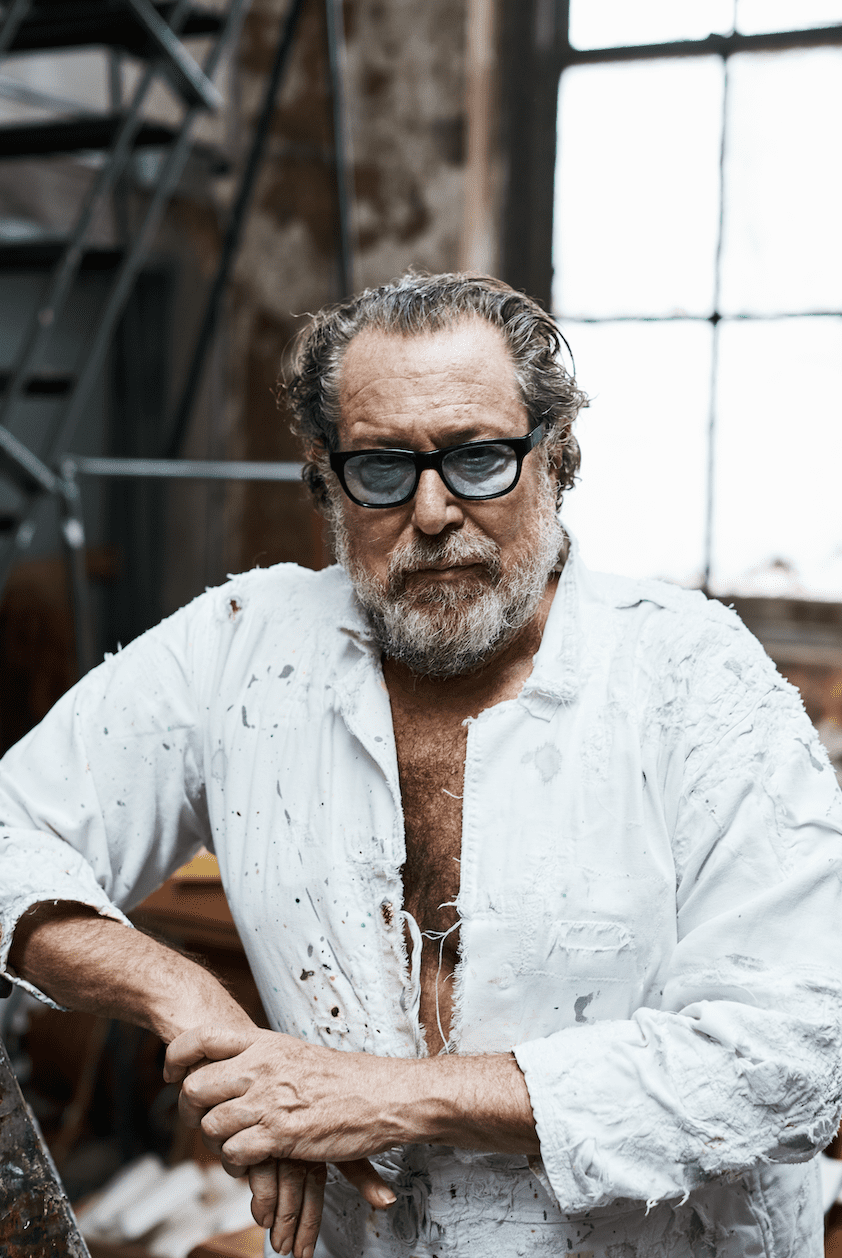
We did. That afternoon, we were on the phone with Patrick Hillman, executive assistant to Julian Schnabel. Images were sent, the PaperCity April issue cover was in the works, and a Zoom interview scheduled. The profile below is taken from that Zoom with Schnabel. We reached the artist, characteristically pajama-clad, at his grand Palazzo Chupi residence and studio in the West Village. A Big Girl Painting served as backdrop to our dialogue and a painting stick as staff in his hand.
Catherine D. Anspon: Your Plate Painting survey at Mnuchin Gallery attracted tremendous attention. How meaningful was this show to you?
Julian Schnabel: Bob Mnuchin was a special man, whom I made three exhibitions with over the years.
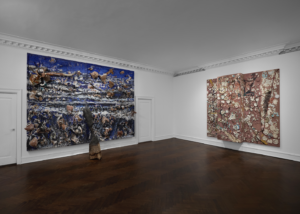
The gallery’s last exhibition (Julian Schnabel: Plate Paintings, 1978–2025) ended on January 31. He had said to me, “If I could make a show of your Plate Paintings before I die, I would go out as a happy guy. I’d like to show the world how great I think these paintings are.” I want to paraphrase, because he said, “How great Schnabel is.” (Schnabel’s show was Mnuchin Gallery’s final exhibition after the founder’s death.)
When he hung the paintings on the walls (at Mnuchin Gallery) . . . I felt good about the context and the way they looked, and about how those paintings commented on other people’s paintings. It felt very satisfying to be included in the canon of American painting.
An artist may be dead, but the paintings are alive, and we transgress death by making these things. They’re all in concert with each other. That was a good experience, and I loved Bob’s enthusiasm. Michael McGuinness, who worked with him, did a great job on the layout and selecting the paintings with my son Vito.
Seeing them in person is very different from the Internet. Painting is a physical activity, and the things that you make are tangible. You can go up and look at them, or touch them, or be with them. Each time you see one, it has an effect on you. I always say that the last time you see something is the first time you see it.
Winston Churchill used to say you can’t read a book when you’re too young. It takes a while for people to get perspective.
In Bruce Helander’s review for Whitehot Magazine, he compares your Plate Paintings to Warhol’s Campbell’s Soup Cans, and the Rauschenberg Combines as revolutionary, for their raw originality. Do these occupy that place for you?
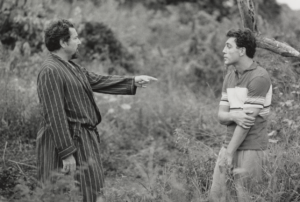
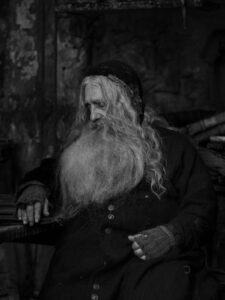
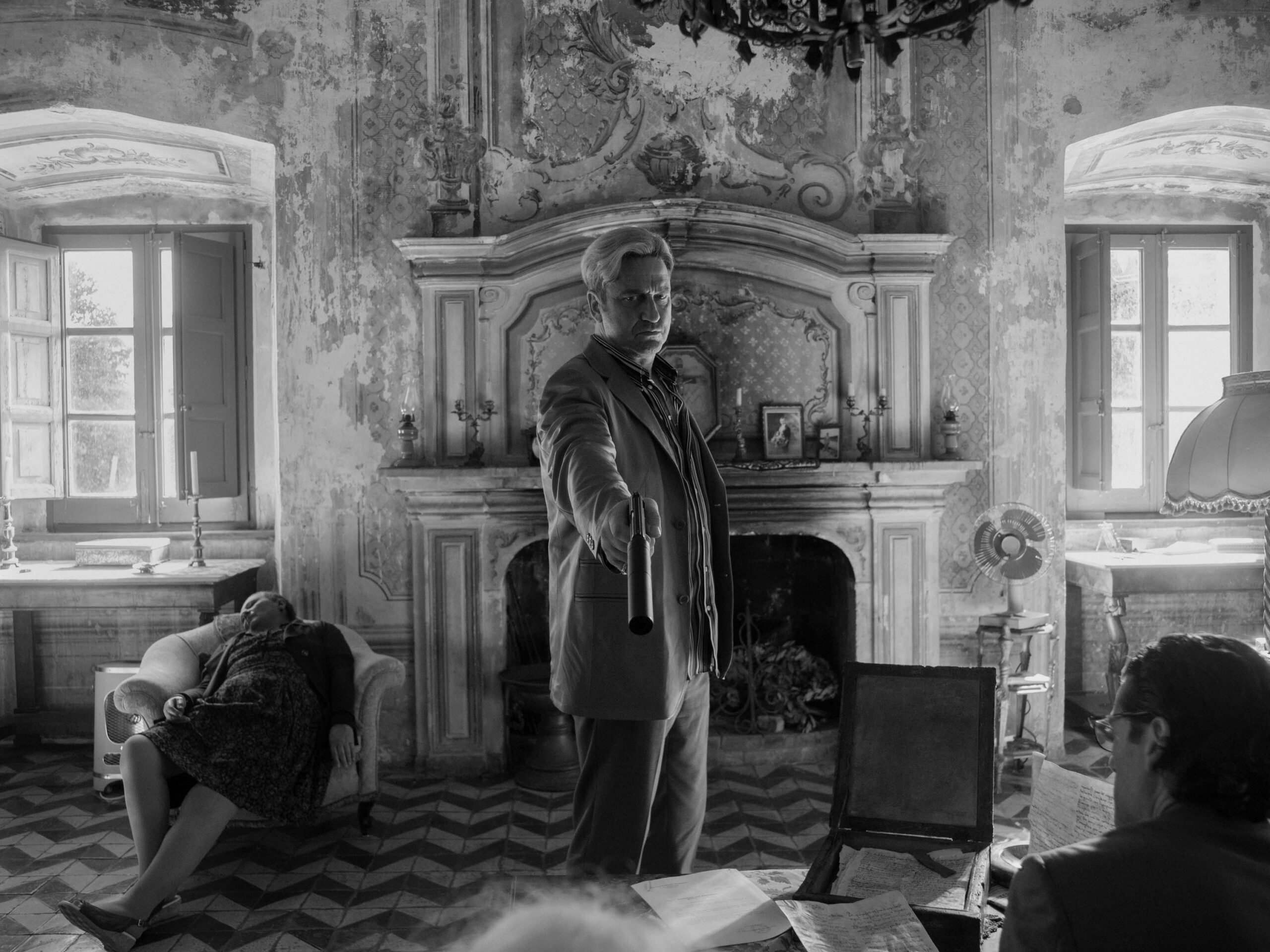
JS: In the film that we made recently, In the Hand of Dante, based on Nick Tosches’ book (I worked with my wife, designer Louise Kugelberg, on writing and editing the film), there’s a line Marty Scorsese says. He’s playing a nameless Jew who calls himself Isaiah, and Dante visits him periodically when he goes to Venice. This man lives on top of the stables in a garret surrounded by books, and all Dante wants is his approval.
Dante recites the Paradiso to him, and Isaiah says, “You’ve lifted the veil on the inexpressible. You’ve become the poem.” I think that that’s the goal of every artist.
But my interpretation of the book and what happens in the film is that they have these parallel lives. There’s a feeling of doubleness as something could take place in the 21st century and in the 14th century. I think that art transgresses time — you come to it at any part of your life, and it speaks to you or it doesn’t.
Being engaged is really the thing. There’s a line in my film At Eternity’s Gate about Van Gogh, where Mathieu Amalric (playing Doctor Paul Gachet) says to Willem Dafoe’s Van Gogh, “Why do you paint?” And he says, “To stop thinking.” Then Amalric says, “What, is that a form of meditation?” Dafoe says, ”No, no, when I paint, I stop thinking, and I become a part of everything that’s outside and inside of me.”
Looking at your trajectory as an artist: Were the Plate Paintings after you moved to New York the real beginning?
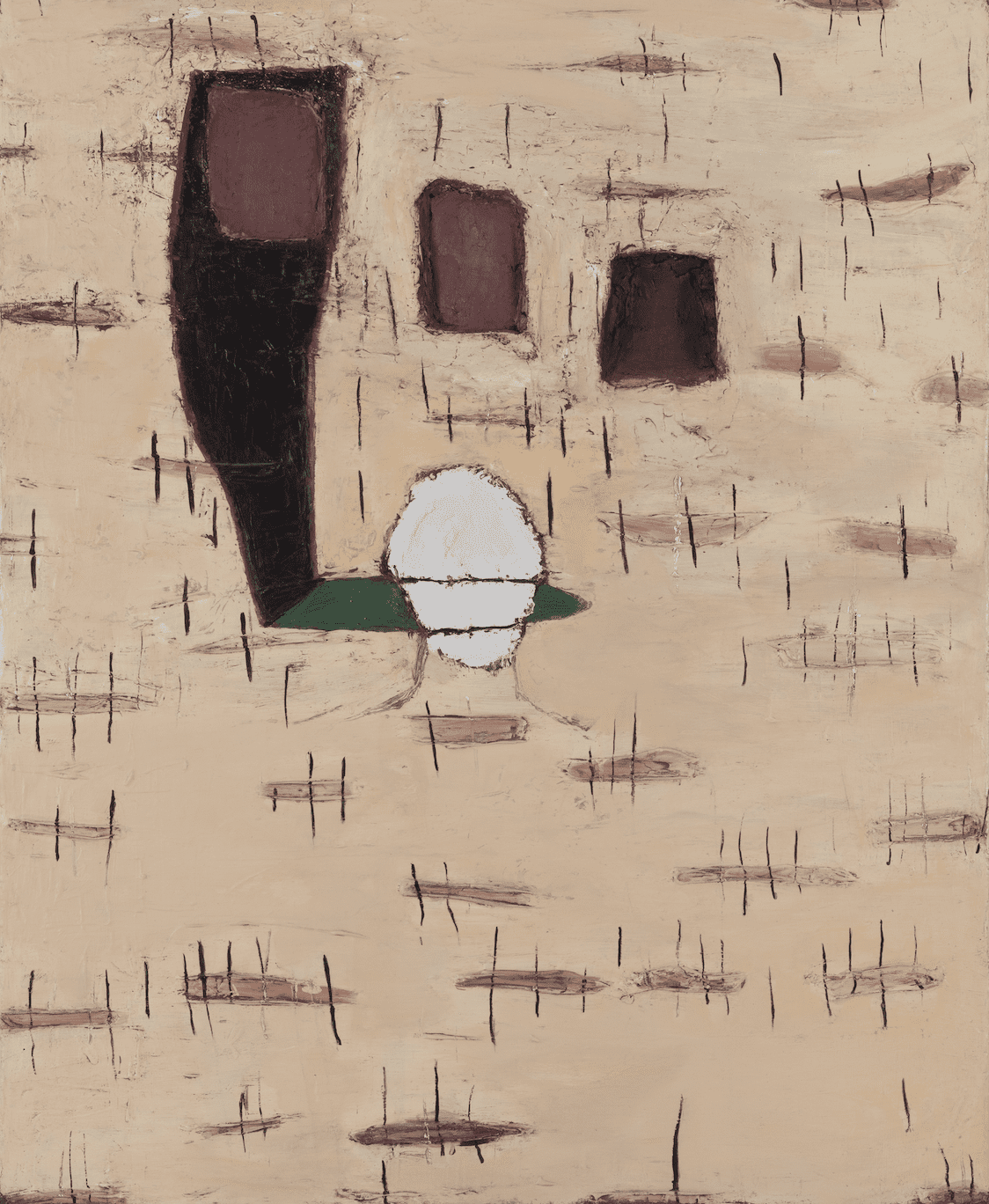
JS: No. There’s a painting I made on 19th Street in the Houston Heights called Jack the Bellboy from 1975. When I first made that, I didn’t want to paint on something where somebody had pre-decided the thickness, what size it would be — something that was generic. I had to make it into a receiver for something that was particularly resonant to me.
I covered it with Rhoplex (acrylic binder) and modeling paste and joint compound and made these lumps on it and cut these holes in it so it looked like something that was exhumed from the wall. And there were marks on it that were like marking time.
It’s amazing that this work — a thread from your Houston chapter — is included in the upcoming international show.
JS: I had returned to New York after college at the University of Houston. When I came back to Houston, I worked on 19th Street, and that place was owned by Milton Wiesenthal and his brother Harold from Harold’s menswear in the Heights. Milton was very gentle and very sweet. I don’t know if he had a notion of what I was doing in there. I entered that painting (Jack the Bellboy) in a show in Fort Worth, where it was rejected, and then I brought it back to New York, and I repainted it.
After I sold it, I asked the purchasers if I could take the paint off it and repaint it the way it was originally, which they let me do. They had it for many years. My son Vito has the painting now.
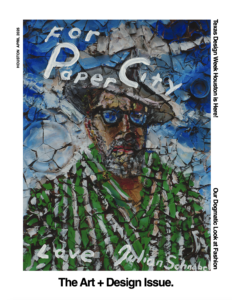
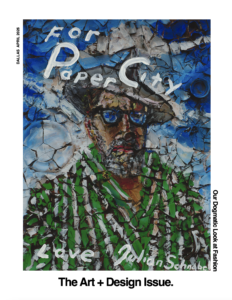
Jack the Bellboy is one of the paintings in the La Coste show. There’s also a self-portrait — the one that you picked for your cover, which will be in that show. It’s funny. In a sense, they’re both self-portraits.
With your Plate Paintings nearing 50 years, your work is pulling through time.
JS: I’ve been making, basically, time maps. There’s a painting called Cortes (1988). It’s pretty interesting. There was a big hole in the skylight in the studio which made this incredible stain on this old piece of tarp with holes. I took varnish and linseed oil, and I painted in the stain so it wouldn’t go away. Then I glued a piece of baldacchino from the 17th century in the middle of it, and that was it. It looks like a map of the world with this piece of material from another time floating through it.
I’m thinking: How do you deal with time, with simultaneity of time, with other people’s intentions and the commandeering of a set of variables for another set of variables.
When people were designing the plates, for example — putting little flowers on them or whatever — they didn’t know that somebody was going to smash them and then glue them onto a surface and paint over them. Or if somebody was writing 22 cents or 33 cents on them, because they were selling them in the Salvation Army, they had no idea that their handwriting would end up in the painting some years later.
Is this notion of time the through line in your work? You painted Jack the Bellboy in the Heights in 1975, and it’s being looked at this spring in France yet it simultaneously recalls that time when you were in that specific space in Texas.
JS: Paintings bring you into their present. You see a Caravaggio painting today, and it brings you into its present. I was shocked, in a sense, when I stood there and looked at The Sea (1981) and looked at The Patients and the Doctors (1978) and Notre Dame (1979) in that room at Mnuchin — those three paintings. I thought: ‘What the hell was I thinking?’
I don’t really think about it too self-consciously. I just decide what I need to do in order to accomplish the painting. I might see something, whether it be a piece of material that’s covering a toy store in the jungle in Mexico, or something covering a fruit market there. And I think, ‘OK, that could be a good painting. I think I’ll buy this and give them some money so they can get a new piece of material to cover the fruit market.’ Or buy these sailors in Egypt new materials so I can have their used sails from the felucca boats. So I — as Max Hollein has written — see paintings everywhere.
On your time in Texas: What did you carry through from living in Houston or growing up in Brownsville?
JS: I made a painting of artist Michael Tracy, a Plate Painting that I gave to the University of Houston (Portrait of M.T., 1982-1983), so they’ll be hanging it there this month. I also gave the commencement exercise there (May 2025). I think I gave the students some pretty good advice.
UH had been trying to get me to come down there for a while, and I decided to do it. It was a pleasurable thing. I also saw Steve Zimmerman who owned the hotel La Colombe d’Or on Montrose. He was super excited when I came down, and we got to spend a few moments together. His son Dan is very nice. I brought my little daughter Esme and she played with Dan’s children.
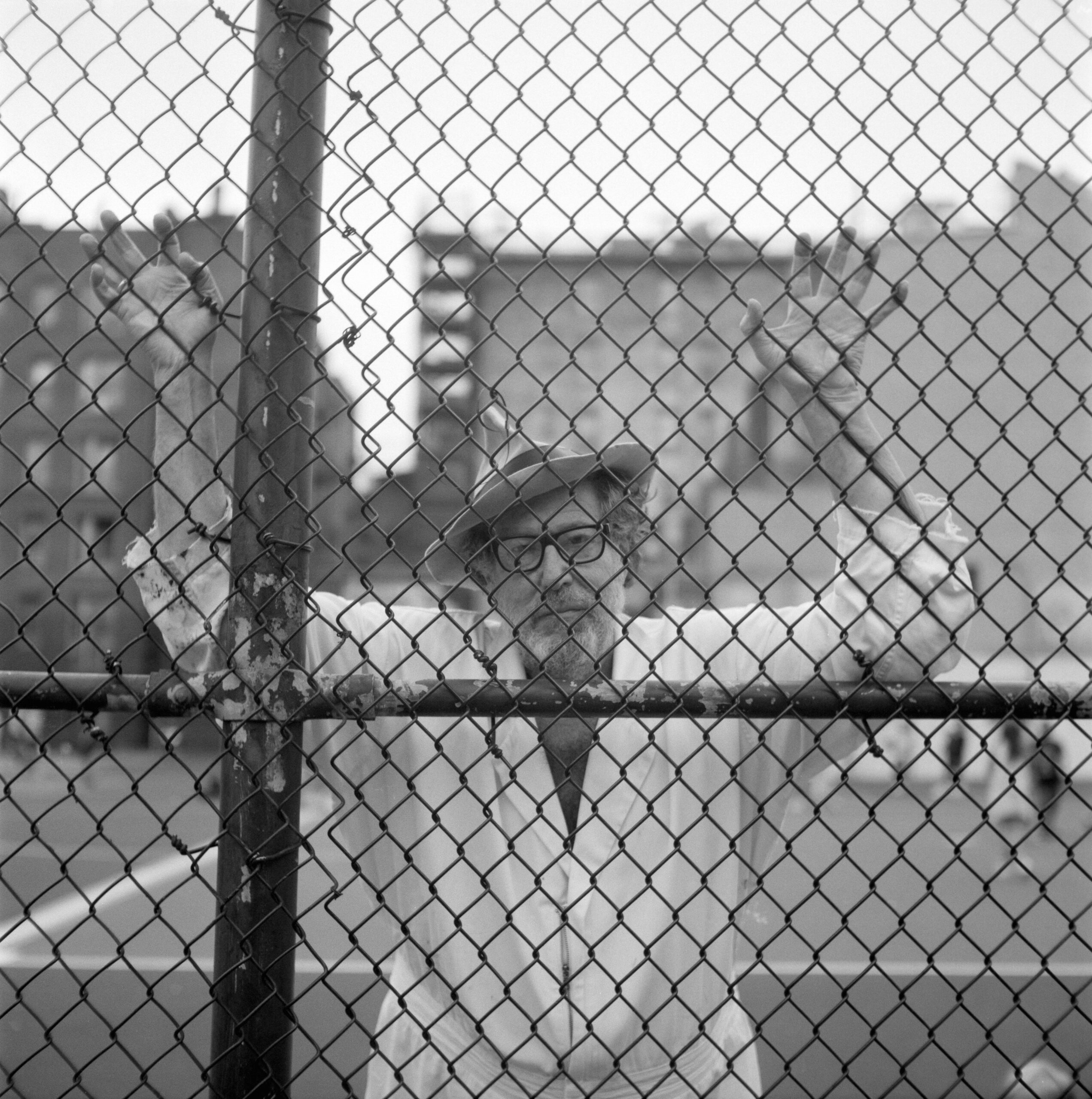
On Brooklyn vs. Brownsville. . . and Mexico.
JS: I grew up in Brooklyn, which was very vertical and a more closed kind of community. Everywhere had a sort of sameness. An Italian, Jewish enclave. I went to Public School 238. There wasn’t really any art in my life, other than my mother taking me to the Brooklyn Museum when I was a kid or taking me to see Aristotle with a Bust of Homer by Rembrandt at The Met.
My father was busy working all the time or doing different things, so I spent more time with my mother. My brother and sister are a lot older than me, so they did not move to Texas when I moved down there with my parents. My father was in the ropa usada business, selling used clothes, so it was on the Mexican border.
The proximity to Mexico was very important to me. The flatness and openness of the landscape gave me a different perspective on negative and positive spaces. I started surfing when I was a teenager and driving through Mexico and seeing all the different permutations of vegetation and landscapes, driving through Zacatecas, Guadalajara, San Luis Potosi to Mazatlán, then down the coast towards Punta Mita, near Puerto Vallarta.
After that, going back and going south of there, to the Isthmus of Tehuantepec. Oaxaca. Seeing Mexico City — different kinds of architecture, different kinds of materials that people used, where there was just a door, and then there’d be a courtyard inside, and there’d be columns and loges and things that were much more European, in a way.
So, when I went to Europe, it was much more familiar. It seemed more like Mexico in some ways. I saw Mexico everywhere I went, even when I went to India. But I think the proximity to that world had a big effect on my idea about surface and materials.
I’d look at doors. . . I remember a door at a place called Jack’s Nest in Galveston that had tin on it, and holes were cut out of it. There were cement walls that maybe Greek sailors painted when they were in the port of Galveston. A lot of those things you register, and what comes out is an accumulation. I’m like a scavenger, and I leave everything on the porch. And when I need something, I go back to that porch and get it.
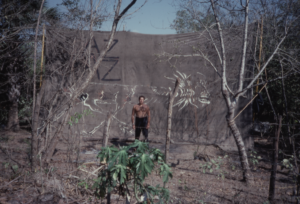
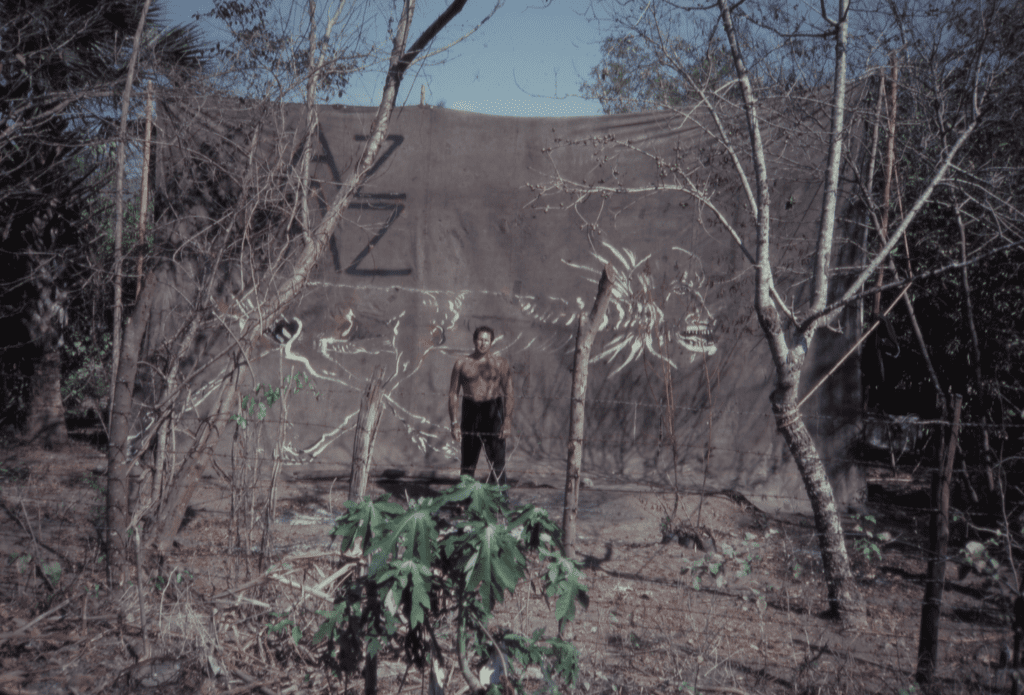
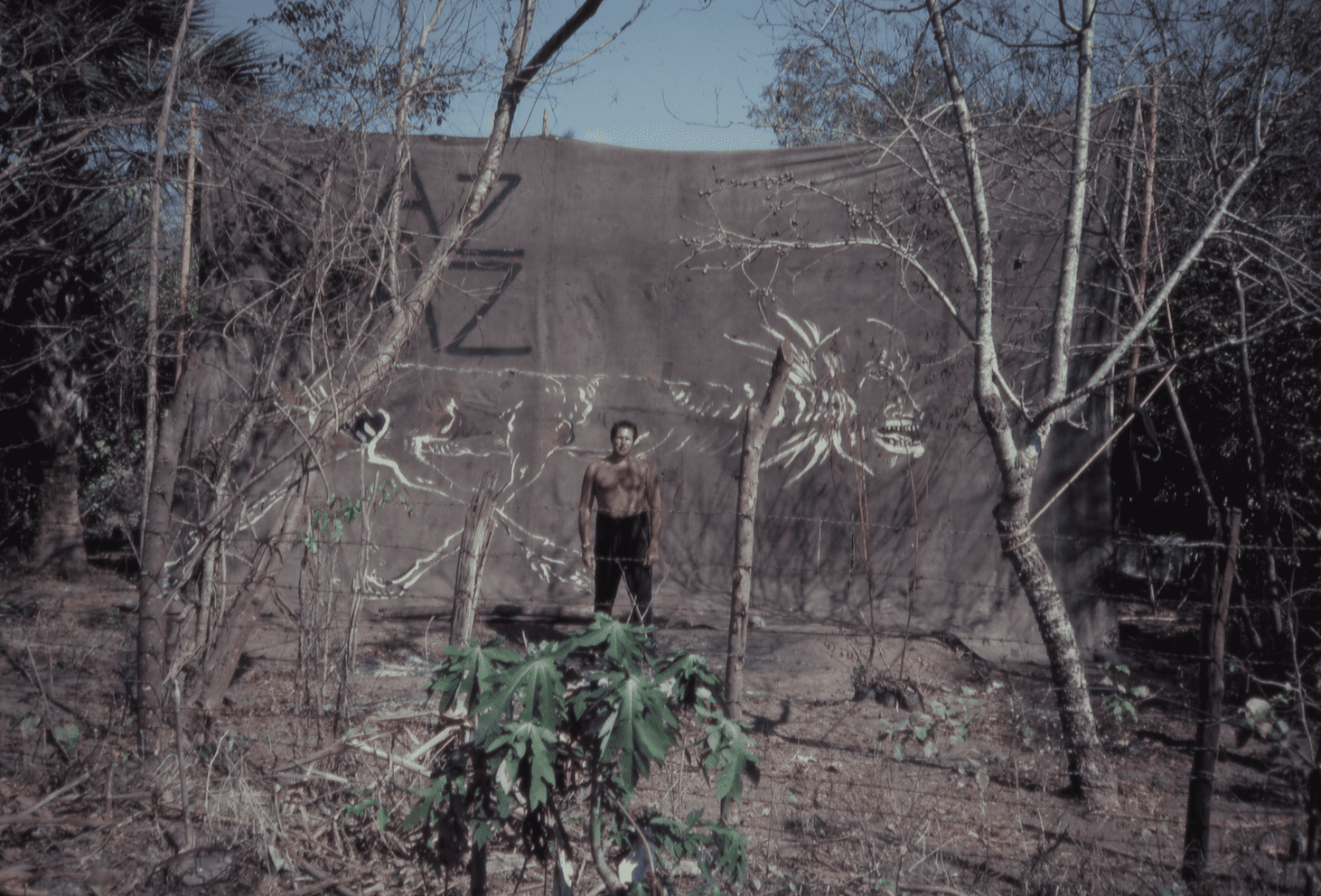
I made a lot of paintings in Mexico, including the War Paintings. In a photo, I’m standing in the middle of these palm trees, and there’s a tarp covering a tractor trailer that’s 17 by 23 feet. I painted one painting there, and then I went to a gas station and bought two more truck covers from two other drivers and made three paintings.
One was called War, one was called Apathy and one was called Consumption. If you look in the exhibition part of my website home page, you can see all three, which were in the show at the ARoS Aarhus Art Museum, Denmark. My wife Louise designed the installation, which featured 41 works. I also showed them at the Tamayo Museum in Mexico City years ago.
After your UH commencement speech and being made a Doctor of Humane Letters Honoris Causa last spring, you’ve returned again, this time to Austin last month for another meaningful occasion.
JS: They gave me an award — the Austin Film Society Hall of Fame. They were asking me about Texas, so I’ve been talking about Texas more than usual. There’s a doubleness or a split in my identity that has affected my work. I spent a lot of time in Europe. Spain. France. Italy. I made The Diving Bell and the Butterfly in France. And I made the film about Van Gogh with Louise in Arles, and all the places where Van Gogh lived.
Going to school, I picked Houston because it was the closest big city to Brownsville. I lived there between 1969 and 1973. I had friends I surfed with who came down to Port Isabel and Padre Island because the surf was better there. People from Galveston and Houston are still friends of mine. . .
I do see my friend Jack Lutey, who was from Houston. He lives in front of Rocky Point on the North Shore of Hawaii. I’m 74. He’s 71, and he still surfs. I have a picture of him surfing at Pavones, Costa Rica, in a wave as big as this painting behind me.
On surfing and your art.
JS: Water has a big effect on my work. Paint is liquid, and there’s a kind of gesture where you throw your whole body into something. That probably is part of how I react to these things that are a lot larger than me. I think that comes from being in the water and these open spaces — and thinking that the arena might be much bigger than your room. I like to paint outside. I can see better, and being outside is an opportunity. I see painting as an opportunity.
On filmmaking versus painting.
JS: My way of making films (like painting) has to do with spontaneity, and we don’t rehearse. Everybody knows who they are, and then we see what happens. We jump in the hole, and if we can climb out at the end of the day, we had a good day.
Filmmaking is collaborative, while time in the studio, even with assistants, is solitary. Would that be the main difference between filmmaking and painting?
JS: When I’m making a painting, nobody’s collaborating. People can help me to move something around. They could tell me what they think, but basically, I’m the only person that makes that decision. Or Louise might say something to me, and she might be right. And I say, “Yes, I get it. You can see something that I can’t see.”
Maybe that’s why I love her so much. Louise is an interior designer, but above all a collaborator. She wrote and edited two of the last films. She’s done museum design including for exhibitions at the Clyfford Still Museum, the San Francisco Legion of Honor, and Musée d’Orsay. And also my Taschen book and museum catalogs.
But painting is a solitary activity. At the same time, I don’t mind if people are around while I’m doing it. I’m focused on whatever I’m doing, so it’s irrelevant. I’m usually listening to music — Tom Waits quite a bit. Nick Cave — he made a song for the last film that we made that’s very beautiful. Also Benjamin Clementine, who did the music for In the Hand of Dante, and Paul Cantelon, who did the music for The Diving Bell and the Butterfly.
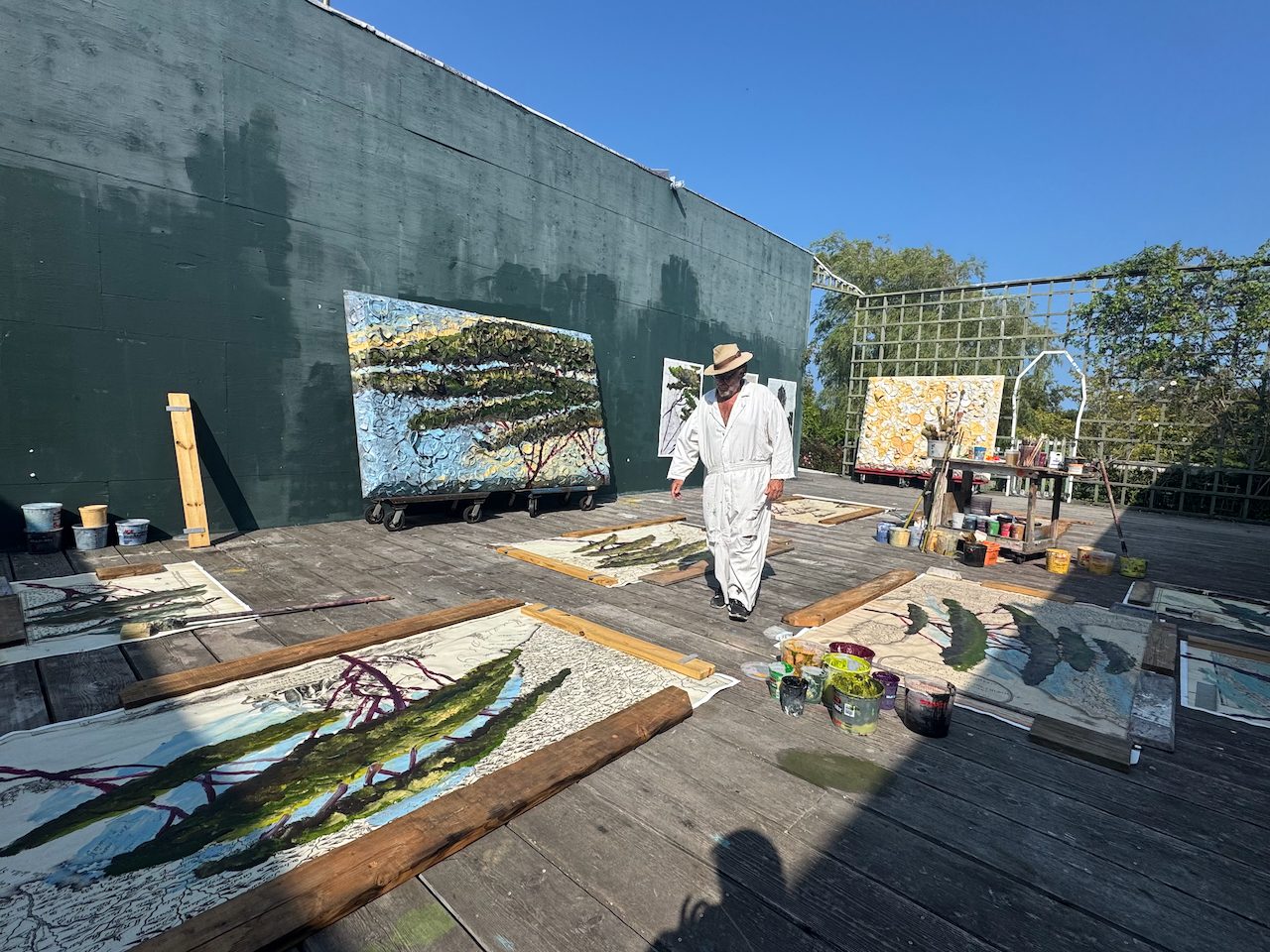
Basquiat came out in 1996. Six more critically acclaimed films later, you’ve now been a filmmaker for 30 years. Your thoughts on the practice.
JS: Here’s the thing about working with other people in a film. They can do something that you can’t do.
You could have something that’s written on a script, but they can do something that’s more beautiful than anything that you’ve ever written. It comes to life, and they bring themselves into it, and they’ve got so much character.
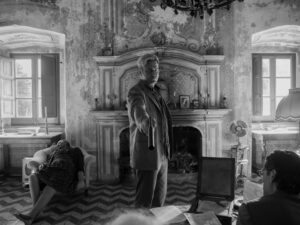
Casting is so important. In this last film, Oscar Isaac plays Nick Tosches and Dante Alighieri. So he’s in the 21st century and in the 14th century. Al Pacino was in the movie. Martin Scorsese. Gerard Butler gives the performance of his life. Gal Gadot. Sabrina Impacciatore. Paolo Bonacelli. Franco Nero. Claudio Santamaria. Guido Caprino. Lorenzo Zurzolo. John Malkovich. Louise Cancelmi. They’re people that bring something with them. You get out of the way, you just set it up and let it happen.
We are conspiring together, respiring. We’re breathing together in order to create this thing. And, obviously, the fact that Marty Scorsese would be in the Dante film. . . Or all of these people appearing in Basquiat, from Willem Dafoe to Gary Oldman to Christopher Walken, Dennis Hopper. Benicio (del Toro) was 27 years old when he was in the movie.
It was Jeffrey Wright’s first job as the main character. It’s a learning process. It’s never illustrating what you know. It’s always finding out through the making of something.
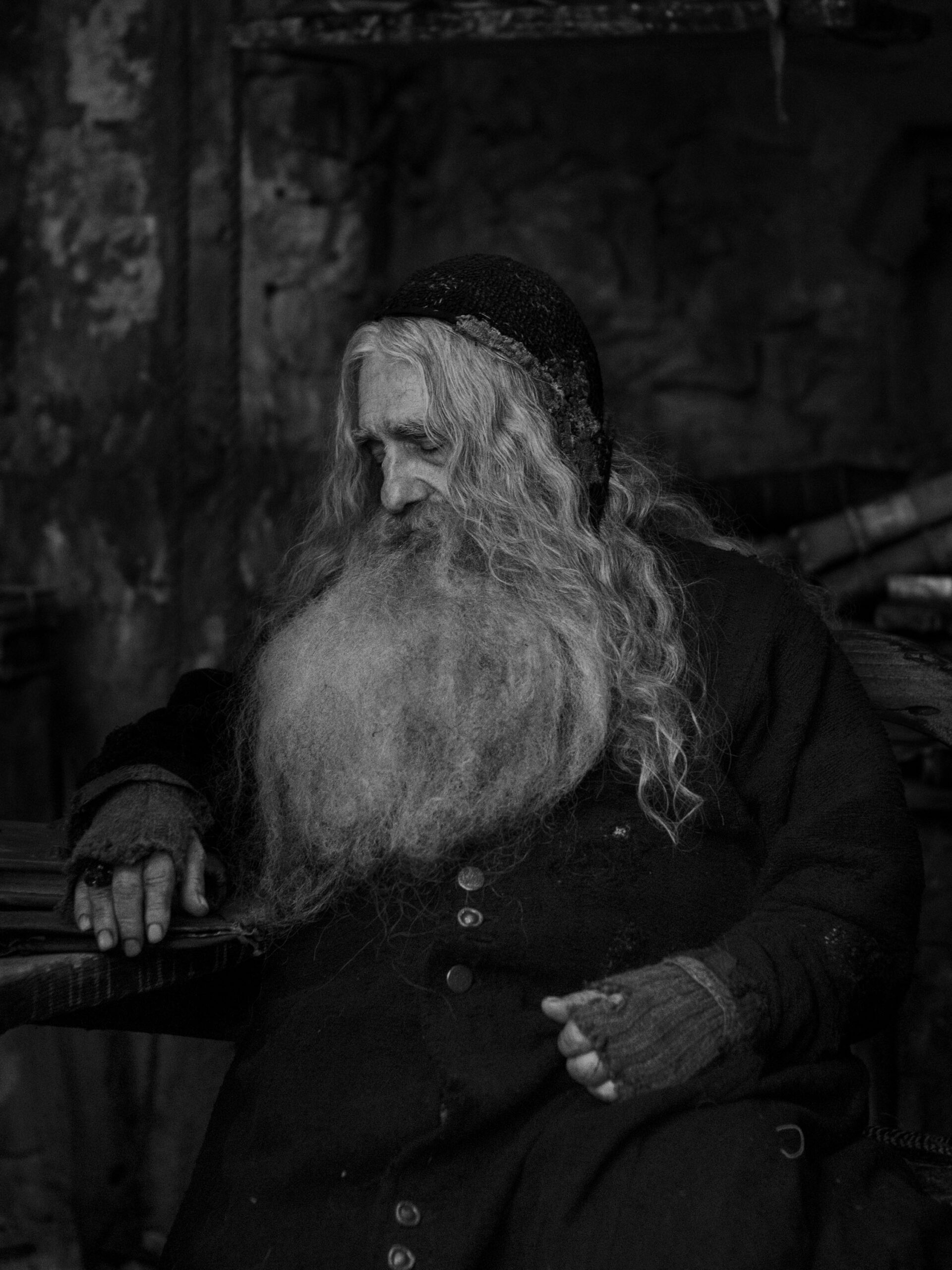
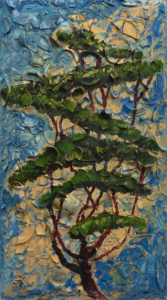
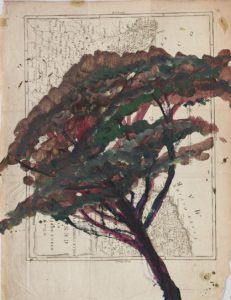
Your Umbrella Pines Plate Paintings are going to be at Château La Coste and throughout the property, and highlighted in Pace Gallery’s show this May.
JS: While I was waiting to find out if (In the Hand of Dante) was going to be in Venice, we were living in Ansedonia in Southern Tuscany, and I made these paintings of the umbrella pine trees that are in Ansedonia and at the Villa Borghese. They dot the maritime coastal. They’re very particular. The way the branches grow, the bushes assemble themselves, and the branches keep going to a next set of bushes.
The drawings I made in Italy saved my life. They helped me through the process of waiting to see if the film was going to be in Venice or not (it was). Thank goodness I can paint.
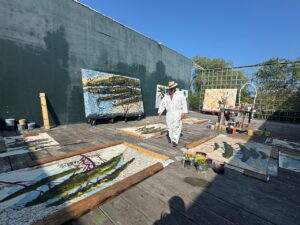
The drawings that I made last summer in Ansedonia gave birth to the Plate Paintings that I made in Montauk. I paint them in a very, very different way than I painted the first set. I think the show at Bob’s (Mnuchin Gallery) suggested possibilities that I had no idea could even exist with those first couple of paintings — what they became last summer, when I was actually standing on top of a bunch of broken dishes with a stick and a paintbrush taped to it.
I was painting them in the same manner that I made the drawings. I was pressing on them, making these marks that looked like a bush, and the accumulation of those became the pine needles of those trees.
Parting thought. You have a new and wonderful chapter with Louise. Where did the two of you meet?
JS: I was looking for some Scandinavian furniture from the 19th century, and I asked a guy from Denmark if he knew an expert. He put her on the telephone, and we spoke, and we didn’t meet till six months later. And that was that — we’ve been together for 10 years.
Upcoming: “Julian Schnabel,” Château La Coste, Aix-en-Provence, France, April 25 to August 15. “Julian Schnabel: Portrait of Italy Through Its Trees,” Pace Gallery, New York, May 11 to August 14. In the Hand of Dante will be released in theaters and on Netflix this summer. Julian Schnabel in the group exhibition, “Shaping the Future: Transformative Gifts to the Blanton Collection,” Blanton Museum of Art, Austin, March 14 to August 1, 2027. Read the full PaperCity Houston and Dallas April 2026 print magazine issues.

_md.jpg)


_md.jpg)
