Dishing on Design + Craft’s Perfect Future with The Future Perfect’s Laura Young — Managing an Internationally-Recognized Gallery
Diving Into the Exhibits That Changed Her Life, Why She Once Got Kicked Out of a Museum, and More
By Catherine D. Anspon //
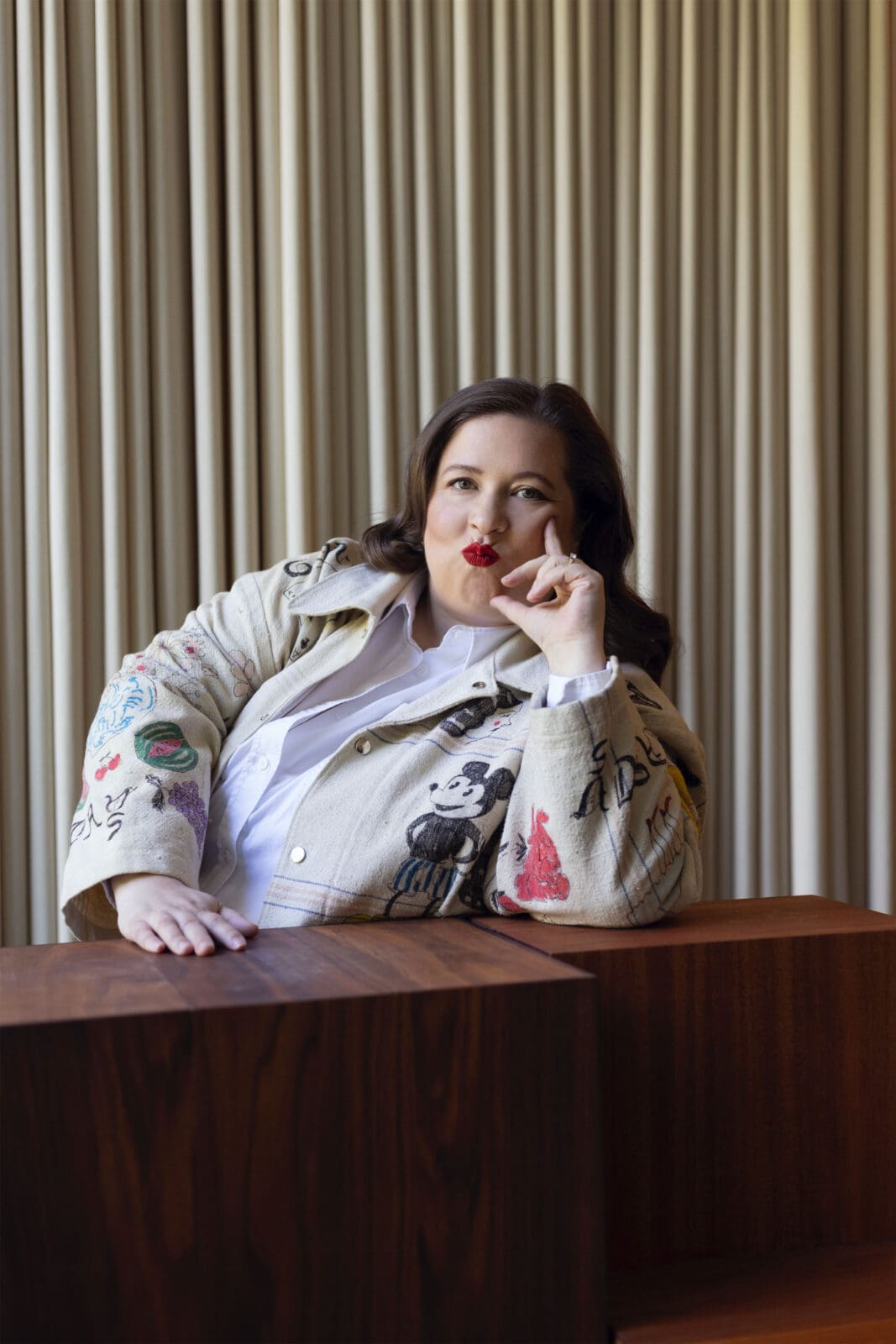
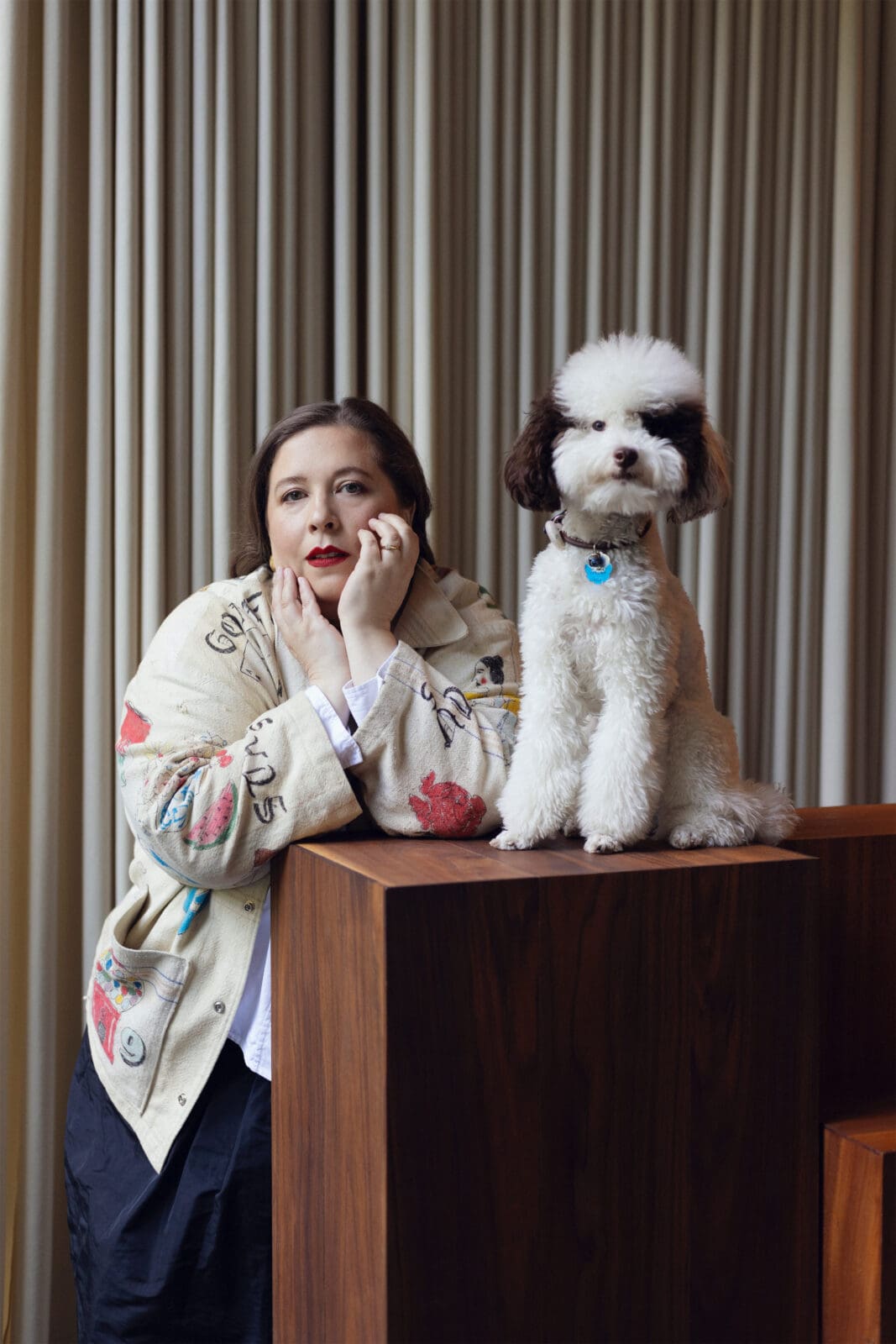
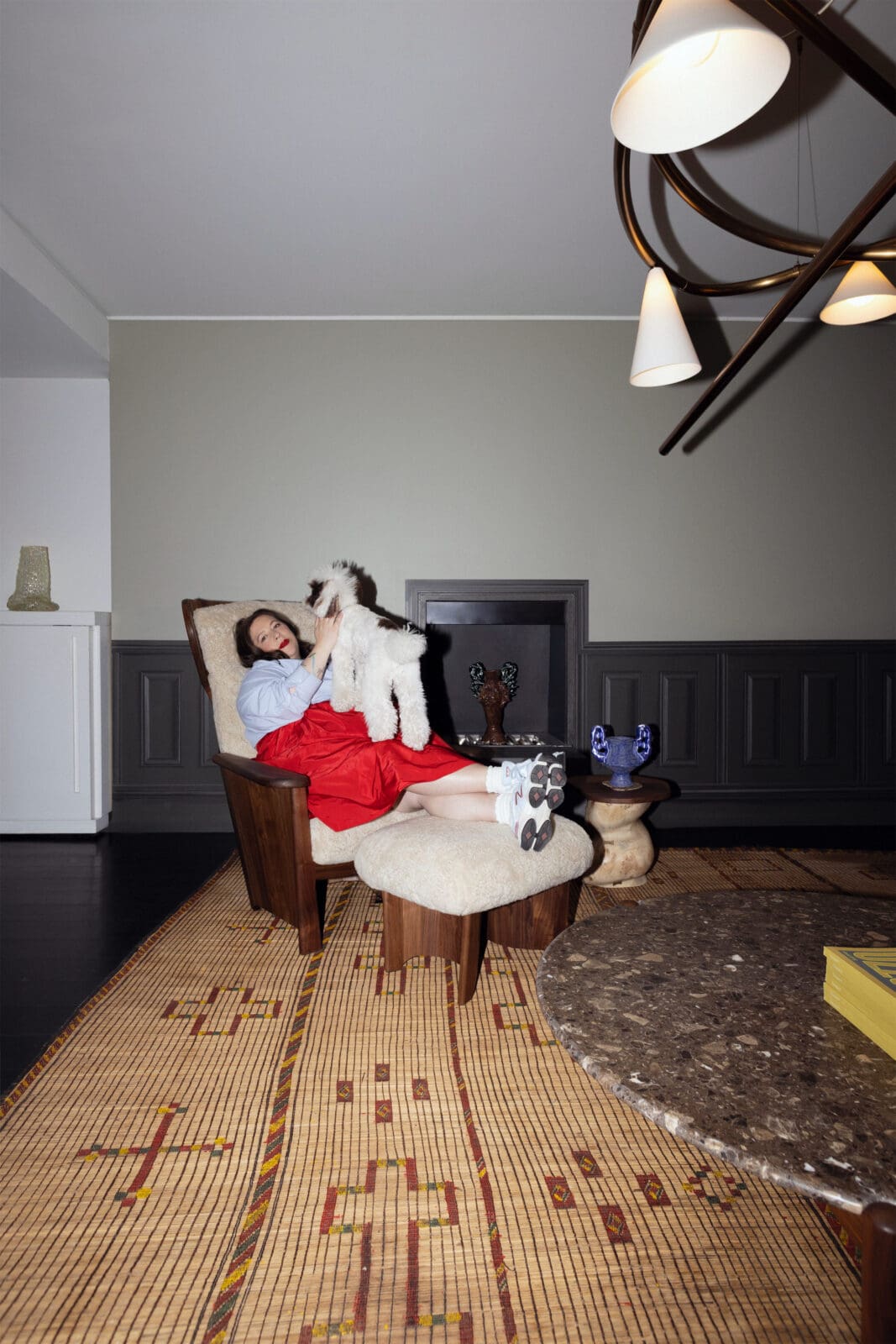
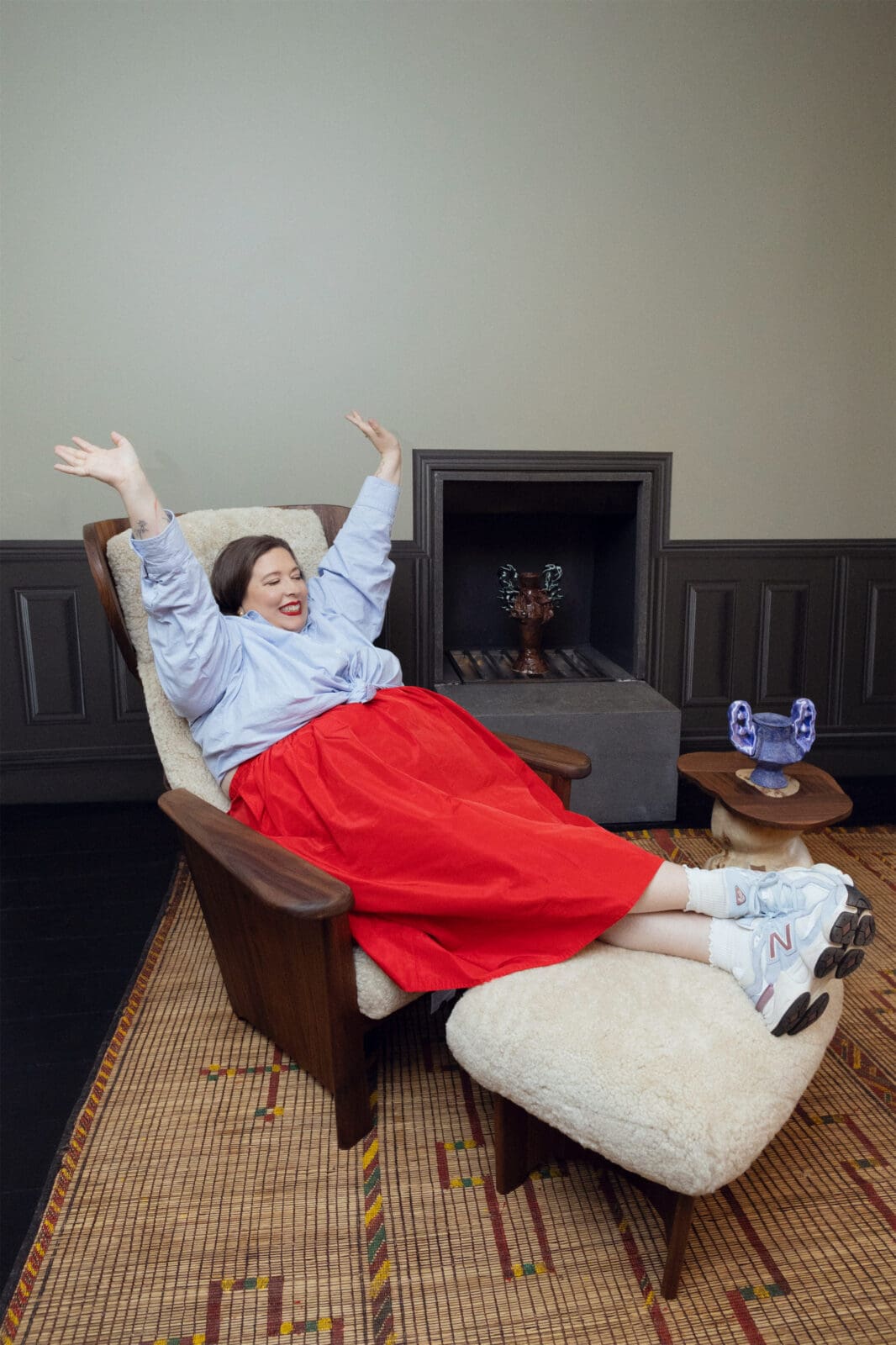
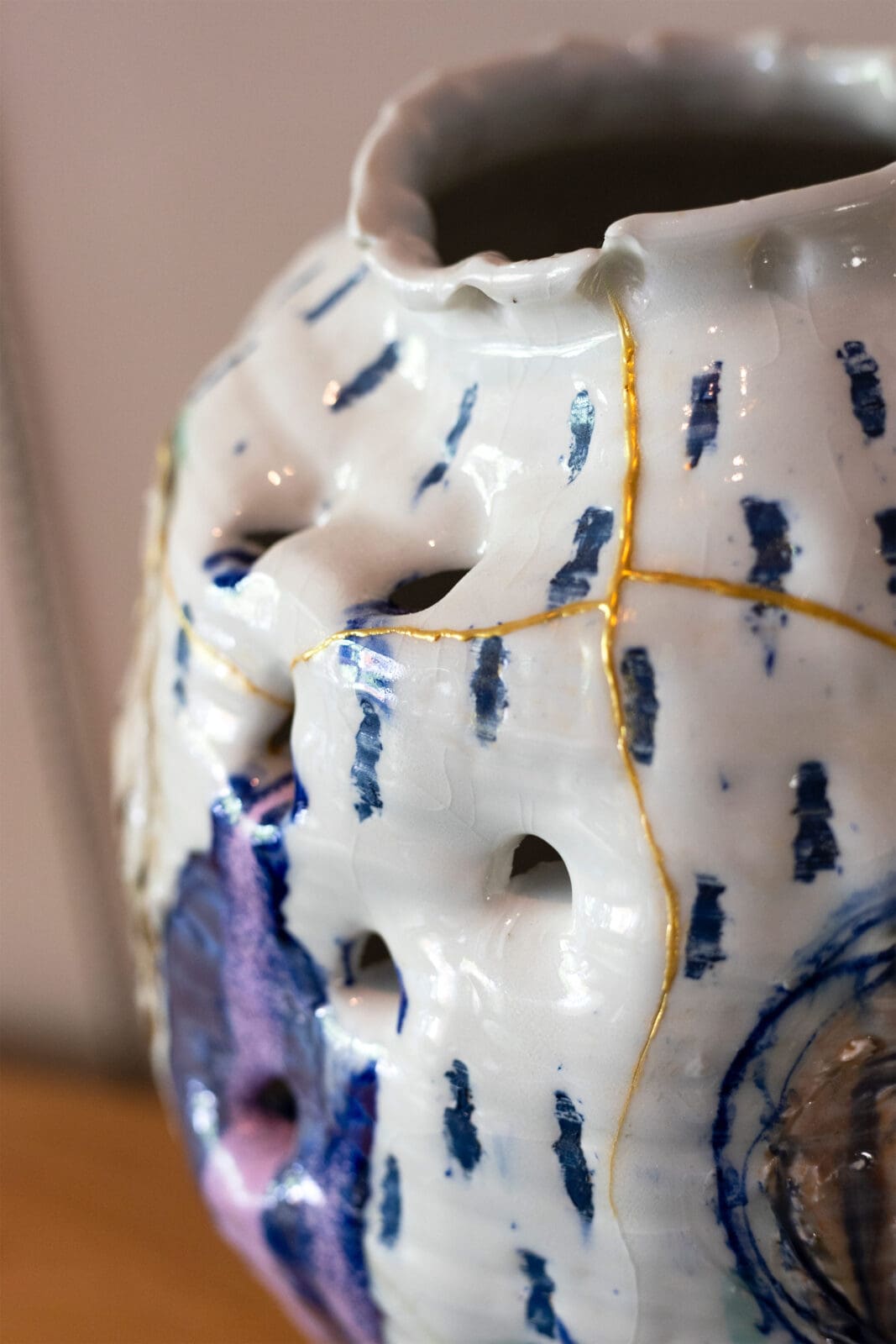
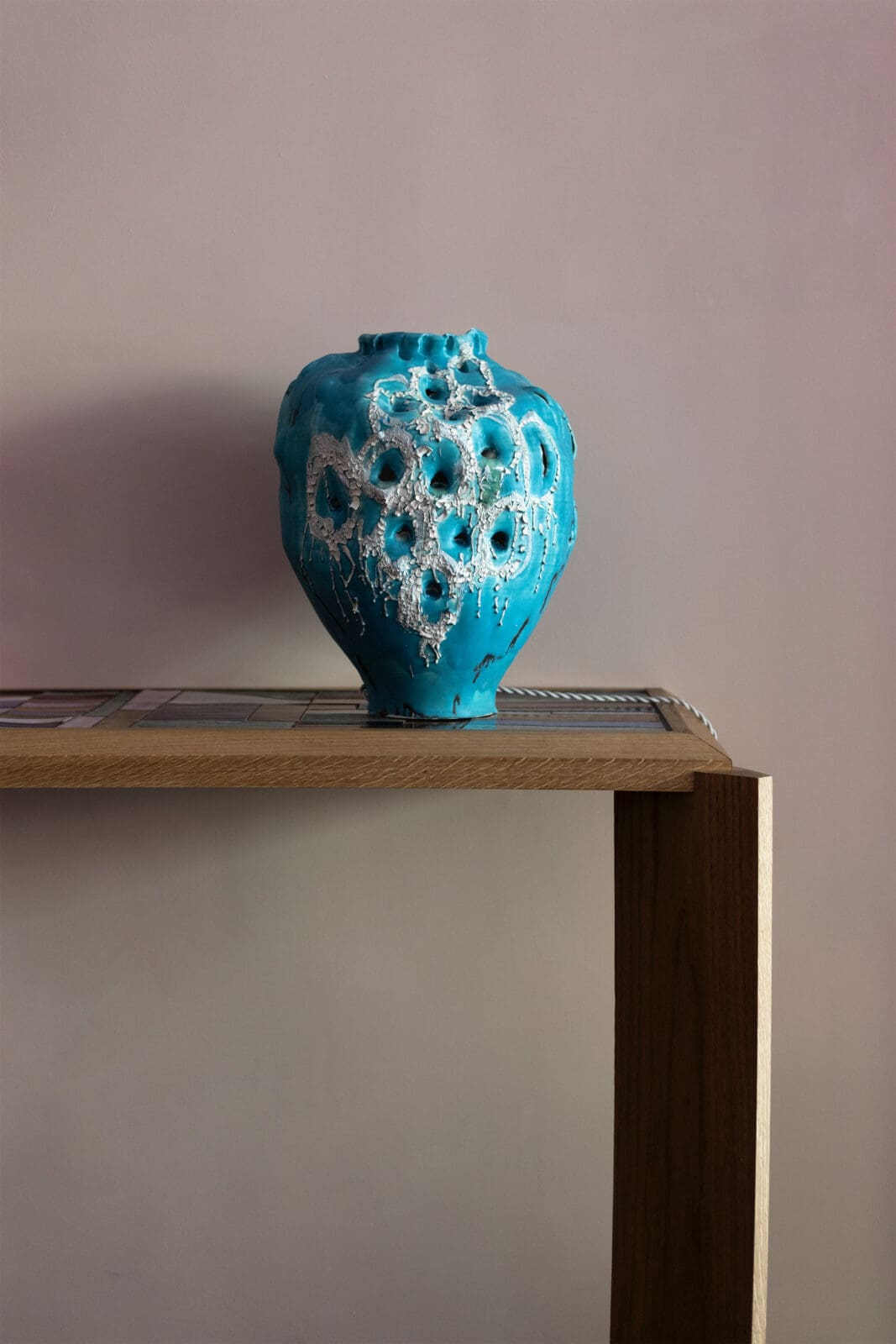
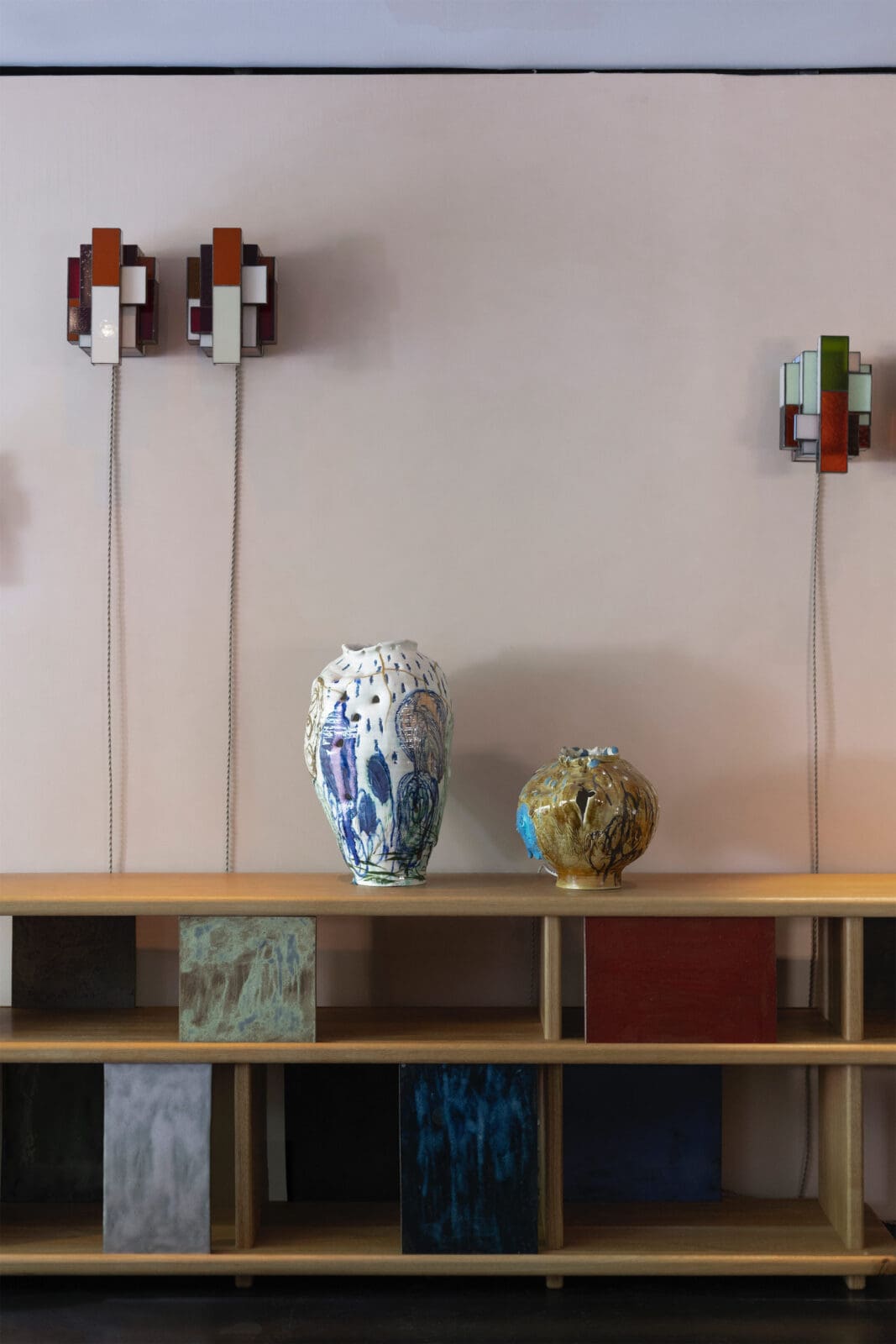
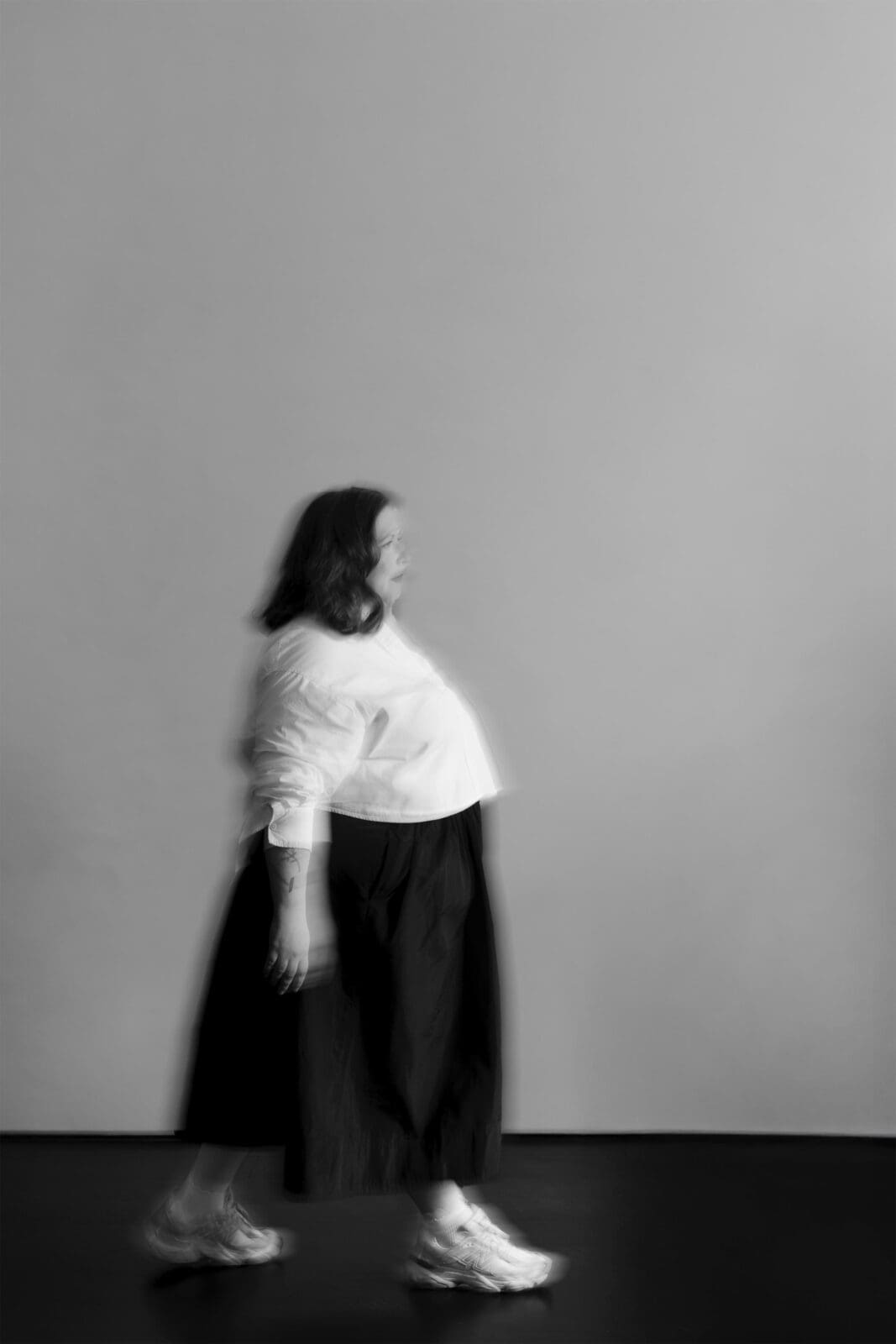
As told to Catherine D. Anspon. Art direction Michelle Aviña. Photography David Sierra. Hair Jenni Wimmerstedt. Makeup Moises Ramirez.
As The Future Perfect’s managing director, Laura Young oversees, in collaboration with a staff of 50, a phalanx of pedigreed properties made over into design galleries, spread across America — in San Francisco, New York City, Los Angeles, and, as of last December, in Miami, in the 1920s-era Villa Paula. We caught up with the director between Salone del Mobile Milano and New York design week, at TFP’s 1852-era West Village St. Luke’s Townhouse.
Young, who has been with TFP since 2014, tells us her secret weapon as an artist whisperer, three exhibitions that changed her life, why she once got kicked out of a museum.
Describe the essence of TFP.
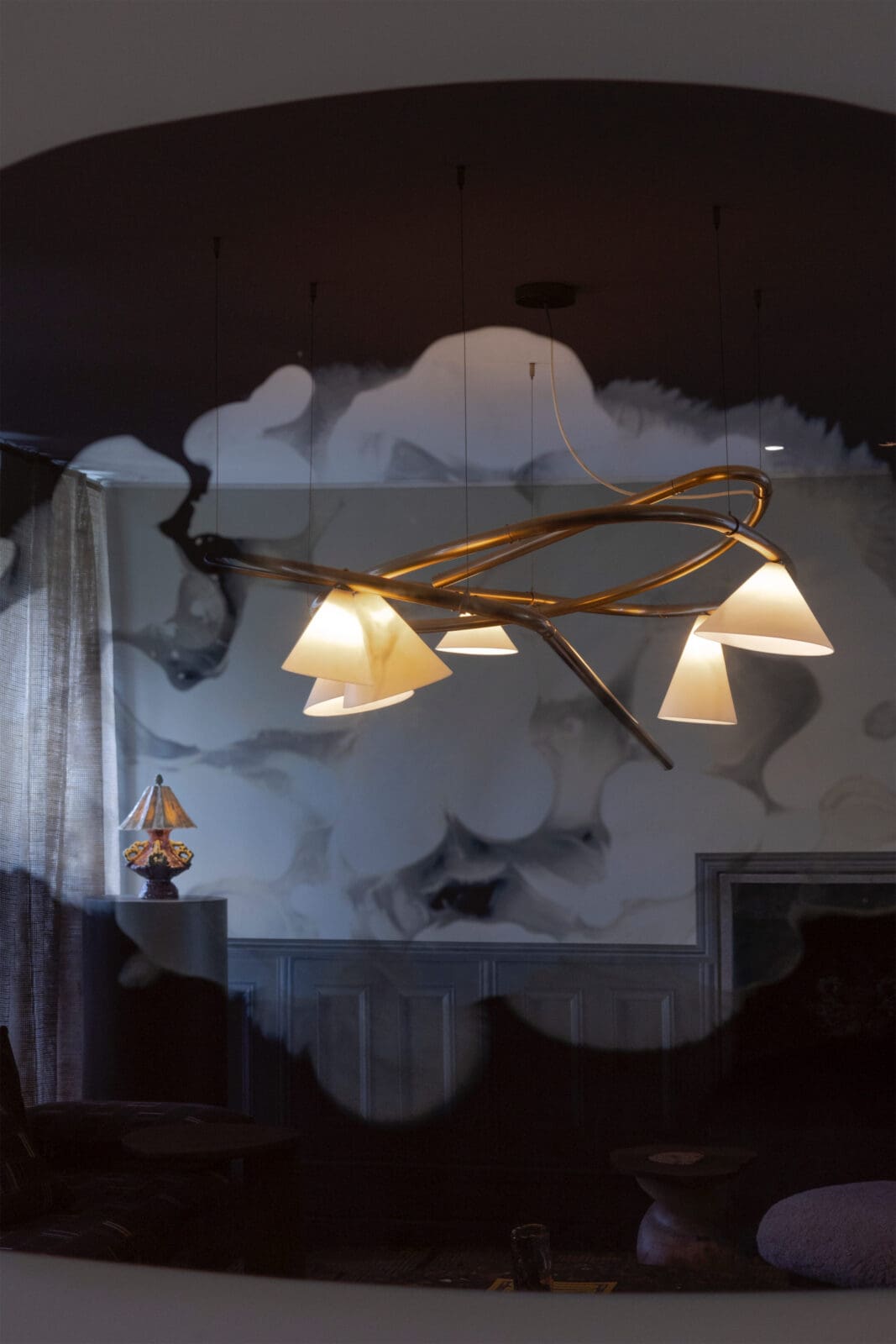
From the beginning, the gallery has presented design with the emotional and curatorial seriousness often reserved for art, while also allowing artists and designers the freedom to experiment outside traditional expectations. We have tried to create spaces where function and fantasy can coexist, and where handmade objects can carry both conceptual and emotional significance. Personally, I have never been particularly interested in rigid definitions. I am interested in whether something moves you, changes the atmosphere of a room, sparks curiosity, or creates connection. That emotional response matters more to me than what category the object is placed in.

On the podcast Design Discord, you divulged that your RISD thesis project featured over-the-top furniture paired with cosplay creations. Does your embrace of the wild, witty, and unexpected carry over to the TFP aesthetic?
OMG, I was thinking fairy tale, but hearing it described as cosplay honestly makes me feel like I have some kind of secret cool weapon hidden in my pocket. But, yes, absolutely, that sensibility carries into The Future Perfect. I am admittedly a little self-proclaimed unhinged, and I have always been deeply drawn to the weird, the unexpected, the emotionally charged, and the slightly uncomfortable. I think humor plays a huge role in that for me as well. It creates openness and allows me to connect and collaborate with artists on a more instinctual and human level.
What I think The Future Perfect does particularly well is take ideas that could feel wild, untamed, theatrical, or even absurd and place them into environments where people can emotionally connect with them and live alongside them. We often domesticate the strange, but at the root of it all, there is still a pure freak energy driving the work. I never want to lose that.

Exhibitions that rocked your life.
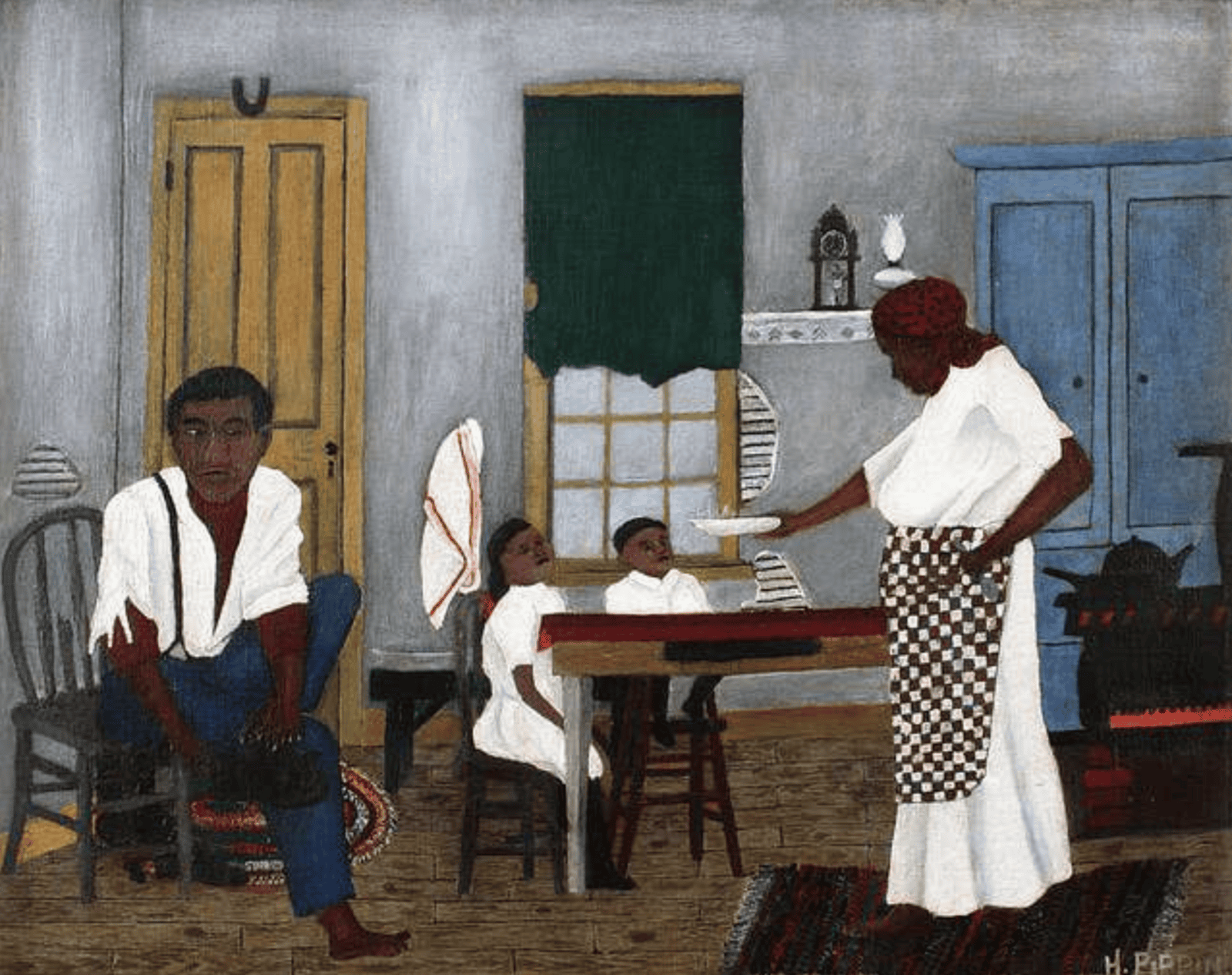
One of the very first I remember visiting was “I Tell My Heart: The Art of Horace Pippin” at the Pennsylvania Academy of the Fine Arts in 1994. Before we went, my mother explained to me that Pippin painted in oil and that oil paint “never really dries,” which completely fascinated me as a child who had never experienced oil as a medium firsthand. At one point, left alone for just a moment, I ran my hand across one of the paintings to see if it was true. We were immediately kicked out of the exhibition. My father later went back in and bought me a T-shirt from the show, which I still have to this day. And, honestly, every time I encounter a Pippin painting in a permanent collection, I think about how he and I came from the same place [West Chester, Pennsylvania], and how in my mind that painting somehow still has not dried.
More recently, the 2014-2015 “Henri Matisse: The Cut-Outs” exhibition at the Museum of Modern Art was unforgettable. During the final weekend, the museum stayed open for 48 straight hours, and I went at around 2:30 in the morning after a long night out. It was almost dreamlike. It felt less like visiting a museum and more like stepping into a shared cultural hallucination.
Lastly, my first experience encountering Dimorestudio during Salone in Milan in 2015 was truly transformative. Moving through the space, every one of my senses felt activated at once. The atmosphere, the scent, the sound, the lighting, the emotion of the objects themselves — it completely overwhelmed me, and I unexpectedly started to cry. It was a pivotal turning point in my life — the moment I understood that what I wanted to create was not simply exhibitions or interiors, but emotional experiences. It taught me the true meaning of immersion and made me want to give that feeling to my friends, clients, and community through the spaces and worlds we build at The Future Perfect.

On TFP’s obsession with historic properties.
I really have to tip my hat to David [Alhadeff, founder of The Future Perfect]. While I am deeply involved in the search for our future locations, he is the visionary behind our relationship to architecture and historic spaces. He has an incredible knowledge and instinct for environments, and I love learning from the way he sees the world. I may come in thinking about a carpet color, mirrored wall, or how an experience emotionally unfolds, but he creates the pedestal that I then get to build magic upon.
What has always made The Future Perfect so compelling to me is that our spaces already carry history, personality, and emotional texture before a single object is installed. Those environments create natural limitations, and strangely, limitations often allow the work itself to become more alive and powerful. A historic home or unconventional property asks the work to respond, adapt, and converse with its surroundings.
For me, the traditional white box can feel almost too limitless, which paradoxically becomes constraining in its own way. It can flatten emotion and remove context. I have always been more interested in spaces that feel lived in, cinematic, intimate, and slightly unpredictable. Those are the kinds of places where design stops feeling like product and starts feeling like life.

Top TFP shows for you.
One of the first exhibitions I truly took full creative reign over at The Future Perfect was “The Chair,” [NYC, 2019], a presentation of 50 chairs by 50 artists that serpentined through the gallery. That exhibition became a major turning point in my career and, in many ways, for the gallery itself. It birthed countless future collaborations, ideas, and exhibitions that still shape our program today.
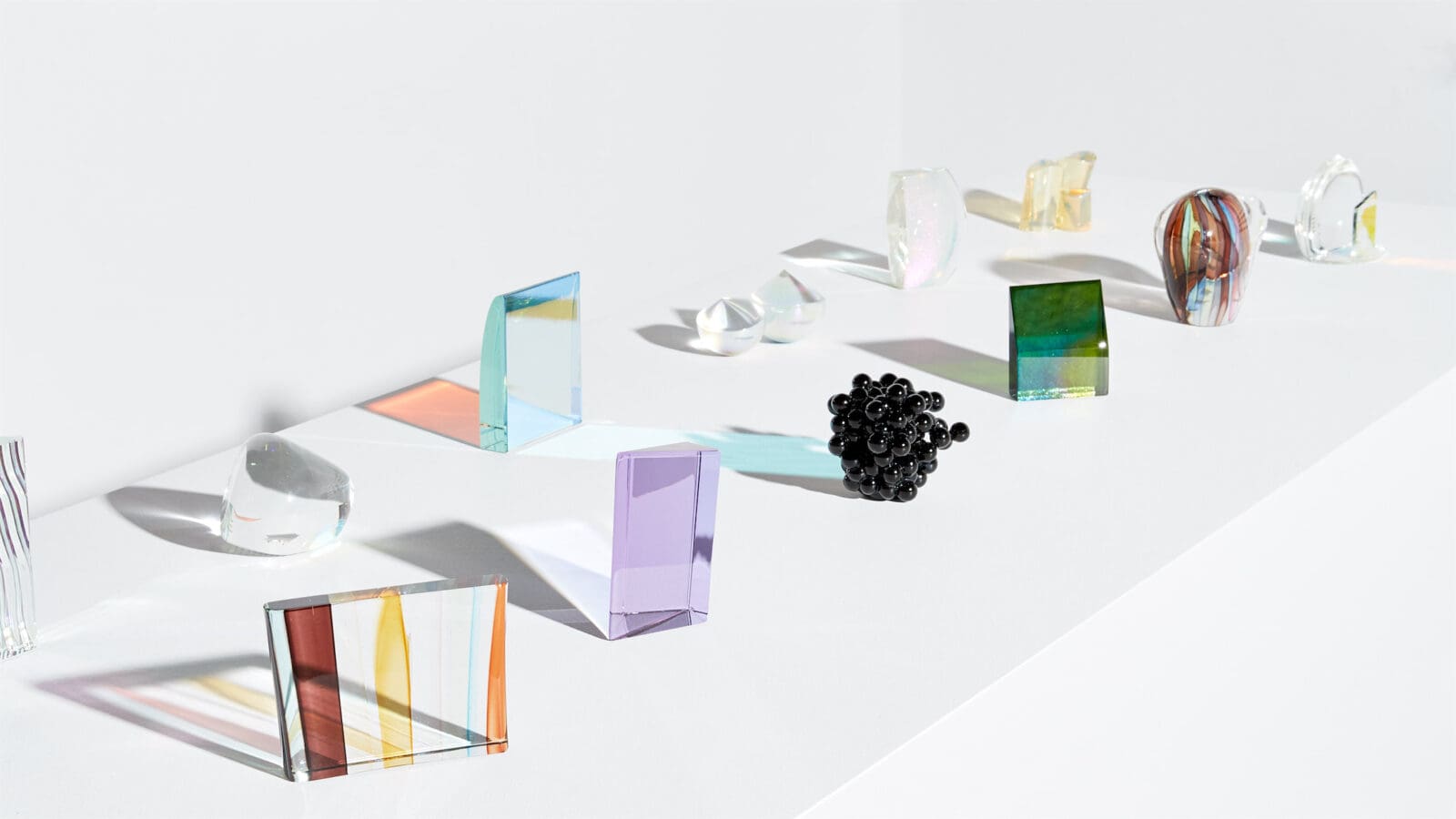
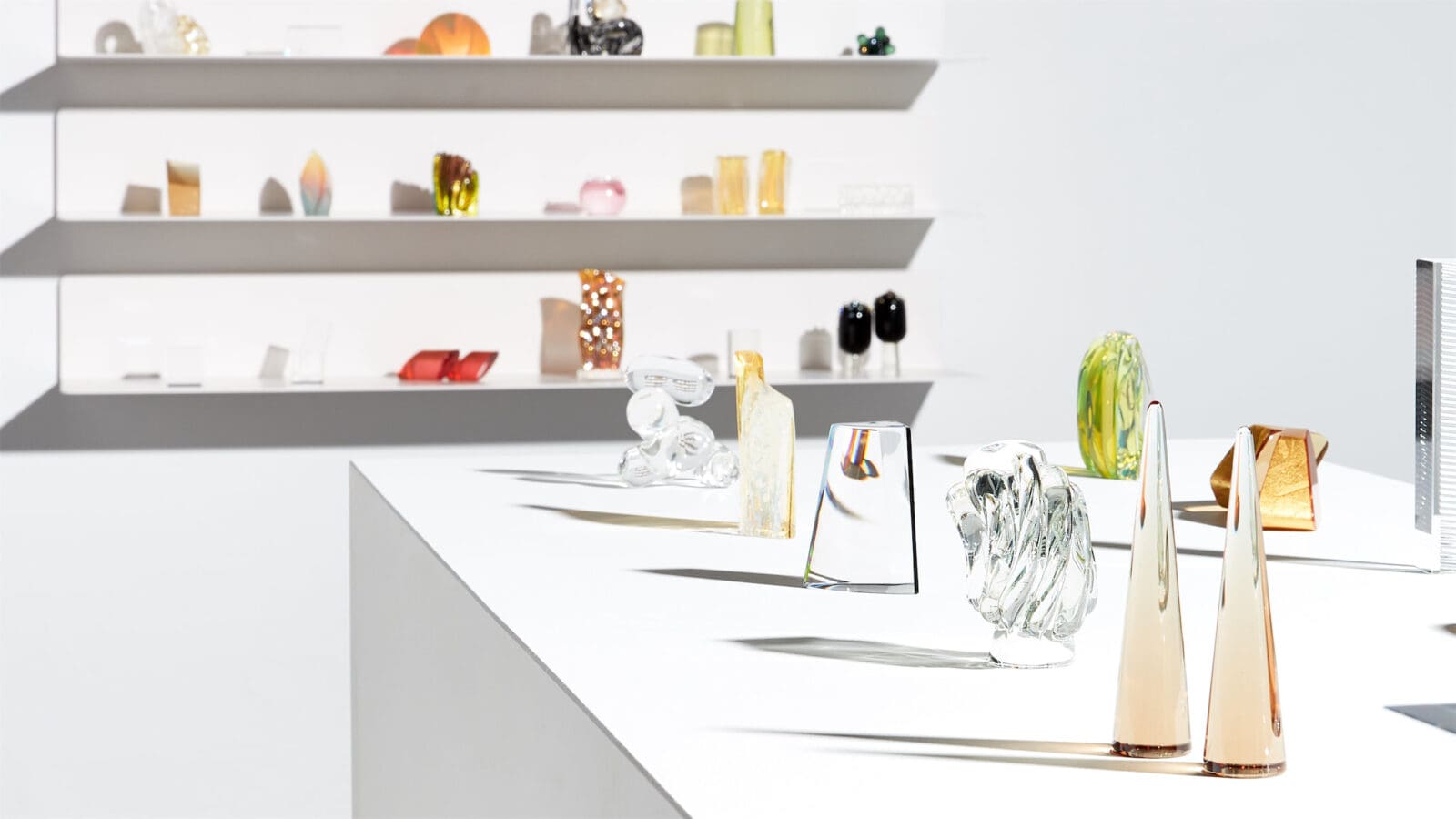
Another unforgettable exhibition was John Hogan’s “Menagerie” in our San Francisco gallery [in 2019]. John created what was essentially a collection of 100 glass maquettes or sketches, early gestures toward future sculptures and ideas. We intentionally priced the works almost like candy [from $500], making them accessible and irresistible, and the exhibition nearly sold out immediately. The energy in the room that night was electric. The excitement, passion, and joy surrounding the work created one of those rare moments that reminds you exactly why exhibitions matter. It is a feeling I will probably spend the rest of my life chasing.
Chris Wolston’s “Temperature’s Rising,” [L.A., 2021], which emerged in the wake of COVID, also feels deeply important to me. The exhibition carried this sense of rebirth and transformation, both personally and culturally. It felt like witnessing an artist fully step into his power and become a true master of material language. [Wolston’s first museum solo was organized by the Dallas Contemporary, November 7, 2025 – February 1, 2026.]
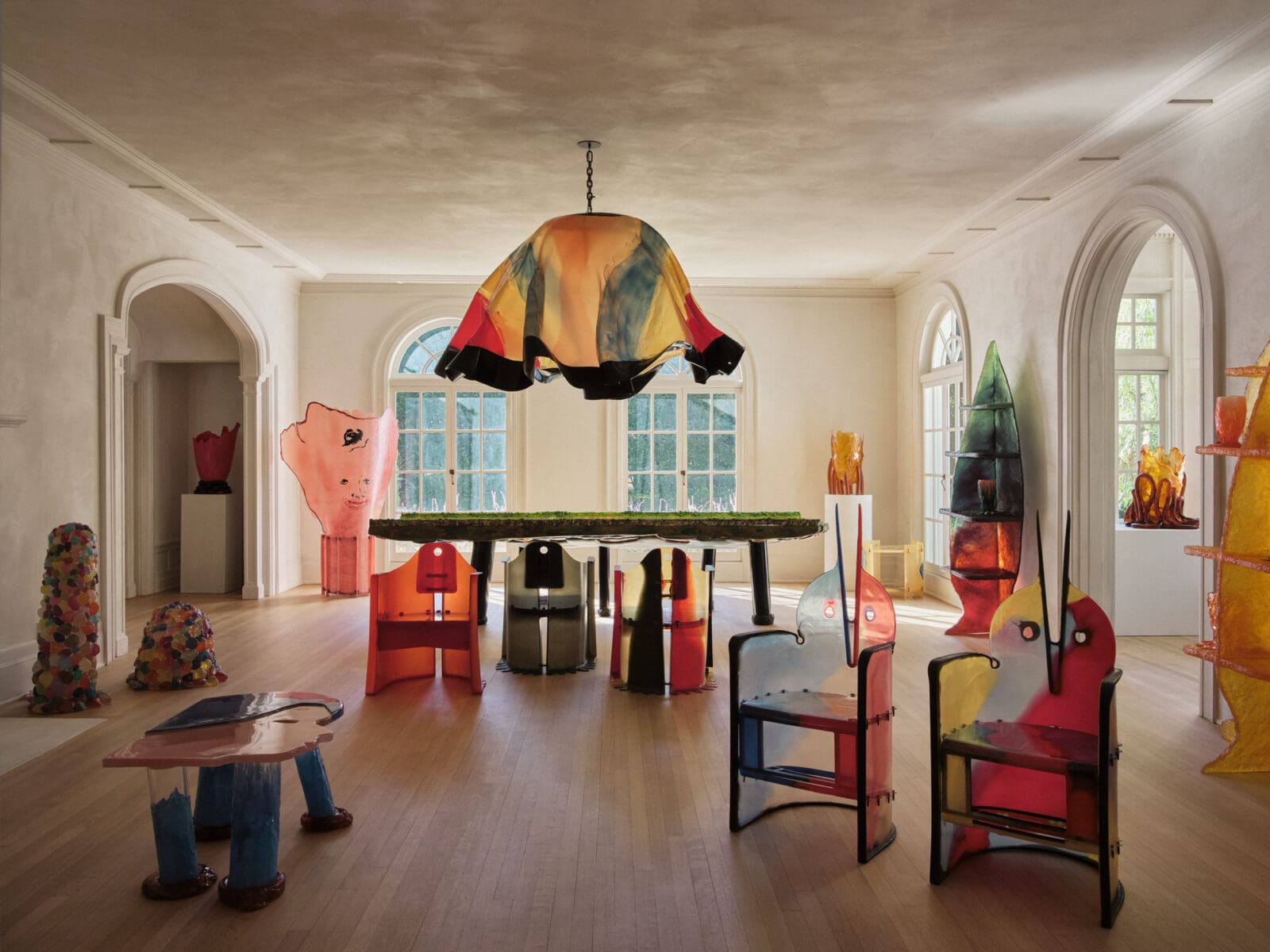
And, of course, I cannot talk about meaningful exhibitions at The Future Perfect without mentioning Gaetano Pesce’s exhibition in Los Angeles [2023]. Gaetano was one of the defining inspirations of my entire career and having the privilege not only to exhibit his work but to know him personally remains one of the great honors of my life. His sense of freedom, humanity, humor, and emotional expression through design profoundly shaped the way I think about objects and their role in our lives.
Is your own aesthetic mirrored by TFP?
I would definitely say yes. My personal aesthetic and The Future Perfect absolutely influence one another. The gallery reflects many of the things I am emotionally drawn to: materiality, warmth, eccentricity, storytelling, humor, sensuality, and spaces that feel deeply human rather than overly polished.
The Future Perfect is ultimately edited and refined so that it remains cohesive and digestible for a broader audience. My personal aesthetic, on the other hand, is far more chaotic and instinctual. It is layered, sentimental, obsessive, emotional, and probably a little overwhelming. I like to joke that The Future Perfect is the curated version of my brain, while my actual personal aesthetic is deliciously unedited.
More on The Future Perfect here.
Trending
- Storied River Oaks Boulevard Mansion That Used To Be the Party Palace Of An Italian Baron Hits the Market — $21.9 Million For a Historic Treasure With 007 Vibes
- Greg Katz To Debut Tex-Mex Spot on Katy Trail, Another Knife Steakhouse Closes, and More Dallas Restaurant News
- The Knox, Auberge Collection Hotel Opens Reservations in Dallas
- Dolly Parton Has Left Houston a Love Letter, and It Will Unfurl on a Special Symphony Weekend
- Houston’s Sleekest Cafe Can Be Found In the Stunning Ismaili Center — Diving Into Tapestry

_md.jpg)