
What the Garden Oaks Theater’s Final Extension From the Wrecking Ball Really Means — Inside the Fight to Save an Iconic Piece of Houston’s Movie History
Phoebe and Bobby Tudor's Landmark $500,000 Gift Keeps the Momentum of an Improbable Rally Going
By Alison Medley //
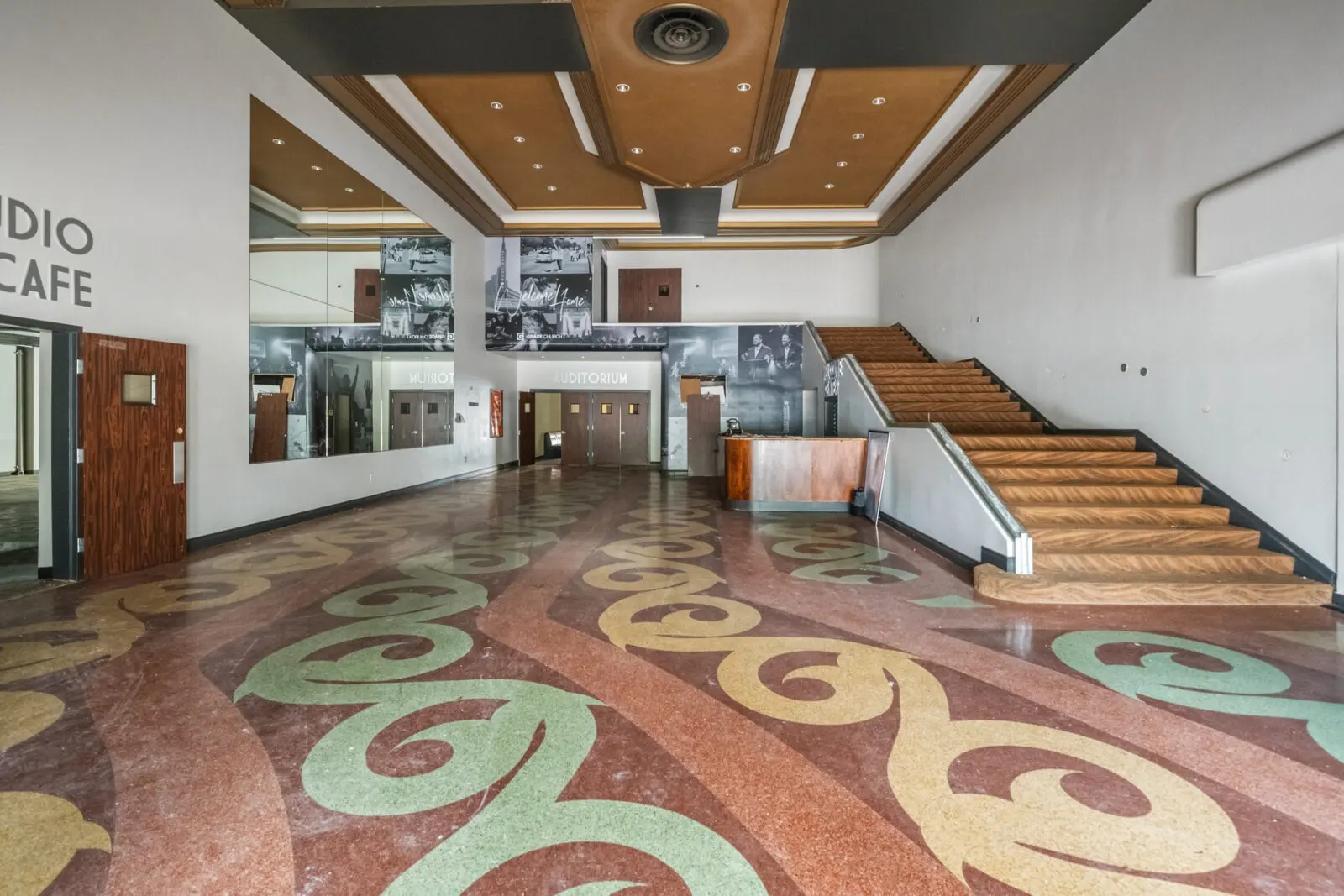

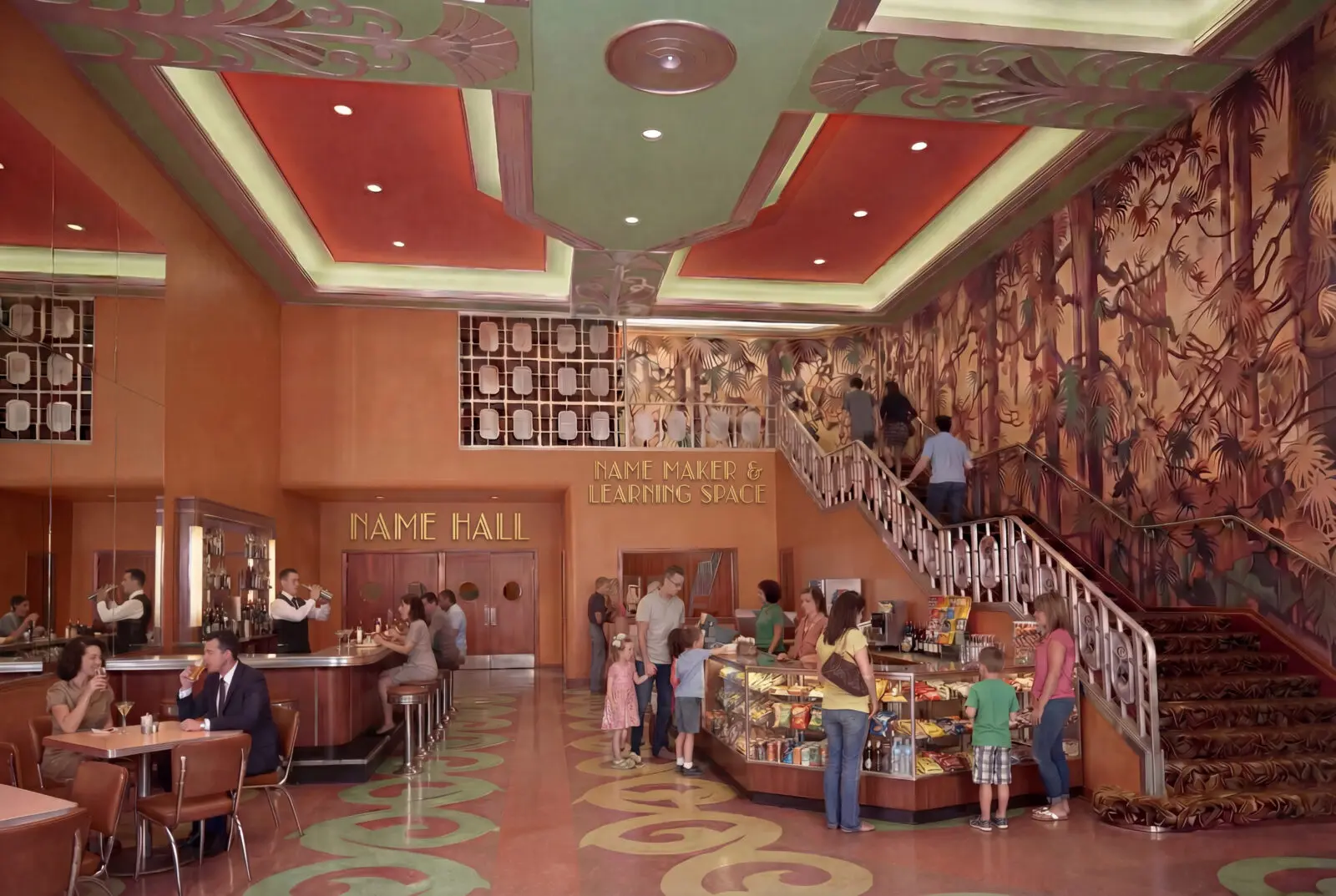







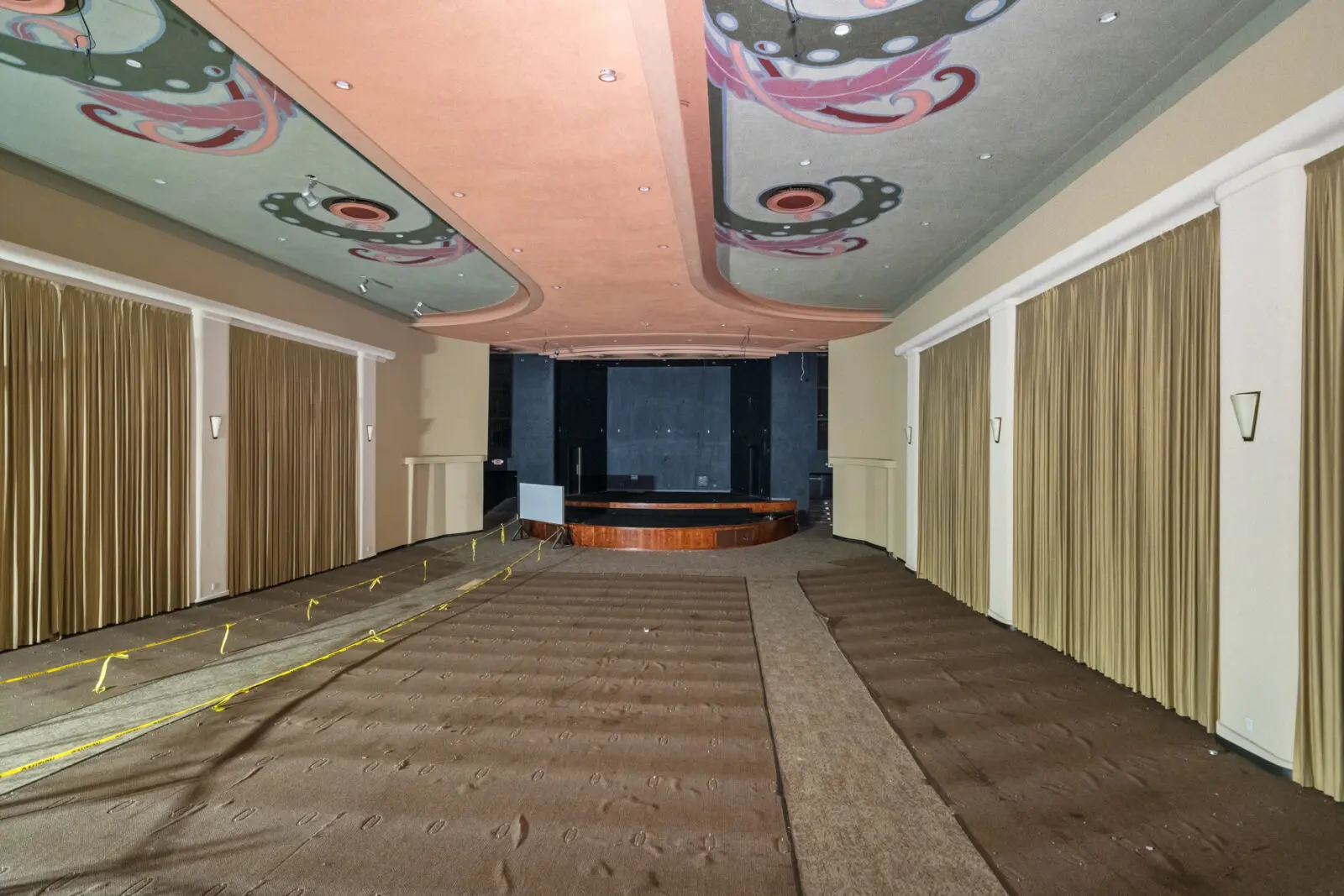
The fight to save Houston’s historic Garden Oaks Theater lives on. Arthouse Houston secured a final extension, granting the group that saved the River Oaks Theatre more time to come up with $1.6 million more needed to complete the down payment, closing costs and carrying expenses required to acquire the property.
The extension, secured through an additional $25,000 payment, moves the final deadline to the end of August and gives preservation advocates one final opportunity to complete the acquisition before the property reverts to a real estate development firm Heights Equity Trust and Sage Equity Partners, which has planned to demolish the historic building and make other use of the space at 3732 North Shepherd. This uphill preservation effort has steadily evolved into a movement, that’s brought together filmmakers (including famed Houston-raised directors Wes Anderson and Richard Linklater), preservationists, philanthropists, architects and artists around a shared conviction that some places are simply too important to lose.
“This final extension gives us one last opportunity to secure the commitments needed to save the Garden Oaks Theater,” Arthouse Houston co-founder and director Maureen McNamara says. “Houston has already demonstrated incredible support for this project. Now we’re asking our community of major donors and preservation advocates to help close the gap so we can purchase the property, begin restoration planning and ensure this historic landmark has a future as a vibrant Arts & Film Center.”
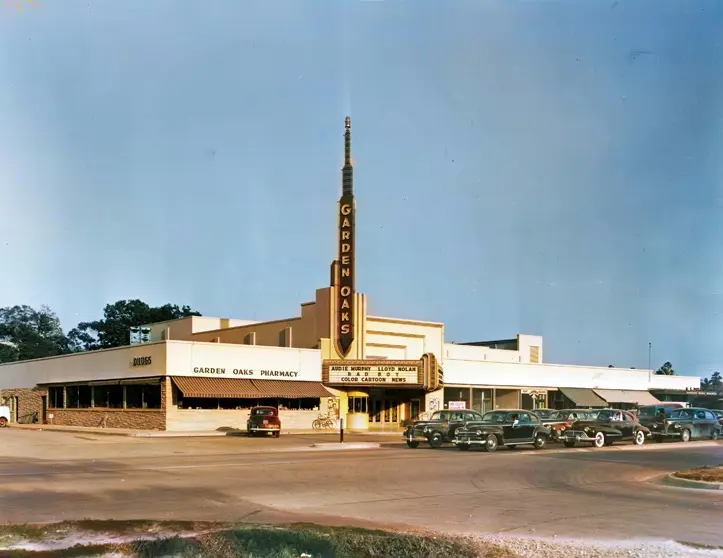
Few buildings possess the quiet beauty to make strangers fall in love during an ordinary Saturday afternoon matinee. For nearly eight decades, Houston’s Garden Oaks Theater held that captivating power, as it welcomed generations beneath its graceful Art Deco marquee. Now the shadow of a wrecking ball looms over this once cherished Houston landmark that started its life as a movie theater and later became a church.
“As cities grow, we have to keep asking ourselves what makes them worth loving.” McNamara tells PaperCity. “Seeing hundreds of people come together became a very physical demonstration of possibility.”
When McNamara reflects on the months-long campaign to save the historic Garden Oaks Theater, she is not simply talking about a historic movie theater. She is describing the deeper question now facing Houston itself.
What is worth saving?

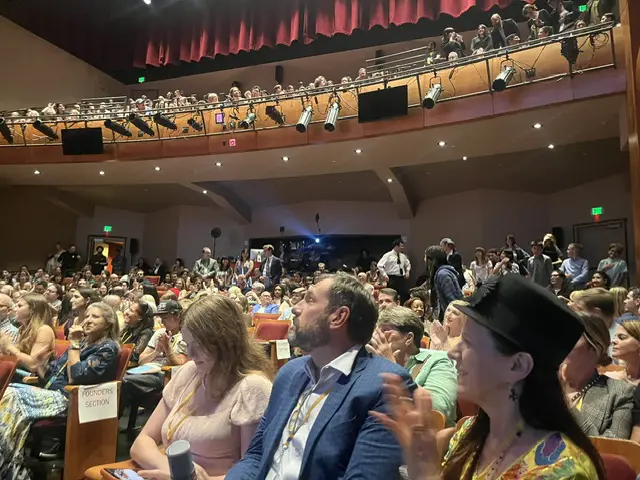
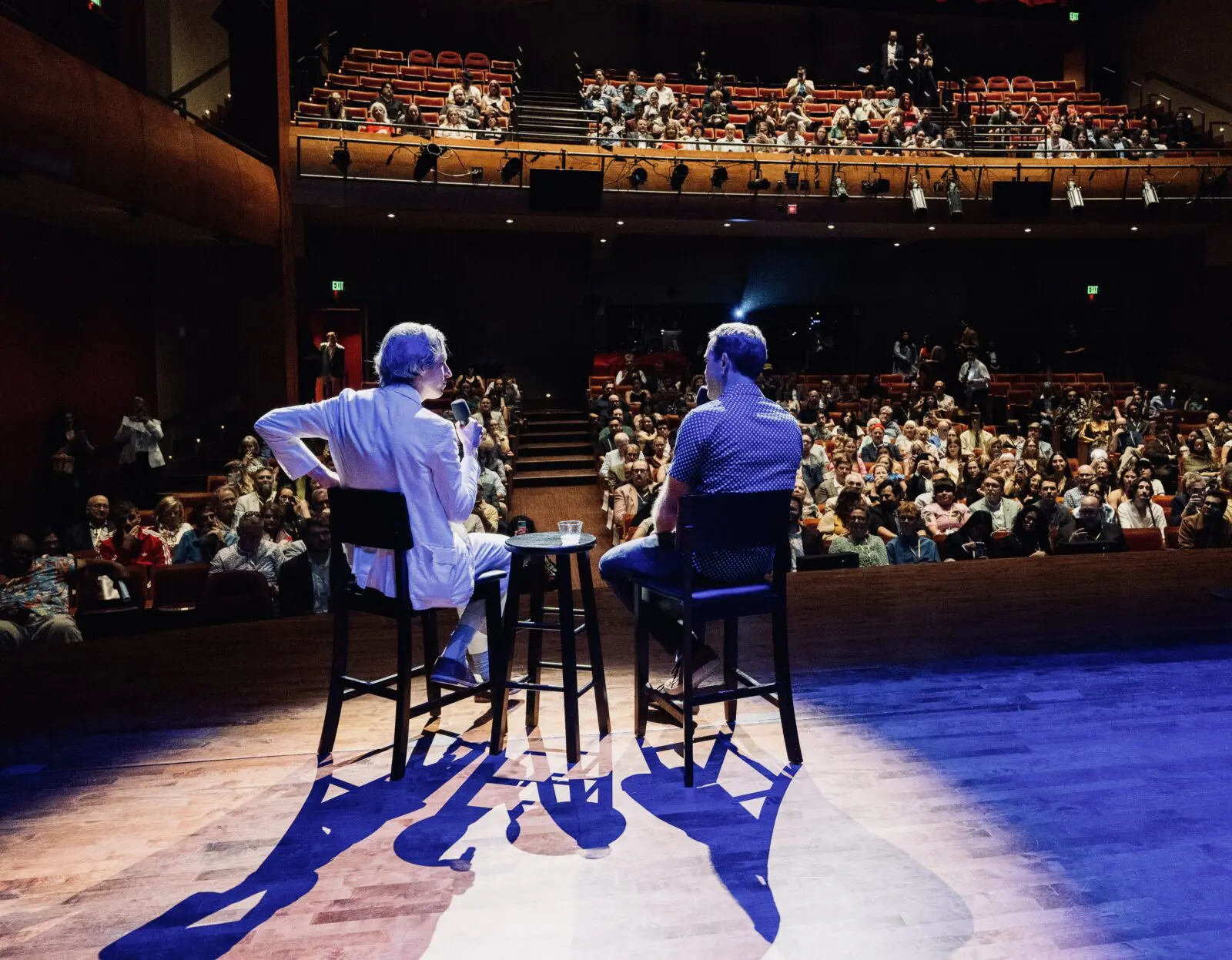
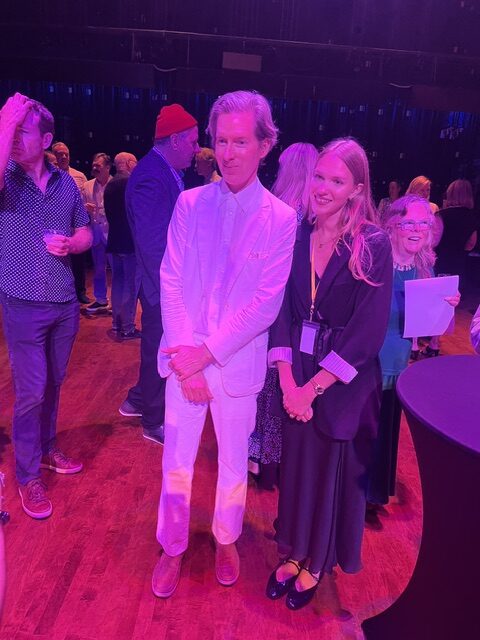
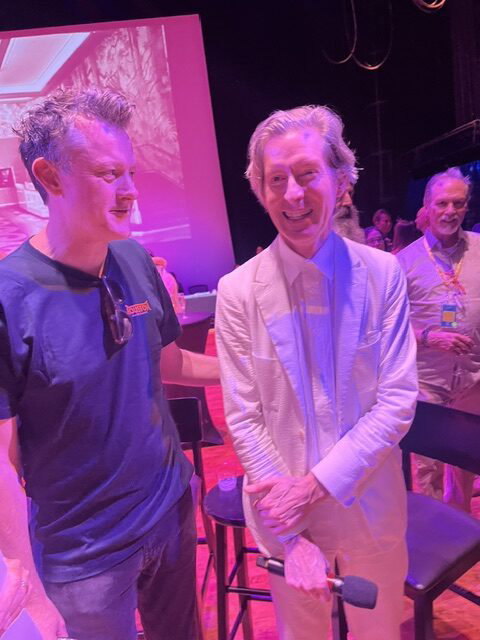
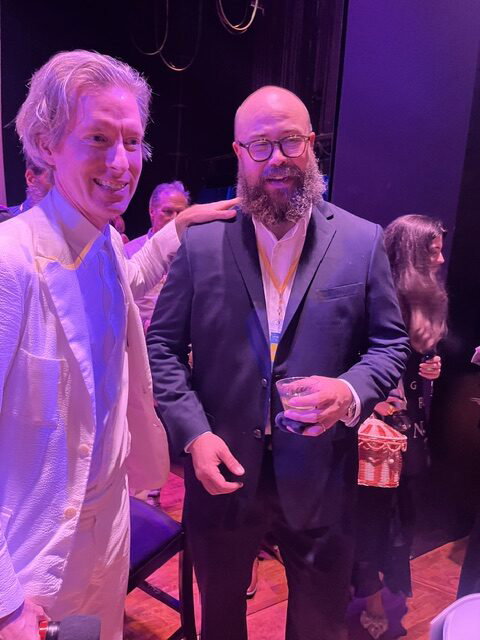
The push to save Garden Oaks has accelerated with remarkable speed. In approximately four months, the campaign has raised $1.8 million, including roughly $1.5 million currently available toward the purchase. The Wes Anderson Homecoming Soirée, which drew nearly 500 supporters, generated approximately $300,000. Houston philanthropists Phoebe and Bobby Tudor committed a transformational $500,000 leadership gift to name the theater’s Grand Lobby in honor of Wes Anderson — an act of generosity intended to inspire additional Founding Donors and demonstrate confidence in the theater’s future.
Yet the campaign has become about far more than fundraising. It has become a reminder that cities are defined not only by the buildings they construct, but by the landmarks they choose to preserve.
McNamara believes the campaign reached a turning point when Houstonians began to realize that saving Garden Oaks Theater was no longer an impossible aspiration, but an achievable civic undertaking.
“At first, there was this feeling of, ‘Here goes another one,’ ” McNamara says. “But then the momentum built, the excitement built, and people began to see that this could actually be real.”
A Wes Anderson Breakthrough
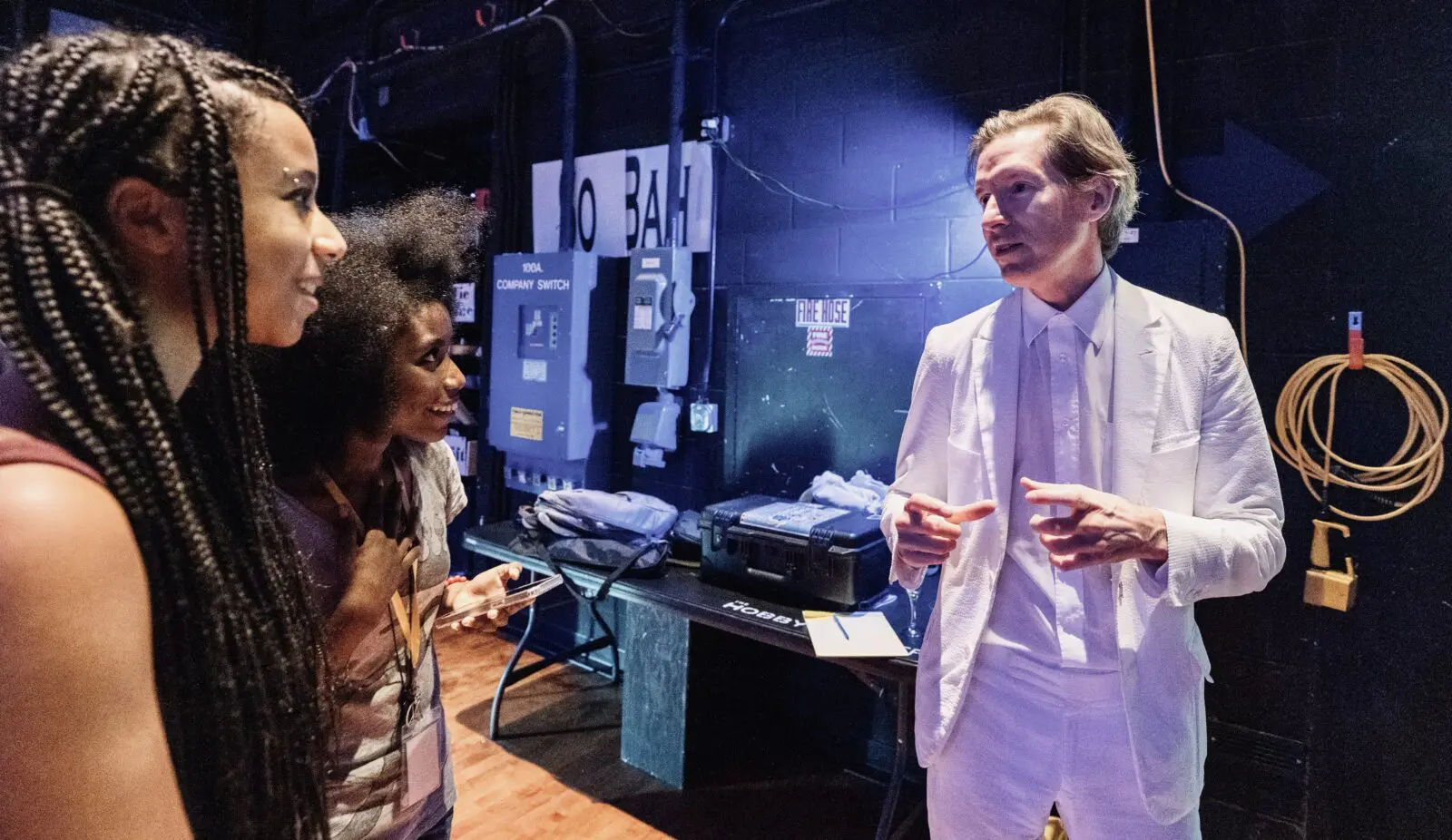
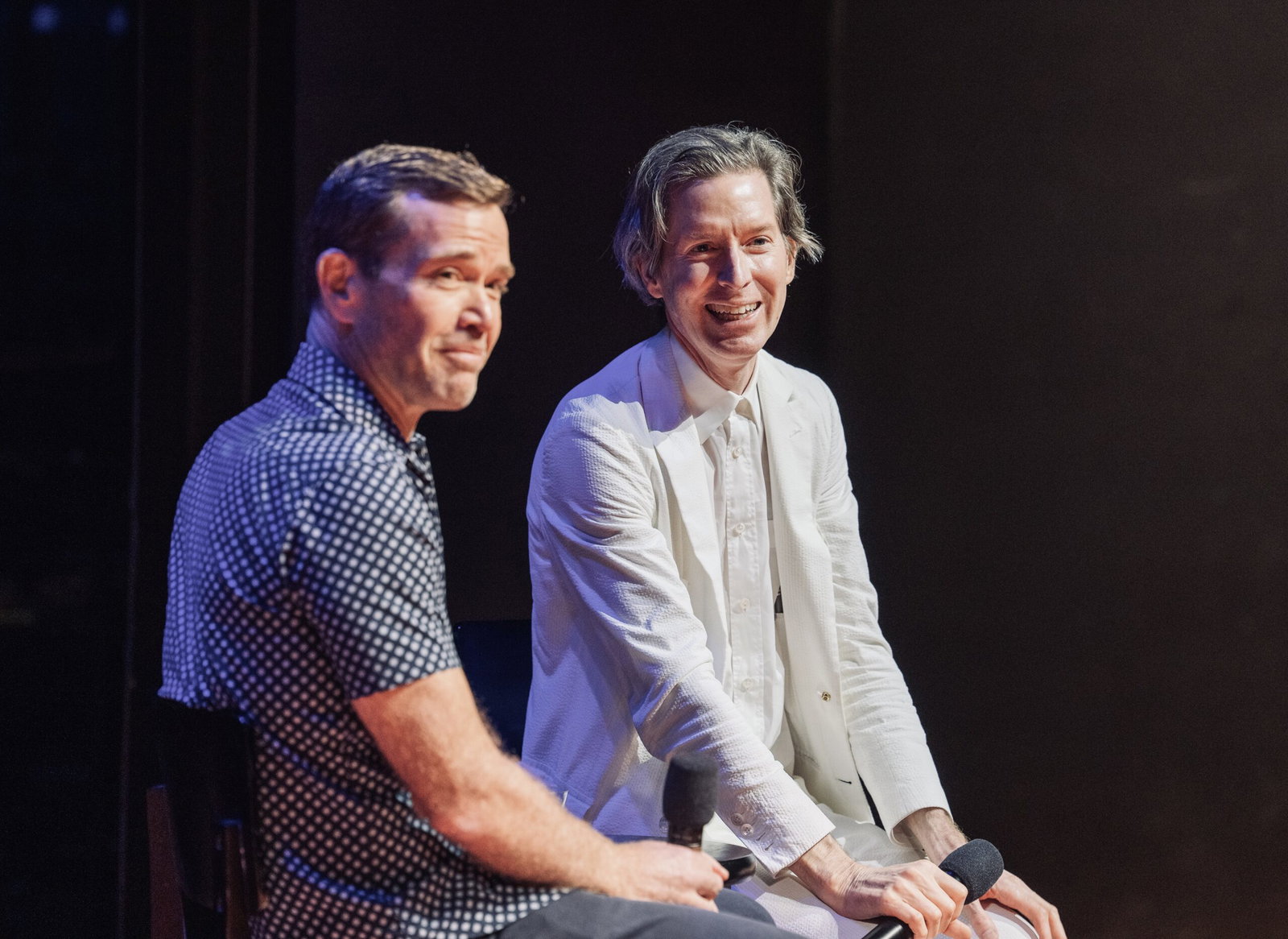
For McNamara, that momentum reached its crescendo during Wes Anderson Homecoming, where hundreds of Houstonians gathered to show “people what this community is capable of.” The evening, McNamara believes, demonstrated to foundations, philanthropists and the broader community that “together we are capable of making profoundly wonderful things happen for our city.
“Moments like Wes Anderson Homecoming energize foundations, philanthropists, businesses and community leaders. They help people imagine themselves becoming part of something bigger than themselves.”
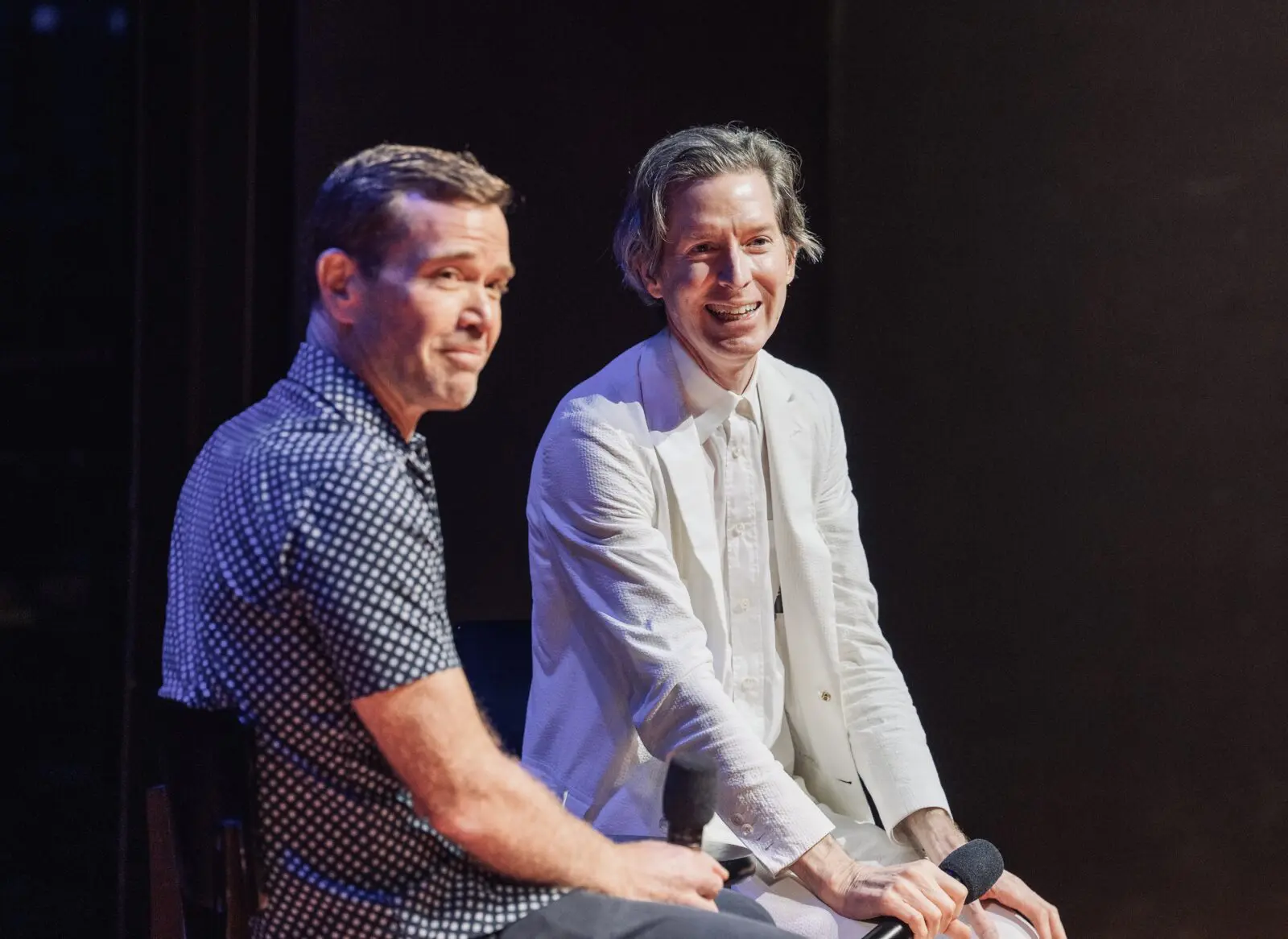
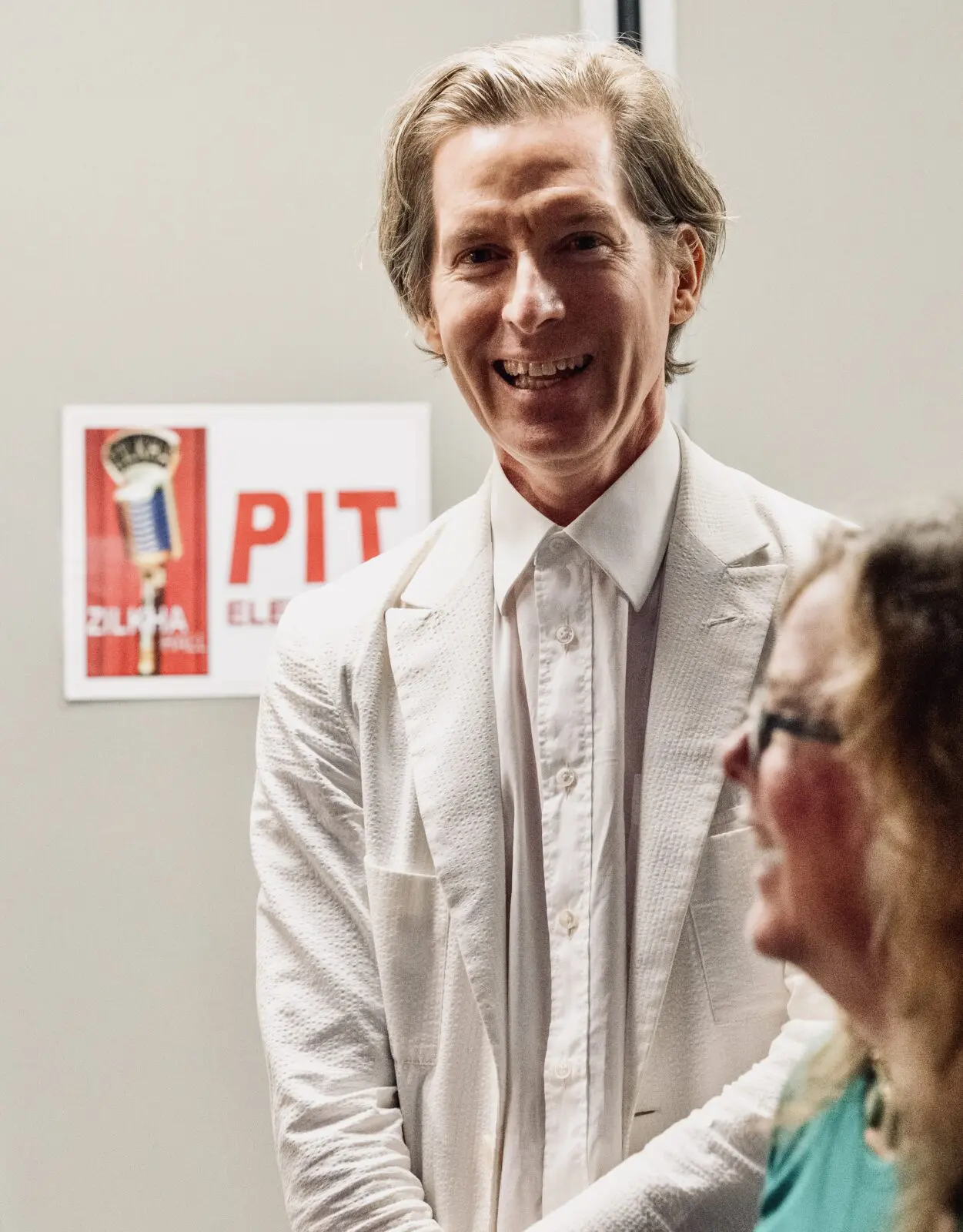
During the Homecoming soirée, Houston’s own Academy Award winner director Wes Anderson distilled the preservation movement into a single unforgettable message to the audience.
“You can’t build an old building first of all,” Anderson noted. “A beautiful, old place that has history and people’s experiences tied into it, and it has stories involved in it. Old cinemas are endangered all over the world. It’s not just an architectural thing, It’s not even a community thing.
“It’s a sort of delivery system that is something deeply important to our country. We have one of the greatest movie traditions anywhere. And it’s a huge accomplishment.”
Academy Award-winning director and fellow Houston native Richard Linklater offered an equally enduring reminder of the community’s role in shaping its future.
“You learn that when the community speaks up, it matters,” Linklater told PaperCity. “This almost 80-year-old theater had a long life. And it has a future if we allow it to have one.”
Houston philanthropist Phoebe Tudor, whose family made the campaign’s transformational $500,000 leadership gift, believes the movement has resonated because it offers something increasingly rare.
“People are looking for inspiring, hopeful projects to support,” Tudor says. “Garden Oaks Theater brings together art, film, education and community gathering spaces. It’s the kind of project that allows people to feel connected to something meaningful.”
Throughout the campaign, Tudor often returned to anthropologist Margaret Mead’s timeless observation: “Never doubt that a small group of thoughtful, committed citizens can change the world. Indeed, it’s the only thing that ever has.” Those words have become a quiet refrain for a movement that has united Houstonians.
“I really like grassroots, scrappy projects that show a community’s genuine interest,” Tudor tells PaperCity. “I admire people who work incredibly hard to make things happen. And Arthouse Houston is working so hard to make this happen. We wanted to show our belief in this project and what it could really mean for Houston.
“We hoped stepping forward in a leadership way would inspire others to become involved.”
Tudor argues that the Garden Oaks movement has resonated because it offers something increasingly rare.
“We can do this,” she says. “I encourage everyone to jump on the Garden Oaks bandwagon and let’s get this thing completed. Houston is an incredible arts city. We want to continue being a leader in the arts, and projects like this help make that possible.”

The Hopeful Garden Oaks Future
Should the acquisition be completed by the end of August, plans call for the Garden Oaks Theater to be transformed into a permanent Arts & Film Center. Plans call for the restoration of the theater’s historic architectural character while introducing classrooms, production studios, screening venues, educational programs and gathering spaces designed to serve generations of filmmakers, students and audiences.
During restoration, Arthouse Houston also hopes to activate the property through interim programming — including drive-in movie nights — allowing the theater to continue fulfilling its original purpose: bringing people together through the shared experience of movies.
For McNamara, the vision extends well beyond restoring a historic movie theater.
“This stopped being simply about preserving a building,” she says. “It became about creating a permanent home for independent film, education and the arts.”
The financial challenge remains significant. Arthouse Houston estimates approximately $5.6 million is still needed to purchase the $7.1 million property outright and launch the restoration campaign. If bridge financing becomes necessary, the organization must secure at least $1.6 million more to complete the down payment, closing costs and carrying expenses required to acquire the property before the deadline.
“We never expected the Wes Anderson Homecoming event to close the financial gap,” McNamara says. “We hoped it would unlock something much larger.”
Like Houston’s successful effort to preserve the River Oaks Theatre, the Garden Oaks campaign has grown into something larger than the rescue of a single building. It has become a conversation about the kind of city Houston hopes to become.
Communities are more than collections of streets and buildings. They are the places where a city’s shared spirit finds its home.
“The places we choose to preserve are part of what nourishes the human spirit,” McNamara says. “What are the places that enrich our lives? What are the places that give a city its character?”
A city’s future is shaped not only by what it builds next, but by what it chooses to carry forward. The story of Garden Oaks Theater is still being written. This extension will keep the fight alive a little longer, and maybe open the door a little wider.
For more information on ArtHouse Houston’s campaign to save the Garden Oaks Theater, go here.
Trending
- Whistler, the Top Mountain Resort in North America, Shines Even Brighter in Summer
- 10 Best Pizza Spots in Fort Worth — A Chicago Tavern-Style Newcomer, Downtown Italian Restaurants, and Other Top Destinations
- Woodlands Area Chef Takes On Bobby Flay In Iron Chef — Thomas Bille, a Trusty Knife and a Kitchen Dream
- Fast Cars, High Fashion and Philanthropy Make This Second Time Houston Best Dressed Honoree’s Heart Zoom — Getting To Know Ann Ayre
- 4 Best New TV Shows to Stream Right Now — The Five-Star Weekend and More Must-Watch Female-Led Series













_md.jpg)





_md.jpg)










_md.jpg)





_md.jpg)