
Taylor Sheridan’s How to Not Die in Prison Is an Entertaining and Unfiltered Portrayal of Life Behind Bars
Our Review of the Filmmaker’s Debut Book Ahead of Its June Release
By Edward Brown //
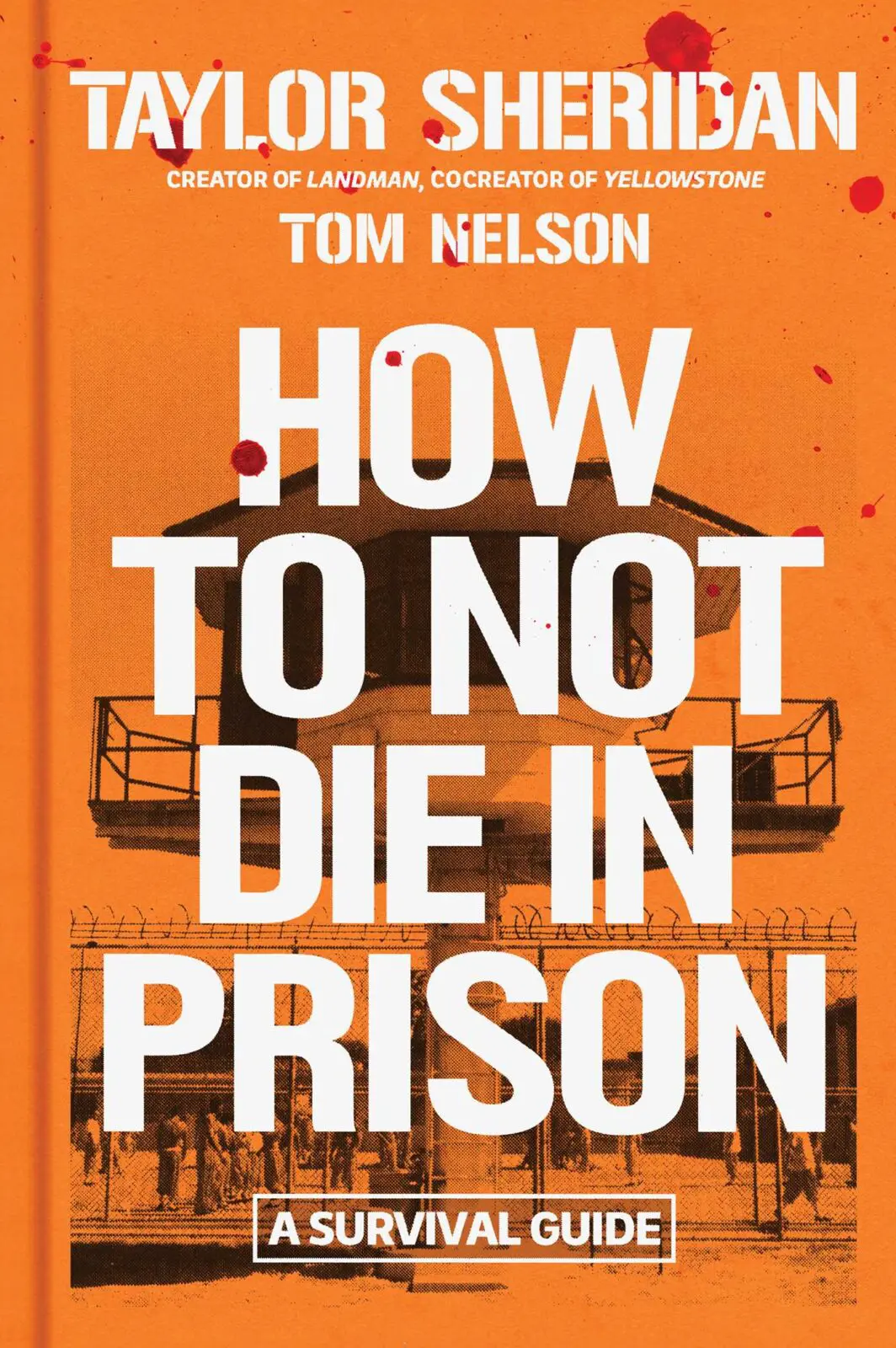


Harsh and unforgiving environments are a common theme in Taylor Sheridan’s cinematic creations, so it seems fitting that the Fort Worth filmmaker enlisted a former felon to help write his forthcoming book, How to Not Die in Prison, which will be released June 23 by Simon & Schuster. The project stems from a genuine friendship Sheridan developed with former inmate Tom Nelson.
The famed director, actor, and producer recalls his early years playing guest roles on shows like CSI: NY and Walker, Texas Ranger, when he lacked the clout to get into private clubs and the money for much of a social life. Instead, Sheridan spent much of his free time at a local gym in Los Angeles. That’s where he met Nelson.
By 2020, a more established Sheridan checked in on his old friend, whose business had been devastated by the pandemic. The filmmaker purchased much of Nelson’s gym equipment and brought it to the set of Yellowstone for the cast and crew to use. Nelson had also written a screenplay about his life, and his writing impressed Sheridan enough that the director suggested the two collaborate on a sort of guide for surviving prison.
That unlikely collaboration ultimately became How to Not Die in Prison, a darkly comedic survival guide shaped by Nelson’s firsthand experiences and Sheridan’s penchant for exploring harsh, complicated worlds.

A How-To Guide For Surviving in Prison
“The Official Tom Nelson Rap Sheet” opens with a brief introduction by Sheridan and a lengthy description by Nelson of his past run-ins with the law, which started at age 13. After being detained for truancy, the arresting officer had him wait in the evidence room, where Nelson promptly availed himself of drugs being stored as evidence. He later sold the controlled substances inside the facility.
In the years that followed, he accumulated a lengthy rap sheet, starting with vehicular theft before moving on to assault, drug possession, armed robbery, and drug possession with intent to sell. That last one led to a nearly seven-year sentence — a stint that finally led him to abandon his life of crime.
The main portion of the book opens with a vivid description of life in the county jail, where convicted prisoners spend the first part of their sentence before being transferred to prison. Here, inmates have no right to privacy, free speech, or even due process if they are accused of an offense while incarcerated. Seven habits of successful prisoners, Nelson writes, include never snitching, paying attention, developing a routine, keeping to yourself, standing up for yourself when needed, and avoiding weapons (which can result in additional charges).
Some of Nelson’s more colorful insights include a guide for assembling a makeshift tattoo gun using a small motor, a pen shaft, paperclips, a needle, and rubber bands. Jailhouse hooch, he writes, can be made by combining fruit, sugar, and water. Then add a “starter” containing yeast, such as old bread or raisins. The final chapter covers the harsh realities of returning to life outside of prison, where old habits can lead to reincarceration. Recent parolees, he writes, are at a higher risk of overdose and suicide than the general population.
A Sobering Look at America’s Carceral System
Both Sheridan and Nelson bring a conversational and colorful writing style to what could otherwise have been an overly clinical or grim examination of prison life. Few would be surprised that life in prison can be terrifying, but the exploration of the subcultures, lingo, and survival skills provides entertainment that lightens the tone of the book.
Although the book in no way glamorizes prison life, it does humanize the plight of those behind bars. Suicides account for five to eight percent of prison deaths, while county jails see that figure jump as high as 35 percent. With state spending on inmates ranging from $21,771 to $284,976 per prisoner, conditions inside correctional facilities vary dramatically from state to state.
While Nelson’s voice drives most of the book, Sheridan’s influence is evident in the chapter structure, colorful asides, and illustrations that keep the pacing sharp. Many inmates never make it out of prison, and many others who do are rearrested shortly after release.
In the end, Nelson writes, staying free comes down to how badly you want to stay out of prison.
Trending
- The Best Private Social Clubs in Dallas
- L’AGENCE and FAO Schwarz’s “The Jewel Box” Open at NorthPark Center
- Fort Worth’s 7 Best Omakases — Chef-Driven Dining Experiences Delivering Unforgettable Sushi
- Million Dollar-Plus Night Kicks Off The Woodlands Social Season With a Bang — YES to Youth Lets Kids Shine Bright
- Montrose’s Secret Art Retreat Unveils a Culture Club That Pushes the Envelope — Basket Books Rewards Close Looking

_md.jpg)