

Arlington’s New National Medal of Honor Museum Honors More Than 3,500 Service Members Who Went Above and Beyond the Call of Duty
Immersive Theaters, Interactive Projections, and Amazing Artifacts Make This a Must-Visit Museum in North Texas
BY Edward Brown //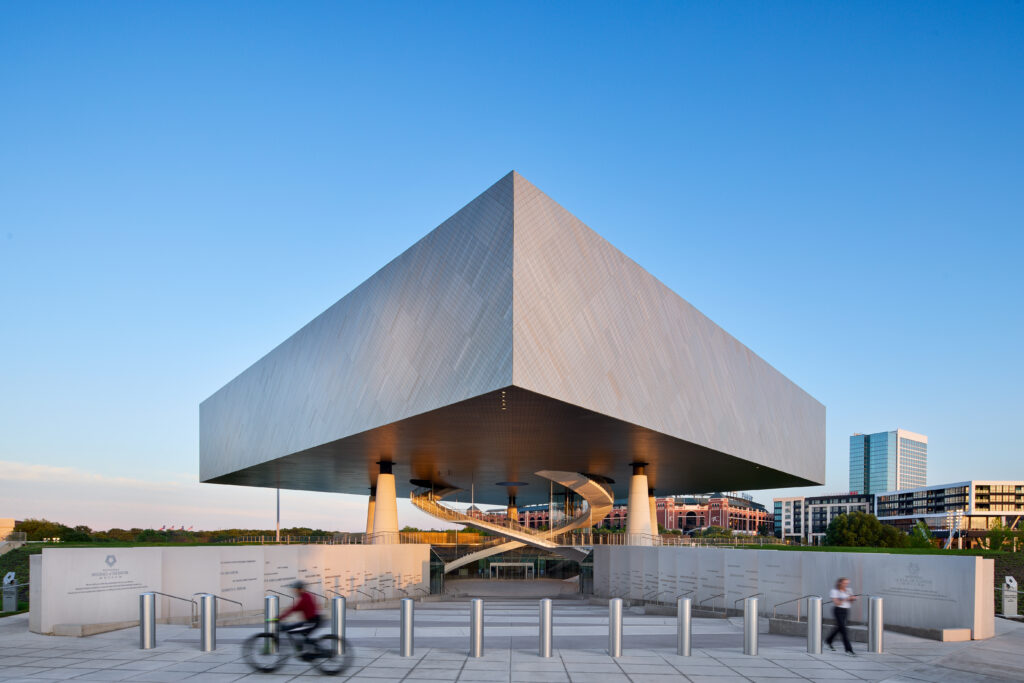
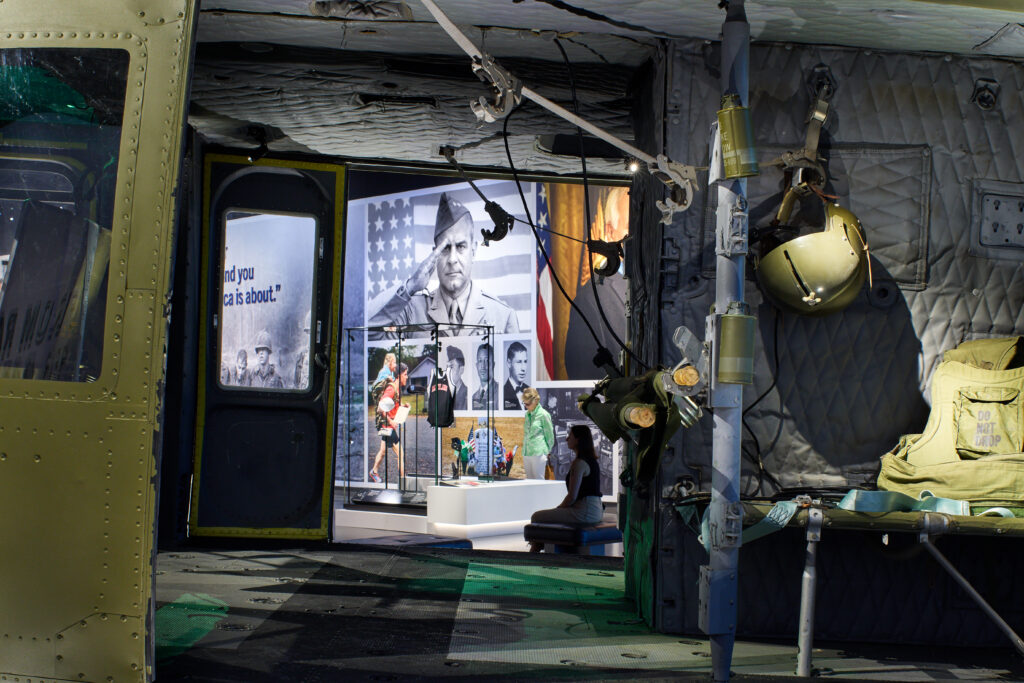
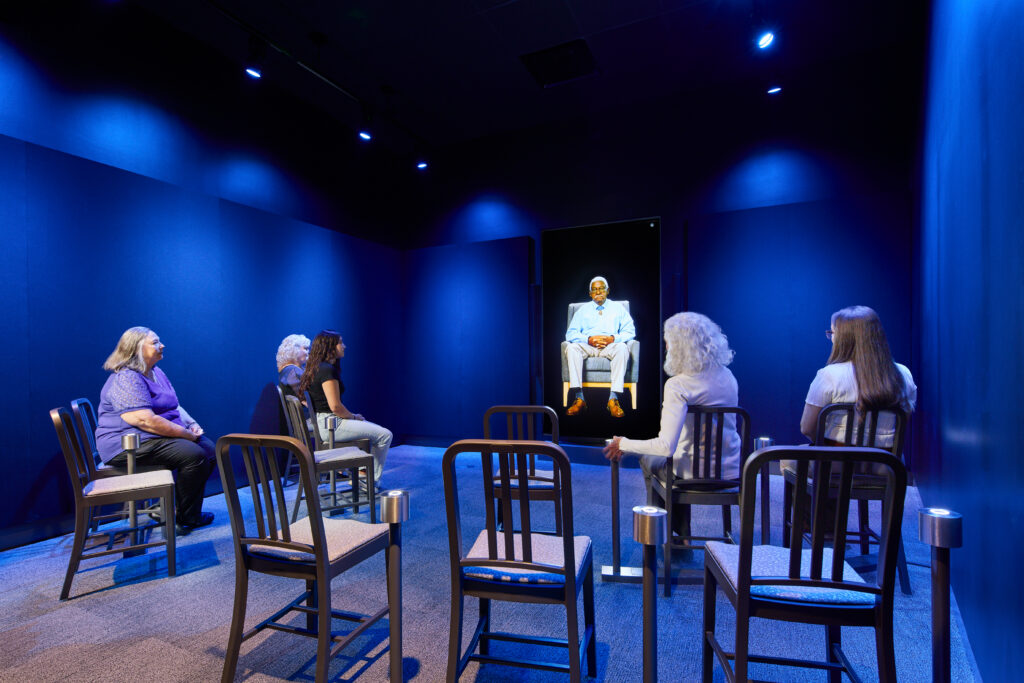
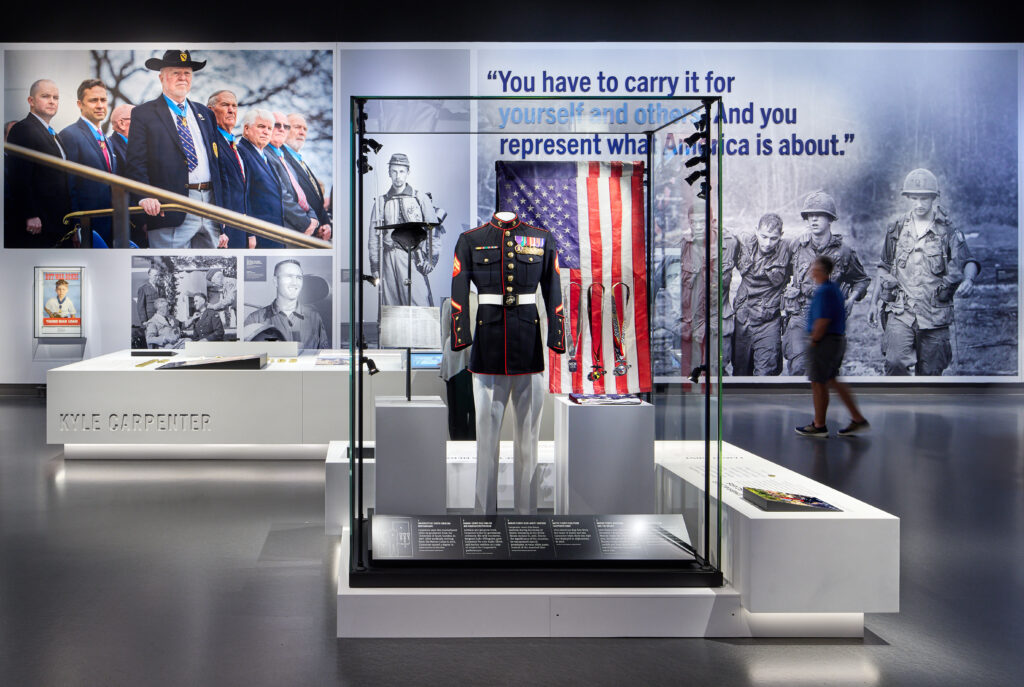
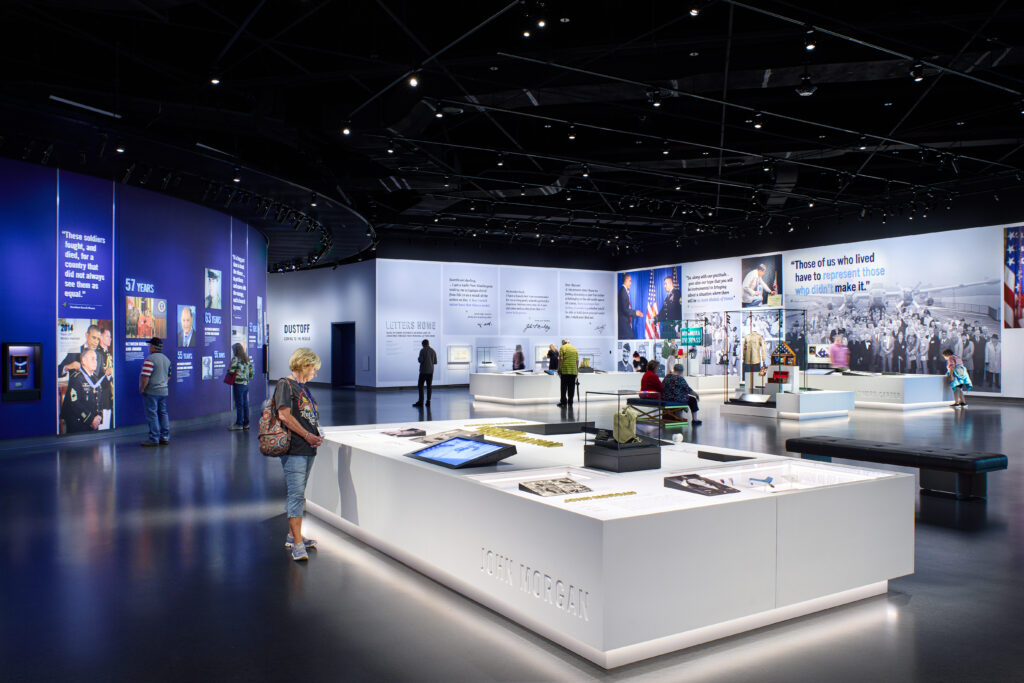
Every architectural element of the National Medal of Honor Museum was designed to capture the sacrifice and legacy of the more than 3,500 recipients of the nation’s highest military honor. (Photo by National Medal of Honor Museum )
Every architectural element of North Texas’ new National Medal of Honor Museum was designed to capture the sacrifice and legacy of the more than 3,500 recipients of the nation’s highest military honor. Five structural columns representing branches of the U.S. military soar upward toward a towering steel box — the museum’s main gallery. Above the open-air entrance, visitors can read the names of Medal of Honor recipients across a metal banner.
Alexandra Rhue, Senior VP of Museum Engagement, pointed to a blank portion of the sprawling roll call during our visit.
“Soon we will be adding two more,” she said, referring to recent Medal of Honor recipients E. Royce Williams and Eric Slover, whose names will soon join the others on the museum’s Ring of Valor.
After stepping onto the ground-floor elevator, we were silently lifted to the museum’s main gallery. Museum architect Rafael Viñoly died just over a year before the 100,000-square-foot museum opened in central Arlington in March 2025, leaving behind a first-of-its-kind institution that has welcomed more than 60,000 visitors in its first year.
“You’ll hear medal recipients say that this is the medal that nobody wants,” Rhue says. “It represents the worst day of their lives. That’s why it’s even more affecting for them to share their stories in this way. They hope to inspire others to be of service to their community.”
(Photo by National Medal of Honor Museum )
Inside the National Medal of Honor Museum
Visitors to the elevated museum first pass through an immersive circular theater, where a six-minute film captures the real-life stories of several Medal of Honor recipients. Cinematic vignettes depict battle scenes from major U.S. conflicts, while the narration highlights the sacrifices made by service members over more than a century and a half.
The Allen








“In every Medal of Honor story, you’ll find members of our military who faced grave danger on the battlefield. Each risked their own life to take action. They overcame incredible odds to protect their fellow soldiers and turned the tide of battle.”
The Medal of Honor, we learned that day, was established during the American Civil War as the nation’s first formal recognition of extraordinary valor in combat. In 1861, Abraham Lincoln signed legislation authorizing the medal to honor members of the Union Navy and Marines who distinguished themselves through acts of bravery. The following year, Congress extended the award to soldiers in the U.S. Army.
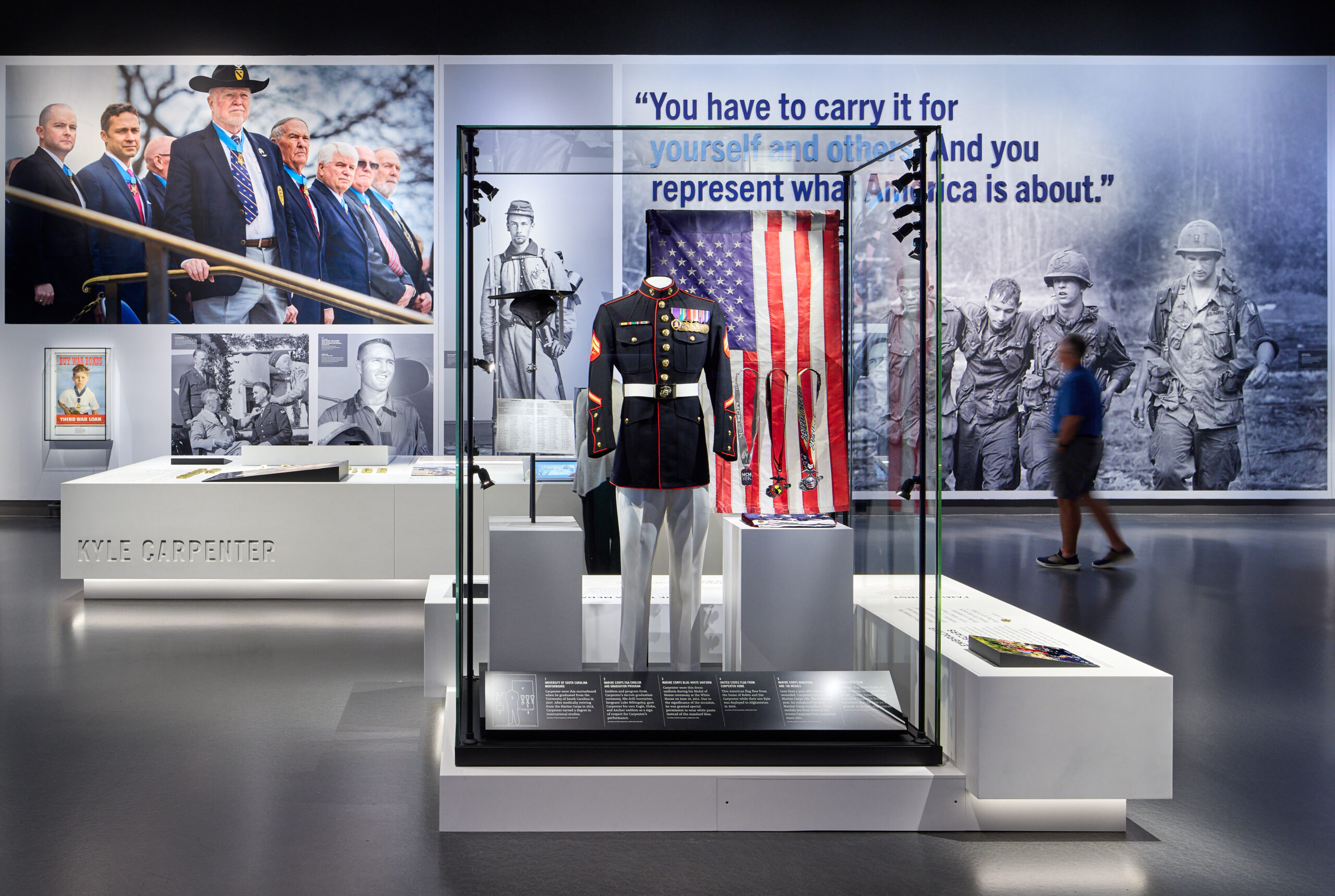
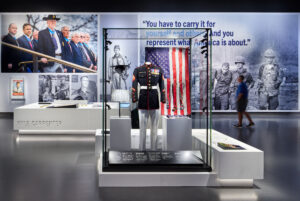
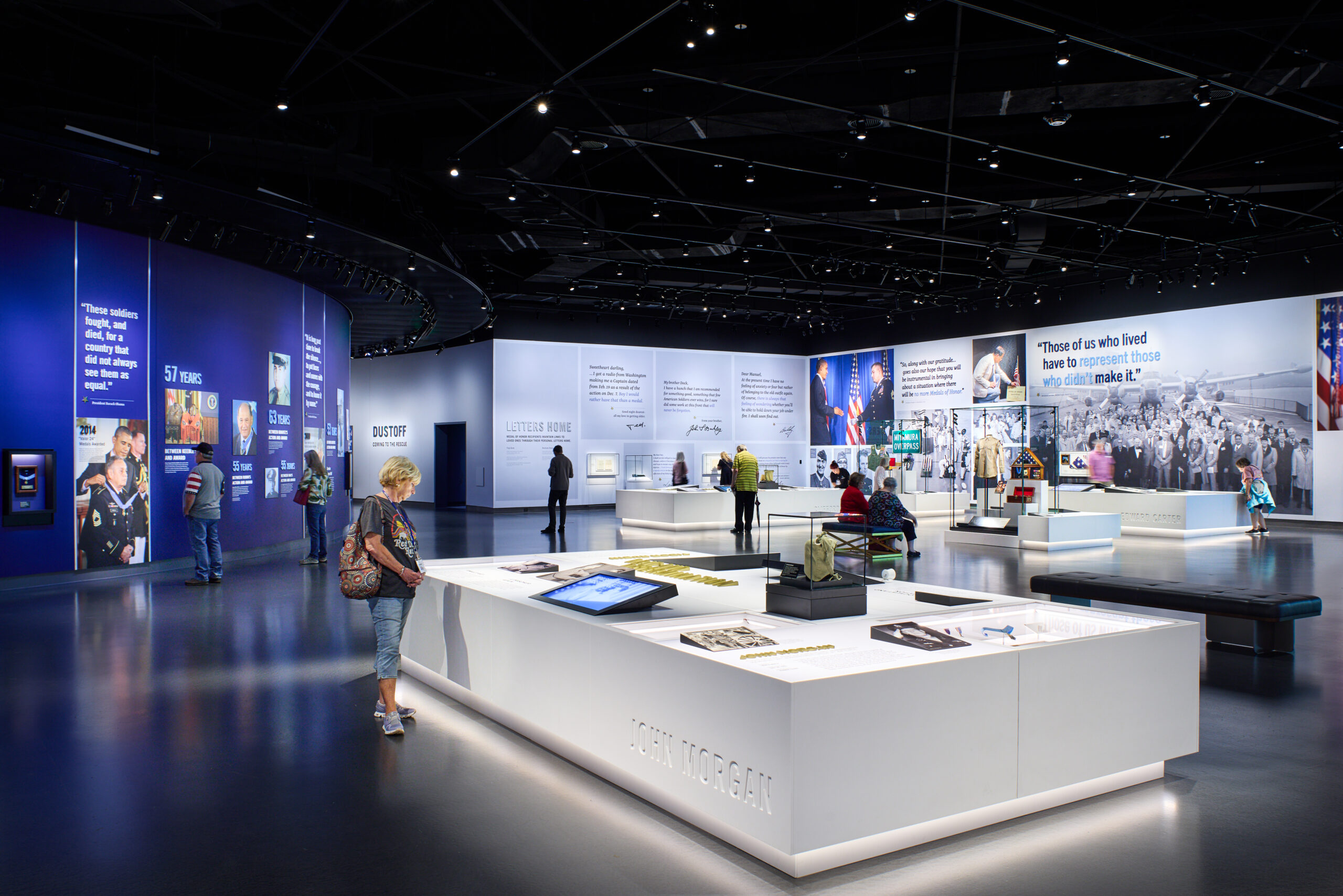
Stepping out of the immersive film, we entered the main exhibition area. The large circular gallery contains 13 exhibit “islands,” each devoted to a Medal of Honor recipient. Rhue pointed to a nearby display of artifacts and documents belonging to Audie Murphy, the Texas native who fought in World War II before later becoming a Hollywood star.
“We have amazing artifacts that connect you physically to the history,” she says. “At the foot of each island is a companion story, highlighting another Medal of Honor recipient who shared something significant in common with the featured servicemember.”
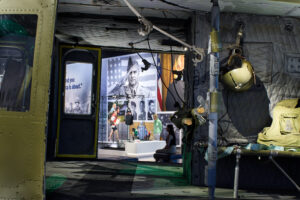
Nearby, large-format photographs line the gallery walls, showing the personal lives of Medal of Honor recipients.
“You’re able to see people in these really intimate family moments, as well as the more traditional military portraits that you commonly see,” she says. “We love sharing these kinds of intimate portraits of people with their families. These people are more than what they wear around their neck. Students visit here and hopefully find a connecting point through the artifacts and photos.”
Engaging the Community Through Stories of Courage
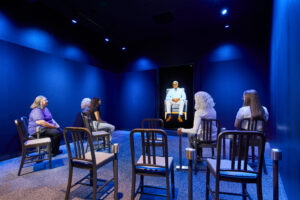
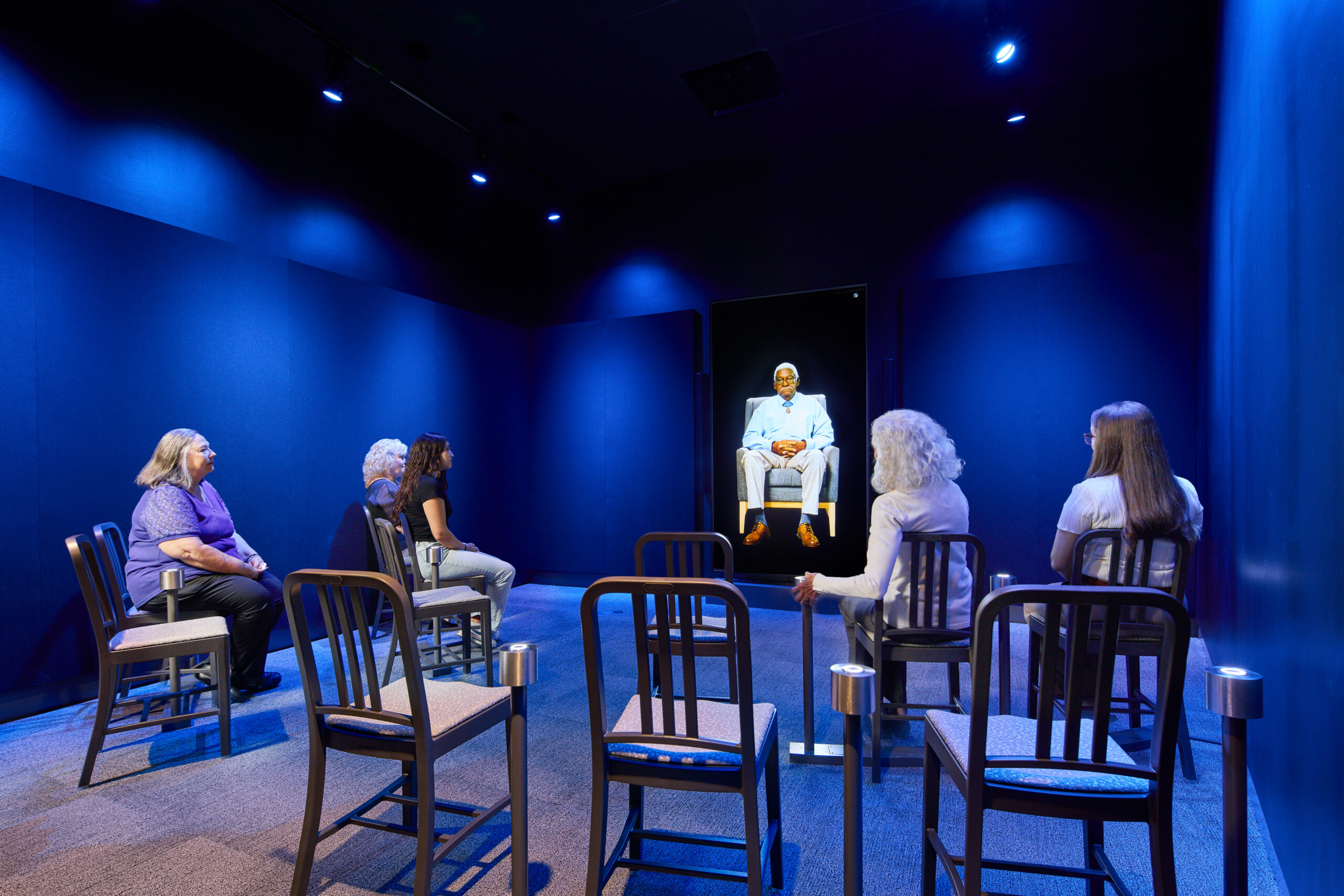
As we circled the museum, several dozen students wound their way across the main exhibit floor, watching virtual reenactments of historic battle scenes projected onto the corners of the gallery. Along the walls, displays show how the design of the Medal of Honor has evolved over the decades. In another room, visitors can ask questions directly to Medal of Honor recipients, who pre-recorded hundreds of answers for the museum’s interactive projection.
Rhue says the museum continues to reach out to North Texas schools to coordinate visits. This year will see multiple public programs that will bring visitors into direct contact with Medal of Honor recipients and their stories. These events will include educational talks, community discussions, and special programs where recipients share their experiences with audiences. The goal is to create opportunities for visitors, especially students, to engage with the values behind the medal and reflect on how those lessons apply in everyday life.
Surviving Medal of Honor recipients who have visited the museum have overwhelmingly supported the project and its dedication to teaching younger generations about the sacrifices of service members. As our tour ended, we asked how the medal recipients want to be remembered.
“They want to be remembered for their values, but they also want to leave something for younger generations to learn from,” she says. “Education is incredibly important to them.”
The city of Arlington has several big events coming up this year, including the FIFA World Cup (June), The American Rodeo (May), and the inaugural Java House IndyCar Grand Prix (March 13). We suggest visiting the National Medal of Honor Museum while in town.






_md.png)