Reexamining the Judgement Of Paris 50 Years Later and How You Can Have Your Own international Wine Tasting Battle
The Day Wine History Changed
By James Brock //

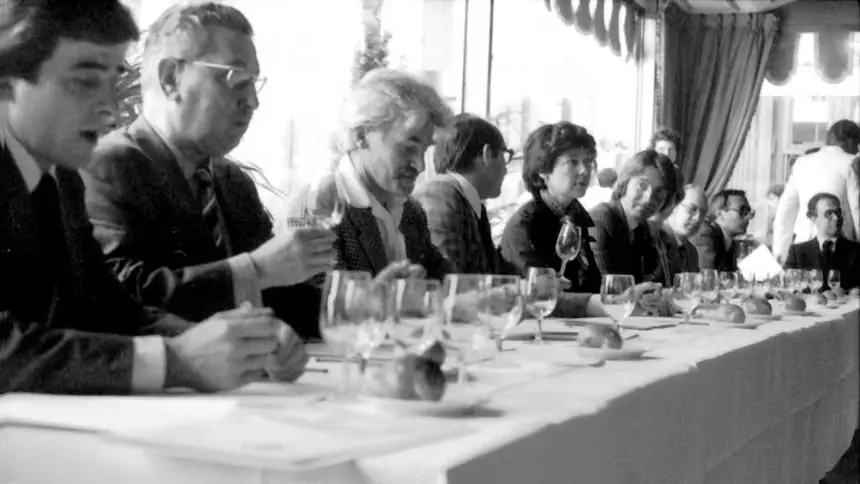




The Judgement of Paris. Does that phrase sound familiar? If you are a student of wine you have likely heard of this event, which took place on May 24, 1976. If you know nothing about The Paris Wine Tasting, as it is officially known, I urge you to take a deep dive into the subject.
Much has been written about this competition, which was organized by Steven Spurrier and Patricia Gallagher. Spurrier, an Englishman who owned what would become an influential wine shop Les Caves de la Madeleine in Paris (he opened it in 1971), and Gallagher, an American based in Paris who was writing for The International Herald Tribune, teamed up (along with Jon Winroth Broneer) to found L’Academie du Vin, the first private wine school in France in 1973.
Spurrier, as the story goes, had been thinking of such a tasting for a while. He was a proponent of French wines, and the competition, which was originally meant to to be held at the school (which was next to his wine shop), would be great advertising. In the end, the venue decided upon was the Intercontinental Hotel.
Being that it was 1976, the 200th anniversary of the United States, Gallagher and Spurrier thought it a fine idea to include wines from the U.S., and a competition was born. Gallagher, during a trip home, sampled some wines with the tasting in mind, and she and Spurrier compiled the final list. Spurrier visited California in 1976, met with producers, and selected six chardonnays and six cabernet sauvignons. Gallagher, in an interesting side note, persuaded travelers flying from the U.S. to Paris to transport the bottles.
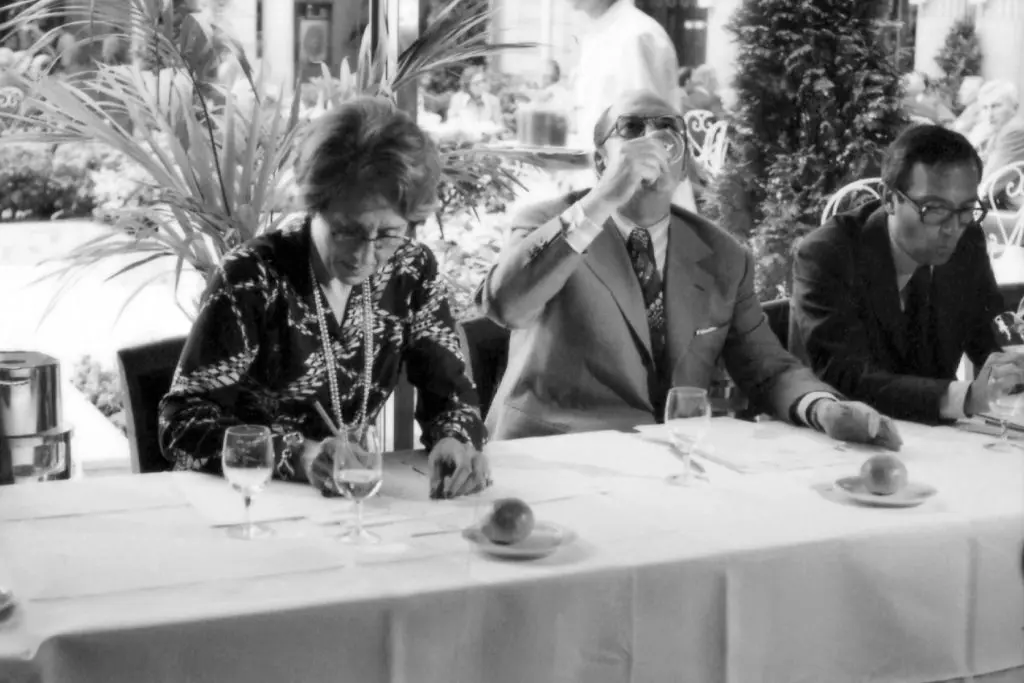
To make a long story brief, the American wines bested their Gallic competitors, surprising Spurrier and angering some of the French judges, all of whom were esteemed critics, restaurant owners, sommeliers and winery owners. Odette Kahn, director of La Revue du vin de France, went so far as to demand the return of her ballot.
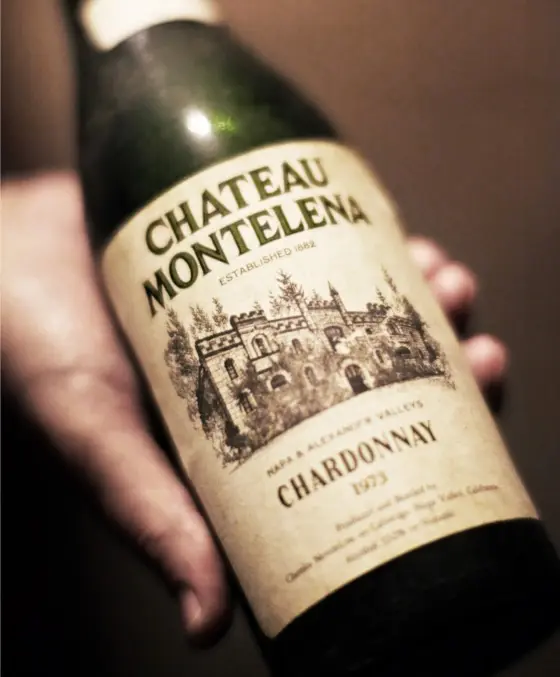
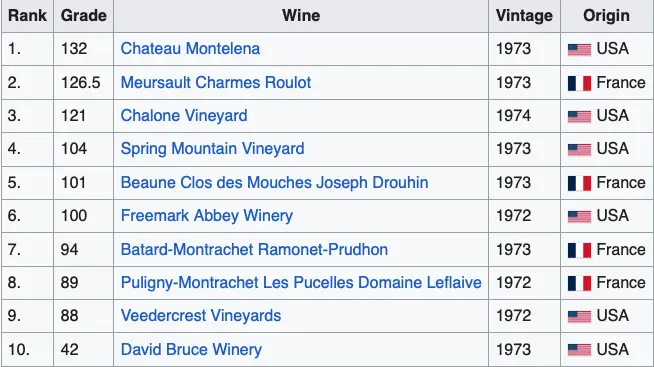
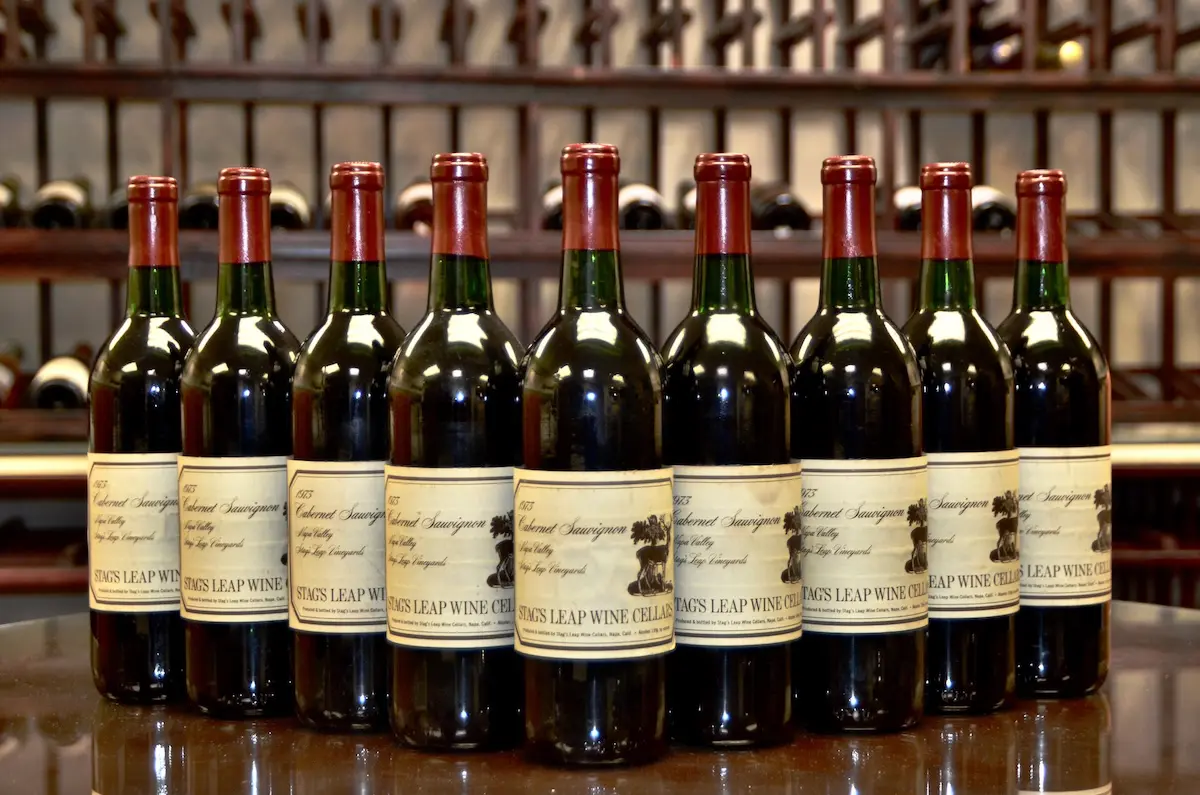
It was a blind tasting, of course, and each judge could award each wine a maximum of 20 points (the grades of Spurrier and Gallagher were disregarded in the final tally). The chardonnay winner was a 1973 Chateau Montelena, and a 1973 S.L.V. from Stag’s Leap Wine Cellars beat out a 1970 Château Mouton-Rothschild by 1.5 points. Here is a complete rundown of the results:
SHOP


Chardonnays
Cabernet Sauvignons
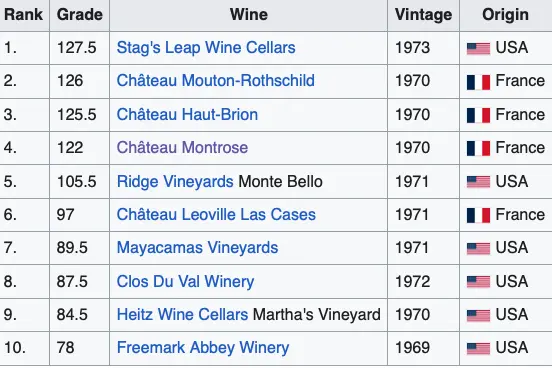
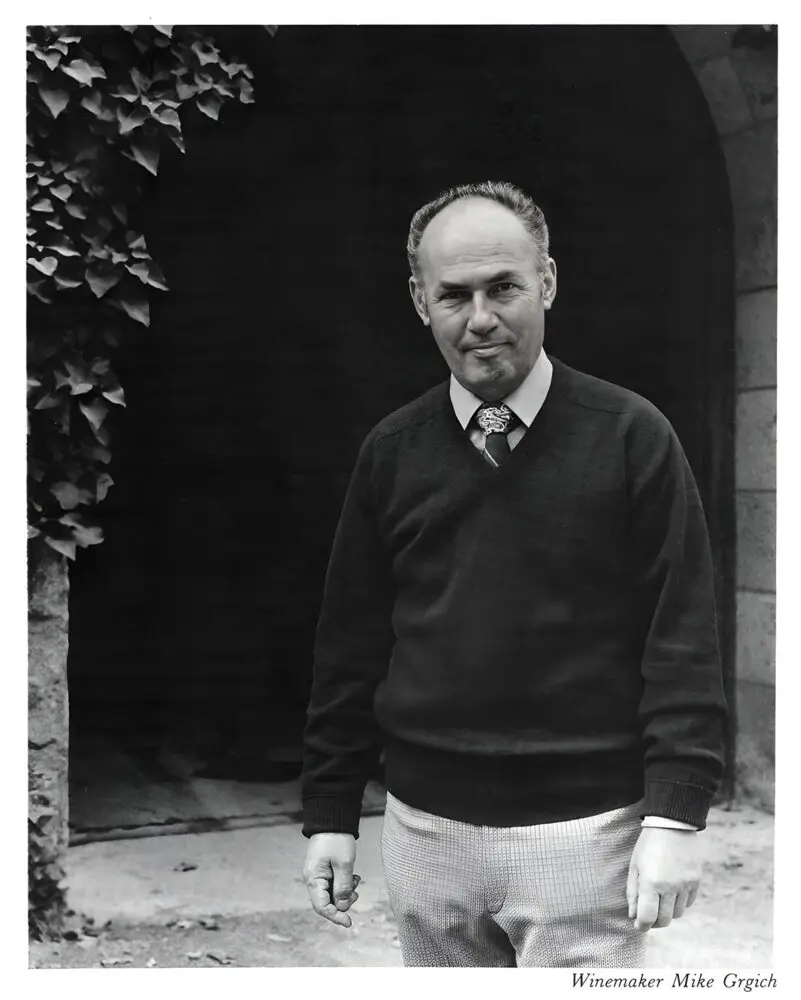
The Chateau Montelena Chardonnay, made by Miljenko Grgich, sold for $6.50 a bottle at the time, and the Stag’s Leap Cabernet, made by Warren Winiarski, cost $6. Grgich was a winemaker at Chateau Montelena — he went on to found Grgich Hills Estate — and Winiarski was the founder, owner and winemaker of Stag’s Leap Wine Cellars. Grgich passed away in 2023, Winiarski a year later.
I’ll repeat my recommendation to read as much as you can about The Judgement of Paris, which, of course, took its name from the mythological tale. This past month saw the publication of myriad articles about the event, and numerous books have been written about the competition. Spurrier’s autobiography is a great place to start. The Judgement of Paris, The 1976 Event That Shook the Wine World is another good account.
Reliving the Judgement Of Paris
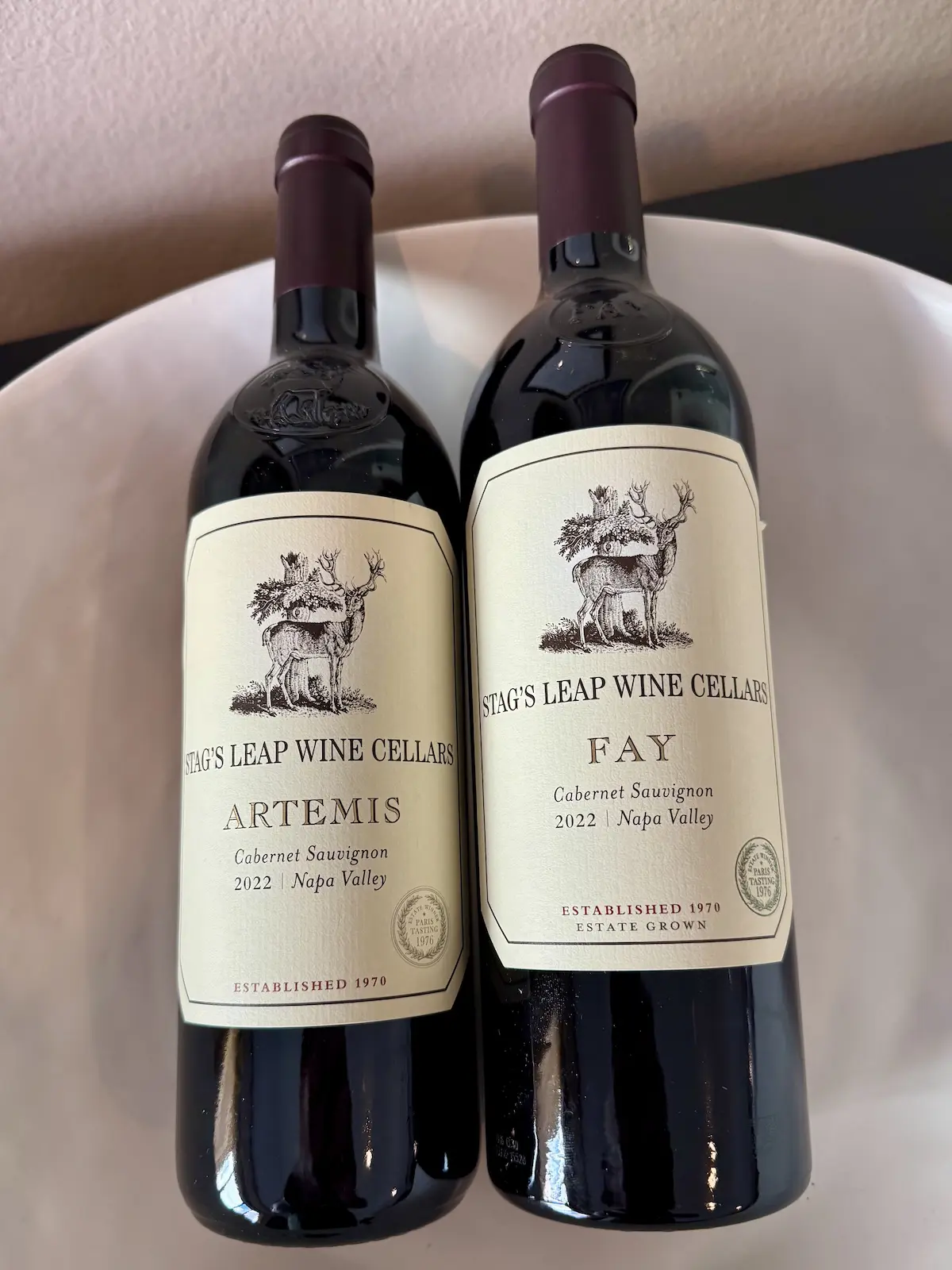
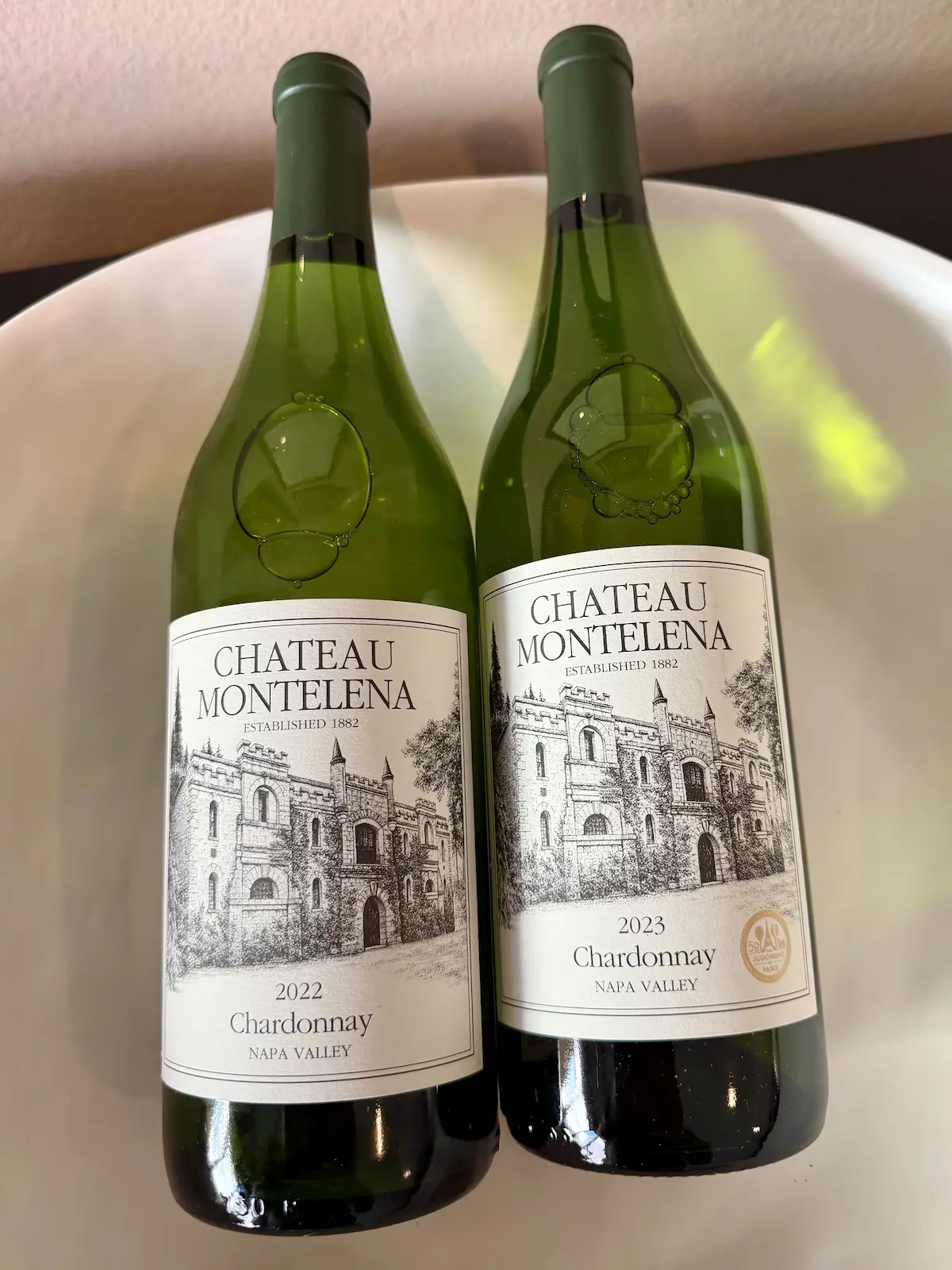
This year, to honor the event, I sampled a few wines made by the winning producers — Chateau Montelena and Stag’s Leap Wine Cellars — namely, the 2022 and 2023 Montelena Chardonnay and the 2022 Artemis and Fay from Stag’s Leap. (I was unable to get my hands on a bottle of S.L.V., the red wine that took the top spot in Paris on that fateful day.)
We’ll start with the chardonnays. The bottles were chilled to around 57 degrees Fahrenheit, and I initally tasted immediately after uncorking. The 2022 (search for it here or ask for it at your go-to wine seller; it carries a retail price of $75) opened with robust notes of peach, followed by subtle stone fruit and white flowers (jasmine at one moment, orange at another). Lovely aromas all.
On the palate, the green apple associated with Montelena is definitely evident, as is an intriguing citrus and spice mélange, along with a faint brioche note. I’d love to pair this with a sole sautéed in butter. It was aged 10 months in French oak, 25 percent new, and alcohol is 13.8 percent.
The 2023 chardonnay, produced in a year that Montelena winemaker Matt Crafton calls “one of the best in the last decade,” showcases so much of what a cool vintage can produce. I loved the stellar acidity and minerality. It also proved to be wonderfully crisp in the mouth. Apple blossom, lime zest, unripe peach.. . . that’s what I got on the nose.
As Crafton notes, this wine will likely mature more slowly than its siblings from warmer vintages. I look forward to revisiting it in five years’ time. There’s a hint of oak on the palate (the 2023 was aged for 10 months in 100 percent French oak, 25 percent new barrels, alcohol is at 13.9 percent), along with a medium-plus body and high acidity.
You’ll no doubt taste, as I did, peach and lemon with that green apple. As for food, a pork tenderloin featuring tarragon would be one fine option, as would shrimp poached in butter with garlic. (You should be able to find the wine here or at your favorite merchant; $75 suggested retail price.)
These wines are young. I’ve had 10-year-old chardonnays from Chateau Montelena and loved them. They are more than approachable now, but patience will be rewarded. It is fascinating to see how chardonnay matures and evolves.
American Red Wines That Made Waves
The red wines are up now, and we first go to the 2022 Artemis. Marcus Notaro, the director of winemaking at Stag’s Leap, sources fruit for this wine from a number of spots, primarily Atlas Peak Vineyard (73 percent) and Coombsville Vineyard (12 percent). The remaining fruit comes from sites across Napa Valley.
Heat. It was hot in Napa in September of 2022. Artemis’ fruit harvest began on September 10 and ran through October 12, and early in that period temperatures in some parts of the valley rose above 100 degrees Fahrenheit and a multi-day heatwave took its toll.
Some have found the 2022 Artemis too hot and overly raisiny, even speaking of prunes and using words such as “cooked.” I, thankfully, did not have the same experience. Notaro’s blend is 98 percent cabernet sauvignon, 1.5 percent cabernet franc and 0.5 percent petit verdot, and it offers a plush, sensual mouthfeel. It spent 15 months in 55 percent new French oak and 45 percent older French barrels, and alcohol is 14.8 percent.
I sampled this wine over a number of hours, beginning with a pour immediately after I pulled the cork. This is a wine that needs some air, so those of you who like to decant, go for it. You will notice a marked change if you let this one open for an hour or two.
The cedar, leather, violet and graphite notes played intriguingly on the nose, and then dark cherry and tobacco joined in. It’s bold and velvety in the mouth, and I found the tannins grippy. I am often able to discern minute amounts of cabernet franc with acuity, and my tastings made me appreciate Notaro’s selection of that grape here.
Finish is long, as would be expected. Drink this with a good ribeye steak. (Search here or buy from your favorite source; the suggested retail price is $75.)
The Fay Vineyard is a piece of Napa Valley history. The vineyard, site of the first planting of cabernet sauvignon in the Stags Leap District AVA, was purchased from its founder Nathan Fay by Stag’s Leap Wine Cellars in 1986. Winiarski tasted some of Fay’s homemade wine in 1969 and, according to accounts, became convinced of the vineyard’s potential to produce stellar cabernet.
Fay has been a single-vineyard designate for Stag’s Leap Wine Cellars since 1990. (The Stag’s Leap Vineyard — S.L.V. — is contiguous with Fay.)
As with the Artemis, Notaro and his team had to deal with 2022’s harvest heatwave. Alcohol is 14.8 percent, the wine went through malolactic conversion and fermentation was in 100 percent stainless steel. Aging lasted 20 months in new French oak. The blend is 92 percent cabernet sauvignon and 8 percent cabernet franc.
When I first tasted from this bottle I was impressed with the aromatics — black cherry, raspberry, cedar and a hint of cocoa. Tight at first, 20 minutes or so in the glass produced a lifted, inviting bouquet. On the palate, it is a full-bodied and polished pour whose tannins are confident without being overbearing. This is a big wine, from a fabled vineyard.
Is it worth the $225 suggested retail price? That, as always, depends on many factors, including one’s budget, drinking habits and flavor/taste preferences. I am confident this wine will offer a lot of enjoyment given a decade in the cellar. And if you are able to try a bottle now and keep one back until 2036, well, why not?
A standing rib roast served with this wine would be the foundation of a worthy experience.
The Judgement of Paris will be remembered for a long time, as will Spurrier, Grgich and Winiarski. The wine world was changed forever in that room in Paris back in 1976, and the event is a great reminder to drink with an open mind.
For more stories from James Brock check out Mise en Place.
Trending
- Houston’s Most Fashionable Affair Draws a Hot Crowd Dressed To Thrill — Why Best Dressed Goes Far Beyond the Runway
- The 20 Designers Chosen For the 2026 Kips Bay Decorator Show House Dallas
- 5 Buzzy New Dallas Restaurants to Try Right Now
- Conner Weigman Wants a Texas Tech Rematch After His Guts-Out QB Show Comes Up Inches Short, But Houston Can’t Keep Putting Everything On Him
- Casa de Ondas in Preston Hollow Hits the Dallas Market for $45 Million
Part of the Special Series:







_md.jpg)