Dallas Art Exhibition “The Lost Ladies of 1961” Gives New Life to Found Portraits of Extraordinary Women
The Retro-Inspired Soirée Featured Vintage Dresses, Ambrosia Salad, and a Portrait Studio
BY Melissa Smrekar //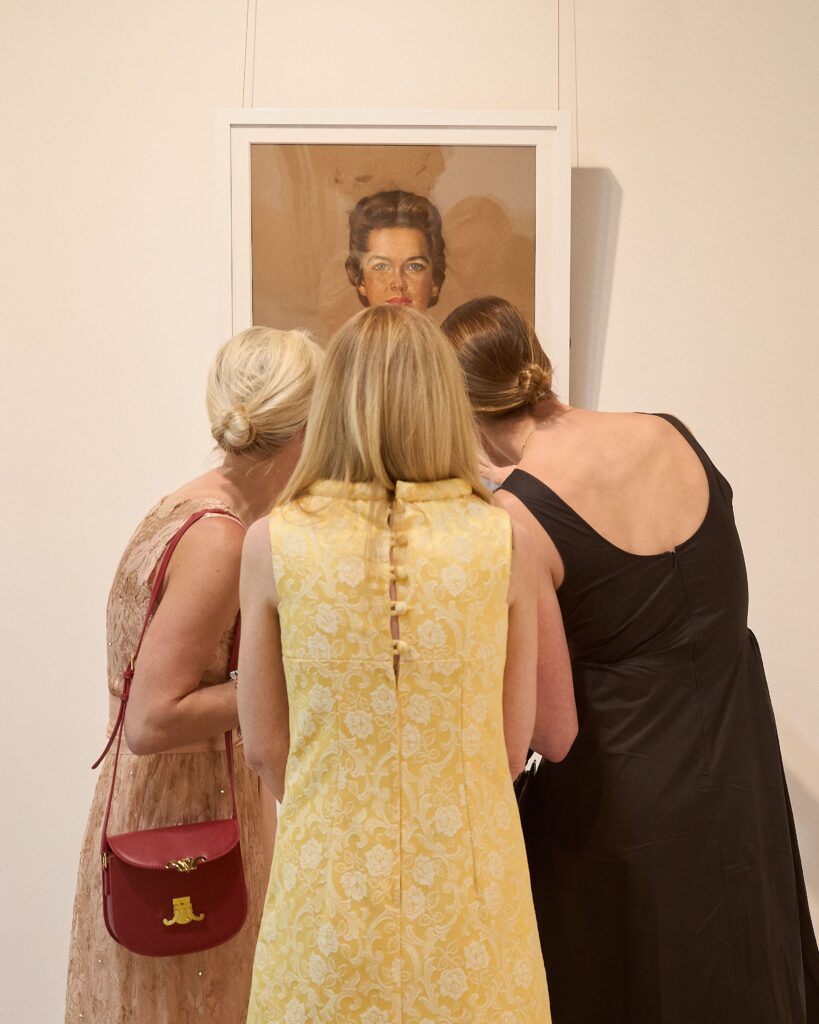
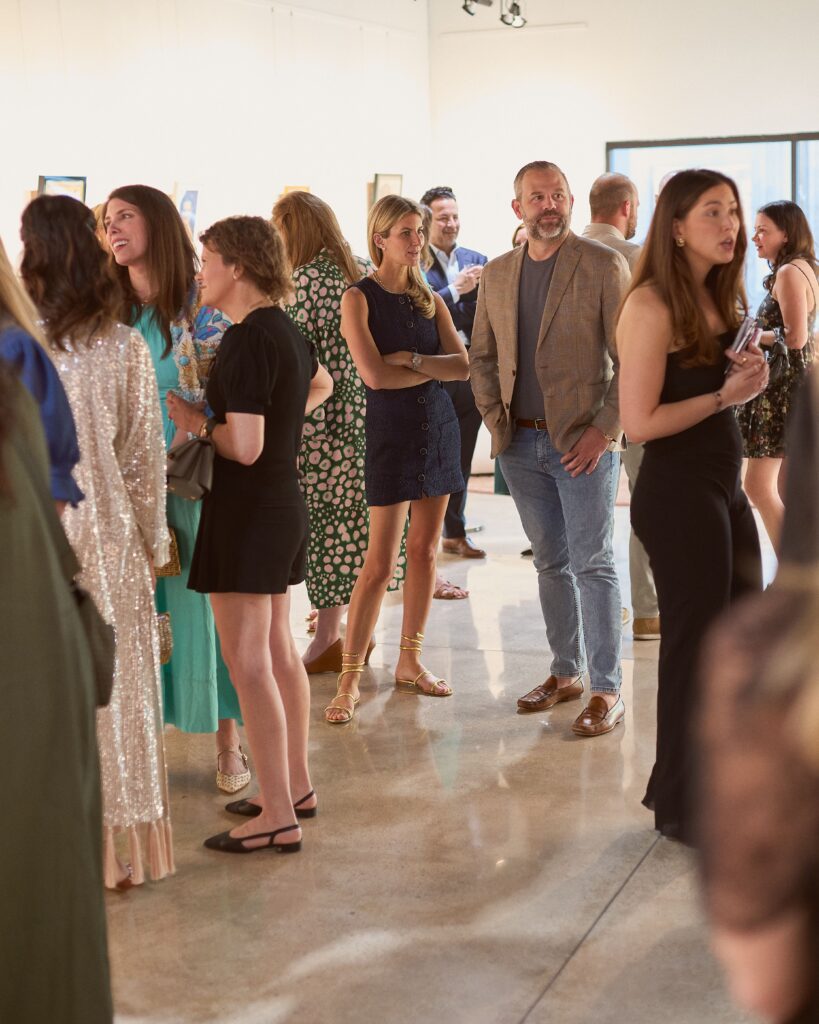
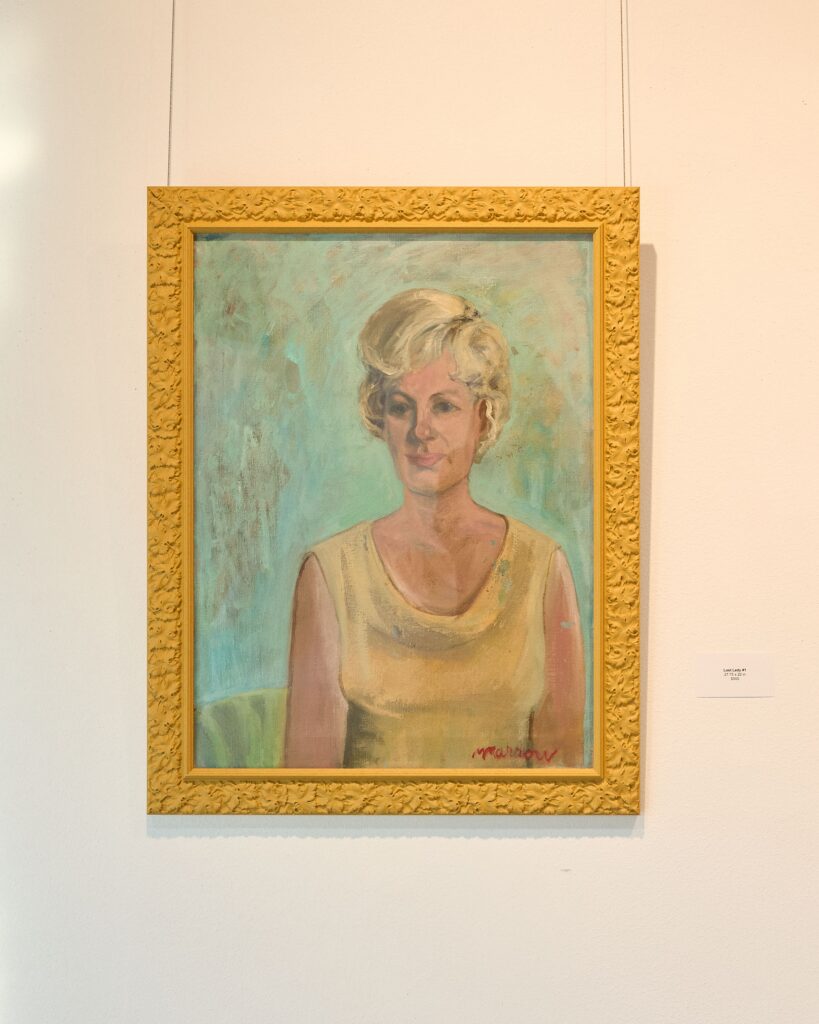
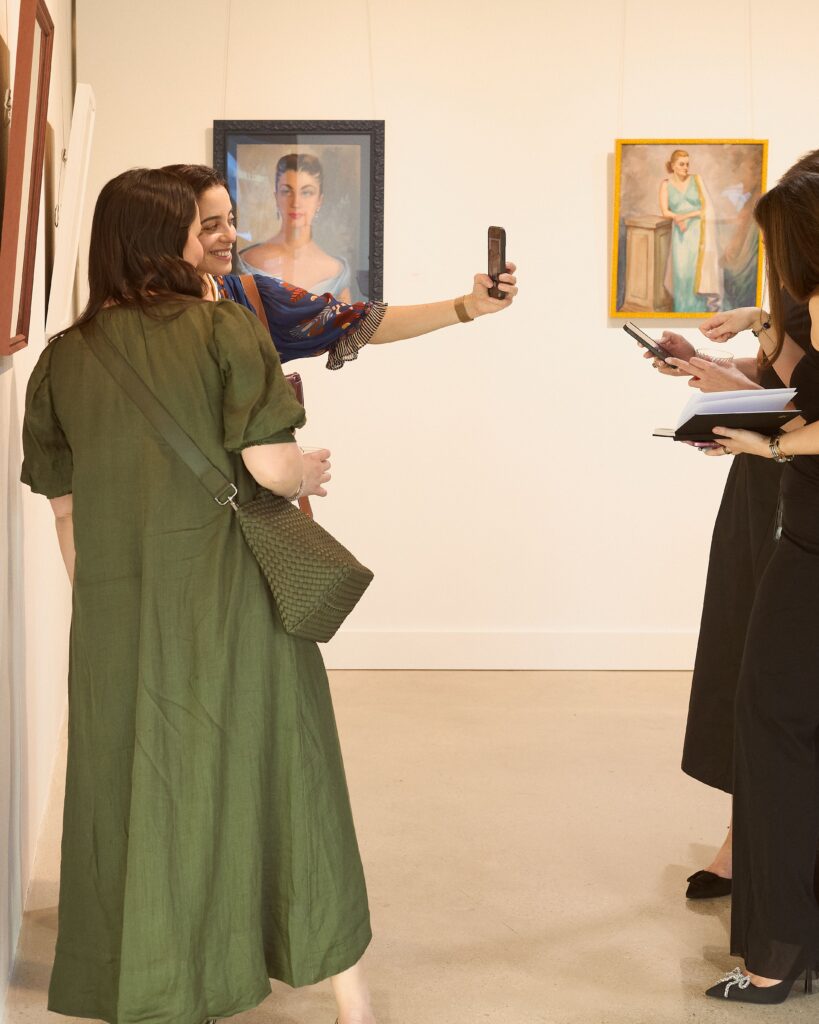
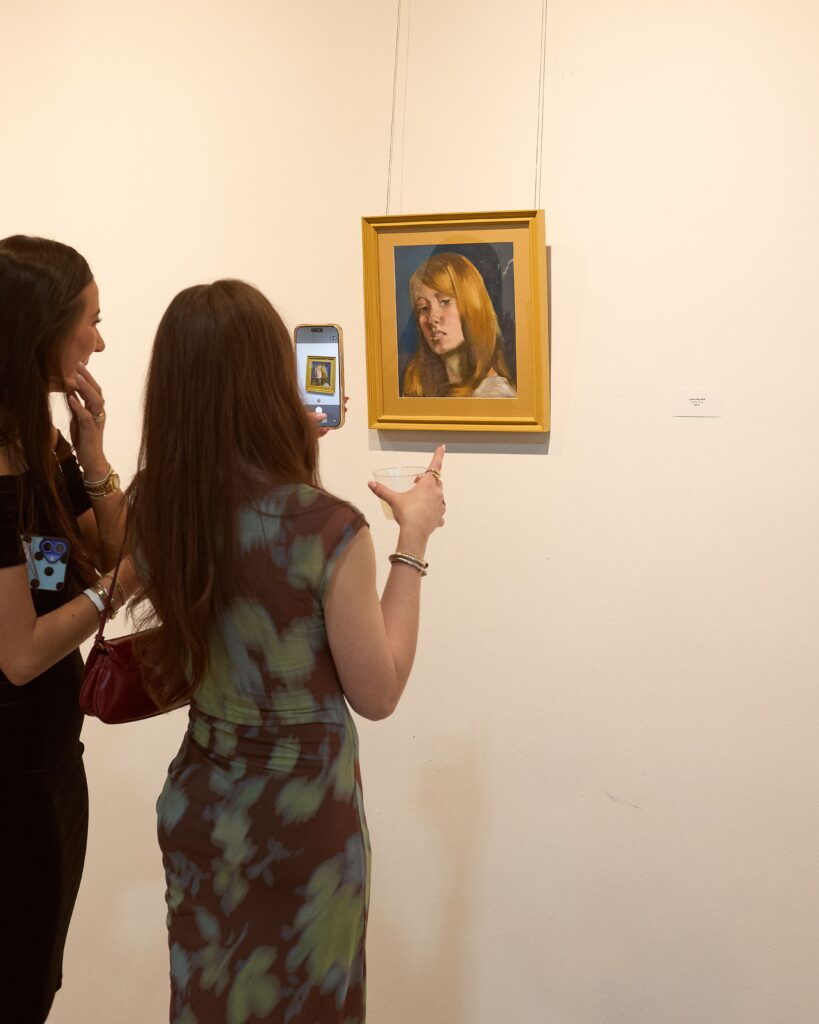
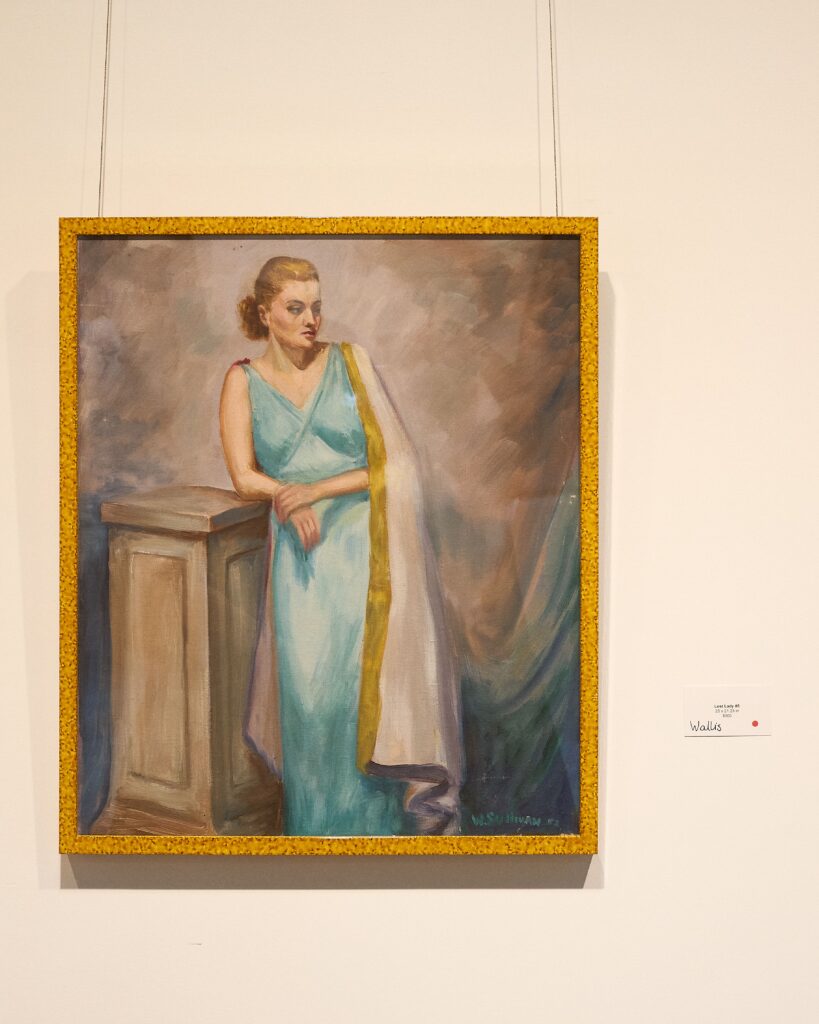
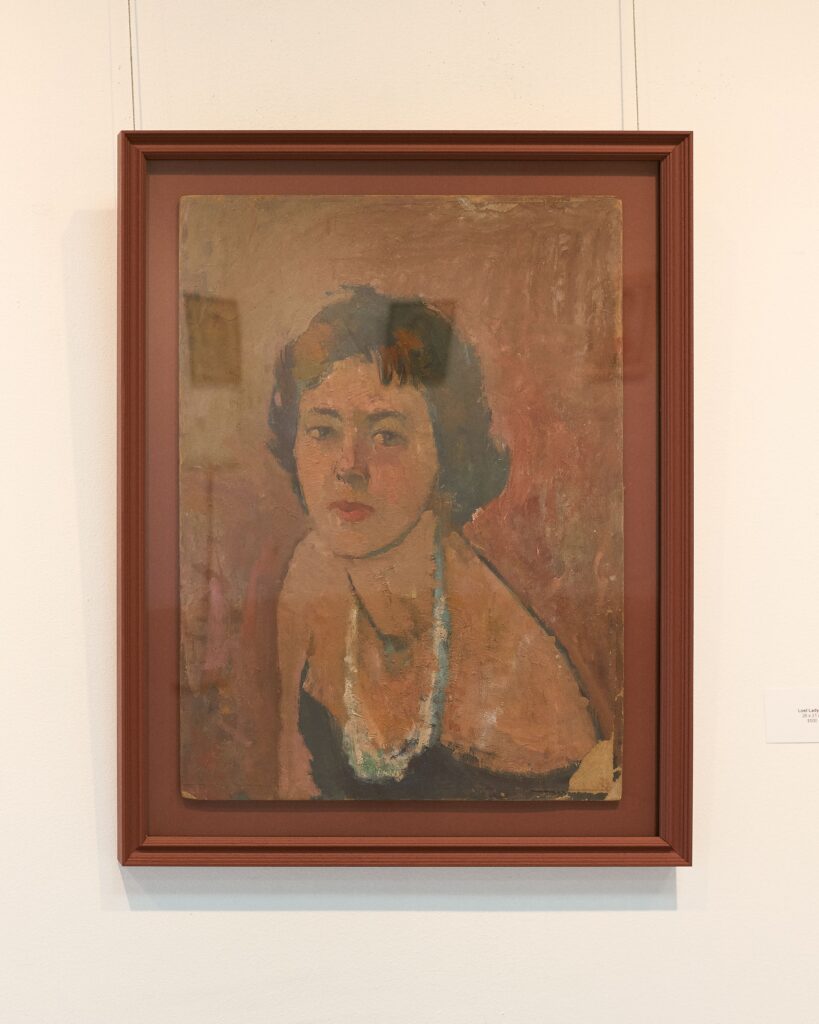
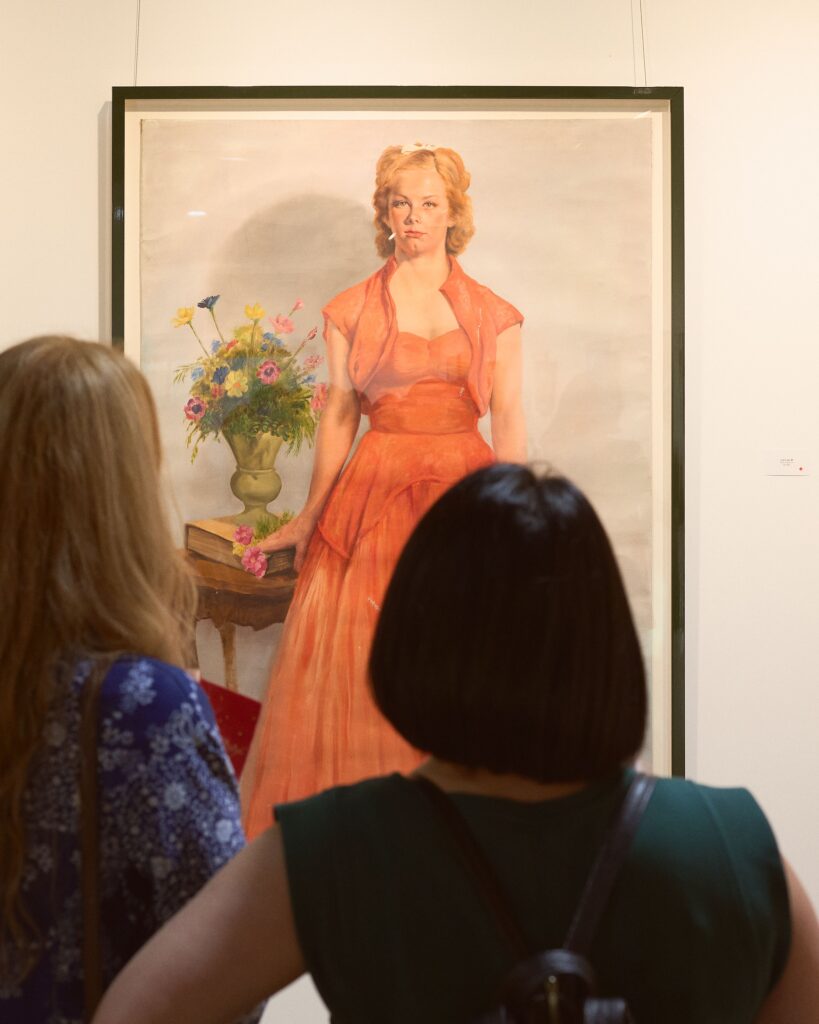
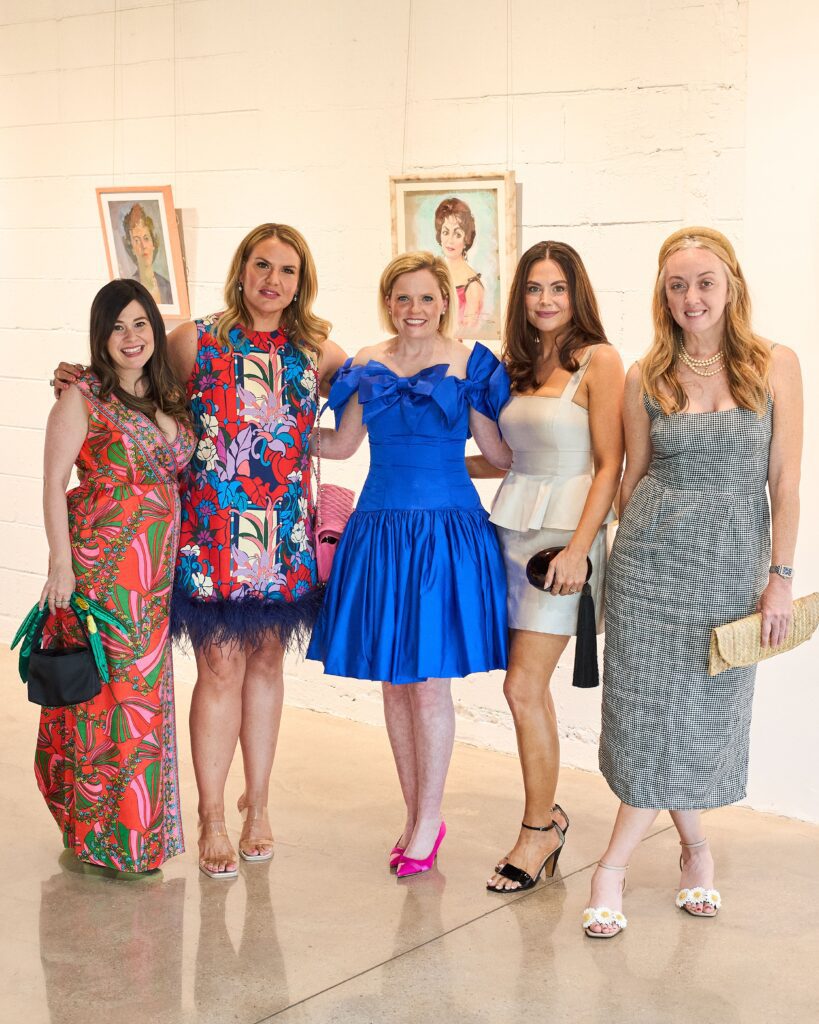
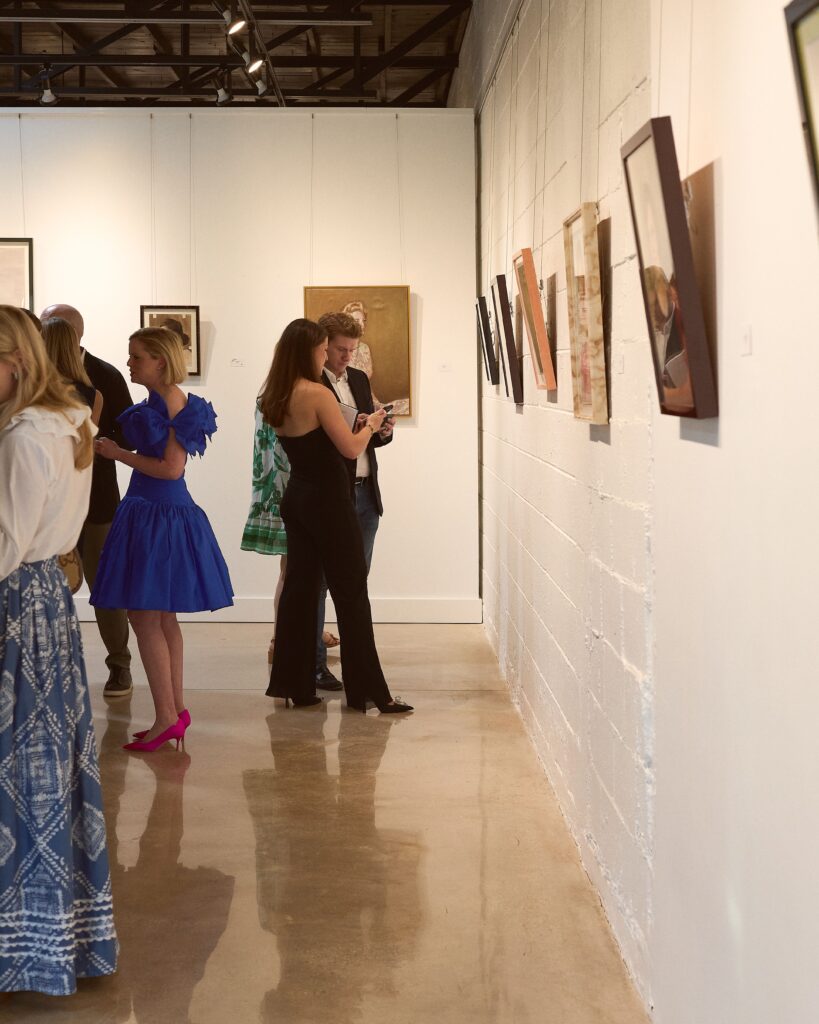
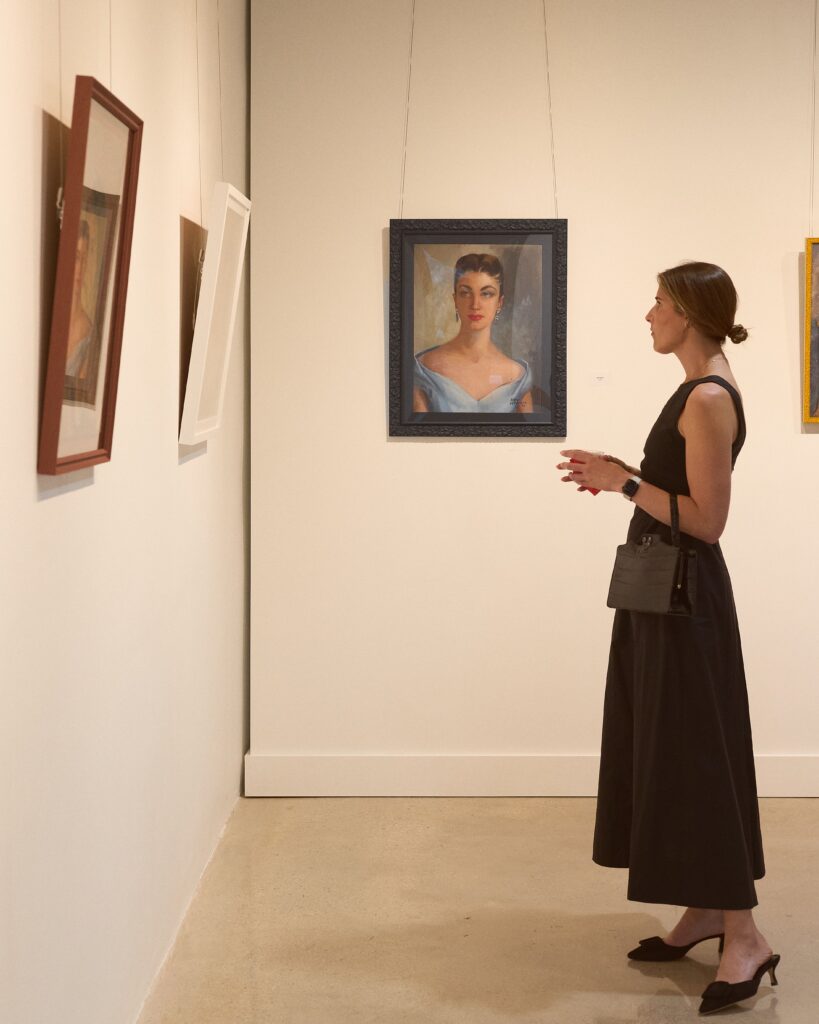
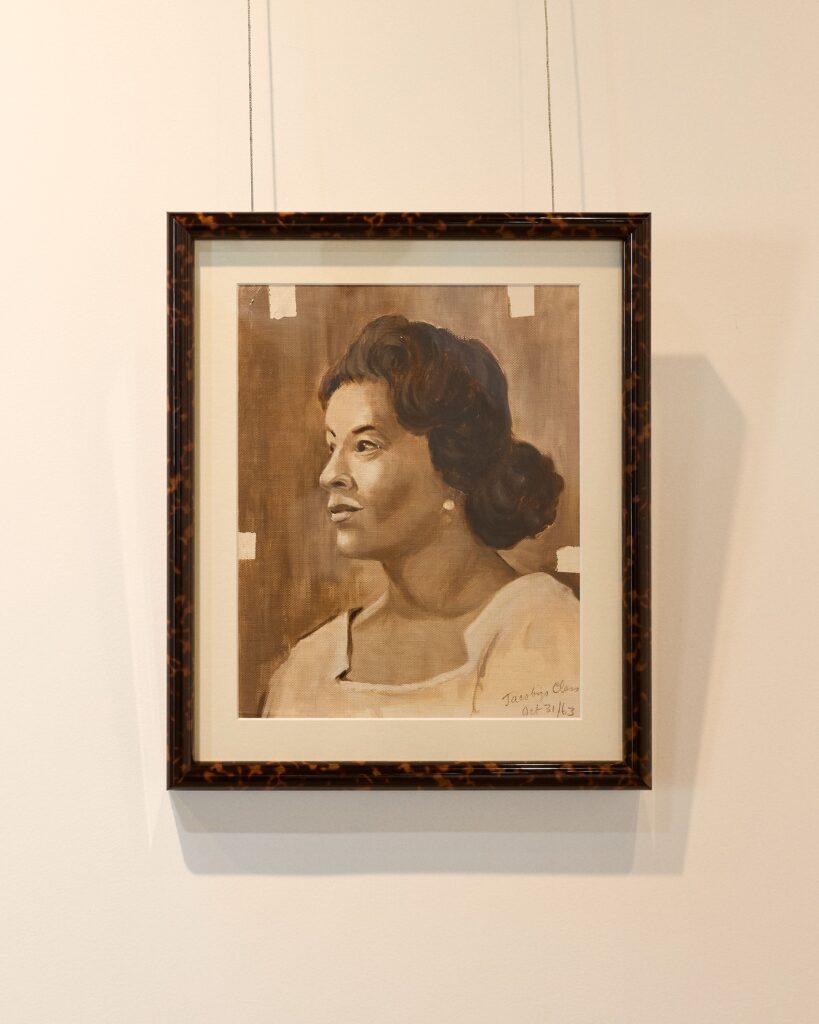
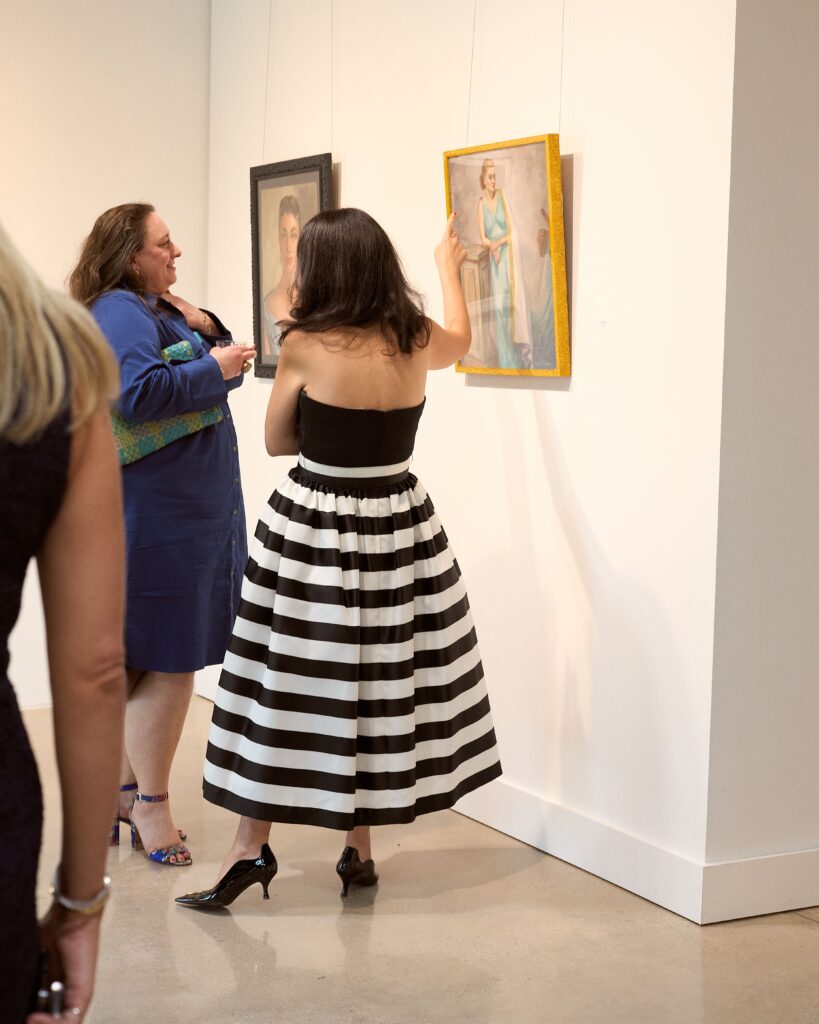
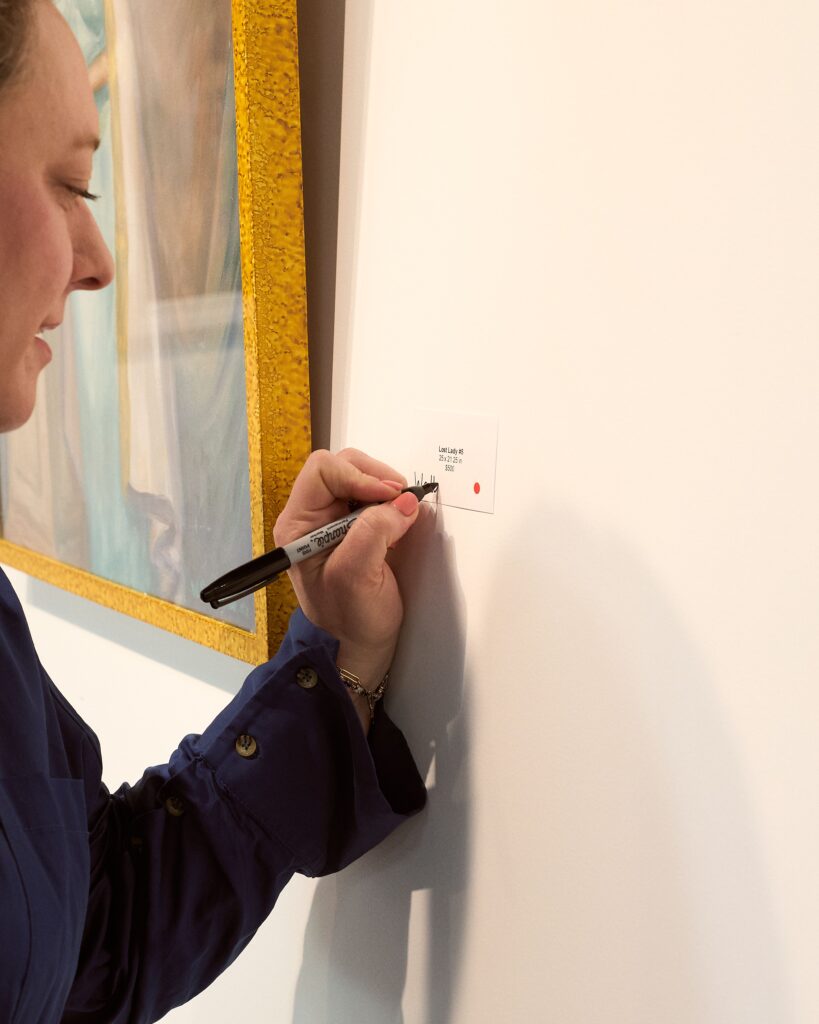
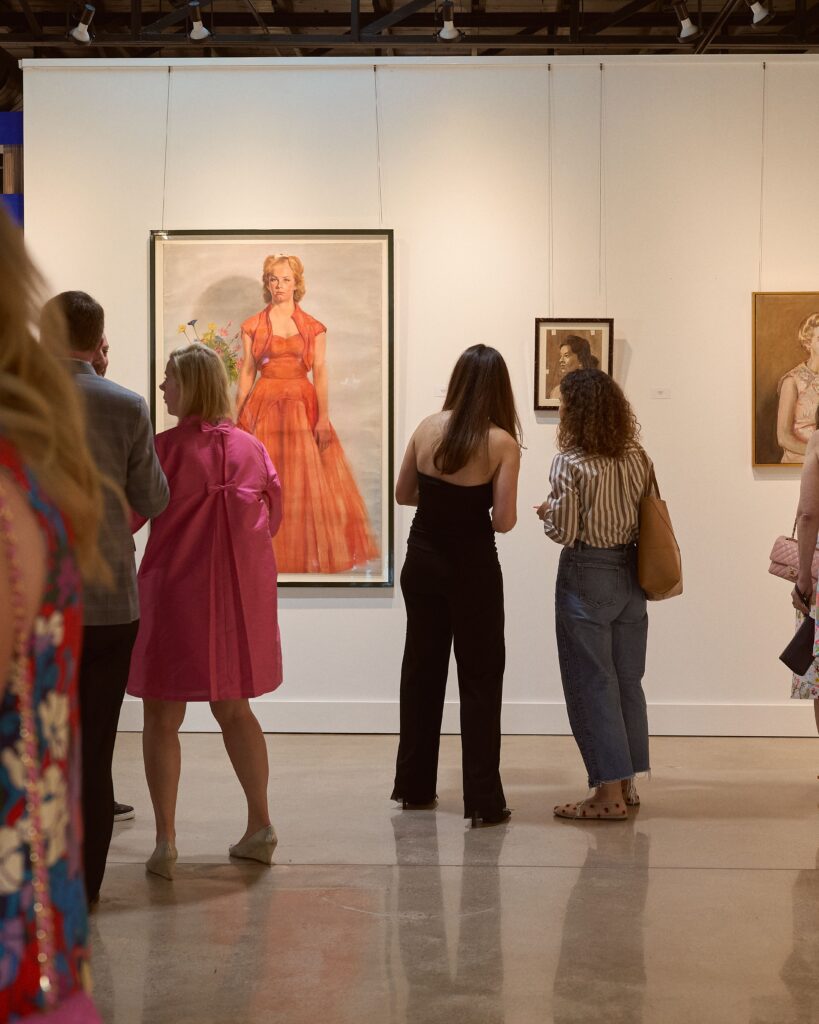
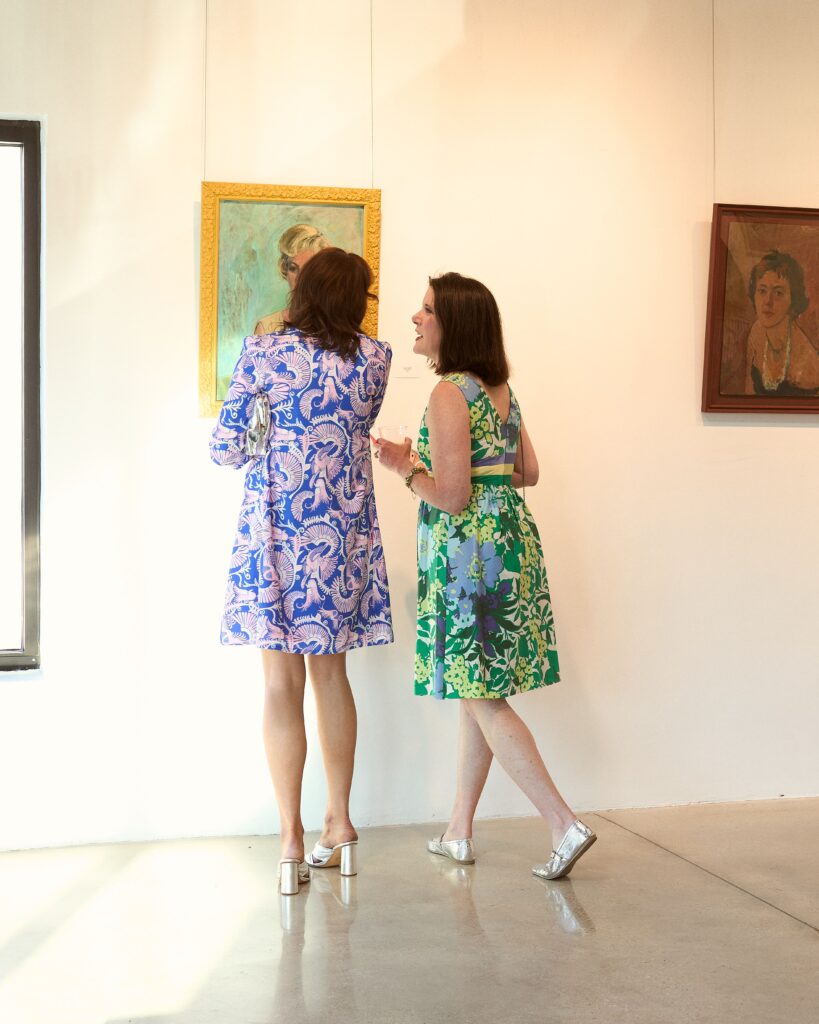
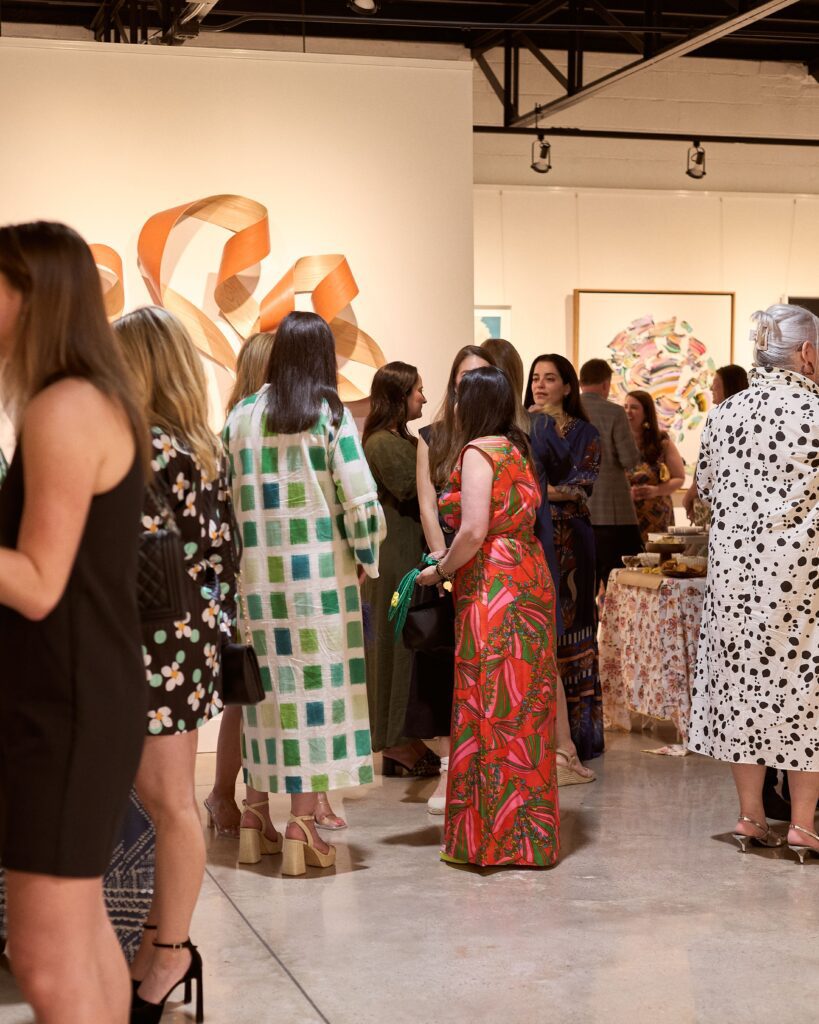
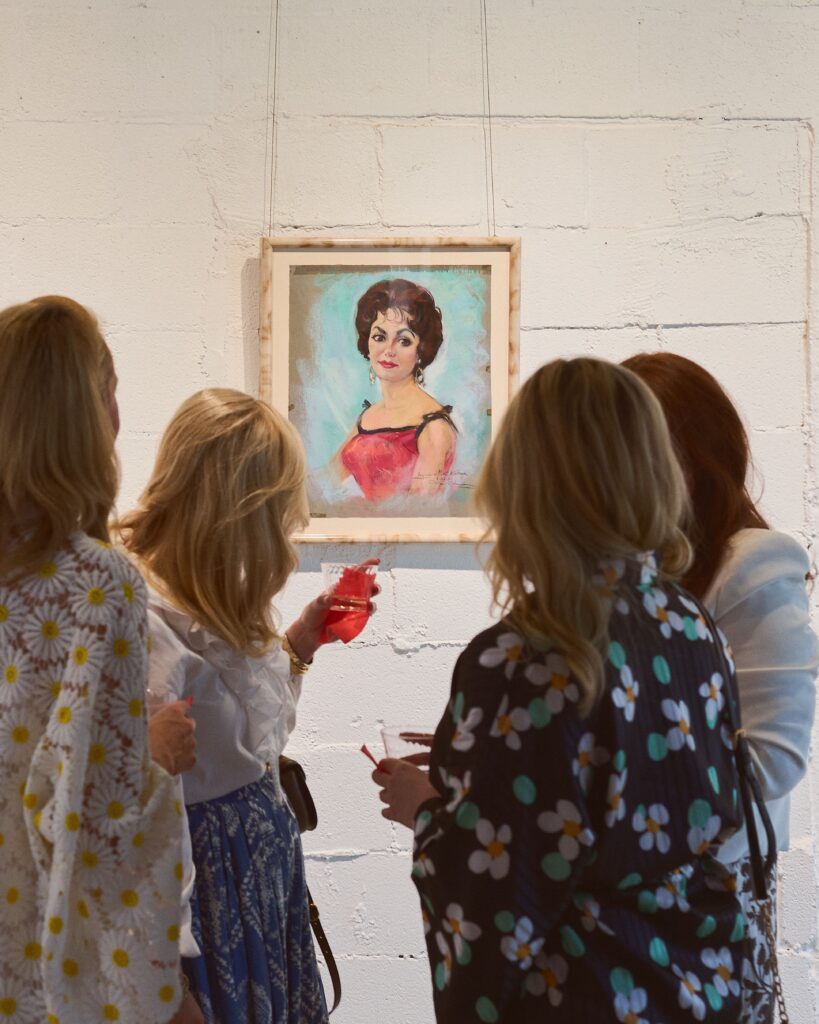
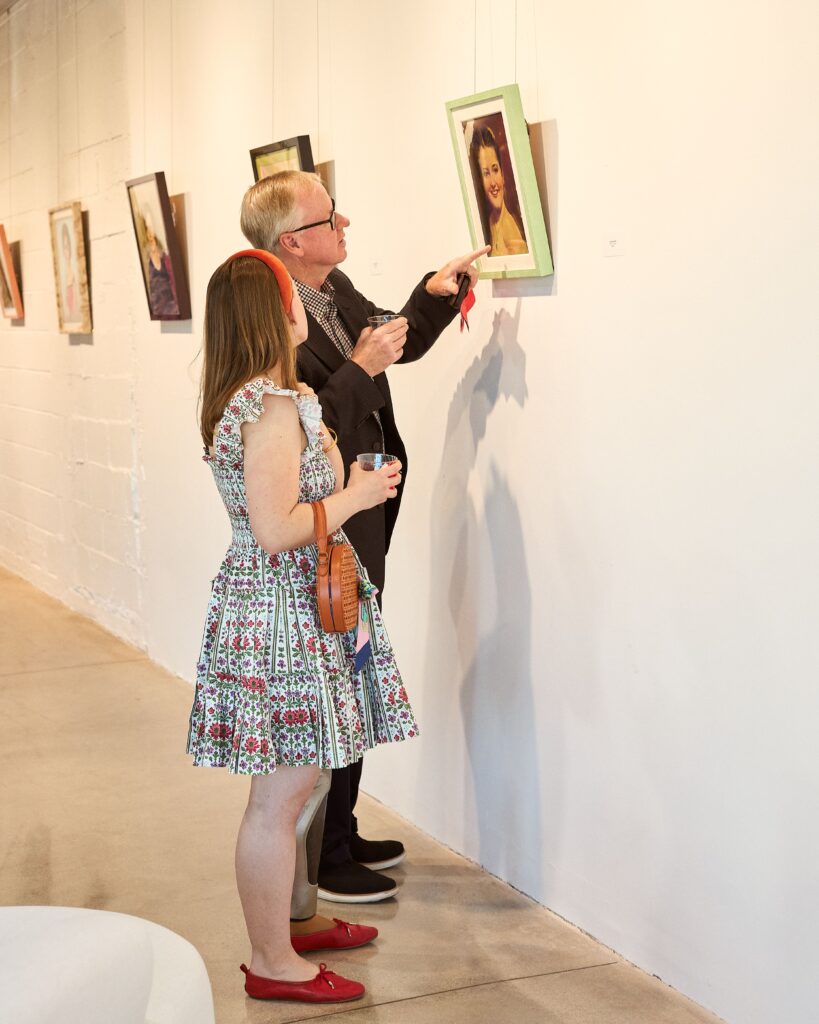
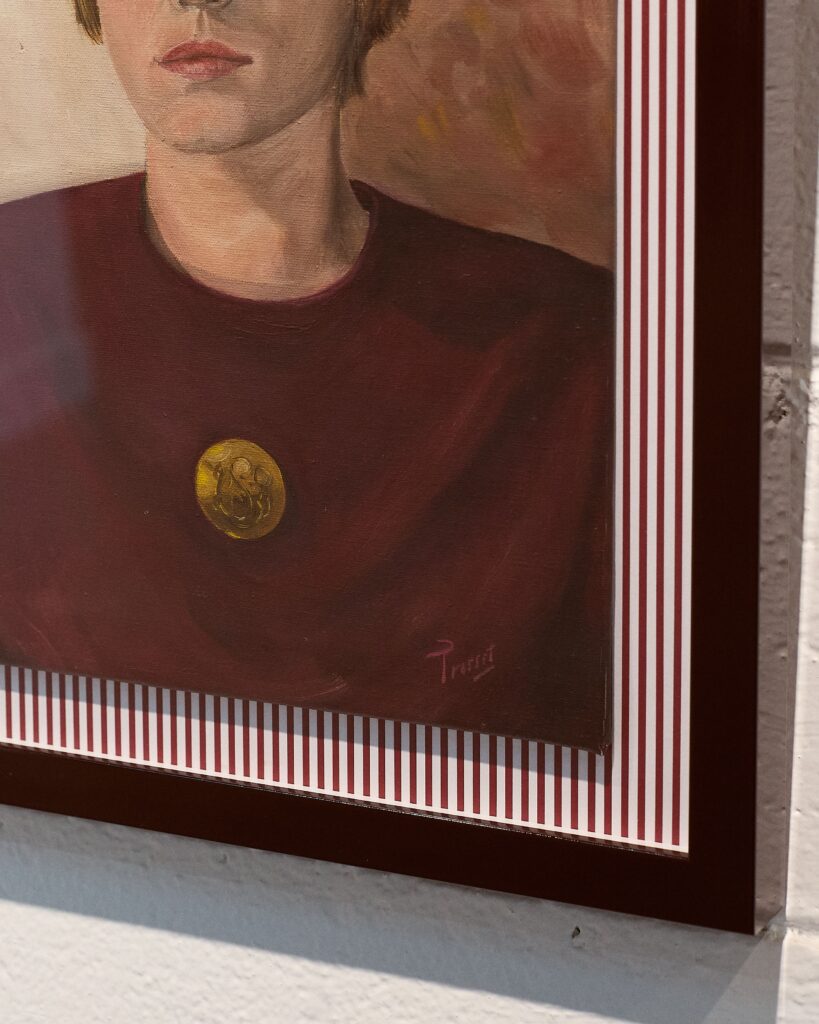
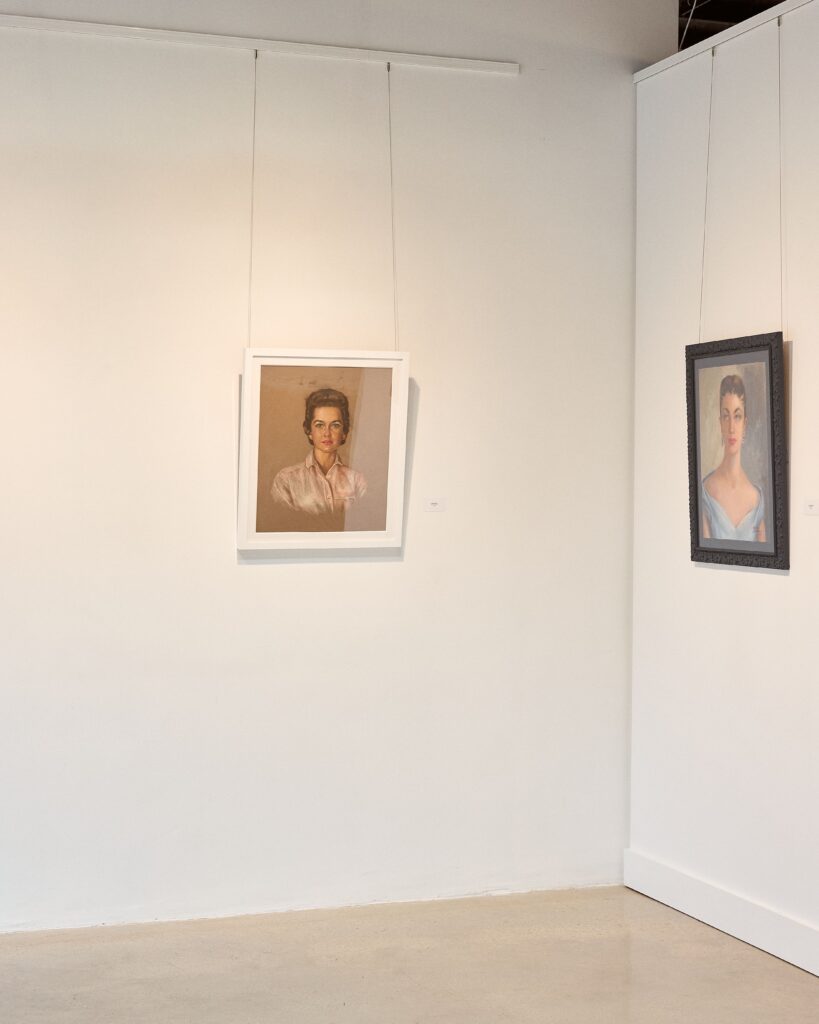
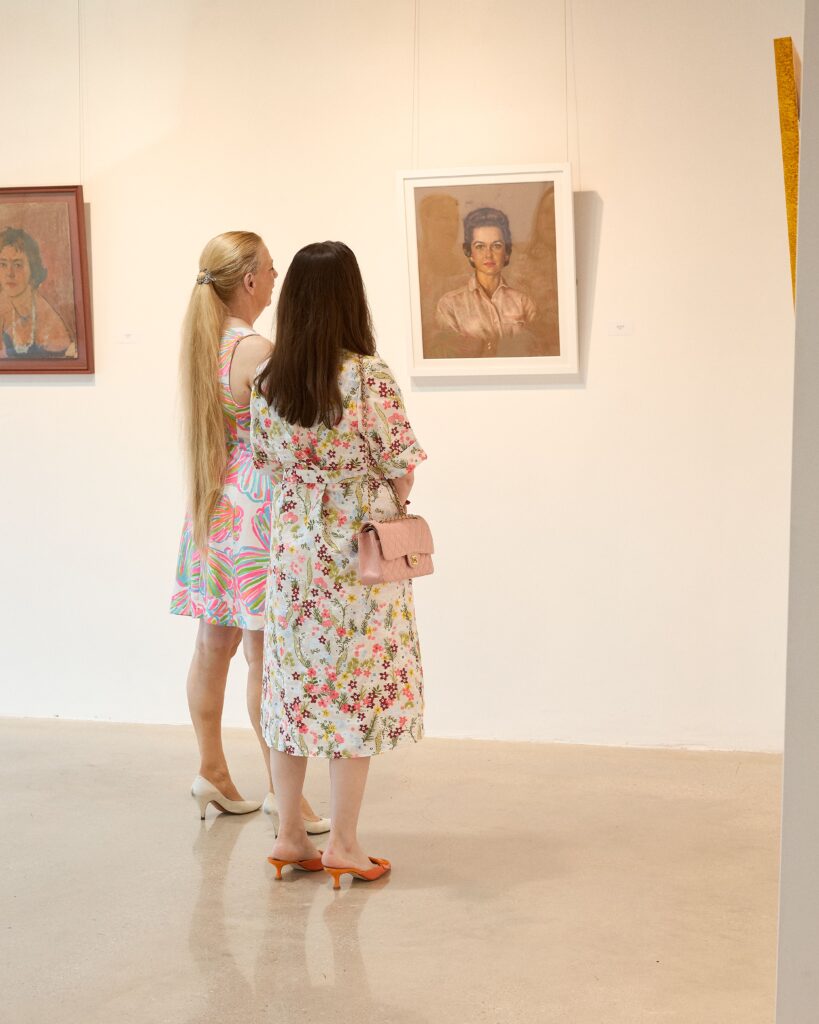
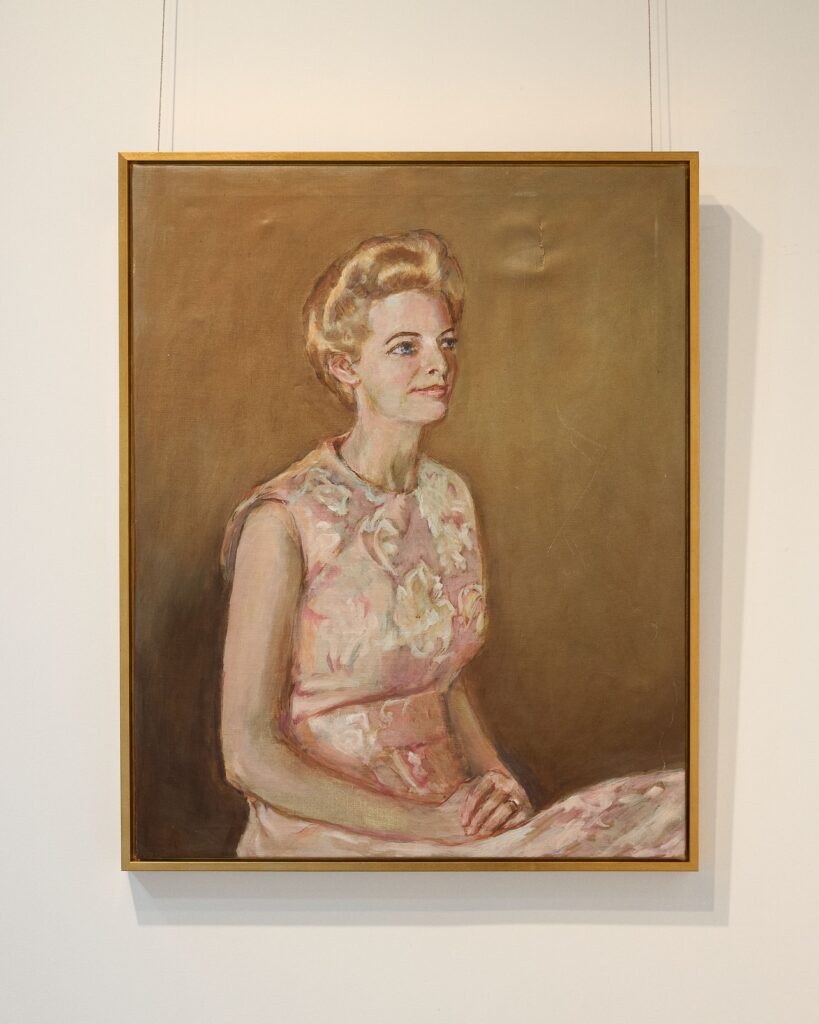
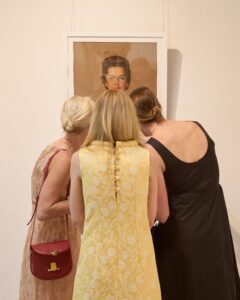
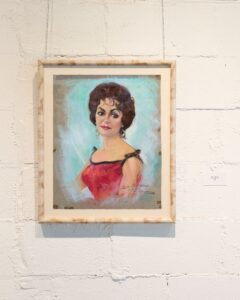
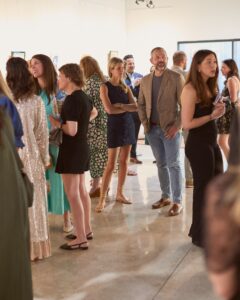
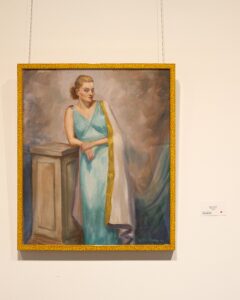
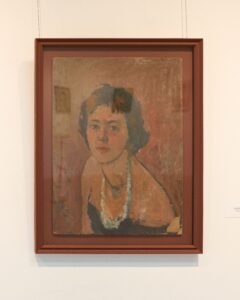
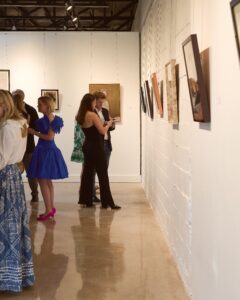
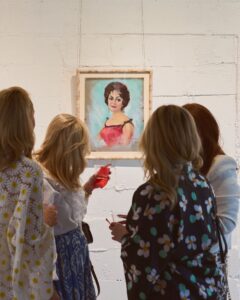
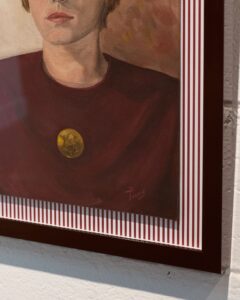
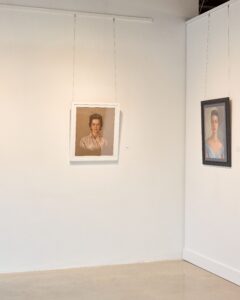
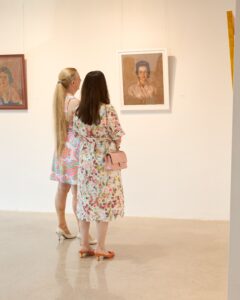
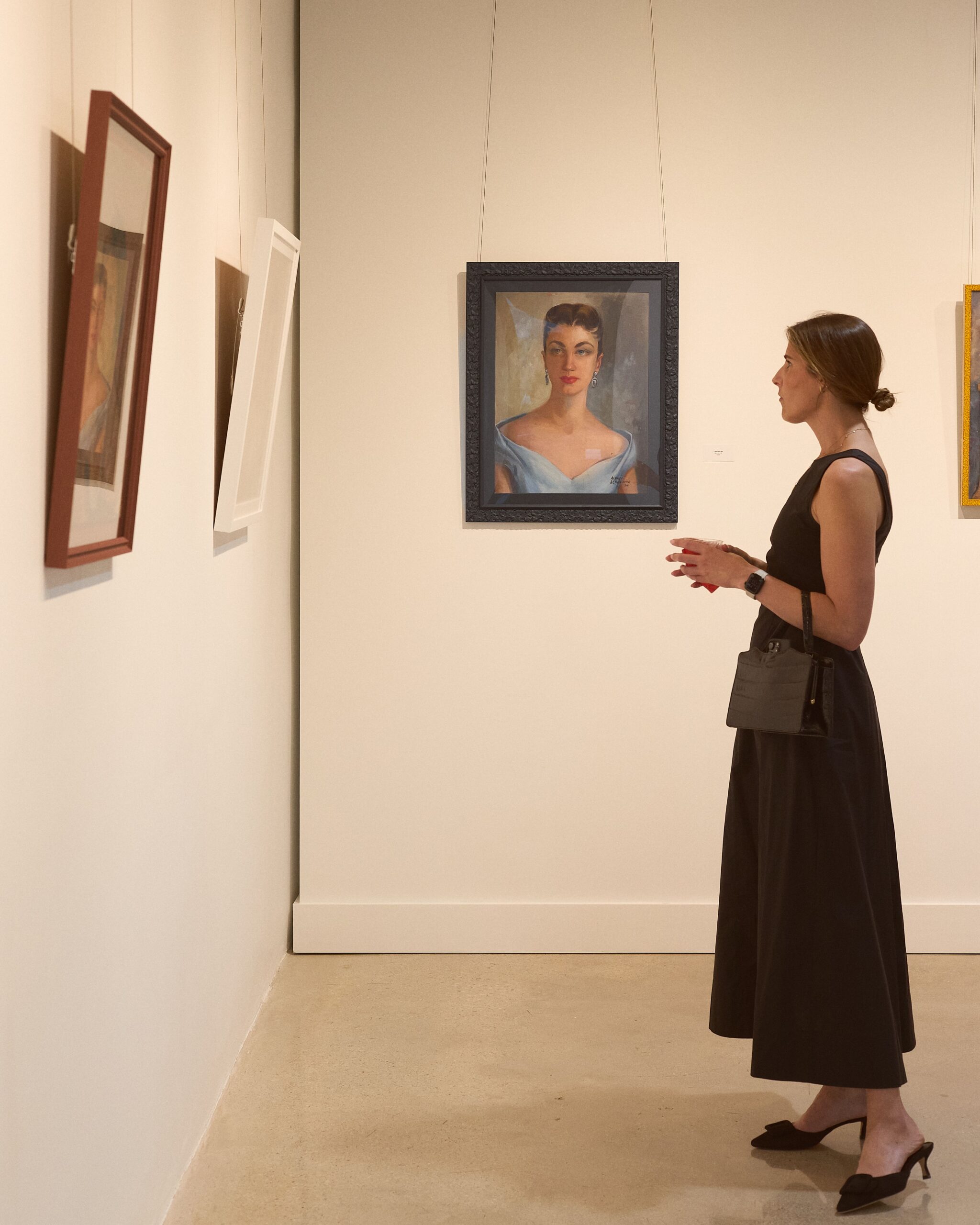
Framebridge and PaperCity presented "The Lost Ladies of 1961," an exhibition of found portraits of extraordinary women. (Photo by Heather Halbert)
As a thrifter, I live for the thrill of the hunt.
Almost three years ago, I braved an adventure to the Goodwill Outlet Store. If you’ve never heard of a Goodwill Outlet (also referred to as “the bins”), it’s where things that don’t sell at Goodwill end up before they’re lost forever. Employees roll out massive blue bins, which are on the floor for approximately 15 minutes. Items are sold by the pound, as it’s a last attempt for these donated items to find a home before they end up in a landfill.
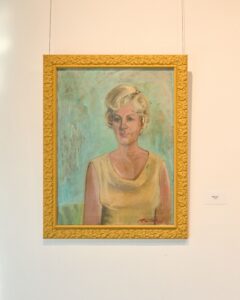
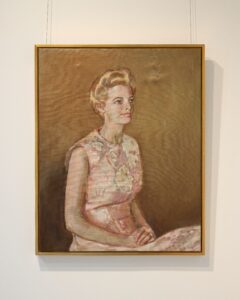
Amongst faded t-shirts, broken appliances, and chipped tchotchkes, a canvas caught my attention. I saw an original acrylic painting of a woman. In her portrait, likely done in the 1960s, the unnamed lady with a blonde bouffant wore a feminine pink shift dress; her lips closed in a soft smize. A lump immediately formed in my throat, and the prickling tears that welled in my eyes made my nose itch. How did she, this matriarch of a family, go from hanging on the mantel of her home to a discarded relic? Who was she? Who declared her worthy of forgetting?
I paid a few dollars for the portrait and took her home. I texted a friend and fellow thrifter, Ashley Snelgrove, in South Carolina about my treasure and the emotions that she elicited. We talked about the idea of an art show featuring collected portraits, salvaged from thrift stores.
And so the hunt began.
I posted about my “lost lady” on Instagram and received an overwhelmingly positive response. I started collecting portraits; people started sending me portraits. The requirements were simple. The portrait needed to be vintage, inexpensive, and found (Goodwill, Salvation Army, garage sale, estate sale, or thrift store). It needed to be midcentury and feature a woman. So, “The Lost Ladies of 1961” was born.
Spring at Bering's









In total, we (and I do mean WE) collected 17 striking portraits of unknown and unnamed, magnificent women. Many arrived with imperfections, from a tear in the canvas to water damage to the natural patina of life in a Texas attic or garage. I delighted in these flaws and considered them as I do wrinkles and laugh lines — indicators of a life well lived.
The Lost Ladies went from a black-and-white idea to a technicolor exhibition-in-motion when I asked Framebridge to partner alongside PaperCity as a presenting sponsor. They readily and enthusiastically agreed to support the event. I gathered all 17 portraits and took them to Framebridge’s brick-and-mortar location at The Hill in Dallas, where I chose from their wide-ranging selection of colorful mats and frames. The metamorphosis began at Framebridge, as each gal lost the gaudy (and often baroque) vintage frame that weighed her down. I opted for glossy bright colors, burl wood, striped mats, and even a few monochromatic mat-and-frame combos from their Farrow & Ball collection.
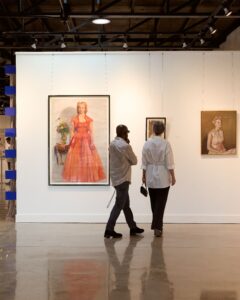
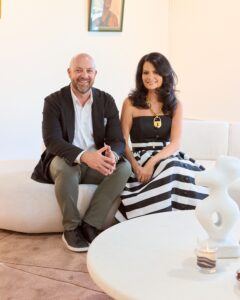
James Williams of J Williams Fine Art generously offered to open the doors of his beautiful and light-filled Design District gallery for the opening reception. Williams professionally installed the portraits, and it felt particularly striking to see them as a collection.
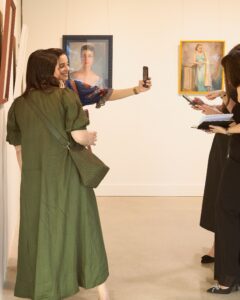
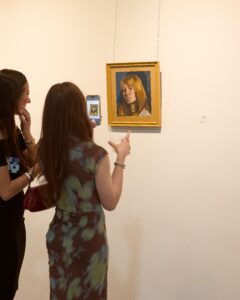
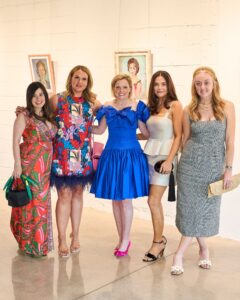
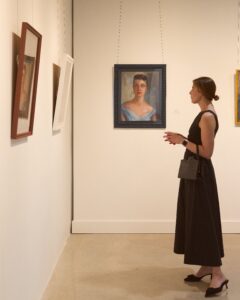
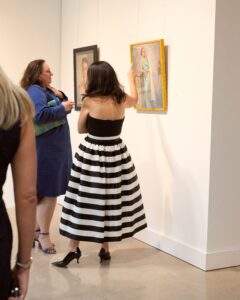
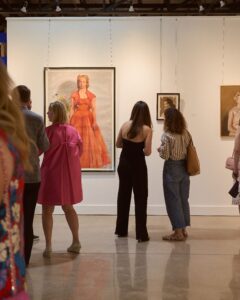
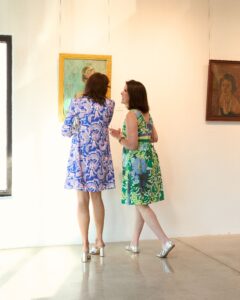
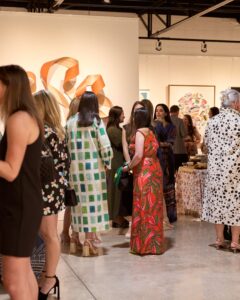
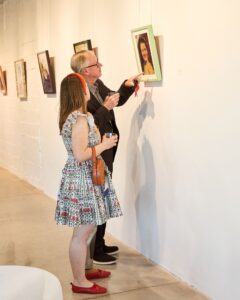
On a recent bustling Dallas night, more than 125 thrifters, art lovers, and vintage enthusiasts gathered at J Williams Fine Art for the one-night-only exhibition of found portraits, “The Lost Ladies of 1961,” presented by Framebridge and PaperCity.
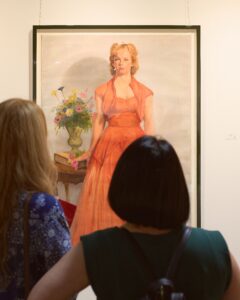
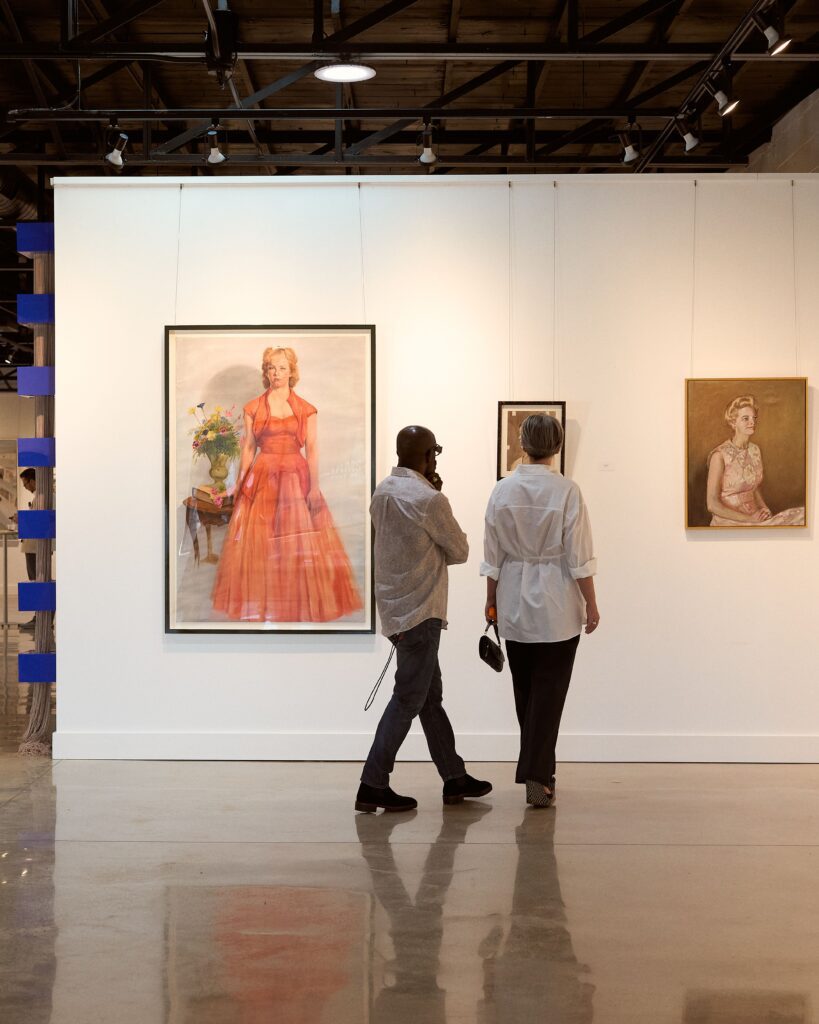
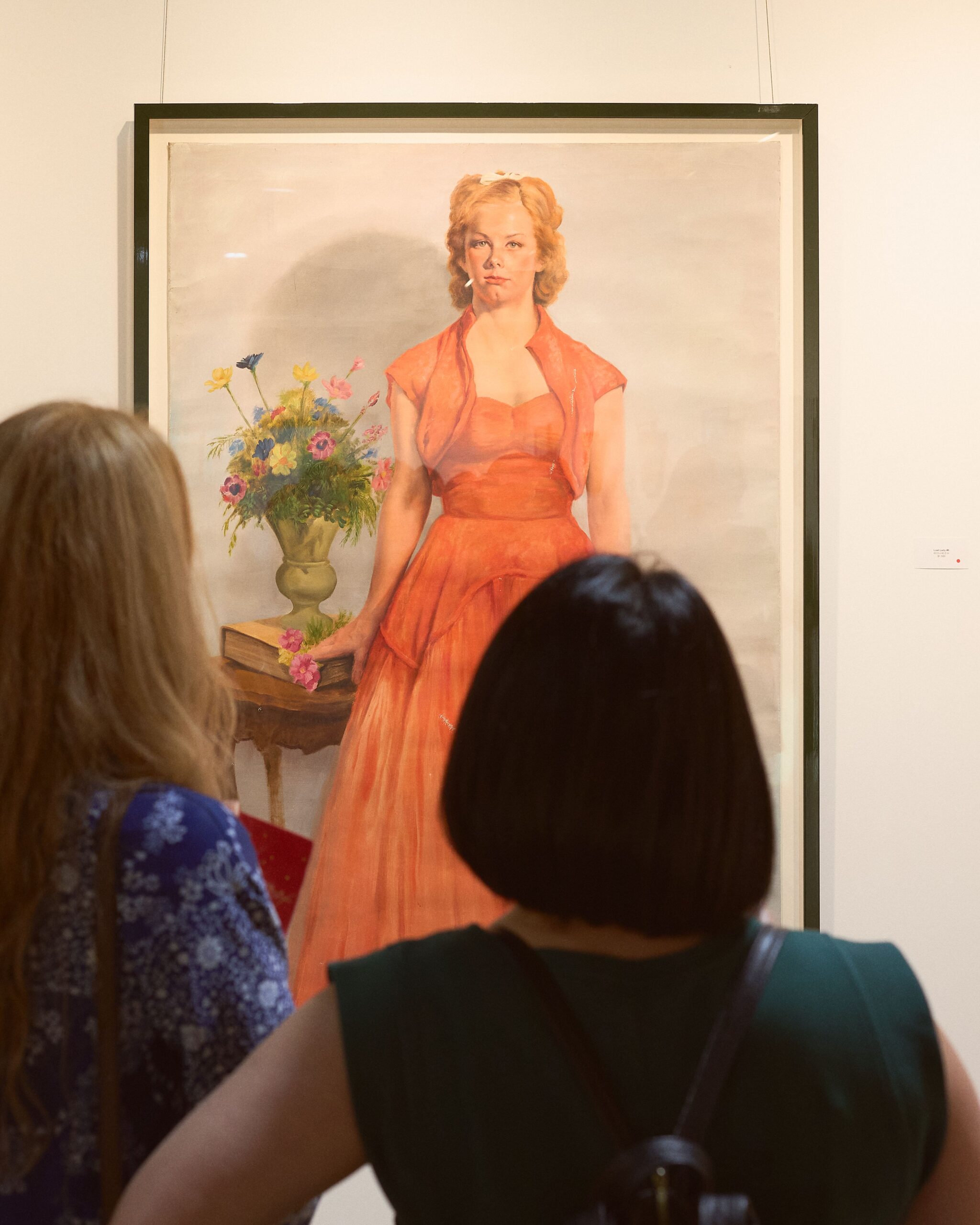
The largest piece in the collection, a five-feet-tall portrait of an angsty teenager posing in a bright orange dress, perhaps drew the most attention. Looking at the Flaming June, now named “Evelyn,” a friend whispered in my ear, “She was obviously annoyed with her mother.” Some expressions remain timeless.
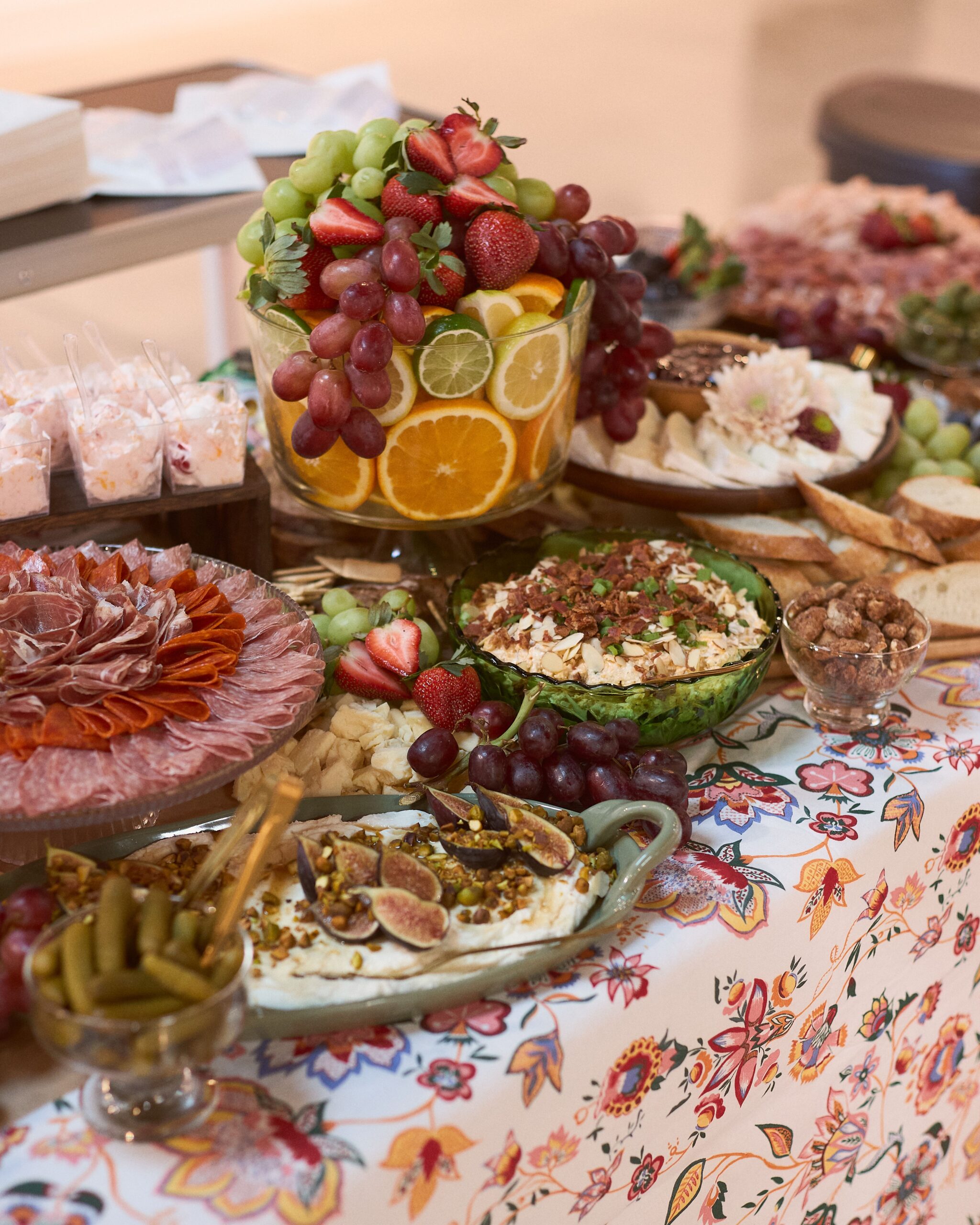
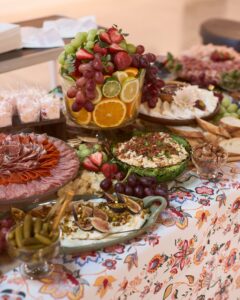
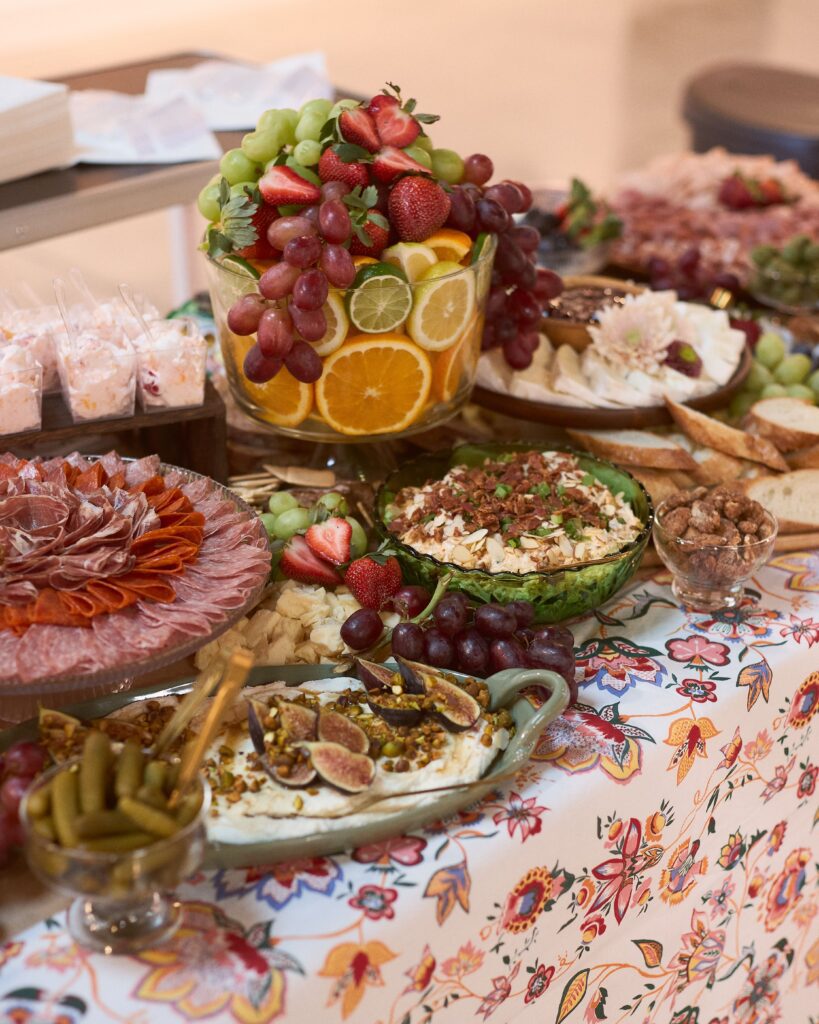
Between sips of HALL Wines, guests noshed on the perfectly themed bites from Mary Faybik of Oh My Nosh. In addition to locally sourced favorites from Jimmy’s Food Store, Daybreak Cannery, Ross’ Rowdy Bees, Armagh Creamery, and Circle N Family Dairy, the spread included:
- Rosalyn Carter’s pimento cheese recipe on freshly made profiteroles
- Ambrosia salad with cherries, marshmallows, pineapple, mandarin oranges, and coconut
- Neiman Marcus Dip (aka Million Dollar Dip) with almonds, bacon, and sharp cheddar
- Notorious P.I.G. candied bacon
- Whipped G.O.A.T cheese with berries and another with fresh figs, pistachios, and honey
- Peanut, potato chip, and chocolate cookie homemade nougat
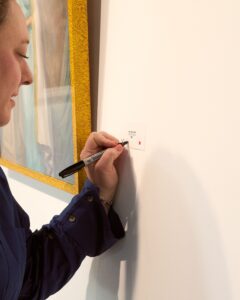
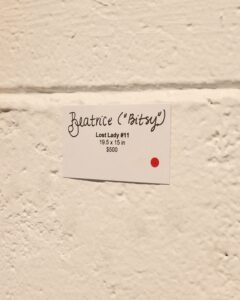
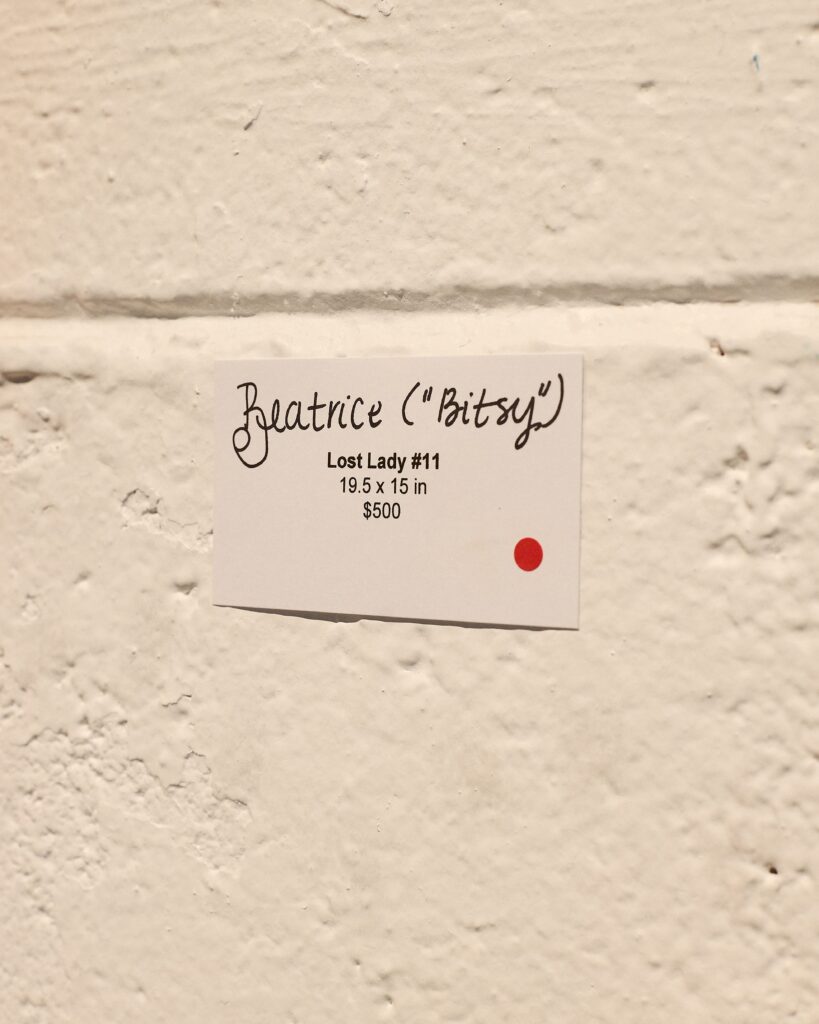
Guests admired the portraits of the Lost Ladies, which were available for purchase with a $500 donation to Dallas Children’s Advocacy, which hosts the wonderful Art For Advocacy fundraiser every year. After purchasing, the buyer was given a Sharpie and asked to give their Lady a name and begin rewriting the story of who she was. As I saw each red dot and new name, my heart swelled.
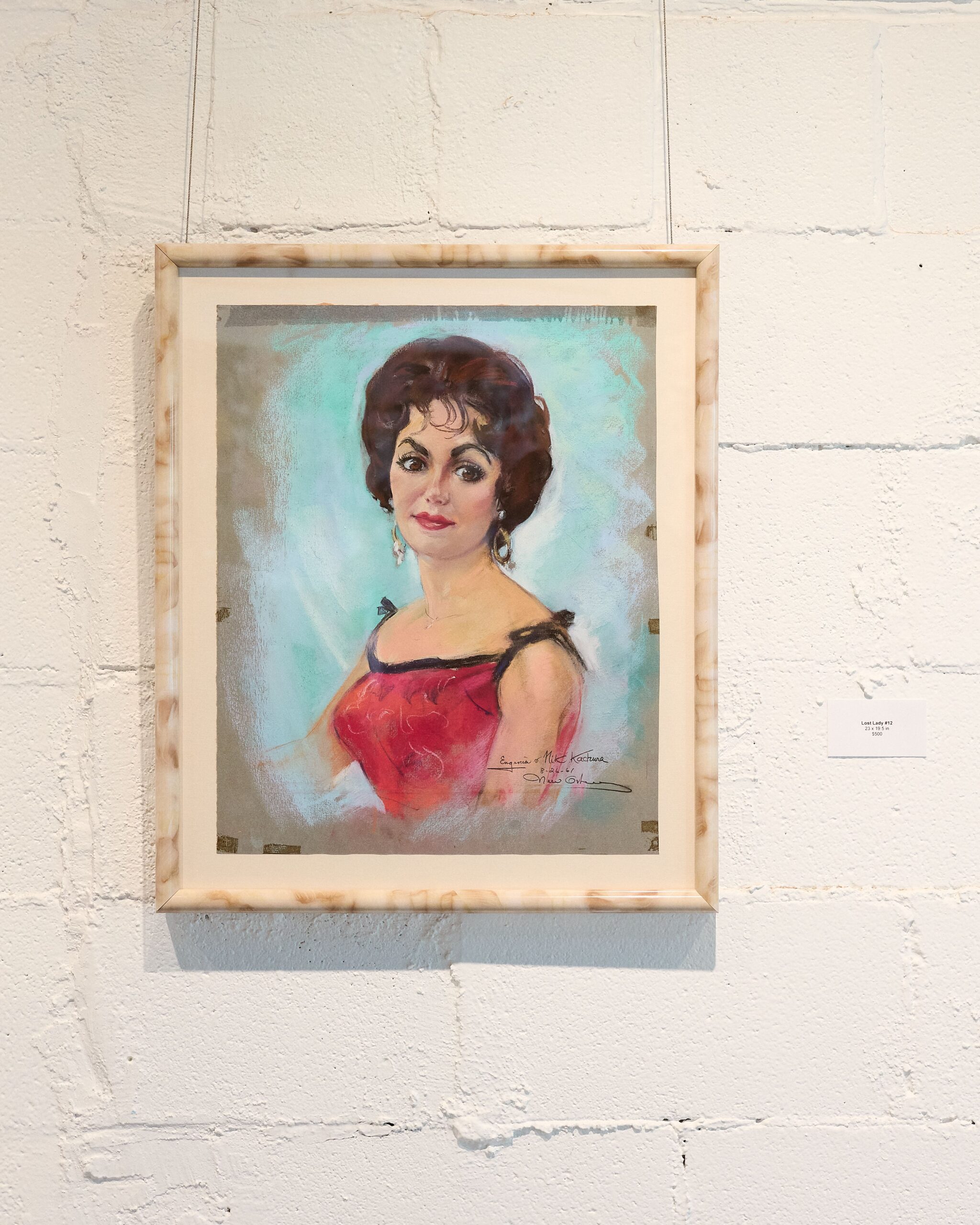
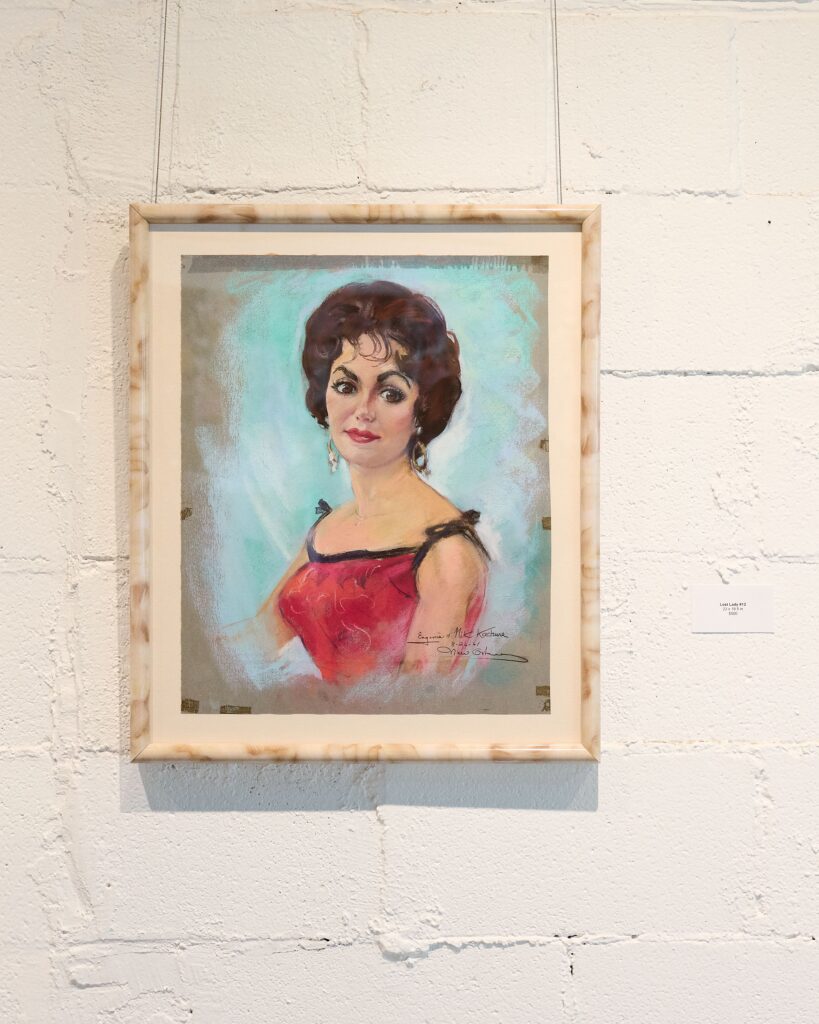
Art advisor Jennifer Klos of Collector House gave a brief gallery talk on the history of portraiture. Kaitlin Saragusa Kellerman took elegant seated portraits of guests in a vignette designed by Sarah Ring that featured Society Social wallpaper. Camp Crafty’s Lilly Watson read a fictional story she wrote about Lost Lady #12, now known as “Miss Maple” or “The Queen of Memphis,” written from the perspective of a man who met her in 1961, the year the portrait was done.
“Maybe it is that she is discerning of who she opens up to, maybe it was my charms, the fact that I was an out-of-towner, or the idea that her beauty intimidates many boys from approaching her, but all it took was my hello for the Memphis Queen to become soft in my hands. By the end of our time at the Peabody Bar, I was a prisoner to her charms, and by the time we walked to Beale for swing dancing at Silky O’Sullivan’s, it was hard to tell where she began, and I ended. Holding black coffees in paper cups, we told each other our dreams while watching the stars dance on the water and heard Elvis singing “Blue Suede Shoes” as the sun broke over the Mississippi River.”
That night, guests purchased and took home 15 of the 17 portraits. (As an anecdotal observation, I must note that several buyers selected portraits that… kind of looked like them?!) In the hours and days that followed, I continued to receive texts and emails with stories of Lost Ladies’ new lives:
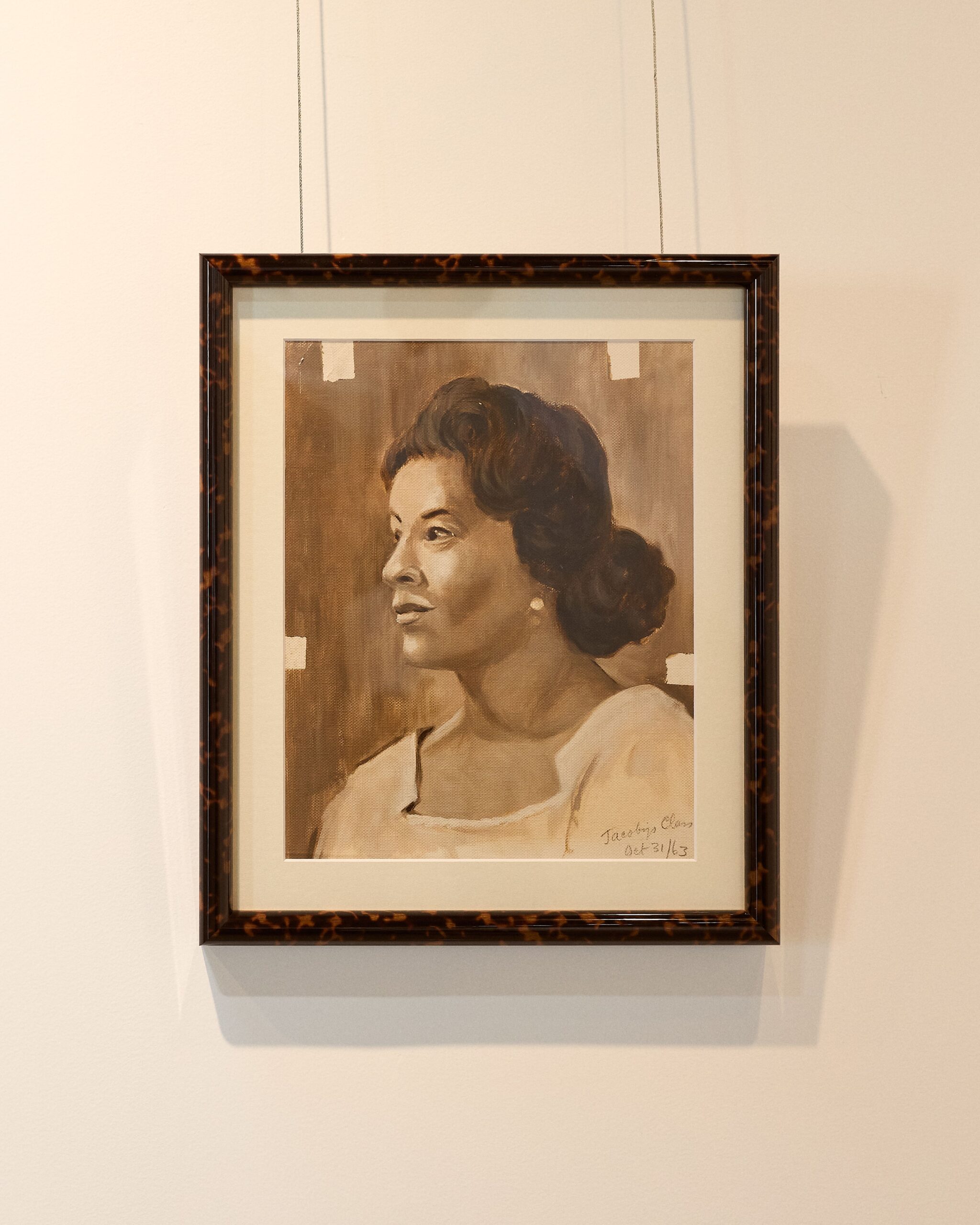
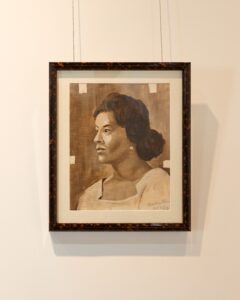
Lost Lady #7, now named Stella — “Stella carries a quiet, undeniable strength. As a Black woman in the 1960s, her presence alone holds weight, dignity, resistance, and grace in a world that asked her to be smaller. She feels shaped by many worlds, thoughtful, observant, and deeply grounded in who she is. Her bravery is subtle but powerful: choosing her own path, trusting her voice, and standing firm when it would be easier not to. There’s a wisdom in her, as if she has lived more than her years suggest.”
Lost Lady #9, now named Perdy — “I have chosen to name my lost lady Perdita or ‘Perdy’ for those in the know. She was 27 when this portrait was painted in 1958, in a small Southern town that never quite understood her. She was very beautiful, but in a quiet, almost unbothered way, and she never seemed to care much for attention or praise. To most, she came across as polite and perfectly well-mannered, but those close to her knew there was something sharper just beneath the surface—an edge in the way she spoke when she chose to, and a confidence that didn’t ask for permission. She was smart and curious, always thinking beyond where she was, and there was something in her expression that felt a little hard to place, as if she knew more than she let on and had plans she wasn’t in any hurry to explain.”
Later, my friend texted me, saying, “After choosing this name, I Googled it and found out that its origins date back to William Shakespeare. And the name translates to ‘lost’. Shakespeare’s Perdita from The Winter’s Tale was known as ‘the abandoned princess.’ How fitting is that?!!”
This was my first time curating an art exhibition, but I *do* know that you aren’t supposed to tell the viewer what they’re supposed to take away from their experience with the works. For that reason, I won’t project my intentions onto you. The ladies have been silent long enough; they’re ready to speak for themselves.
They once were lost, but now they’re found.
PC Seen: Javier Burkle, Erika Burton, Courtney Derderian, Nina Sachse, Mason McCleskey, Sally Pretorius Hodge, Samantha Wortley, Catalina Gonzlez Jorba, Miles Trapp-Danielson, Billy Fong, Annie Roche, Lorene Agather, Madison Ridgway, Suzy Butin, Helen Goblirsch, Natalie Biondi, Lilly Watson, Morgan Wade, Andrea Cheek, Allisson Chester, Christy Doramus, Suzanne Droese, Shelby Foster, Kate Halicki, Bethany and Stephen Holloway, Isabell and Trey Higginbotham, Jessica Khan, Brittney Lanier, Christina Papaila, Rachel Mabry, Courtney Petit, Lisa Sadoughi, Claire Strange, Avril Terry, and Ellie Campion.