Dallas City Hall, Fort Worth, and Beyond Take Centerstage in AURORA’s Biggest Public Art Event Ever
"States of Becoming" Will Transform the Biennial From a One-Night Event to an 18-Day Experience
By Megan Ziots //
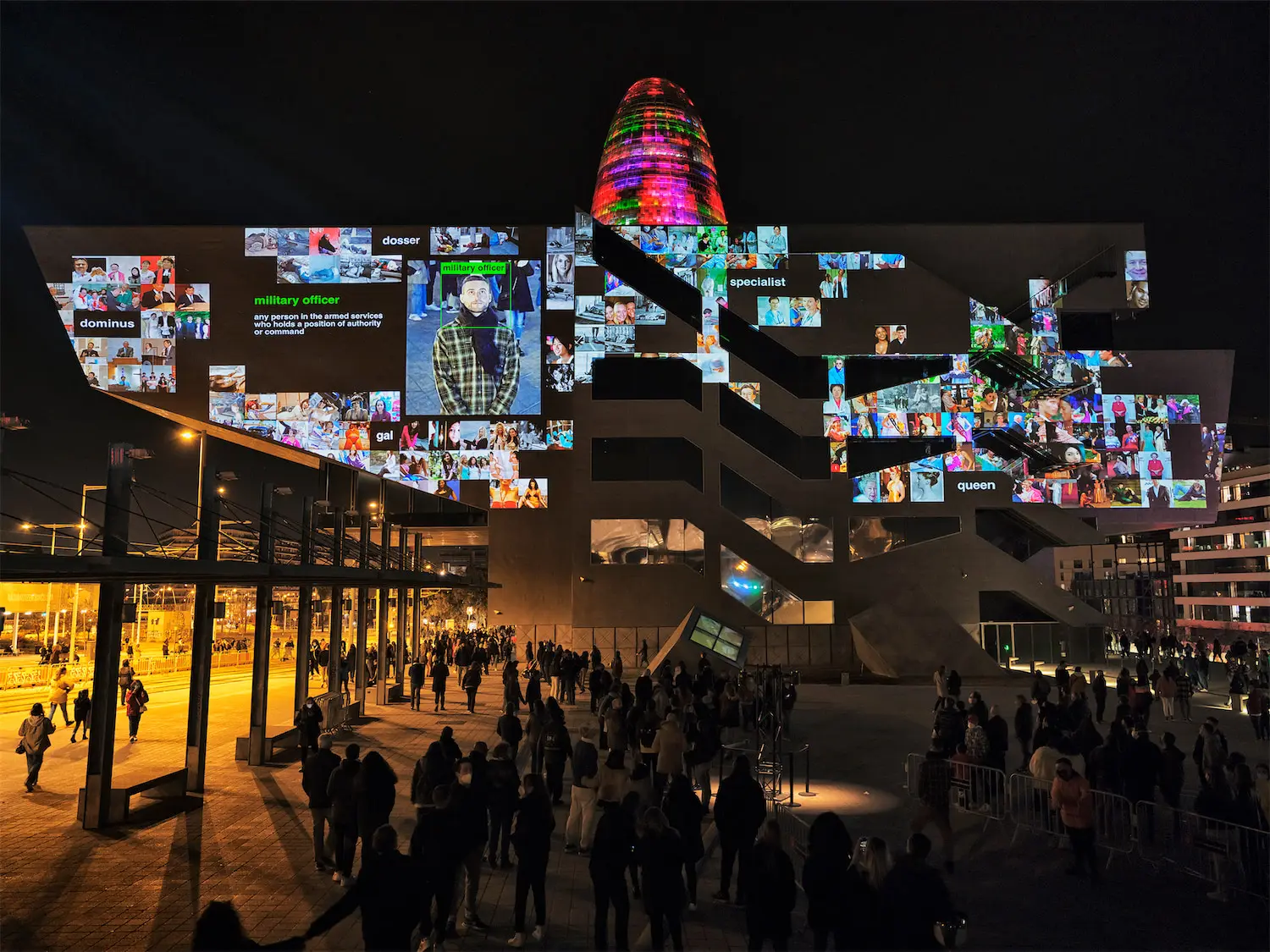
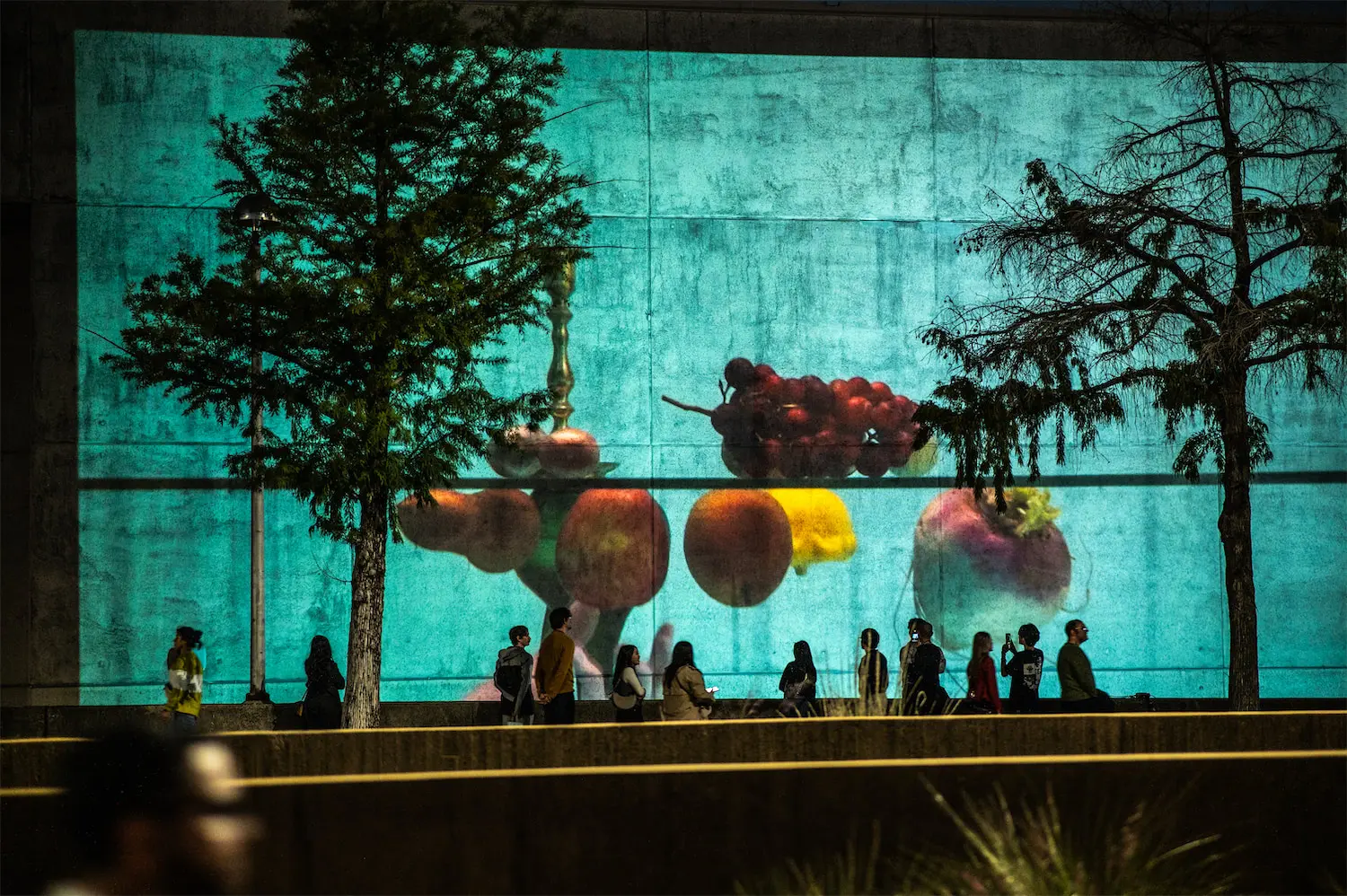
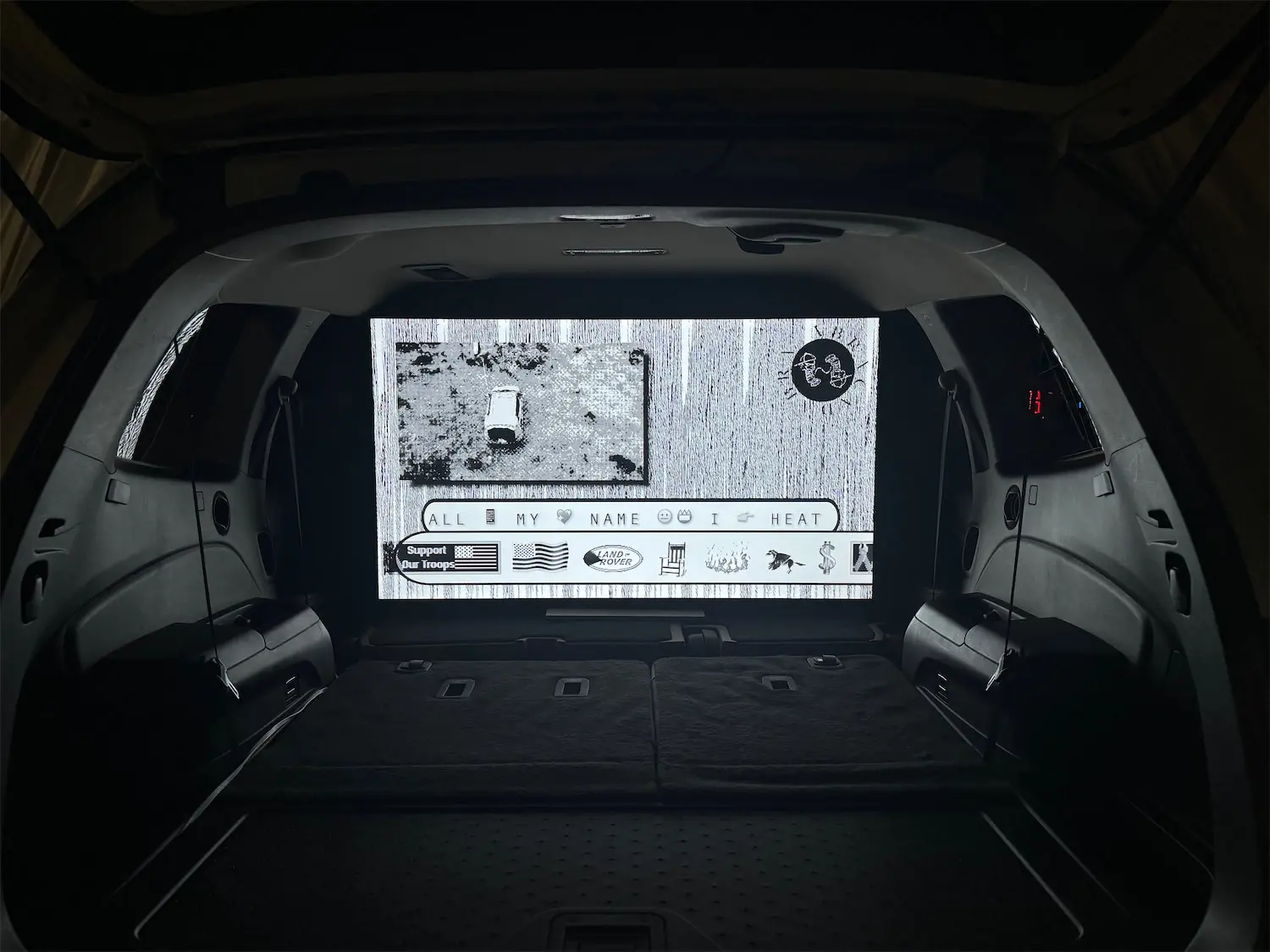
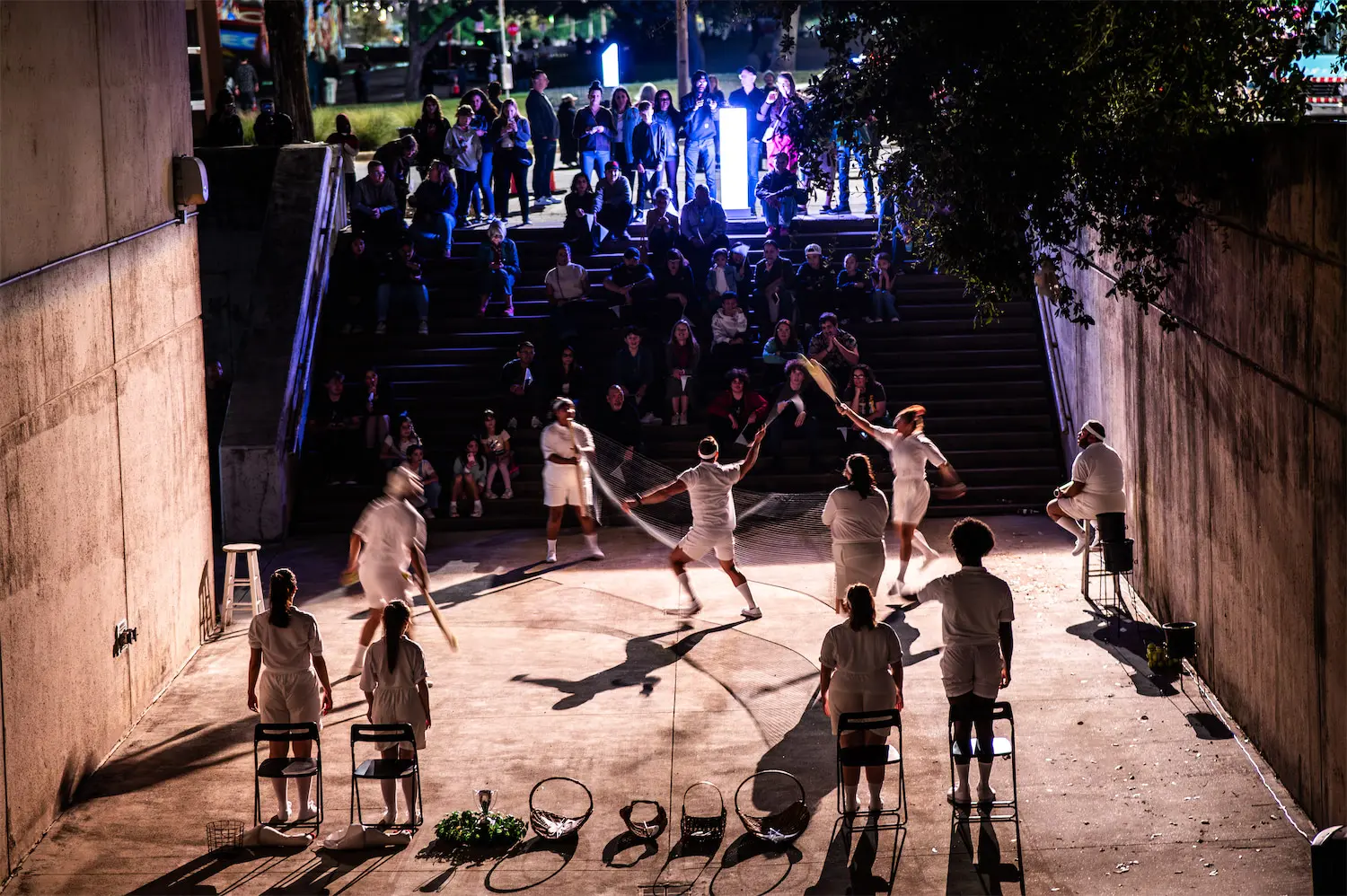
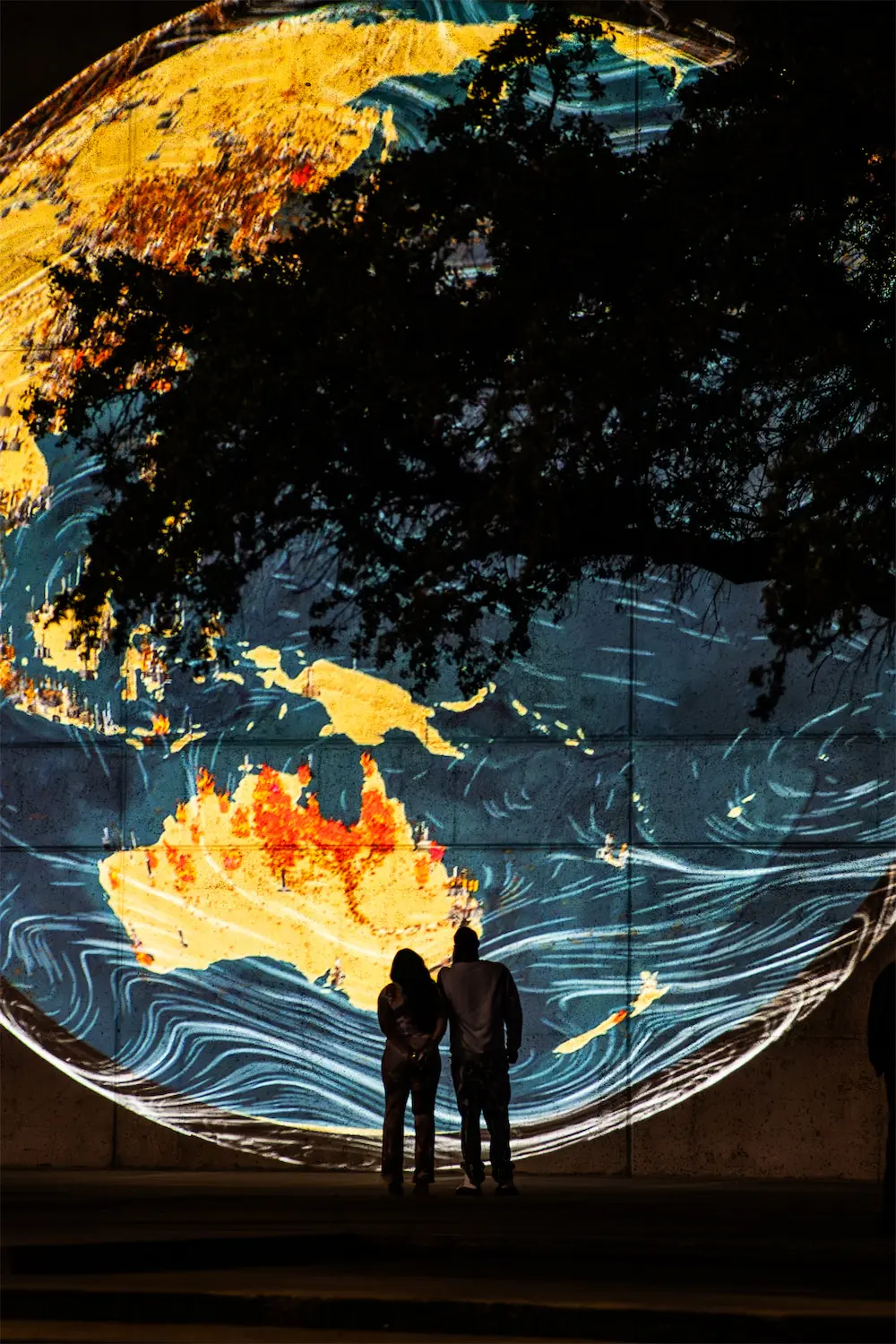
AURORA is back and (way) bigger than ever for its 2026 Biennial this fall.
Founded by Shane Pennington and Joshua King in 2010, along with veteran Dallas arts supporter Veletta Forsythe Lill, AURORA is a Dallas-based nonprofit arts organization that began as a one-night public art event. It has evolved into a year-round organization presenting artists, exhibitions, commissions, and programs with new events like the Video Art Night series — all with the goal of bringing contemporary art into public spaces.
In 2024, the AURORA Biennial made its great return to Downtown Dallas after six years (which included several ‘pivot years’ following the COVID-19 pandemic). We were there for that sixth biennial titled FuturePresentPast. The multi-sensory public art and technology exhibition showed us just how innovative our local art scene is.
And this year, for AURORA’s seventh biennial, things are getting even more exciting.
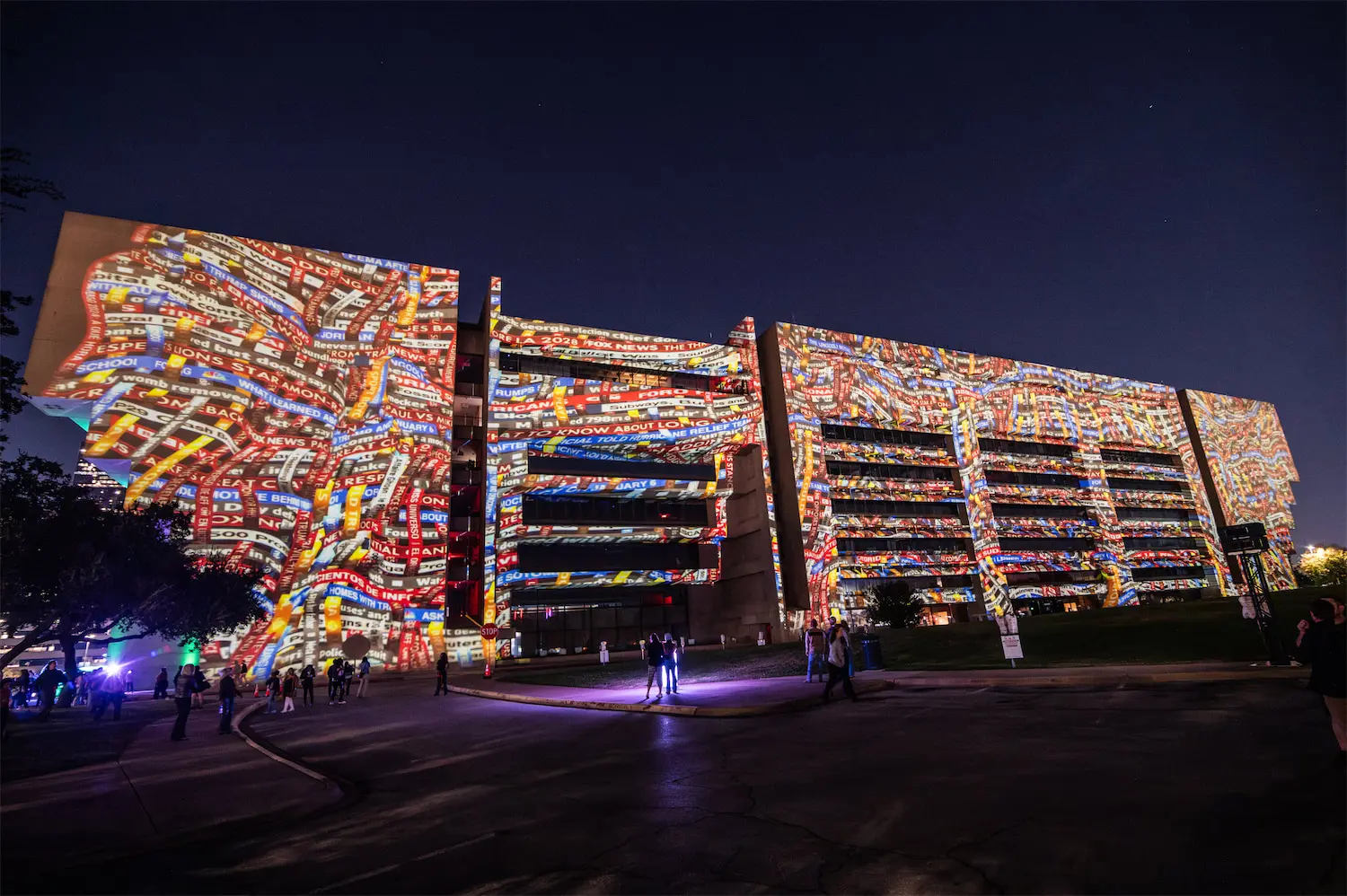
Called States of Becoming, the 2026 AURORA Biennial will expand to an almost-three-week event, from November 4 through 21, with performances, conversations, lectures, and artist-led experiences. Spaces will be activated across Dallas-Fort Worth, with the final event on November 21. On this last day, the outdoor exhibition will be displayed in Downtown Dallas across the J. Erik Jonsson Central Library, the AT&T Discovery District, and the current hot topic, Dallas City Hall.
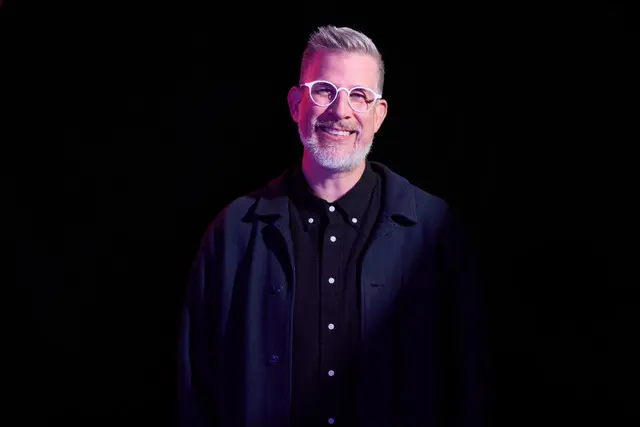
We recently caught up with AURORA Co-Founder Joshua King to find out more about this year’s event.
Baobab Classique Scented Candles


How did AURORA go from one night to an almost three-week event?
AURORA started in 2010 as one night because we were all about creating a moment that would never be forgotten. Shane Pennington and I were artists and friends who believed there should be a place where art could exist outside of a museum or gallery and where everyone could experience it for free.
Over the years, that one night kept growing. What we realized is that people weren’t just coming for a spectacle; they were coming because they wanted to experience art together and see their city differently. The natural next step was to give that experience more time and more room to breathe.
It isn’t about making the event bigger for the sake of being bigger. It’s about allowing AURORA to become what it has been growing toward for a long time.
What’s new this year compared to previous years?
The biggest change is the format, but I think the most important change is the depth.
The work this year is looking at some pretty relevant and deep questions around technology, the environment, society, and what it means to be human right now.
What inspired the States of Becoming theme for this year?
This year’s curators, Julia [Kaganskiy] and Tairone [Bastien], were interested in the fact that we’re living through a period where so much feels like it is changing at once.
States of Becoming felt right because we’re not really in a finished state. Dallas isn’t. Technology isn’t. Culture isn’t. We’re all figuring out what comes next. I like that the theme doesn’t pretend we know exactly where we’re going. It creates a space to stop and look at the changes happening around us and ask a more interesting question: What do we want to become?
Which artist’s work are you most excited to see during the event, and why?
That’s a tough one because there are so many artists I’m excited about, but Trevor Paglen is probably the one I’m most eager to see in the context of Dallas City Hall. His work deals with technology, surveillance, power, and the systems that increasingly shape our lives. Putting that work on the facade of I.M. Pei’s City Hall creates a really interesting collision between who we are and the technologies shaping the future.
That’s one of the things AURORA does best: take an artist with something meaningful to say and put that work somewhere people might never expect to encounter it, and where more people can encounter it.
How do you go about finding artists across the world to participate? Are any returning from the 2024 Biennial?
AURORA has always been artist-founded, so the artists are at the center of everything we do. We’re constantly paying attention to what artists are making, what conversations are happening internationally, and where art and technology are intersecting in interesting ways.
This year, Julia and Tairone brought an incredible depth of international curatorial experience to that process. The result is a group of artists from places including Berlin, Norway, Poland, the Philippines, and New York, alongside artists from Dallas, Austin, and San Marcos so far (we are continuing to sign artists from around the world).
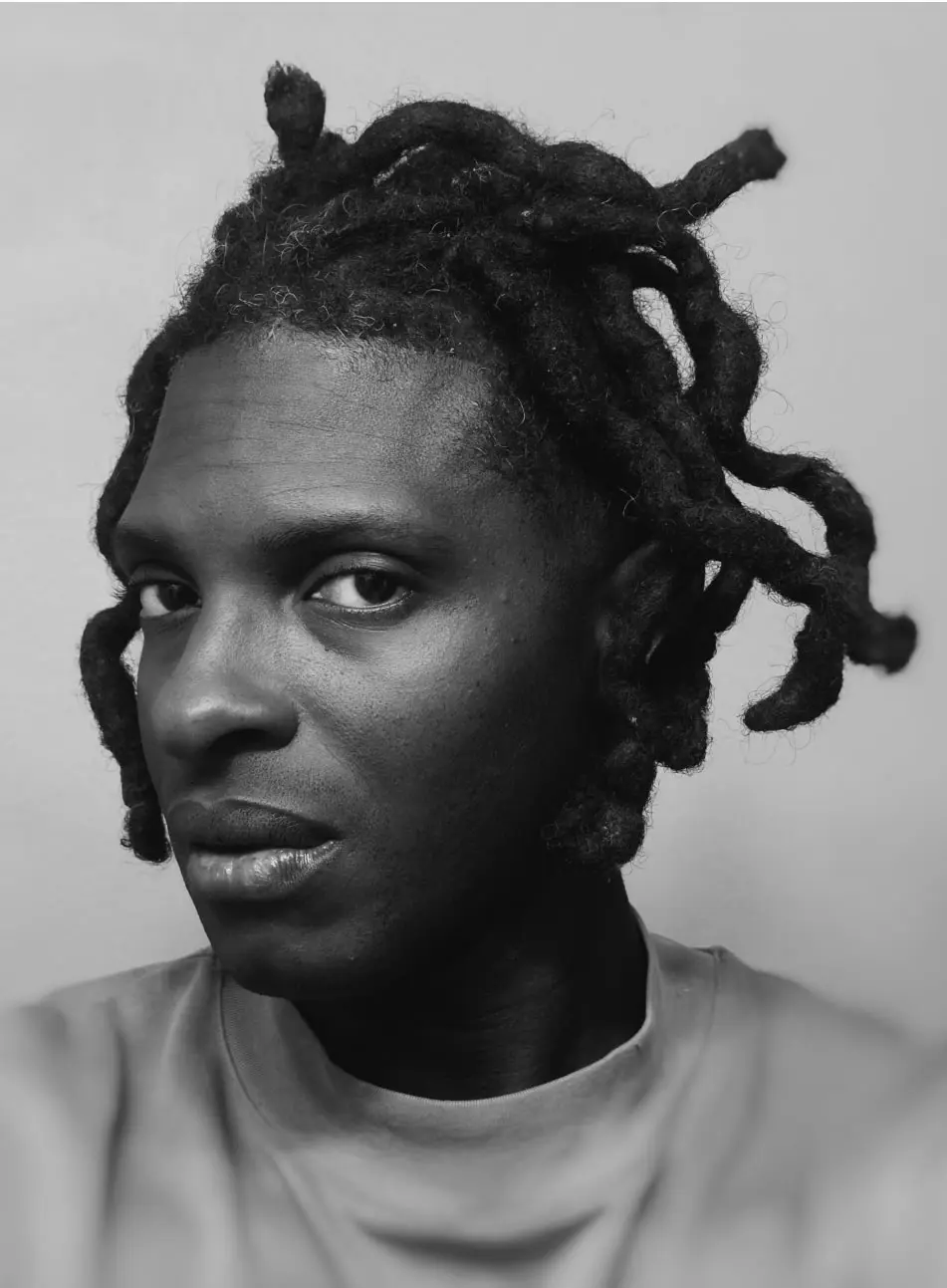
And yes, we have artists returning from 2024. Diana Rojas, Melanie Clemmons, Zak Loyd, and Tramaine Townsend are all returning. That’s important to me because AURORA isn’t meant to be a revolving door where artists come in, make something, and disappear. We want to build relationships with artists and create opportunities for them to continue developing their work.
How were these local artists chosen for this year’s event?
There’s a long history of local artists being part of AURORA, and that’s something we care deeply about. We don’t see “local” and “international” as separate categories. We want Dallas artists working alongside artists from around the country and the world, with the same level of artistic ambition and attention.
All four of these artists have strong practices and meaningful histories with AURORA. Diana, Melanie and Zak, and Eric [Trich] have participated in previous AURORA projects, while Tramaine has been part of AURORA since some of our earliest years.
What’s exciting is seeing these artists continue to evolve and grow. AURORA is a platform where Dallas artists aren’t just included because they’re from Dallas; they’re included because their work belongs in this conversation.
What’s the overall goal for this year’s event?
AURORA was founded on the belief that art should not be limited to people who feel comfortable walking into a museum or gallery. This year, I hope people leave with a little more curiosity about the world and about their own city. Maybe they see a work that completely changes their path in life. Maybe they ask a question they never would have thought about.
For us, that’s the goal: using art to change how people experience their city, themselves and each other.
What do you hope the conversations will be following the Biennial, specifically about Dallas City Hall?
I hope the conversation is bigger than whether the building stays or goes.
City Hall is an incredibly powerful piece of architecture, but it also represents a moment in Dallas when the city was thinking very boldly about its future. Putting contemporary art on that building gives people an opportunity to experience it in a completely different way and think about what that place means to the city.
Whatever ultimately happens with City Hall, I hope people are asking what we want our civic spaces to say about Dallas. What should they look like? Who should they belong to? How do we preserve the parts of our history that matter while still allowing the city to evolve?
Where do you hope AURORA goes from here?
Ultimately, I want AURORA to be something Dallas can point to and say, this is ours. Something that is authentically rooted here but connected to the international art world. Something that contributes to the civic identity of the city and leaves a cultural legacy for the people who come after us. That’s the future I’m most excited about.
The 2026 AURORA Biennial is a free public art event taking place from November 4 through 21. See the full list of artists participating here.
Trending
- Dallas Lands One of Two First-Ever Porsche Design Concours in the U.S. — A New Kind of Private Club for the Car Collector
- Houston’s 2026 Pearls Revealed as Shuck Cancer Plays To the City’s Food Strengths — Emerging Leaders and Brilliant Seafood
- The 10 Best Restaurants For Fall In The Woodlands — From Pumpkin Spice To Everything Nice
- Inspired By Her Mother’s Cancer Battle, Fort Worth Native Chaz Pilarcik Unveils Her Most Personal Cowboy Boots Yet With “Step With Her” Line
- What $5 Million To $10 Million Buys You In The Woodlands, a Land Where Mansions Rule

_md.jpg)