Confronting the Uncertain Future Of Image Making and AI — These Houston Photography Exhibitions Keep It Real
Moody Moments
By Ericka Schiche //
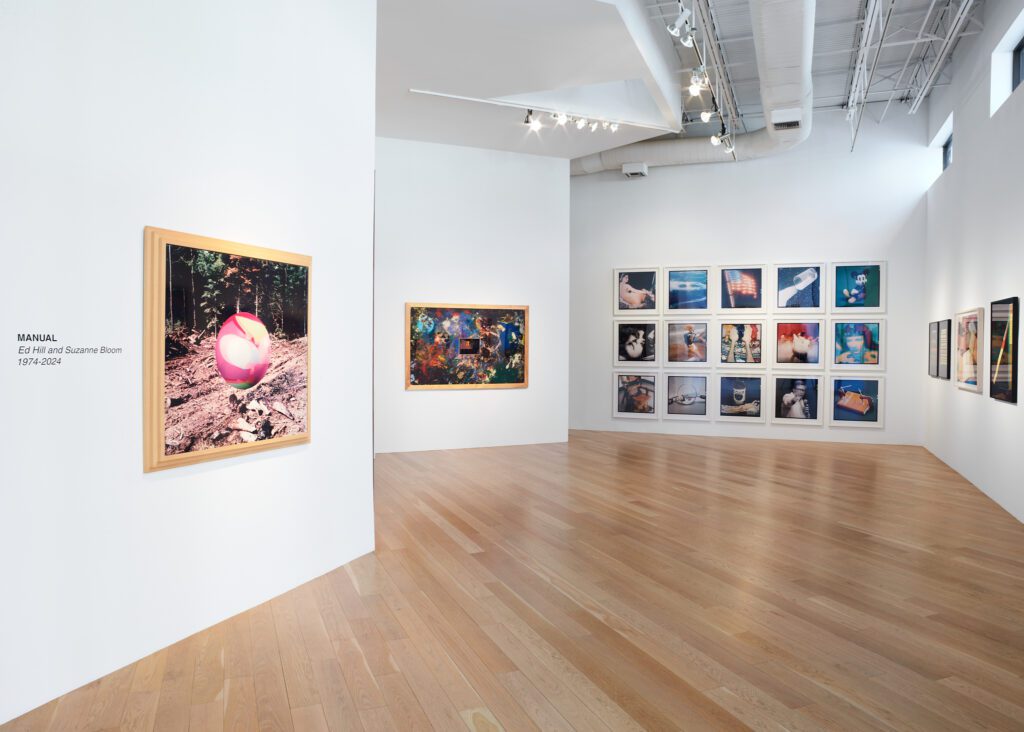
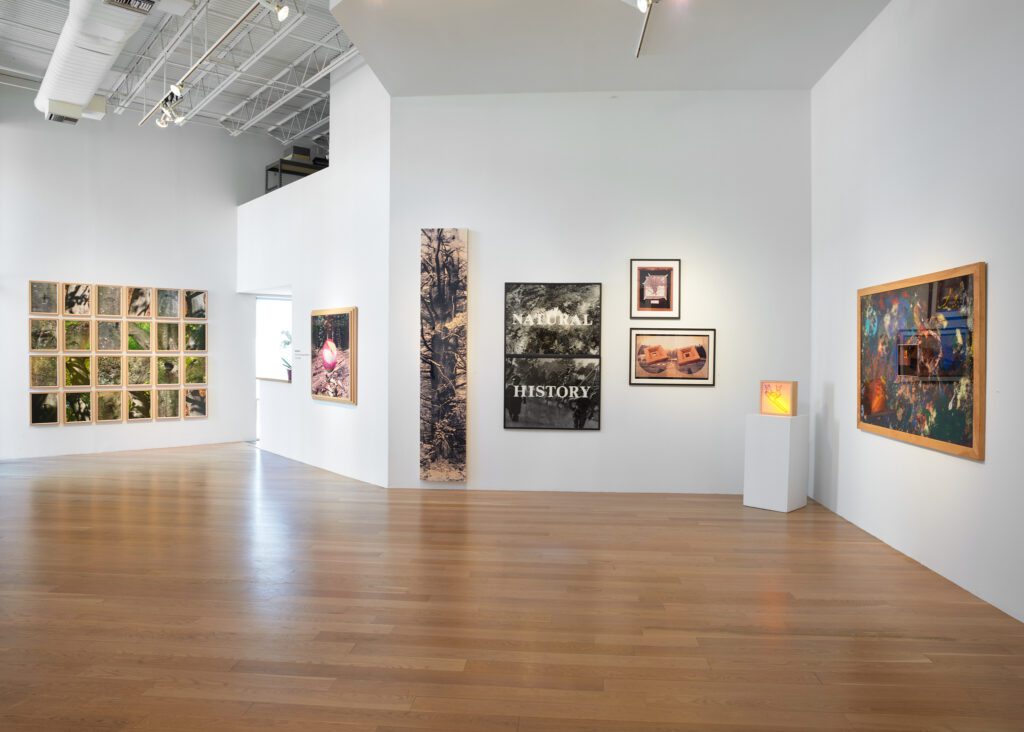
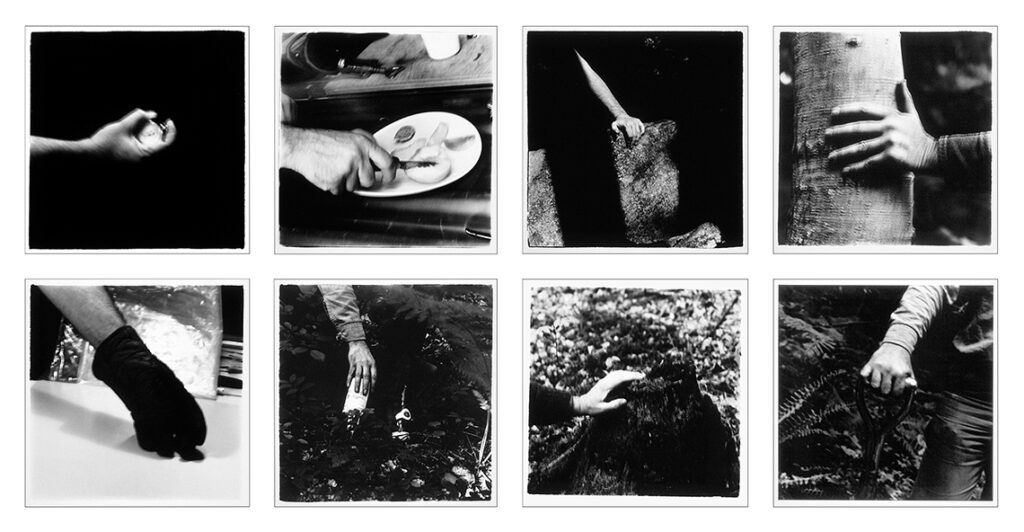
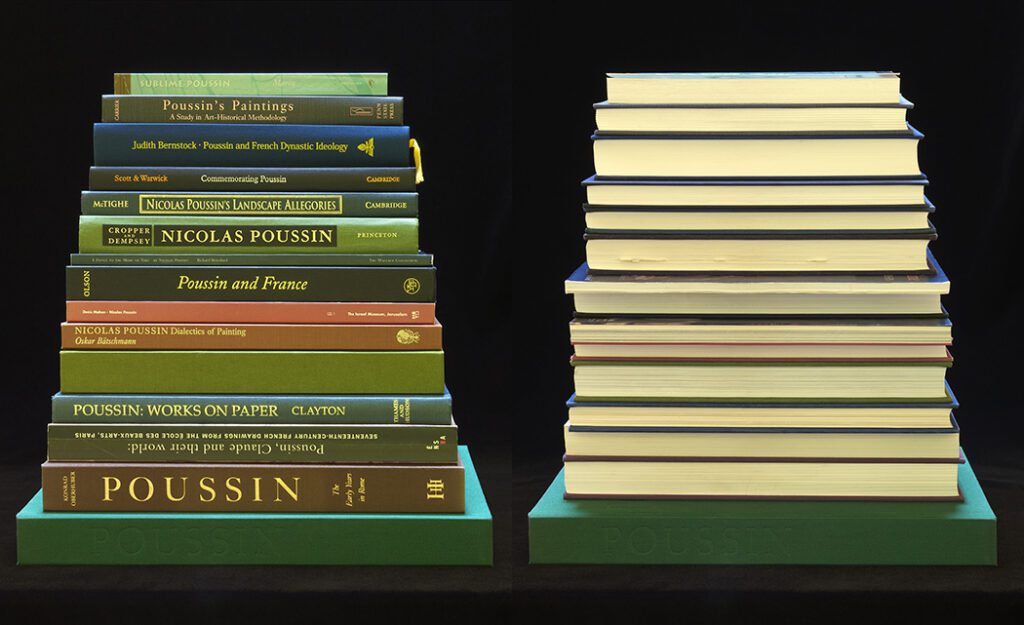
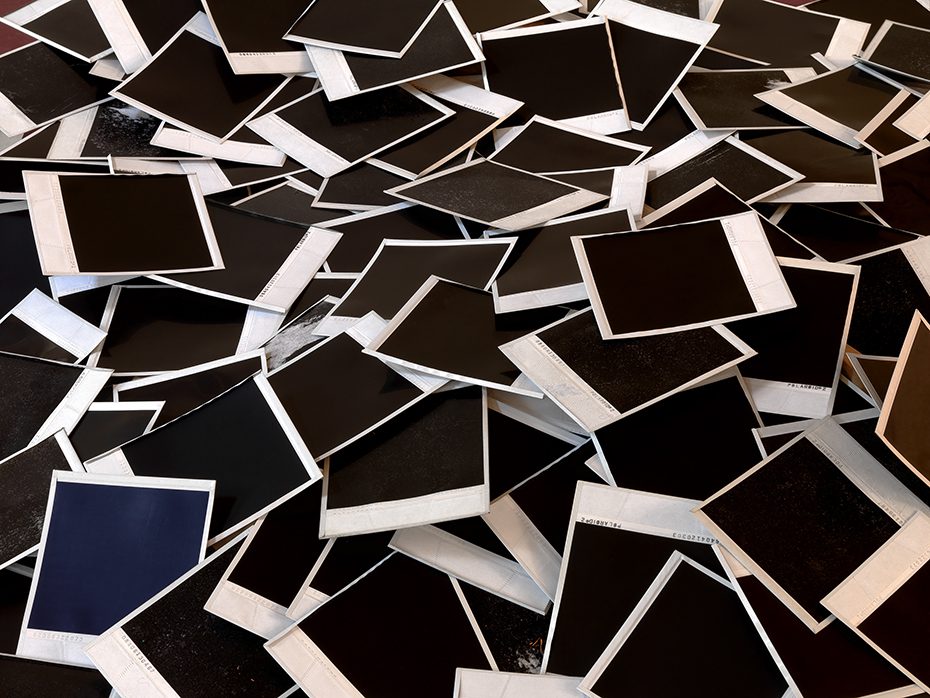
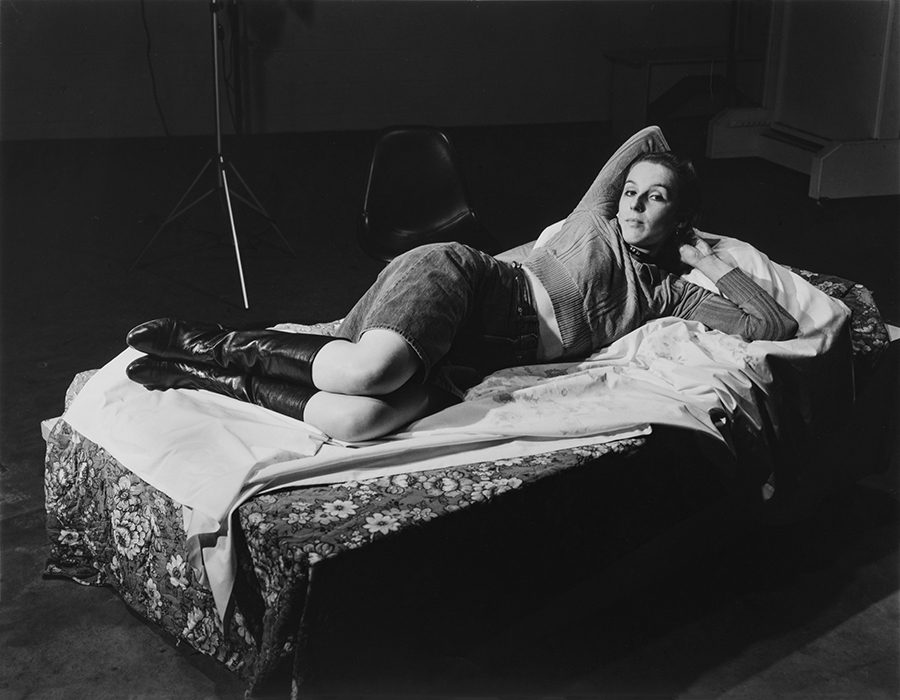
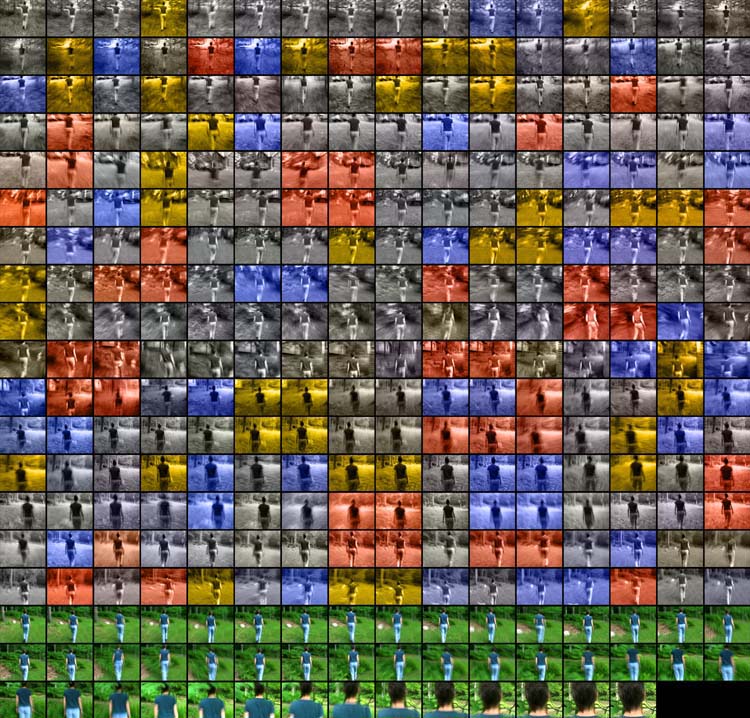
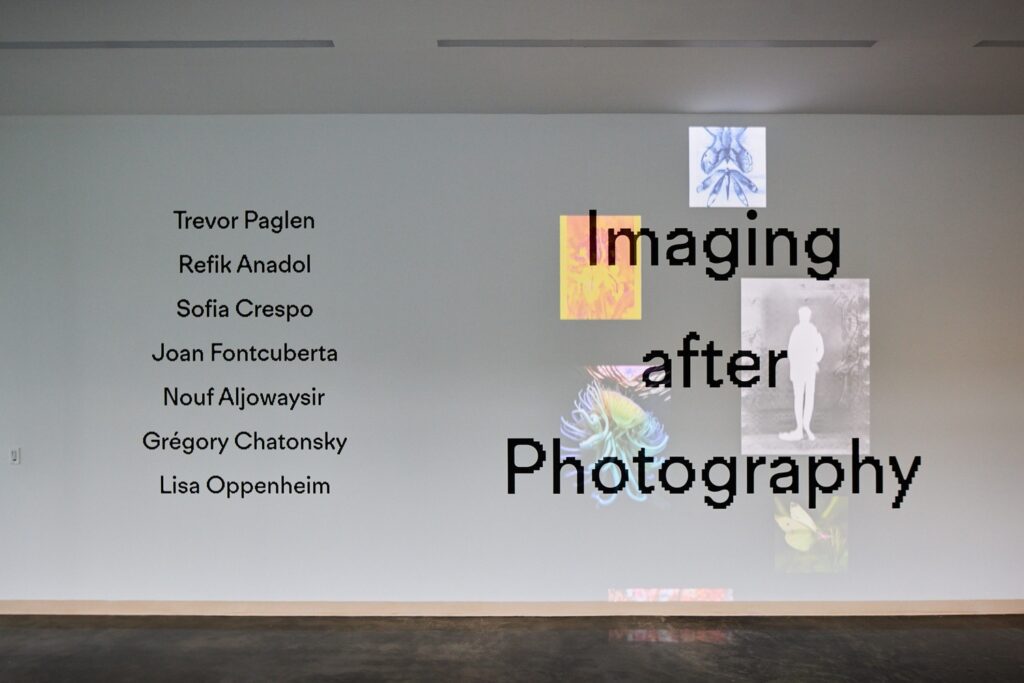
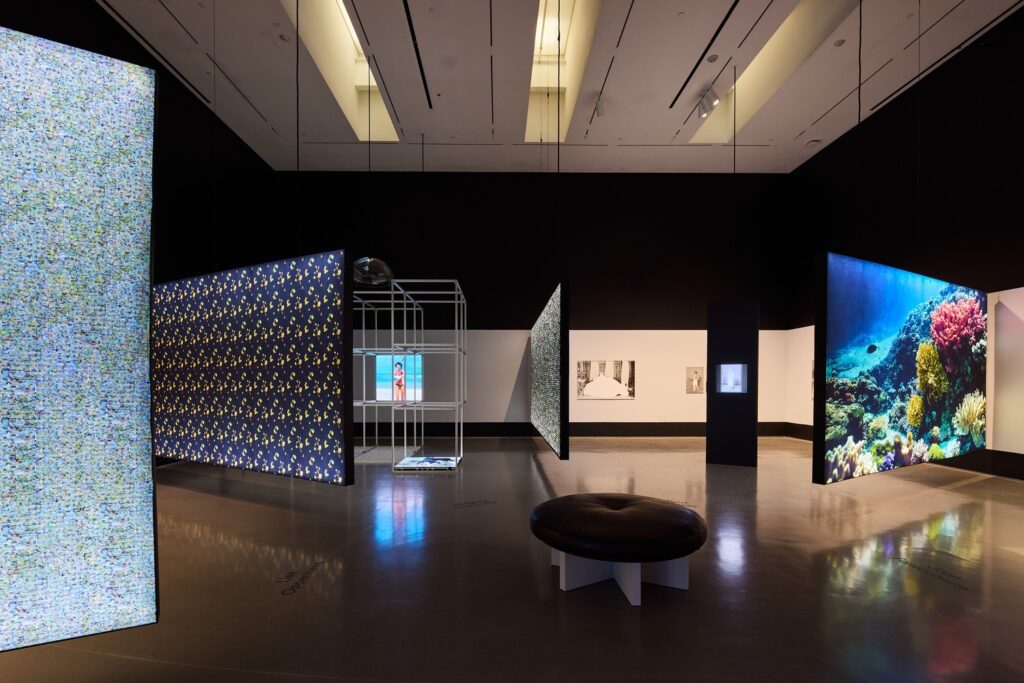
Two new Houston photography exhibitions are taking the familiar somewhere unexpected. One looks back. The other looks ahead. Together, they explore how images shape the way we see the world.
At Moody Gallery, a retrospective — showing through this Saturday, April 25 — honors the legacy of MANUAL. At Rice University’s Moody Center for the Arts, a group exhibition — on view through May 9 — turns toward artificial intelligence and the future of image making.
MANUAL at Moody Gallery
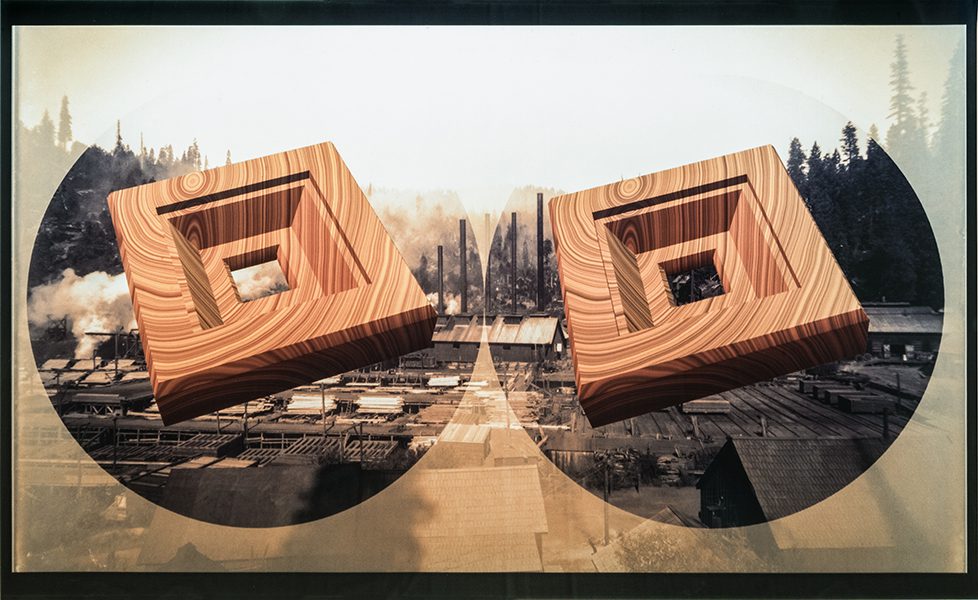
Houston’s groundbreaking photographic duo MANUAL, co-founded by Ed Hill and Suzanne Bloom, reshaped the artistic landscape of photography with their innovative approach. Their work has long challenged how images are made and understood.
When Bloom passed away in 2025, it was a stunning, poignant moment for the Houston arts community and beyond. Still, her legacy endures through her art and her decades as a University of Houston professor and mentor.
“MANUAL — The Collaboration of Ed Hill & Suzanne Bloom, 1974-2024” highlights the duo’s enduring love for art history, nature and literature.
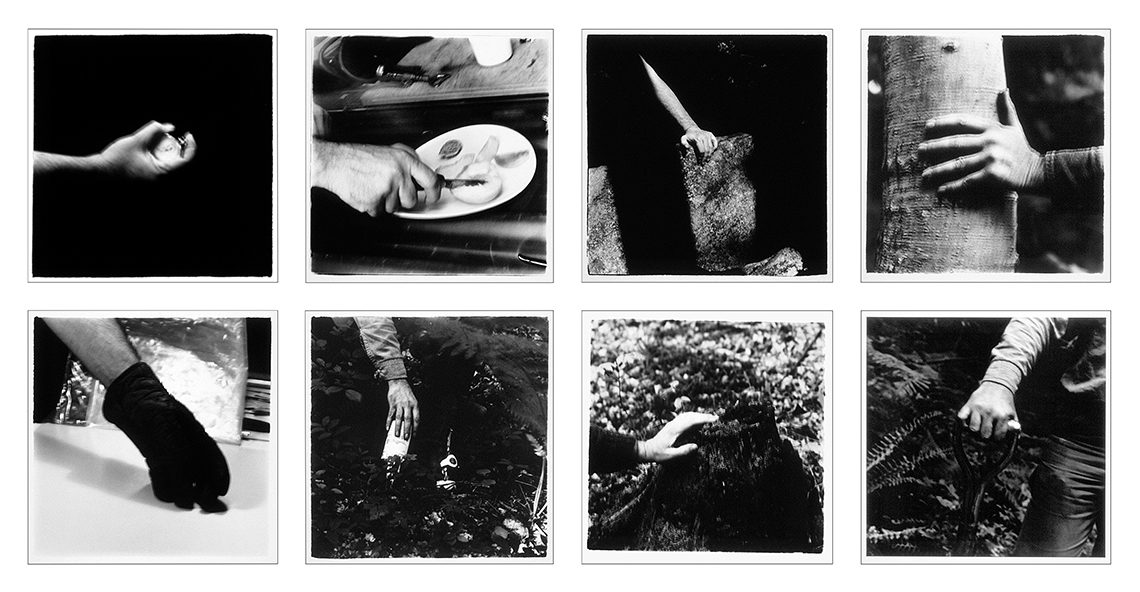
“This exhibition was a pleasure to curate, for Ed and Suzanne have been close personal friends for many years,” Moody Gallery owner Betty Moody says.” The gallery recently celebrated its 50th anniversary. “It gave me the opportunity to revisit all of the exhibitions we have had together,” Betty Moody says.
Baobab Classique Scented Candles


Moody began representing MANUAL in 1982. The duo’s first exhibition, “Videology,” followed in 1984. Over the years, the gallery has presented 19 MANUAL exhibitions.
That long relationship culminated in the 2024 “BEECH//BOOK; An Emblematic Pairing,” a multifaceted project. The duo was honored with a 2021 Guggenheim Fellowship for the work. The exhibition also marked 50 years of collaboration.

Literature and Nature as Throughlines
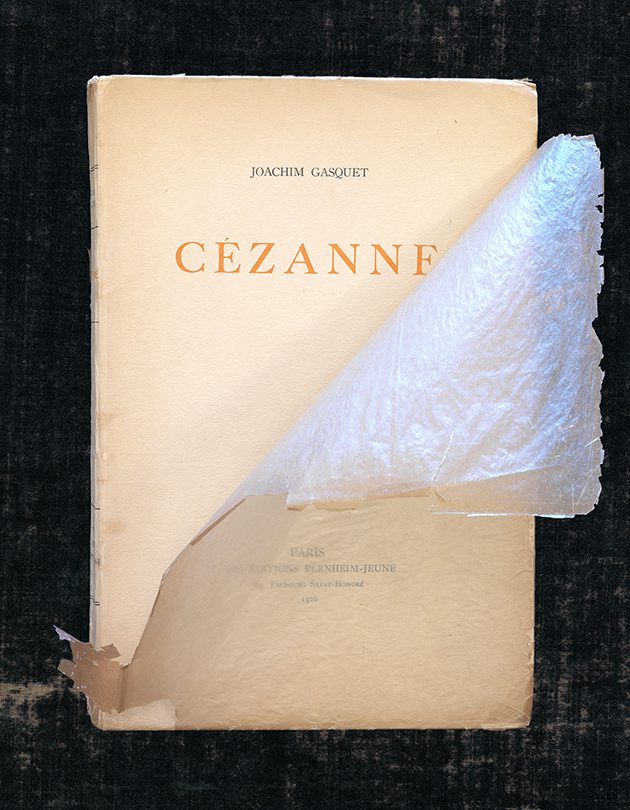
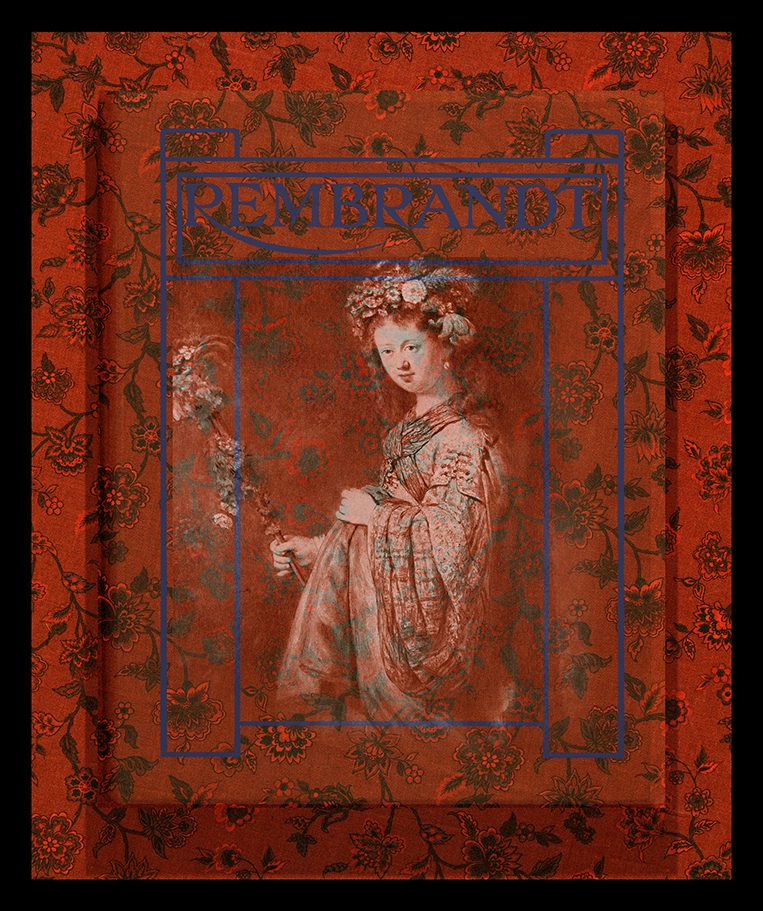
MANUAL’s love of literature appears throughout the show. Along the north-facing wall of the gallery, works draw directly from foundational texts.
French author Joachim Gasquet’s 1921 memoir of painter and friend Paul Cézanne inspired the archival pigment print “Gasquet’s Cézanne” (2017). Walt Whitman’s proto-naturalistic Leaves of Grass (1855) is the subject of a 2017 print of the same name.
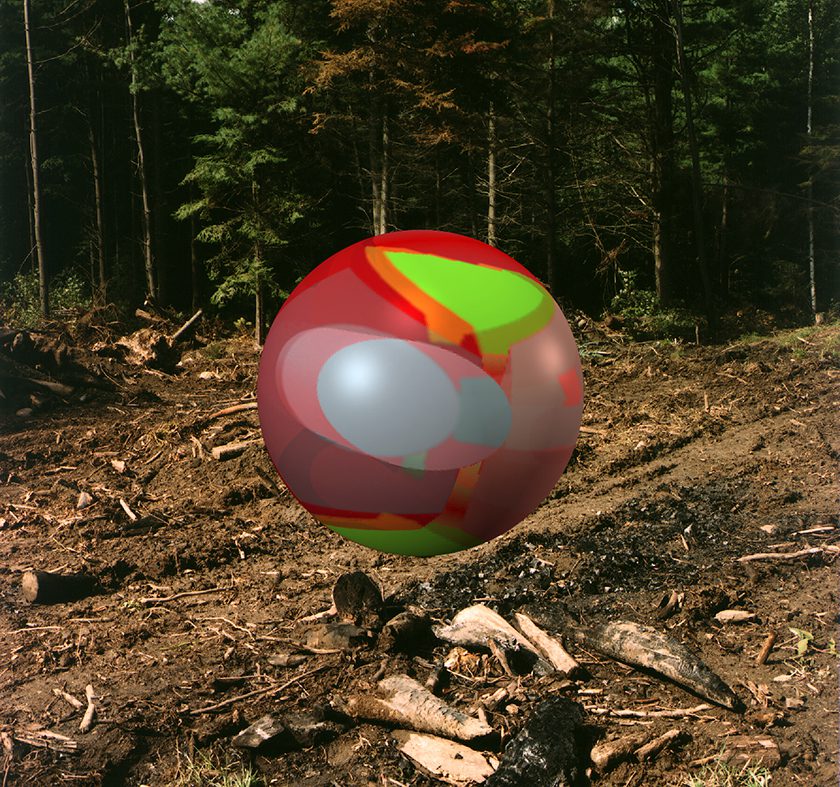
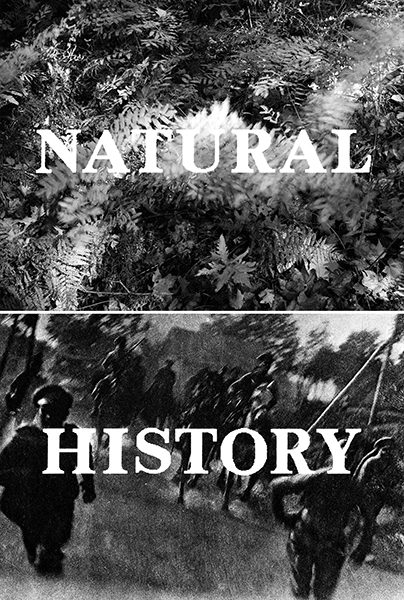
Nature has also been a focal point of their work. “Worldmaker” (1992) represents a juxtaposition of a natural forest milieu with a brightly colored artificial orb suspended in the air. Other works, including “Wildflower (jewelweed)” (2002), “13 Ways of Coping with Nature (Hawthorn)” (1980-81), “Natural History” (1988) and “Mother Tree,” continue that exploration.
MANUAL’s work is also featured in the book Global Visions: FotoFest at 40 (2026), available at the gallery. The duo previously appeared in the 2002 FotoFest Biennial.
“Imaging After Photography” at Rice University
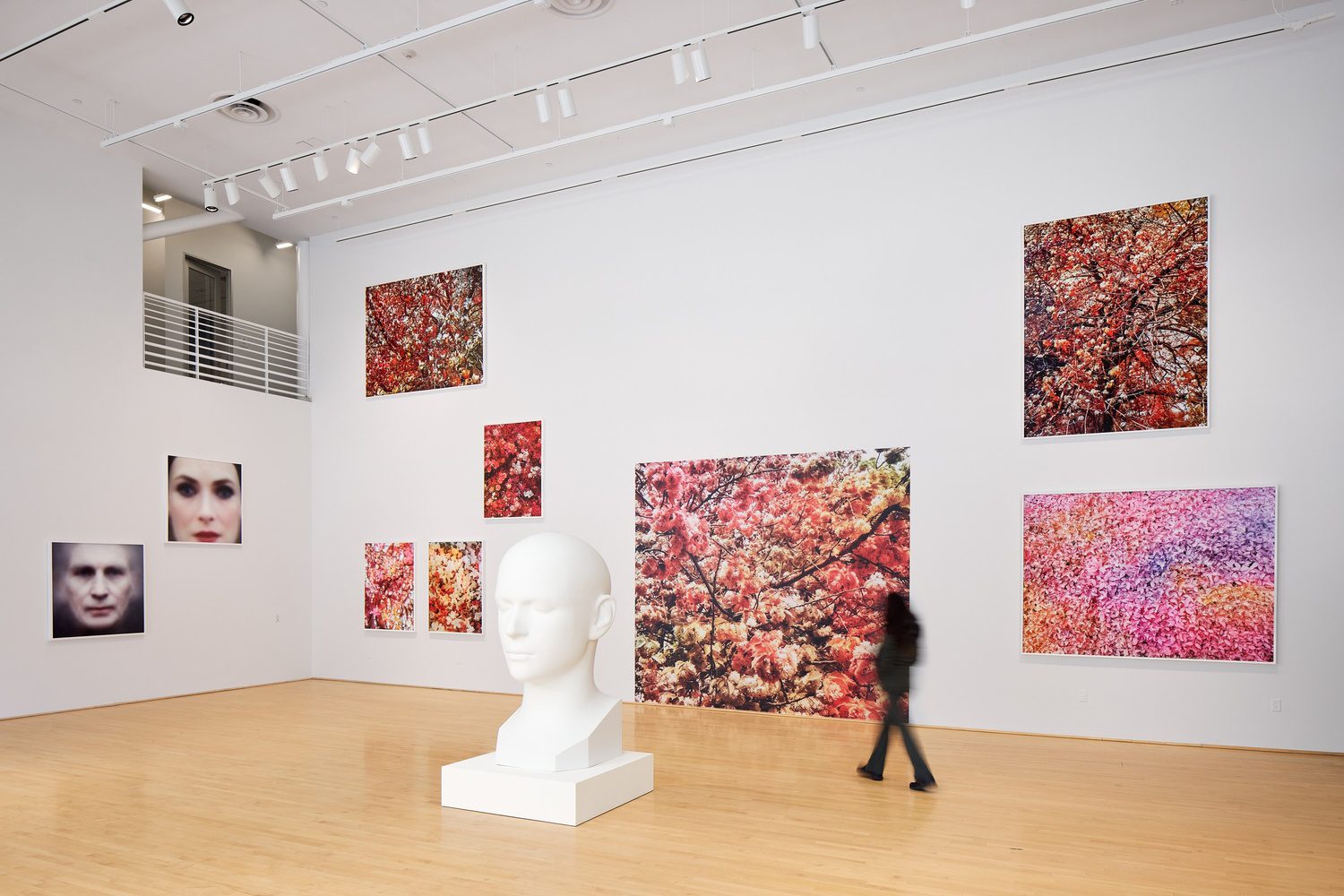
Over at Rice University, another of this spring’s Houston photography exhibitions looks toward the future. “Imaging After Photography” at the Moody Center for the Arts examines the intersection of photography and artificial intelligence.
The exhibition is co-curated by associate curator Noor Alé and executive director Alison Weaver. It features the work of seven artists, including Trevor Paglen, Refik Anadol, Nouf Aljowaysir, Sofia Crespo, Lisa Oppenheim, Grégory Chetonsky and Joan Fontcuberta.
The show brings together artists who incorporate contemporary technologies into their practice. It reflects on both the history and future of photography.
It also raises harder questions. As generative AI expands, the exhibition asks what happens when bias enters datasets and algorithms.
Artists Exploring AI and Image Making
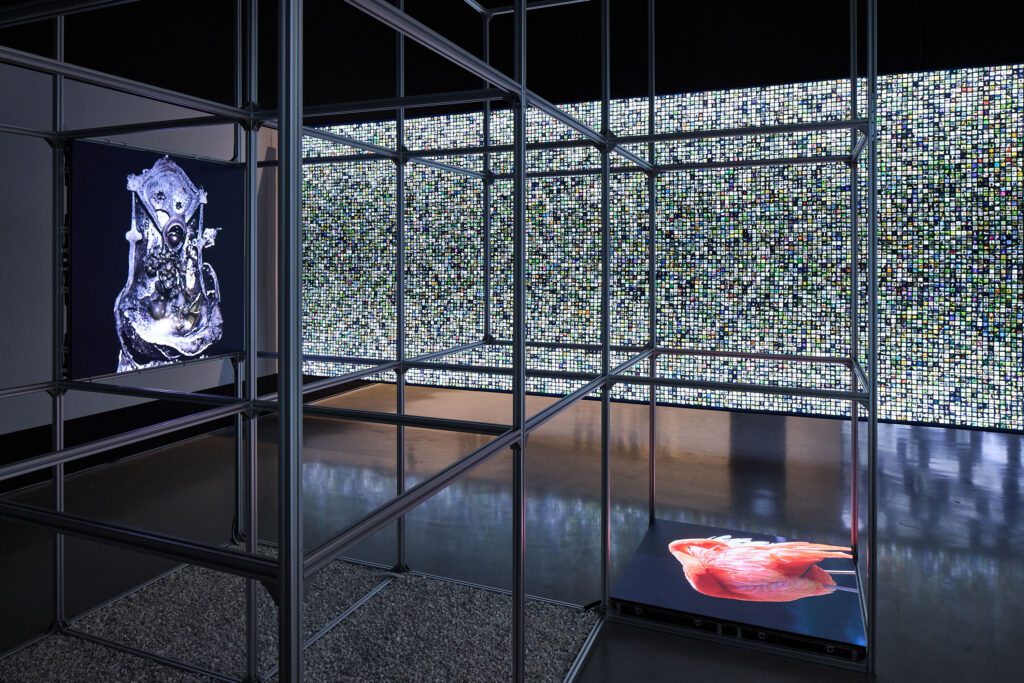
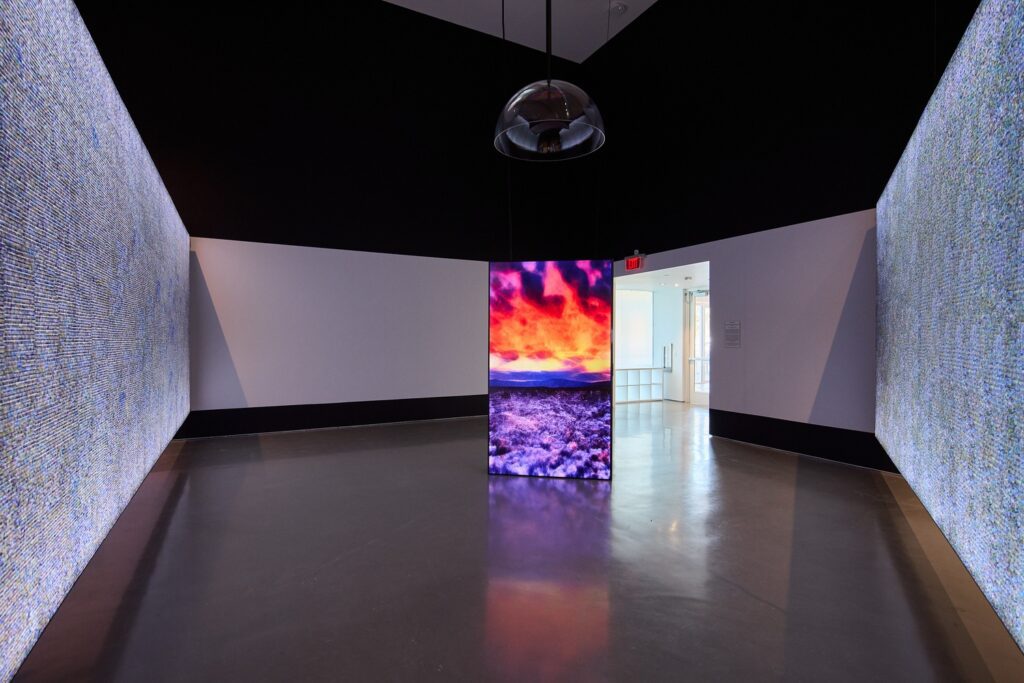
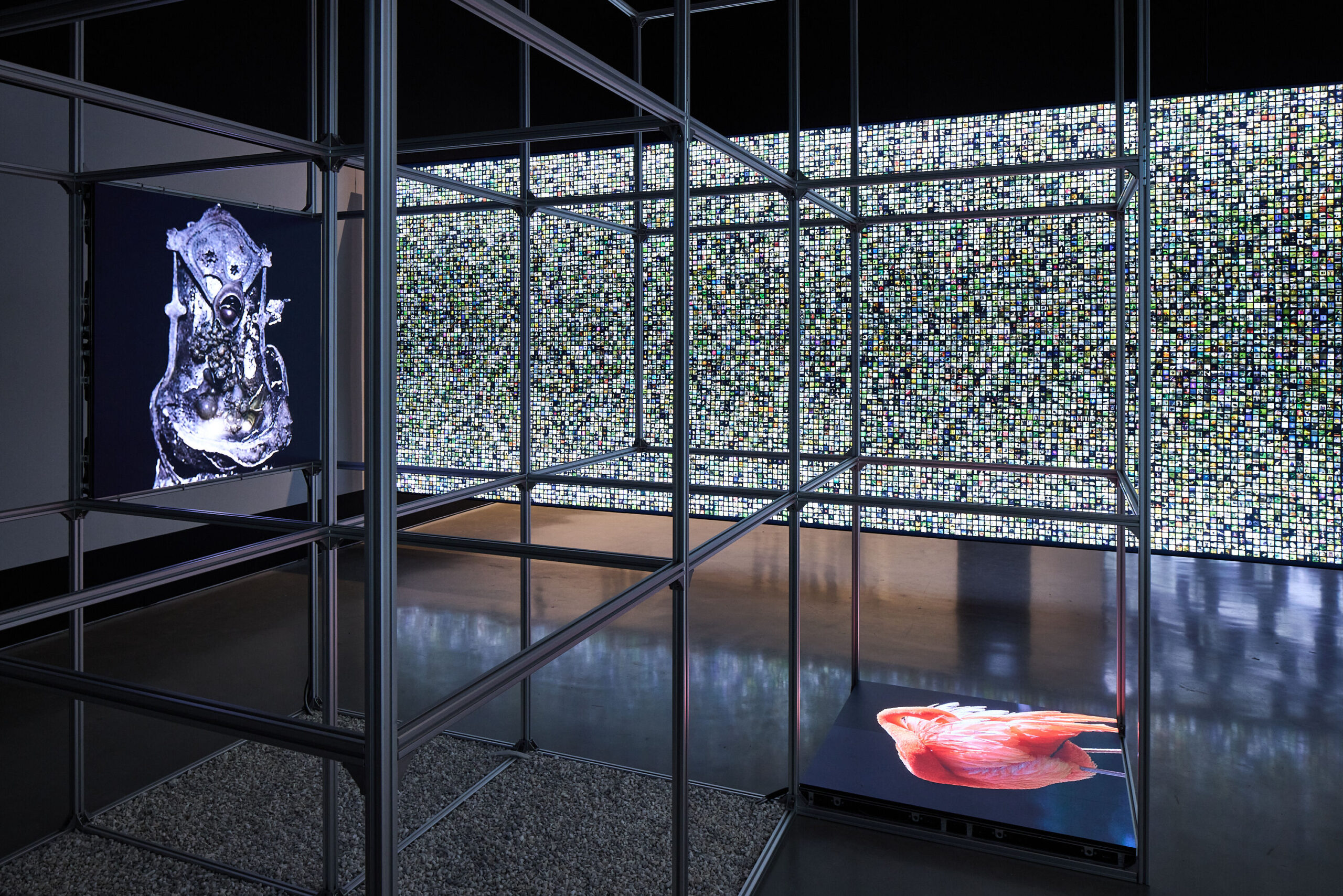
Refik Anadol’s installation offers one response. It pays homage to nature’s changes throughout time, using AI to generate speculative pictures. His digital video “Quantum Memories Nature Studies” (2021) is generated from more than 200 million publicly available images. It is the largest dataset of photographs assembled for a work of art.
Anadol’s first-of-its-kind AI-focused art museum, Dataland, opens later this spring in Los Angeles.
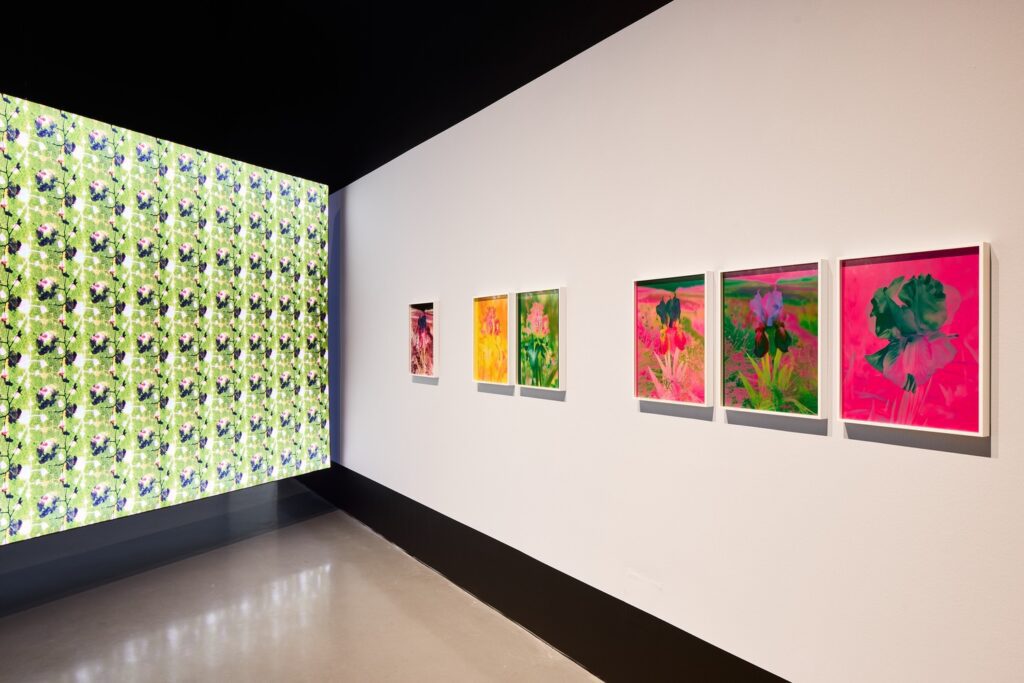
Similarly, Lisa Oppenheim’s series of dye transfer prints, “Mons Steichen” (2024-25), was inspired by an extinct iris flower named after photographer and anthophile Edward Steichen. The series becomes a set of reconstructed images of a flower that no longer exists.
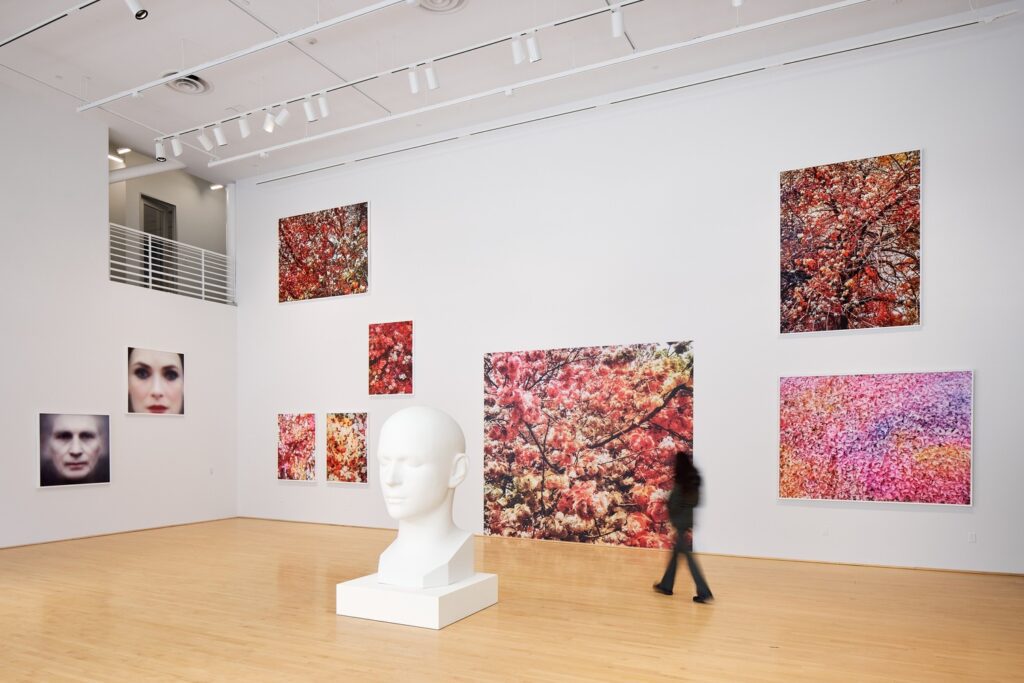
Trevor Paglen’s “Bloom” series (2020-22), inspired by still lifes and landscapes, is juxtaposed with his AI-generated “Eigenface” series. It includes the face of Irish playwright Samuel Beckett.
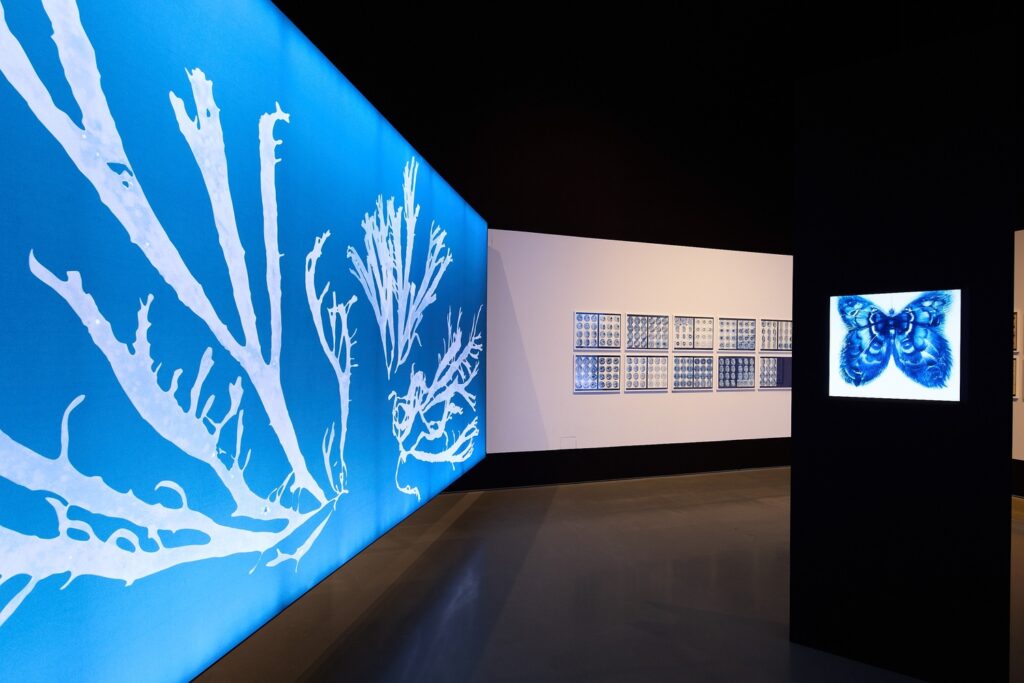
In another approach, Argentinian artist Sofia Crespo based her vivid “Temporally Uncaptured” (2023-24) series on 19th century cyanotypes of algae created by British photographer and botanist Anna Atkins.
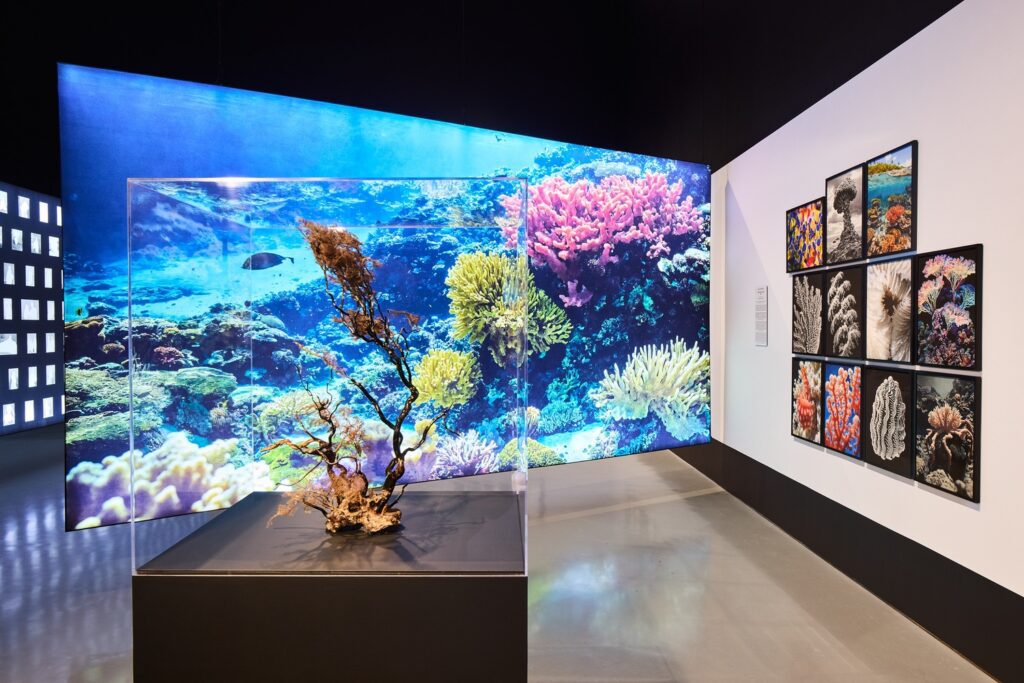
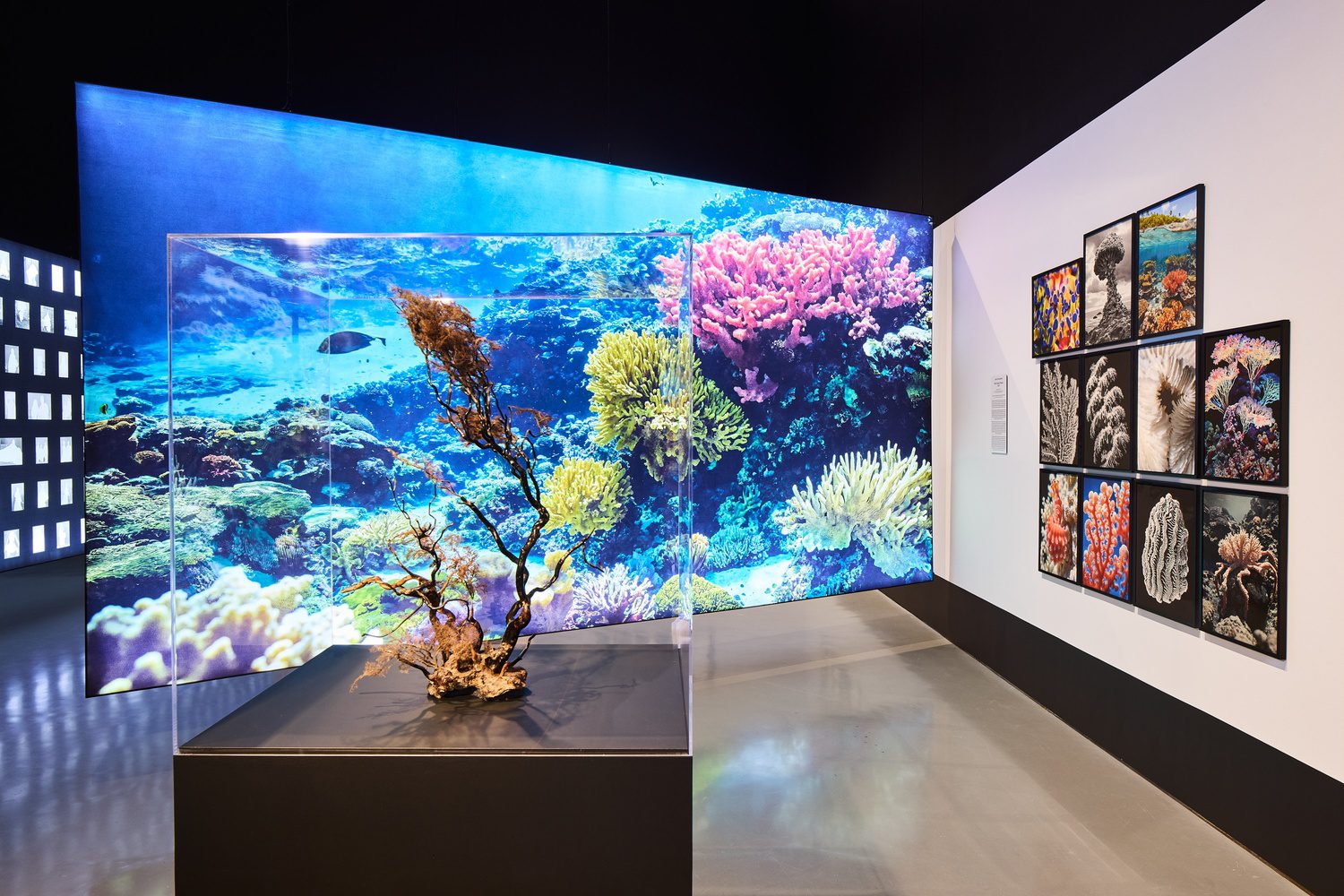
Joan Fontcuberta’s luminous series “What Darwin Missed” (2024), inspired by the Galapagos corals she visited, is an homage to the work of German photographer Alfred Erhardt. Also included in her brilliant installation is a rare black coral, Antipathes galapagensis Deichman (1941), loaned by the Houston Museum of Natural Science.
Finally, Grégory Chetonsky’s video installation “Completion 1.0” (2021) examines how AI mediates our understanding of reality. It also shows how millions of images of nature, via ImageNet, train AI models.
A More Critical Lens on AI
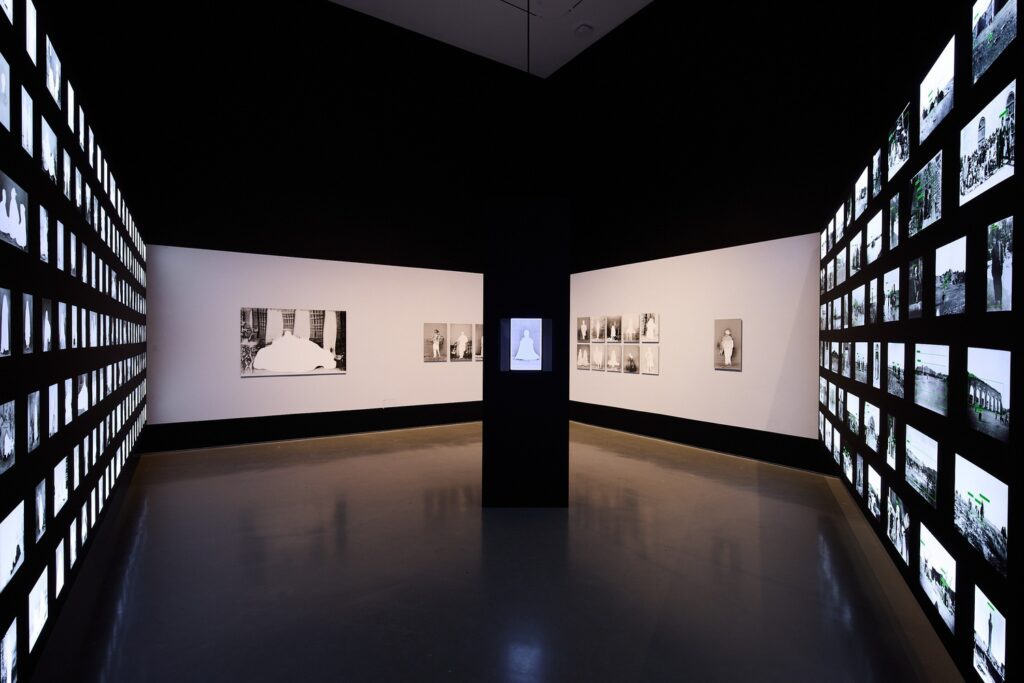
Other exhibitors take a more critical approach to AI. One major highlight of the show is the Saudi-born new media artist Nouf Aljowaysir’s “Salaf (Ancestors)” series (2020-25).
By sourcing photographs from the Getty Museum archives and images taken by British explorer Gertrude Bell, Aljowaysir addresses how AI generates inaccuracies and false narratives about Bedouin subjects from Iraq and Saudi Arabia.
Given the current multinational conflict in the Middle East, Aljowaysir’s installation feels especially timely and sociopolitically relevant. “AI and coding have never been objective,” Alé says.
This revelatory exhibit proves it. Together, these Houston photography exhibitions offer two distinct perspectives on where the art form has been and where it is going.
“MANUAL: The Collaboration of Ed Hill & Suzanne Bloom, 1974-2024” is on view through Saturday, April 25 at Moody Gallery. Learn more here. The Moody Center for the Arts at Rice University group exhibit “Imaging After Photography” is on view through Saturday, May 9. Learn more here.
Trending
- Inside Kelvin Sampson, Jim Nantz and Willie Fritz’s Unforgettable UH Weekend — Extreme Bonding, Weigman Want To and a Hall Like No Other
- Houston’s Movie Festival Grows Up Into Something That Treasures the Bayou City’s Stories and History — Cinema Arts Rings True
- Houston Galleria Rolls Out New Exclusive Shopping Membership Program In Grand Style — Privée Creates a Scene
- Our 4 Favorite New Dallas Restaurants Right Now — What To Order at Élephante, Docent Steak, and Other Hot Spots
- Dallas Contemporary and Luxury Italian Fashion House Missoni Host Intimate Dinner with Gala Artists
_md.jpg)

_md.jpeg)