History Making Artists Reunited 60 Years Later In Houston Art Exhibition That’s Already One of the Year’s Best
Carlos Cruz-Diez and Julian Stanczak's Dazzling Work Still Powerfully Lives On and It's Together Again
By Ericka Schiche //
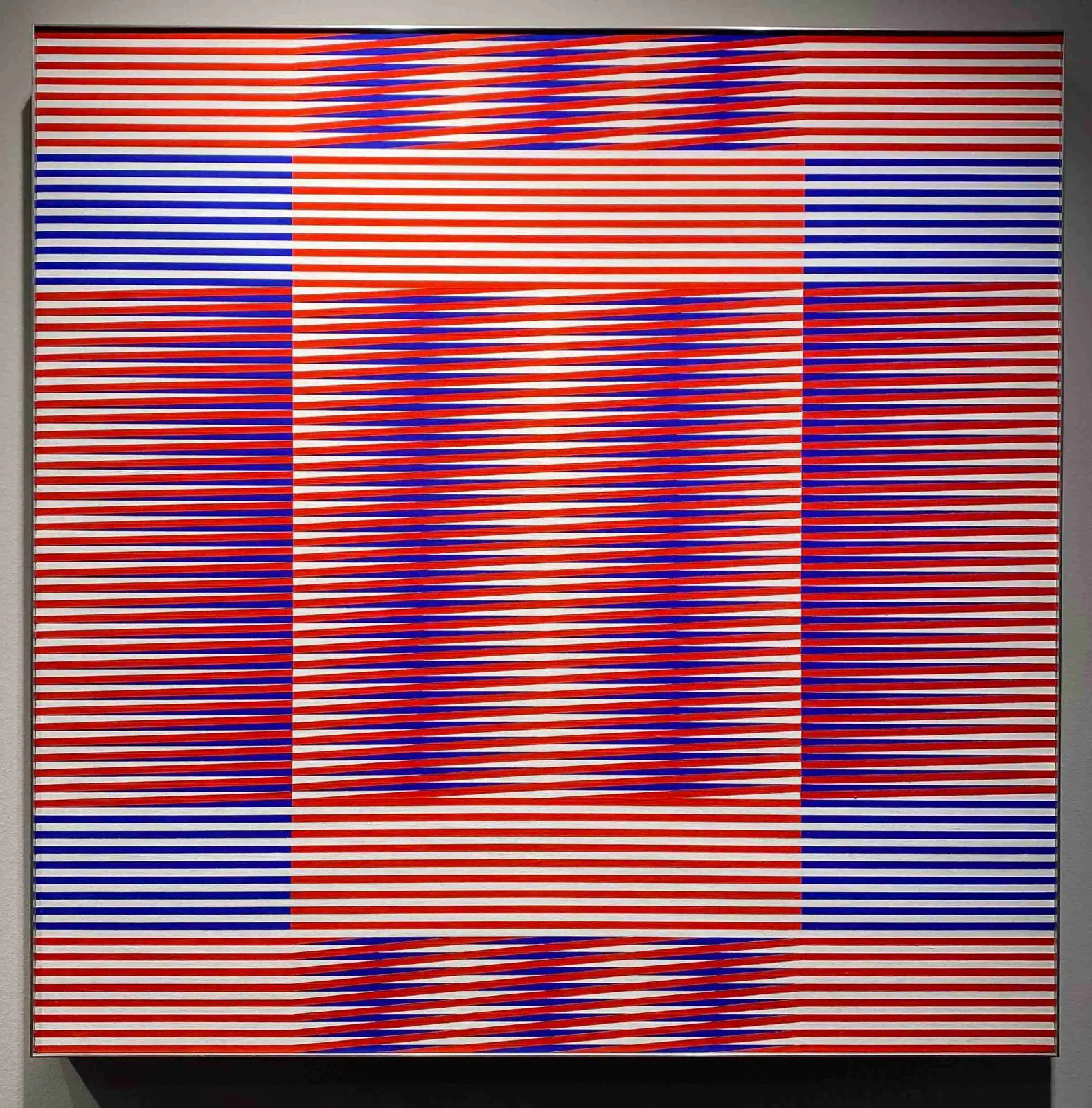
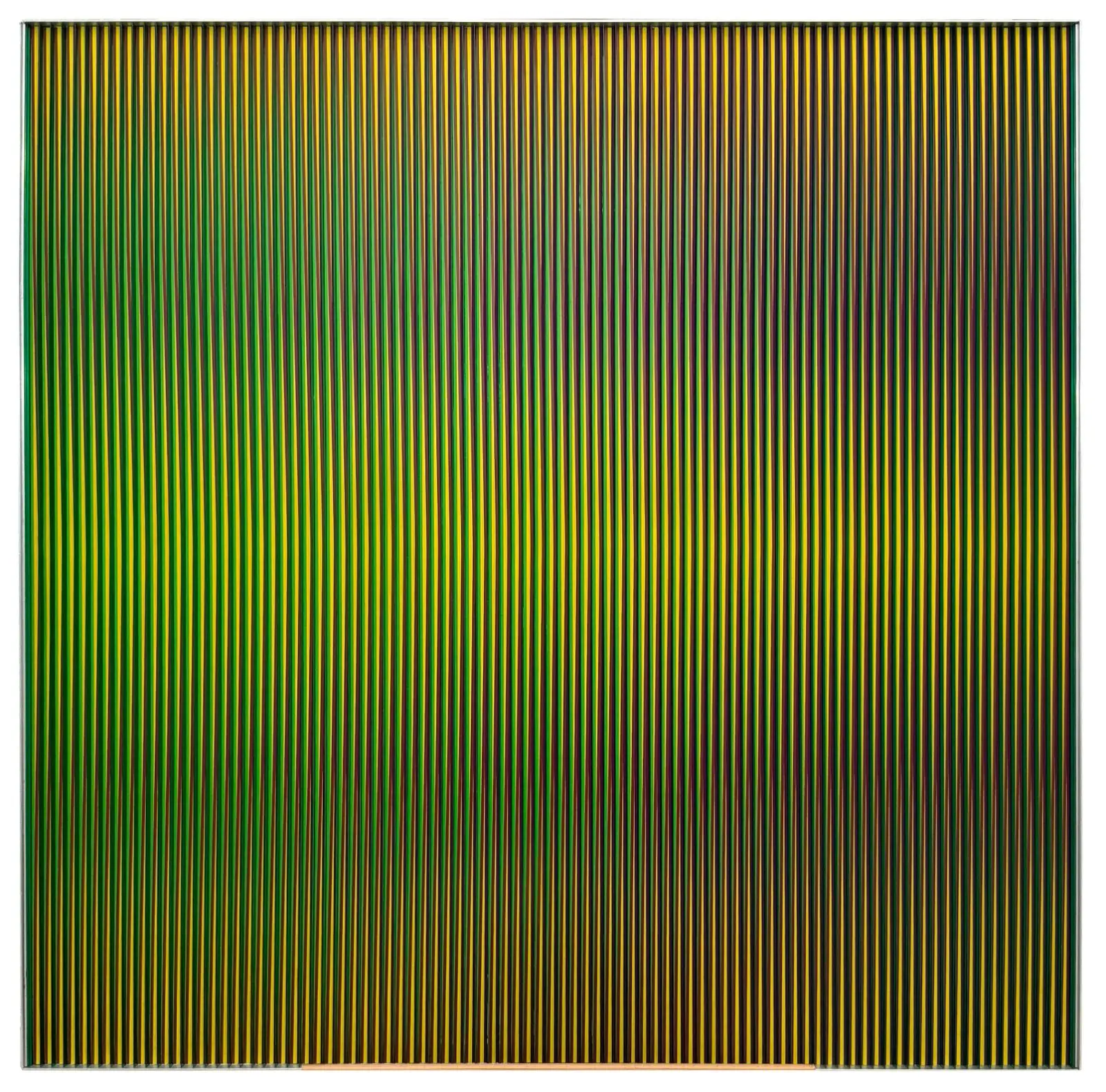
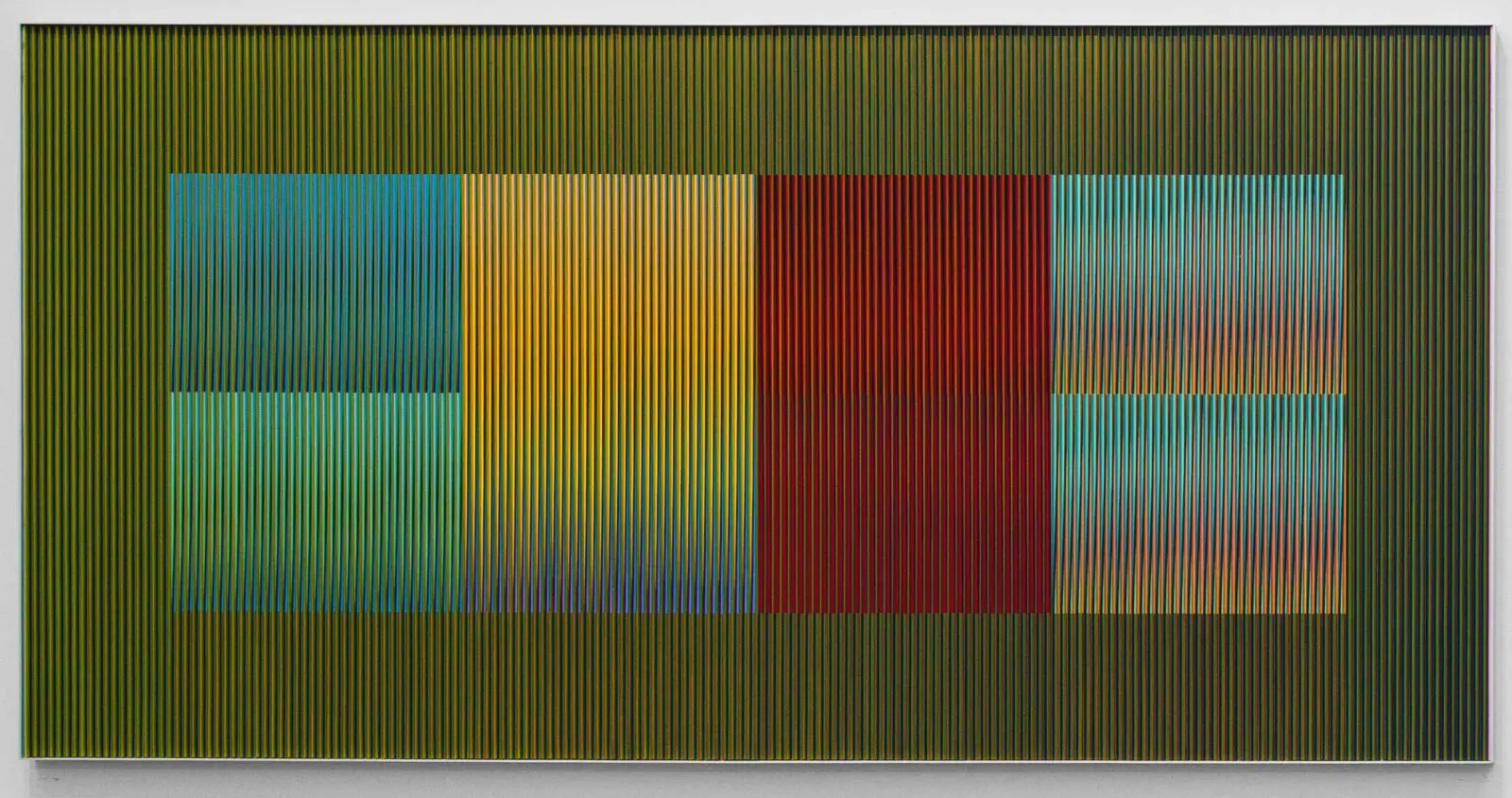
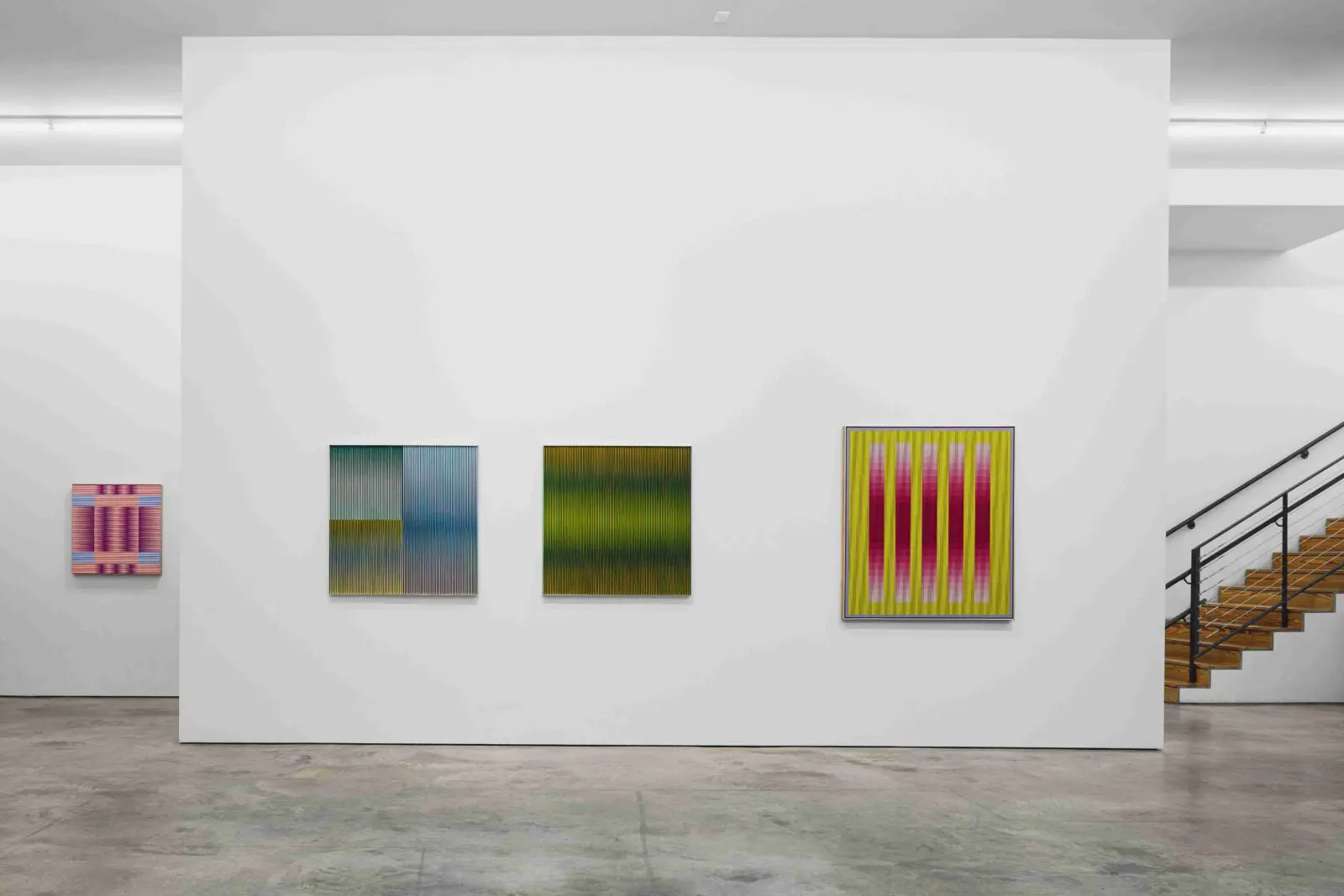
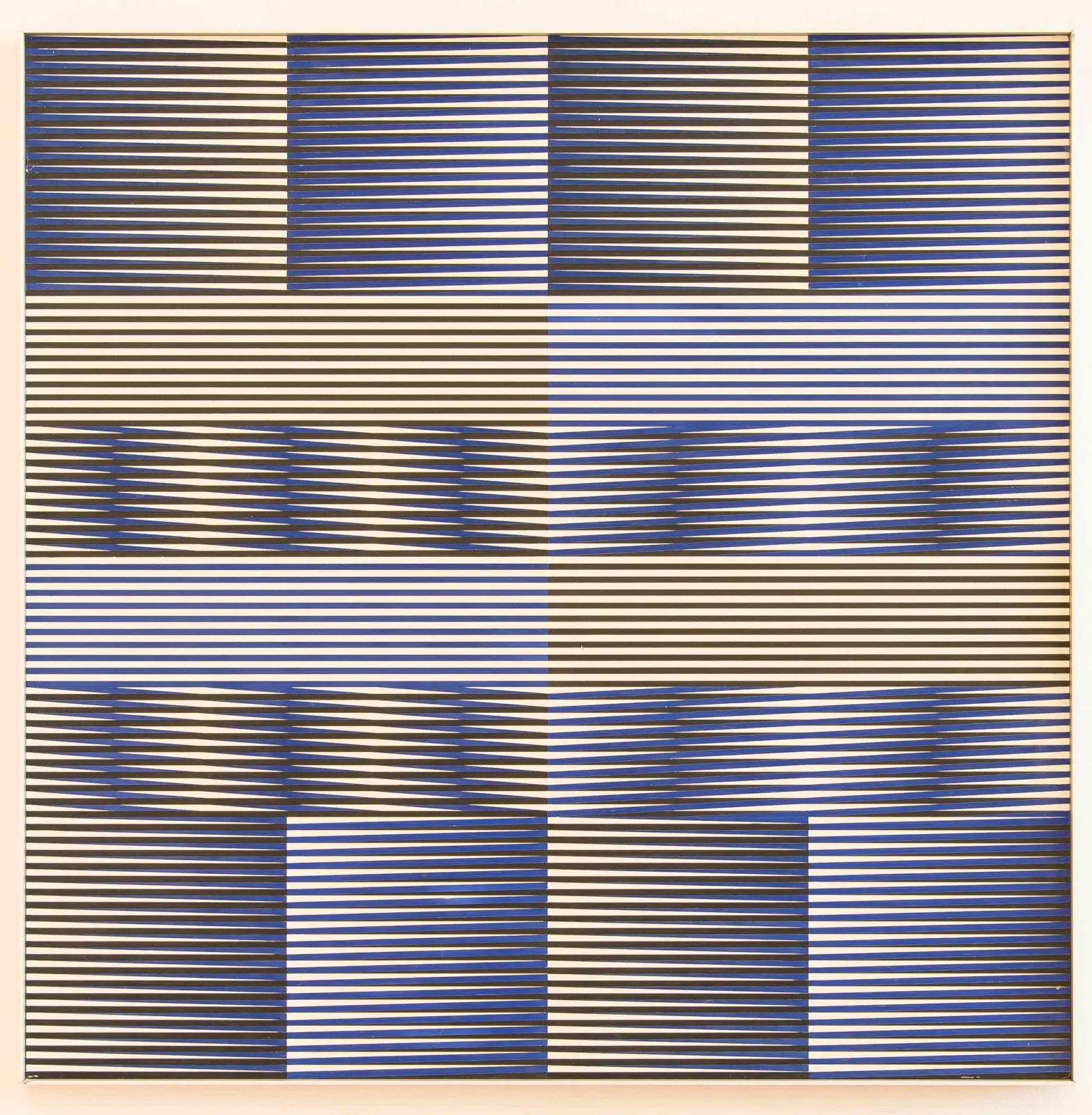
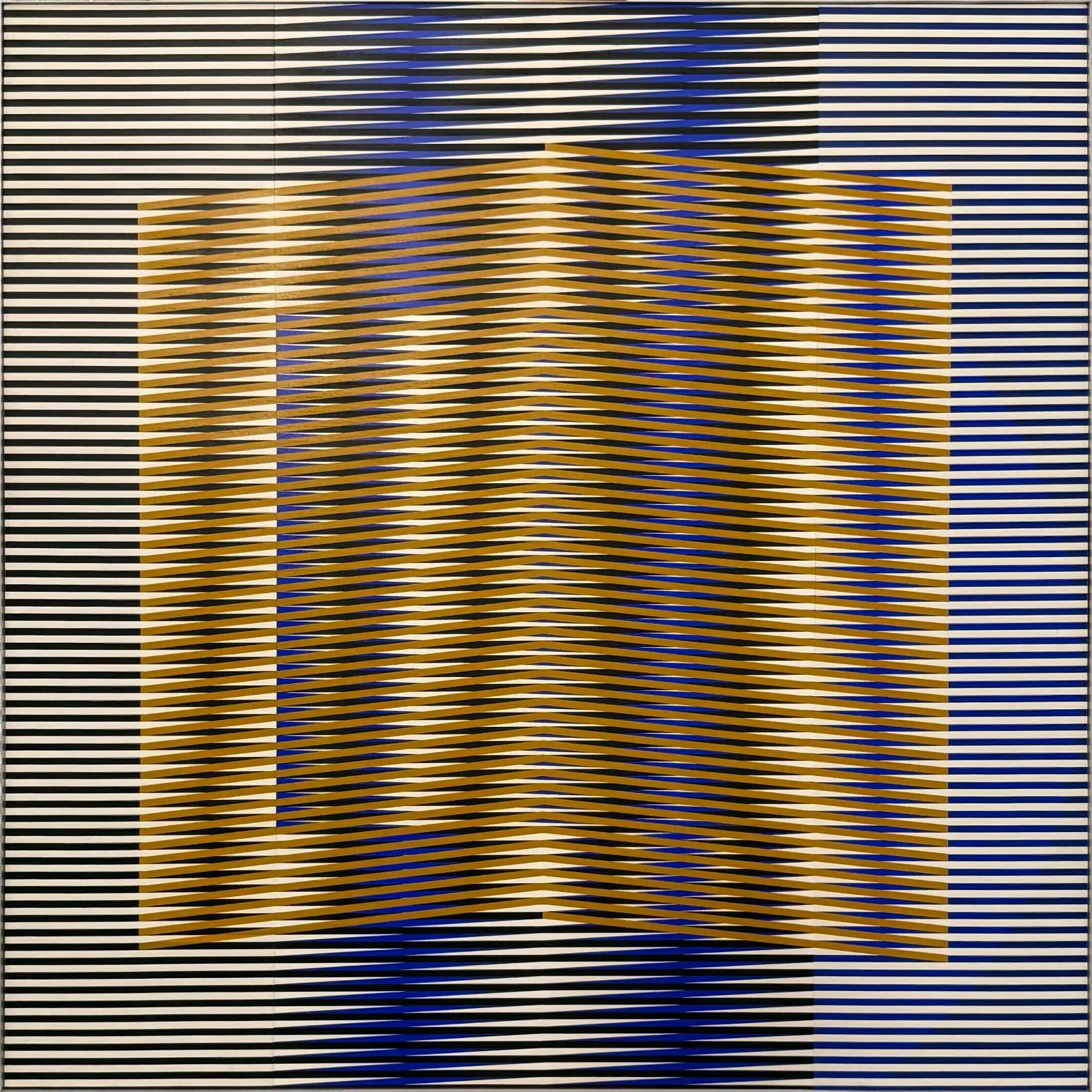
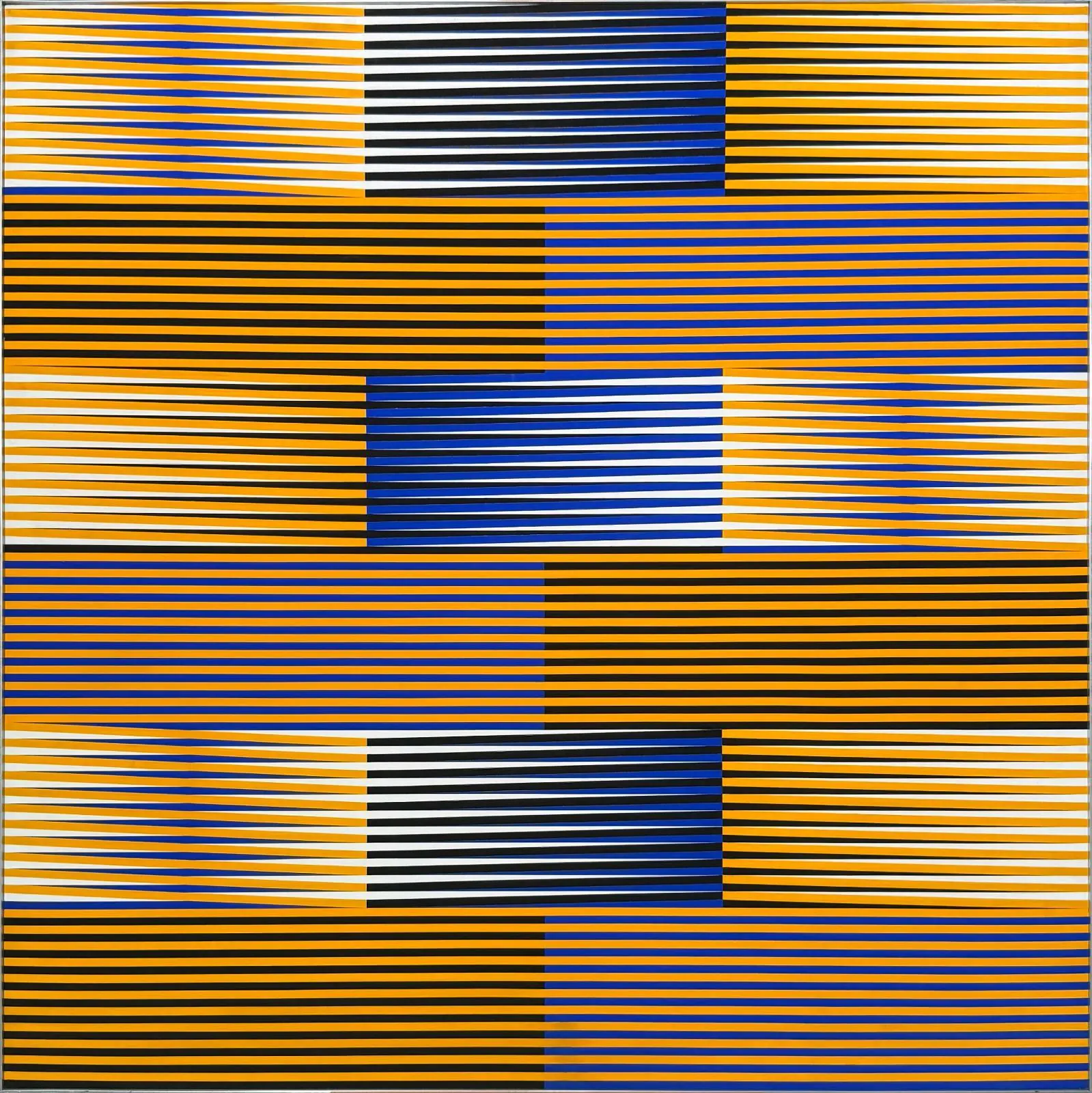
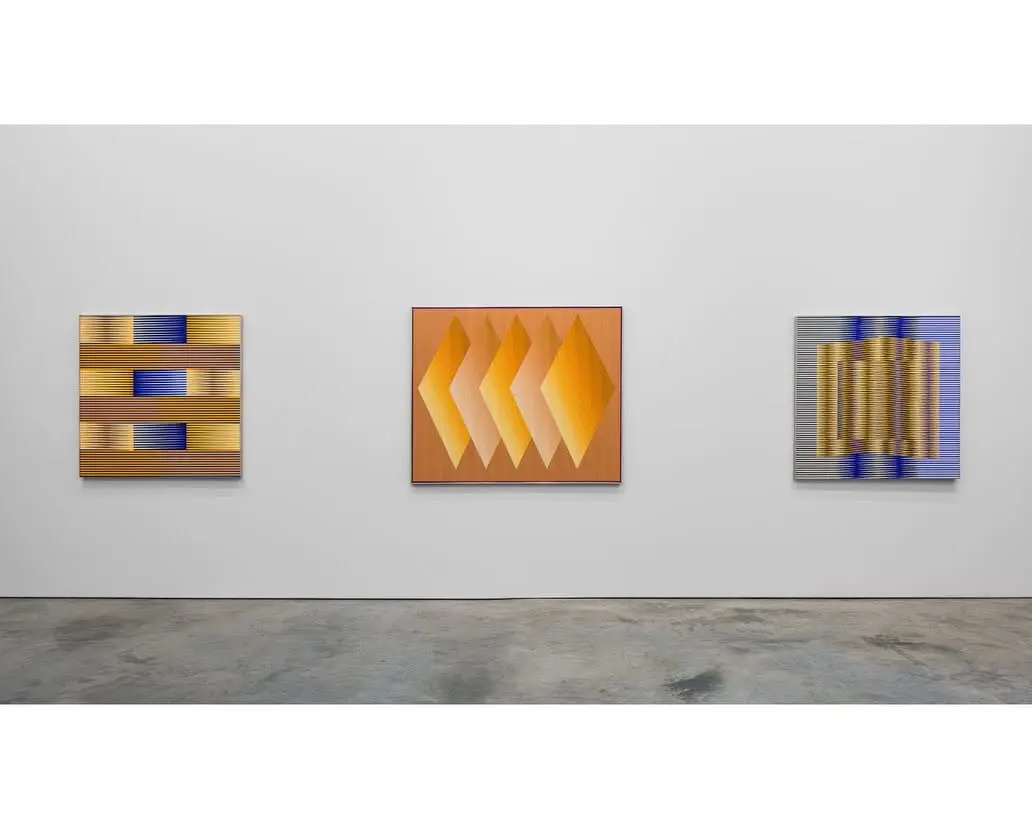
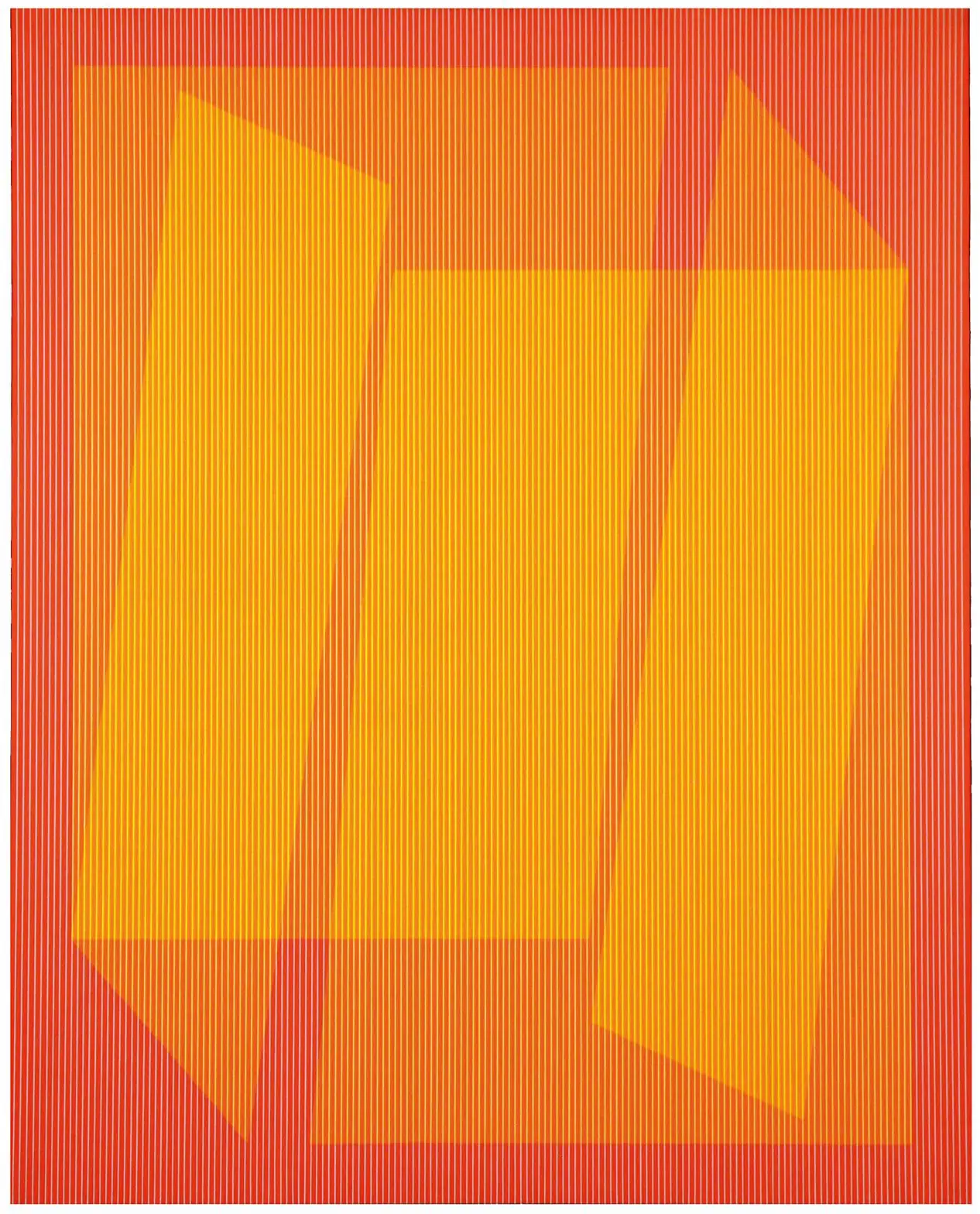
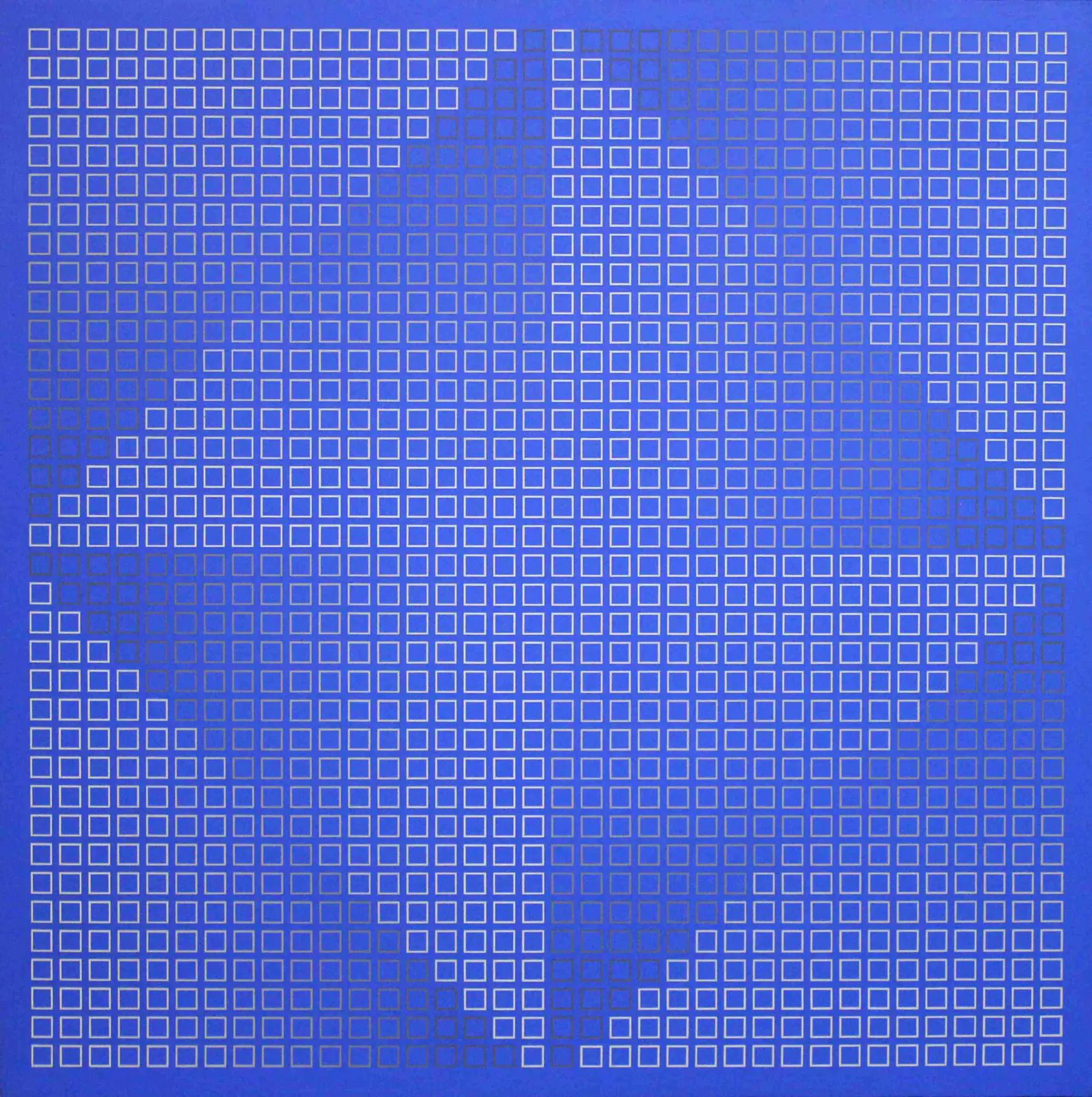
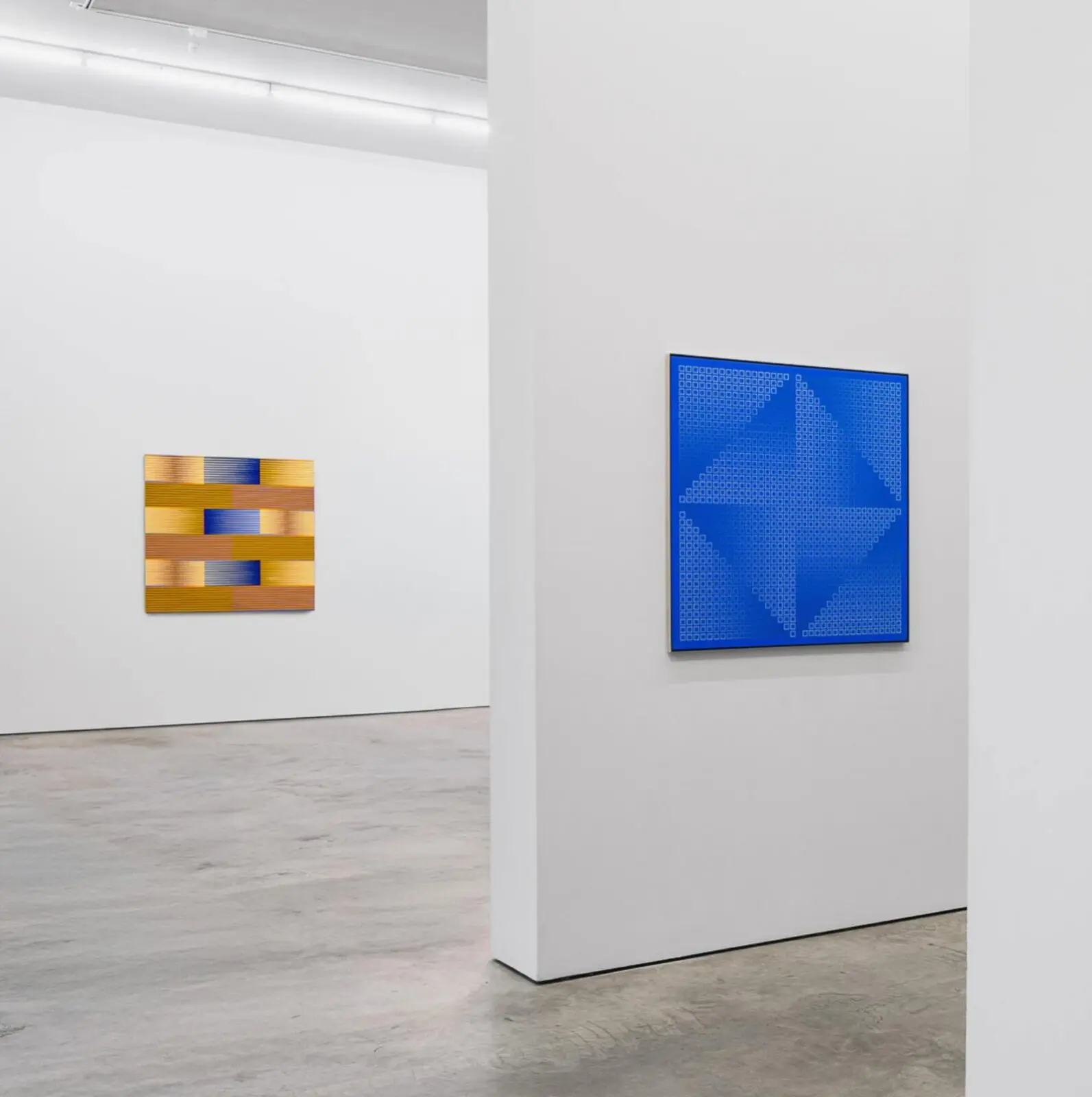
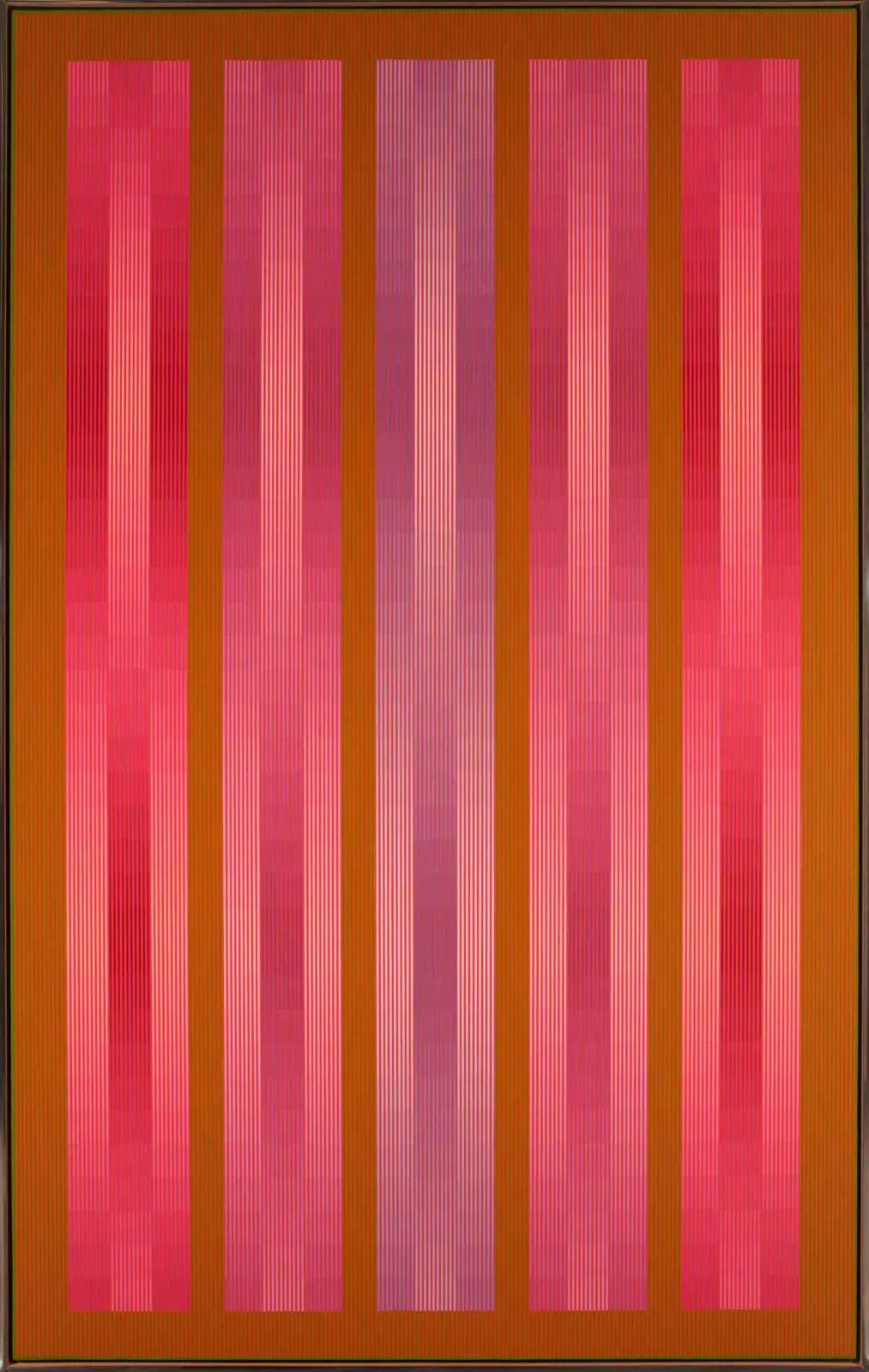
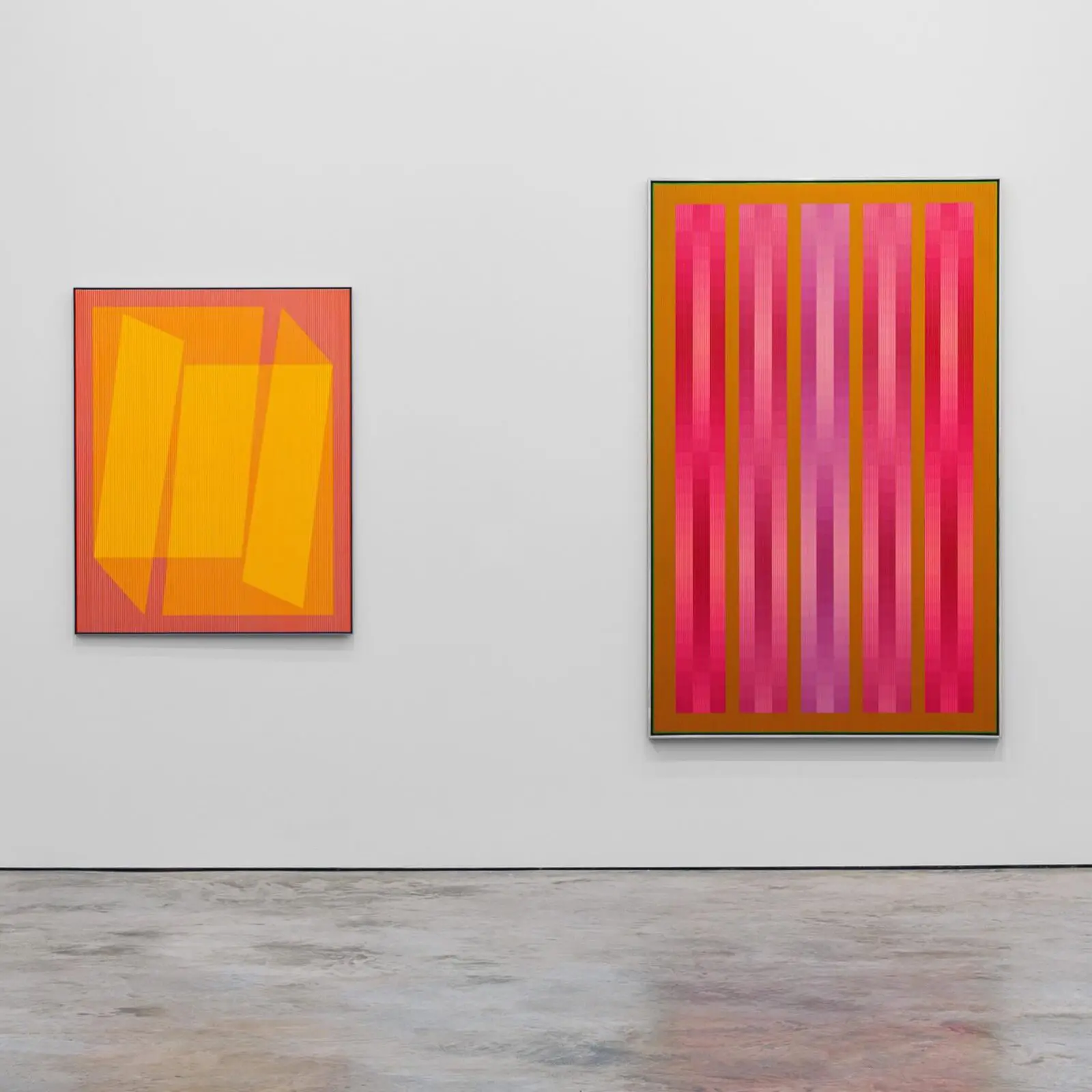
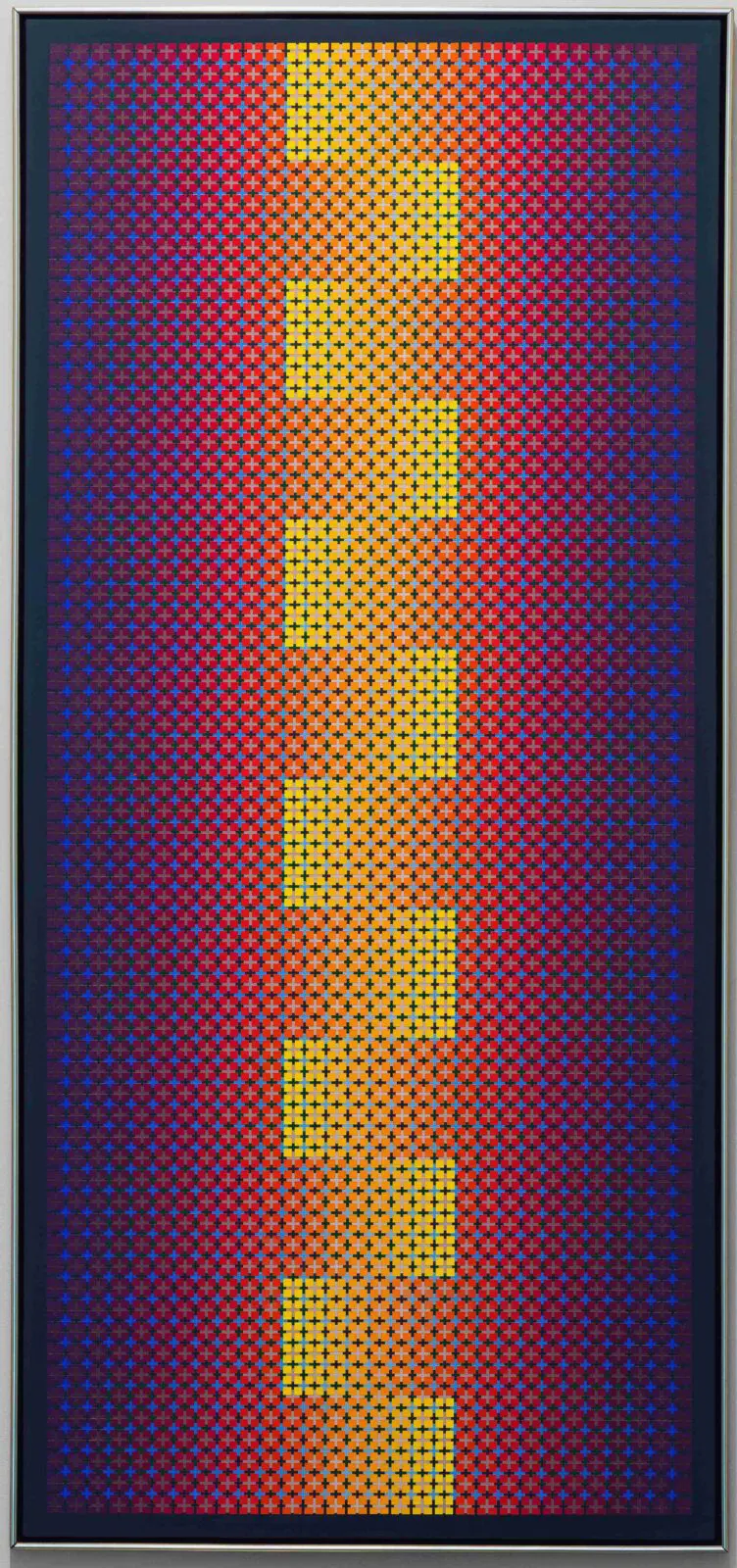
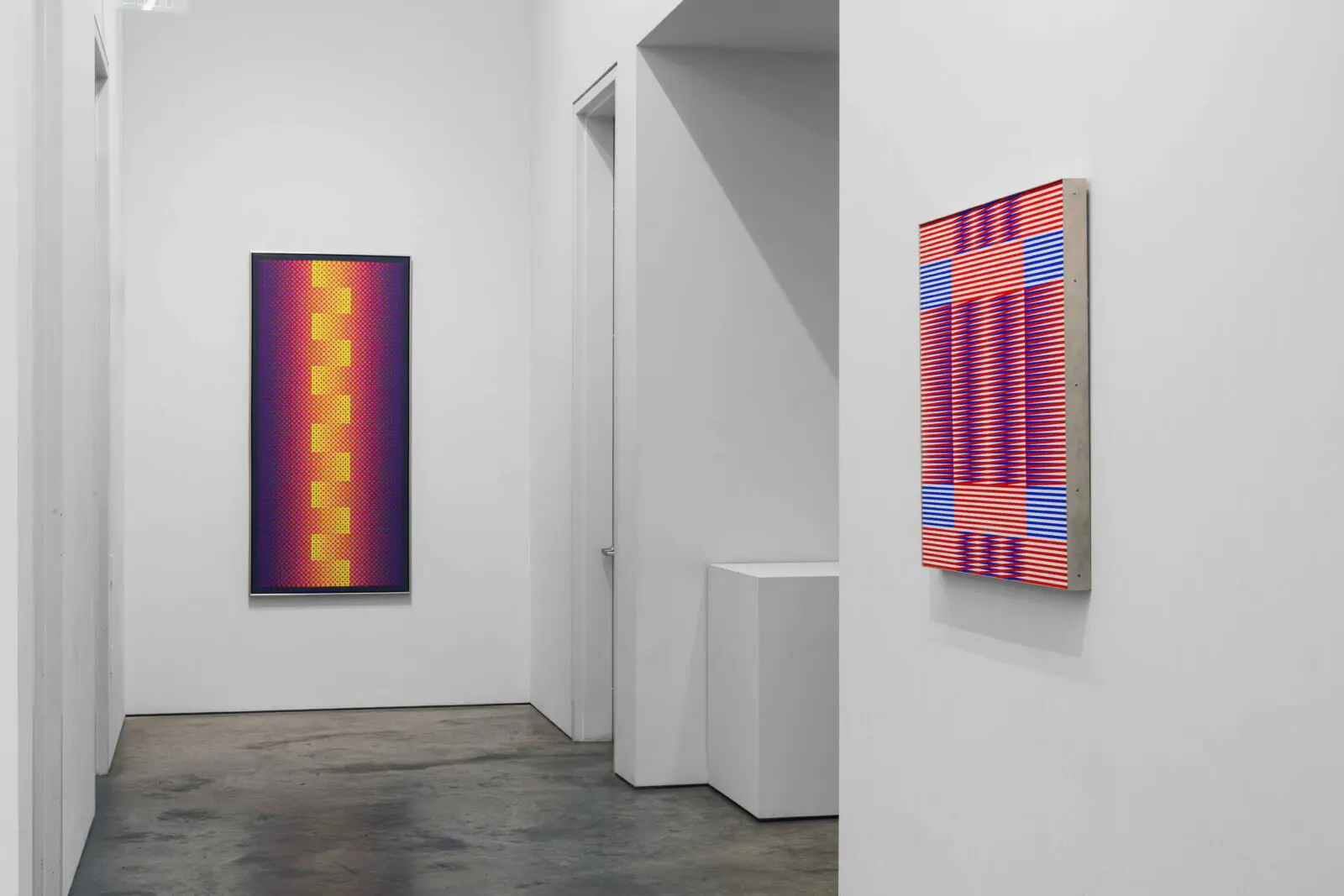
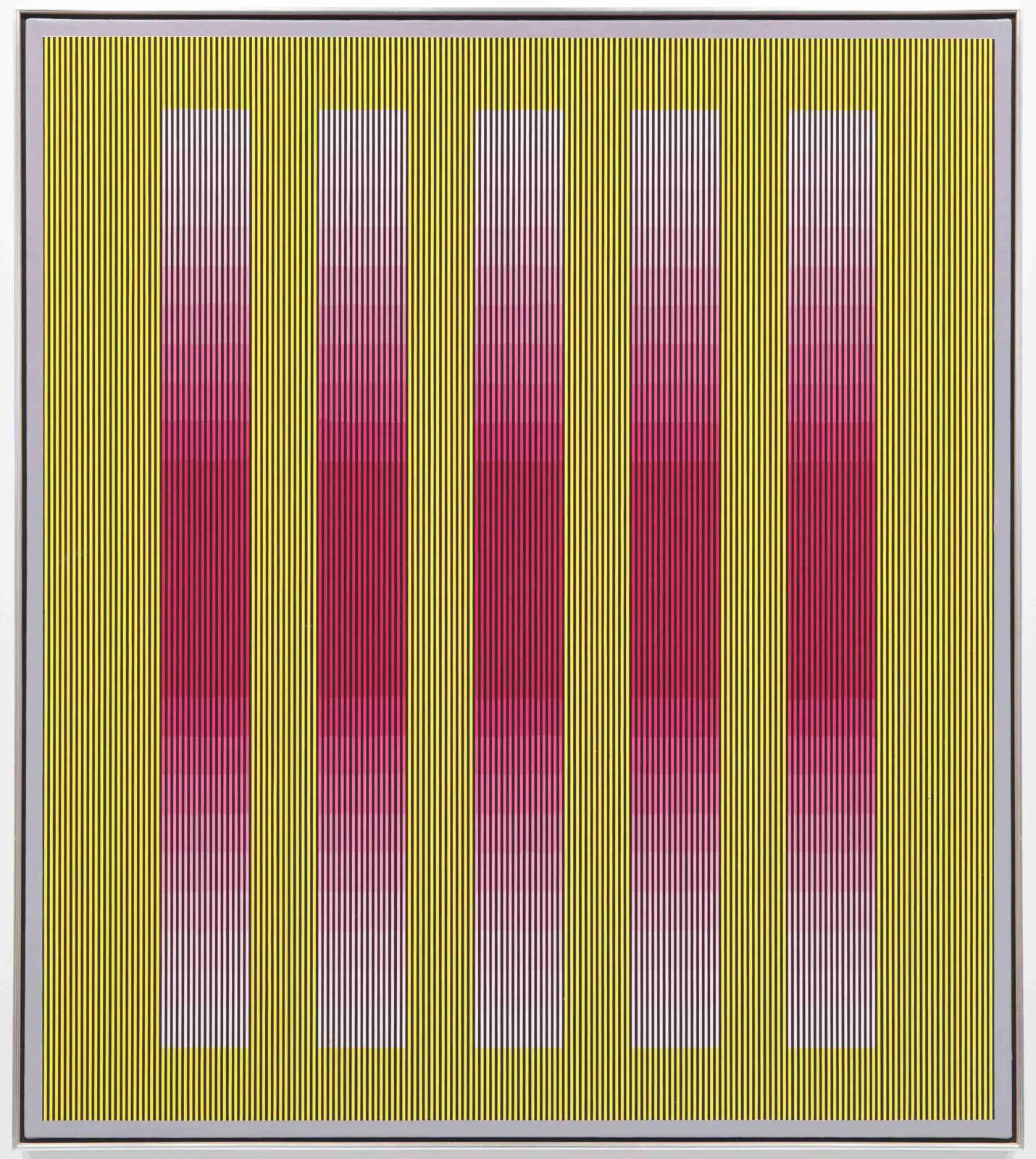
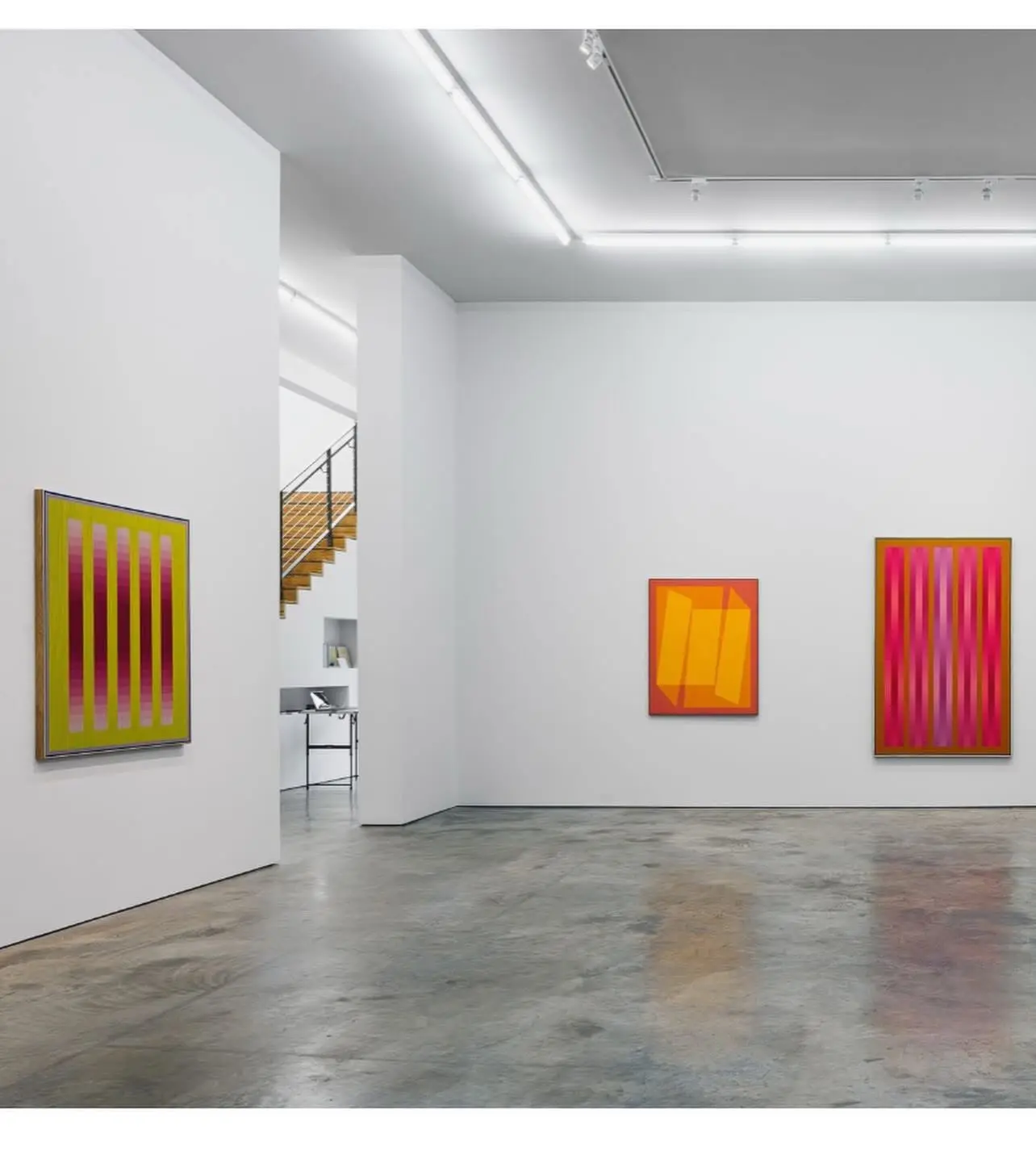
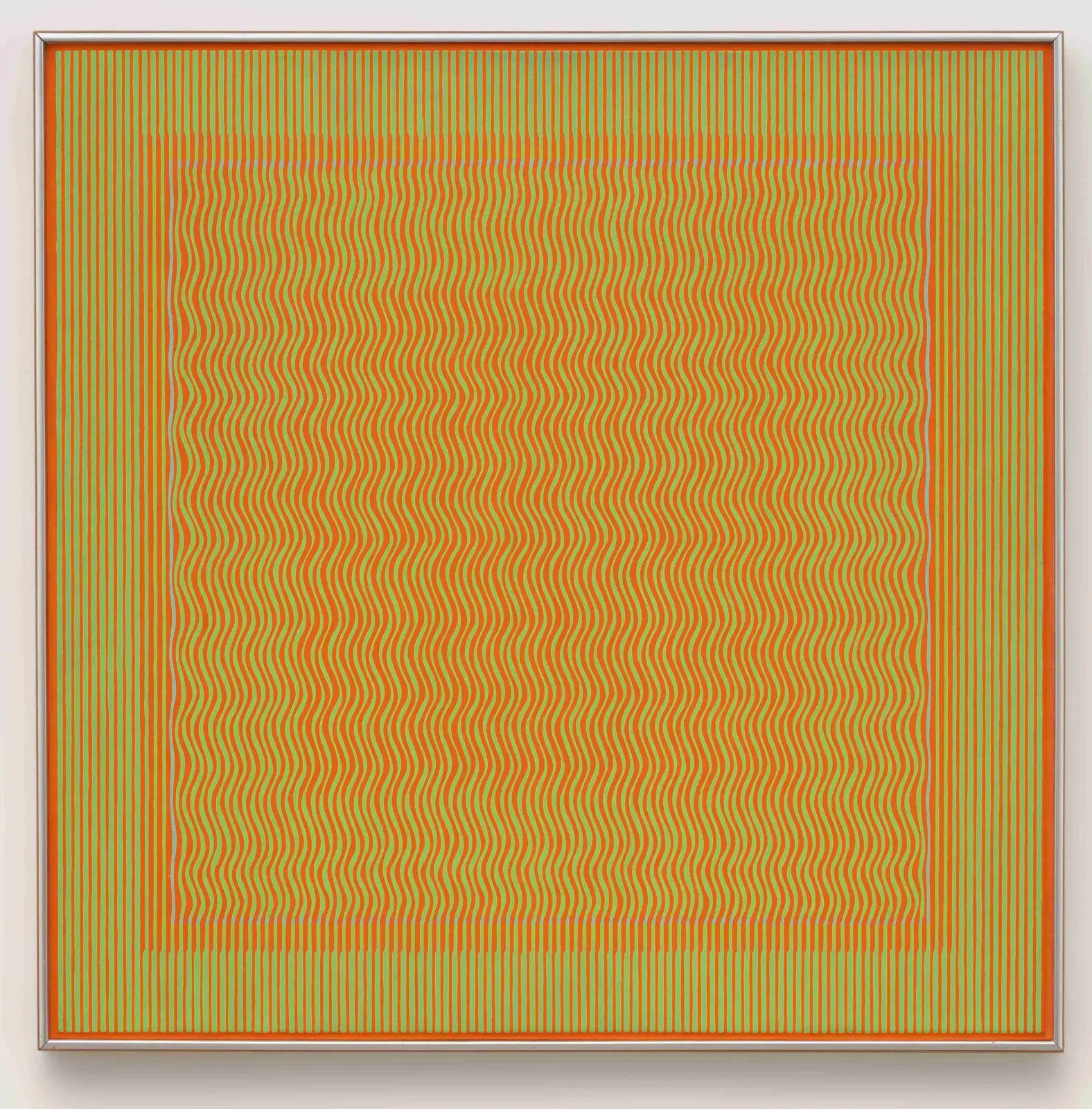
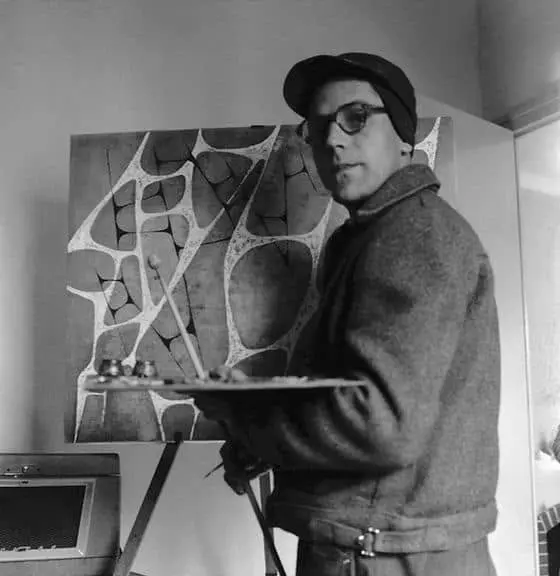
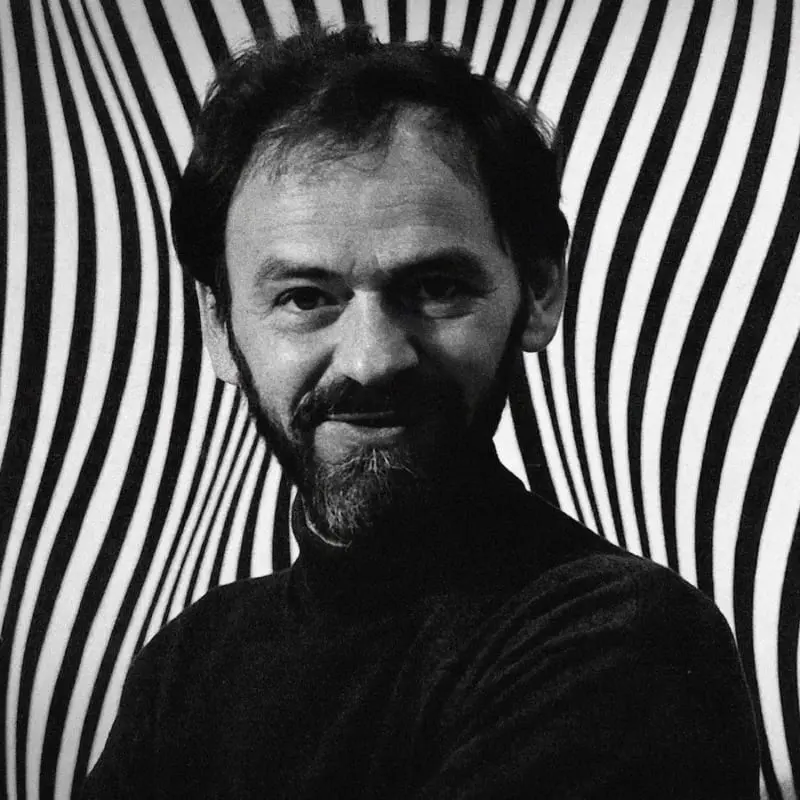
Venezuelan artist Carlos Cruz-Diez (1923 to 2019) and Polish-born Julian Stanczak (1928 to 2017) were two pioneering, innovative abstract artists with dazzling approaches to color, light, perception and interactive art.
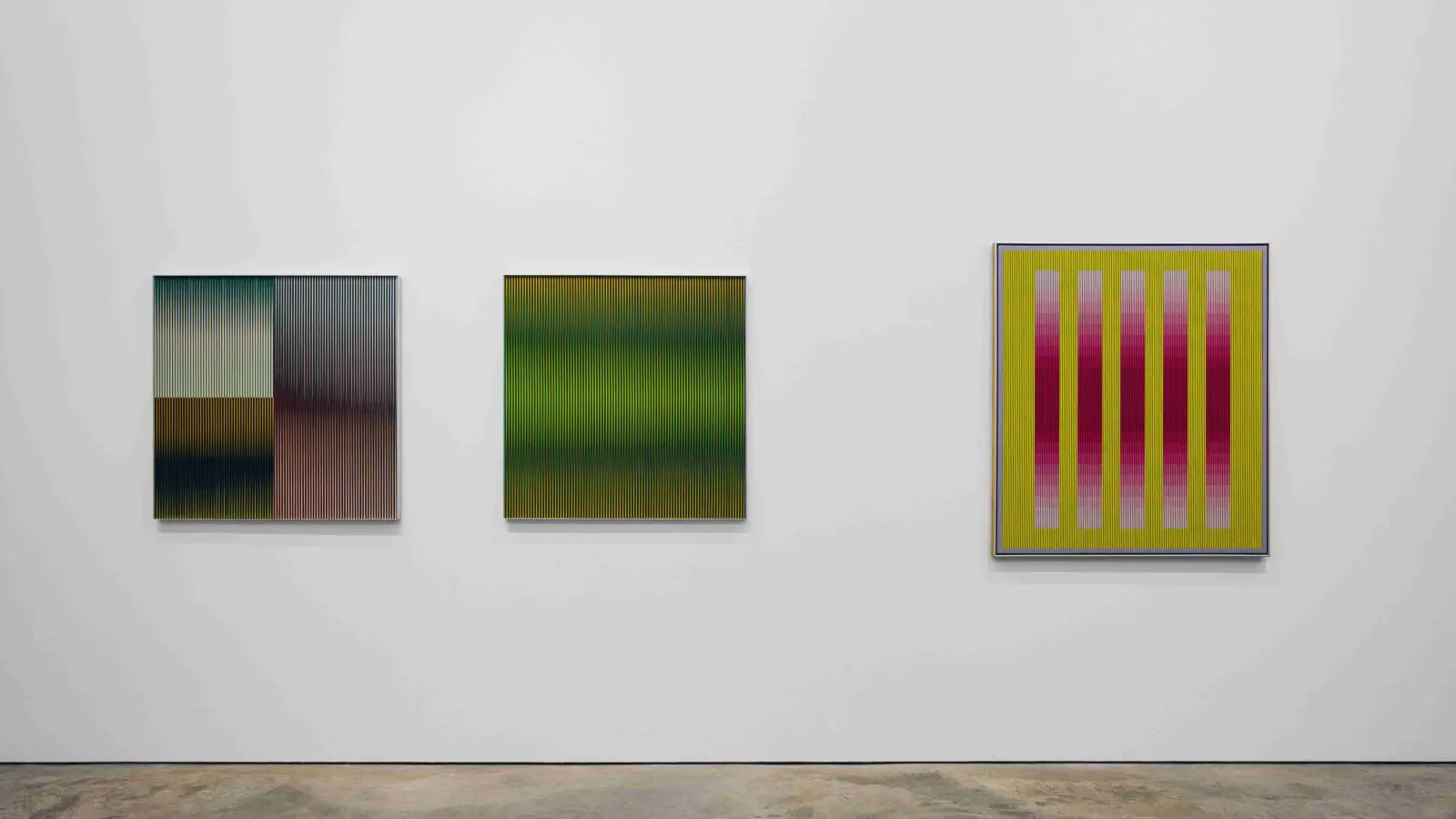
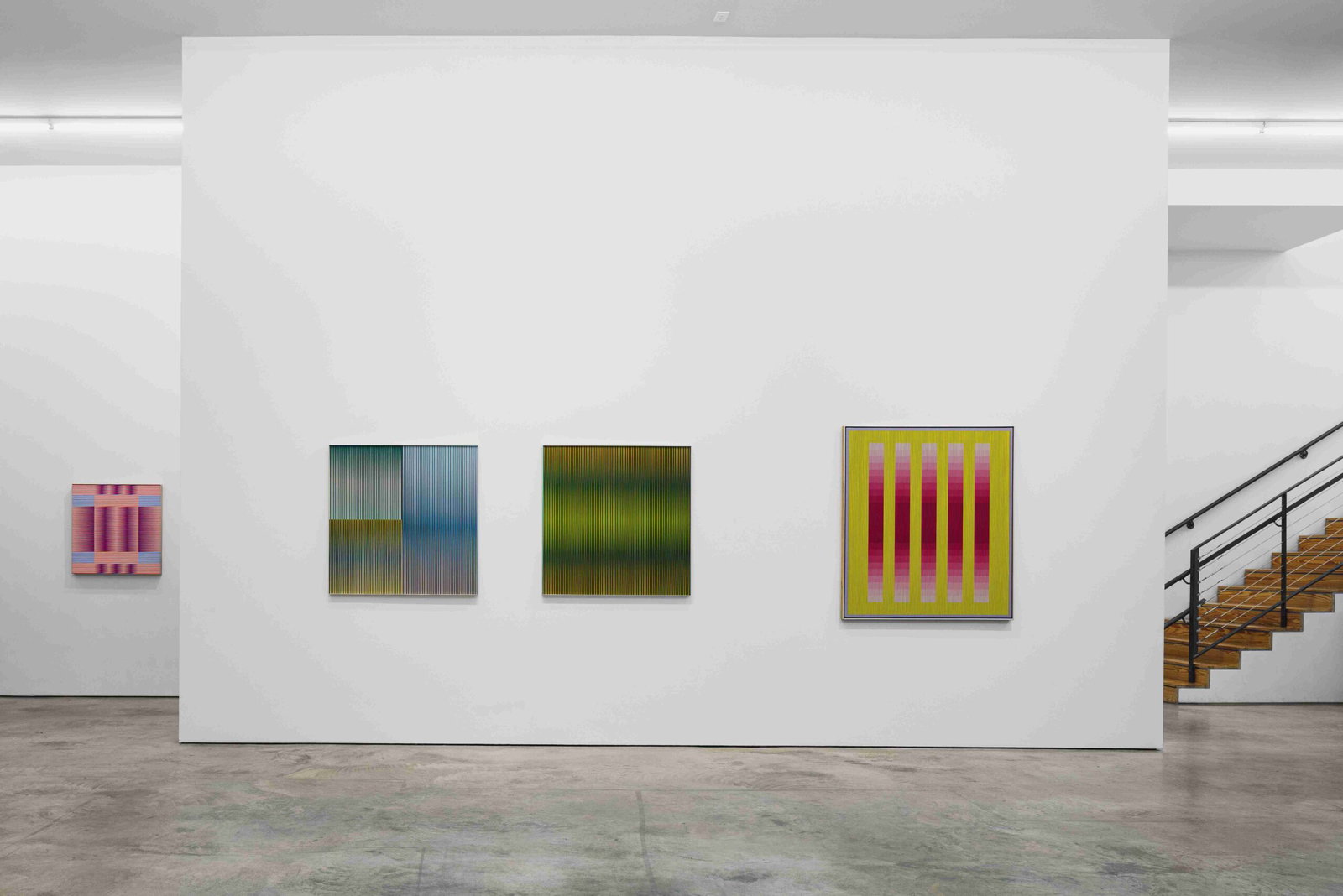
Although they never met, their work was exhibited together in the landmark 1965 exhibit “The Responsive Eye,” at MoMA. More than half a century later, the late artists are being reunited in the luminescent two-person show dubbed “A Difference in Tone: Two Investigations of Color,” showing at Houston’s Sicardi | Ayers | Bacino gallery. It already stands out as one of the 2026 art exhibitions of the year.
The late Cruz-Diez is no stranger to Houston audiences, thanks to this dealer. Sicardi | Ayers | Bacino represented the artist for decades, both during Cruz-Diez’s lifetime and, now, through his foundation and the Museum of Fine Arts, Houston.
At the MFAH, one of Cruz-Diez’s Chromosaturation installation permanently beams from a tunnel connecting the Kinder and Beck Buildings.
Stanczak’s works, on the other hand, are rarely shown in Houston. This exhibition represents a rare opportunity for the Texas art lovers to experience his powerful pieces in the kunsthalle-like setting of Sicardi | Ayers | Bacino.
“Both artists sought, in their own individual ways, to make color their central concern,” gallery curator Fernando Castro tells PaperCity.
Baobab Classique Scented Candles


Light, Color and Art History
Castro has strong feelings on each of these important artists.
“Cruz-Diez was a towering figure in the Kinetic art movement,” Castro says. “Spending most of his career in Paris, he dedicated his life to researching the autonomy of color, treating it not as a static property or object but as a dynamic, evolving event in space and time.
“Stanczak was a central figure in the development of perceptual art. His vibrant compositions, simultaneously cerebral and emotional, explore the perceptual dimensions of line, color and rhythm. Stanczak’s 1964 exhibition (at Martha Jackson Gallery in New York City), ‘Optical Paintings,’ is often credited with introducing the term Op Art into the art world vocabulary.”
Cruz-Diez’s Chromatic Breakthrough
In 1959, Cruz-Diez introduced his Physichromie series, works that essentially function as transformative light traps which ensnare the viewer with constantly evolving color mutations. Three such works are included in this Houston exhibition — Physichromie 1004 (1975), Physichromie 1009 (1975) and Physichromie 2492 (2004).
Their striking color contrasts and brilliantly juxtaposed forms are a highlight of the monumental show.
Stanczak’s Epic Bio
Artist Julian Stanczak’s story began in Borownica, Poland. As a child, he and his family escaped bombing campaigns against the town during the early onset of World War II.
Stanczak eventually arrived in the United States, going on to study with Bauhaus icon Josef Albers and early Abstract Expressionism pioneer Conrad Marca-Relli. Stanczak became an educator, and resided in his adopted hometown of Cleveland, Ohio for many years.
Although frequently labeled as associated with Op Art, Stanczak more specifically became a leading artist in the areas of geometric abstraction and perceptual abstraction.
His works included in the at Sicardi | Ayers | Bacino show are manifestations of what he referred to as visual poetry — multiple color modulations, interactive fusion, opposing wavelengths and the all-important grid.
In the exhibition Stanczak holds his own with the better-known Latin American art star Cruz-Diez.
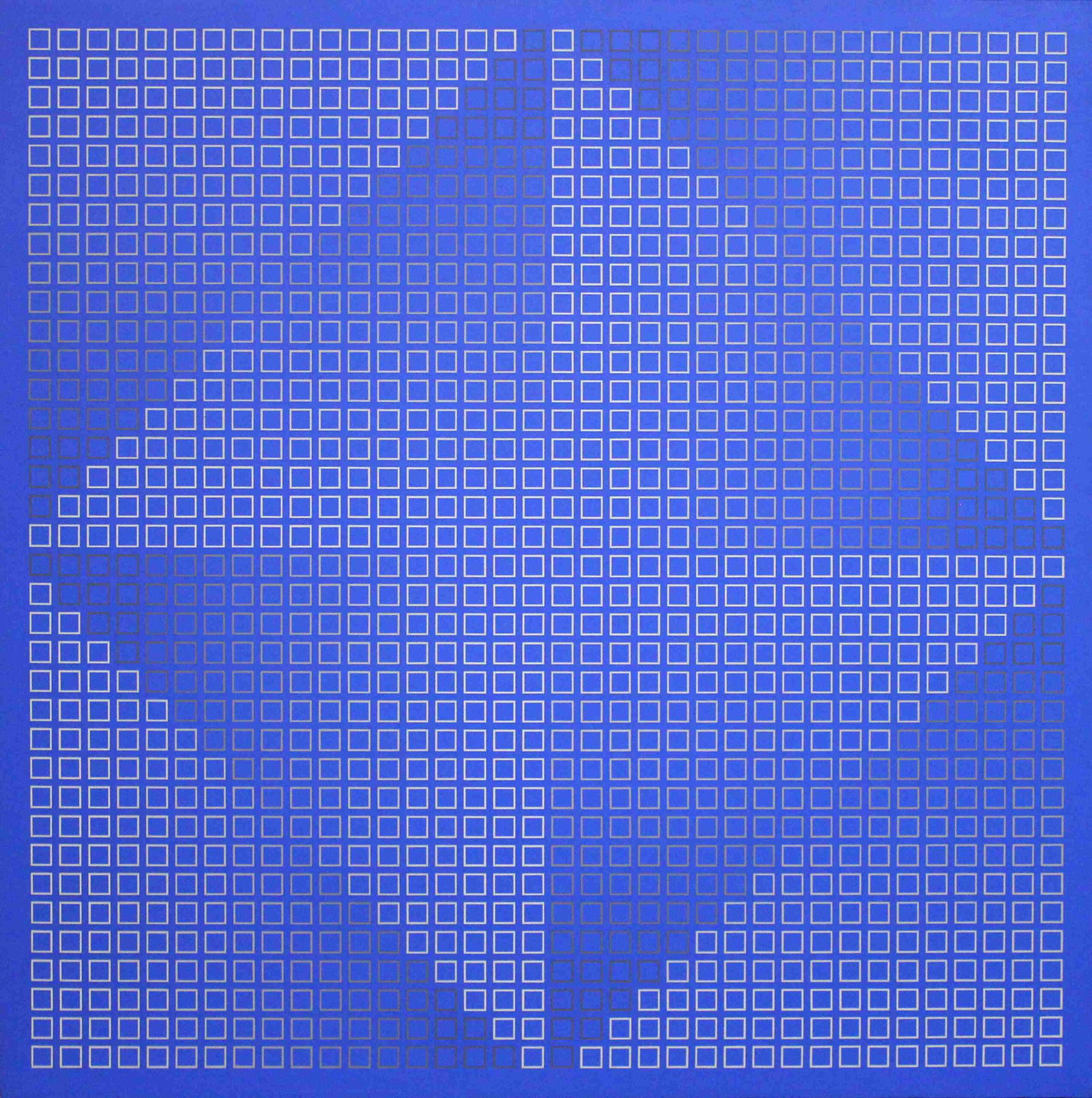
Stanczak’s brightly hued Interaction (1964) showcases curvilinear forms, while the luminous Blue + Gray (1981) deftly captures the perceptual aspect of his practice, inviting the viewer in.
Gallery visitors also encounter the beautifully radiant colors and complex forms of Intercession (1984). Another acrylic on canvas work, Assemble (1973-1974), is a standout example of Stanczak’s mastery of color contrasts and geometric planes.
As Stanczak once stated during an interview with the late artist Julie Karabenick, “I am interested in the glow of colors as they interact and intermix, as they give to each other.”
In his exhibition essay, art historian Alex Bacon concluded, “The temporal aspect of the experience of color is what links Cruz-Diez and Stanczak.
“The duration that occurs with movement in space around the surface of a Cruz-Diez work is paralleled in the time necessary to sit in front of a Stanczak and have it reveal itself to us.”
Read one of Cruz-Diez’s final interviews, a PaperCity exclusive, from 2017 here.
“A Difference in Tone: Two Investigations of Color,” featuring works by Carlos Cruz-Diez and Julian Stanczak. It is showing through Saturday, August 29 at Sicardi | Ayers | Bacino gallery. Get more information here.
Additional reporting for this story came from Catherine D. Anspon.
Trending
- A First Look at the Cutting-Edge, World-Class Wellness Treatments at Canyon Ranch Austin — The Largest Spa Resort in Texas Opening This Month
- Our 4 Favorite New Dallas Restaurants Right Now — What To Order at Élephante, Docent Steak, and Other Hot Spots
- Downtown Dallas’ Neiman Marcus Has Officially Closed, But Beloved Traditions Live On at NorthPark
- Untitled Art Does Not Just Bring a World Class Fair to Houston, It Unfurls With a Whole Ecosystem of Extra Creative Wonders
- Dallas Contemporary and Luxury Italian Fashion House Missoni Host Intimate Dinner with Gala Artists



_md.jpg)