Frida Is Everywhere In Houston, Including the Houston Ballet, Thanks To a Choreographer Who Brings Monumental Women To Life
An Art Legend Whose Influence Has Never Been Limited To Museums
BY Adrienne Jones //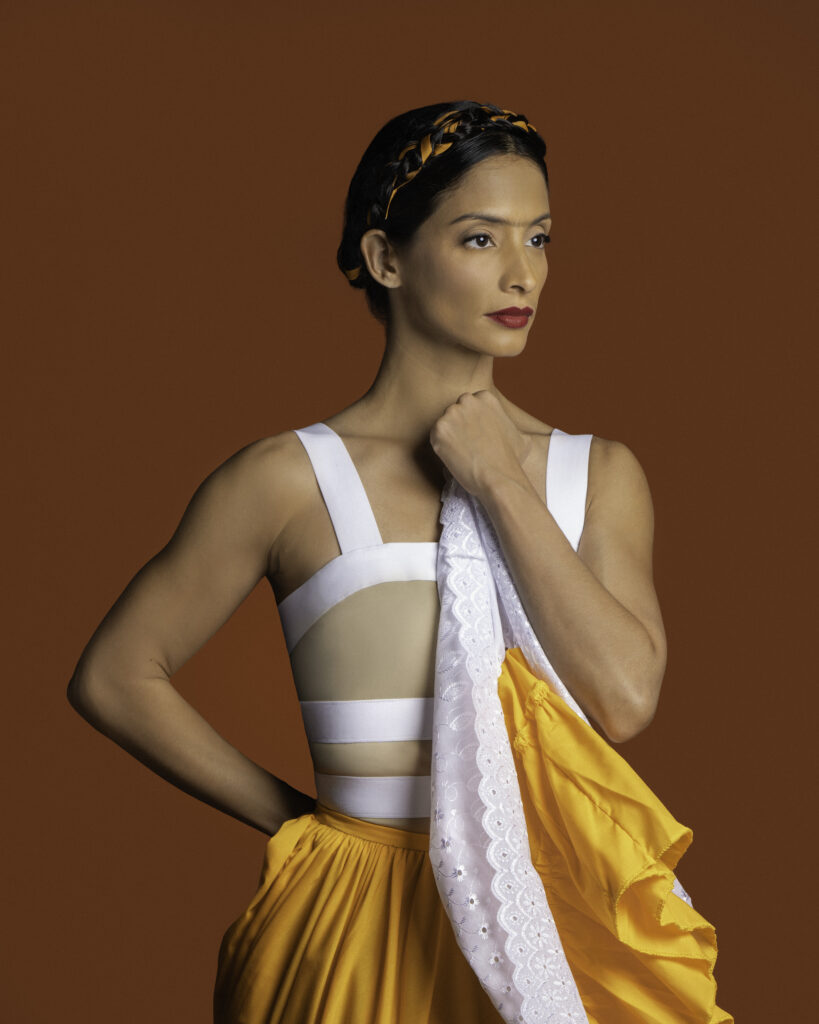
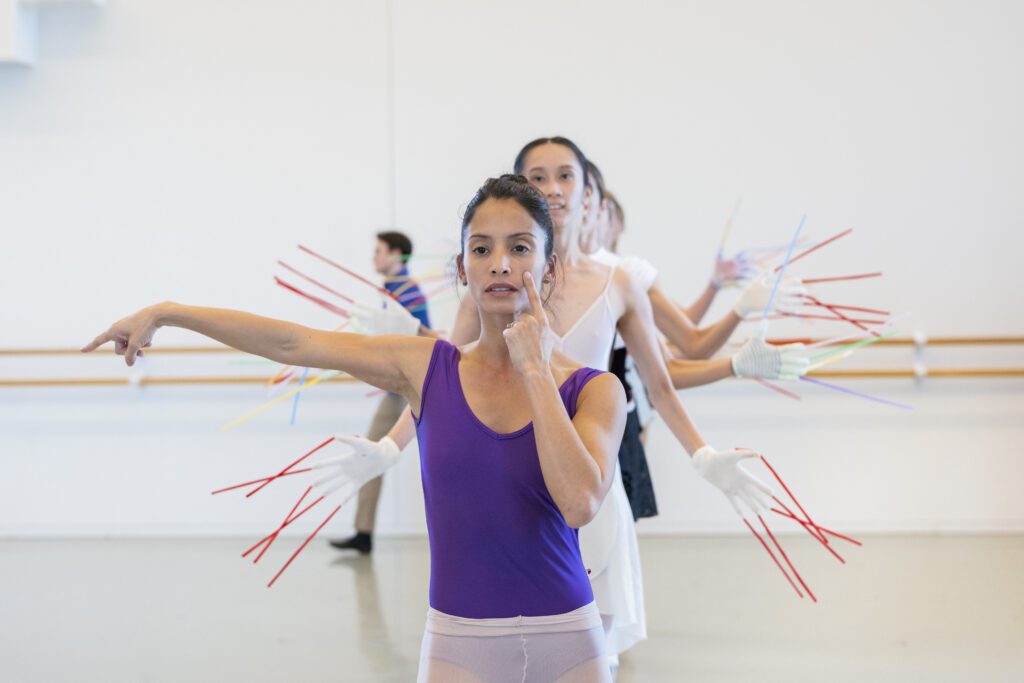
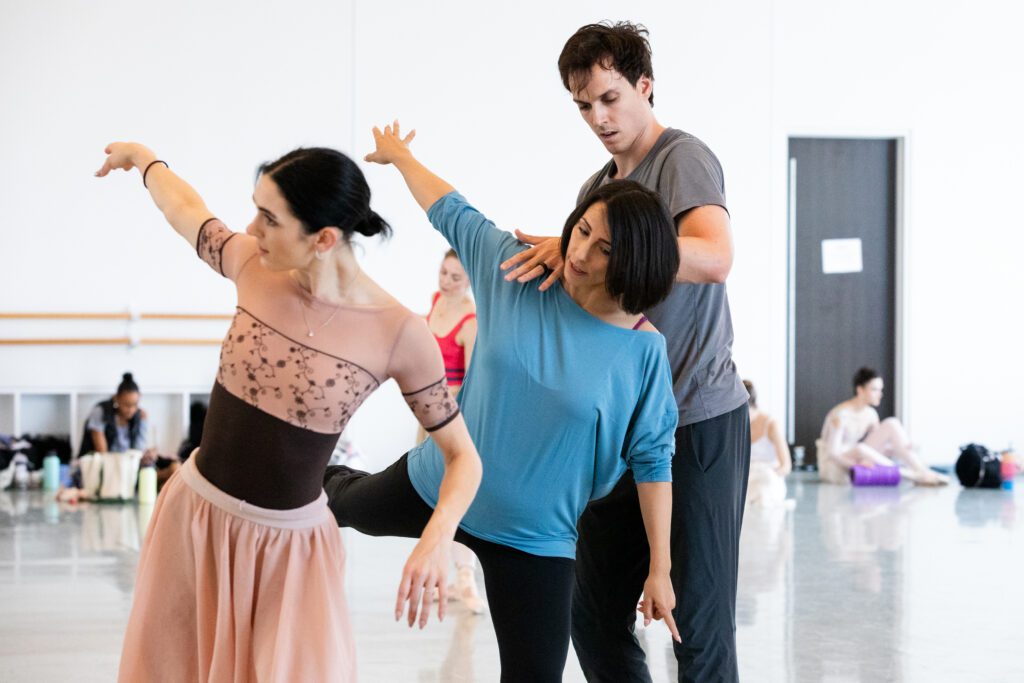
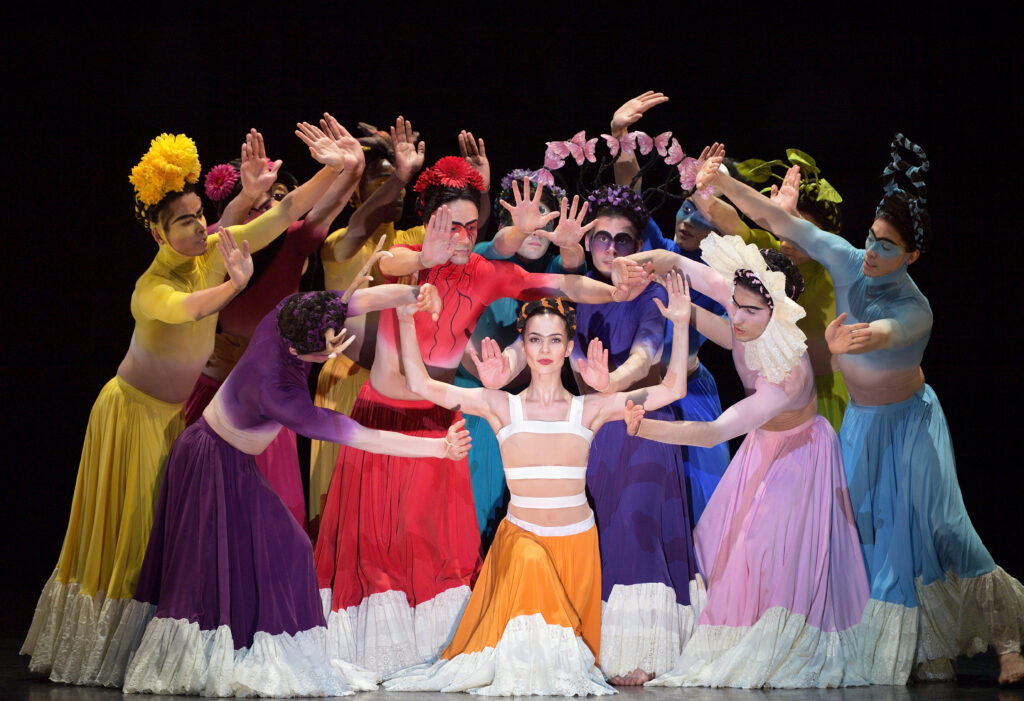
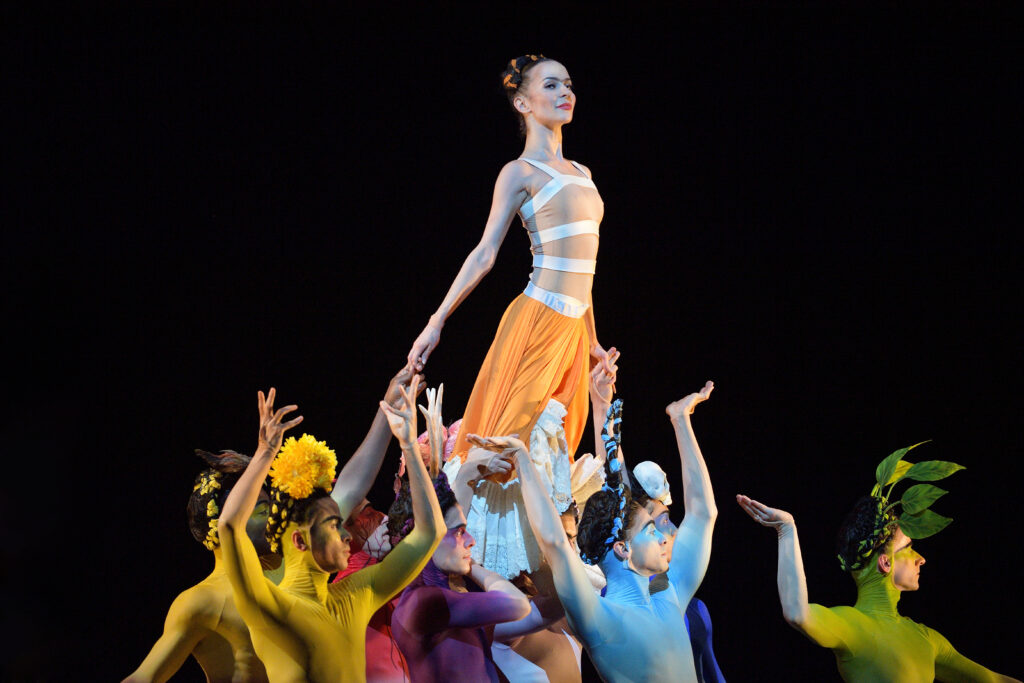
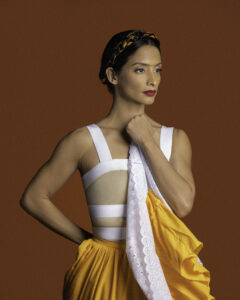
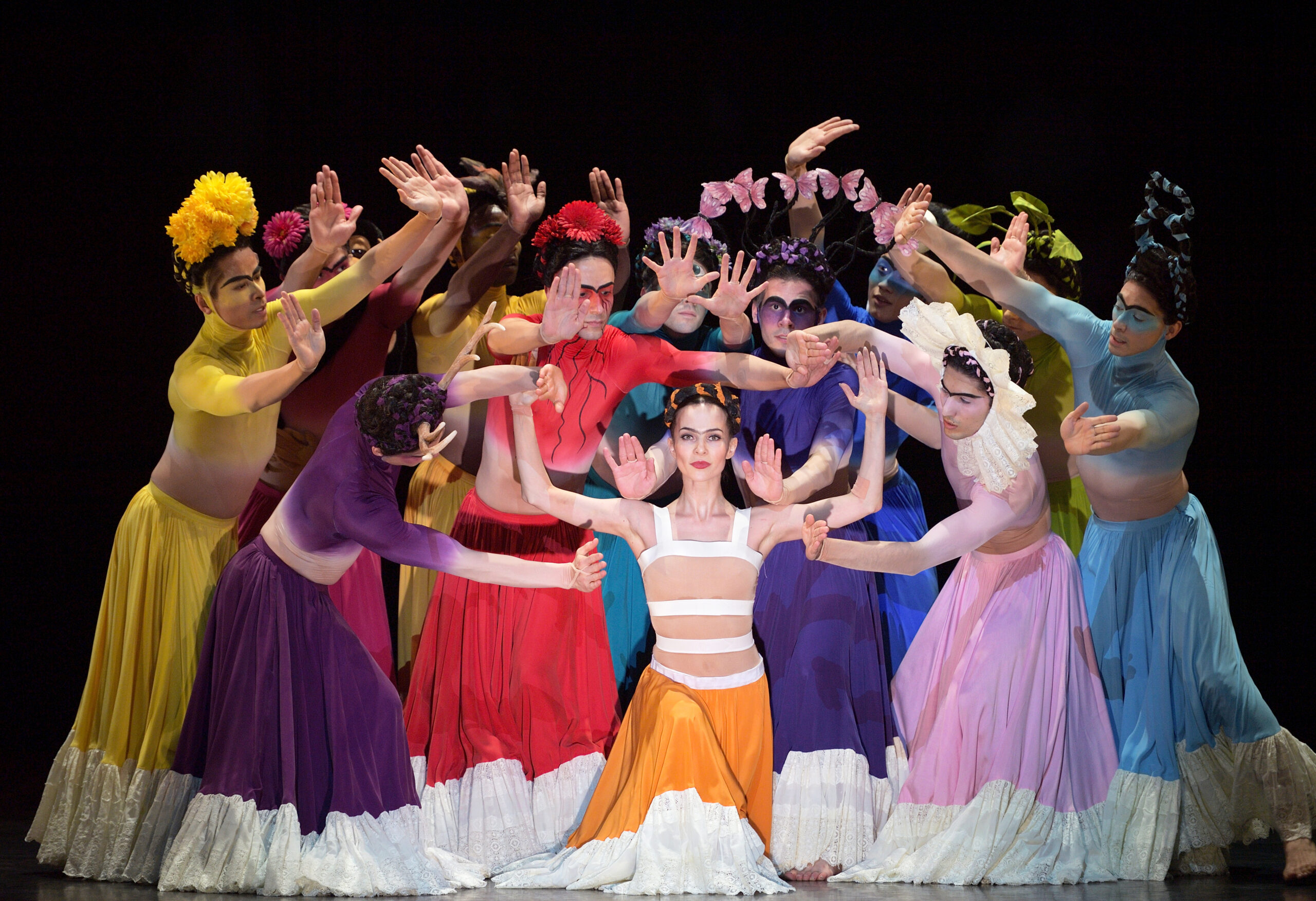
Houston Ballet principal Karina González as Frida Kahlo in Houston Ballet’s “Broken Wings.” (Photo by Alana Campbell, 2025. Courtesy Houston Ballet.)
Frida Kahlo is everywhere in Houston right now. Her face looks out from museum walls and banners. The urgency of her story feels fresh. That presence will soon extend from the Museum of Fine Arts, Houston’s walls to the Houston Ballet’s stage.
At the Museum of Fine Arts, Houston, the brilliant exhibition “Frida: The Making of an Icon” showcases 35 self portraits. They show Kahlo’s life refracted through unflinching imagery and vivid surrealism. The exhibition’s popularity points not merely to Frida Kahlo’s celebrity, but to an enduring artistic legacy.
Yet Kahlo’s influence has never been limited to museums. Since her death in 1954, she has inspired new work across genres, including opera, chamber music and poetry.
A striking example emerged in 2022. The London-based organization Saudha: Society of Poetry and Indian Music paired projections of Kahlo’s paintings with Hindustani ragas. Poet Shree Ganguly read from the ancient Sanskrit epic Mahabharata. She posed a haunting question that echoes through Kahlo’s art: “Who are you?”
That question continues to surface in new forms. In the Bayou City, it now takes shape on the ballet stage.
The Houston Ballet is set to join the conversation from March 12 through March 22 with “Broken Wings.” The work comes from Belgian-Colombian choreographer Annabelle Lopez Ochoa. She has built a reputation for story ballets that shape portraits of consequential women. Her subjects include Eva Perón, Coco Chanel, Maria Callas and Delmira Agustini.
The Allen








Turning Pain Into Movement
The “broken wings” in Lopez Ochoa’s ballet belong to Kahlo. The metaphor traces back to the catastrophic trolley accident the artist suffered at 18 — the first of many defining events in her life. The collision left her bedridden for months. She sustained multiple fractures from which she never fully recovered. The injuries consigned her to a lifetime of chronic pain.
Equally central to Kahlo’s emotional world was her famously passionate and turbulent marriage to the celebrated muralist Diego Rivera. Their attachment — marked by betrayals, yet sustained by devotion and shared convictions — endured until Kahlo’s death, three years before Rivera’s.
The ballet explores this emotional terrain.
Kahlo is one of the few major artists whose subject was her own body. But Lopez Ochoa lifts the ballet beyond biography into embodiment. She asks what dance can reveal about an artist for whom body and identity were themselves a form of art.
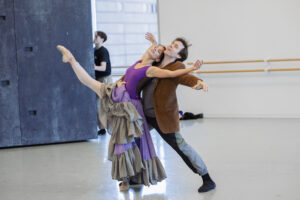
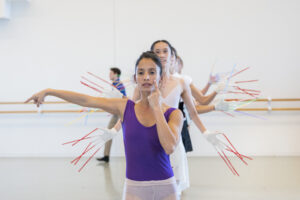
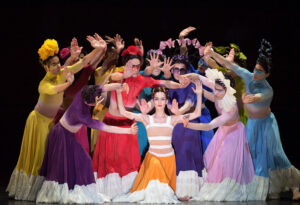
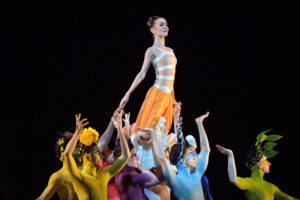
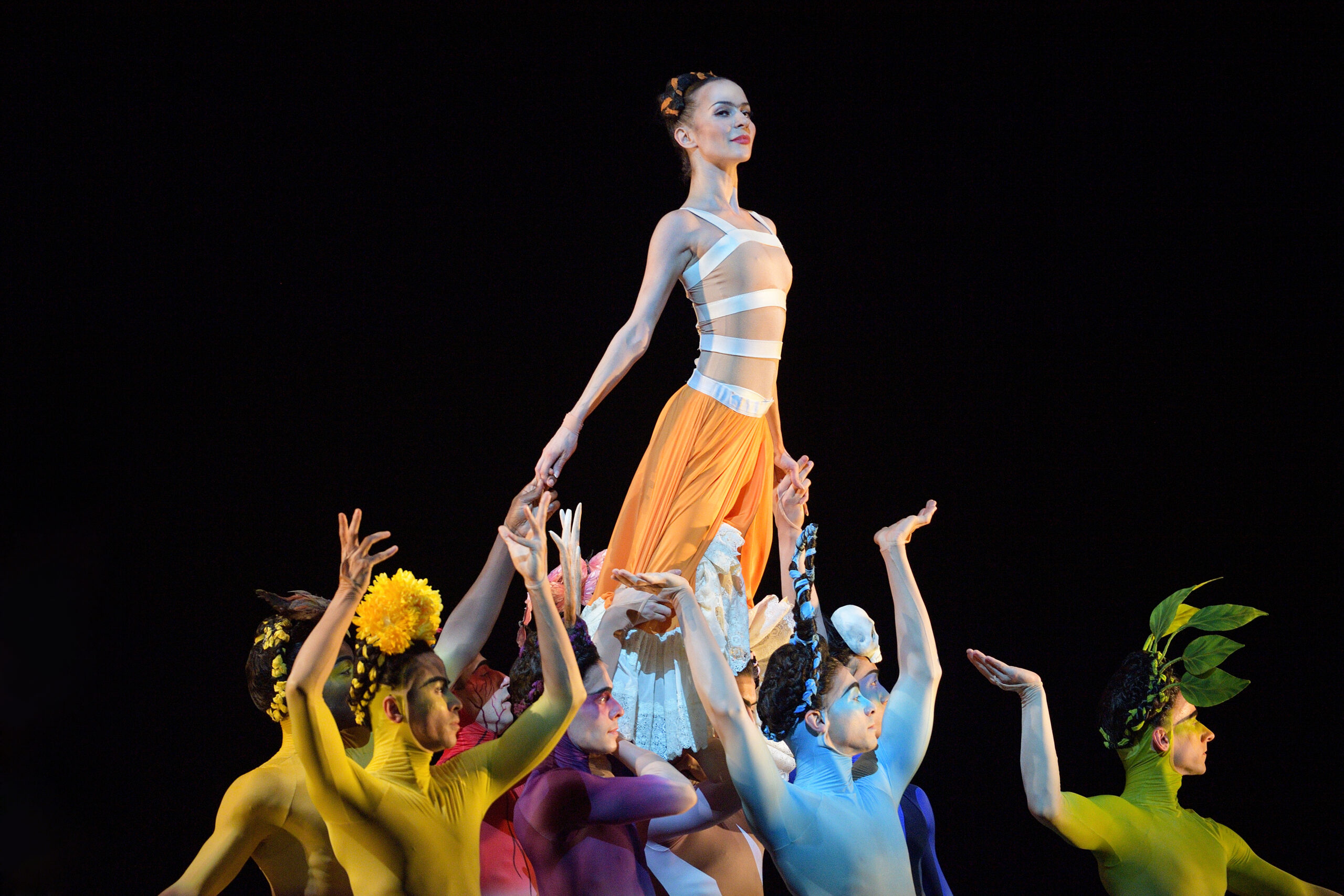
To build Kahlo’s theatrical world, Lopez Ochoa blends sensation and symbol. She uses abstract movement and surreal stage imagery. Saturated color and fantastical costumes echo the paintings. A gripping soundscape by longtime collaborator British composer Peter Salem anchors the production.
Listen, too, for “La Llorona,” popularized by the legendary Costa Rican-Mexican singer Chavela Vargas. Vargas was celebrated for her interpretations of traditional Mexican rancheras.
Inside Lopez Ochoa’s Vision
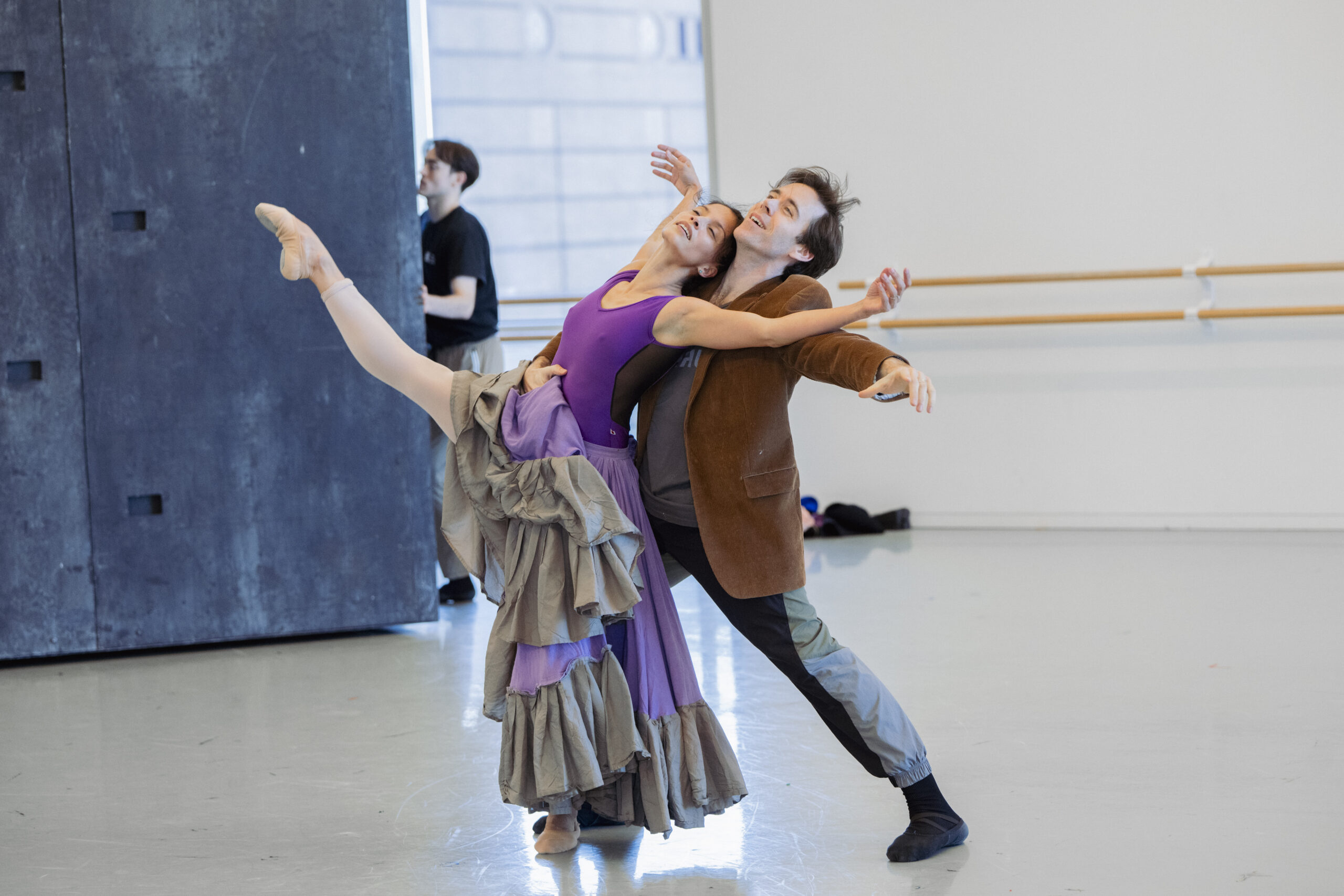
Speaking with PaperCity from her home in the Netherlands, Lopez Ochoa discussed choosing Kahlo and translating her paintings into choreography.
“Broken Wings” was created for the English National Ballet in 2016. What led you to choose Frida Kahlo as a subject?
Lopez Ochoa: Tamara Rojo, then the company’s artistic director, asked me to create a work about a woman from literature or history who was, in some sense, doomed. I kept thinking of Frida Kahlo. I was intrigued by her work, but fascinated by her life. Her resilience and her extraordinary productivity stayed with me. She first took up painting to pass the time after her accident, then it became deeply personal. That’s been a source of inspiration for me.
You’ve said, “I hope I’m being vulnerable and universal. The more personal I make it, the more universal it becomes. Pain and love are universal emotions.”
Lopez Ochoa: The more personal I am in my work, the more it resonates with an audience. Even when I’m exposing something very private, people recognize themselves in it. They feel real emotion rather than the idea of emotion. Anyone can recount Frida Kahlo’s life.
You don’t need a ballet for that. It’s the way I tell the story and what I choose to emphasize that makes it personal.
You’ve described yourself as a feminist. How do you see Frida?
Lopez Ochoa: She’s considered a feminist because she painted women as they are, not through the male gaze. She doesn’t have a naked shoulder looking sultrily to the audience. Her work is very direct. For example, she depicted her own body after a miscarriage. That, to me, makes her a feminist.
Diego Rivera occupied much of Frida’s emotional world. She once called him “her universe.” How do you approach their marriage in the ballet?
Lopez Ochoa: Diego adored her. They were obsessed with each other. But he was 40 when they met, 20 years older than her, and already married. She must have wanted him very badly. His former wife even warned her that she wouldn’t be able to change him. Frida believed she could. But he couldn’t behave. He loved women too much.
How do we see aspects of their relationship expressed through dance?
Lopez Ochoa: There’s a scene with a skeleton figure dressed like Frida — what we call the “hair skeleton.” It comes from her diary. She writes that his infidelity hurts her, yet she still returns to him, almost blaming herself for the suffering. They did divorce, but she chose to go back.
For me, that’s proof of love: accepting someone even when you cannot love everything about them. All of this appears in the ballet alongside references to her paintings, the accident and her pregnancy losses.
And their final dramatic pas de deux?
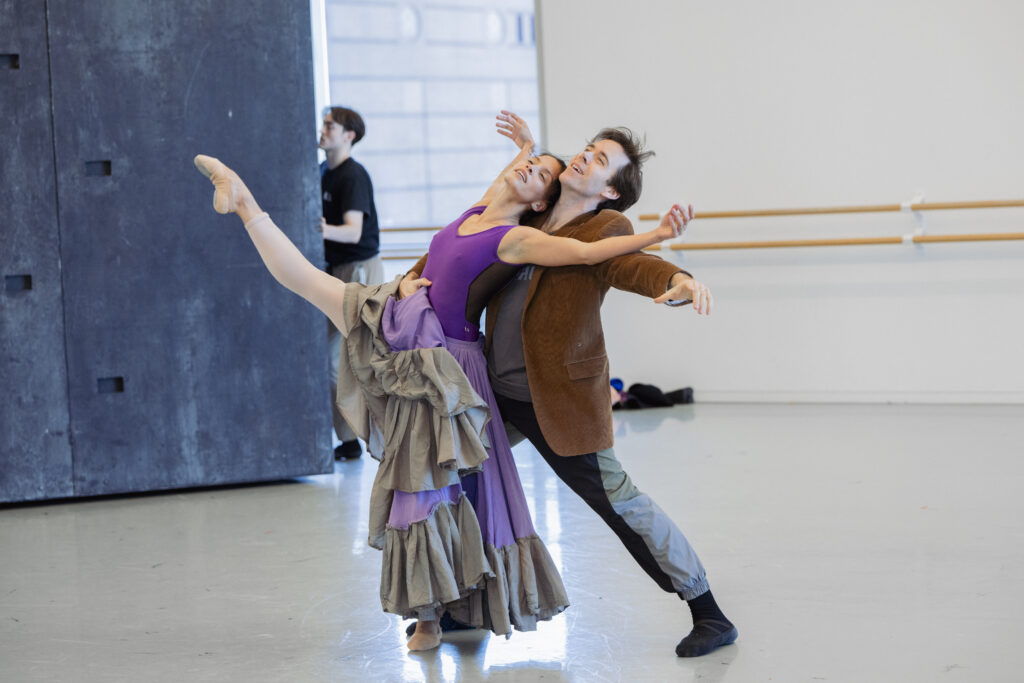
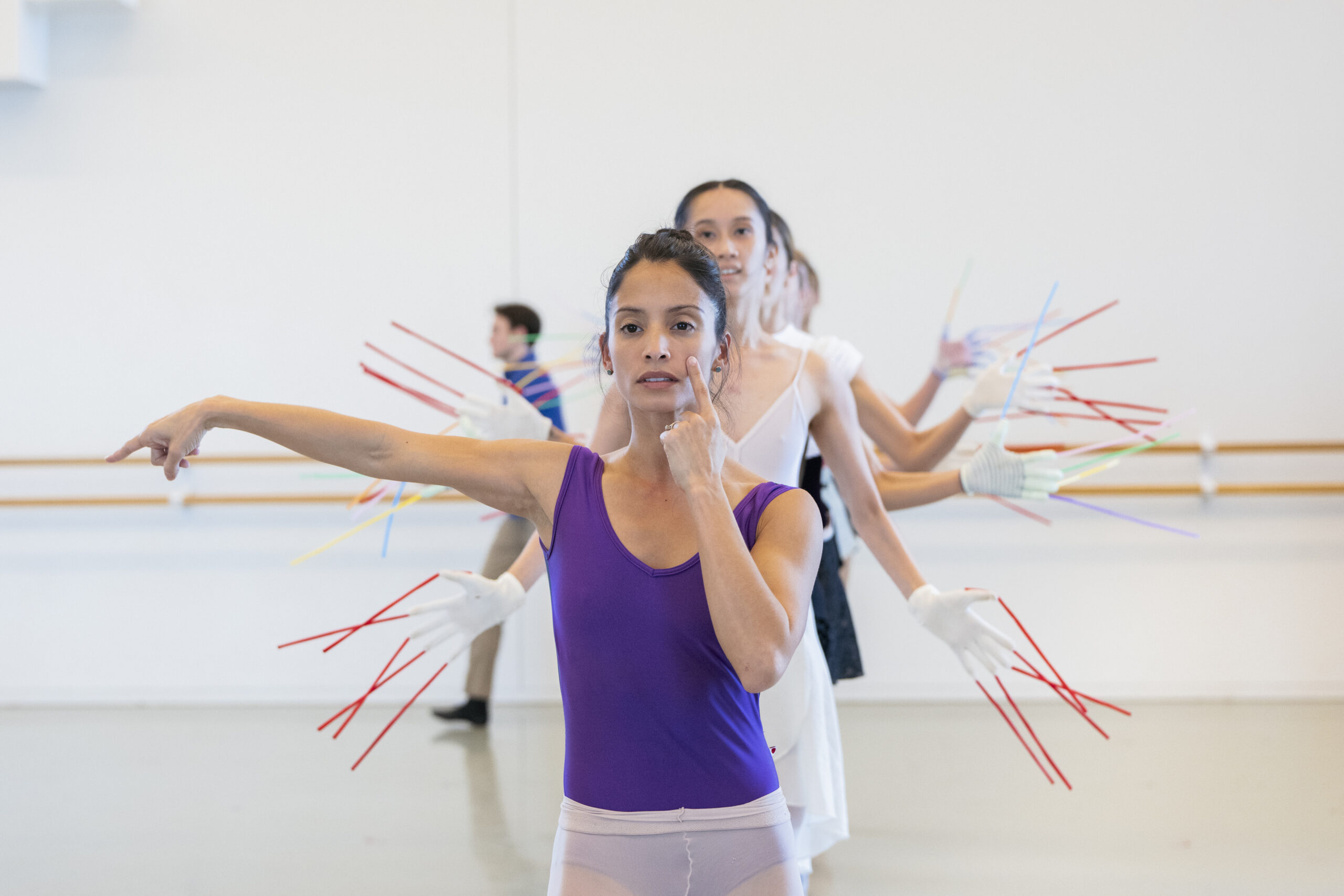
Lopez Ochoa: It’s a reconciliation that comes at her death. Diego died three years later. He feels bad that he wasn’t faithful and that it hurt her emotionally. She suffered so much physically before dying at 47, even though she was full of life. In the duet, he’s sad about her suffering and about the part he played in it.
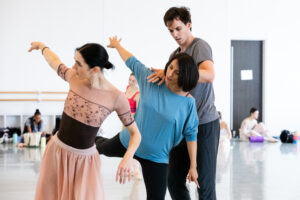
Houston Ballet is putting on “Broken Wings” in a mixed repertoire with Jiří Kylián’s “Petite Mort” and Stanton Welch’s “Stereo is King.” Performances will run from Thursdays through Sundays from March 12 to March 22 at the Wortham Theater Center. For tickets and more information, go here.