With Fridamania Taking Over Houston, a Creative Music Star Brings Frida Kahlo To the Hobby Center Stage
A Hometown Prodigy Returns With a Love Story Between the Living and the Dead For DACAMERA
BY Adrienne Jones //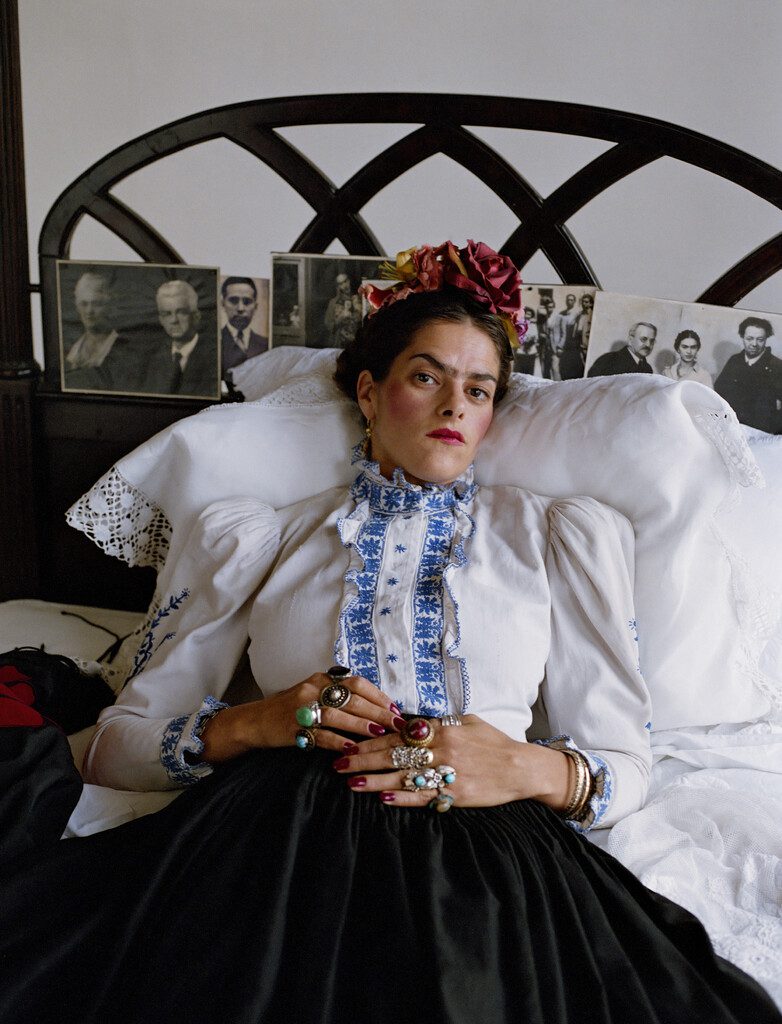
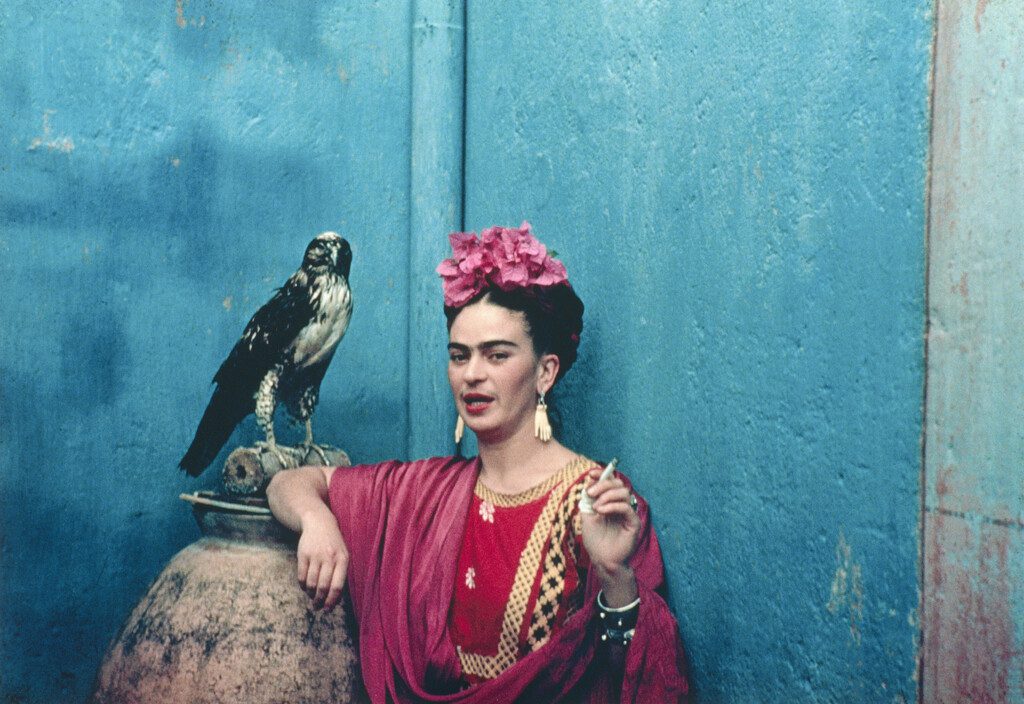
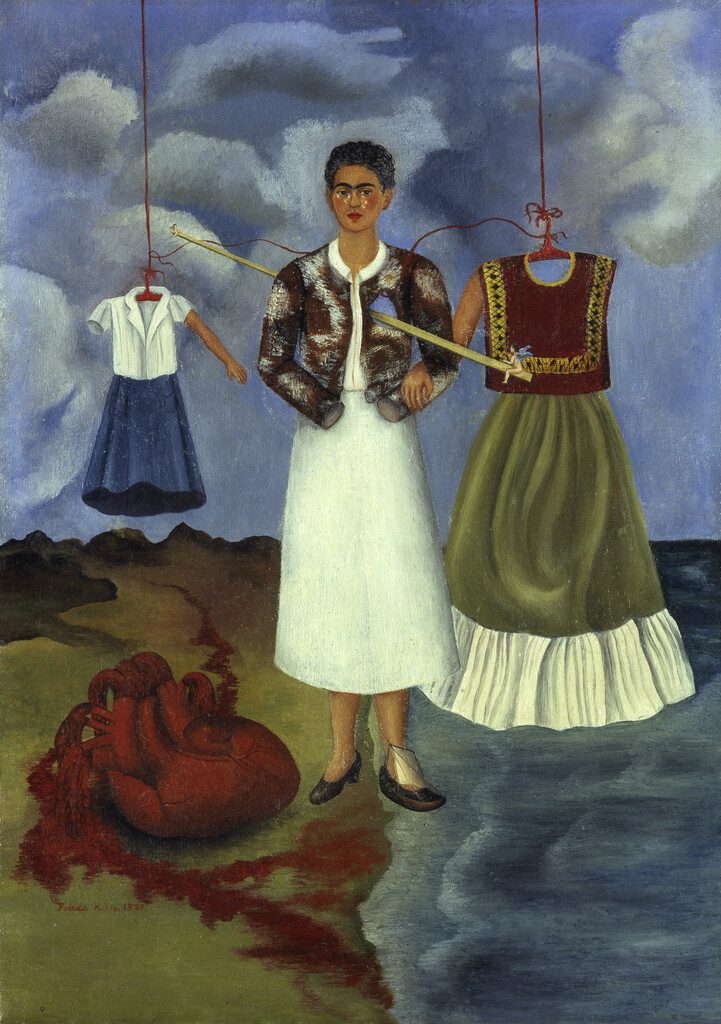
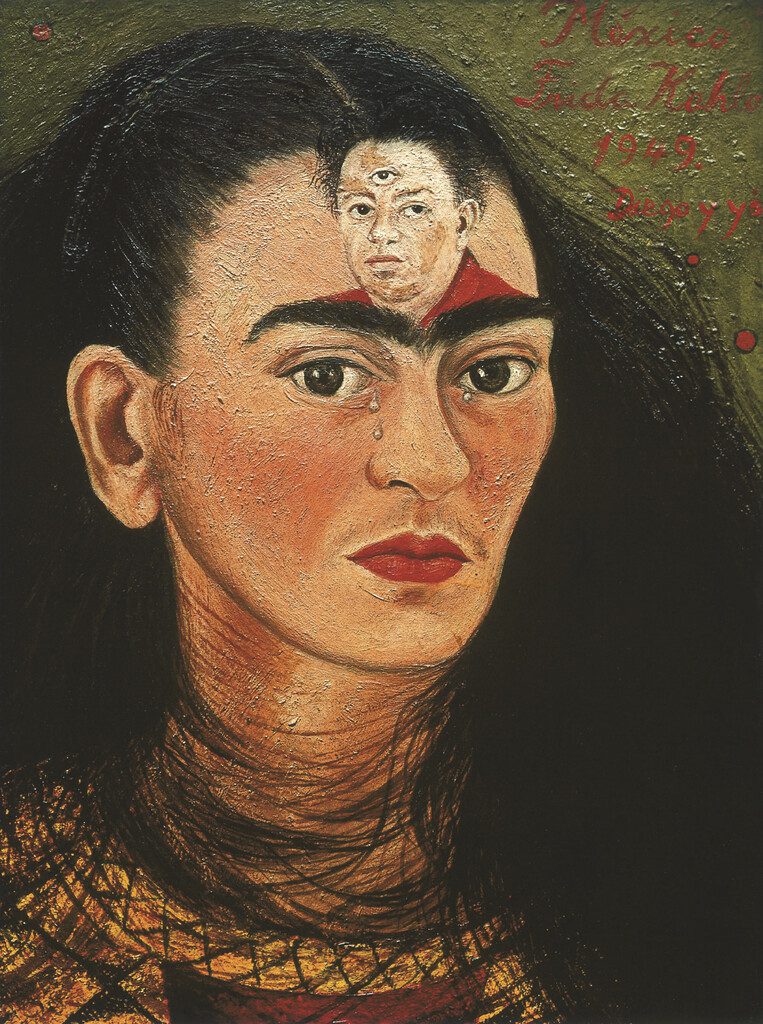
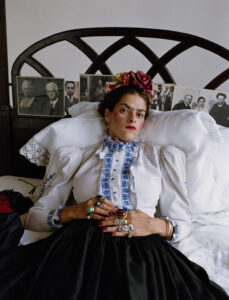
Mary McCartney's "Being Frida, London," 2000, at Museum of Fine Arts, Houston (Courtesy Mary McCartney Studio. © Mary McCartney)
Houston is currently in the grip of Fridamania. And now DACAMERA is bringing that fever to the stage in conjunction with the Museum of Fine Arts, Houston’s landmark art exhibition.
The MFAH has drawn international attention with Frida: The Making of an Icon. The show will keeps the Bayou City on the world art stage through Sunday, May 17 before it travels to the Tate Modern in London.
In tandem with the MFAH exhibition, Houston’s premier chamber music organization is exploring Frida Kahlo’s life and love story through a world premiere this Friday night, February 20. The performance looks to underscore her continuing cultural impact and extend the conversation beyond the gallery walls.
Frida grew from the vision of MFAH Wortham Curator of Latin Art Mari Carmen Ramírez. She wanted to move beyond a traditional retrospective. Her goal was to demonstrate how Kahlo — the daughter of a German-born, Mexican-naturalized photographer father and a Mexican mother — became one of the most influential female artists of all time.

DACAMERA Brings Kahlo’s Final Dream to the Stage
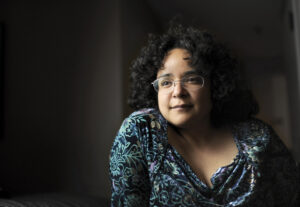
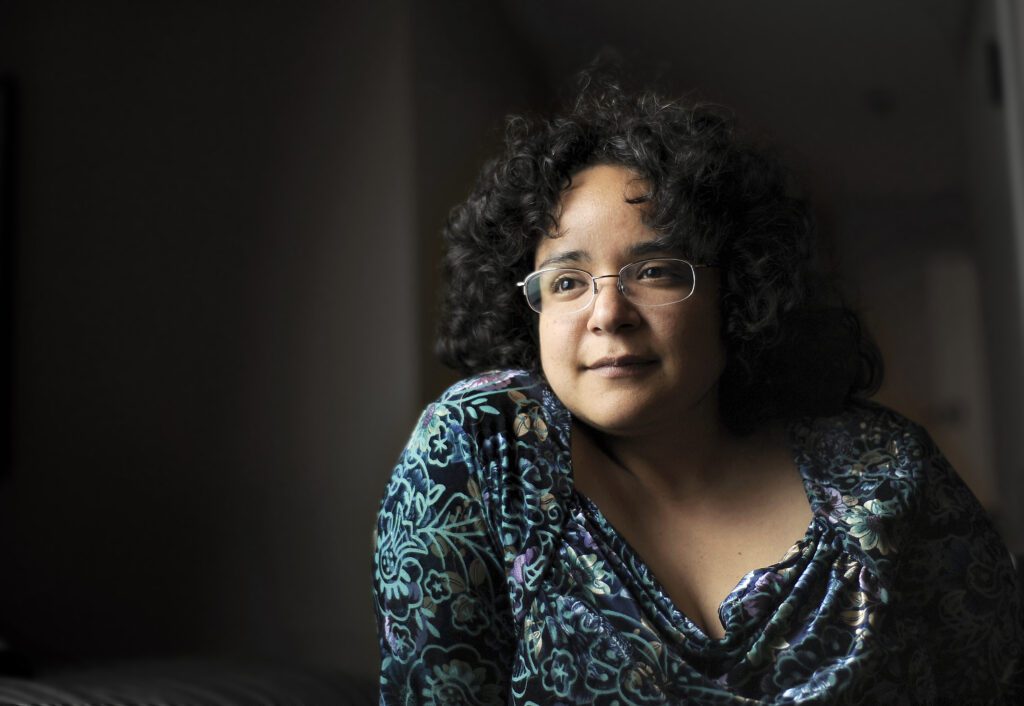
The Washington Post named Gabriela Lena Frank one of the 35 most significant women composers in history, back in 2017. That acclaim sets the stage for her latest work to arrive in Houston nine years later.
Frank will appear at the Hobby Center when DACAMERA presents “Frida’s Dreams” on Friday. The string quartet draws from her acclaimed 2022 opera “El Último Sueño de Frida y Diego (The Last Dream of Frida and Diego).” A new production of the opera is scheduled to open at New York’s Metropolitan Opera in May.
Spring at Bering's









Rather than retelling the familiar narrative of Kahlo’s volatile relationship with her larger-than-life muralist husband Diego Rivera, Frank imagines something different. She sets her story in Mexico City during Día de Muertos (Day of the Dead).
The holiday blends Catholicism with Aztec ritual. It marks a time when the souls of the departed return to bring joy and remembrance rather than mourning. The boundary between the spirit and living world dissolves.
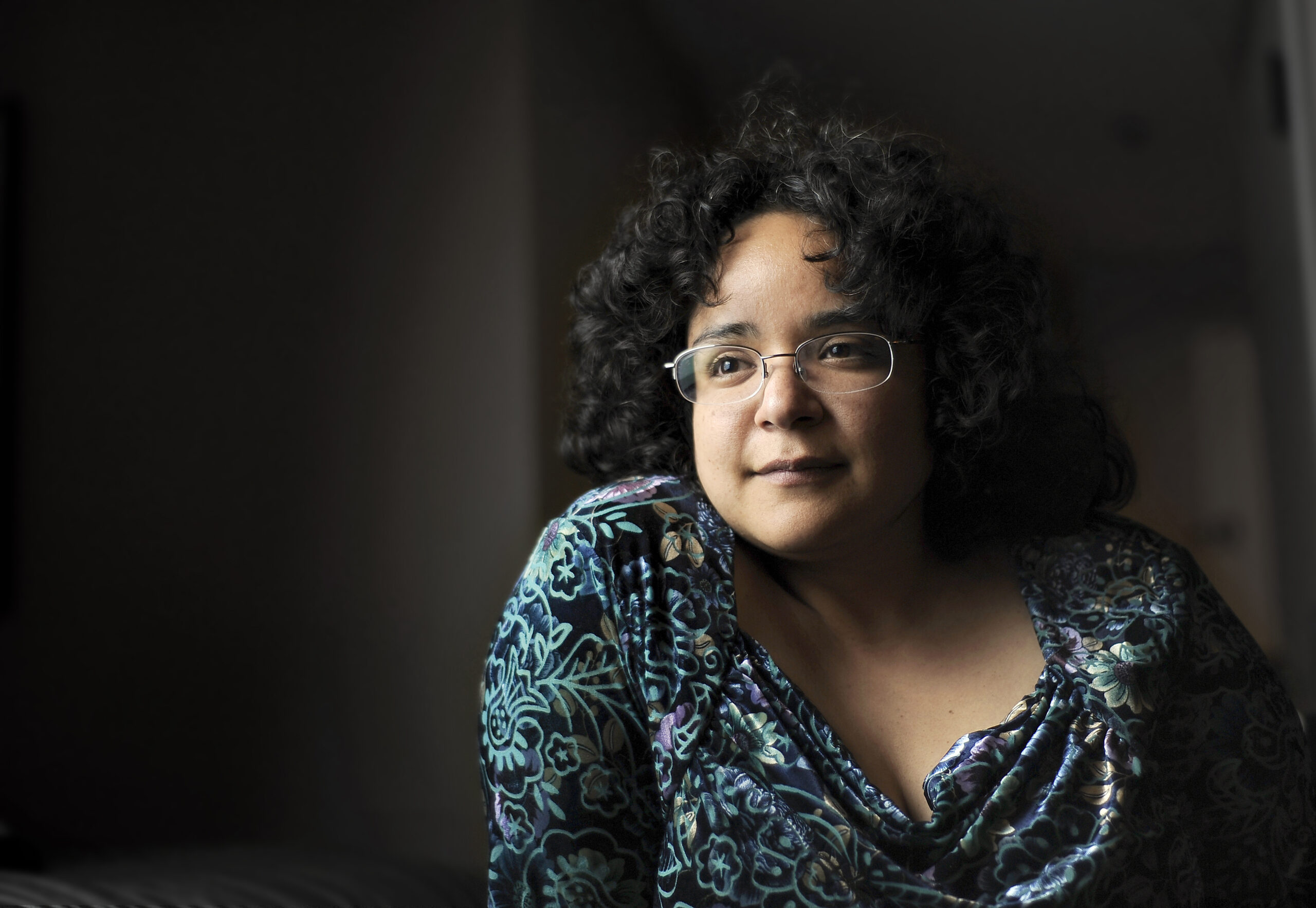
Set in 1957, the fantasy imagines Kahlo’s spirit returning to visit Rivera. He longs for her to rejoin him among the living. Instead, she guides him toward the underworld in what Frank calls a “surreal meditation on love, pain, artistry and release.”
“It’s both a distillation and reinvention of the opera,” Frank says. “Each movement evokes a scene from the work’s spirit-world narrative.”
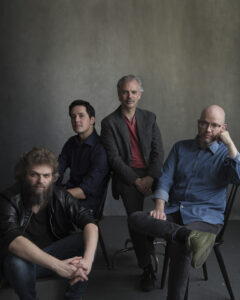
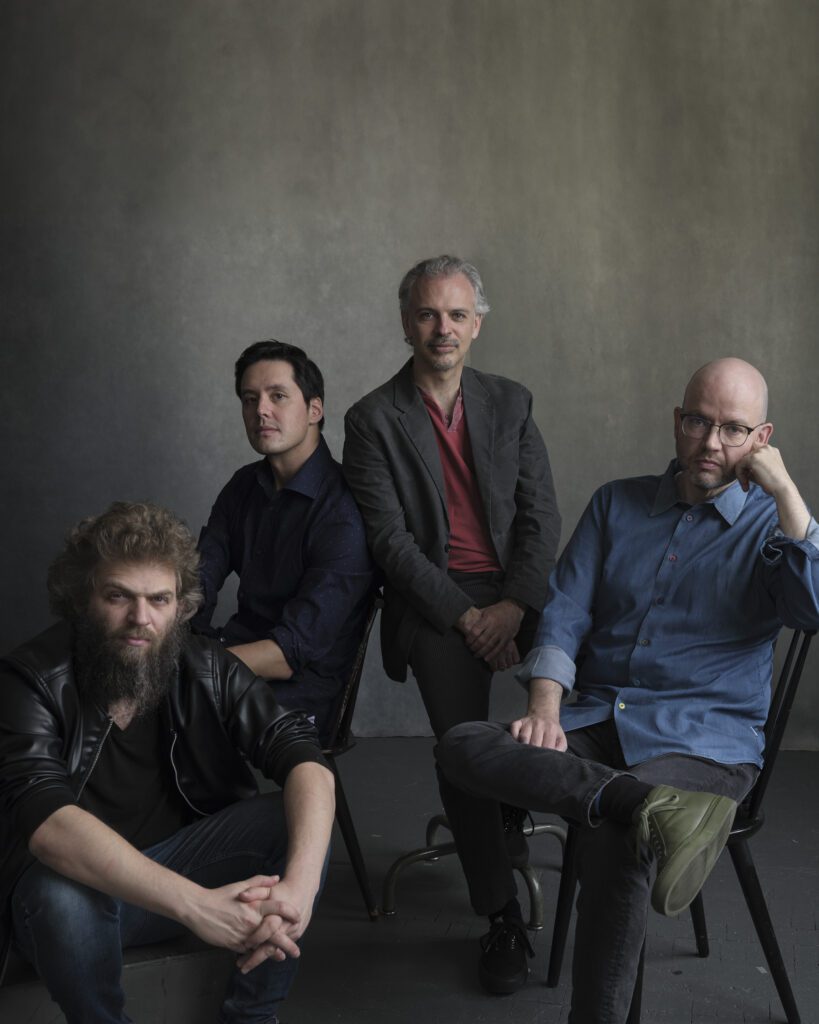
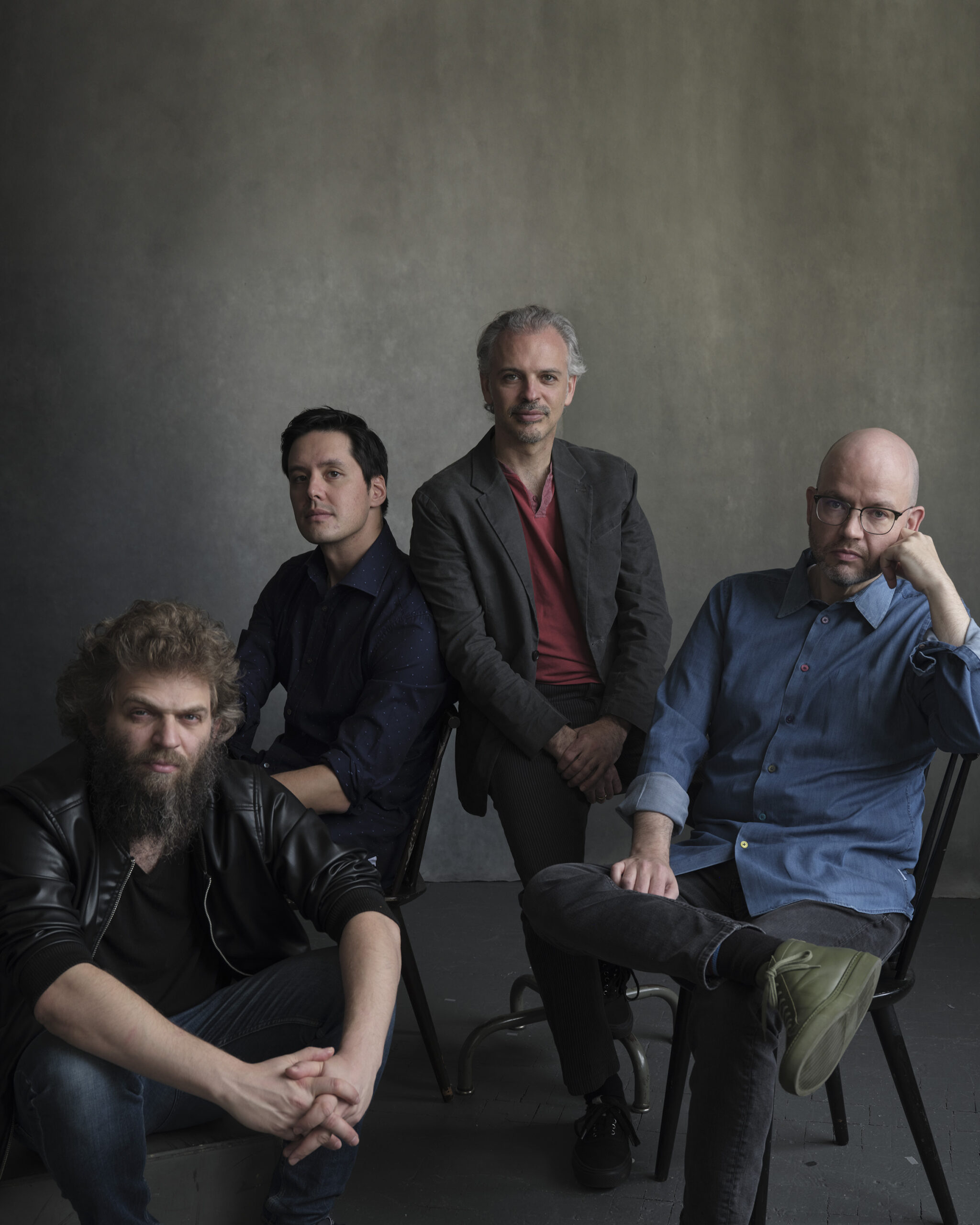
The production features projections based on Kahlo’s paintings. It also showcases Brooklyn Rider, a New York-based string quartet celebrated for its eclectic repertoire and compelling stage presence. The ensemble includes two violins, a viola and a cello. The Los Angeles Times called the group “one of the wonders of contemporary music.”
Shared Obstacles and Origins
Like Kahlo, Gabriela Lena Frank faced significant obstacles in realizing her talent.
Frank grew up in Berkeley, California, in a family of mixed heritage. Her father was of Lithuanian Jewish ancestry, and her mother, of Chinese descent, was raised in Peru.
Frank and Kahlo also share the experience of living with physical challenges. Kahlo suffered a devastating accident at age 18, when the bus she was riding collided with a streetcar. She remained bedridden for a year.
Multiple fractures compounded the effects of childhood polio and consigned her to a lifetime of pain. Yet that period also proved formative artistically. Her mother arranged a lap easel and affixed a mirror above her bed. Kahlo began creating a series of self-portraits, a genre that would become central to her monumental work.

Frank was born with severe hearing loss. She spent part of her early childhood in silence and has worn hearing aids for decades. Her story is also defined by a parent who refused to let health challenges limit her future.
“I was introduced to Frida’s work by my mother. She had a small collection of art history books,” Frank tells PaperCity. “My mother pointed out how Frida was short, brown, with her thick brows, mixed race like me, creative — and disabled.
“I saw Frida as a personal hero in these deeply intimate ways. Images of her paintings have always been part of my psyche. After writing the opera, I felt closer to Frida than ever.”

A Full-Circle Moment
Frank knows Houston well. She earned both her bachelor’s and masters degrees in composition at Rice University’s Shepherd School of Music. In 2014, she later returned for three seasons as Houston Symphony’s composer-in-residence.
Her tenure concluded in 2017 with “Conquest Requiem” for large orchestra, chorus and soloists. The work grappled with the Spanish conquest of the Aztecs.
Now Frank returns to Houston with another accolade. Musical America Worldwide has named her its 2026 Composer of the Year.

Fridamania at the MFAH
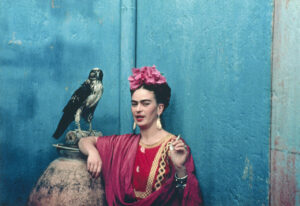
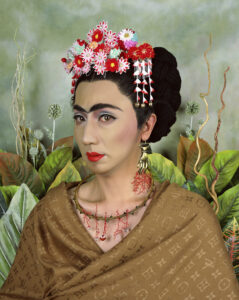
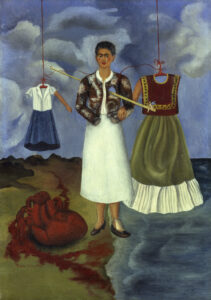
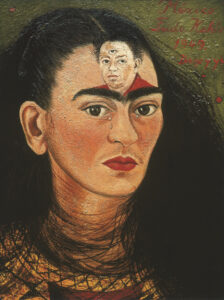
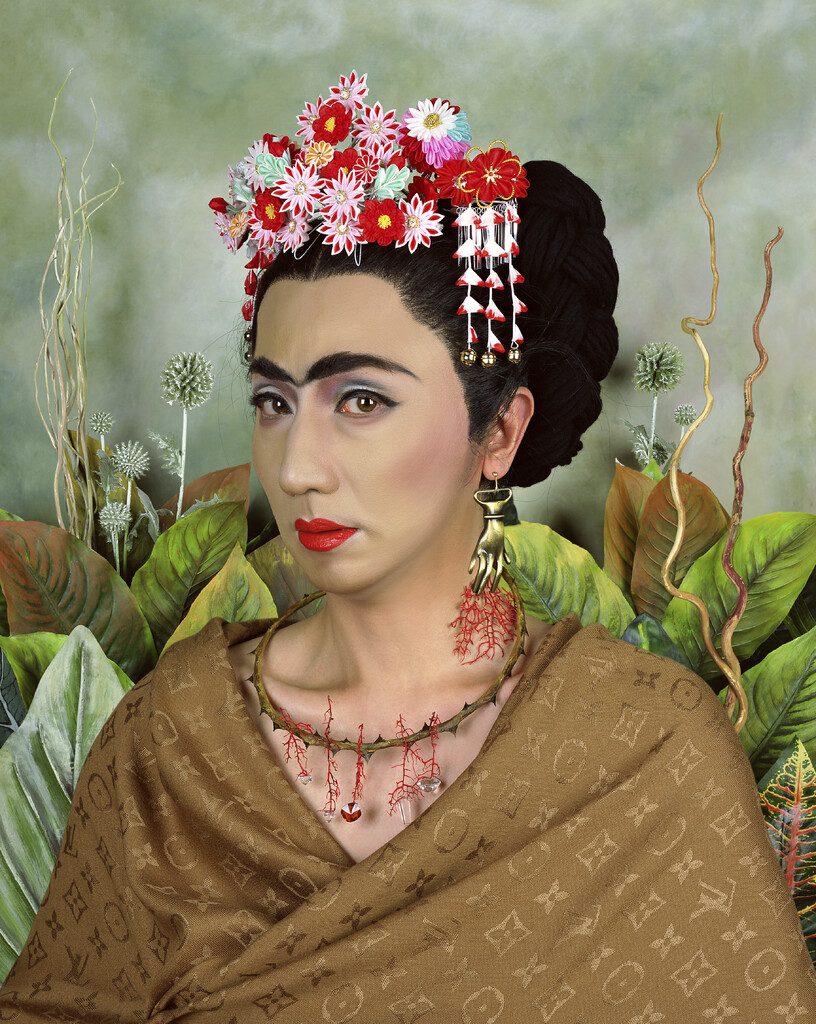
To separate Kahlo the artist from Kahlo the cultural phenomenon, the MFAH exhibition includes 35 of her paintings. It also presents more than 120 works by artists she inspired after her death in 1954 at age 47.
Her paintings remain colorful, intimate and emotionally direct. She addressed subjects rarely confronted publicly in her time. That candor, paired with the drama of her personal life, fueled what the world now calls Fridamania.
Kahlo’s determination to create despite suffering resonated across disciplines. Her love story, marked by emotional intensity, continues to inspire art, music and dance. Including a new world premiere in Houston.
DACAMERA is putting on “Frida’s Dreams” from guest composer Gabriela Lena Frank this Friday, February 20 at 7:30 pm in Zilkha Hall at the Hobby Center for the Performing Arts. For tickets and information, go here. Frida: The Making of an Icon is showing at MFAH through May 17.

_md.jpg)


