
Trane’s Guide to Transitioning From Summer to Fall While Protecting Your Wallet
Running Hot and Cold
By PC Studios //


This article is promoted/partner content and not produced by the editorial staff.
We start out strong in Texas. “Oh, this summer won’t be that bad.” Then August and September arrive with endless days soaring above 100 degrees — but it won’t be like that forever. Whether you’re a first-time homebuyer or an experienced homeowner, Trane can help beat the heat and get ready for fall.
Schedule a Maintenance Check
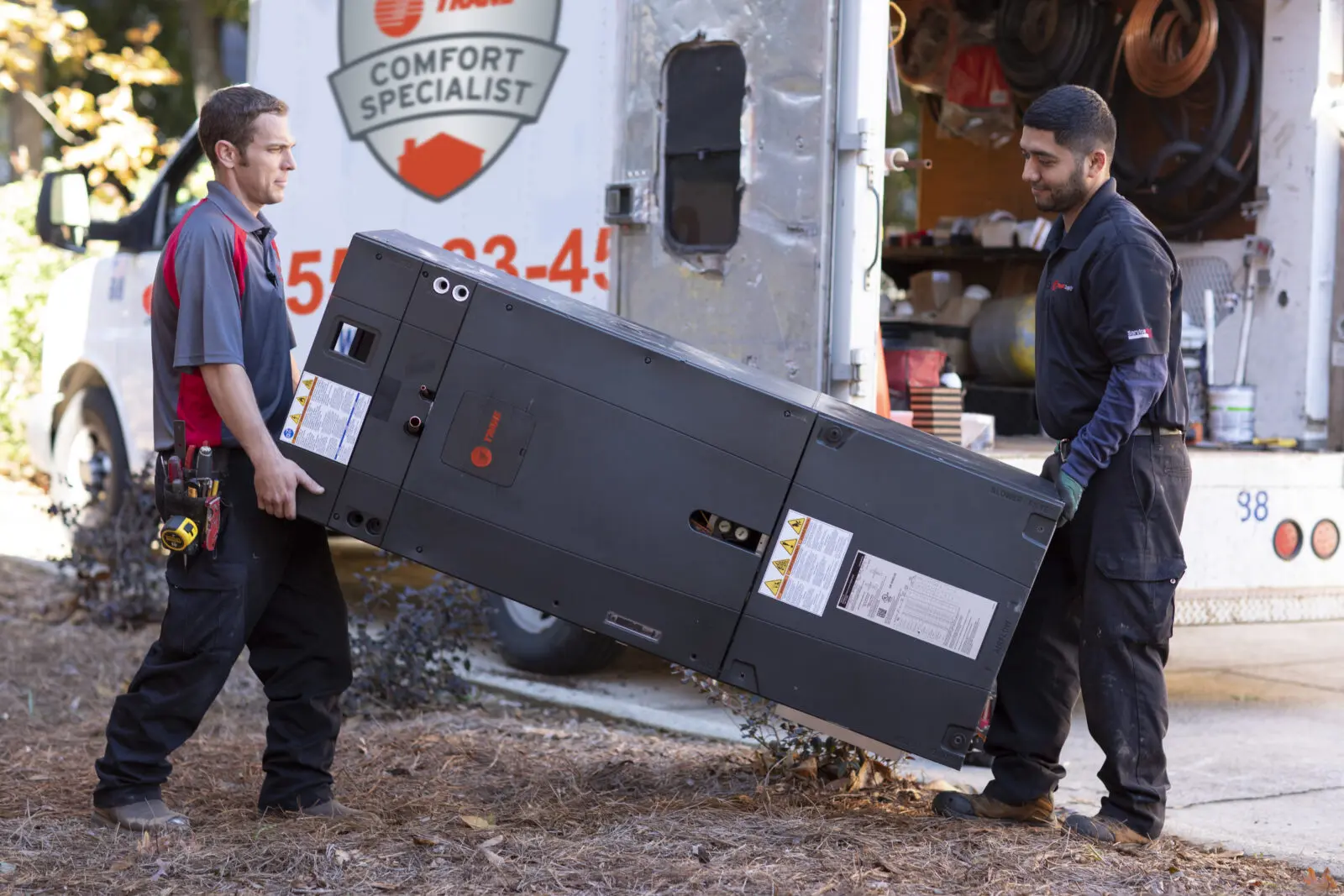
The best way to help ensure your system is running optimally is to have a professional check for issues now, so that you can avoid costly emergency repairs later. Schedule a seasonal maintenance check with a local HVAC technician or Trane Comfort Specialist to make sure no problems are looming.
Upgrade to a More Energy-Efficient System
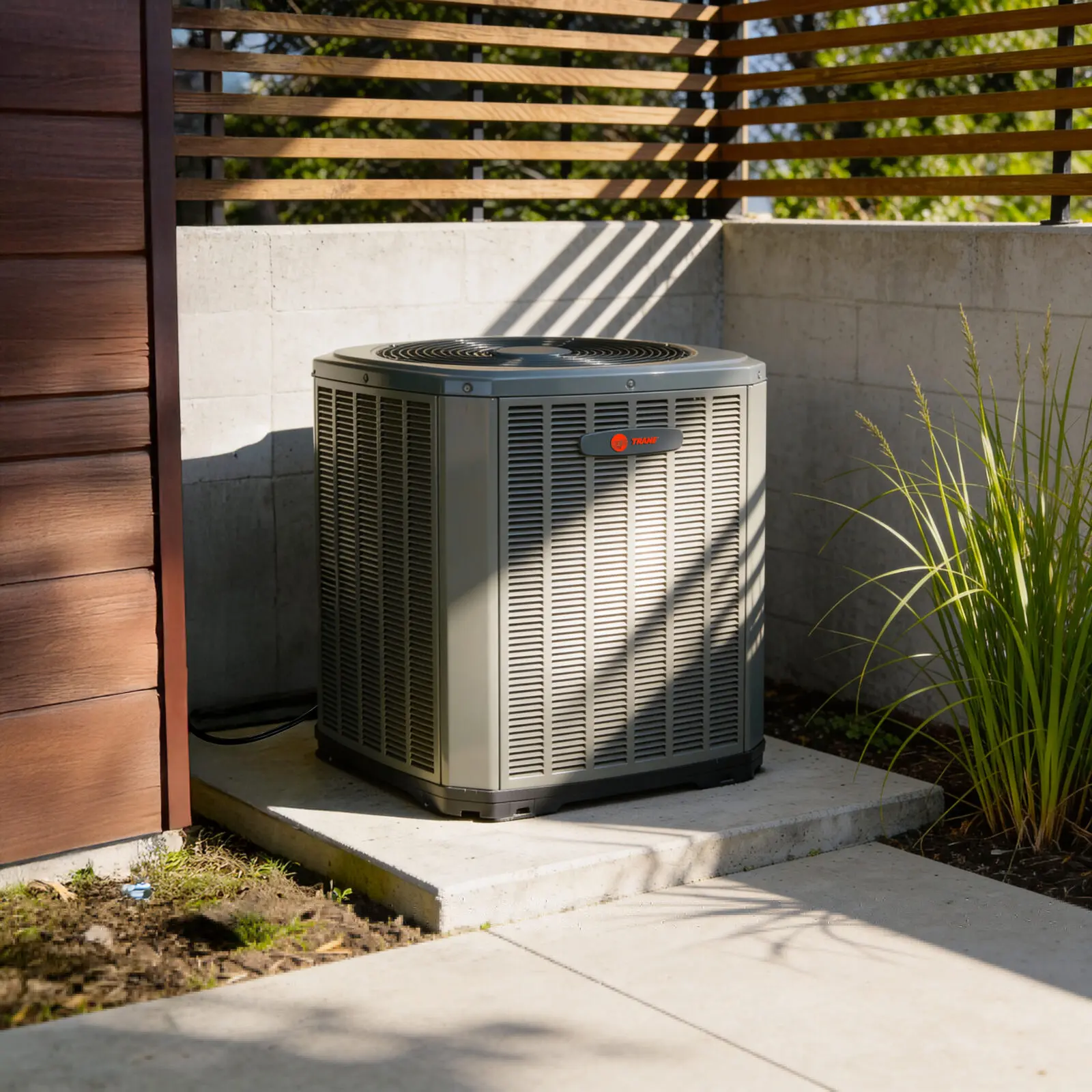
Depending on what the maintenance check reveals, it may be time to upgrade your old AC unit with a more energy-efficient system. Look for one with a higher Seasonal Energy Efficiency Ratio (SEER2) and Energy Efficiency Ratio (EER2), such as the Trane 20 TruComfort Variable Speed Air Conditioner with WeatherGuard, which has an SEER2 rating of up to 23.6 and an EER2 rating of up to 14, providing optimal comfort.
An AC unit uses the most power when it cycles on. Consider a multi-speed system or a premium variable-speed system instead of a single-stage system. They run for a longer time at lower speeds, using the minimum amount of energy to provide enhanced comfort. While a single-stage unit runs at 100 percent capacity whenever it’s on, Trane’s variable-speed units can run at 30 to 100 percent capacity, depending on set temperature and the temperature outside. Bonus: Higher SEER2 and EER2 ratings usually go hand in hand with multi-speed and variable-speed air conditioning systems.

The $5,000 Rule
When a technician presents their findings and you need to make decisions about what to invest in, it can feel overwhelming. If you’re not sure whether to upgrade or repair, Trane recommends using the $5,000 Rule. Multiply the age of your equipment by its estimated repair cost. If the outcome is less than $5,000, you should likely repair it; if it’s more than $5,000, you should replace it. Here’s another consideration: If your current system is 10 or more years old, you may save up to $500 a year if you upgrade to a more energy-efficient system.
Thermostats 101
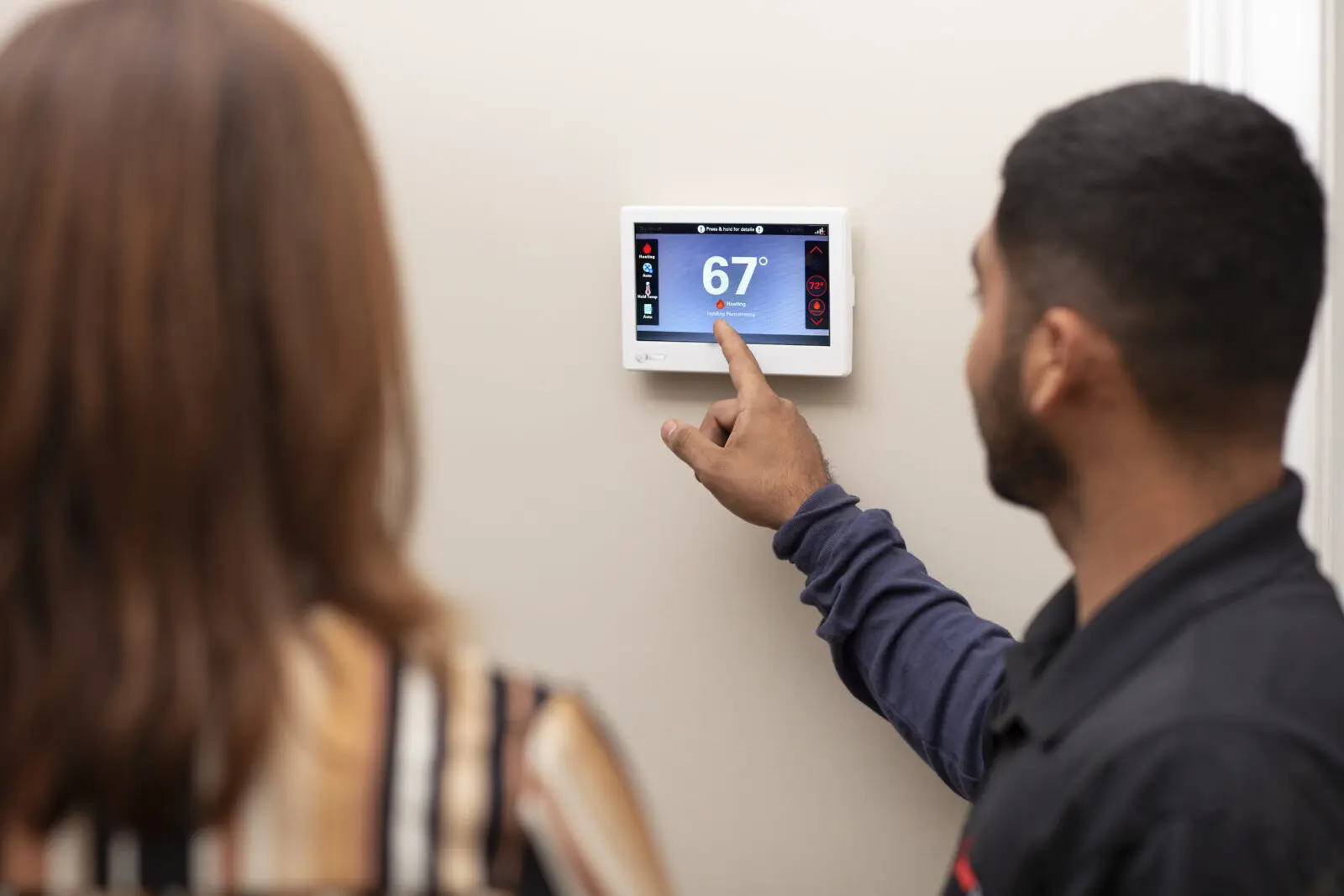
Merely upgrading to a smart thermostat can enhance comfort while reducing energy consumption. These programmable devices automatically adjust the temperature based on outdoor temperature, occupancy, time of day, and more. The new Trane Priority Smart Thermostat, for example, is an easy-to-use, set-it-and-forget-it solution that can help lower energy expenses and conveniently connect to the Trane Home app for remote control and monitoring capabilities.
Optimize thermostat settings to get maximum efficiency out of your system. When home in the summer, set the temperature between 75° and 78°; in winter, between 68° and 70°. When you’re away, set your thermostat seven to 10 degrees above or below your comfort level, depending on the season. According to Trane, a common myth is that you should completely turn your system off when away. In reality, this causes the unit to work harder to bring the temperature back to comfortable levels, which can strain both the system and your electric bill.
Supplement the thermostat’s hard work with ceiling fans, which can help you feel up to five degrees cooler than the indoor temperature. Adjust the blades’ direction counterclockwise in the summer and clockwise in the winter. And remember to turn the fan off in rooms that are not in use.

On Changing Air Filters
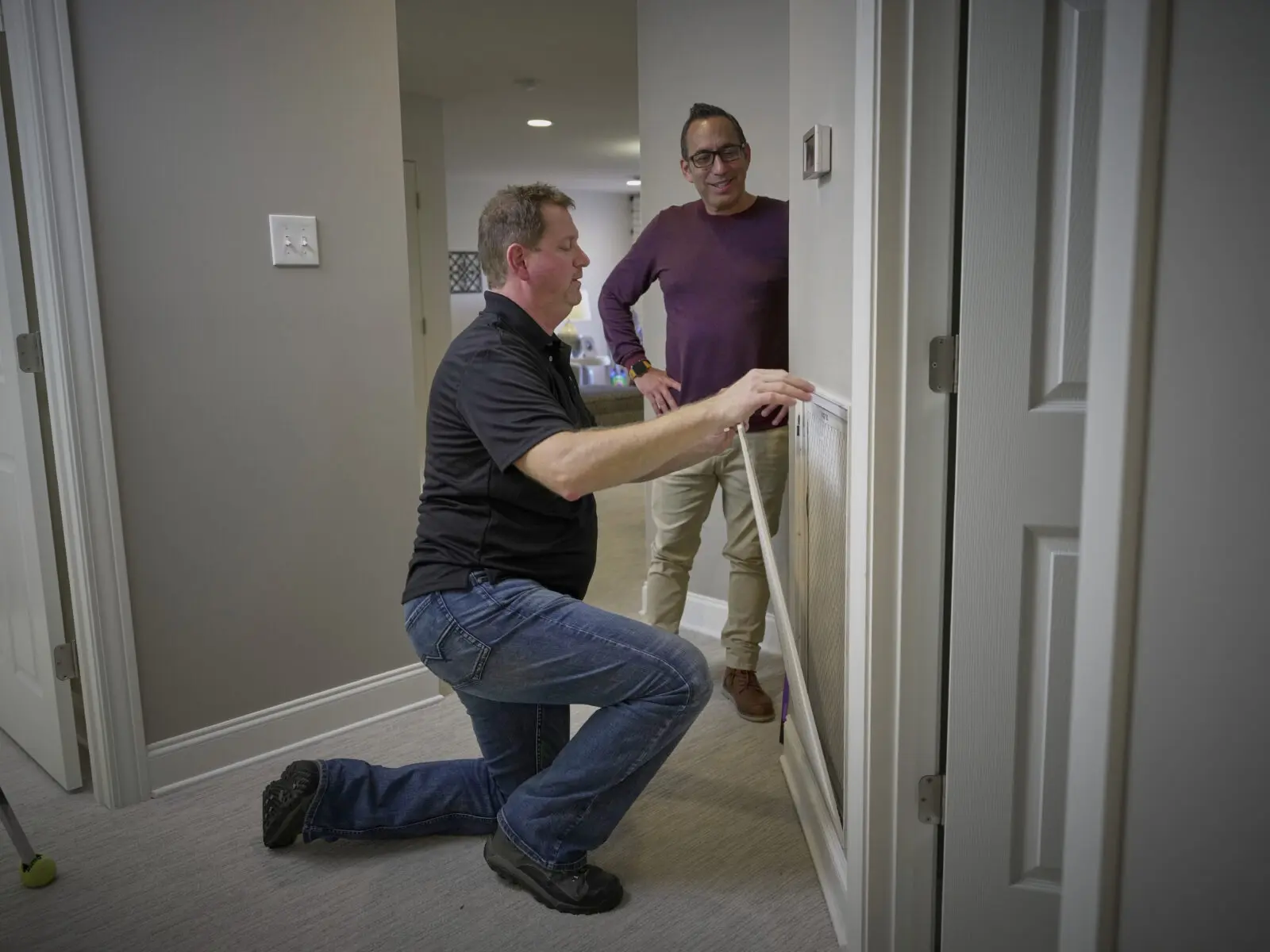
Change or clean a reusable filter every 30 to 90 days — more frequently if you have pets or you’re using your system more frequently. Doing so will keep your HVAC running efficiently while helping to improve indoor air quality. If you don’t change them, dust and dirt will collect on the filter screen, causing blockage to air ducts that can render the system less efficient and result in higher-than-normal utility bills and/or premature compressor failure. It also puts more strain on equipment, which can shorten the system’s lifespan.
Seal Up Gaps and Cracks
Run a small bead of caulk around windows and doors, wherever you see gaps or cracks. This helps to keep conditioned air inside your home, preventing leaks. Easy enough!
Trending
- This Houston Quinceañera Like No Other Brings Four Music Acts, 43,000 Flowers, a Cake Jetted In From Miami and a Big Give Back
- Houston Best Dressed Hall of Famers Take Centerstage as the Anticipation Builds For the PaperCity Luncheon
- Casa de Ondas in Preston Hollow Hits the Dallas Market for $45 Million
- Bun B and Lil’ Keke Rave About UH Football’s Slab Walkout Entrance, Expect Other Teams To Copy the Coogs Amid Pat McAfee Love — How Houston Suddenly Became the Coolest Program in College Football
- Dallas-Based Children’s Clothing Brand Bea Colette To Open a Cotswolds-Inspired Boutique at Highland Park Village — A PaperCity Exclusive






_md.jpg)