Wines To Drink Right Now, Wines To Cellar and an Underrated Wine Region To Visit — Embracing All the Sea Smoke
We're Talking Grapes With Don Schroeder
By James Brock //
I love talking about wine with people who share my passion for it. We open bottles, we trade stories about travel and soil types, terroir and residual sugar, and we talk of taste and food and restaurants. We recommend wines to one another, we drink, and we learn a lot.
In Wine Talk, I introduce you to friends, acquaintances, and people I encounter as I make my way around the world, from Houston to Mexico City, Los Angeles to Burgundy, and other locales far and near, individuals who love and respect wine as much as I do, who live to taste, who farm and make wine. Whether my subject is a collector, a winemaker, a chef, a sommelier, a buyer, a grower, or simply an avid drinker of wine, you’ll appreciate their insight, and I hope you’ll learn something from them as well.
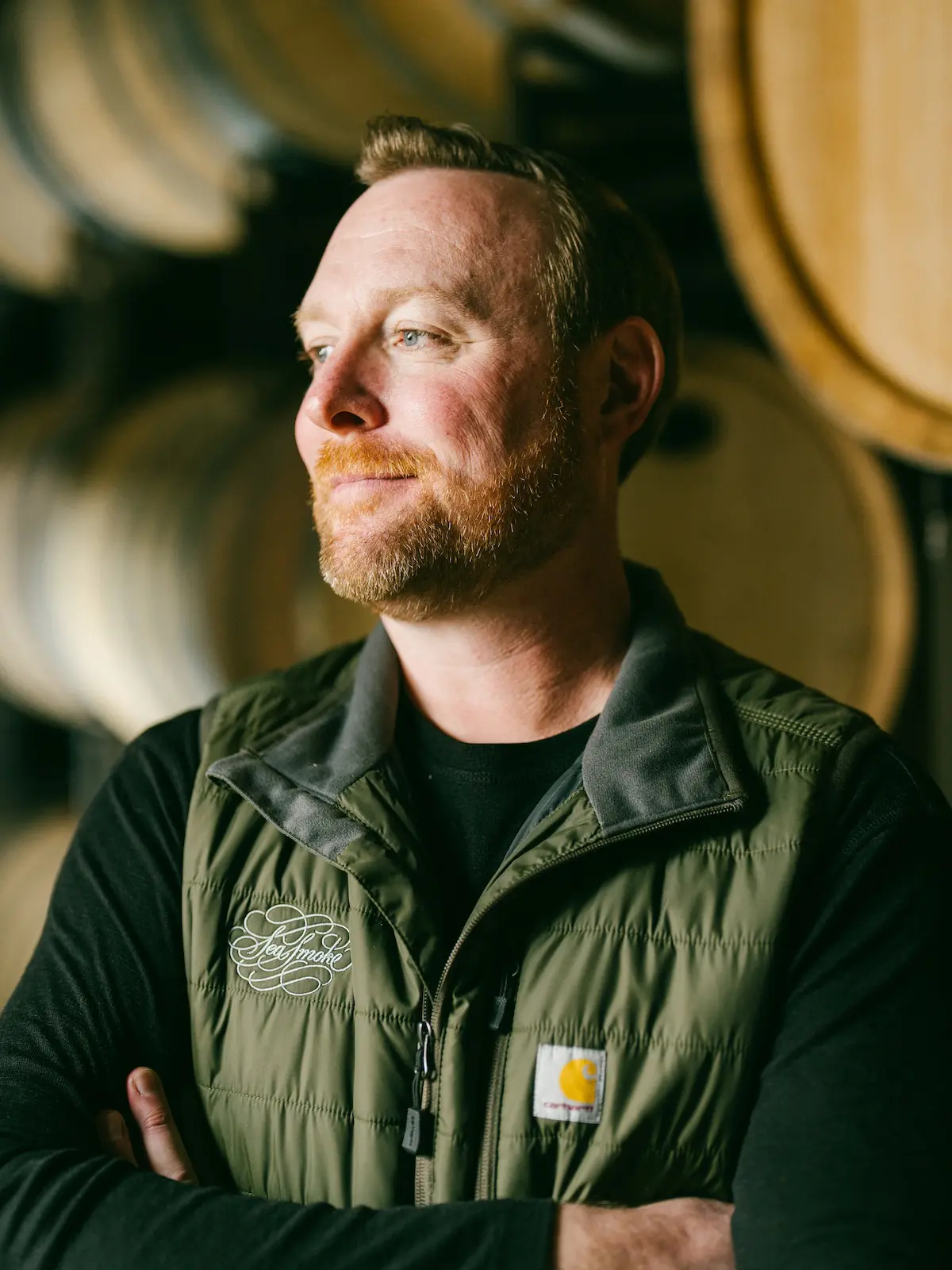
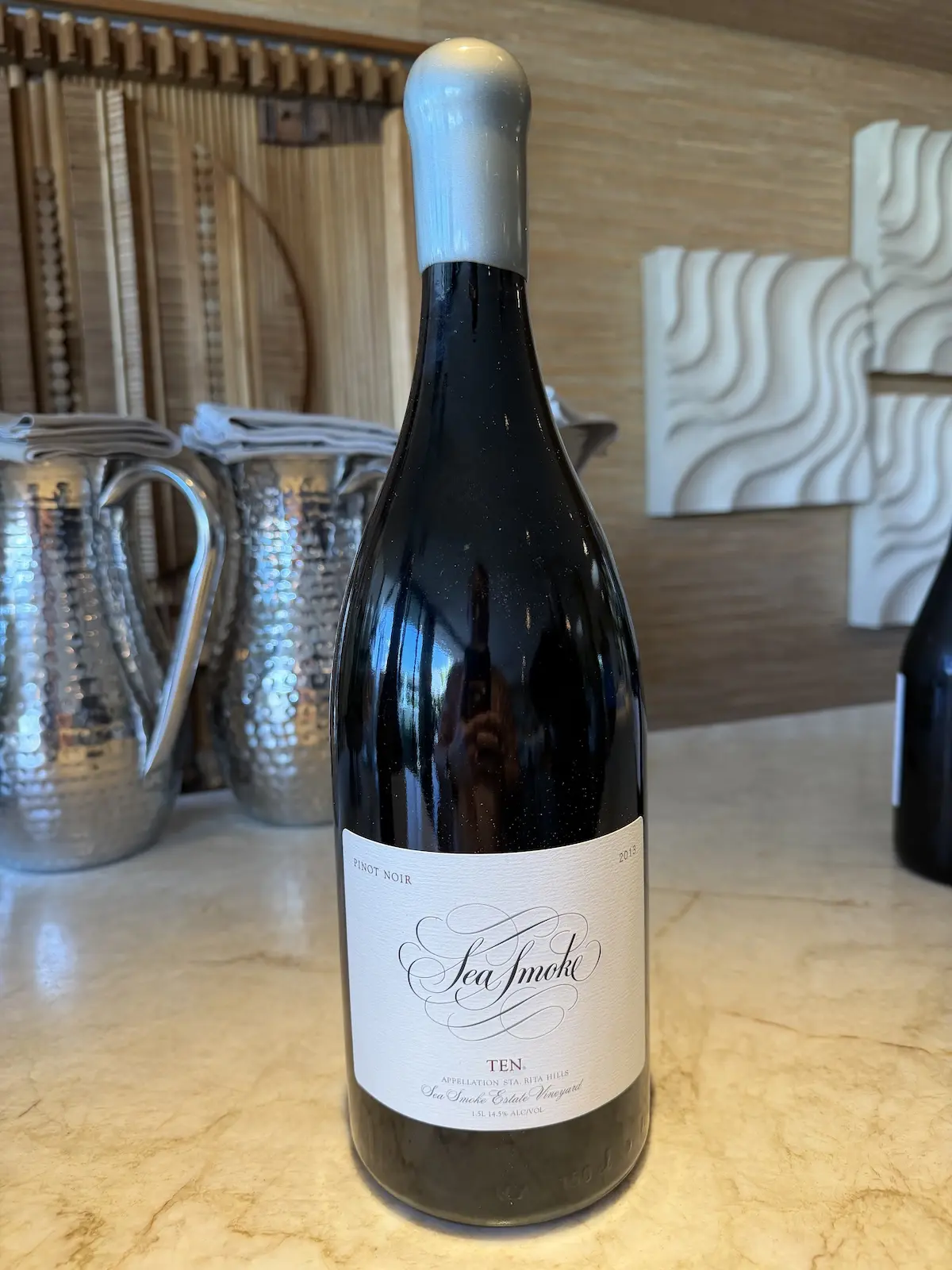
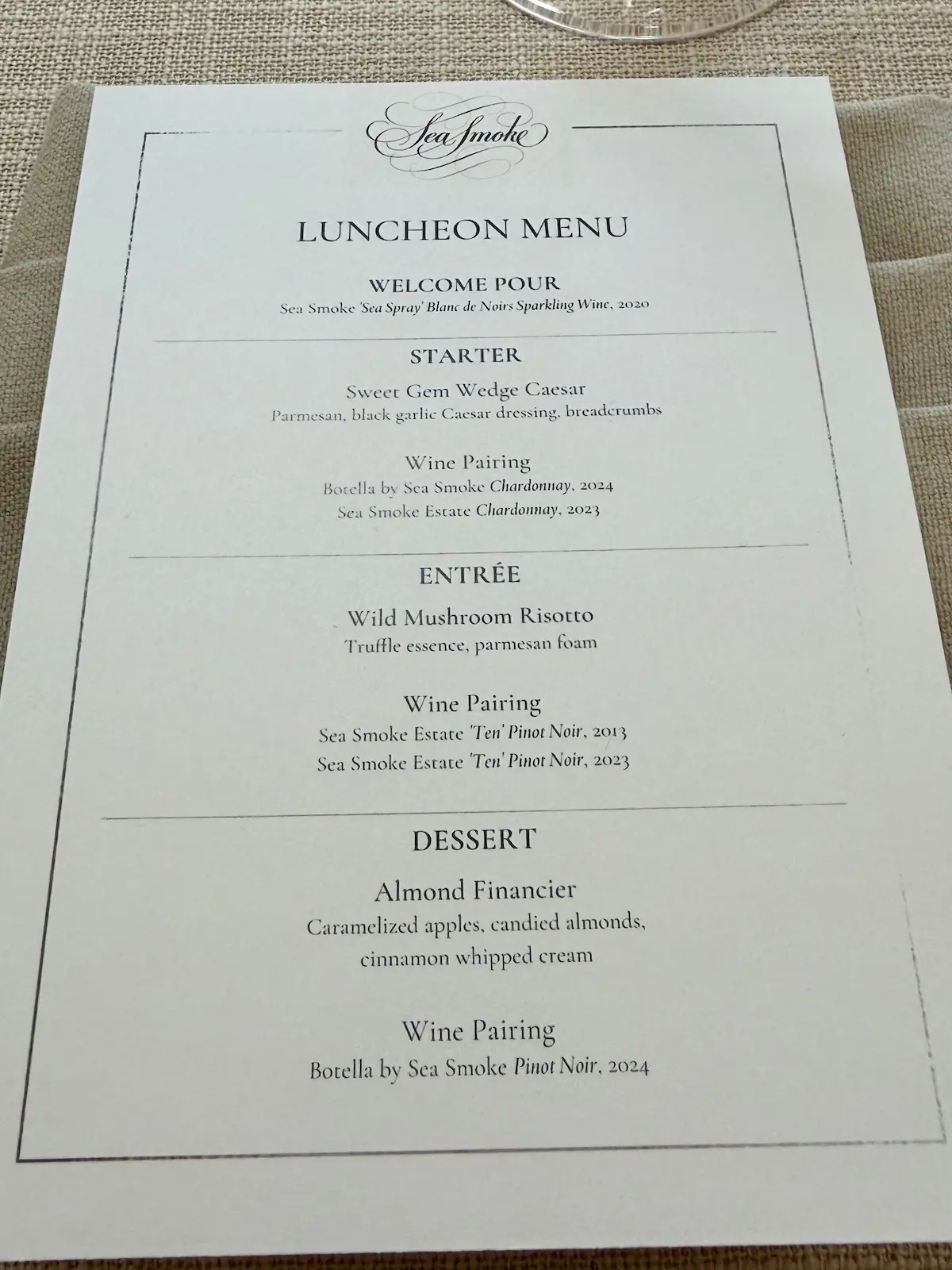
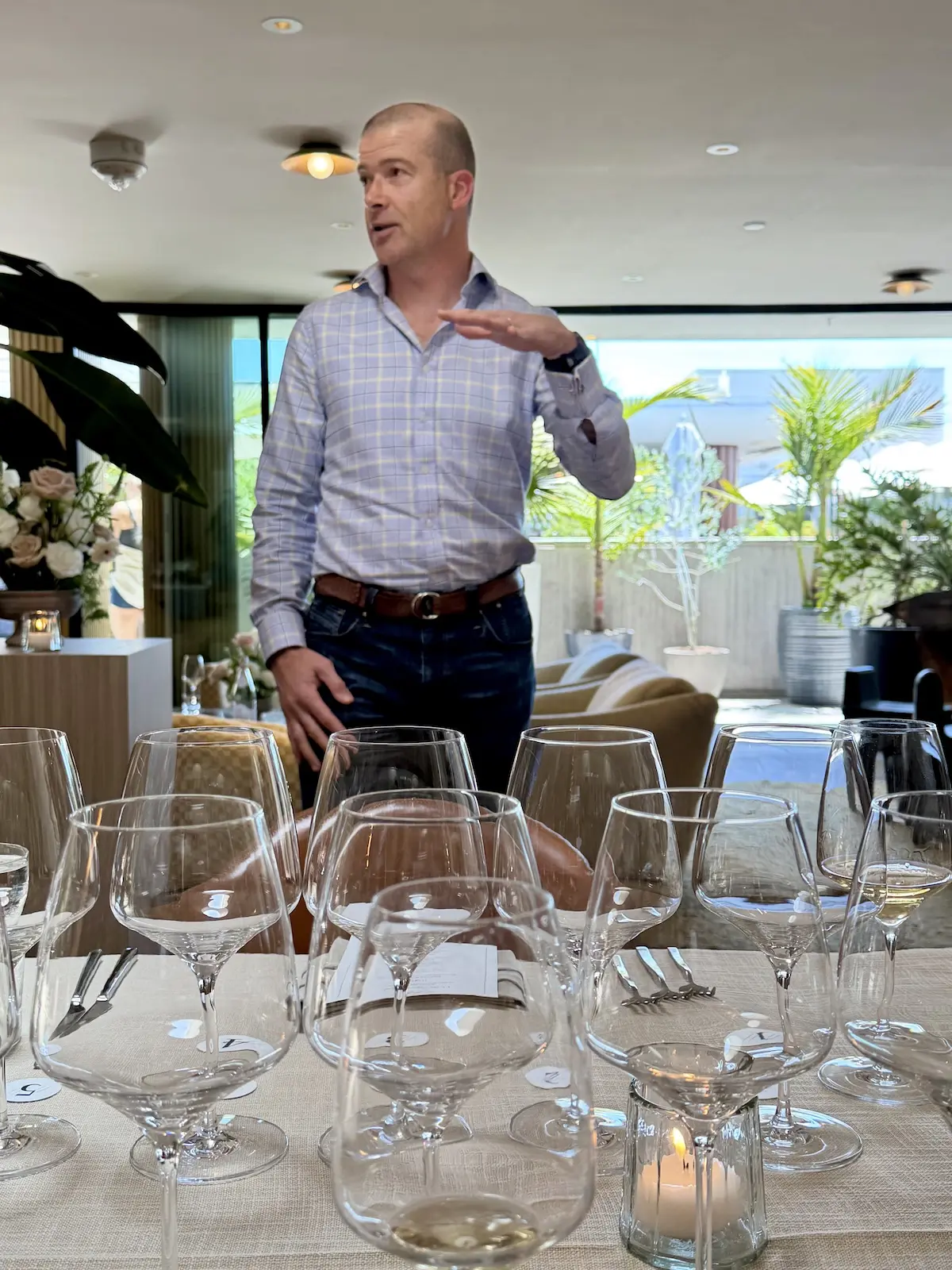
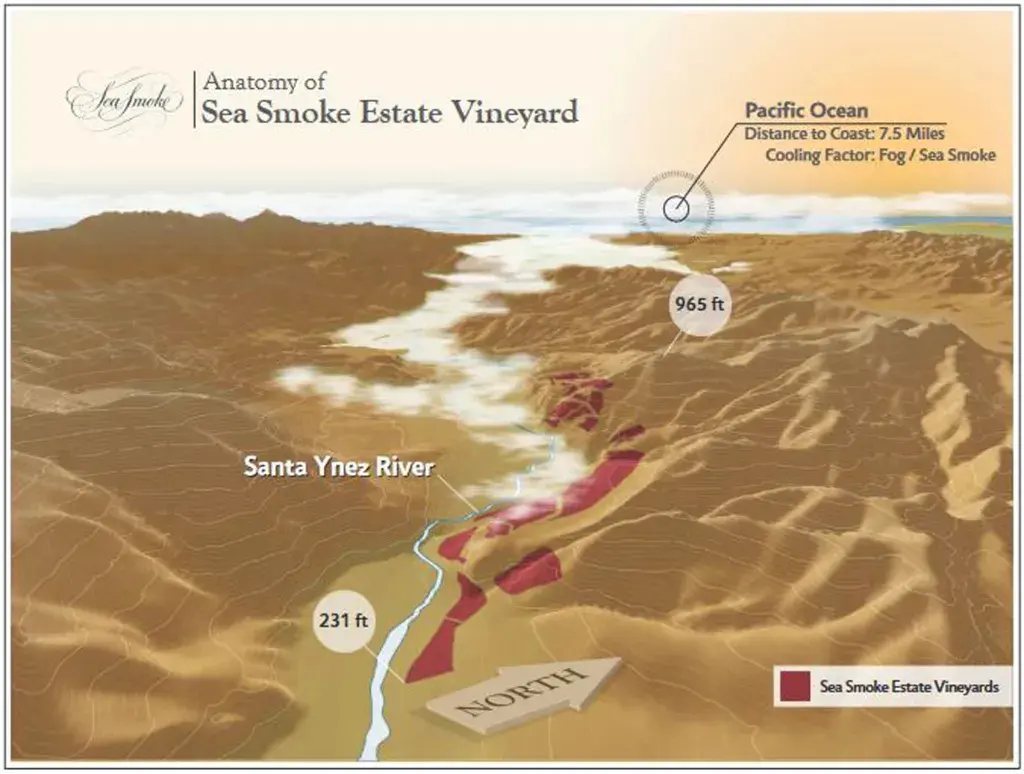
I had the pleasure of sitting next to Don Schroeder at a lunch in Santa Monica. Schroeder is the director of winemaking at Sea Smoke, a 1,100-acre estate on the Western edge of the Sta. Rita Hills. He and a few of his colleagues, including Sea Smoke GM of viticulture and winemaking Matt Steel, were in town to share a selection of the estate’s wines, including the 2013 Ten poured from magnum.
The tasting was a rare opportunity. Sea Smoke wines are highly allocated and it can be difficult for individuals who are not members of the estate’s list to access the wines. (One can find bottles at various resellers — search here.) It had been several years since I tasted anything from Sea Smoke. So I was excited about the lunch, which would be followed by an event for Sea Smoke list members that evening. Constellation Brands purchased Sea Smoke in 2024 from its founder Bob Davids for $170 million.
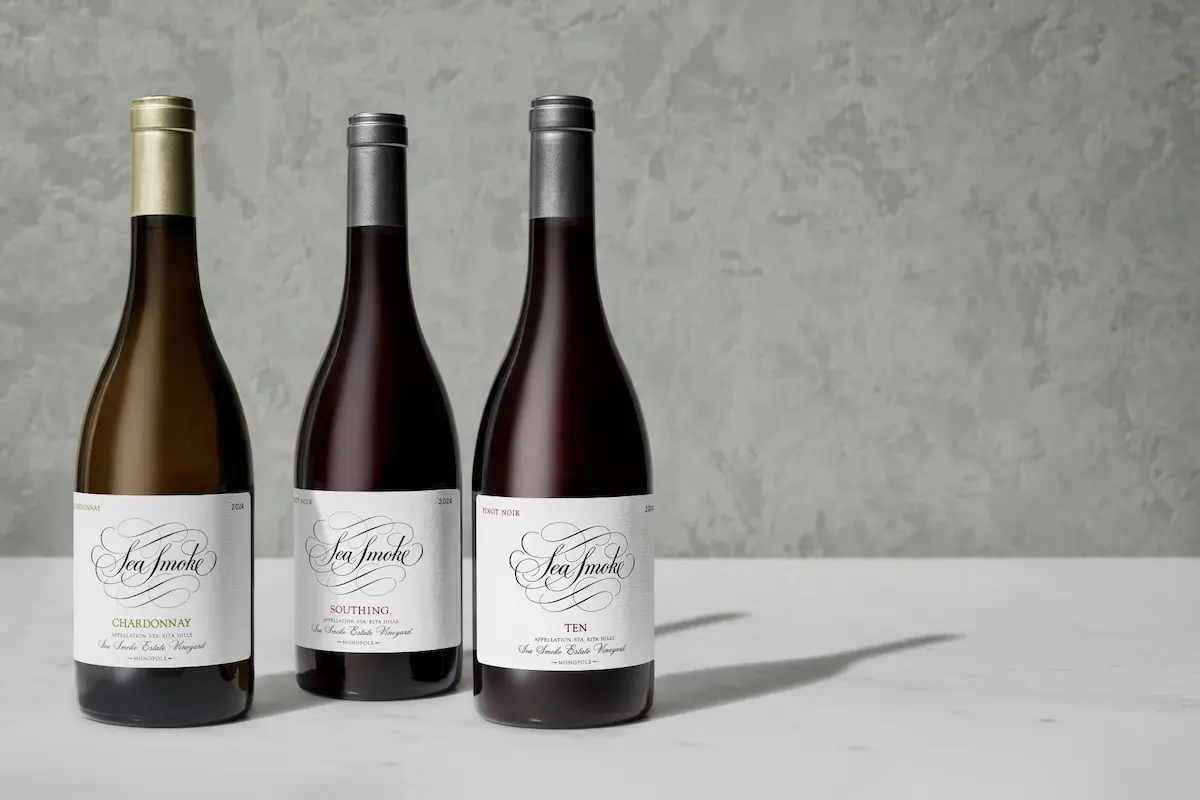
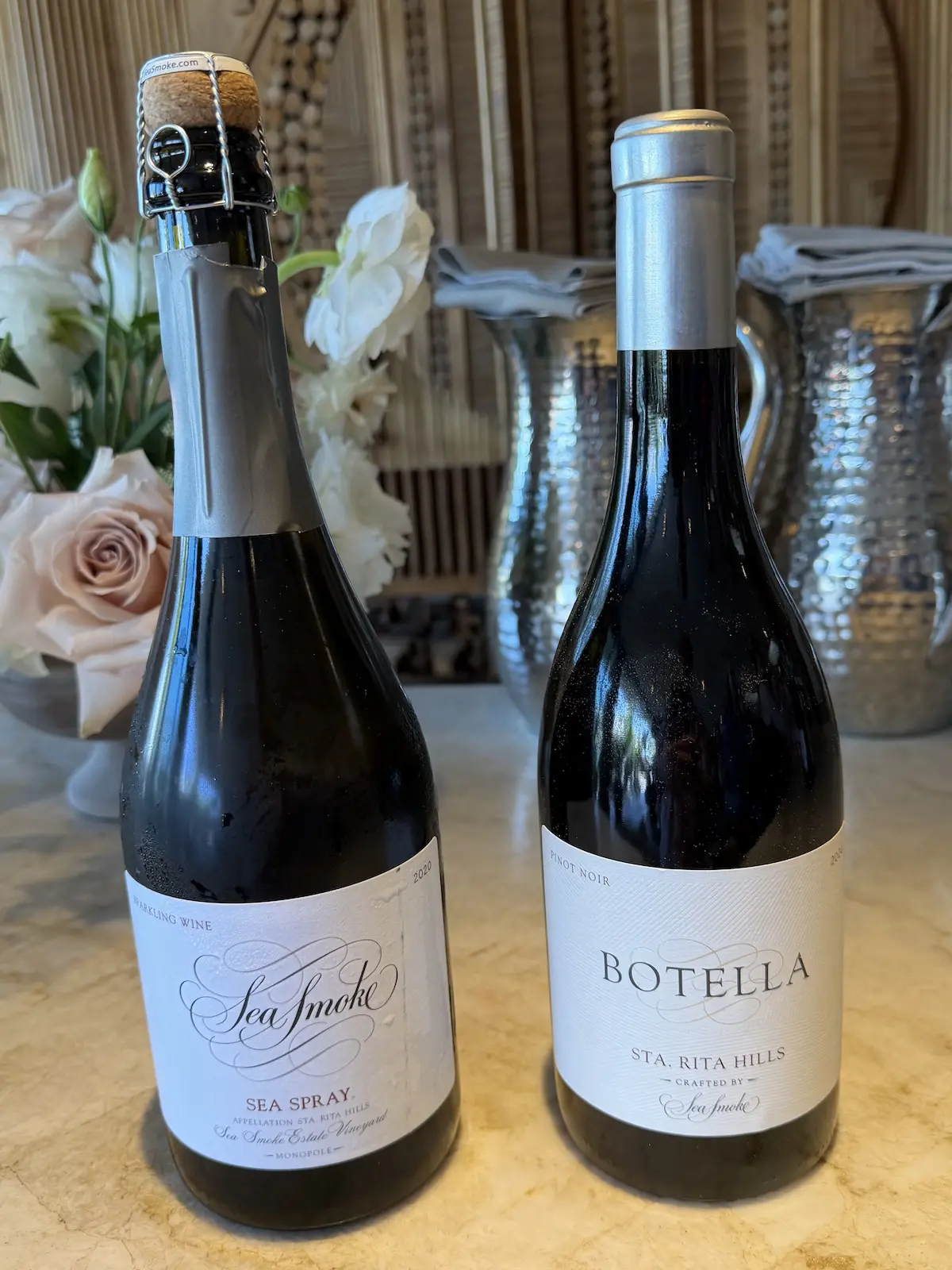
A highlight of the lunch tasting was the return of Botella, the chardonnay and pinot noir, both 2024 vintage. Named for the soils that define Sea Smoke’s estate vineyard and other properties in the region, Botella was launched as the estate’s second wine with the 2001 vintage using Sea Smoke vineyard fruit.
It was a highlight because Botella was last bottled in 2014. The reason? Demand for Sea Smoke Southing and Ten had grown so high that there was not enough estate fruit to dedicate to a second wine. The 2024 vintage marks the return of Botella, whose fruit is now sourced from neighboring Sta. Rita Hills vineyards. Botella’s fruit is picked earlier and the wines are aged for less time than are Ten and Southing, Sea Smoke’s famed pinot noirs.
SHOP


Steel was the main speaker at the lunch, and he introduced Sea Smoke and spoke eloquently about the estate’s origins and wines. He’s a loquacious Australian who joined Sea Smoke in 2025 following experience as a winemaker at Justin Vineyards and Winery and E. & J. Gallo, among other places. He’s also an ideal ambassador for the brand.
Schroeder is a touch more reserved, as I discovered during the tasting and meal. A different kind of ambassador, but no less gifted as a spokesperson for his creations. He spoke briefly and passionately about his wines — he’s been at Sea Smoke since 2003 and has served as head winemaker since 2008 — and I sensed a unique combination of expertise, perfection, flexibility and wonder in him. His love for his kids — two sons — came through, as did his recognition that he is a lucky man to be able to make a living doing something he believes in fully.
Schroeder was born in Alaska and raised in Seattle, and his journey in winemaking commenced in 2000, when he moved to Santa Barbara County to help his mother and stepfather establish Ampelos Cellars. He earned a degree in agricultural science from the University of Adelaide and, before joining Sea Smoke, worked as cellar master at Babcock Vineyards, assistant winemaker at Rideau Vineyards and enologist at Lucas & Lewellen.
Since taking the helm at Sea Smoke, Schroeder has honed his small-lot fermentation methodology to gain an intimate understanding of each of the estate’s 10 clones and myriad blocks — the property spans 1,000 acres, of which 172 are planted to grapes — along the way creating wines that speak of place and time with finesse, grace and confidence. And I’d be remiss if I neglected to mention Sea Smoke’s Sea Spray Blanc de Noirs, with which we were greeted at the lunch in Santa Monica.
Its first vintage was 2008, but since 2012 it has been made in-house, and Schroeder’s touch is evident in these bottles of sparkling wine. The 2020 we tasted was precise, possessed wonderful acidity and simply delicious.
Let’s see what Schroeder has to say in the latest edition of Wine Talk.
James Brock: Tell us about three wines you think are drinking well at the moment. What makes them worthwhile?
Don Schroeder: We just checked in on our 2021 wines, and the ’21 Southing is in a great spot right now. Generous red fruit pouring out of the glass with a fantastic structural core and fine finish. (Search for it here or ask at your preferred wine retailer.)
The 2022 Lingua Franca Avni Chardonnay is a go-to house chard for me right now. Bright acidity, lots of fresh aroma with citrus and stone fruit. Great value and something I often share with a group of friends. (Search here, or buy at your favorite merchant.)
I’ve got a soft spot for a thiol-intense sauvignon blanc. And there are many great producers in Santa Barbara County bringing great value to this category with tropical/passion fruit lean versus a green expression.
JB: If cost was no consideration, tell us the one bottle you would add to your personal collection, and why.
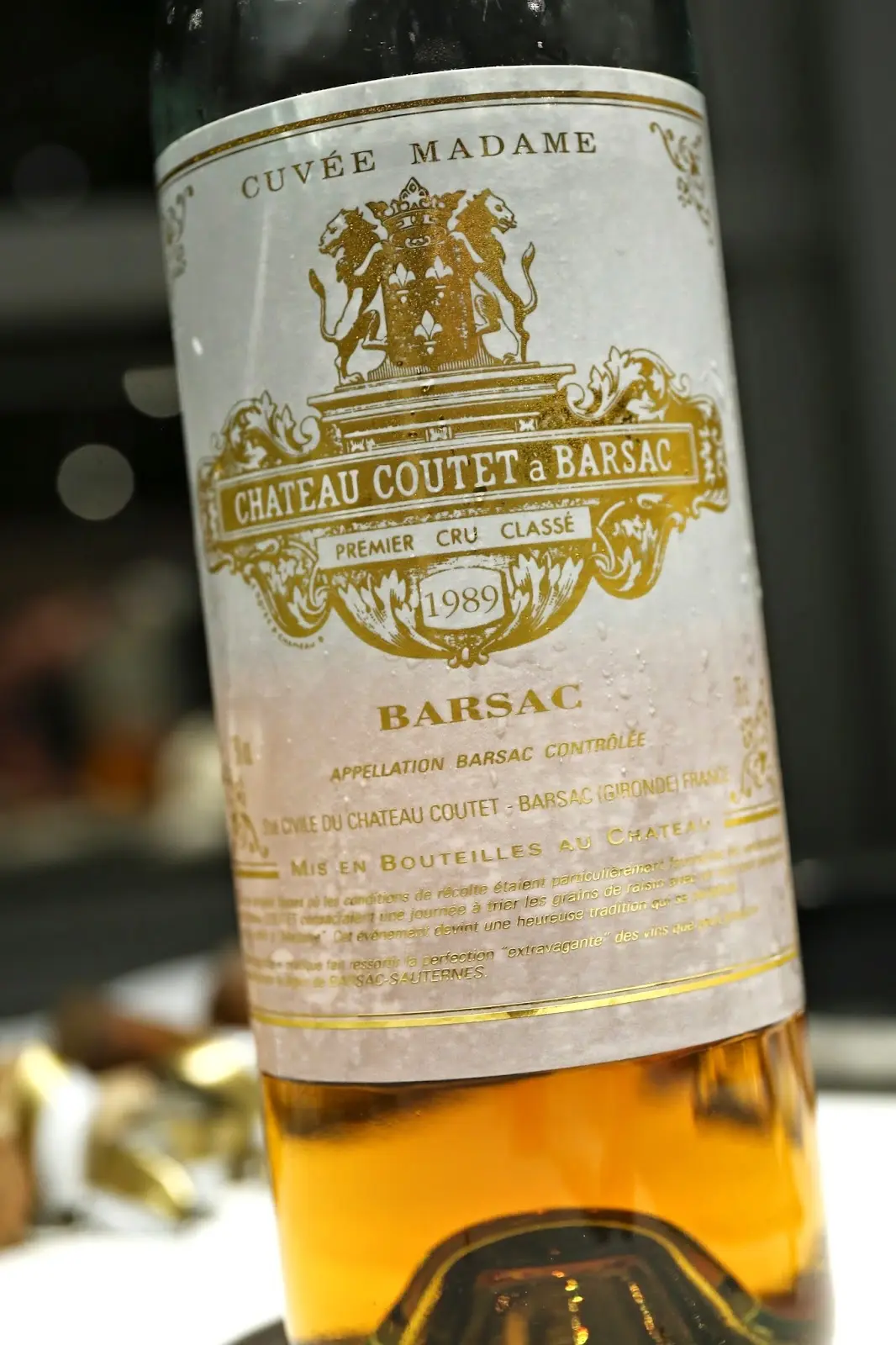
DS: The 1989 Cuvée Madame by Chateau Coutet. I’ve had this wine a few times and it always blows me away with its complexity and layers of texture. This is a wine that changes and evolves in the glass over hours that few wines could compete with. (Search for it here.)
JB: What is your favorite grape, and why? If you don’t have a single favorite, tell me about one that you are especially passionate about.
DS: Not to state the obvious, but pinot noir is a grape I’m truly passionate about. Few varieties can match its range of expression or its ability to tell the story of a site so clearly. And, of course, it also produces some of the most exciting sparkling wines out there.
DS: Both of our estate pinots — Southing and Ten — are designed to be cellared to be enjoyed in the future, so I would start here. Another great option for someone who wants a bolder wine would be the Booker Fracture from Paso Robles. (You can purchase from the producer here.)
DS: Taste of Santa Rita Hills in Los Olivos. It’s a great shop that represents wineries with limited or no tasting rooms. Everything they pour is top quality and showcases different styles of winemaking from SRH, making it a great spot to take a deep dive into the region.
DS: Leave the pretension at the door and remember that wine should be enjoyed with friends and family while creating memories together.
JB: We’ve all read the countless articles and papers devoted to the dire state of the wine world and industry, the stories of surplus fruit, ripped-out vines, younger drinkers abandoning wine, climate worries, and the role of alcohol in human health. What do you think needs to be done to improve the current state of wine? Better education? Marketing? How concerned are you about the future of the industry?
DS: I am concerned, but I do have faith that the industry will correct itself in time. There is a lot that must happen for the correction the wine industry needs, including cost (packaging, farming, shipping to consumers, etc.). But where it needs to start is teaching the younger generations that wine is not a beverage for wine snobs.
Wine encourages discussion, connects people to a time and place, and sometimes it can bring out old lost memories from a childhood smell.
JB: What is your wine eureka moment, the incident/taste/encounter that put you and wine on an intimate plane forever?
DS: It was my first harvest. I was working on my family’s ranch helping with the development of their vineyard when I decided to take up a harvest position at a local winery in Santa Rita Hills. Every day brought new opportunities to learn and see how a grape can become something truly magical. Long exhausting days, yet every morning I woke up excited to go back and see what the day would bring.
So much happens in a single day during harvest, from tasting fruit to making pick decisions, tasting juice and different stages of fermentation to making 1,000 different decisions with the team.
JB: If you could journey to one destination (or region) tomorrow to explore its wines, where would you go?
DS: There are so many on my list, but I would probably put Alsace on the top. Expressive and complex aromatic whites, a mashup of French and German culture, and a stunning countryside.
JB: Your favorite wine reference in a work of literature (fiction, film, poem)?
DS: One great quote that comes to mind is from the movie French Kiss: ‘You must drink the wine, but you must not get drunk.’
For more from James Brock check out Mise en Place.
Trending
- Dallas Lands One of Two First-Ever Porsche Design Concours in the U.S. — A New Kind of Private Club for the Car Collector
- The 10 Best Restaurants For Fall In The Woodlands — From Pumpkin Spice To Everything Nice
- Inspired By Her Mother’s Cancer Battle, Fort Worth Native Chaz Pilarcik Unveils Her Most Personal Cowboy Boots Yet With “Step With Her” Line
- Houston’s 2026 Pearls Revealed as Shuck Cancer Plays To the City’s Food Strengths — Emerging Leaders and Brilliant Seafood
- What $5 Million To $10 Million Buys You In The Woodlands, a Land Where Mansions Rule
Part of the Special Series:

















_md.jpg)















_md.jpg)





_md.jpg)