Addiction Treatment Center Black Horse Health Talks Another Side of the World Cup in Houston
Crowds, Coping, and Substance Use
By PC Studios //

This article is promoted/partner content and not produced by the editorial staff.
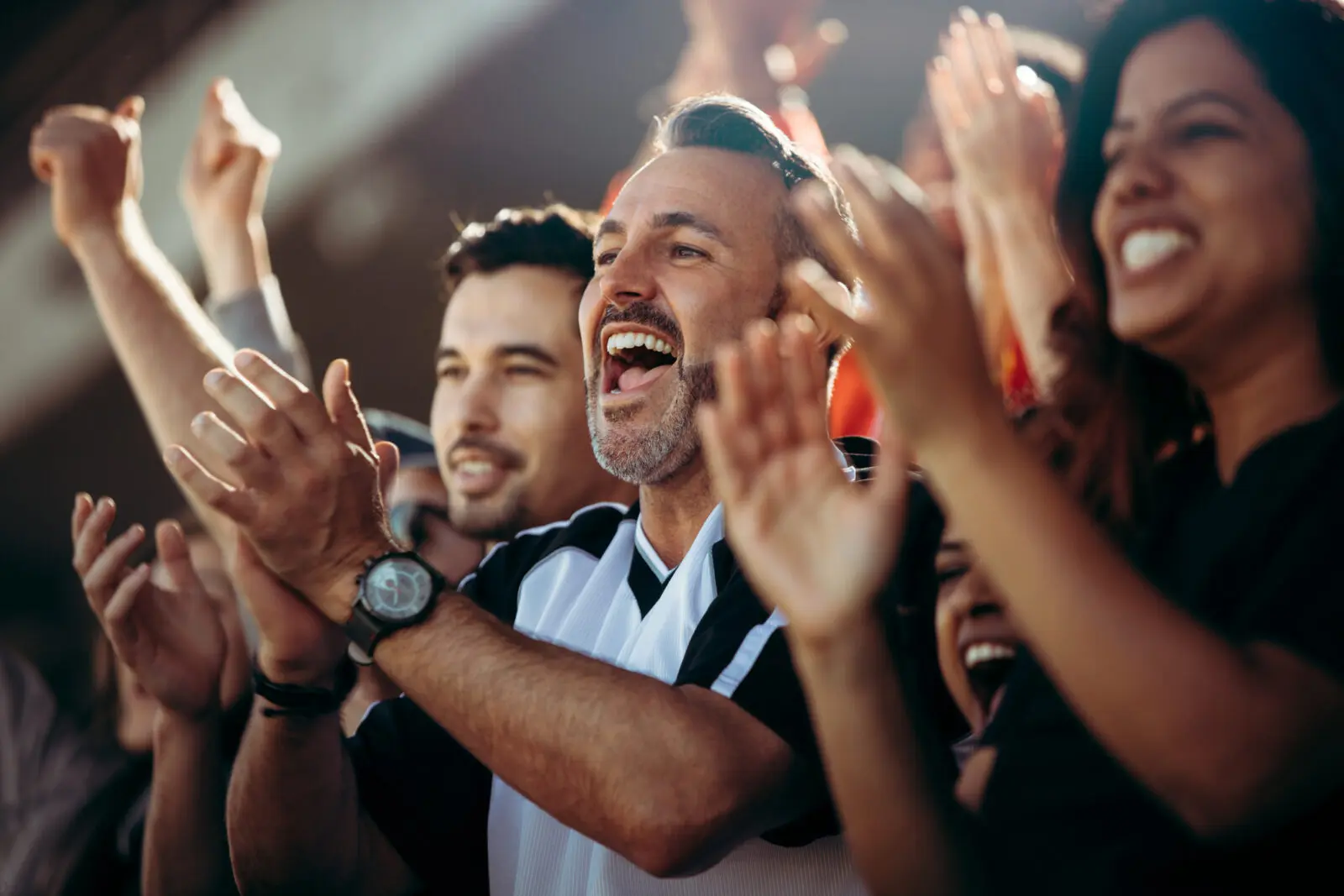
There’s no doubt there is a lot of excitement about the World Cup coming to Texas, and specifically, Houston, this summer. From all the matches to the watch parties and everything in between, the hype is palpable. And with Houston expected to welcome nearly half a million visitors in June and July alone, how could it not be? The city will be a sea of energy, noise, nightlife, and nonstop activity.
An event, energy, and atmosphere like this is electric for many people. But, according to Houston-based wellness center Black Horse Health, it can also be difficult for some who may be struggling (whether known or unknown) with substance abuse.

If you think about it, large sporting events are often heavily intertwined with alcohol culture. Where do most people go to watch a big sporting event? A bar. What do most people drink when watching a marquee sports competition? Alcohol.
Bars overflow, parties stretch late into the night, and drinking becomes normalized as part of the event “experience.” Black Horse Health says that as Houston prepares for the World Cup mania, it’s an opportunity to expand conversations around mental health and substance abuse in ways that are often overlooked.
When Passion and Alcohol Collide
According to Black Horse Health, alcohol’s role in conflict, aggression, and emotional escalation is very evident during major sporting events. And, soccer, more than almost any sport, inspires fierce national pride and personal investment in outcomes. When a penalty kick decides a match or a controversial call goes against one’s team, the emotional response can be immediate and intense. Alcohol significantly lowers the threshold for those emotions to spill over into something more volatile.
Plus, from a neurological standpoint, alcohol impairs the prefrontal cortex, which is the part of the brain responsible for impulse control, rational decision-making, and the ability to de-escalate emotionally charged situations.
Of course, this means that someone who might otherwise shake their head and walk away after a frustrating loss may instead find themselves in a heated argument, a physical altercation, or an emotionally destructive situation. Research has consistently linked alcohol consumption at large sporting events to increased rates of disorderly conduct and fan-on-fan violence. The World Cup, with its concentrated crowds, national rivalries, and round-the-clock celebration, creates conditions where these risks are amplified.
And, even more so, for individuals already prone to emotional disregulation or who are managing untreated trauma or mental health conditions, alcohol in a high-stimulation environment can accelerate a crisis. Arguments that begin in a sports bar can follow people home. Tensions that build over the course of a tournament can erode relationships.

A Moment for Honest Reflection
So, what does this all mean? It means that for many people, an event like the World Cup will come and go without a second thought about their drinking. But for others, Black Horse Health wants Houstonians to take a moment for honest reflection. It may quietly surface something worth paying attention to. Those who drink to manage the emotional rollercoaster of wins and losses during the World Cup tournament can quietly deepen a dependence that goes unaddressed long after the final whistle blows.
Black Horse Health notes that it does not require a crisis to ask yourself honest questions – sometimes it just takes a sporting event or penalty kick that doesn’t go your way. The organization wants Houstonians to know that curiosity is not the same as judgment.
Asking yourself questions like “How is my alcohol use affecting my life? Am I drinking more than I intended? Am I waking up the morning after a match feeling more than just physically tired? Is alcohol fueling relational conflict?” is not an admission of a problem, but rather just an act of self-awareness.
Self-awareness is often the first and most important step toward more clearly understanding your relationship with alcohol. Sometimes the answer will be reassuring, and sometimes it will open a door worth walking through. Either way, the willingness to look honestly at how alcohol presents itself in your life — especially during high-pressure, high-celebration periods like the World Cup — is worth exploring.
As Houston prepares for this incredible sporting event, Black Horse Health encourages Houstonians to also make space for the full range of experiences happening within it while being mindful of alcohol use and how it affects us.
Trending
- Conner Weigman Wants a Texas Tech Rematch After His Guts-Out QB Show Comes Up Inches Short, But Houston Can’t Keep Putting Everything On Him
- Houston’s Most Fashionable Affair Draws a Hot Crowd Dressed To Thrill — Why Best Dressed Goes Far Beyond the Runway
- The 21 Designers Chosen For the 2026 Kips Bay Decorator Show House Dallas
- 5 Buzzy New Dallas Restaurants to Try Right Now
- La DoubleJ Founder J.J. Martin’s New Book Table Energy Showcases the Art of Entertaining with Italian Spirit

















_md.jpg)













_md.jpg)