For the Love Of Pinot Noir and French History With a Texas Twist — Adam Lee’s Remarkable Wine Rise Began In Austin
We're Talking Grapes
By James Brock //

I love talking about wine with people who share my passion for it. We open bottles, we trade stories about travel and soil types, terroir and residual sugar, and we talk of taste and food and restaurants. We recommend wines to one another, we drink, and we learn a lot.
In Wine Talk, I introduce you to friends, acquaintances, and people I encounter as I make my way around the world, from Houston to Mexico City, Los Angeles to Burgundy, and other locales far and near, individuals who love and respect wine as much as I do, who live to taste, who farm and make wine. Whether my subject is a sommelier, a collector, a winemaker, a chef, a buyer, a grower, or simply an avid drinker of wine, you’ll appreciate their insight, and I hope you’ll learn something from them as well.
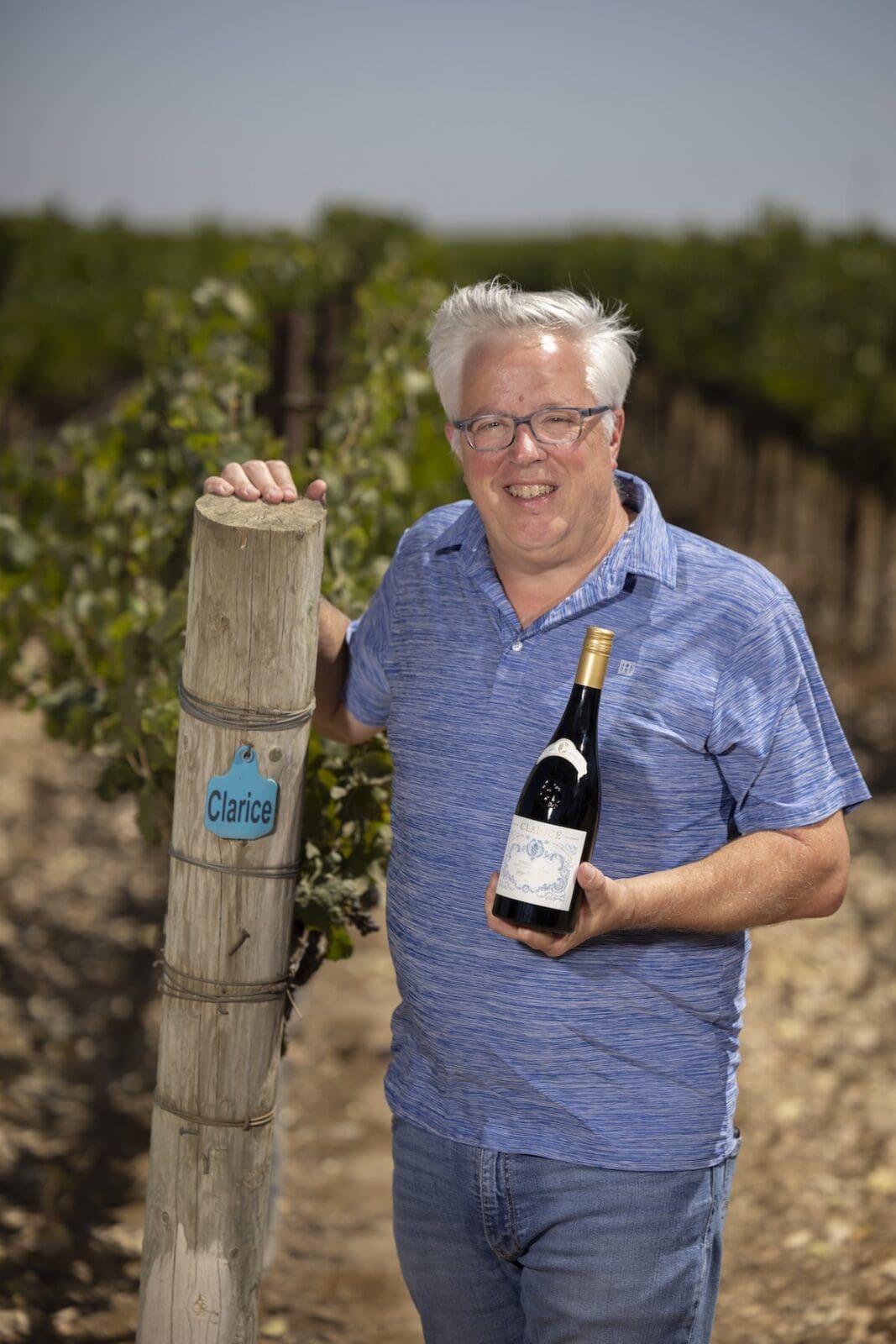
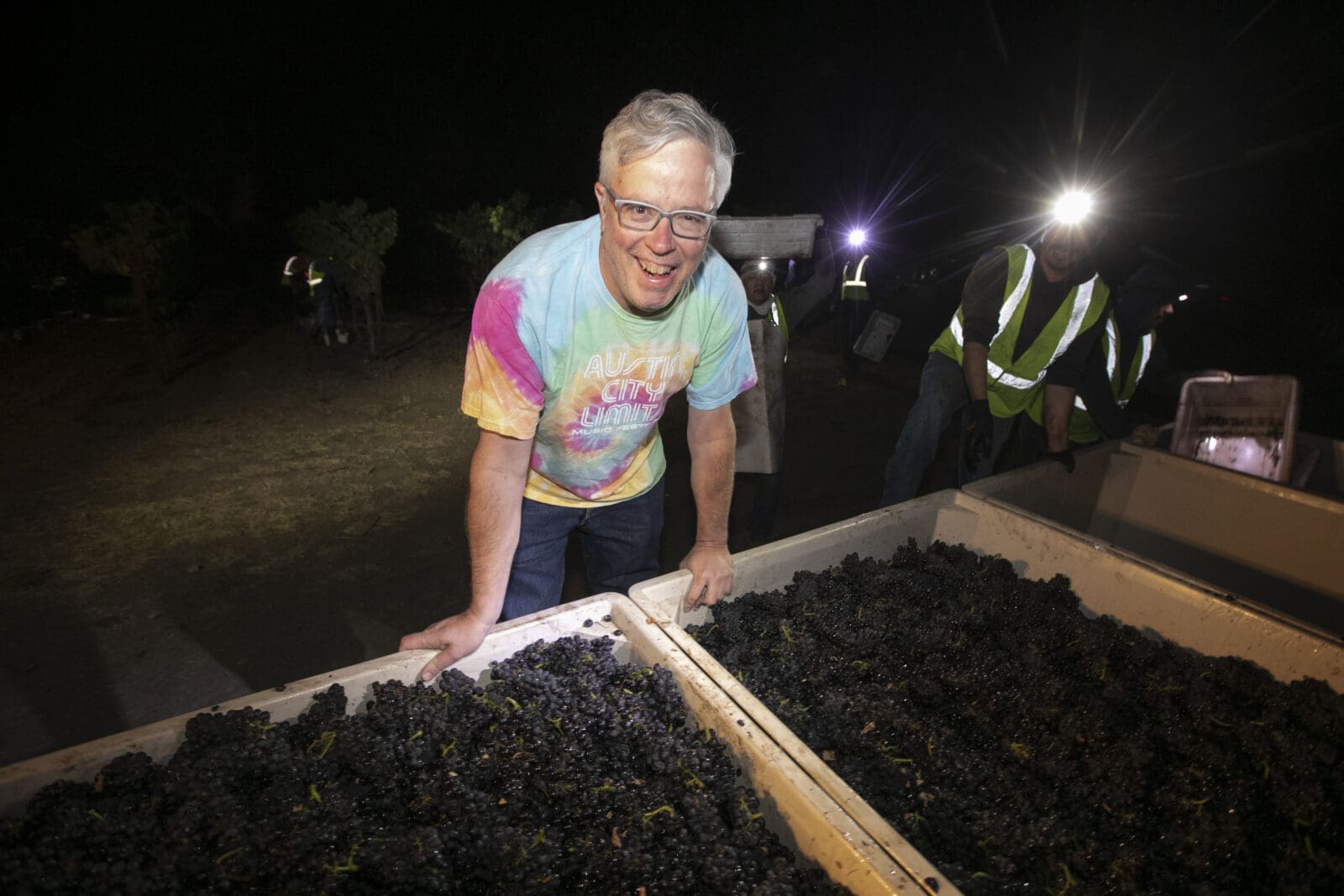
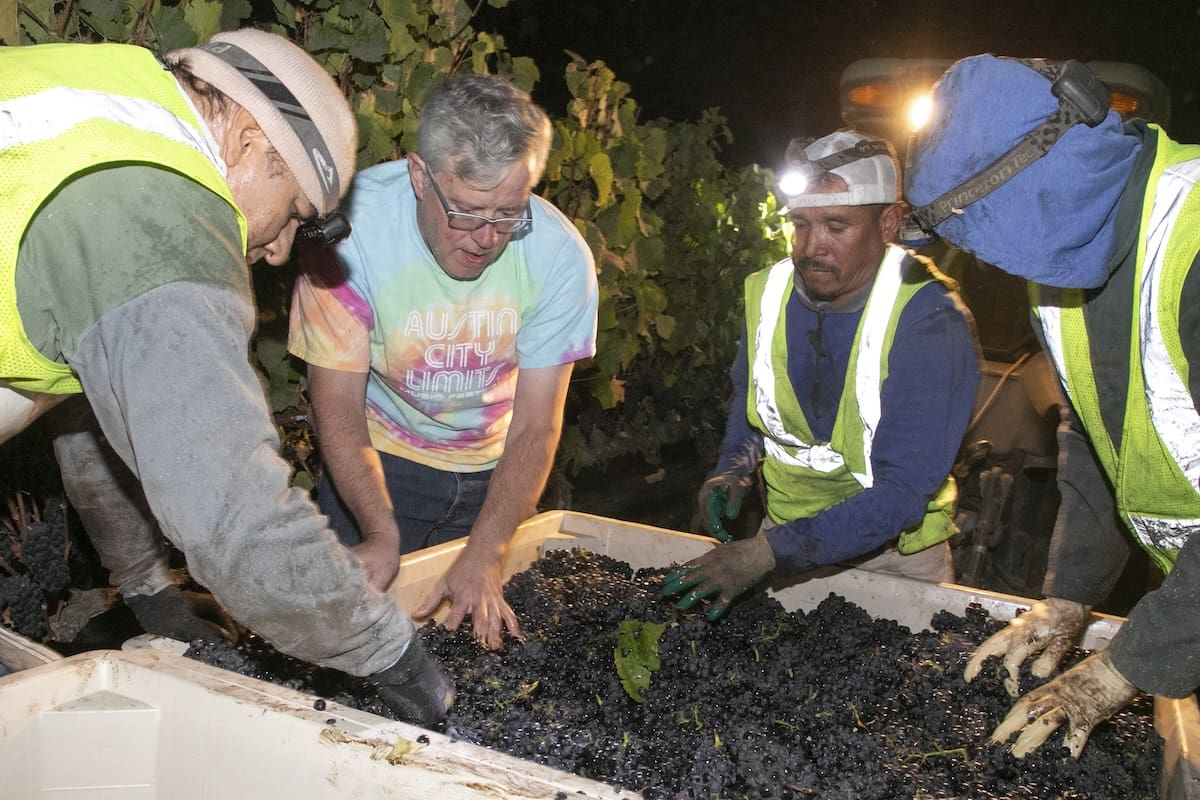
Adam Lee is passionate, funny, serious, gregarious, opinionated and makes, in my opinion, some great wine. Lee is also a proud Texan. He was raised and grew up in Austin, attended college in San Antonio and earned a degree in French history from that city’s Trinity University.
After graduation, Lee began working at Austin Wine & Spirits, where he rose to the title of president of the three-store chain. He also spent some time selling wine wholesale to restaurants and other establishments. He later moved to Dallas to take a wine-buyer position at Neiman Marcus.
How, you might ask, did he go from French history — his specialization and thesis subject was a comparison of the penal systems in France and the United States — to selling, and then making, wine? It wasn’t because France is a grand country of wine. Lee blames it all on a trip he took to Sonoma County with a friend between his junior and senior years at Trinity.
A spark was lit. In 1993, Lee and Dianna Novy, whom he met as a colleague at Neiman Marcus, decided to move to northern California (where he still resides) and make wine.
SHOP


And make wine they did. You have perhaps heard of Siduri? The couple, who eventually married, launched that brand. The first vintage, which was the 1994 Rose Vineyard Pinot Noir, received 90 points from Robert Parker.
“That was a big deal,” Lee tells me in an understatement. Parker’s nod back then was much more than a big deal. It made the couple’s dream a reality. And the story of how they got their wine into Parker’s hands (and mouth) is worth telling.
A Bold Leap Into Winemaking
The couple, who at the time were working in a tasting room, had raised $24,000 and decided it was time to attempt to become winemakers. They managed to procure 1 acre of vines, worked the vineyard themselves, and made four and a half barrels of pinot noir. The wine had gone through malolactic conversion, Lee recalls, and he and Novy thought it was tasting good.
“We heard that Robert Parker was staying at Meadowood, and we got a little drunk one evening and said, ‘Let’s take a sample of our wine to Parker, he’d love to try it.’ ” They left the sample with the inn’s concierge.
“The next morning we woke up and thought, ‘What did we do last night?’ ” Lee continues. They called Meadowood, hoping to get the sample back, but it was too late. Parker was already in possession of it. Six weeks later the man himself called, leaving a message on the Siduri answering machine stating that he loved the sample.
Not bad for beginners with no hands-on winemaking experience.
“We had a lot of exposure to winemakers at our jobs, and that’s how we learned to make wine,” Lee says. “When we founded Siduri I had no business plan. We learned as we went along. I wish I had had more of a plan, but planning was not what I did well.
“I ran it off the cuff, I was good at selling and doing things off the cuff. But it’s better to be good at both selling and running a business properly.”
The wines became very influential, especially the pinot noirs, and more than a few of the people who worked under Lee and Novy went on to found their own labels, including Ryan Zepaltas and Matt Duffy. In 1998, Lee and Novy founded the Novy brand with Novy’s family, with a focus on zinfandel and syrah. In 2015, they sold Siduri and Novy to Jackson Family Wines (with Lee staying on as winemaker for the brand).
Lee launched Clarice Wine Company in 2017, Novy founded Flaunt Wine Company the same year (she disbanded the brand in 2024), and the couple split (both say the divorce was amicable) in 2019. All along, beginning with Siduri, the pair’s goal was to create “that one perfect wine” from that “one perfect place,” and their intense focus on distinct sites in vineyards more than paid off.
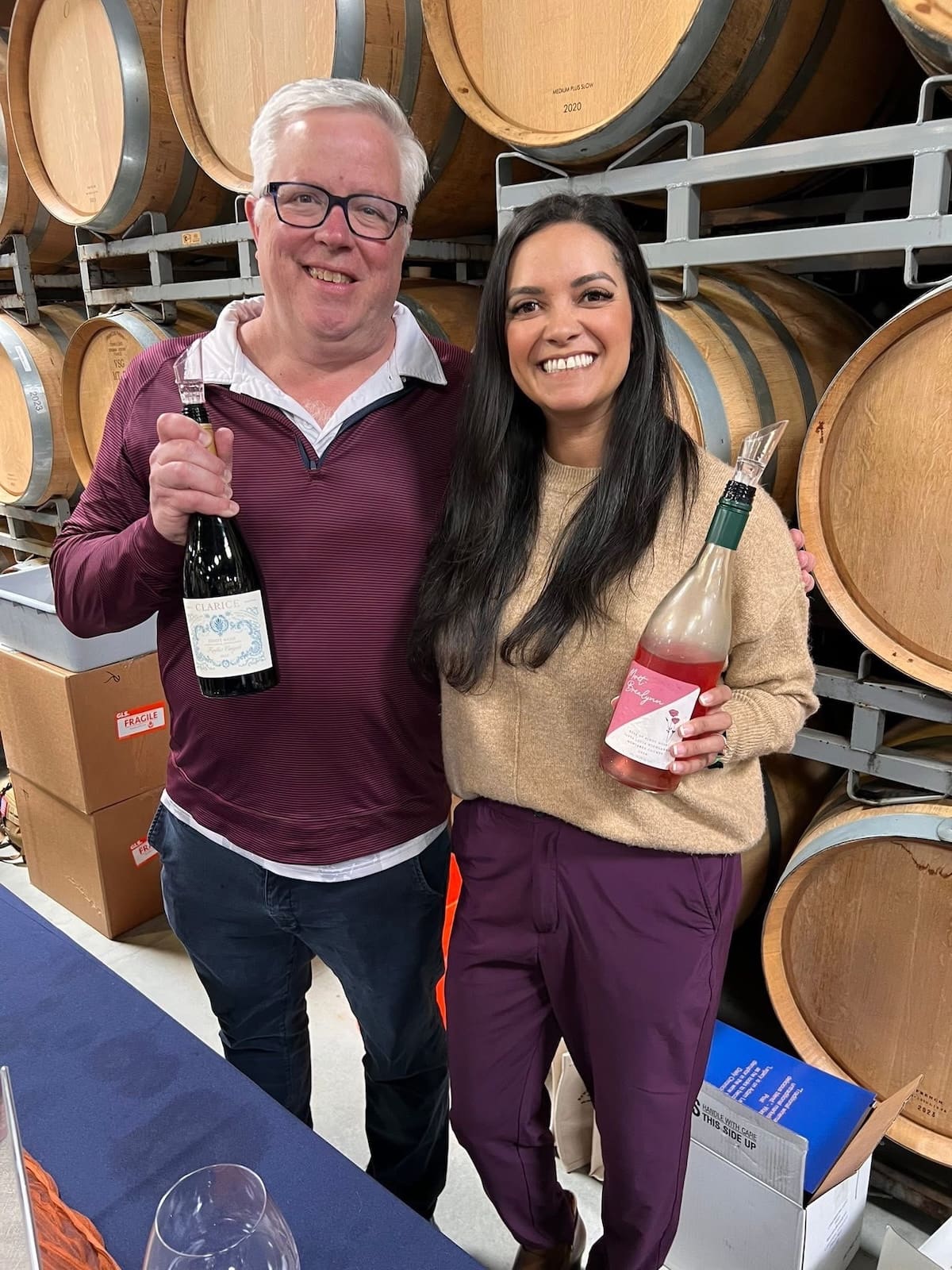
Lee’s main project today is the Clarice Wine Company, and that intense focus on single sites in vineyards is as strong as it ever was. Clarice is all about pinot noir, specifically pinot from the Santa Lucia Highlands. Lee’s first vintage with the brand was 2017, and the wines have been well received. Lee married Morét Brealynn in 2025 (she’s also a winemaker), and his story continues.
Pinot noir has been very, very good to the man.
Let’s see what Adam Lee has to say himself in the latest addition of Wine Talk.

James Brock: Tell us about three wines you think are drinking well at the moment. What makes them worthwhile? How about a food pairing for each one?
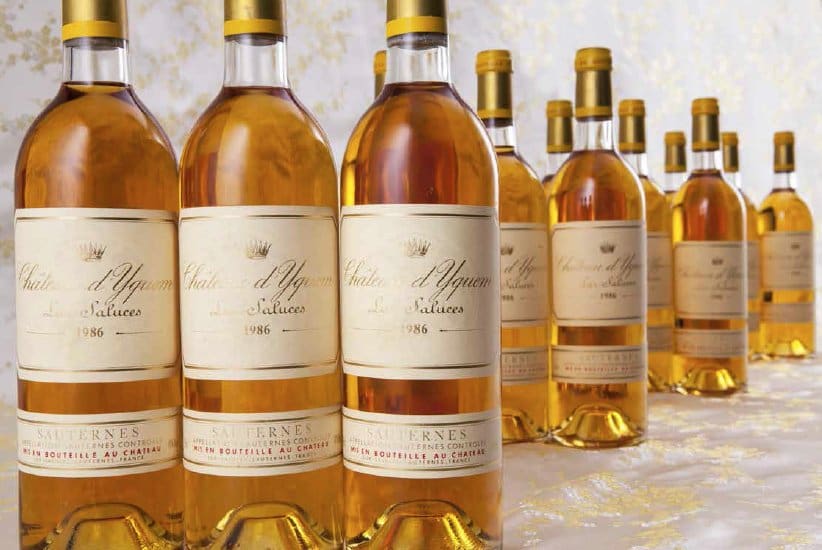
Adam Lee: 1986 Chateau d’Yquem – well, duh, d’Yquem is drinking well. The 1986 vintage is my wife’s (Morét’s) birth year, and so when we have a chance – and some extra funds – we drink one. It’s a stunning wine from one of the world’s greatest producers. We drink it by itself or sip it slowly with a not-too-sweet dessert. . . crème brûlée, for instance. (You can buy it here or at your favorite wine retailer.)

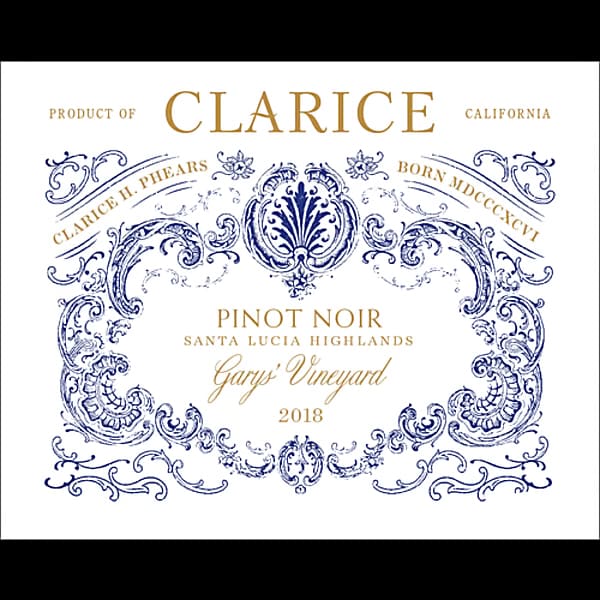
Next, the 2018 Clarice Pinot Noirs – these are my wines. There’s a Rosella’s Vineyard, a Garys’ Vineyard and a Santa Lucia Highlands blend. I started Clarice in 2017, but 2018 was the first vintage that truly matched what I was trying to do with these wines. Either that, or it took me a year to figure out what I was doing.
Made with a large amount of whole cluster (75 percent-ish) and aged in three-year-air-dried French oak barrels, these wines are beautiful now, but should age seamlessly for many years to come. Give them a couple of hours to breathe and try them with roast chicken. (You can buy various Clarice vintages here, or ask at your favorite merchant.)
Third, 2020 Château Pontet-Canet. Somehow Morét and I have adopted Pontet-Canet as “our Bordeaux.” We took the Clarice Wine Club members to Pontet-Canet as the last stop on our weeklong tour of Bordeaux. We drink a bottle of whatever vintage is available when we go out for a special dinner.
It’s a wine that very rarely disappoints. The 2020 is just a baby, but it has a higher-than-normal percentage of merlot and that makes it accessible now as well as ageworthy. And while expensive, it’s not ridiculous for the quality. Love this wine with roast. (You can purchase it here, or ask your favorite retailer for it.)
JB: If cost was no consideration, tell us the one bottle you would add to your personal collection, and why.
AL: Hmm. . . I’d like to say something from my birth year – 1964 – but it was a good but not great vintage even in the best regions and I haven’t had my best luck with wines from that year. So, I’d say maybe the 1947 Cheval Blanc. Yeah, apparently the volatile acidity is off the charts in some bottles.
But the wine is legendary, and I’d love to try it sometime. (You can buy it here.)
JB: What is your favorite grape, and why? If you don’t have a single favorite, tell me about one that you are especially passionate about.
AL: Pinot noir. There really is no other answer. It’s the grape that made the first red wine I ever fell in love with. I’ve devoted my life to pinot noir since the very first Siduri vintage. Every now and then another grape comes along that excites me (grenache, for example), but I always return to pinot noir. It’s my true love.
JB: How about one bottle that our readers should buy now to cellar for 10 years, to celebrate a birth, anniversary, or other red-letter day?
AL: Burt Williams of Willams Selyem used to tell me that he thought his pinot noirs were best seven years after the vintage. I think that has changed, and the best California pinot noirs are now lasting a decade easily. I’d pick a great California pinot noir producer’s wines from the 2023 or 2024 vintage (think Littorai or Rochioli) and give it a decade in proper storage. You’ll be happy you did.
JB: Where is your go-to place when you want to have a glass or bottle (outside your home and workplace)?
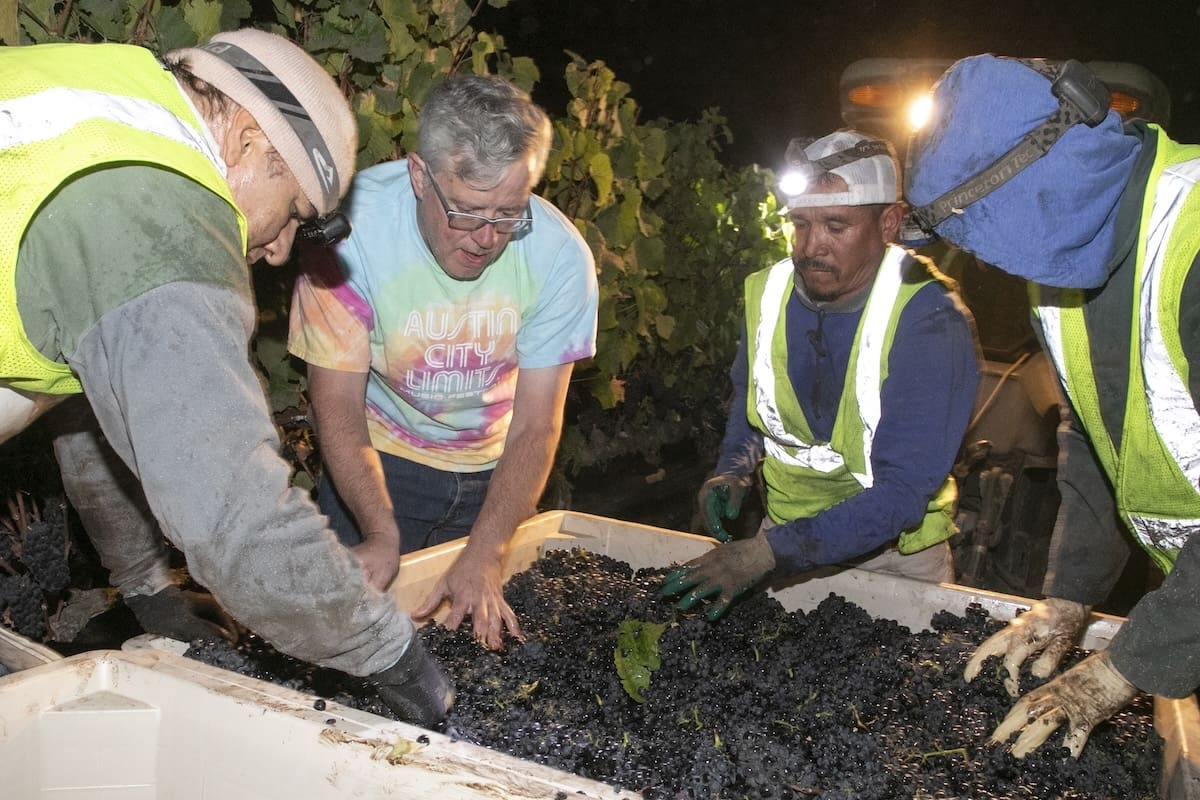
AL: At Gary Franscioni’s house — on his back porch — in the Santa Lucia Highlands looking up at the Rosella’s Vineyard. It’s a truly magical view, a place of memories and future stories. Gary is my best friend and was the best man at our wedding and he cooks on the grill and we have a glass of wine and then another and it just seems perfect.
JB: If there was one thing you wish everyone would keep in mind when buying and drinking wine, what is it?
AL: Wine is best when shared. If I go out to dinner with three friends and we have cocktails, we have our own entrées, and we each have our own experience. But if we share a bottle of wine, we are bound together in a meaningful way.
Likewise, if Morét is out of town, I can have a beer watching the baseball game and that beer tastes the same as any other time I have it. But a glass of a nice wine at home by myself doesn’t taste nearly as good as when Morét and I share that same wine together. In a time when we seem to be splintering as a society, wine provides us an opportunity to find togetherness.
JB: What is your wine eureka moment, the incident/taste/encounter that put you and wine on an intimate plane forever?
AL: Between my junior and senior years in college in Texas, I visited Sonoma County with a friend who had graduated the previous year. I thought I knew something about wine because I liked Mondavi white zinfandel better than Sutter Home white zin. But we stopped in a little winery along the Russian River and tried the first red wine I ever fell in love with — a 1984 pinot noir from Rochioli.
It changed my life forever. I returned to college and finished up, but got a job in a wine store after graduation and never looked back. That 1984 Rochioli started me on this journey. And I’ve never regretted it.

JB: What has been the strangest moment/incident involving wine that you have experienced in your career?
AL: What a list of stories this could be. I’ve truly been given the gift of life by wine and I’ve lived it to the fullest. I’ve been featured in The New York Times for switching the labels on two bottles of wine, and I’ve been thrown out of the Russian River Valley Pinot Forum for telling a joke.
Picking any one single moment would be hard – especially if this is supposed to be PG-rated.
But here’s one story that qualifies — and it’s about how I got the Siduri Instagram account taken away from me. I was at Texsom a few years after I sold Siduri to Jackson Family. Texsom is the annual event that takes place in Dallas and brings together wine professionals, wine writers and winery owners/winemakers. I had spent the evening wandering around the Four Seasons Las Colinas Hotel with a truly legendary wine writer.
We were drinking chartreuse with Jobard Meursault chasers. Needless to say, the next morning I wasn’t feeling too good, but I managed to make it downstairs to the first tasting of the morning. There, a flight of Calvados awaited me. I tried making it through the glasses — I swear I did.
I even took a picture of the lineup. But I just couldn’t do it. I felt my stomach rising up in my throat, and so I left. I went up to my room, tried sleeping for a bit. But couldn’t do that either. So, I grabbed a Lone Star from the fridge and went out and laid by the hotel pool, hoping a little hair of the dog would help.
I was looking at my phone and posted the picture of the calvados tasting on the Jackson Family-owned Siduri IG account with the caption, “So disappointed in this morning’s tasting. Thought it was camel toes, not calvados. #TexSom.” It took a few hours, but later that day Siduri’s Instagram account was no longer in my hands.

JB: If you could journey to one destination (or region) tomorrow to explore its wines, where would you go?
AL: I’ve seen it once for a few hours, but never really visited there. I want to go up the Duoro into Portugal. From the city of Porto, it looked like one of the most beautiful places I’ve ever seen. I really want Morét and I to go there.
JB: Your favorite wine reference in a work of literature?
AL: Having named my winery Clarice Wine Company, you’d think it might be Hannibal Lector in Silence of the Lambs, talking about a “nice Chianti.” (In my case, Clarice was, in actuality, my grandmother, who was born in Giddings, Texas, in 1896). Or perhaps I’d love Sideways and Miles’ amazing soliloquy about pinot noir.
But I think wine should bring laughter. We need more laughter — and more wine. So, I’ll go with Steve Martin in The Jerk:
“Would monsieur care for another bottle of Château Latour”
“Ah, yes, but no more 1966. Let’s splurge. Bring us some fresh wine. The freshest you’ve got. This year’s. No more of this old stuff.”
“Oui, monsieur.”
For more stories from James Brock check out Mise en Place.
Trending
- 50 Years and More Than $500 Million In Real Green For Houston — Inside the Parks Board’s Mission To Connect Greenways to People
- Willie Fritz and Conner Weigman Believe UH Can Push For a National Championship This Season — Why Is So Much Of Houston Still Sleeping On This Team
- A Tearful Last $100,000 Pushes Houston’s Best Dressed To $1.5 Million, the Junior League Kicks Off and Camp Gets a Boost
- Conner Weigman Wants His Respect, Houston Football Earns It On a National College GameDay Level and Willie Fritz Loves the “90 Percent Houston” Crowd Fever
- An Editor’s Guide to The Top Spas in Dallas and Fort Worth
Part of the Special Series:

















_md.jpg)










_md.jpg)