The Remarkable Story Behind Houston’s Summer Art Blockbuster
Heinz Berggruen and Picasso Revealed
By Adrienne Jones //
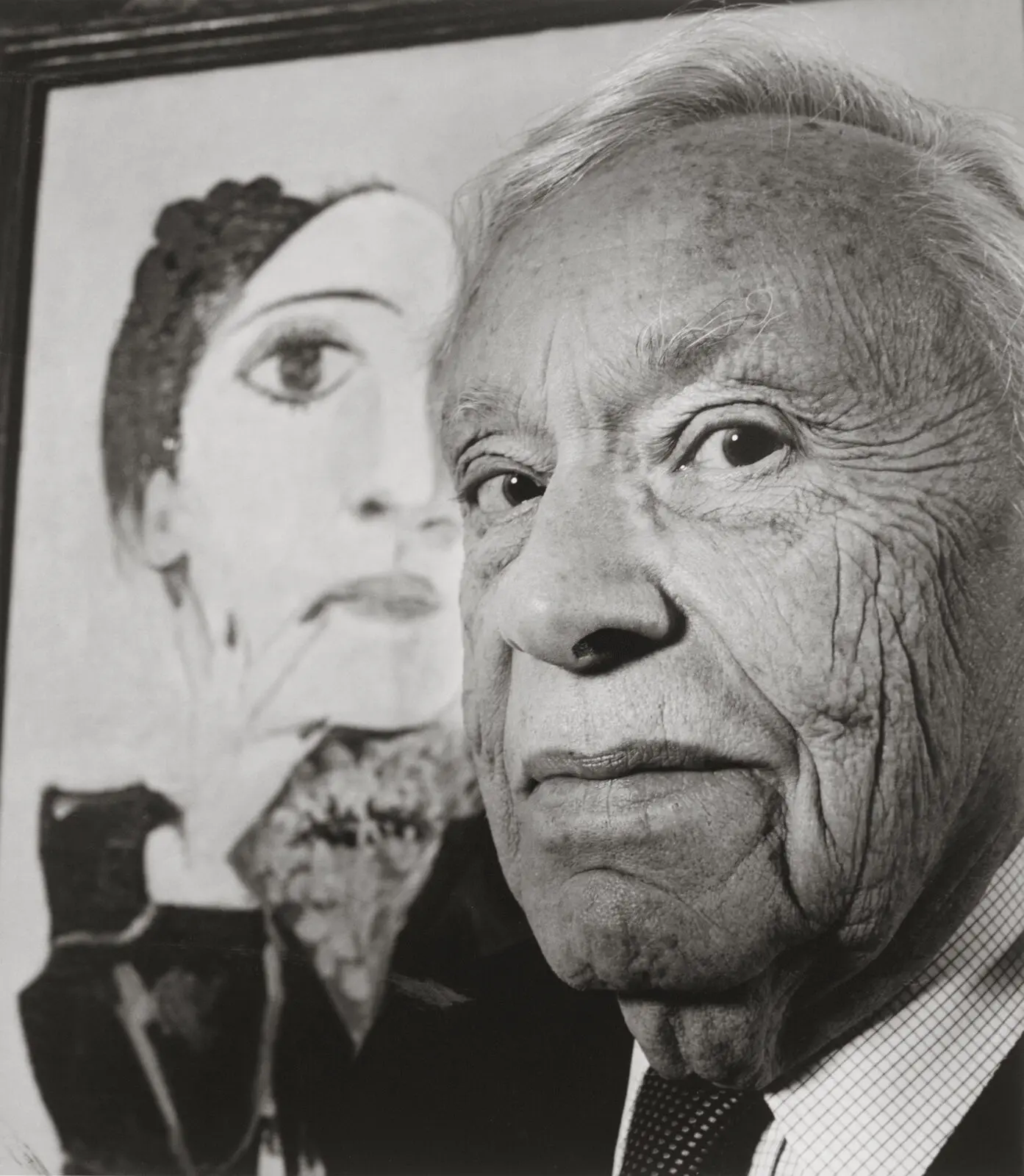
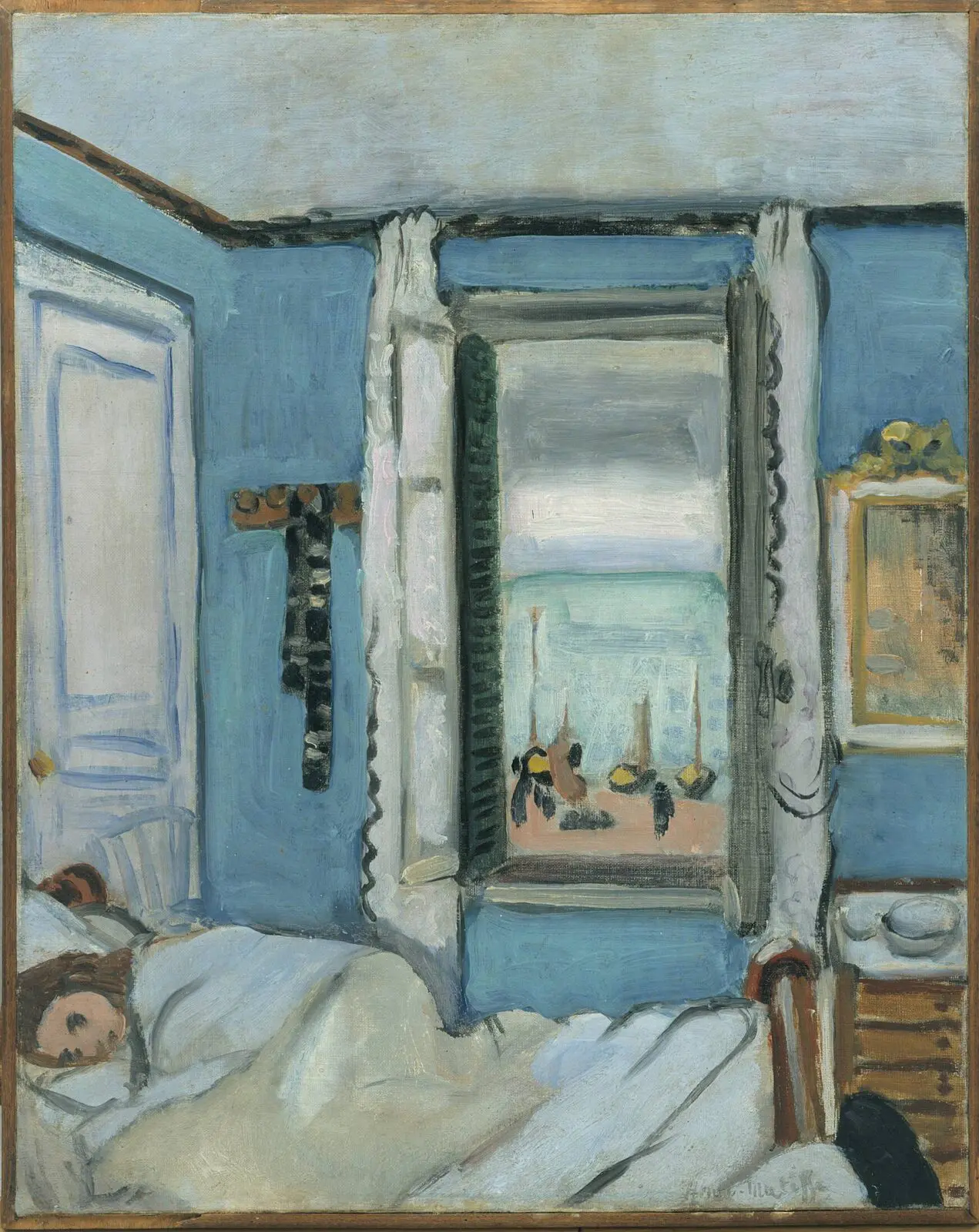
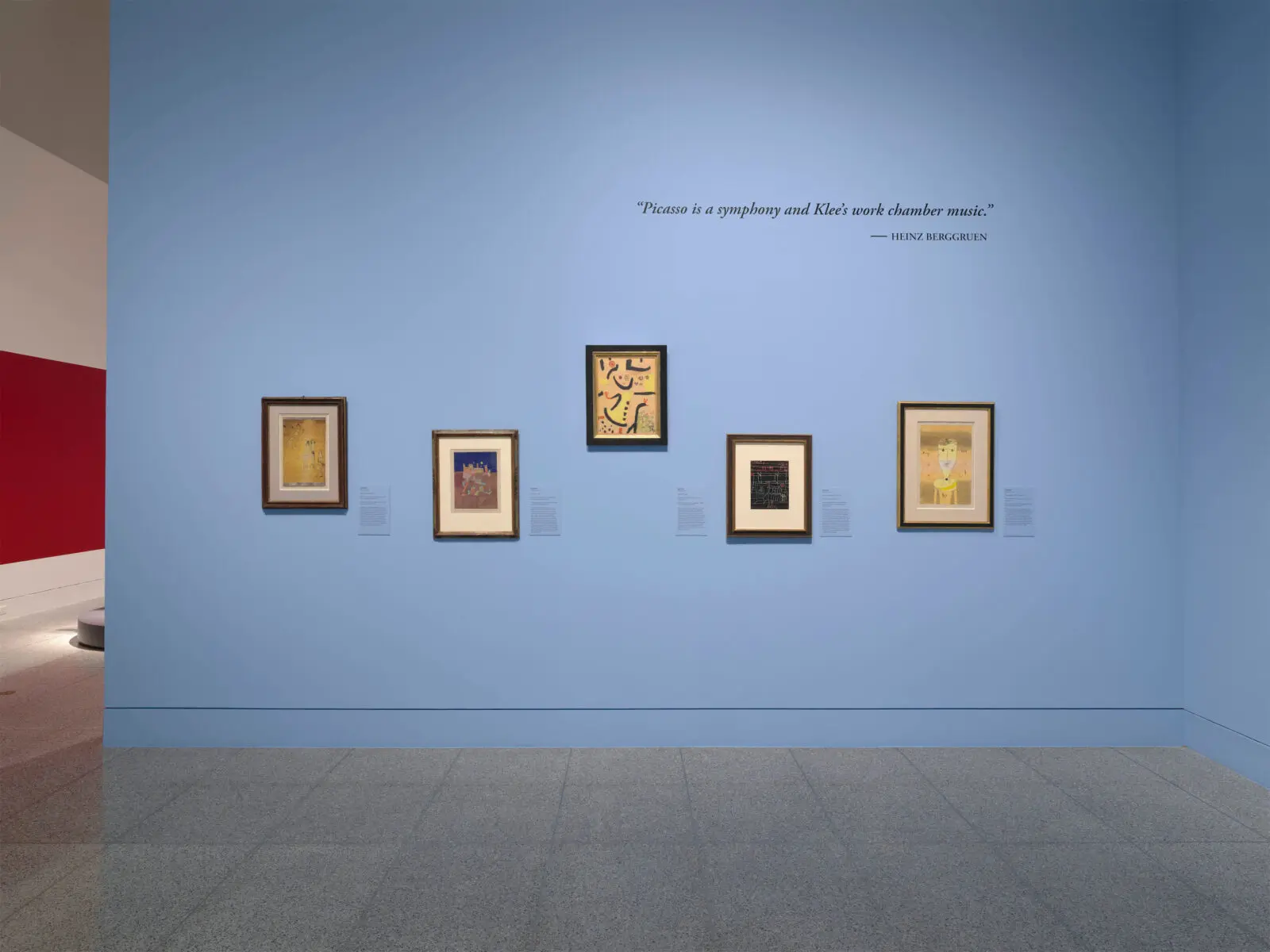
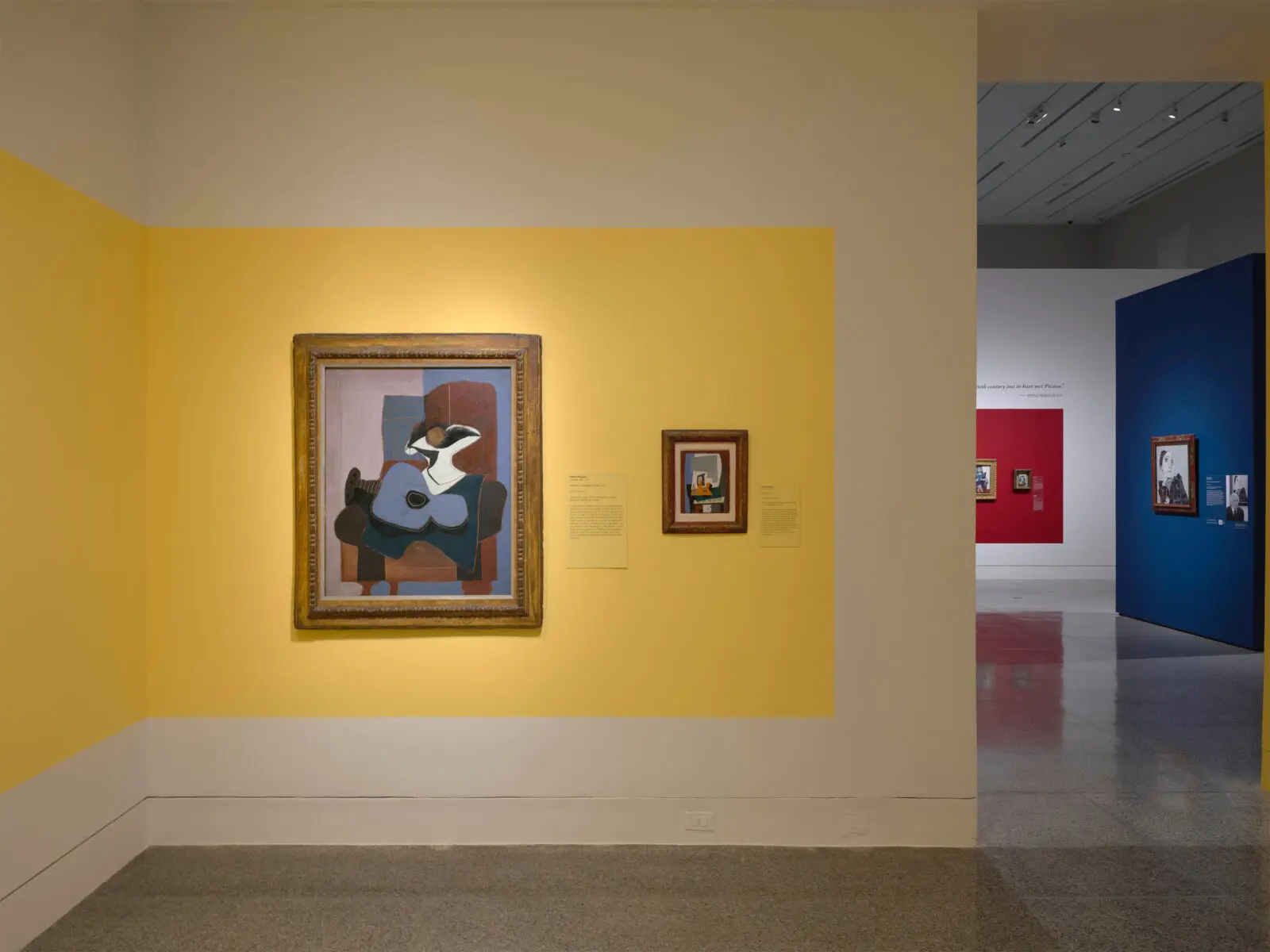
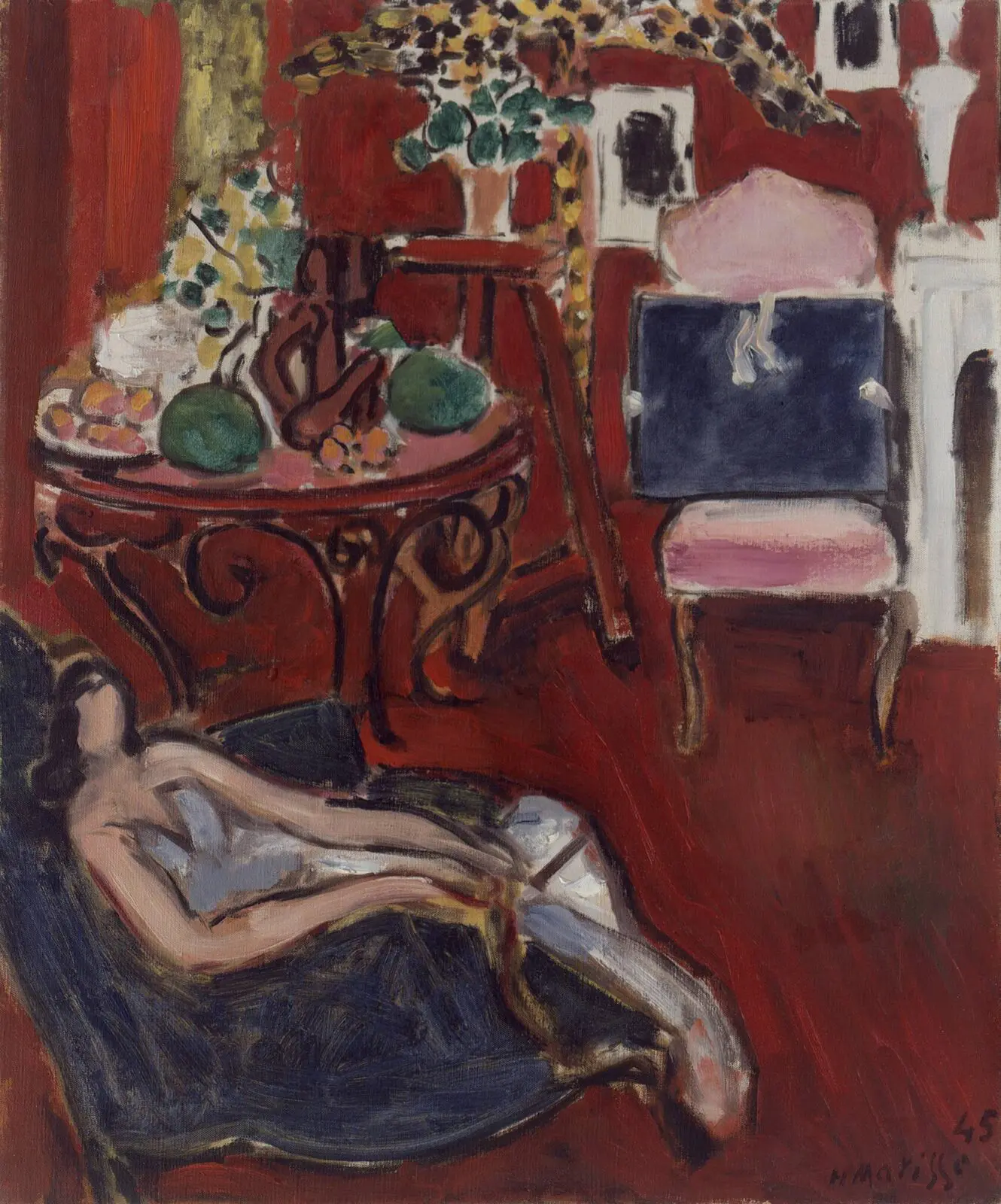
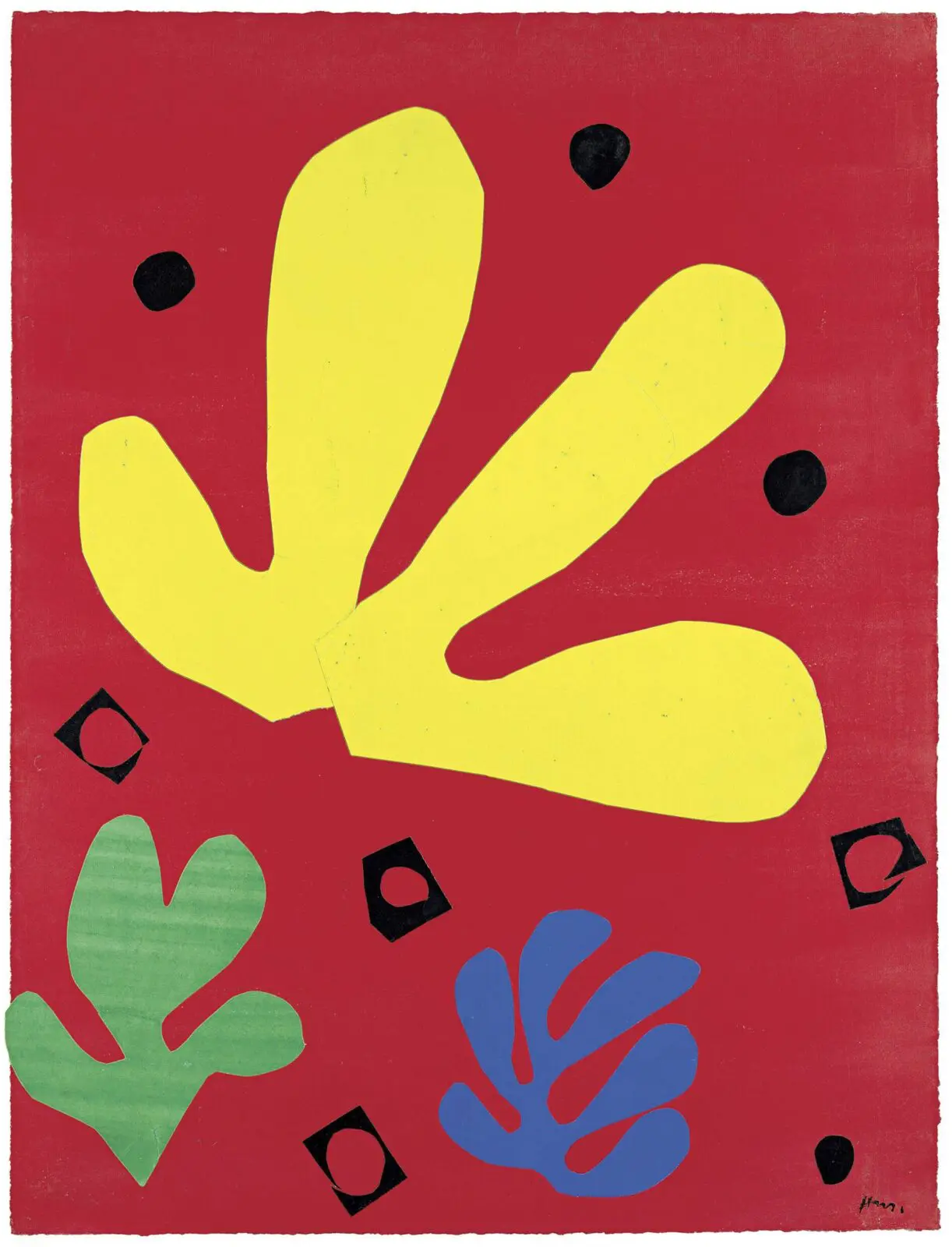
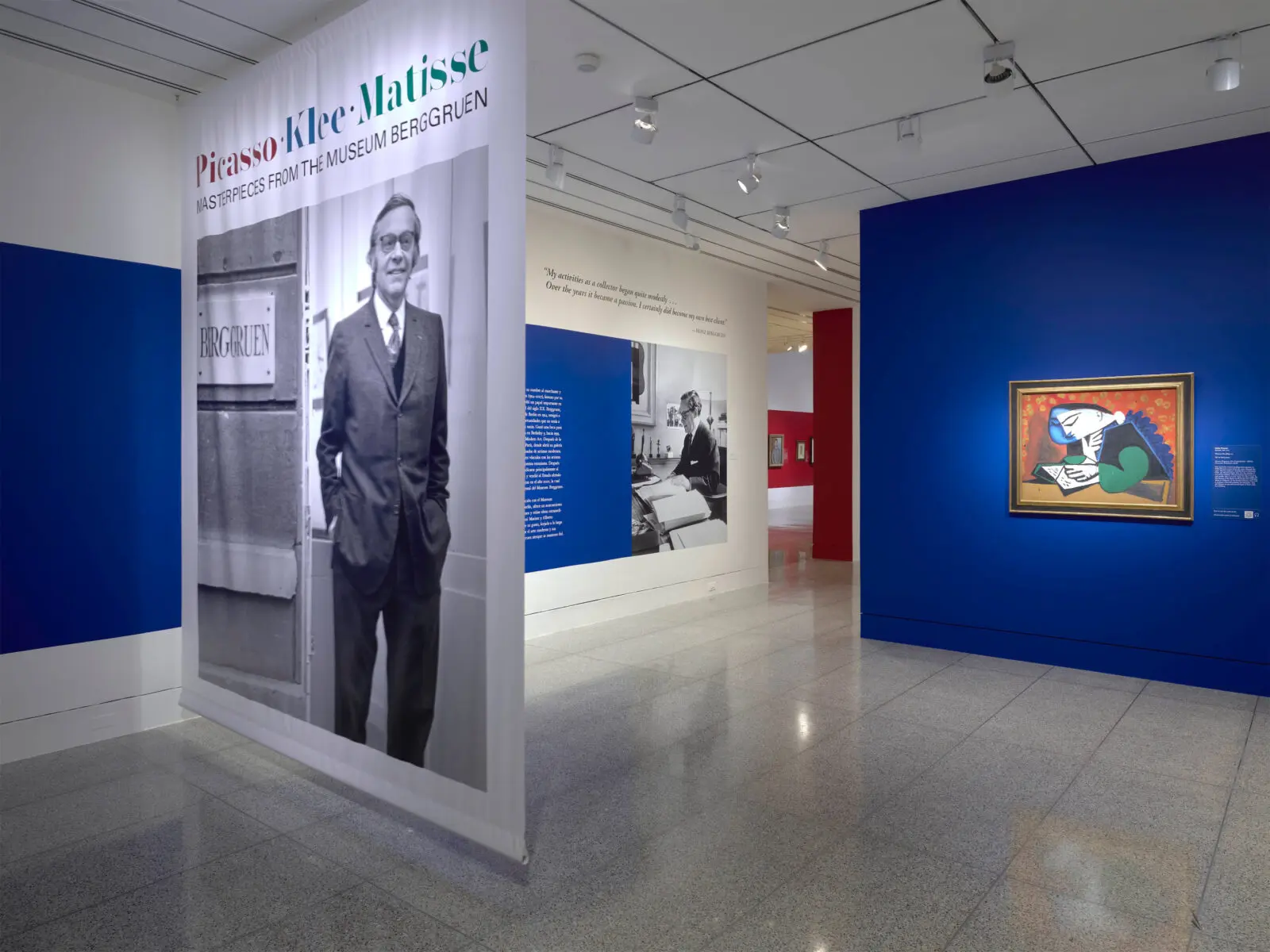
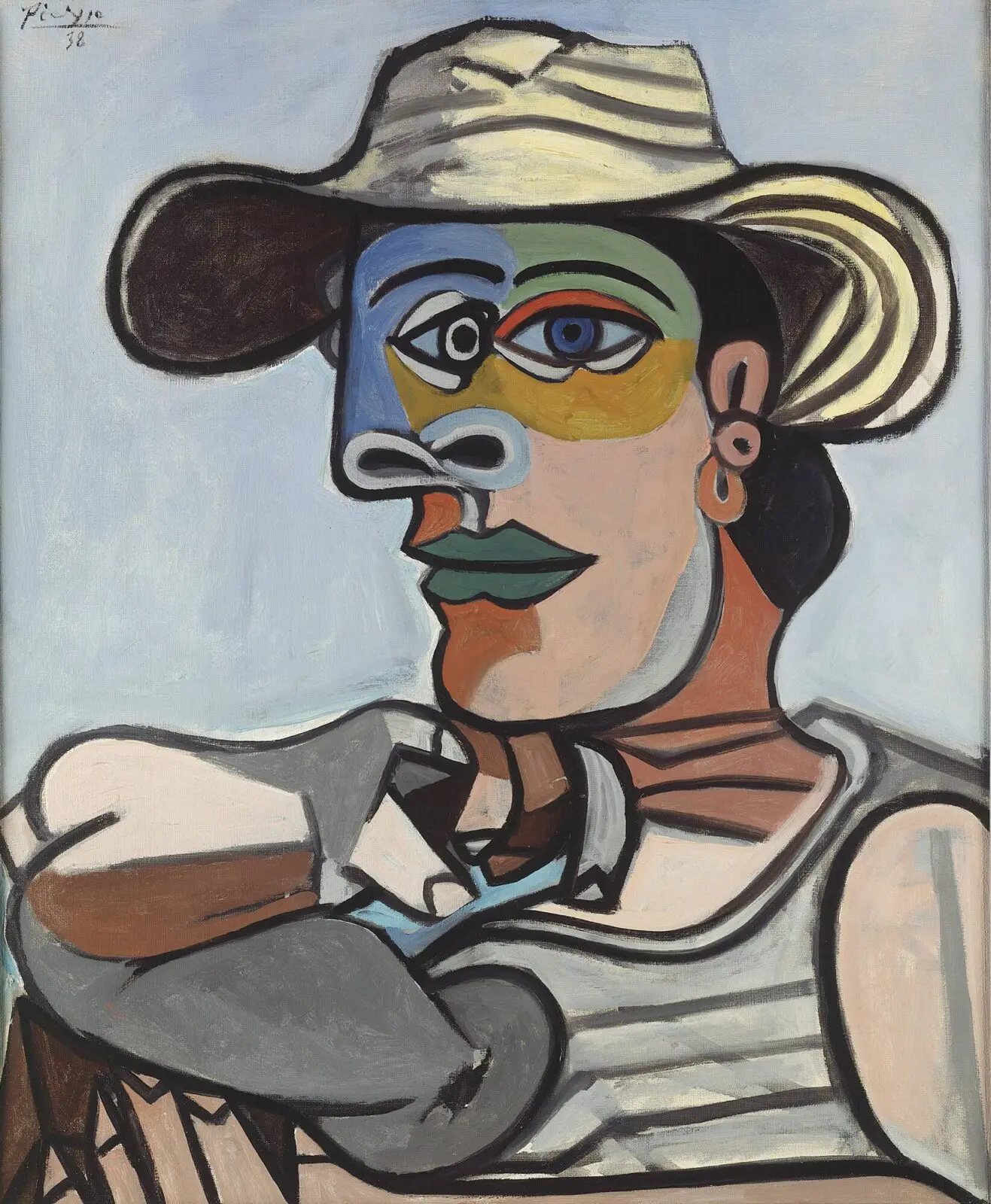
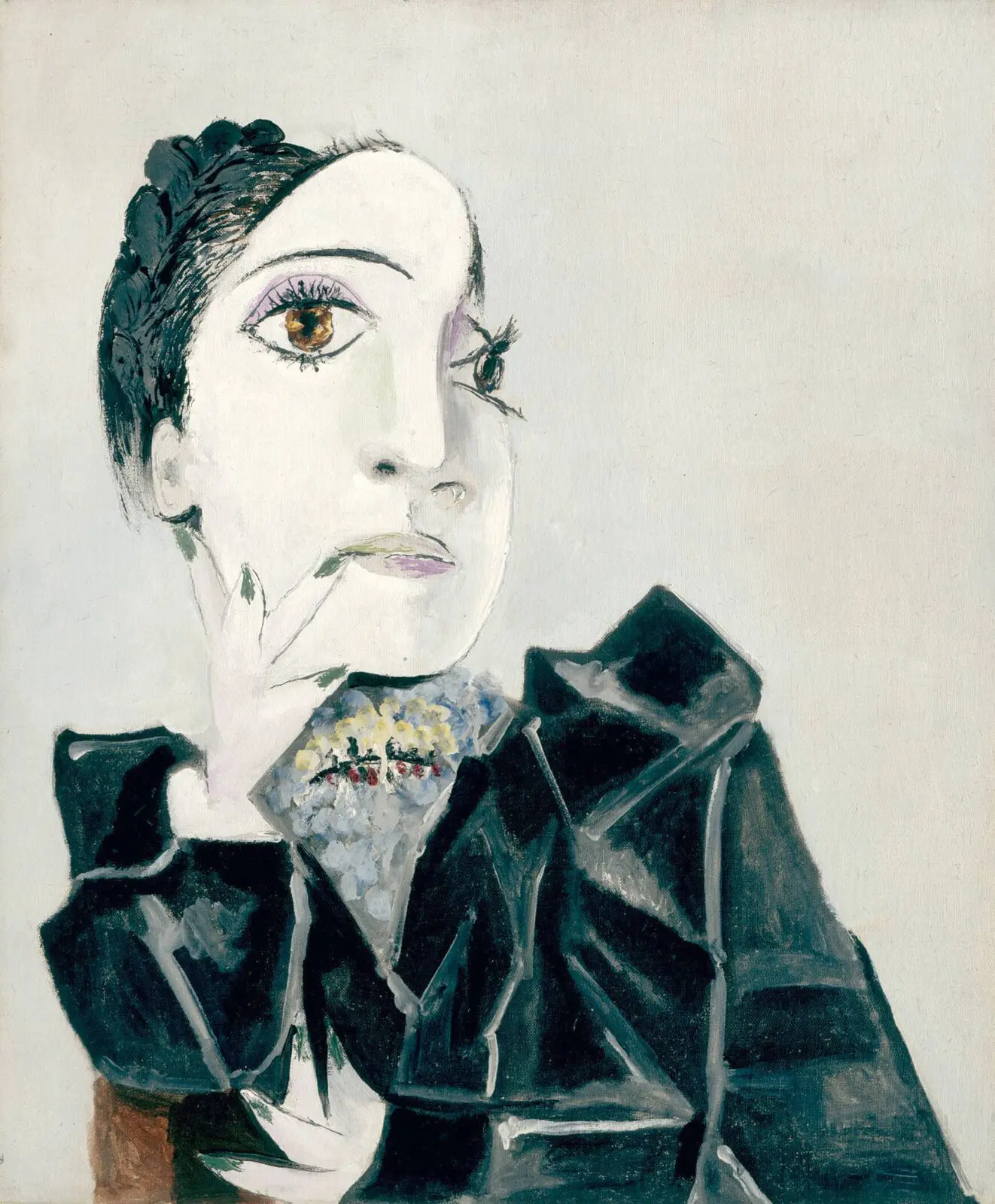
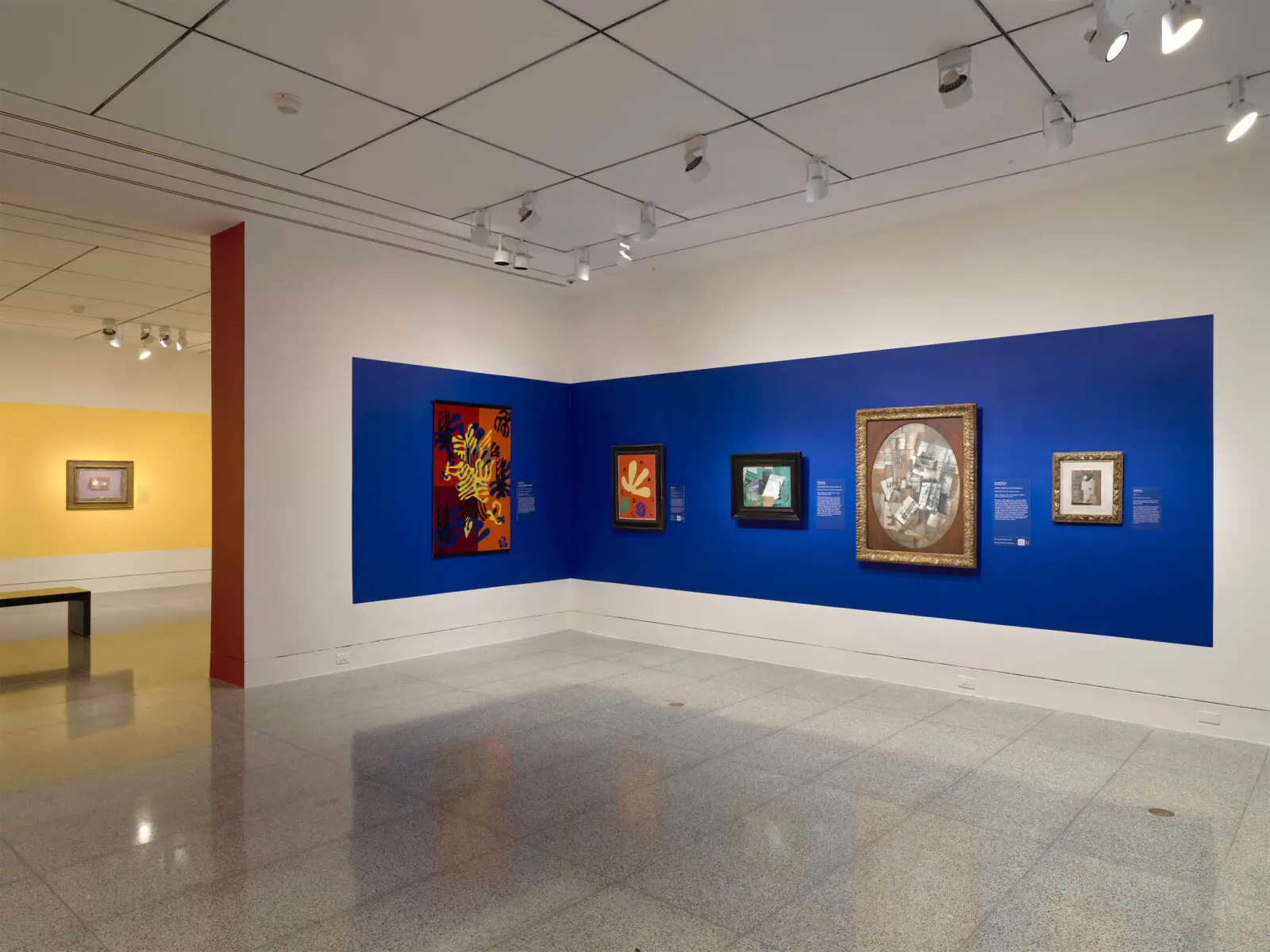
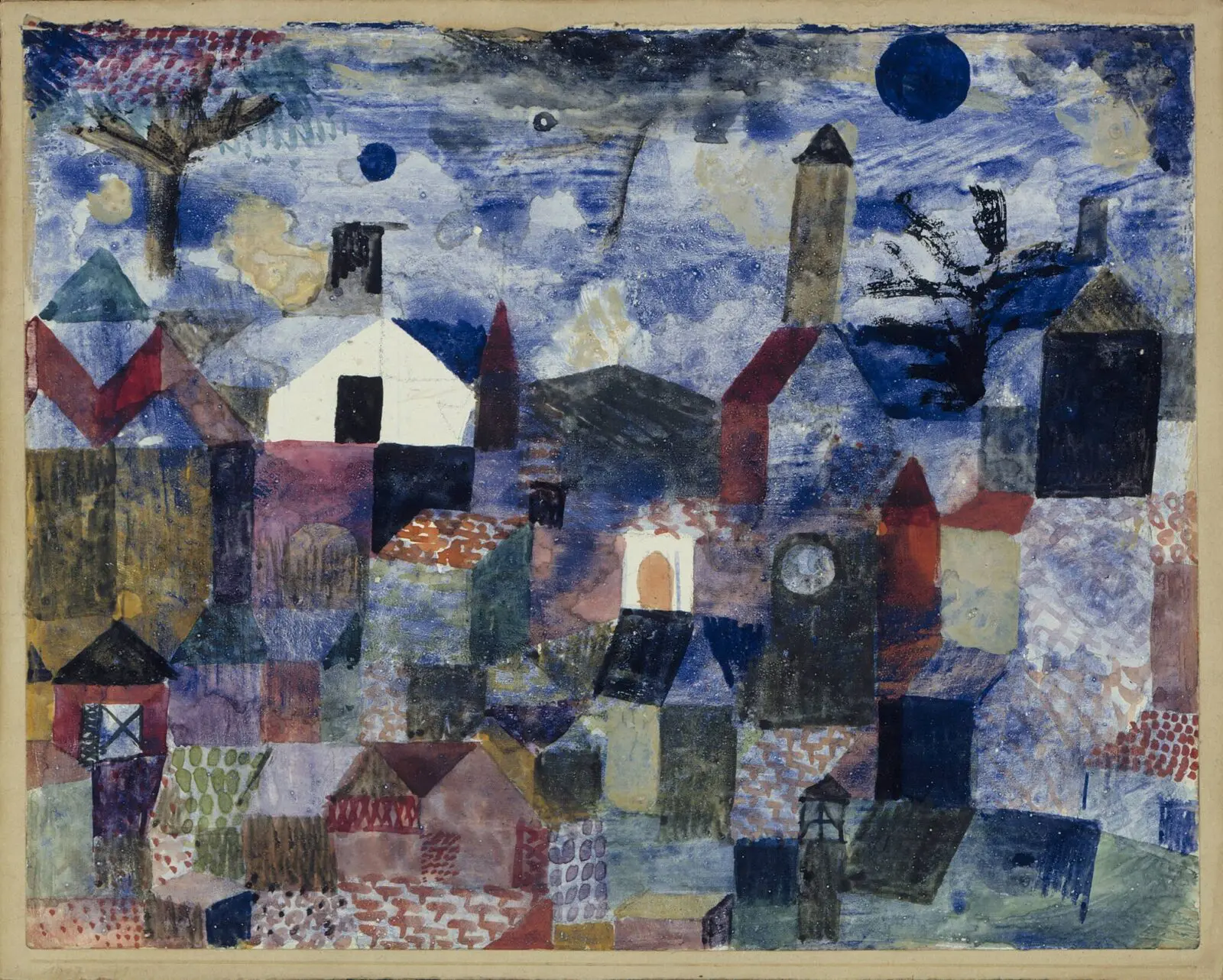
The Museum of Fine Arts, Houston’s ongoing “Picasso-Klee-Matisse: Masterpieces from the Museum Berggruen” exhibition is one of the biggest art shows anywhere this summer as PaperCity previously extensively detailed. But the story behind this blockbuster exhibition may be just as compelling.
As part of his ongoing “Conversations with the Director” series, MFAH director Gary Tinterow welcomed two of Heinz Berggruen’s four children: 83-year-old John Berggruen, a San Francisco gallerist, and 64-year-old Nicolas Berggruen, a philanthropist and founder of the Berggruen Institute think tank. It was a genial, informative and in some ways tender discussion in the museum’s Brown Theater.
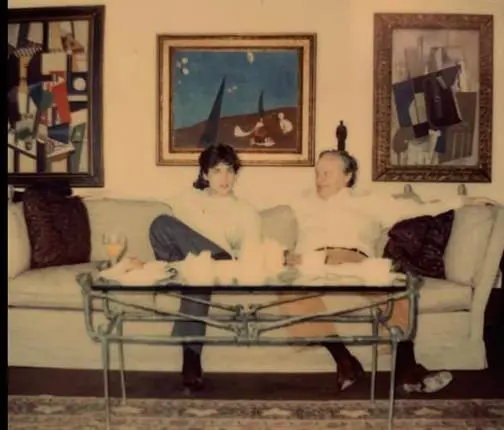
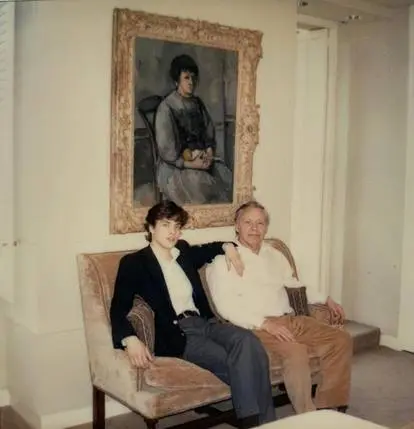
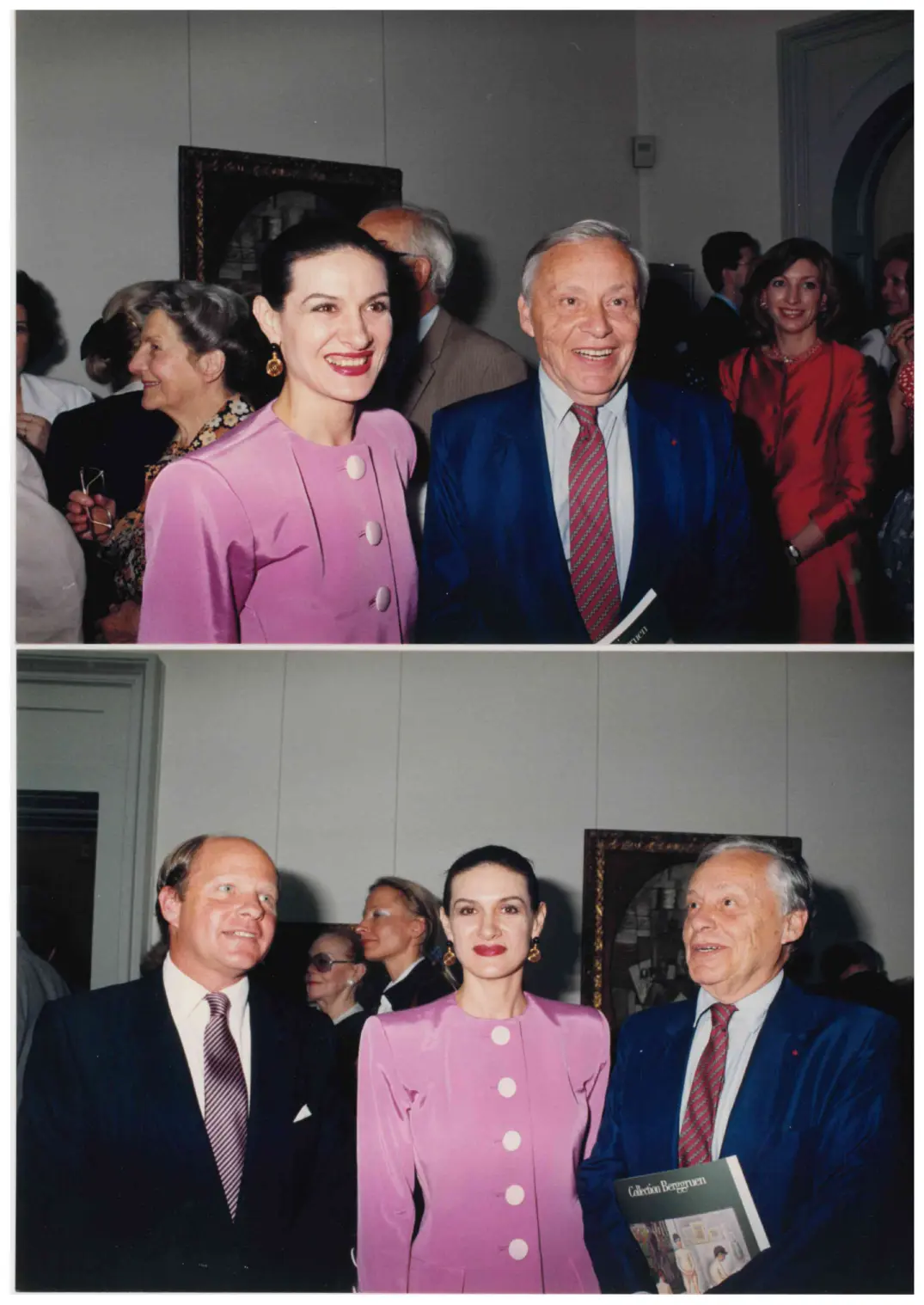
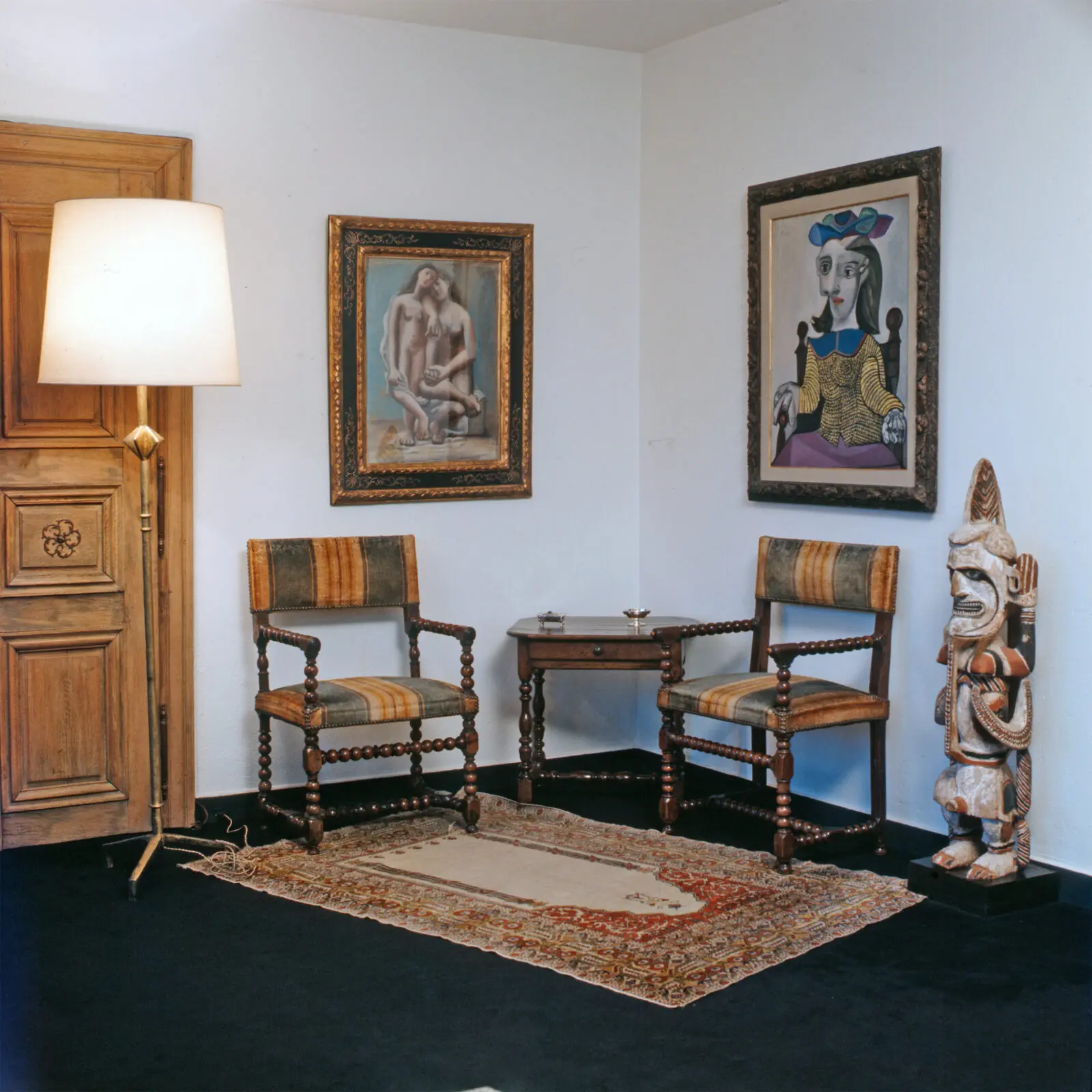
John and Nicolas reminisced about their famed gallerist-father and shared now-historic personal photographs — Heinz Berggruen with important artists and personages of the day, and photographs of the family apartment in Paris, where modern masterworks casually graced the walls.
Most compelling of all was their description of their father’s homecoming in the mid-1990s. They painted a picture of a man whose connection to Berlin endured across decades of exile and accomplishment.
Heinz Berggruen had spoken publicly about reconciliation and wanting his astonishing collection of art works to be accessible to the public. But as the years passed, a question loomed over him: What will happen to the collection, and where will it be?
“He decided on Berlin,” John Berggruen says.
John Berggruen describes the years that came after as the happiest of his father’s life.
“It was a wonderful gift to bring closure to that era,” John Berggruen says. “He saw the circle being completed — that it was important not just for him, but for history. He was coming home to this glorious finale. It added 10 years to his life.”
“The last 10 years — like an elephant who goes back home,” Nicolas Bergrruen adds. “It was a rebirth for my father too. A rebirth and a reconciliation. The idea that art could be a bridge — to the world.”
The brothers’ evident affection for each other, despite having different mothers, seemed to reflect the values they saw in their father: curiosity, generosity and an appreciation for beauty.
The atmosphere of this talk was also warmed by Tinterow’s recollection of his personal friendship with Heinz Berggruen, which began in Paris after Tinterow completed his graduate studies at Harvard, and extended over decades into the collector’s later years.
Behind the MFAH Show
This blockbuster MFAH exhibition is the collection of a single man. Heinz Berggruen (1914 to 2007) was a Berlin-born art dealer whose life’s work produced one of the most important private collections of 20th century modernism, assembled over decades in postwar Paris. Some collections are measured in masterpieces. Others are measured in meaning.
The treasures on view in Houston belong to both categories.
The remarkable story behind the exhibition does not begin with the artworks themselves, but with the journey of a young Jewish man who fled Germany in 1936 as Hitler rose to power.
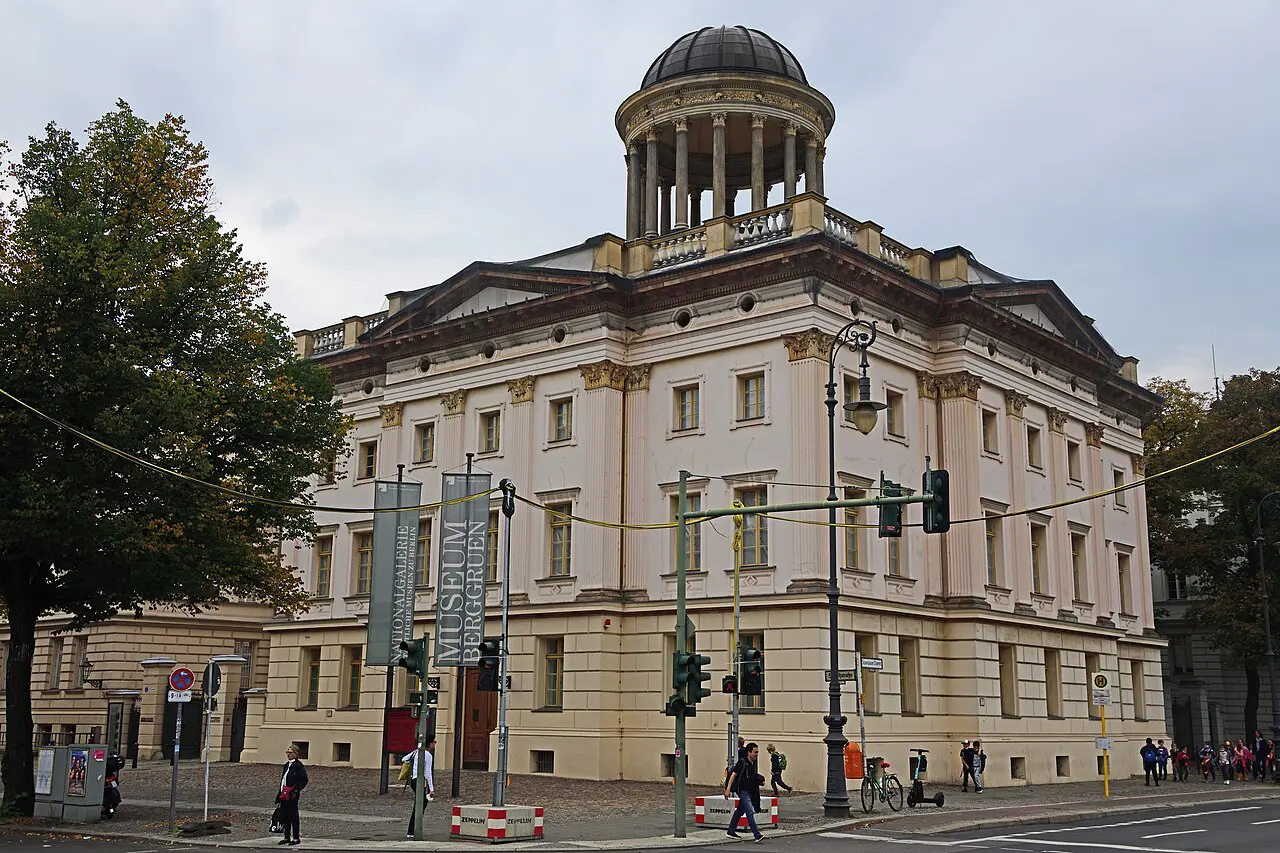
Sixty years later at age 82, Heinz Berggruen would return to the city of his birth, and transfer his collection to the German state, forming the core of what is now the Museum Berggruen. It was one of the most consequential acts of stewardship by a 20th century art collector.
Exile and the Long Road Home
As a Jewish Berliner, leaving Germany when he did may have saved Berggruen’s life.
Paris was not his first stop. He first studied German literature at UC Berkeley, but art emerged as his defining endeavor. In San Francisco, he worked as an art critic for the San Francisco Chronicle and was one of the first curators at the San Francisco Museum of Modern Art.
The U.S. military brought him back to Europe as an American citizen and soldier. His fluency in German proved useful in the Signal Corps before he joined the occupation administration’s cultural affairs program in Germany.

After the war, Berggruen moved to Paris where he spent the glittering next 50 years.
He opened a small bookshop in 1947 on the Île-Saint-Louis, specializing in illustrated books. It seemed only natural that Berggruen would travel in the small postwar set of artists that led to meeting the Surrealist writer Tristan Tzara. It was through Tzara that he was introduced to Pablo Picasso.
That meeting in 1949 was a defining turning point in Berggruen’s life and career. In his 1996 memoir, Berggruen recalled Picasso’s surprising warmth and informality. What began as a professional acquaintance evolved into a friendship. At age 90, three years before his death, Berggruen said of Picasso: “He was an extremely bright, witty, generous human being. I loved him.”
In 1954, Heinz Berggruen organized a highly successful exhibition of Picasso’s graphic work that helped launch Berggruen’s career as an international dealer. Through his association with Picasso, he was welcomed into a wider circle that included Klee, Matisse and Giacometti, whose work also became the nucleus of Berggruen’s celebrated collection.
His renowned gallery Berggruen & Cie on Paris’ prestigious rue de l’Université had a reputation for refinement and intellectual seriousness, and attracted an international clientele at a time when Paris was still recovering culturally and economically after the war. Berggruen was known not as a flashy salesman, but rather as a cultivated intermediary between artists, collectors and museums. The gallery’s aura was one of discretion and elegance — qualities especially dear to French hearts.
The MFAH show is stunning and extraordinary — it was assembled not only with wealth and connoisseurship, but with a lifetime’s worth of personal connection and historical experience behind it.
“Picasso-Klee-Matisse: Masterpieces from the Museum Berggruen” is on view through September 13 at MFAH. For more information, go here.
Trending
- A First Look at the Cutting-Edge, World-Class Wellness Treatments at Canyon Ranch Austin — The Largest Spa Resort in Texas Opening This Month
- Our 4 Favorite New Dallas Restaurants Right Now — What To Order at Élephante, Docent Steak, and Other Hot Spots
- Downtown Dallas’ Neiman Marcus Has Officially Closed, But Beloved Traditions Live On at NorthPark
- Untitled Art Does Not Just Bring a World Class Fair to Houston, It Unfurls With a Whole Ecosystem of Extra Creative Wonders
- Dallas Contemporary and Luxury Italian Fashion House Missoni Host Intimate Dinner with Gala Artists




_md.jpg)