
How Black Tomato Redefined Luxury Travel Around Emotion, Not Destinations
Co-Founder Tom Marchant On the Feelings-First Philosophy
By Georgie Miller //
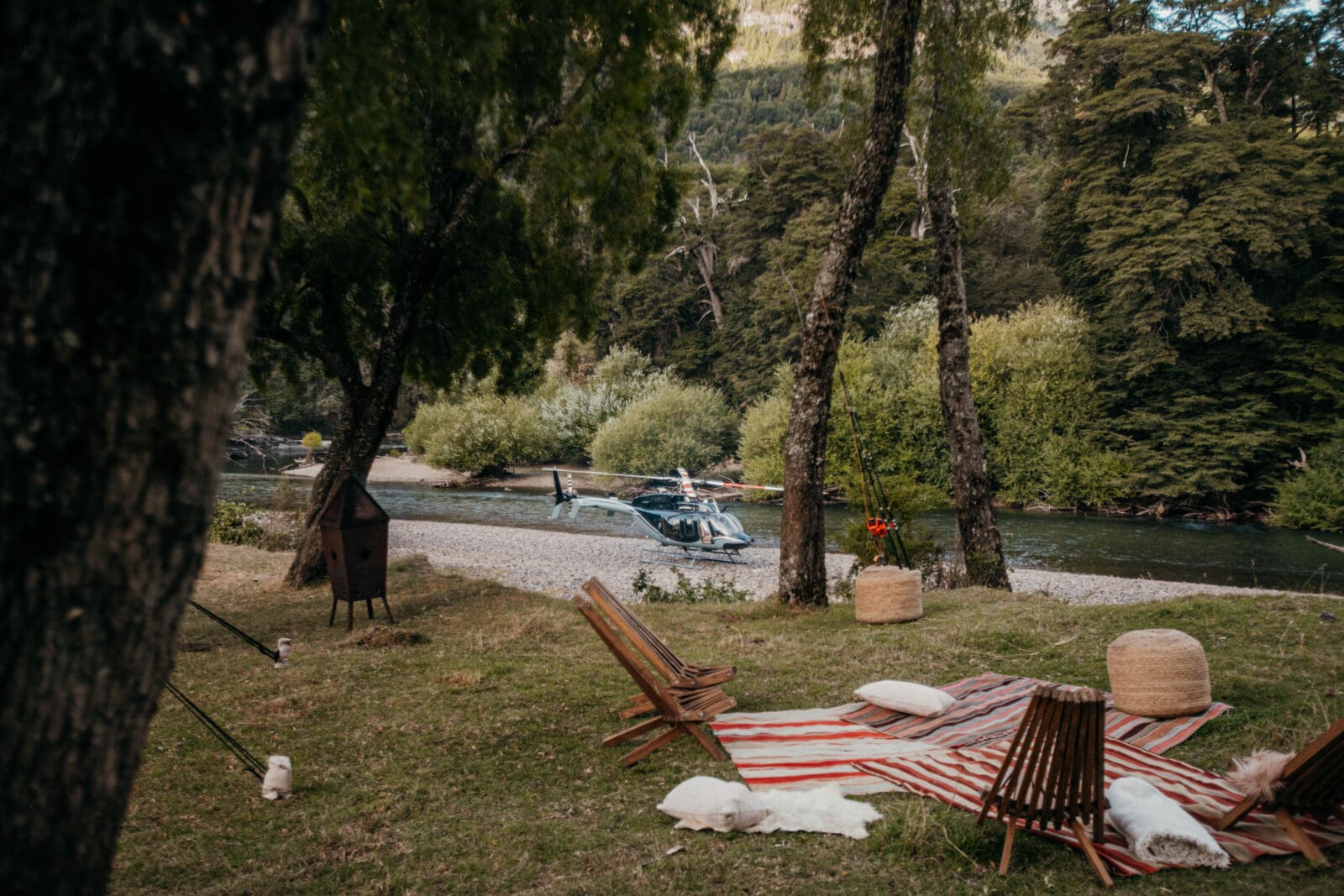
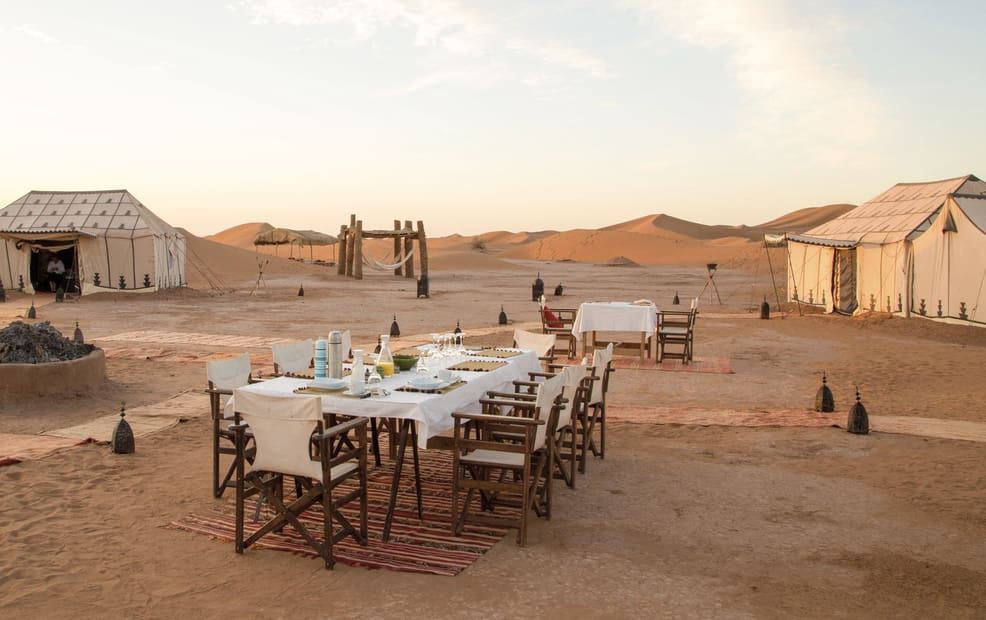

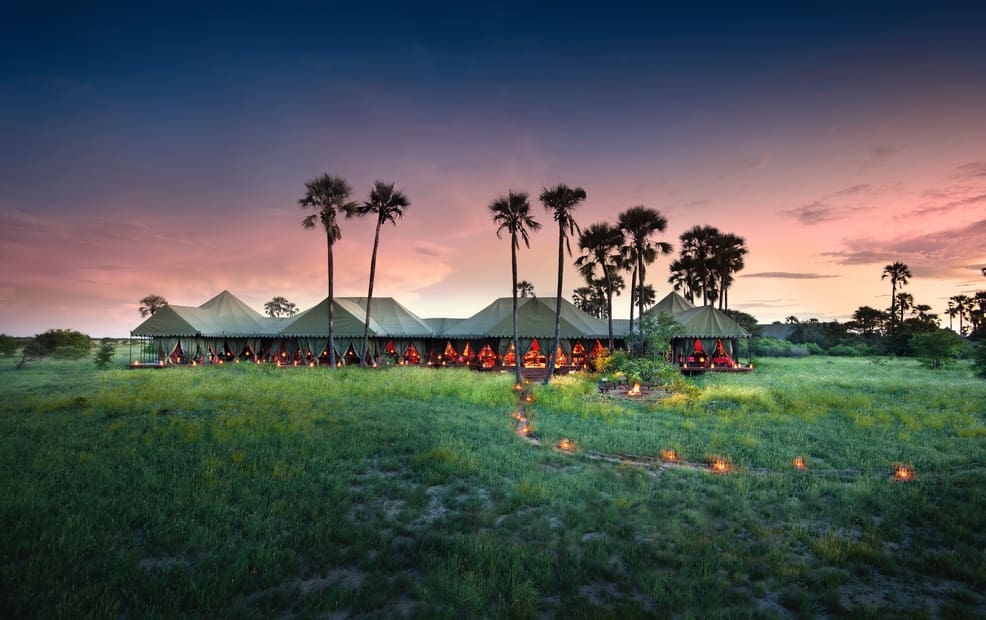
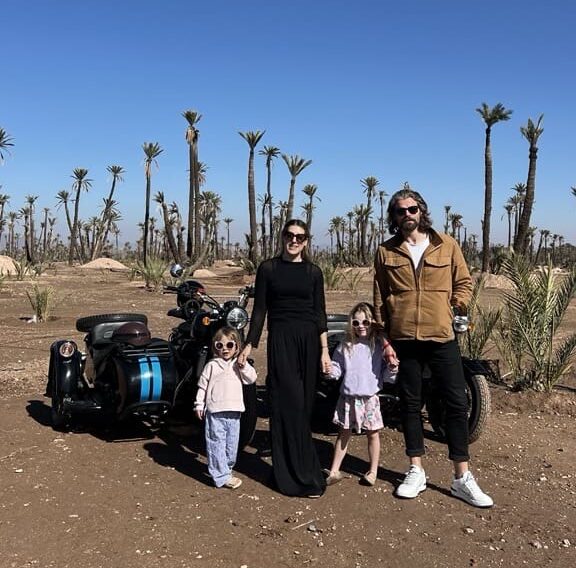
For the founders of Black Tomato, a global tailor-made luxury travel company, travel has always been about feelings. The impetus for UK-born Tom Marchant and his co-founders to start their company in the more than 20 years ago was to shake up generic packaged travel experiences and offer a more bespoke approach centered on what travelers want to get out of a trip, not just where they want to go.
With expert teams on the ground in every destination they serve, Black Tomato fully customizes each itinerary around the feelings and discoveries each traveler is chasing, whether that’s relaxation with loved ones, a challenging adventure off the grid, or an inspiring reinterpretation of a classic destination. Black Tomato trips are designed at the ultra-luxury level, ensuring travelers are greeted with doting service and five-star hospitality, no matter the destination or type of trip.
The company has built 20 years of notoriety globally, and has amassed a loyal following of American travel devotees who put their itineraries and their feelings entirely in Black Tomato’s hands.
That philosophy of keeping human feelings at its core is not shy about using advanced technology to amplify its guest experience. The company’s recently launched AI-based Feelings Engine invites travelers to answer a deceptively simple question: how do you want to feel? The platform draws on proprietary research and client data to nudge travelers toward destinations they might never have considered, and away from the algorithm-driven itineraries full of templated checklists filled with tourist traps.

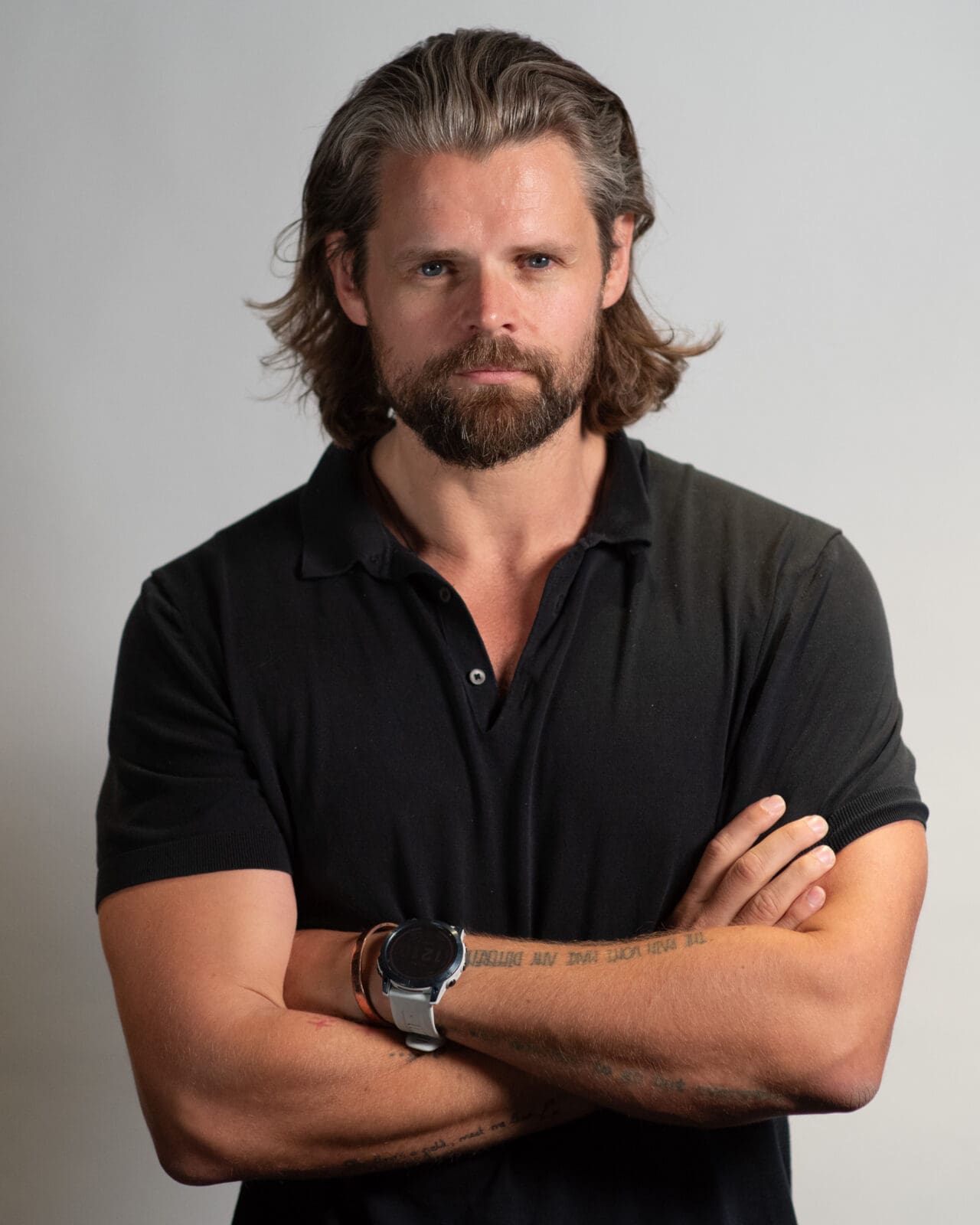
PaperCity sat down with Black Tomato co-founder Tom Marchant to find out just how much a trip can be shaped by feelings.
You’ve built Black Tomato around the idea of designing trips according to how people want to feel, rather than where they want to go. Where did that philosophy come from?
It’s something that’s so naturally part of our language now, but it’s that way because it’s how my co-founder, James [Merrett], and I always felt. We met at college, both had a love of travel, and we traveled extensively together. But when we looked around at what was available, everyone was listing destinations according to activities or sights.
It wasn’t something we dreamed up in a boardroom as a positioning strategy. It was a natural way of looking at travel that we felt a lot of people had, but that had never been articulated or structured.
Now it courses through everything we do. When we’re crafting trips, we think about what we call the heart’s journey – the arc from anticipation, to the moments when you’re there, to when you reflect back on it afterward. Over 50 percent of our clients who get in touch don’t know where they want to go, but they know how they want to feel. That’s music to our ears.
That feels especially urgent now, with social media and AI shaping how people think about travel.
Completely. In this world where everything is so immediate, there’s a risk that things feel quite ephemeral, there and gone. One of the joys of travel should be just stopping to think: what would actually be great for me? What do I genuinely need?
We see people who’ve been convinced they have to do certain things because they saw a picture of them. Part of what we do is almost recalibrate how people think about travel.

You recently launched a Feelings Engine on your site. What are you learning from the data?
It’s only about a year to 18 months old, and what I love about it is that, beyond being a great experience for the consumer, it often gets people to think about things in a way they haven’t before, to ask themselves questions they weren’t asking. It draws on our own research and data and just nudges people to rewire their thinking a little.
What trends are you seeing in the data the Feelings Engine has gathered about how people want to feel?
Disconnect is enormous. The irony isn’t lost on me that people are using a digital platform to tell us they want to be offline, but if it facilitates the end result, the means justify it. People are increasingly connected and overwhelmed in daily life, and travel becomes the opposite of that.
The other one we’re seeing grow is challenge – the earned experience. In so many areas of modern life, everything is immediate. There’s a real appetite for something that requires using your mind and body to achieve something. Whether it’s a remote trek or camping in the wilderness, there’s this satisfaction in having earned it.
We have a service called Get Lost where we literally put people into wildernesses and they have to find their way out. They receive training and are overseen by guides they don’t know are there — it’s completely safe – but in those moments, they are so dialed into the present.

How do you find and vet new destinations? Is it demand-driven, or are you genuinely just exploring more untouched places?
Honestly, it’s a combination. Part of who we are is being a thought leader in introducing places. We have an extensive research program – we’re always revisiting destinations we know, developing new products and checking them, but also just looking at places that intrigue us.
But everyone who sells our destinations needs to have lived and worked in those places. And we’re always reading the data coming through from the Feelings Engine and our clients’ requests.
The part that I find genuinely joyful is introducing our take on a place. Iceland is a great example – it’s almost like my second home, a cornerstone destination we launched with. But as Iceland has grown in popularity, everyone tends to do the Golden Circle, the Southern Route. What fascinates me is the vast stretches that are still undiscovered. Get up into the Hinterlands, up into the north, and you find these absolutely incredible experiences that feel completely uncharted.
Or take Devon and Dorset on England’s south coast – somewhere I spent summers growing up. It’s some of the most beautiful countryside you’ll find anywhere: tiny fishing villages, astonishing landscapes, national parks. It’s the inspiration for so much of great English literature and art. For most Americans, “England” means London and the Cotswolds. Introducing Devon as an alternative feels like uncovering something genuinely special – which is exactly the point.
What’s coming up on your radar in terms of emerging destinations?
Taiwan is one that we’ve been doing a lot of research on and that’s coming through really well. I think people will start hearing a lot more about it. And there are always parts of well-known countries that remain largely undiscovered.
That’s something I love about this moment in travel: more parts of the world are opening up in a meaningful way. Not overdeveloped – just able to provide services that make an adventure accessible without stripping it of its wildness.
Tell me about Black Tomato’s sustainability and social impact work.
We’ve just launched a partnership with the Global Fund for Children, which I’m really proud of. What I love about them is that, rather than pooling everything into a central charity, they go and find the best local organizations doing work with children in communities that really need it. You can see the impact going directly into that area.
The regenerative philosophy is really about making sure that everything we create is being delivered by and through the eyes of the local community. That’s where travel becomes a genuine force for good.
Morocco is a destination really close to my heart, and the hospitality there is extraordinary. But what makes it special for us goes beyond the properties. We’ve been working with a charity called Alfuki, based in the Atlas and Marrakech region, which supports the education of women and girls in rural areas where traditional structures mean they often don’t have those opportunities.
You’re approaching 21 years of Black Tomato. What’s next?
When James and I started this, I just wanted to wake up in the morning and want to run to work because there was so much I loved about it. That feels as strong now as it did then.
Looking ahead: there are parts of the world we want to open up that are becoming increasingly interesting. And we’re doing more around family travel – specifically the intersection of education and travel. We have a service called Field Trip where you can actually learn at the coalface, with real experts in places, rather than in a classroom.
And then there’s technology. We have an internal philosophy at Black Tomato called Humate – a combination of human and automated. We operate in a human world that uses the best technology to amplify our people. The question we’re always asking is: how can we use what’s available to be the very best we can for our clients and our staff – to bring the world to life for someone before they even arrive?
Trending
- Storied River Oaks Boulevard Mansion That Used To Be the Party Palace Of An Italian Baron Hits the Market — $21.9 Million For a Historic Treasure With 007 Vibes
- Greg Katz To Debut Tex-Mex Spot on Katy Trail, Another Knife Steakhouse Closes, and More Dallas Restaurant News
- The Knox, Auberge Collection Hotel Opens Reservations in Dallas
- Dolly Parton Has Left Houston a Love Letter, and It Will Unfurl on a Special Symphony Weekend
- Houston’s Sleekest Cafe Can Be Found In the Stunning Ismaili Center — Diving Into Tapestry
























_md.jpg)




_md.jpg)


_md.jpg)